Taiwan
The Beautiful Isle
A 14-day, small group birdwatching tour to Taiwan
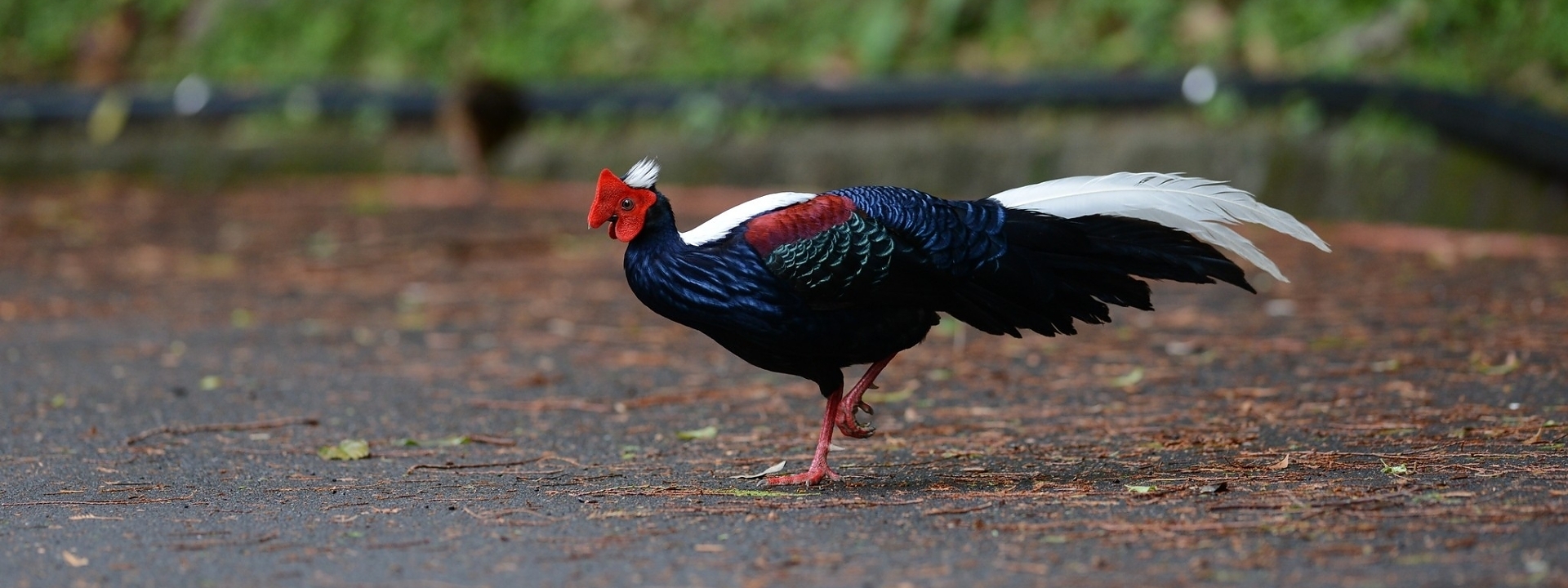
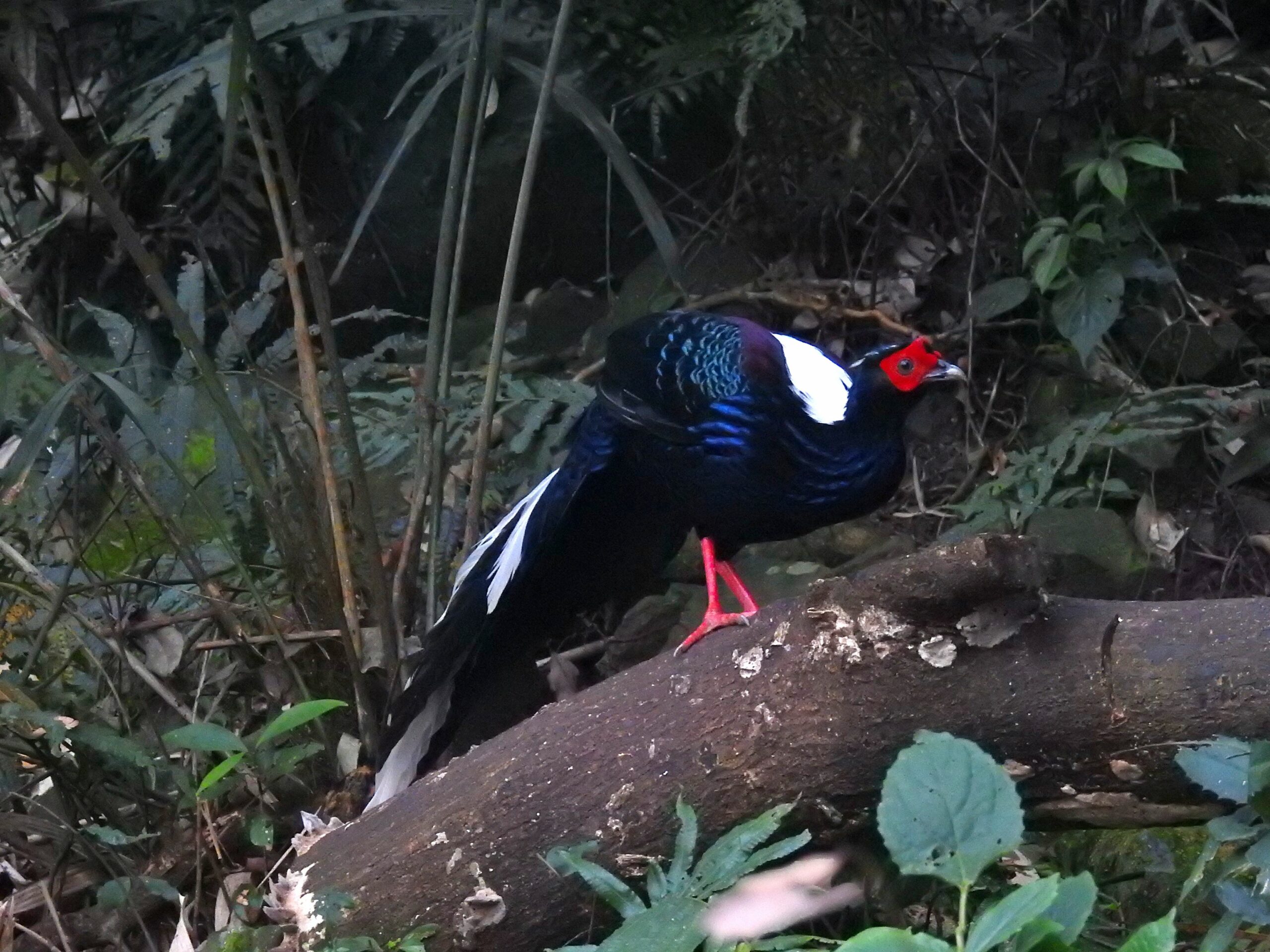
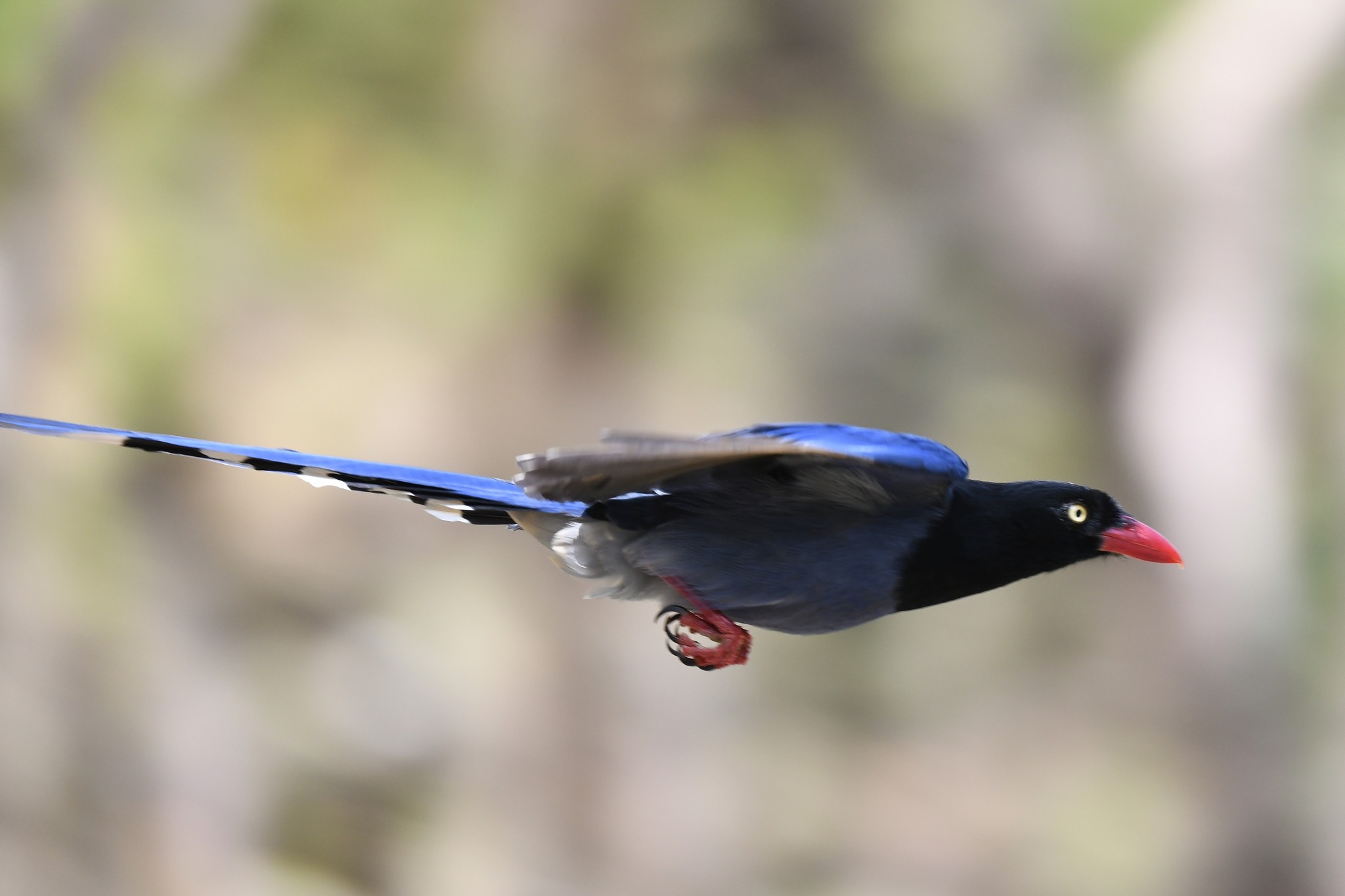
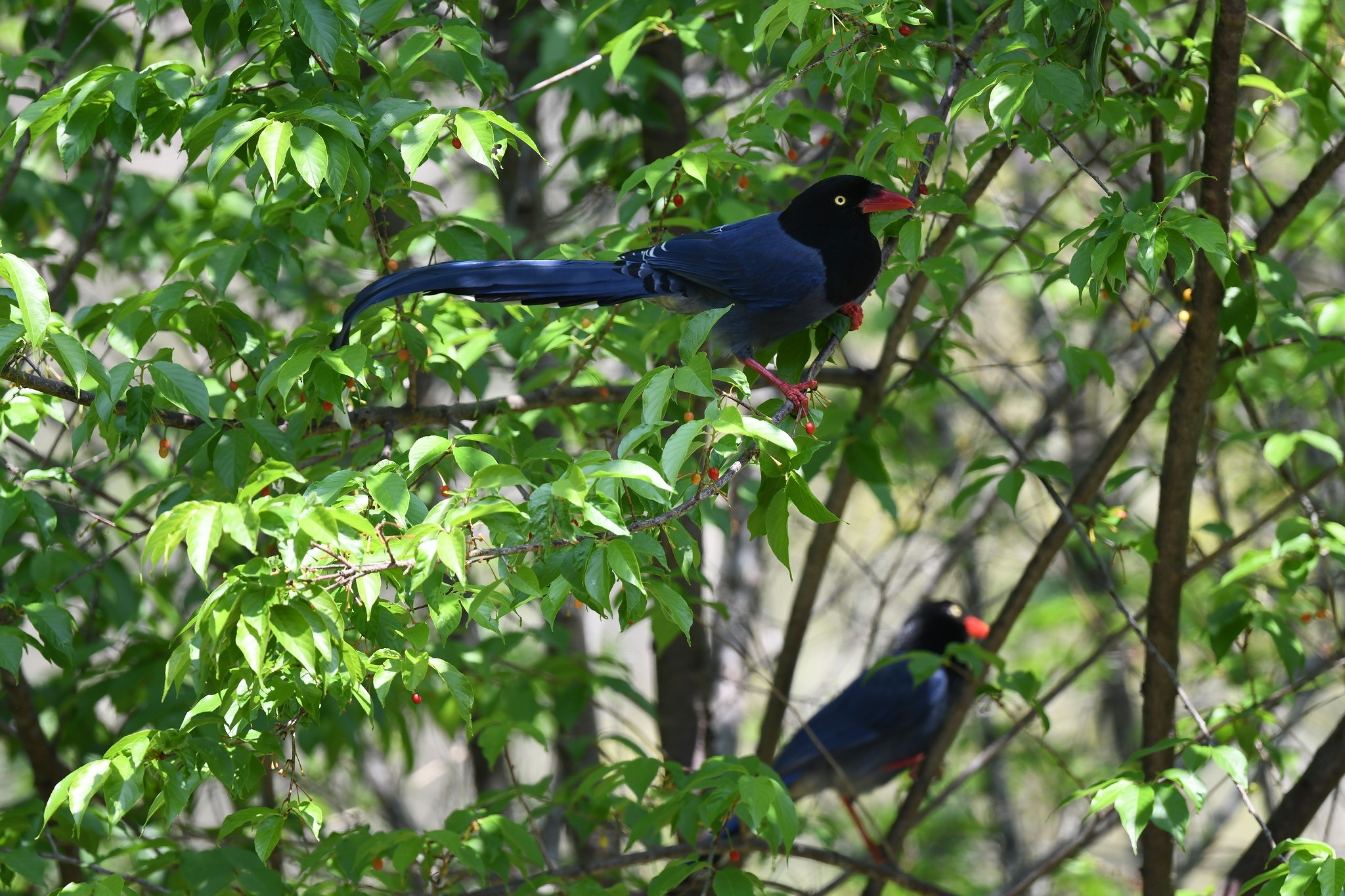
Our spring birding tour to Taiwan will introduce you to some of the loveliest parts of the ‘Beautiful Isle’, with the emphasis on finding the island’s endemic birds. From sublime Swinhoe’s and Mikado Pheasants in mist-laden oriental woodlands to exotic Taiwan Blue Magpies in the subtropical canopy, Taiwan boasts over 30 endemic species and several dozen endemic subspecies. A Spring visit also adds the opportunity to look for summer visitors and East Asian specialities including Fairy Pitta, the endangered Black-faced Spoonbill, migrating shorebirds and much more.
Tour Dates & Prices
Sun 26th April 2026
Fri 8th May 2026
- Contact Us
Tour Cost: 13 Days from £4995 including return flight from London or £3845 land only
What's Included?
- 11 nights’ accommodation in Taiwan staying at comfortable hotels
- All main meals in Taiwan with drinking water provided during the day.
- Surface transportation by minibus or other vehicle suitable to the group size
- All excursions, entry fees, tour-based tips (local guide and driver) and taxes
- Services of Limosa’s Taiwanese bird guide Kuan-Chieh Hung with the tour also led by Colin Bushell subject to minimum numbers
- Limosa checklist of birds and mammals
Cost Excludes
Insurance, drinks, airport meals/snacks and other items of a personal nature.
Additional Information
The land only cost is the price you will pay if you choose to arrange your own flights. If you select this option, please contact the Limosa office before making your travel arrangements.
Tour Highlights
- Birding on subtropical Taiwan, the 'Beautiful Isle'
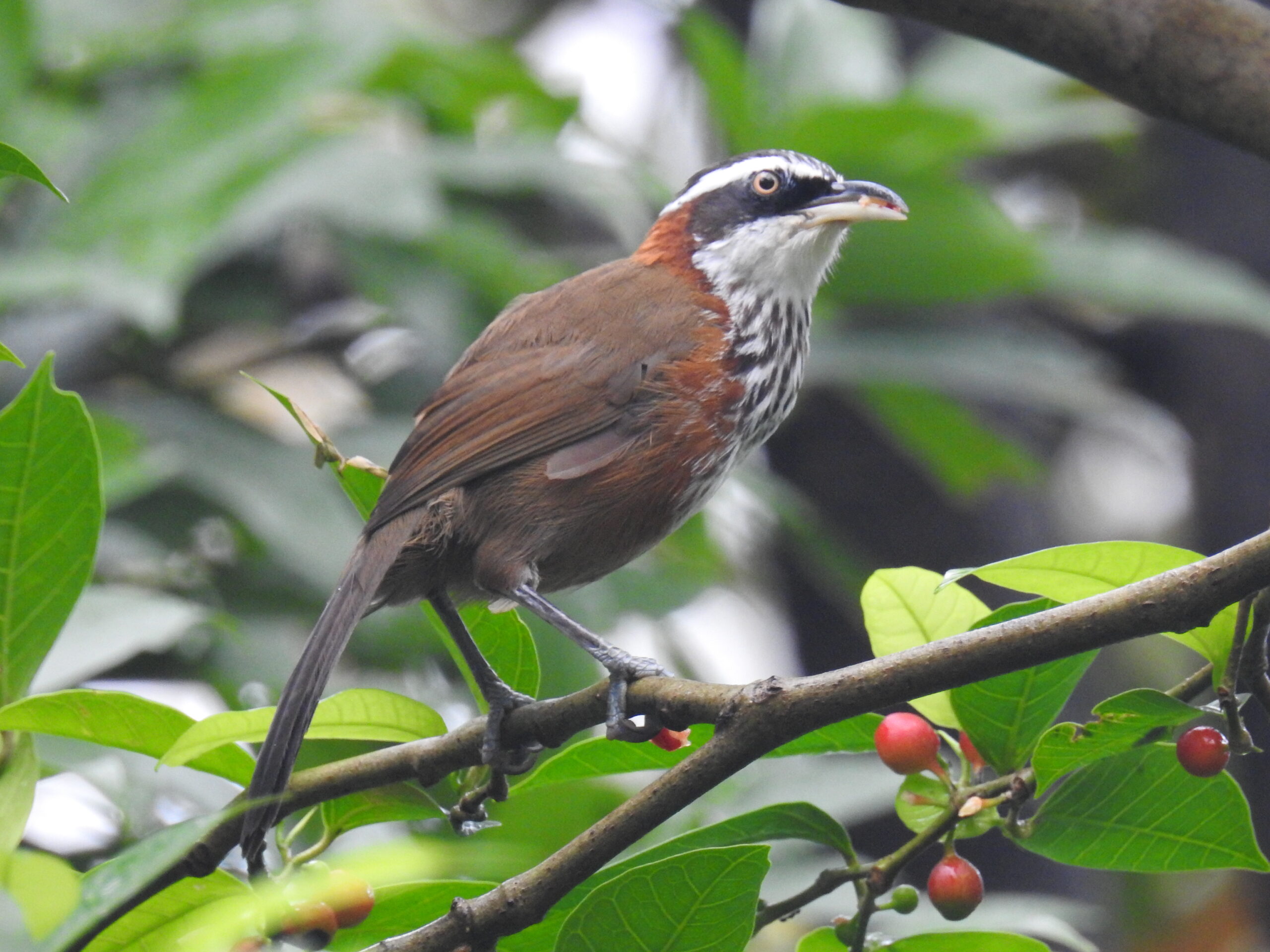
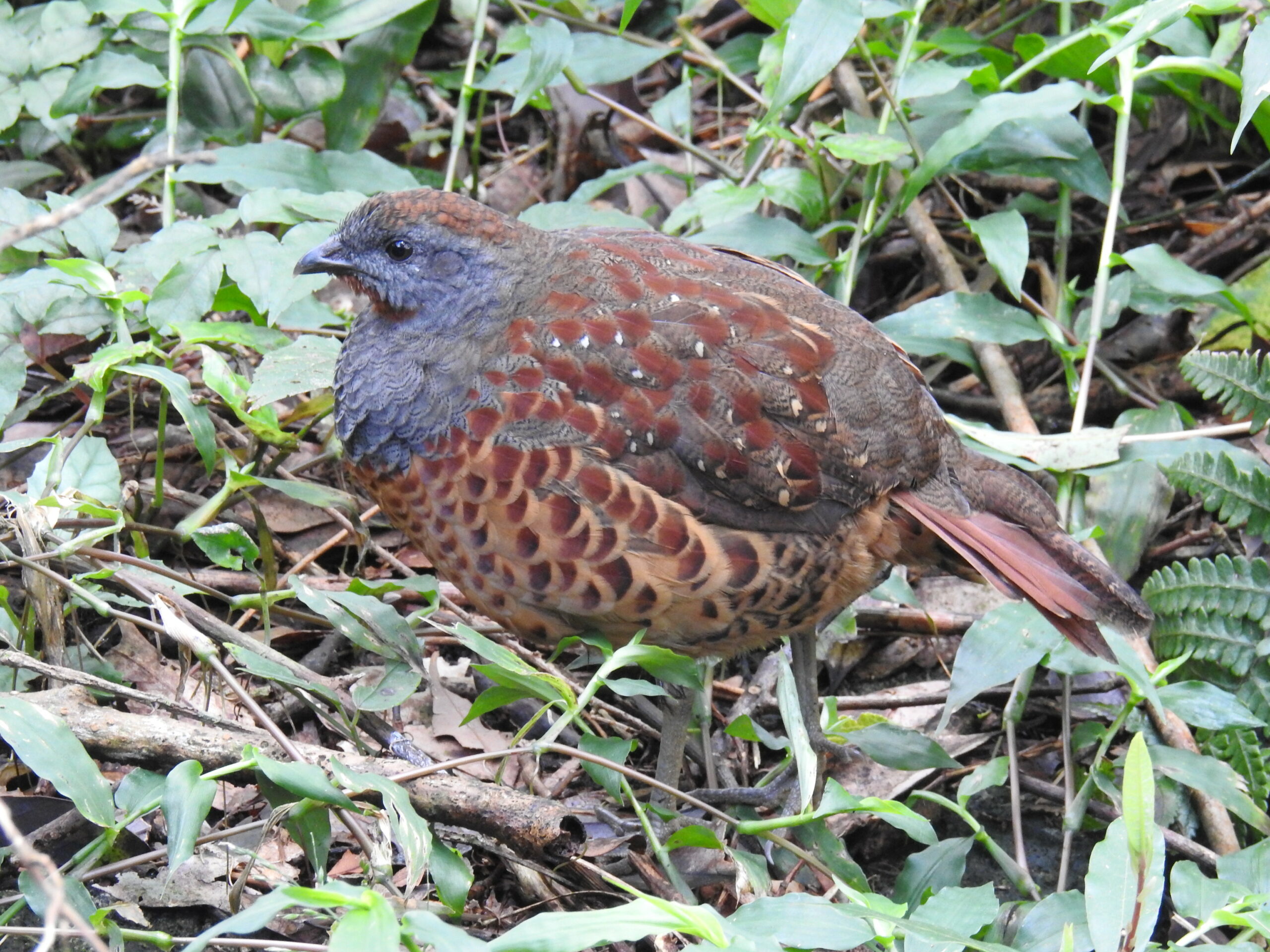
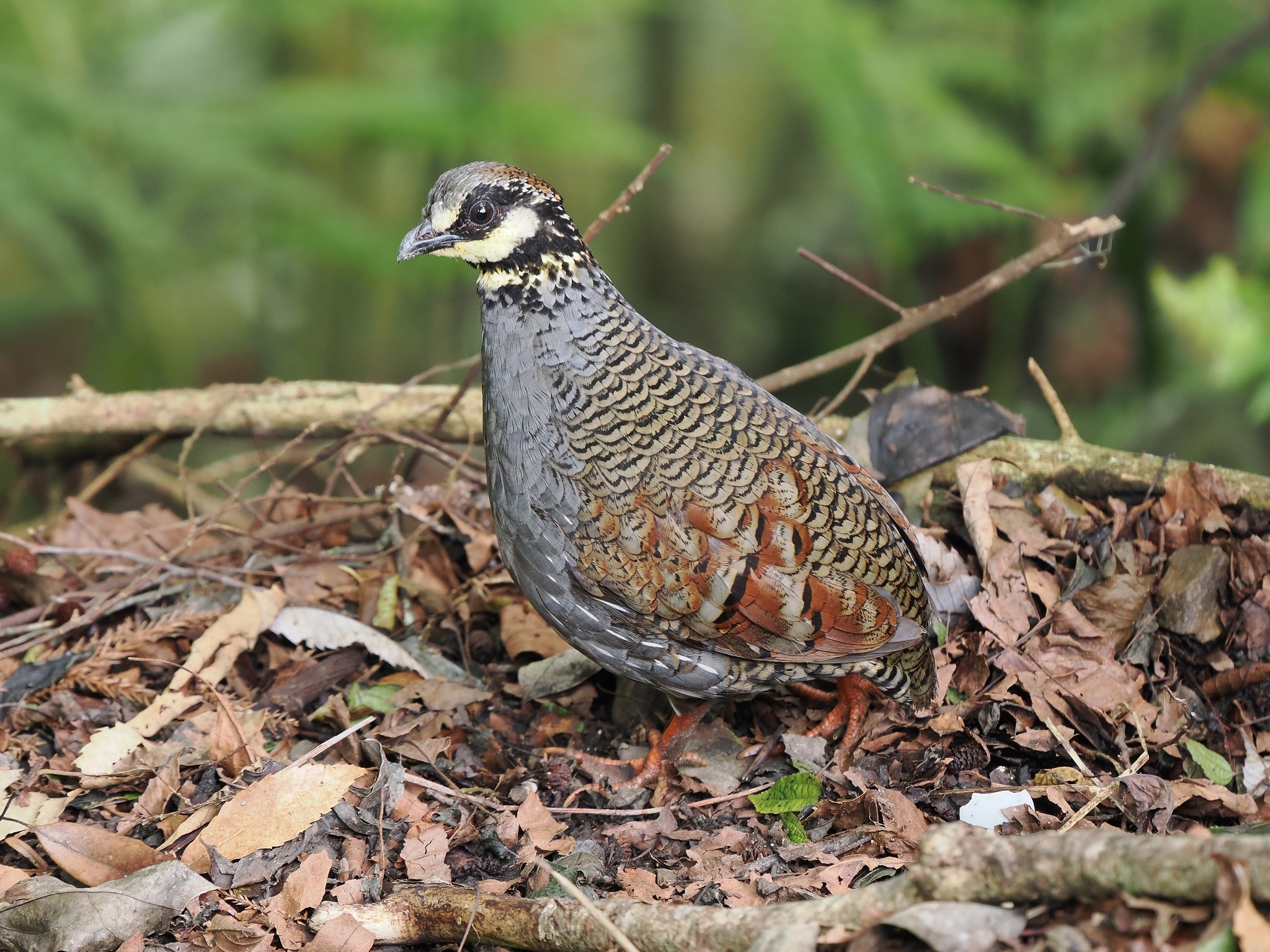
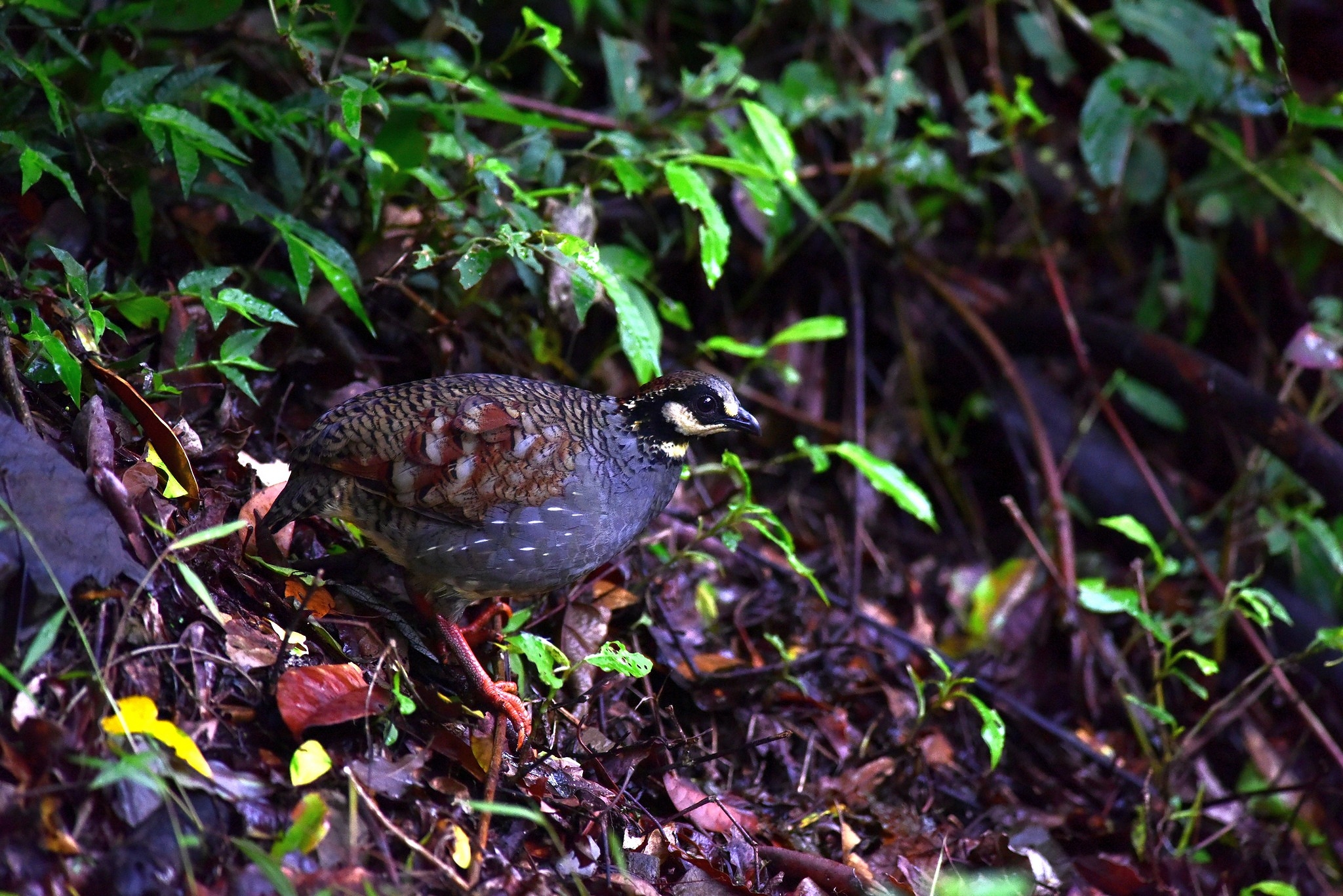
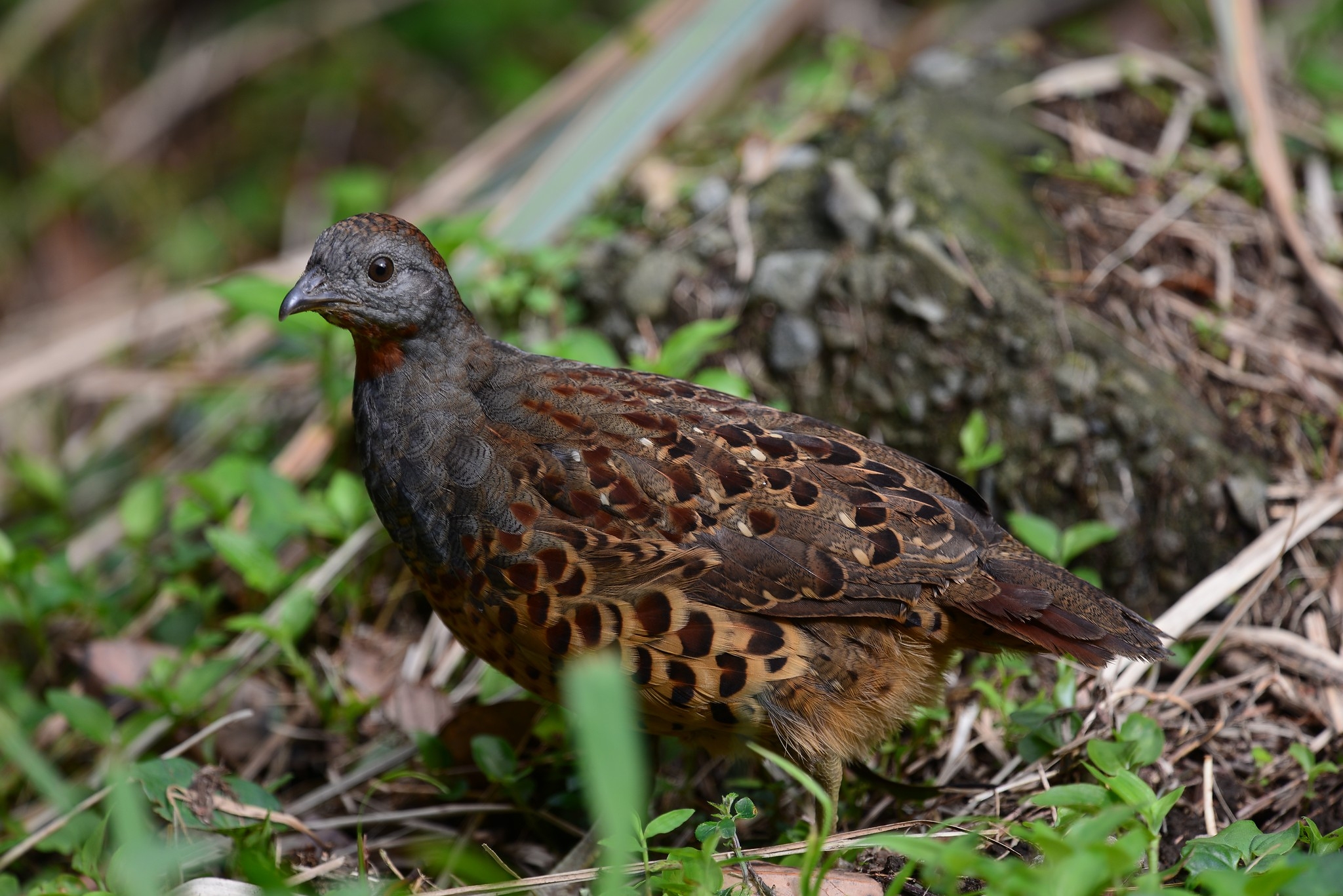
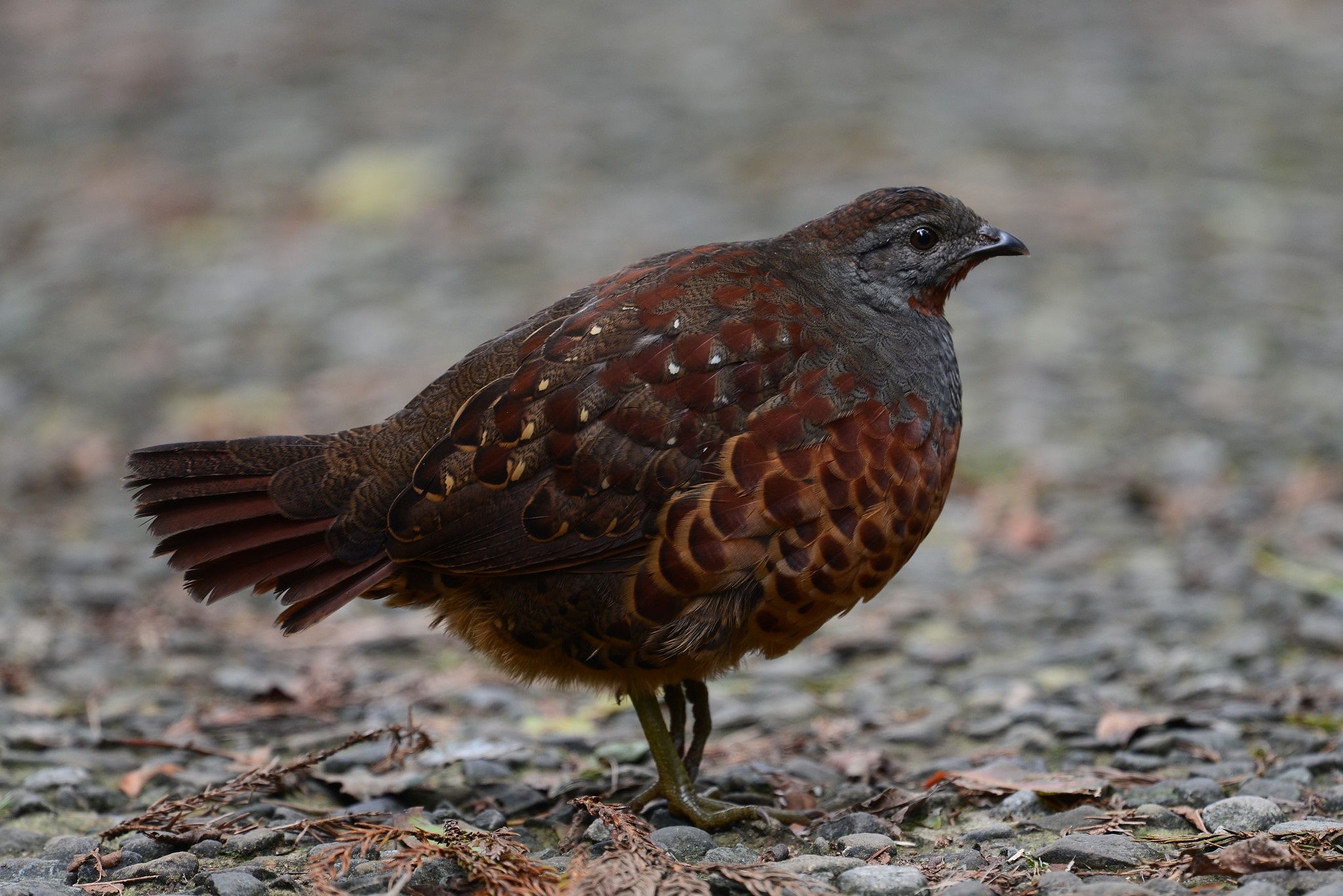
- Over 30 Taiwanese endemic birds and more than 50 endemic subspecies to look for including Mikado and Swinhoe’s Pheasants, Taiwan Partridge and Taiwan Bamboo Partridge
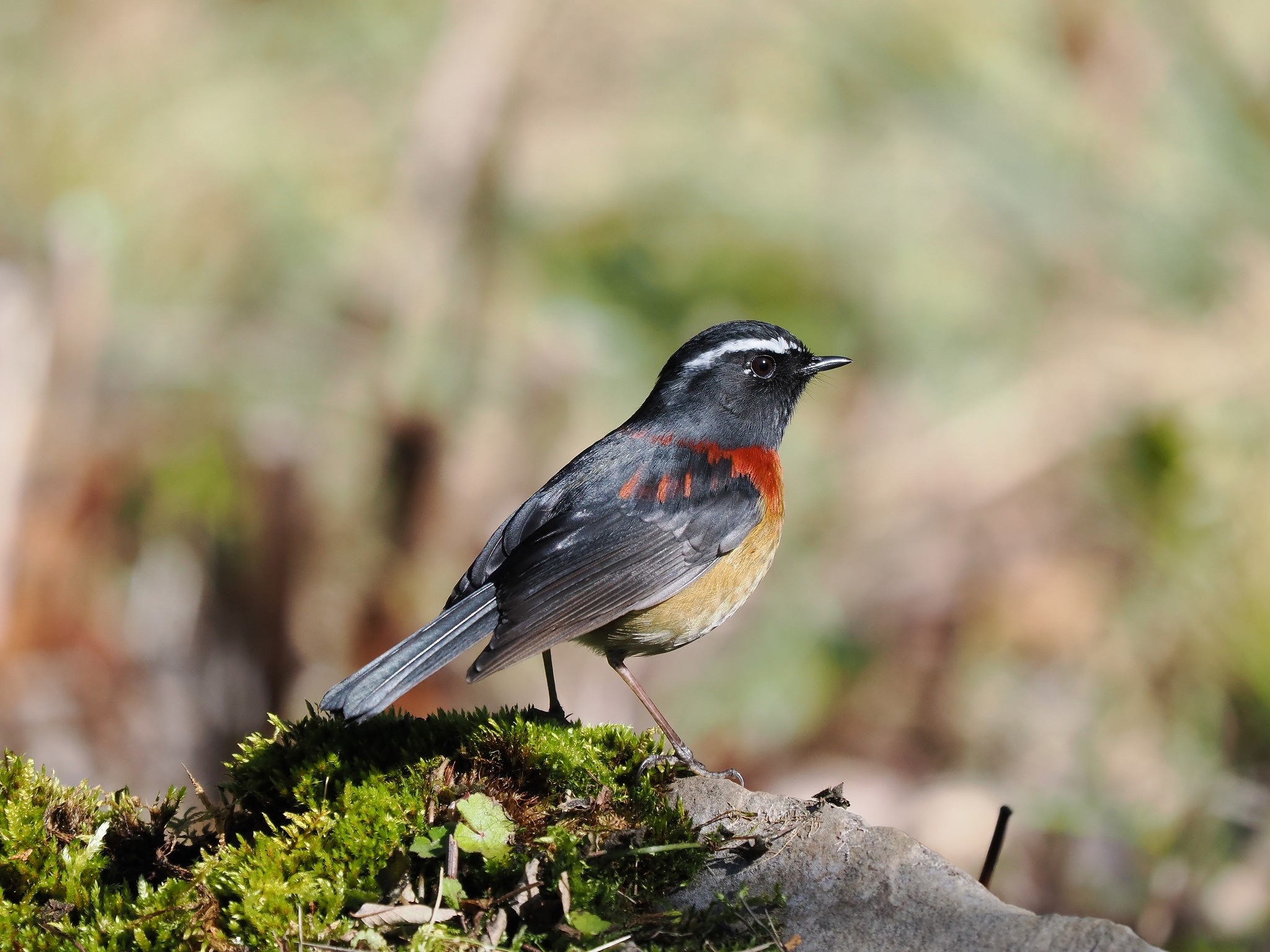
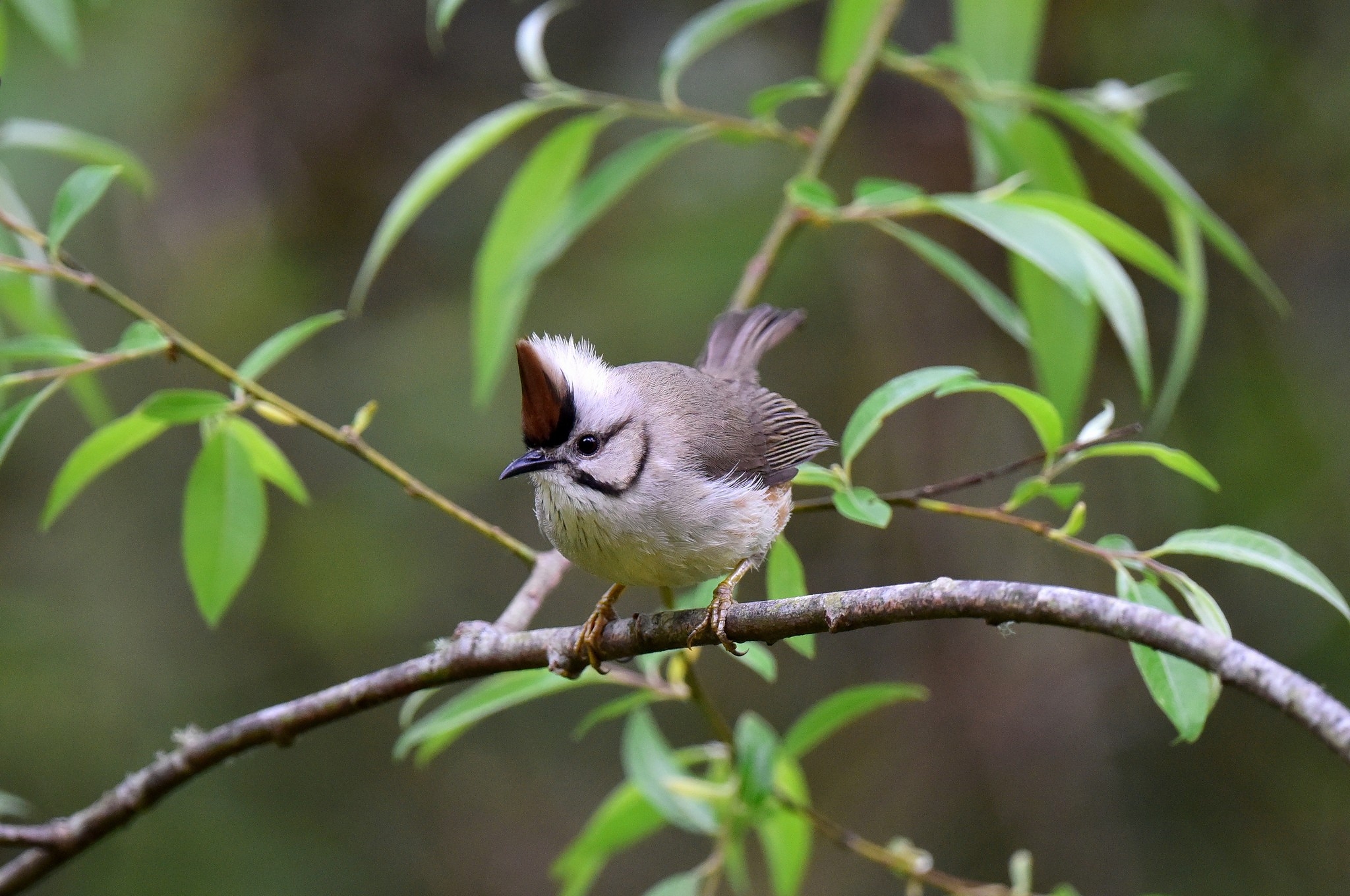
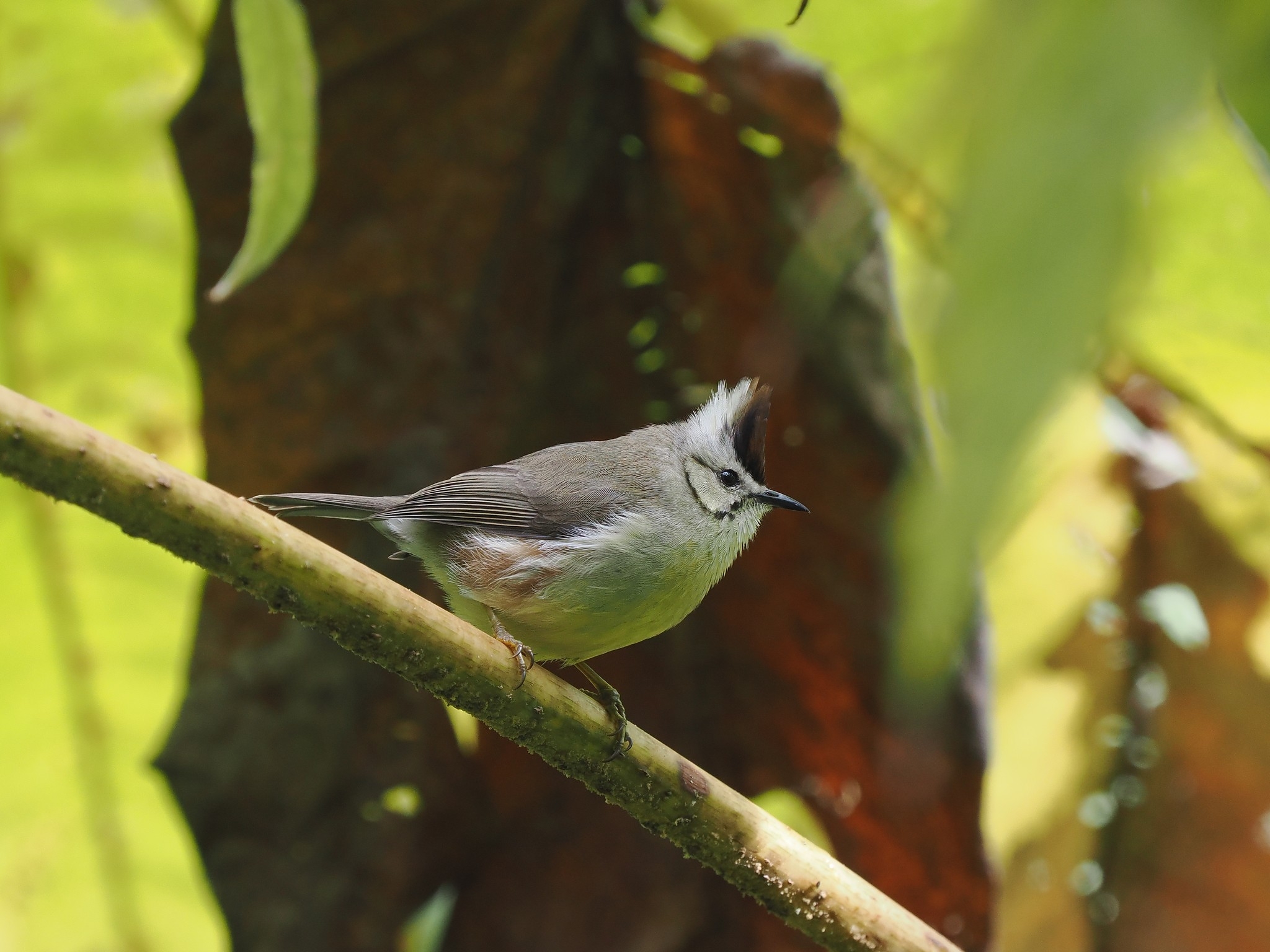
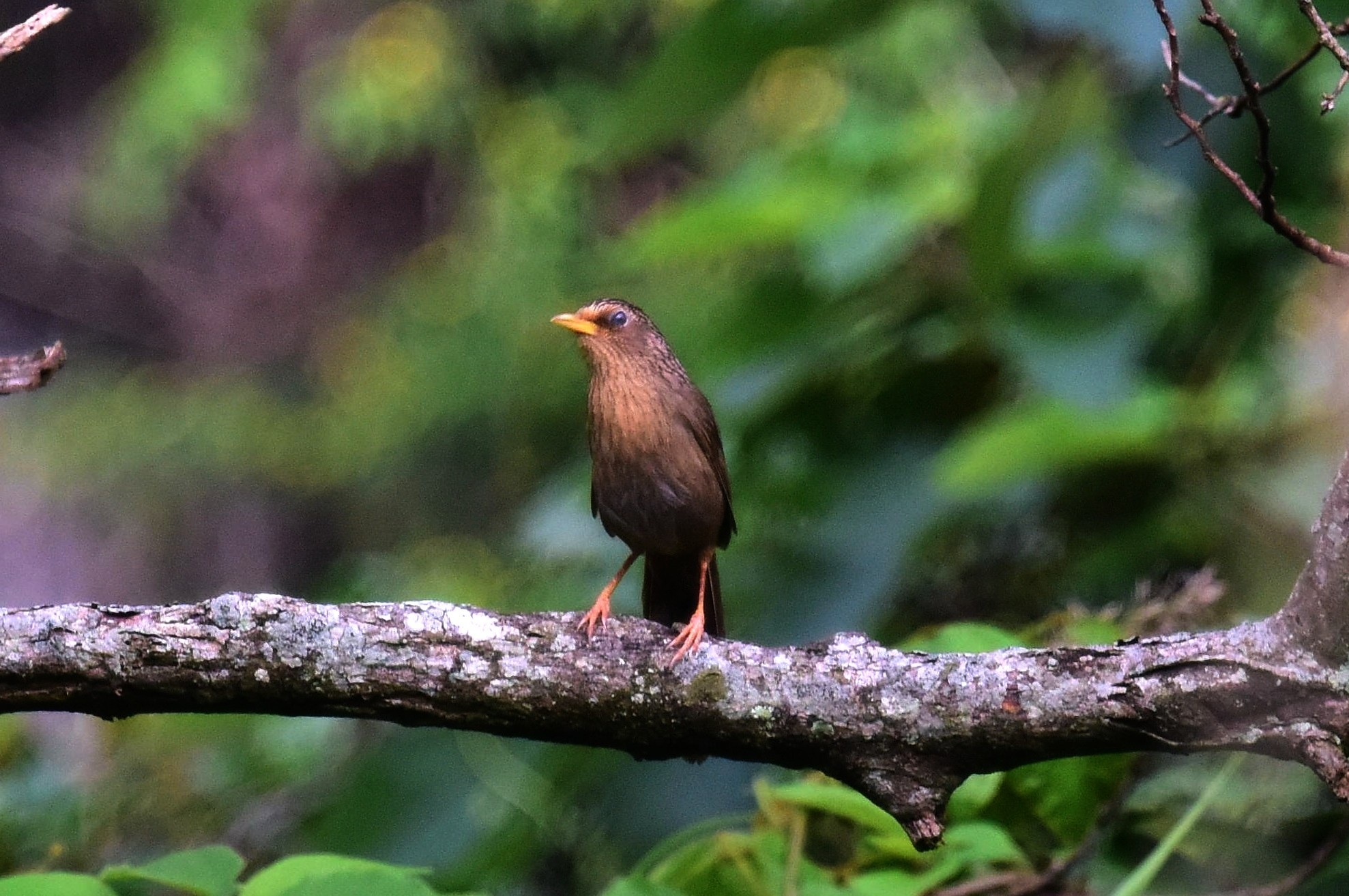
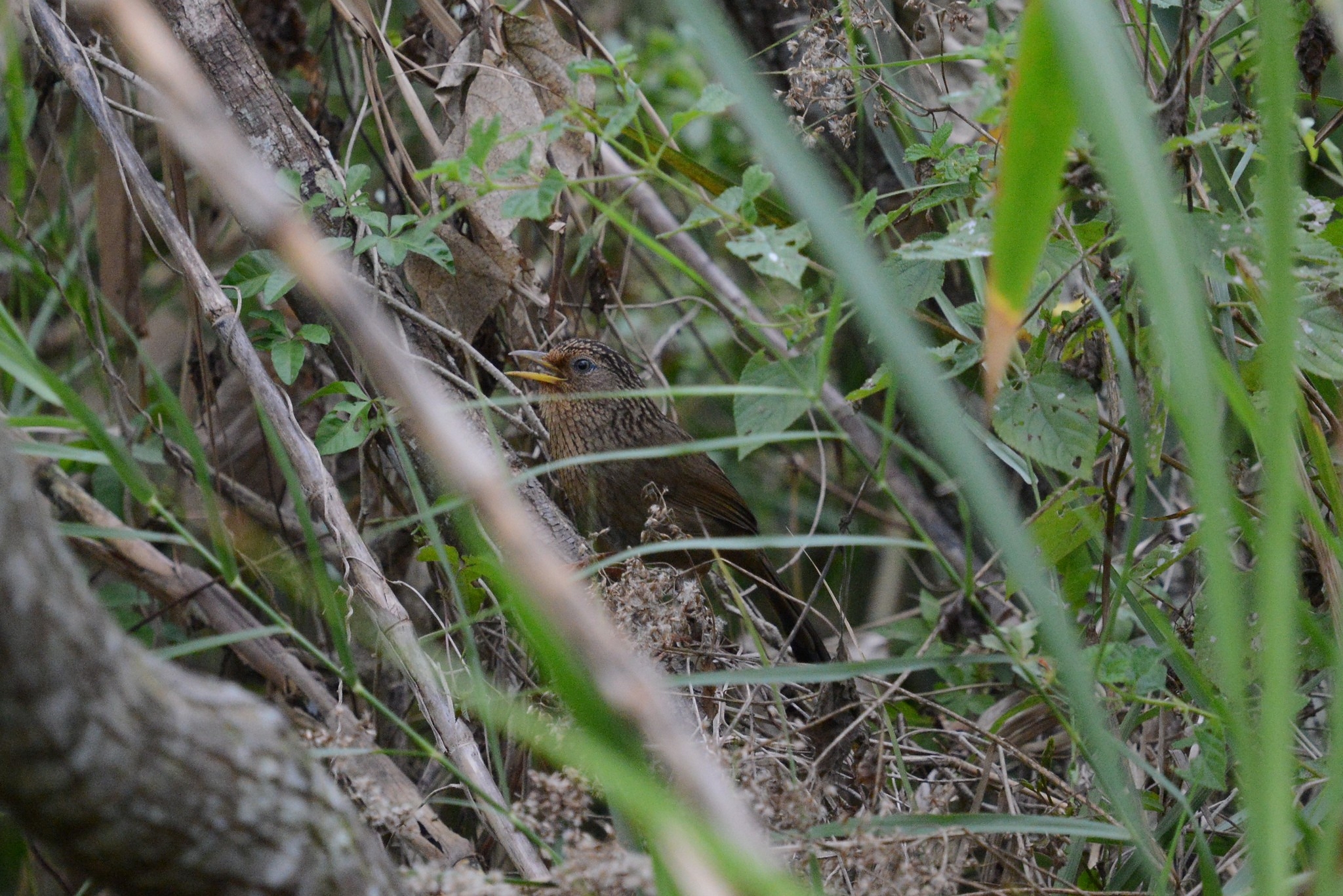
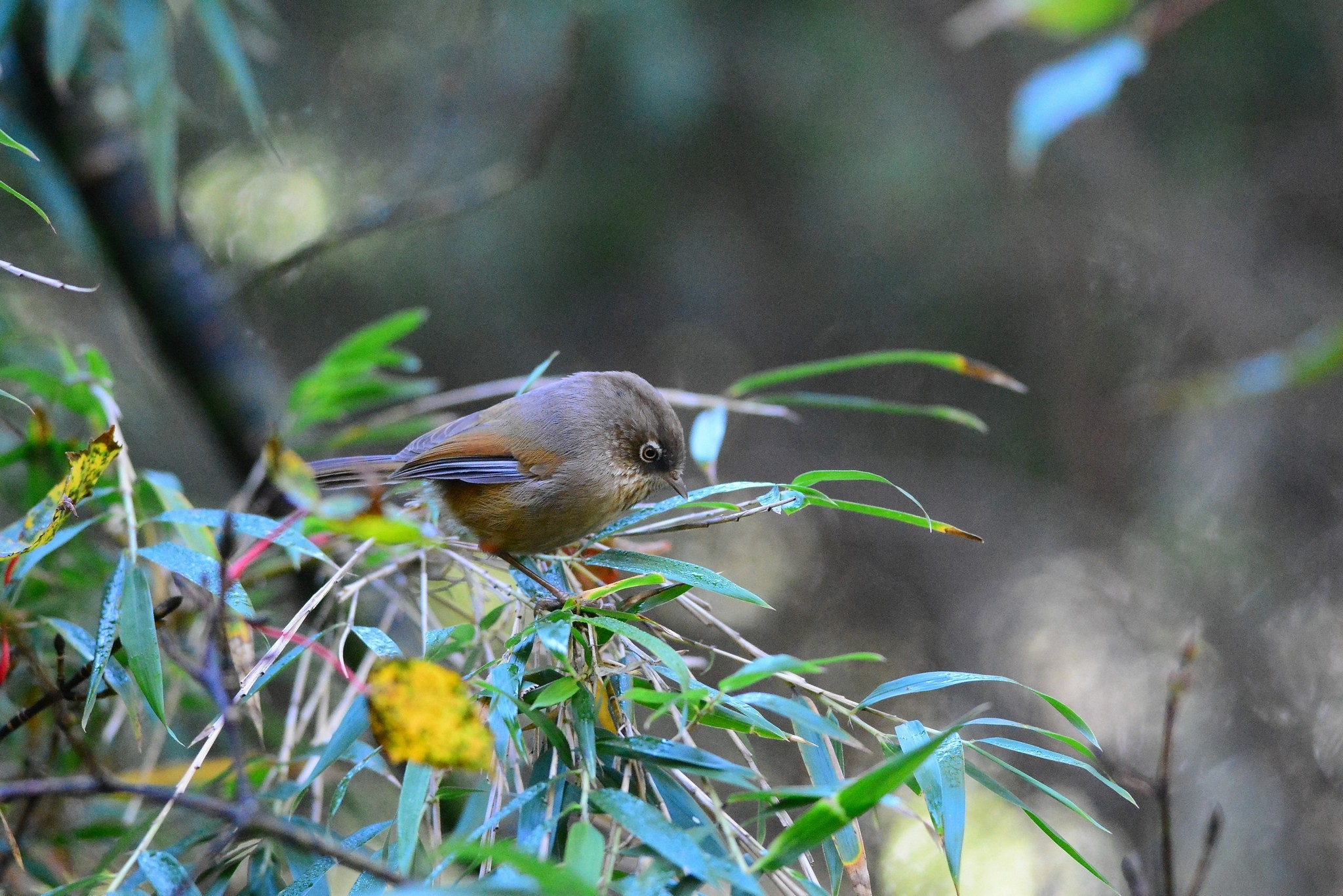
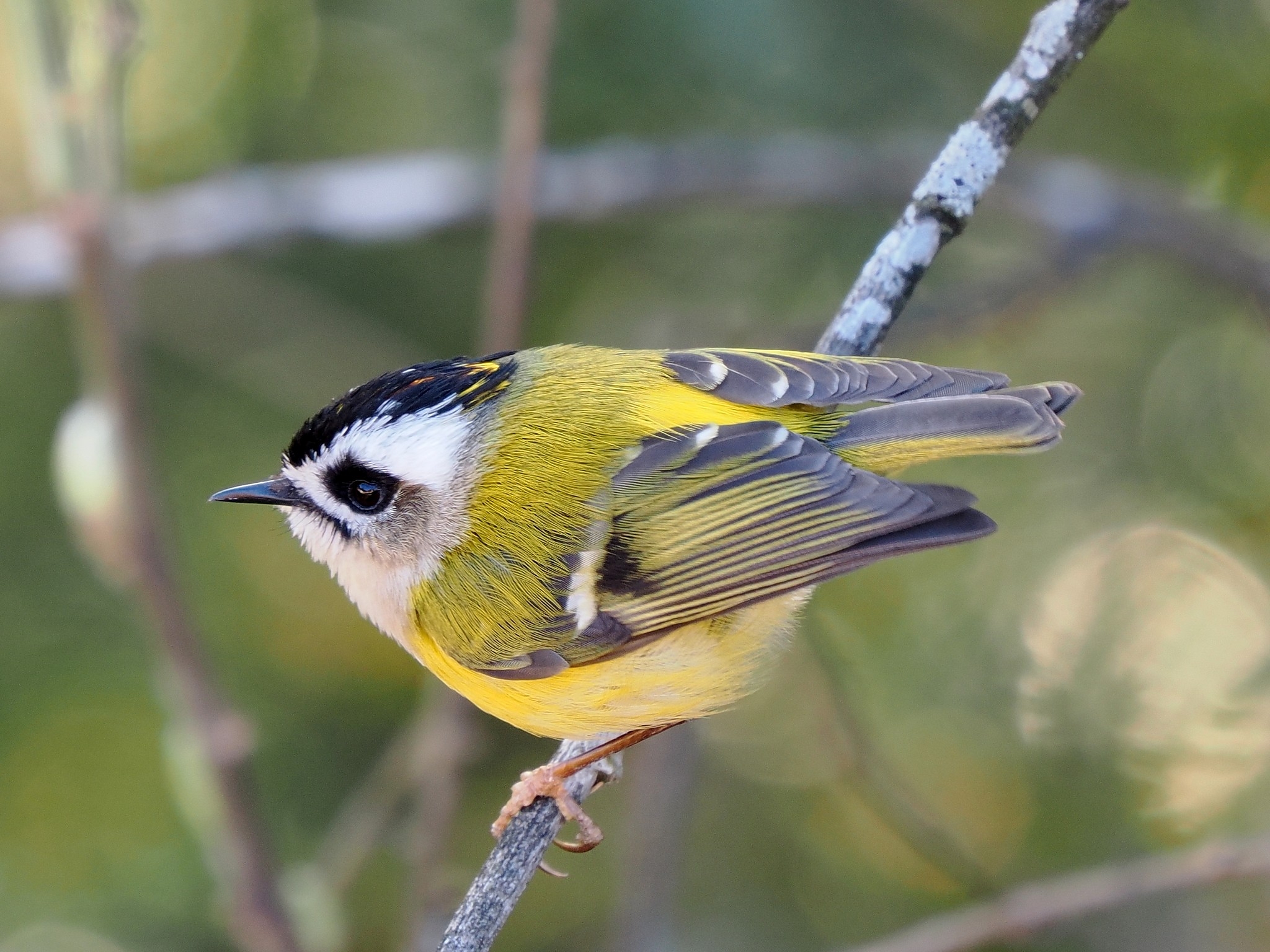
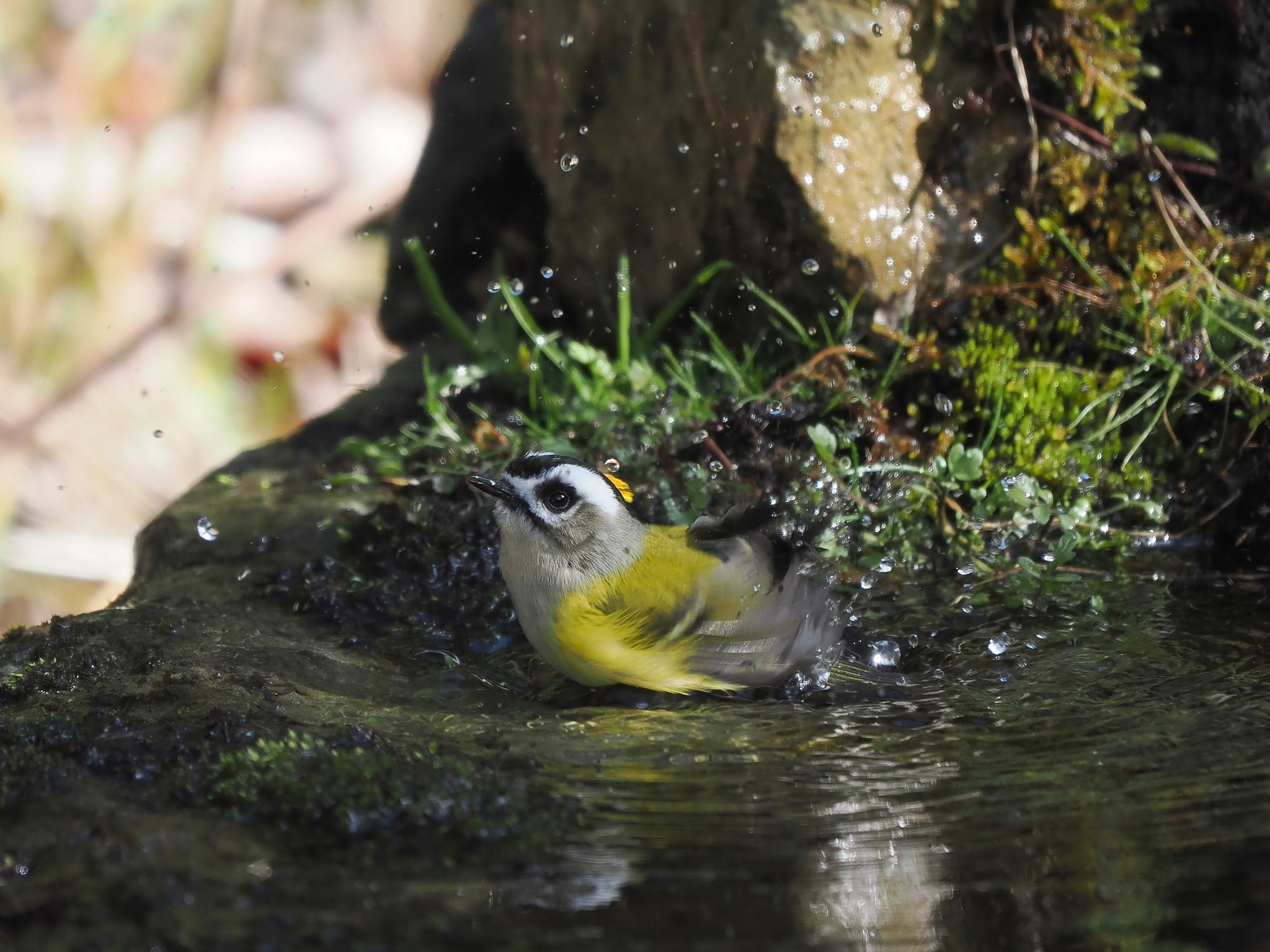
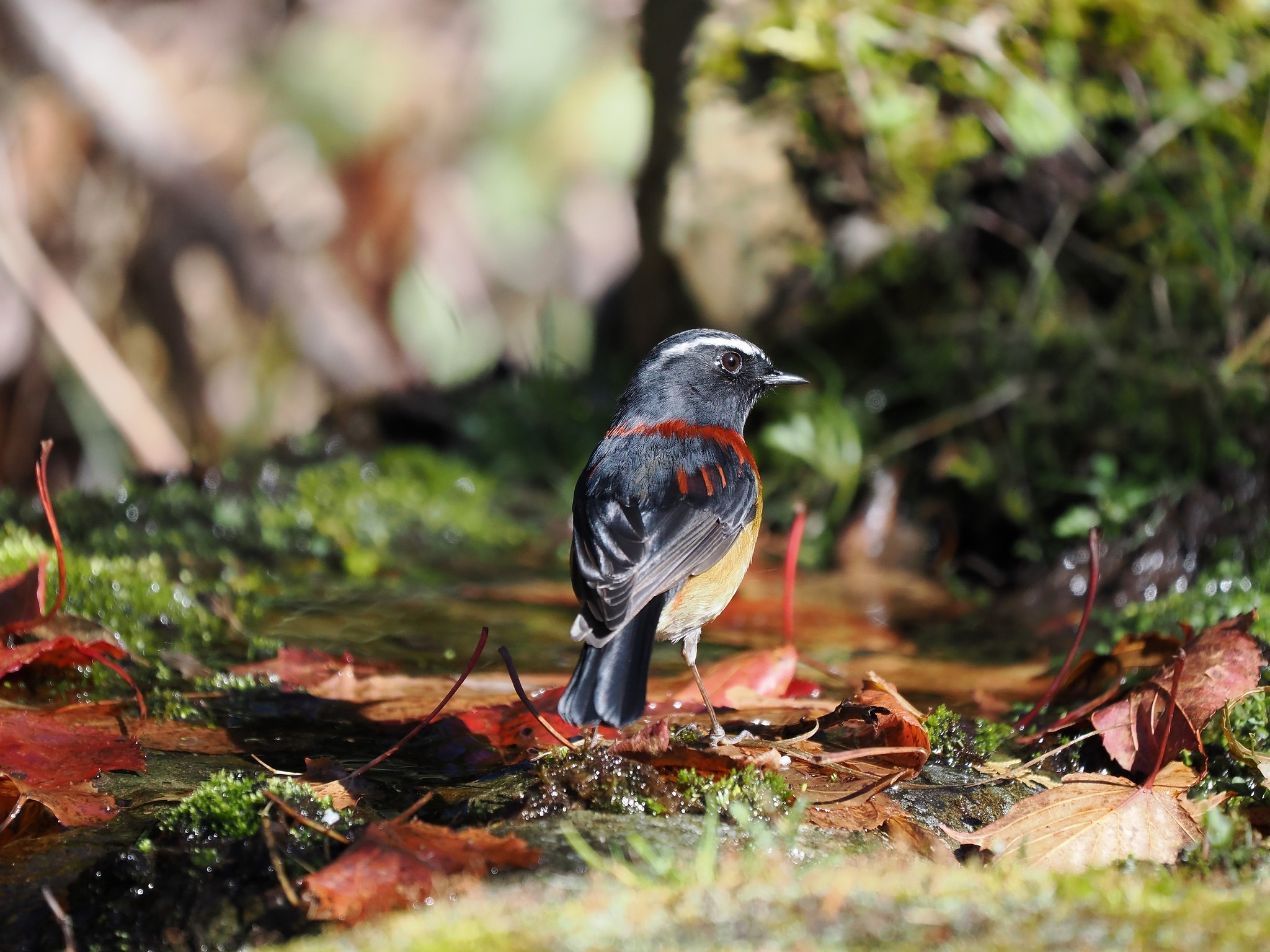
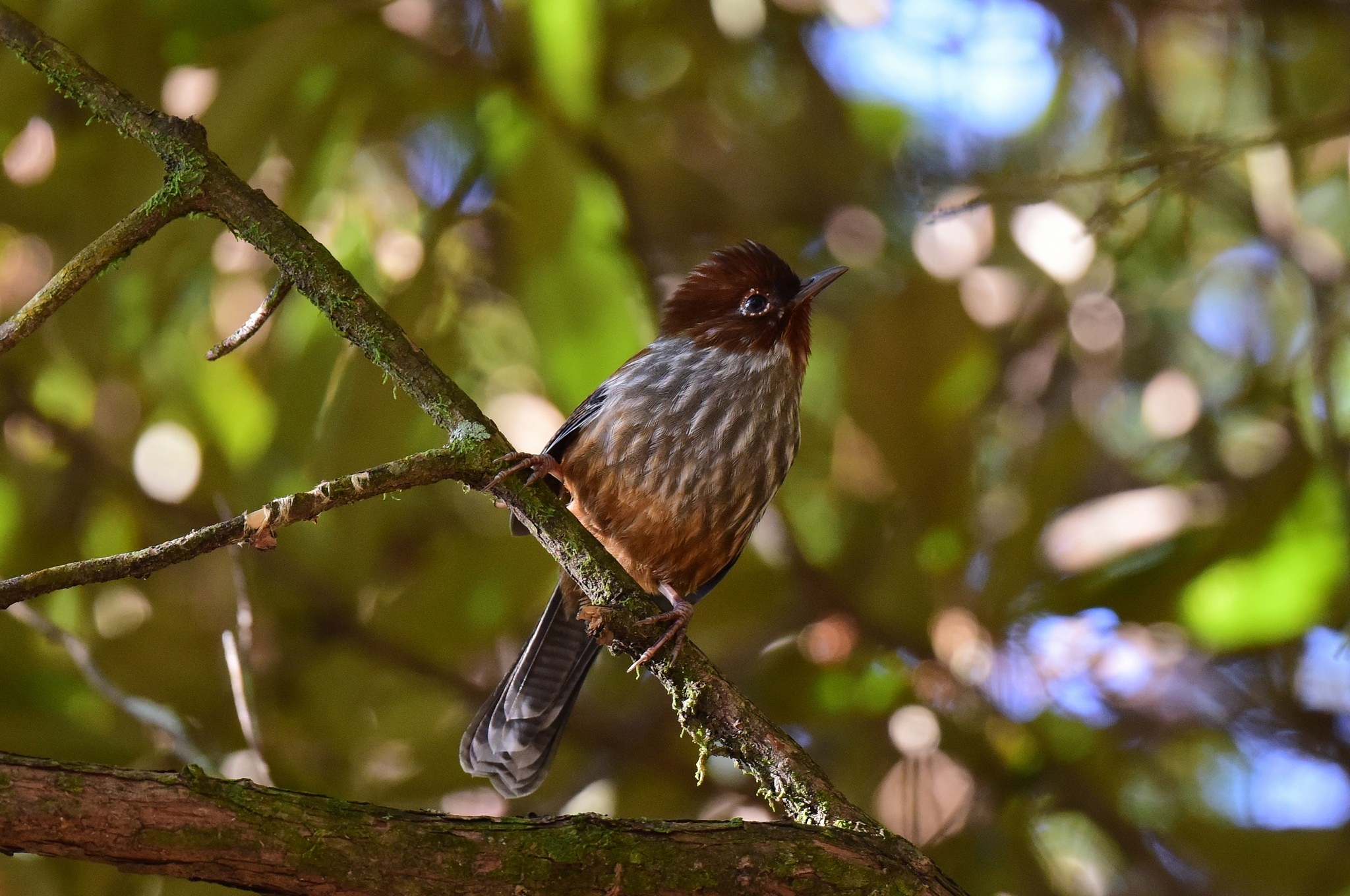
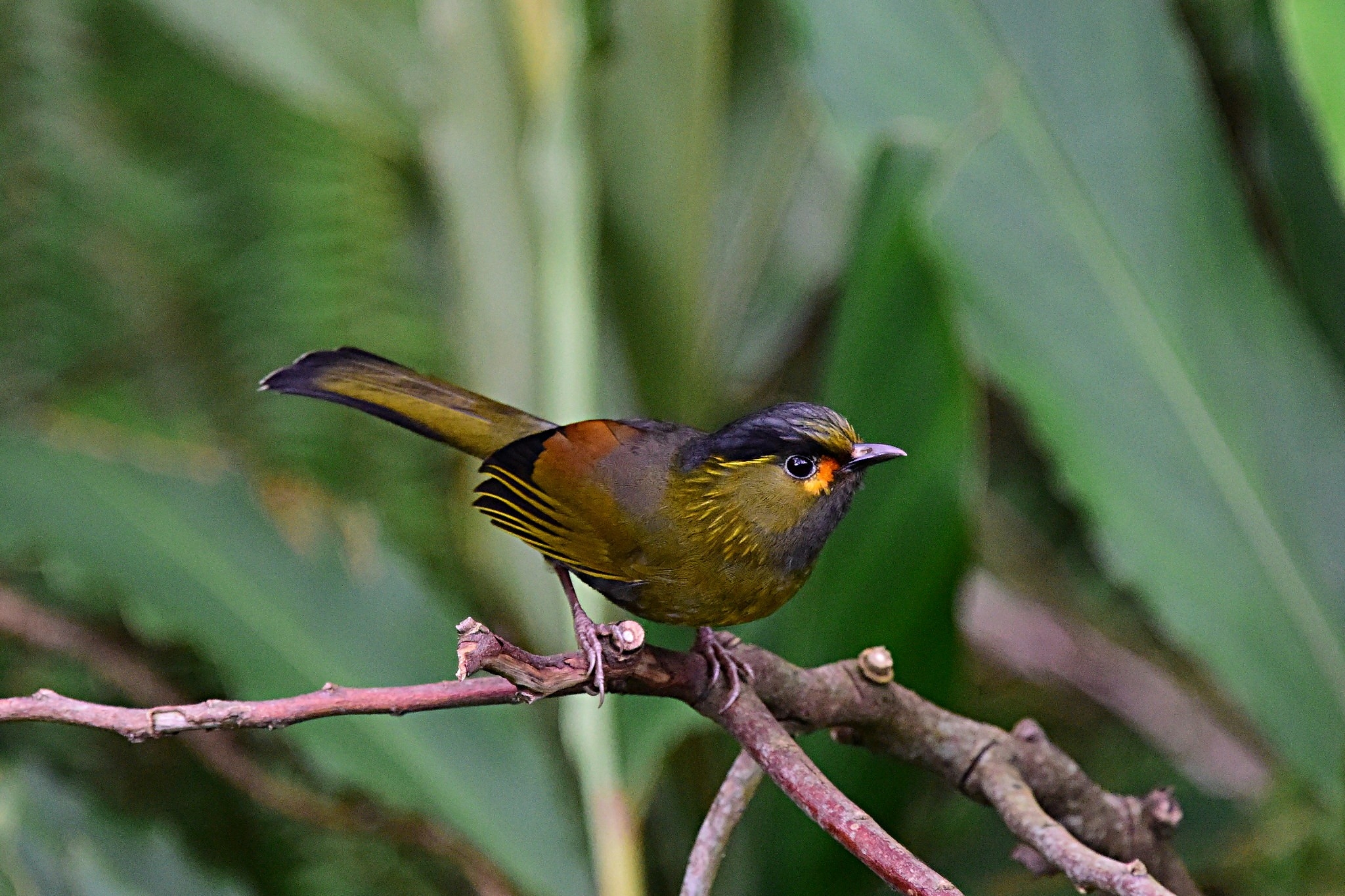
- Other endemics we hope to see include Collared and Taiwan Bush Robins, Flamecrest, Taiwan Liocichla and Taiwan Yuhina
- Good range of passage East Asian waders plus the endangered Black-faced Spoonbill
- Look for Fairy Pitta and other special migratory species
- Small group tour - maximum 10 participants
- Expertly led by Limosa’s English-speaking Taiwanese bird guide Kuan-Chieh Hung and accompanied by Colin Bushell subject to minimum numbers
Outline Itinerary
-
Fly London Heathrow-Taipei, arriving on Day 2. Night Taipei
-
Explore Taipei Botanical Gardens, Shihmen Reservoir then head south to Guguan. Night Guguan
-
We head into the tranquil highland forests of Dasyueshan. Two nights Anmashan
-
Continue exploration of Dasyueshan forests for endemics such as Swinhoe’s Pheasant.
-
A further morning at Dasyueshan, then descend to Taiwan's west coast wetlands for Black-faced Spoonbill. Night Budai
-
Visit the Putai wetlands for shorebirds, Chinese Egret and Black-faced Spoonbill. We then head to the southernmost tip of Taiwan, home to the endemic Styan's Bulbul. Night Kenting
-
After birding Kenting, we return north to Douliu to begin our search for Fairy Pitta. Night Douliu
-
Inland to explore the mountain forests of Alishan National Park in central Taiwan. Two nights in Alishan
-
We continue through the interior mountains to the highland forests at Qingjing. Night Qingjing
-
We drive up to the high passes at Hehuanshan and Wuling (3,275m/10,740ft), before travelling on to Taiwan's north coast. Night Keelung
-
A chance to look for migrants at the coast close to Taipei. Afternoon/evening departure from Taipei to London
-
Morning arrival London
Christened Isla Formosa – the ‘Beautiful Isle’ – by early Portuguese sailors, Taiwan sits astride the Tropic of Cancer. It is less than 250 miles from top to toe and just 89 miles across but its dramatic mountainous spine, deep cut forested valleys and broad coastal plain are home to a remarkable 30+ endemic bird species and more than 50 endemic bird subspecies including several potential ‘splits’ waiting in the wings! By travelling during the Spring migration period, we can also expect to encounter a good range of East Asian specialities, including migrants and summer visitors.
Much of our time will be spent exploring Taiwan’s well-protected forests, mainly in the mountains, where the amazing birdlife includes an excellent collection of southern Chinese hill birds, many of which are better seen here than anywhere on the mainland, along with 15 or more of the endemic species found only Taiwan.
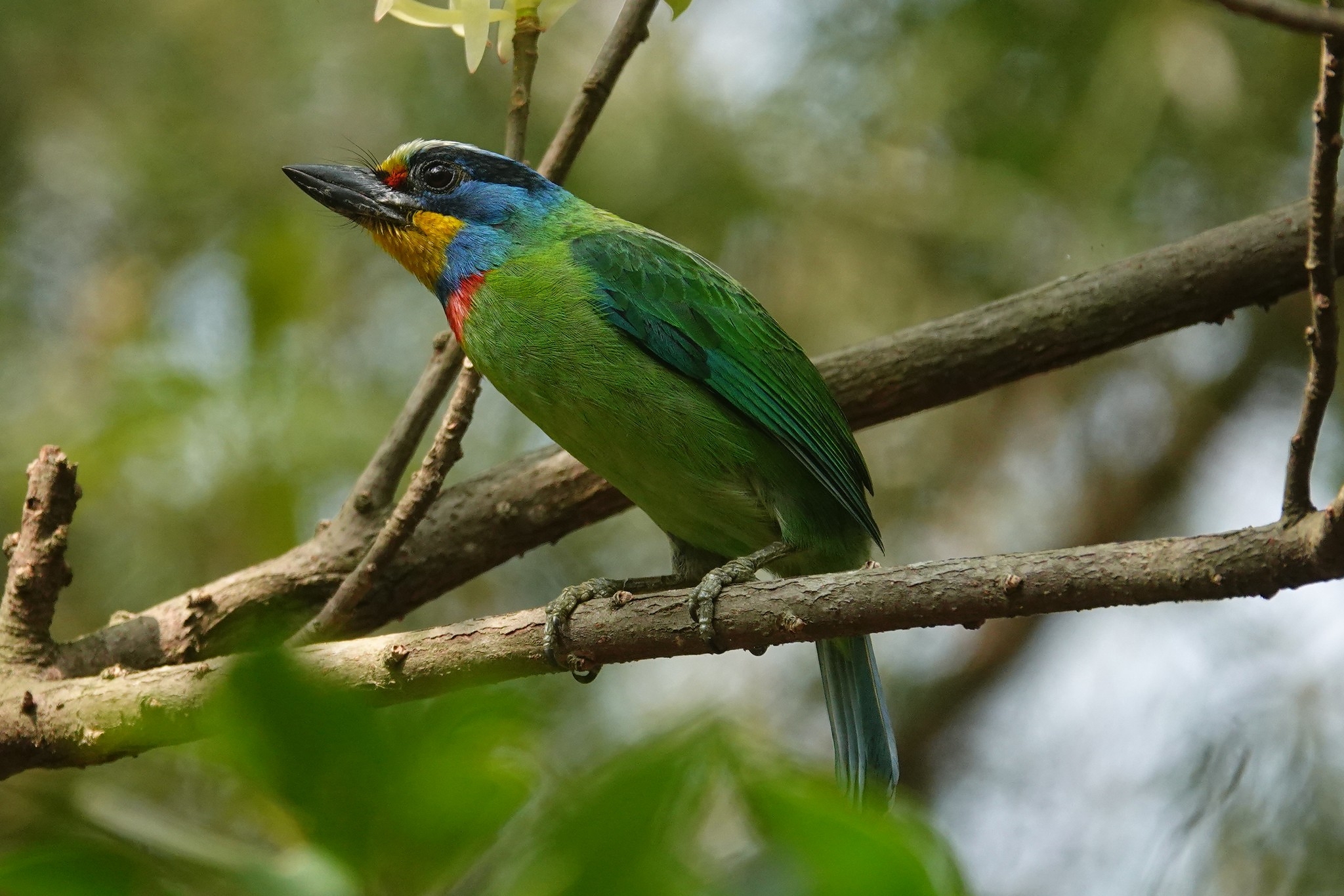
We will also enjoy some time in the bird-rich lowland forests, haunt of the exotic Taiwan Blue Magpie and the recently split Taiwan Barbet, along with many others. A visit to the coastal lowlands will add a wide selection of wetland birds; waders abound and we have good chances of seeing the endangered Black-faced Spoonbill, along with Chinese Egret and possibly Saunders’s Gull.
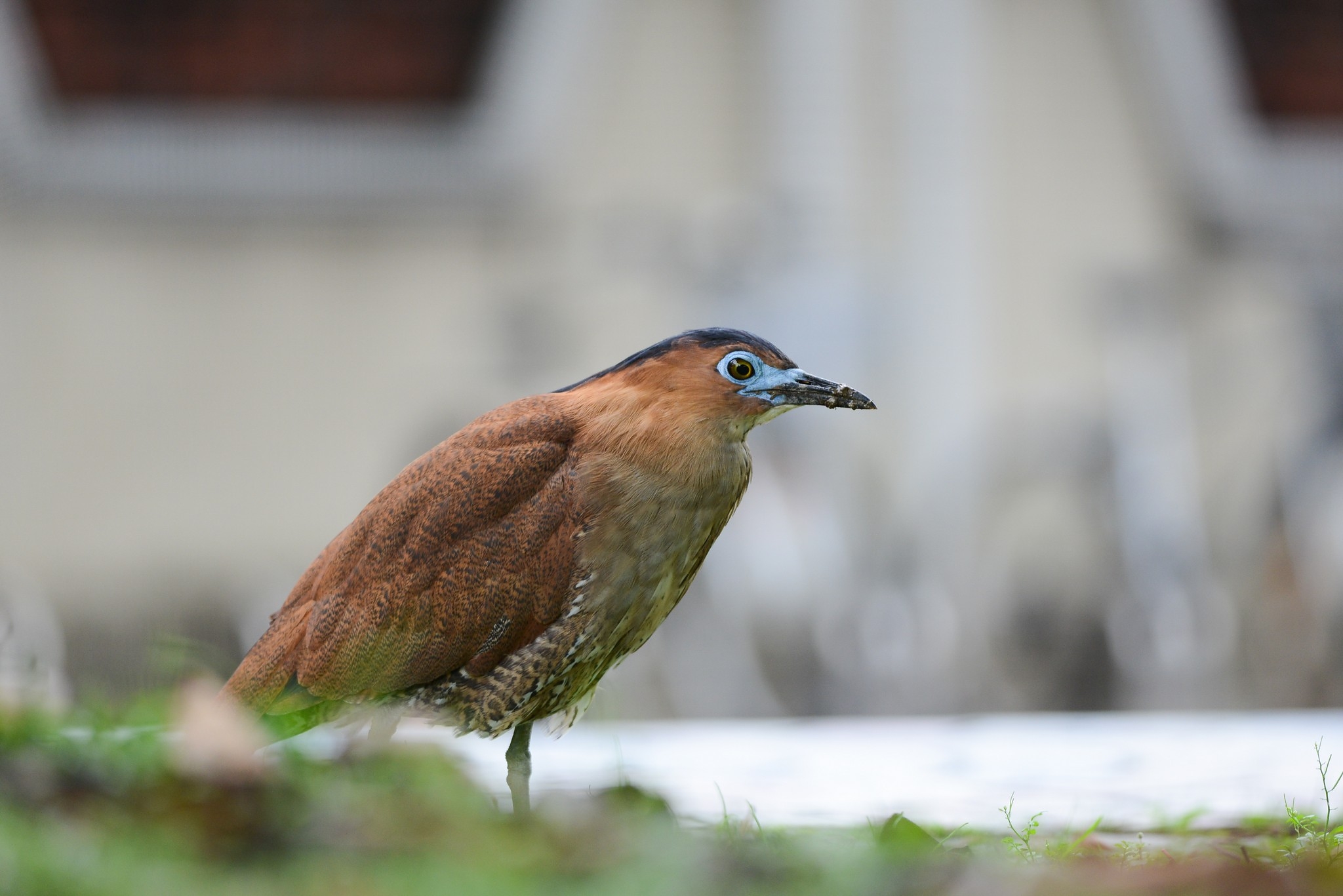
Our birding begins in the north of Taiwan, around the capital Taipei, perhaps watching Malayan Night Herons indulging in a bizarre tug of war with giant earthworms and familiarising ourselves with common lowland species such as Light-vented Bulbul and Brown Shrike.
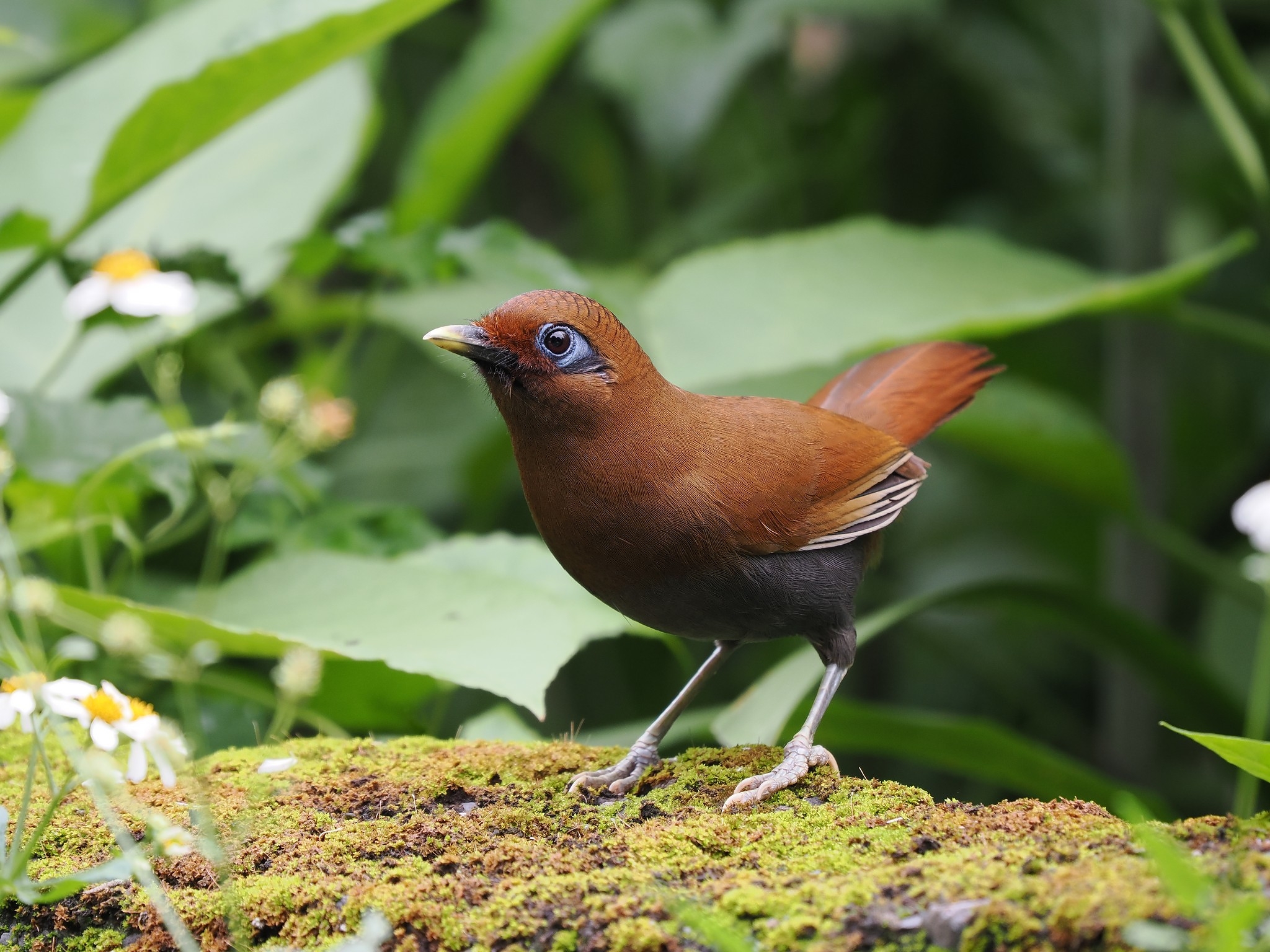
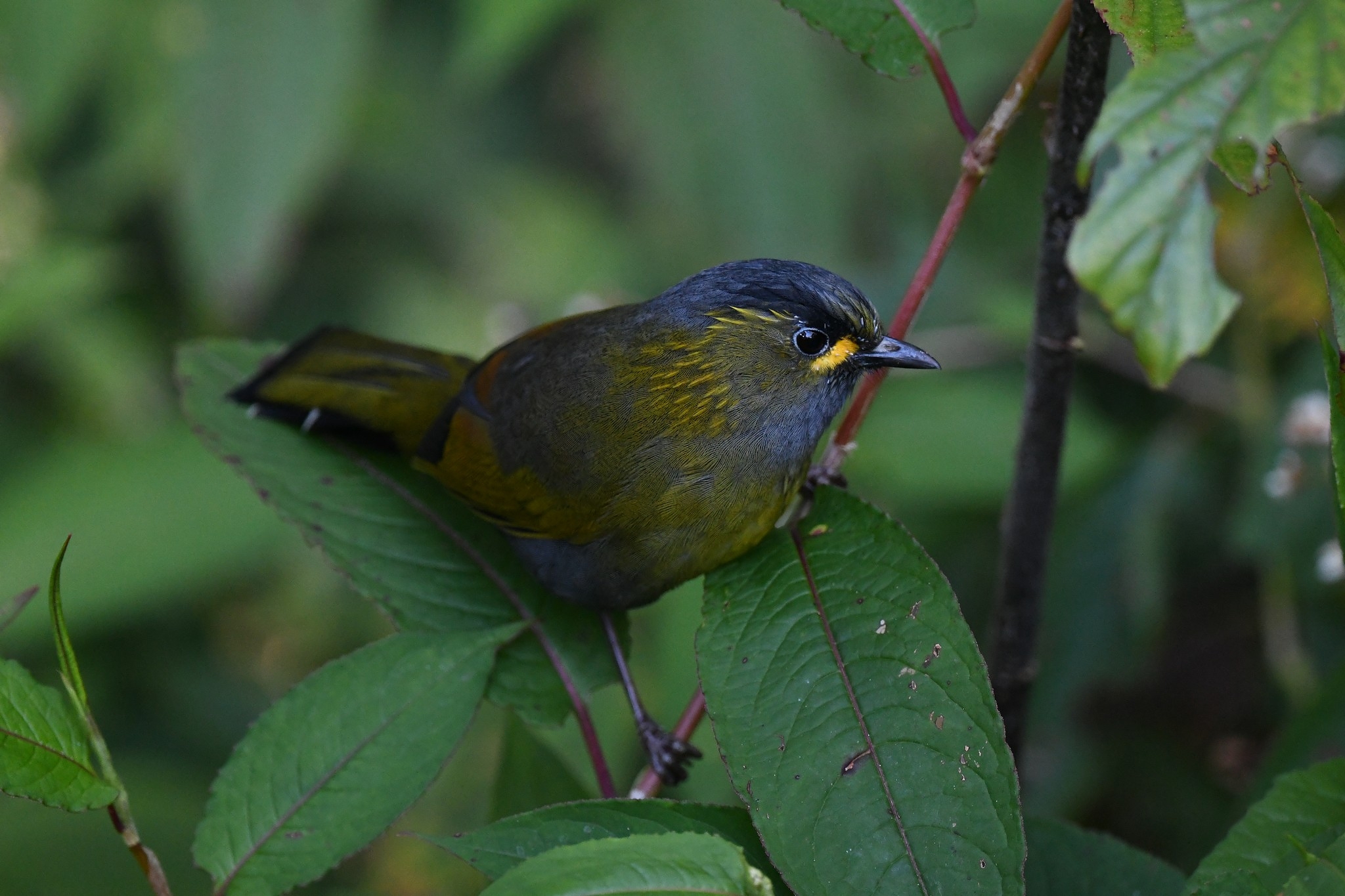
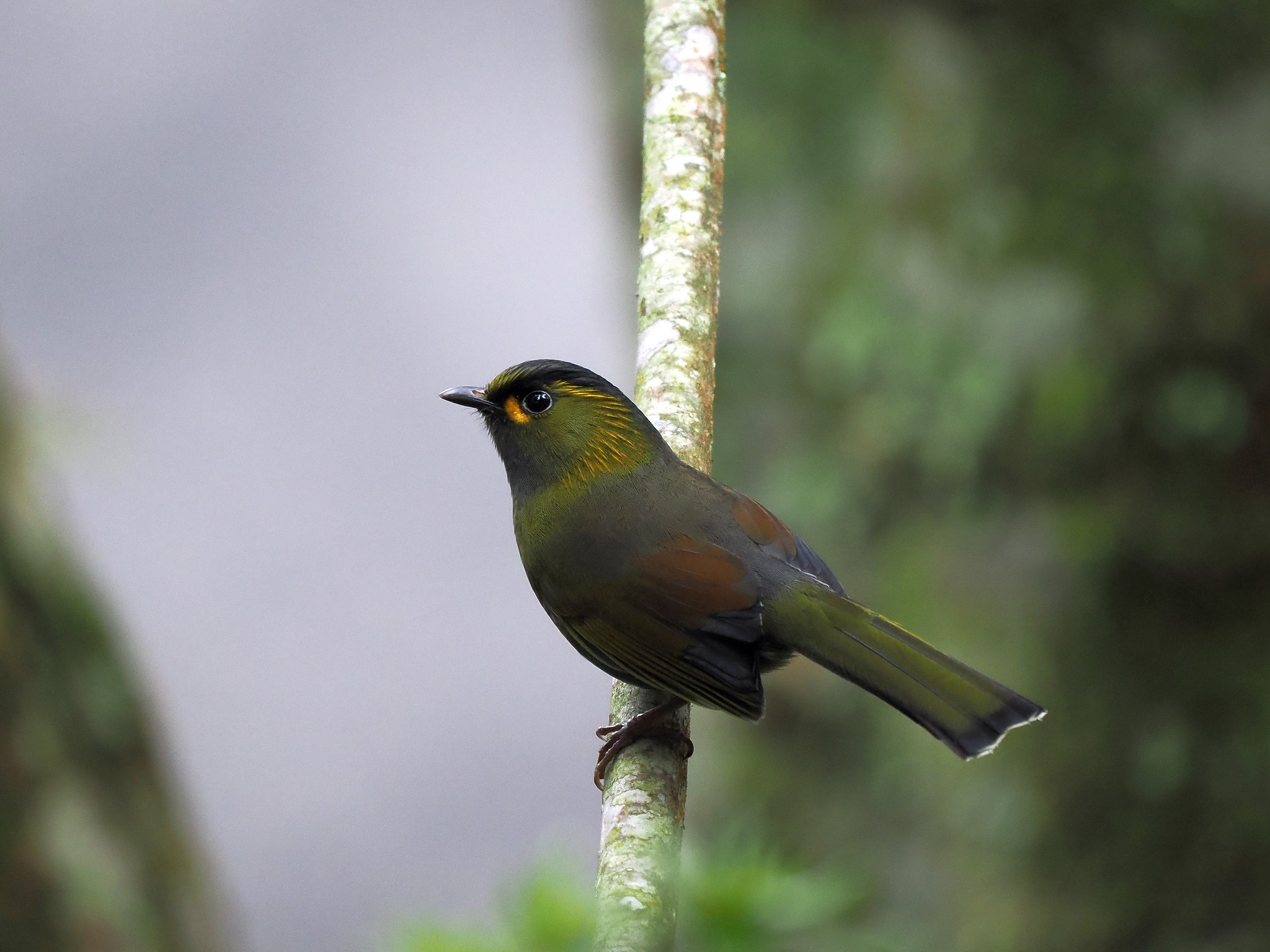
From there we head south, swinging inland and climbing up onto the mountainous ridge that runs the length of Taiwan. Birding at elevations of up to 2,000m (6,500ft), the deciduous and evergreen forests are home to most of the island’s endemic birds. Often shrouded in mist, the unspoiled upland forests shelter birds such as Taiwan Yuhina, Flamecrest and Steere’s Liocichla, as well as the trickier Taiwan Cupwing, Taiwan Shortwing and Taiwan Thrush (recently ‘split’ from Island Thrush).
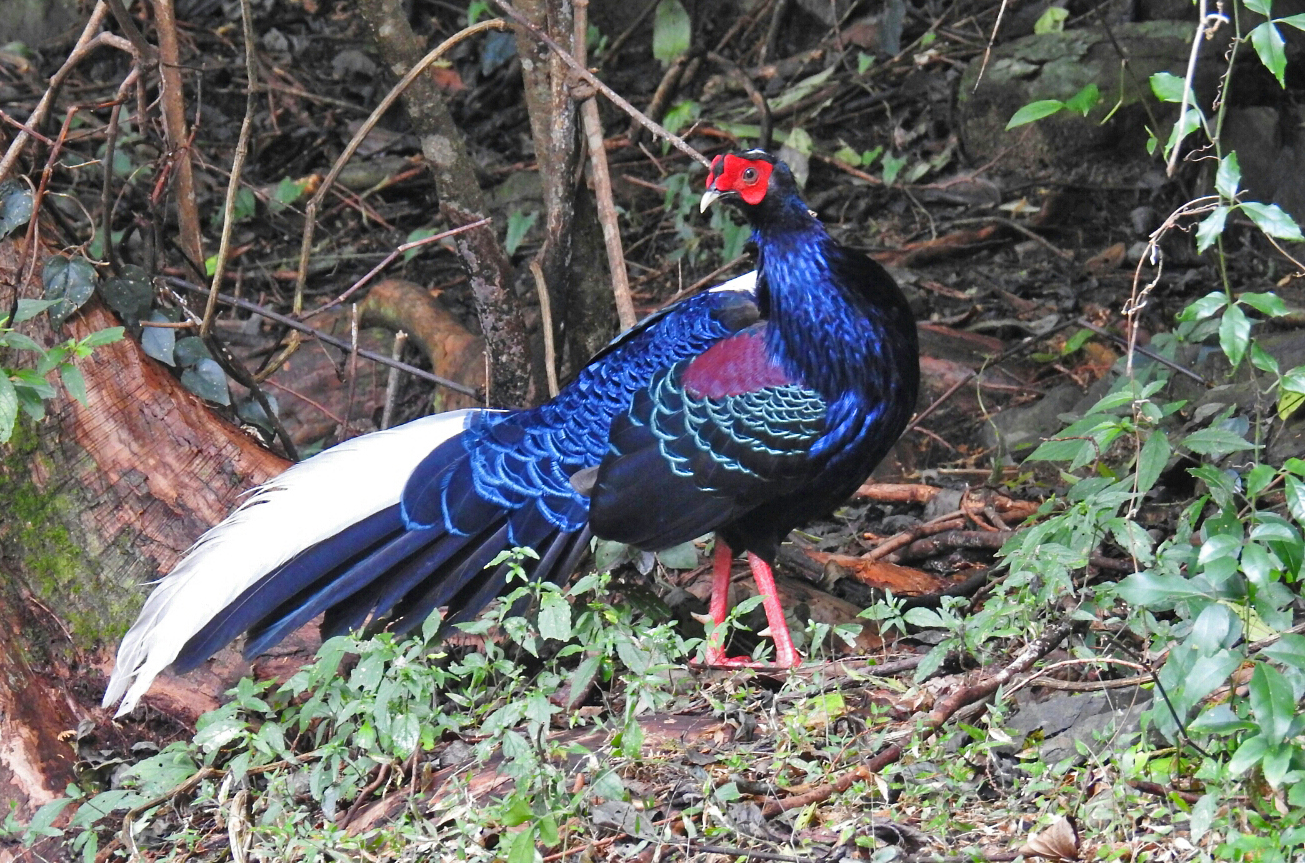
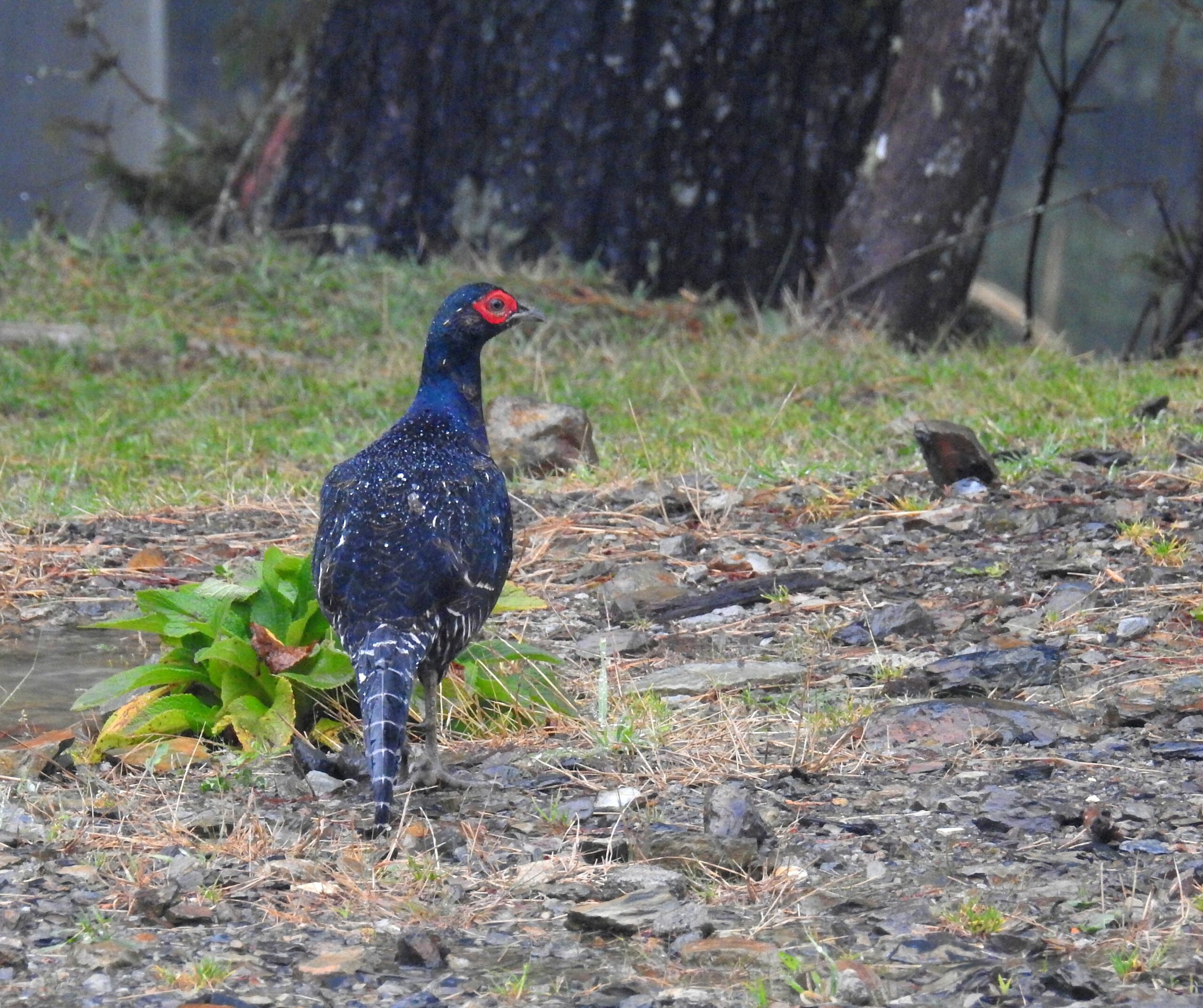
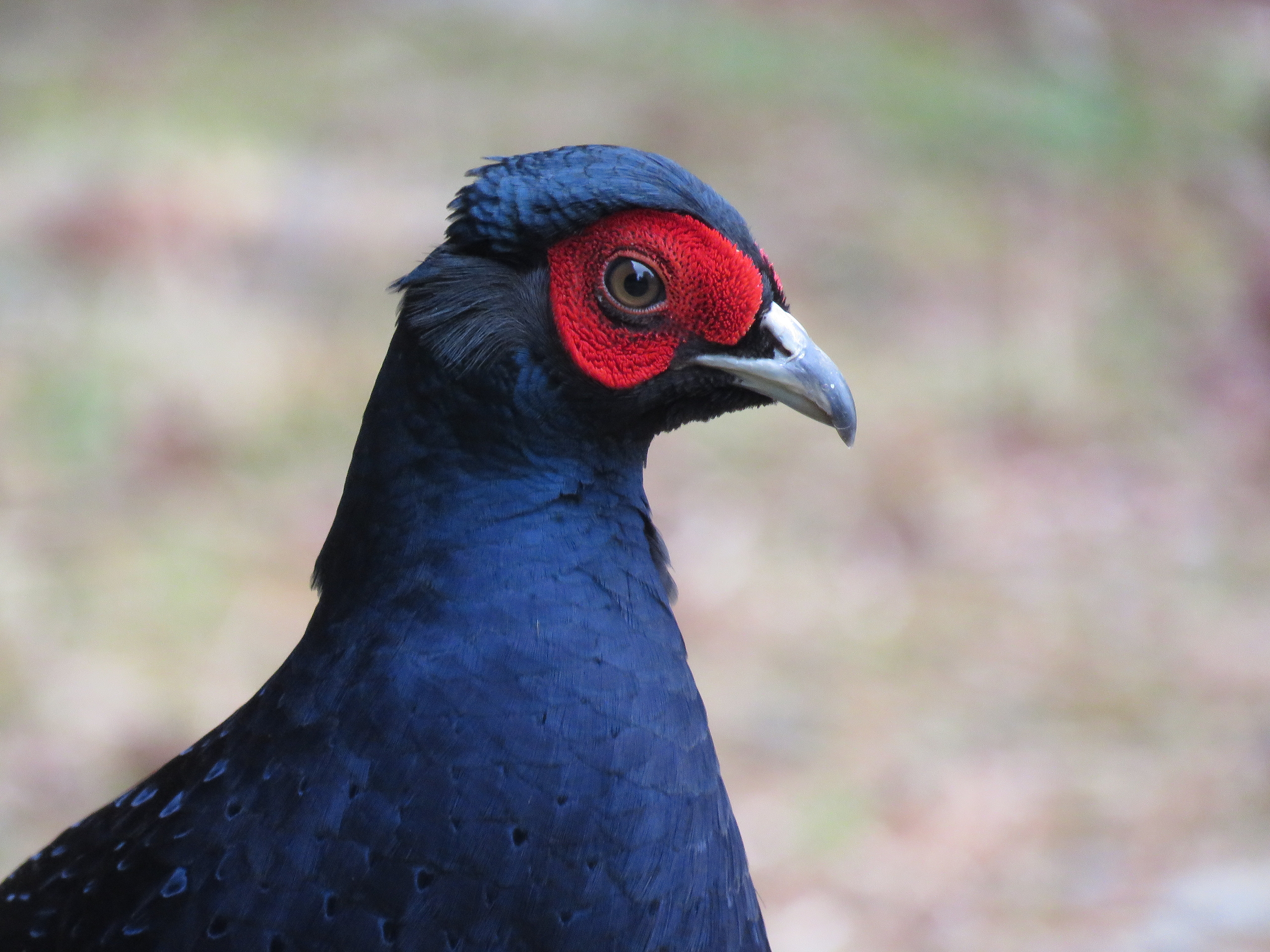
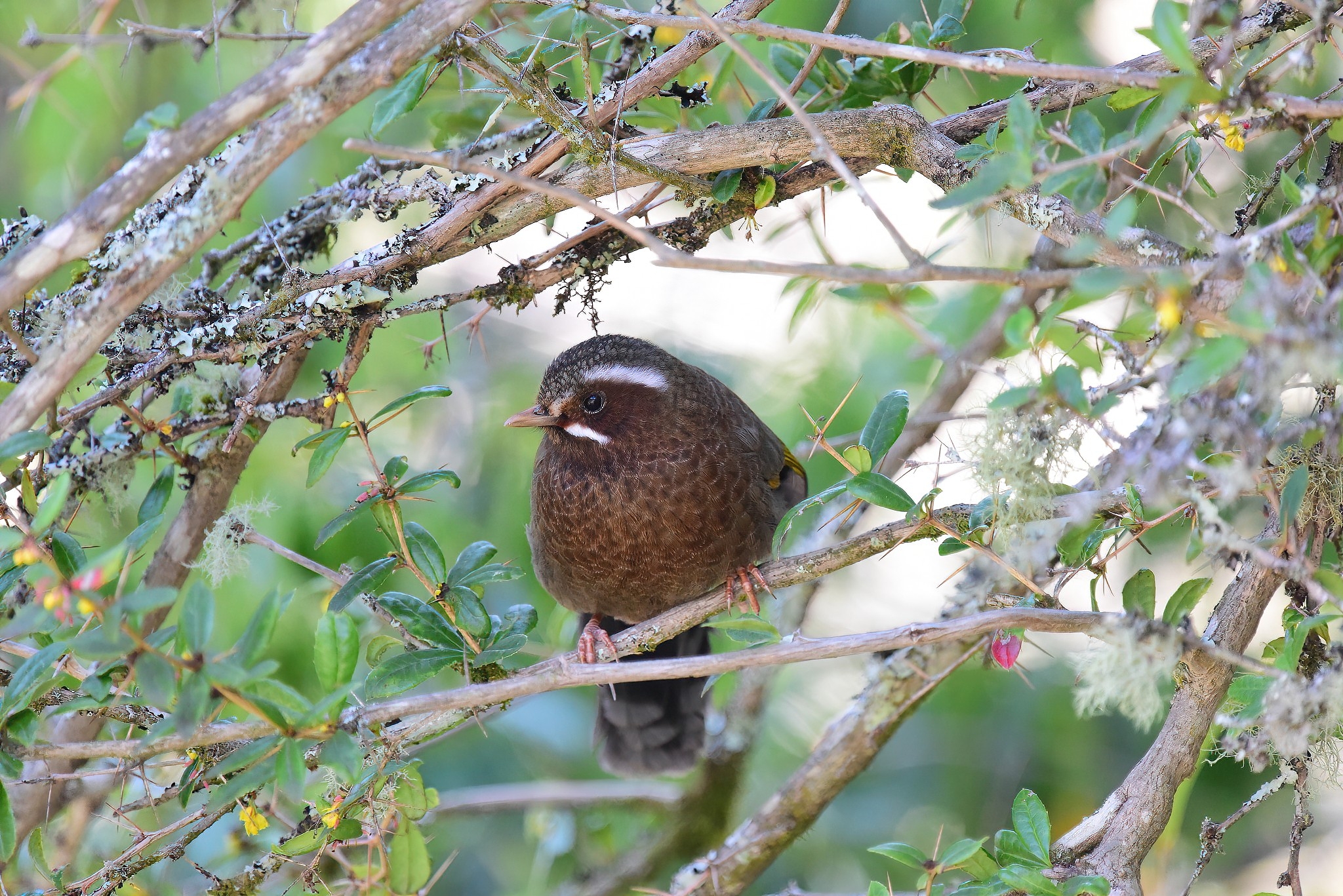
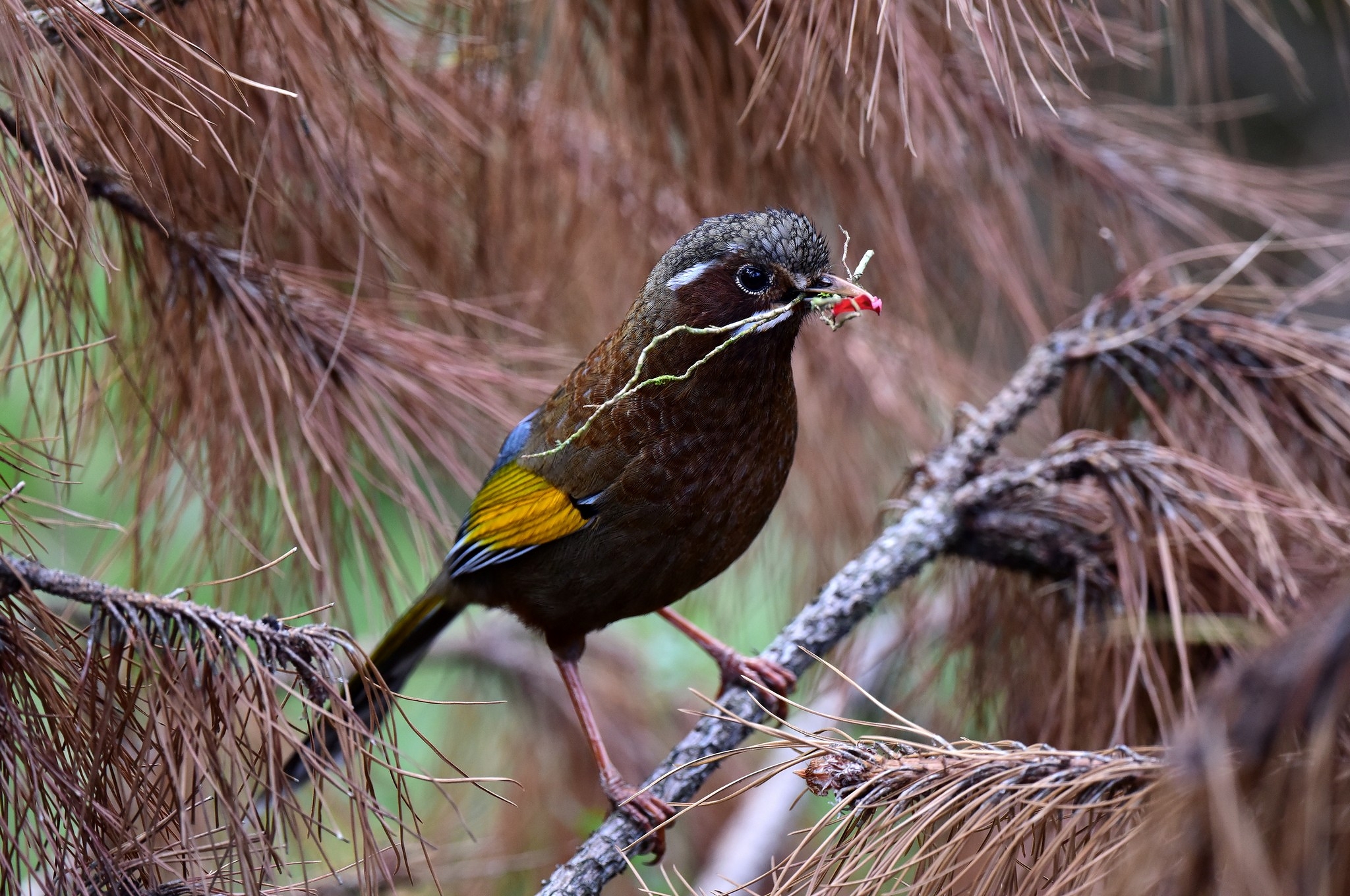
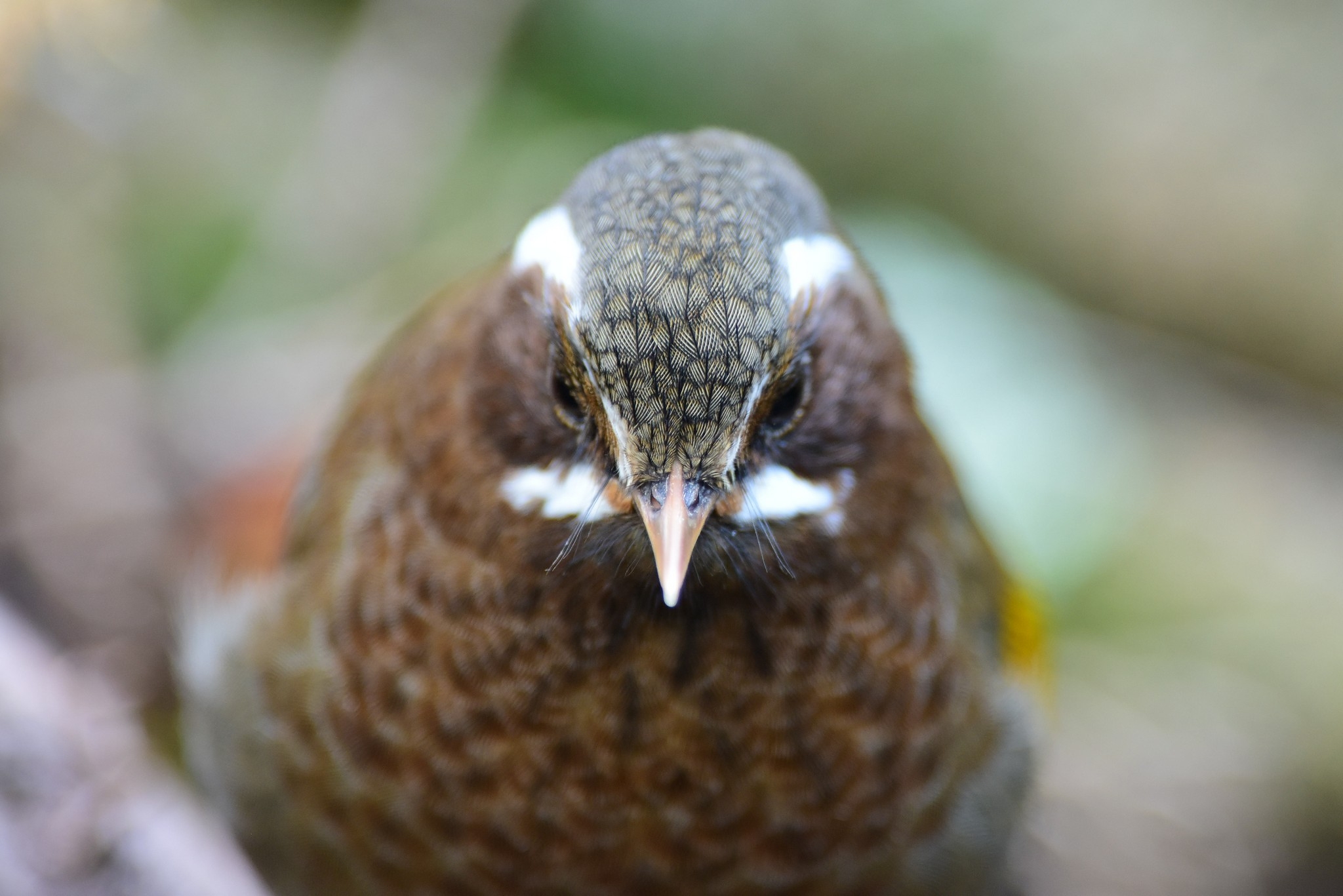
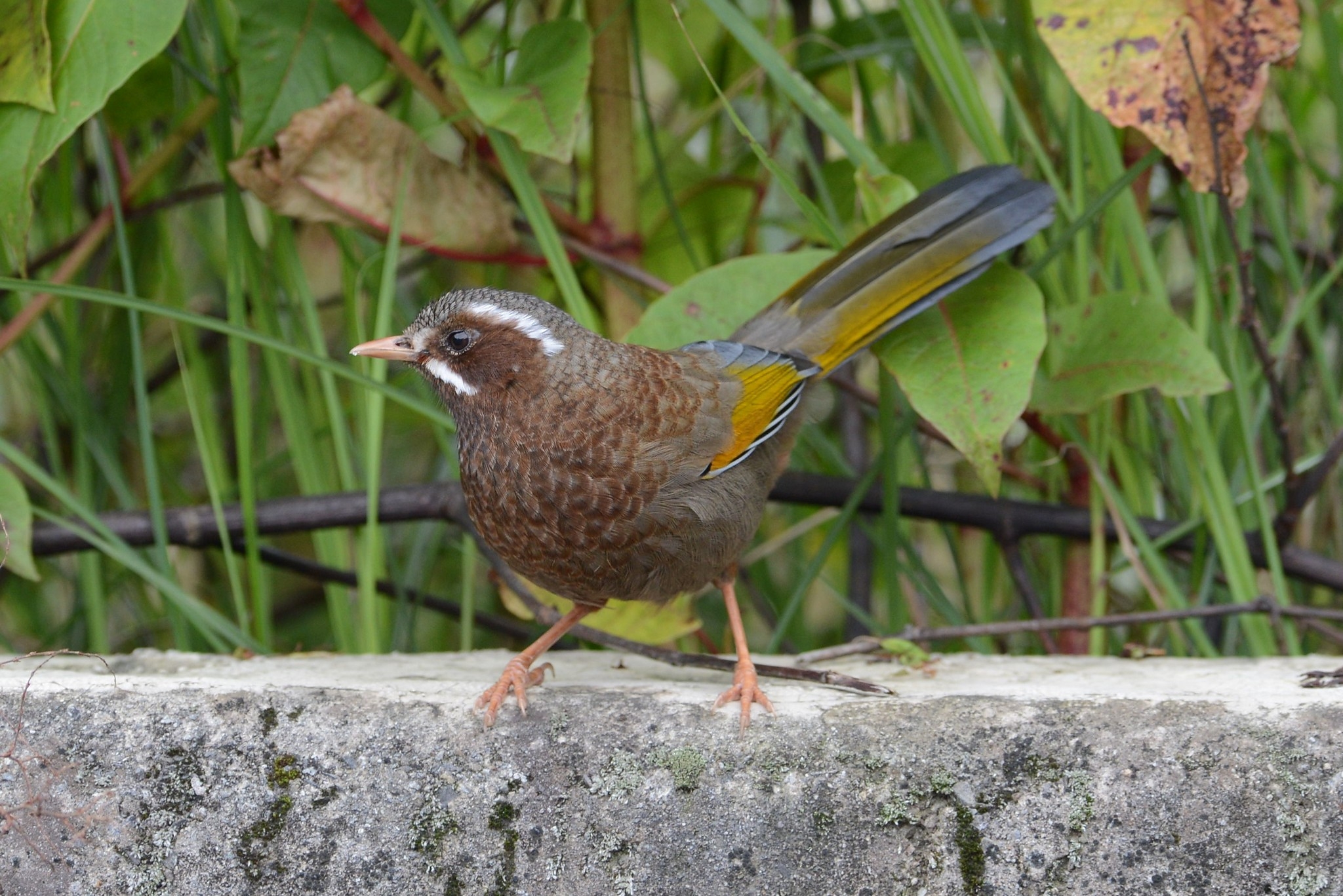
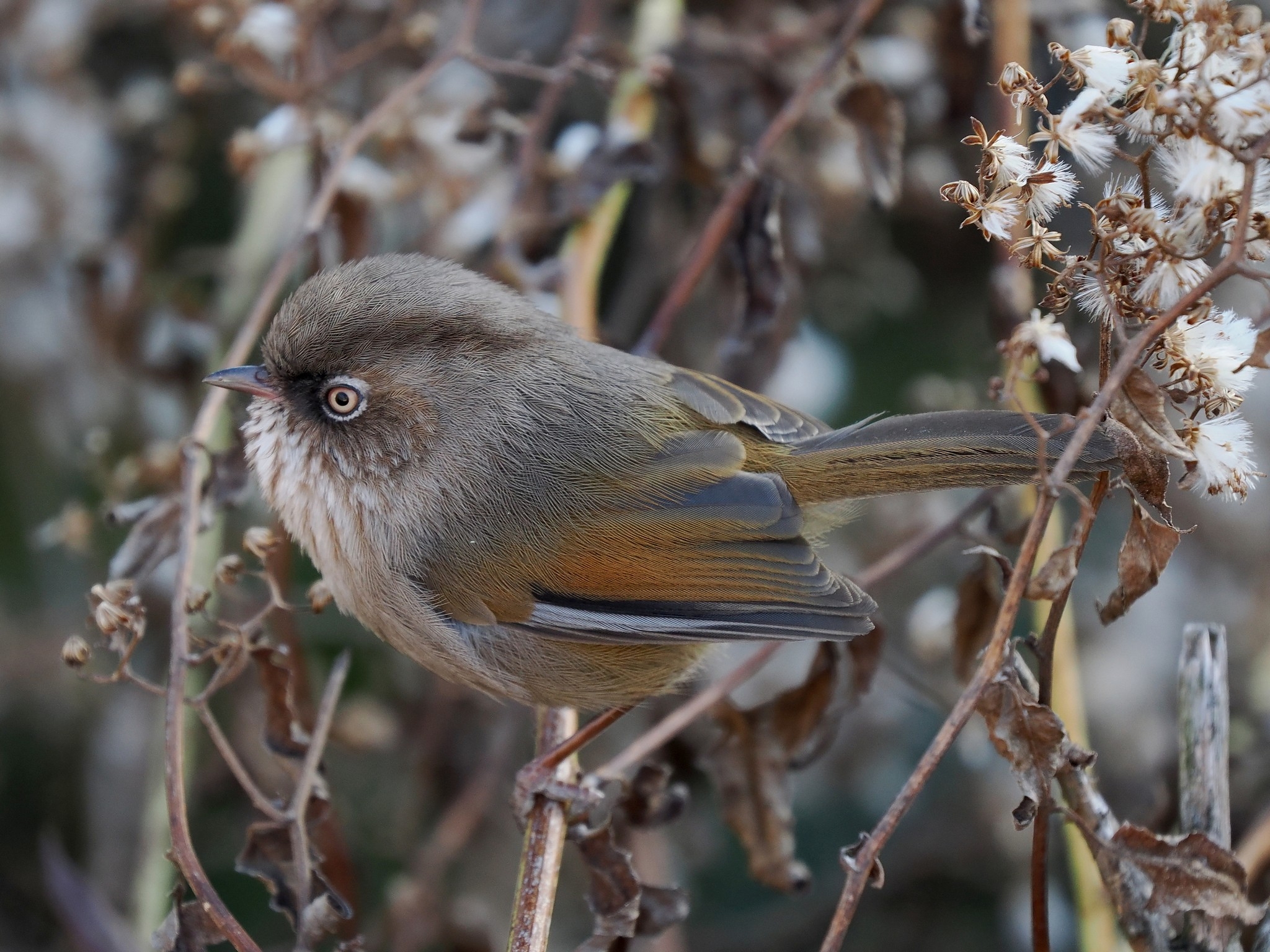
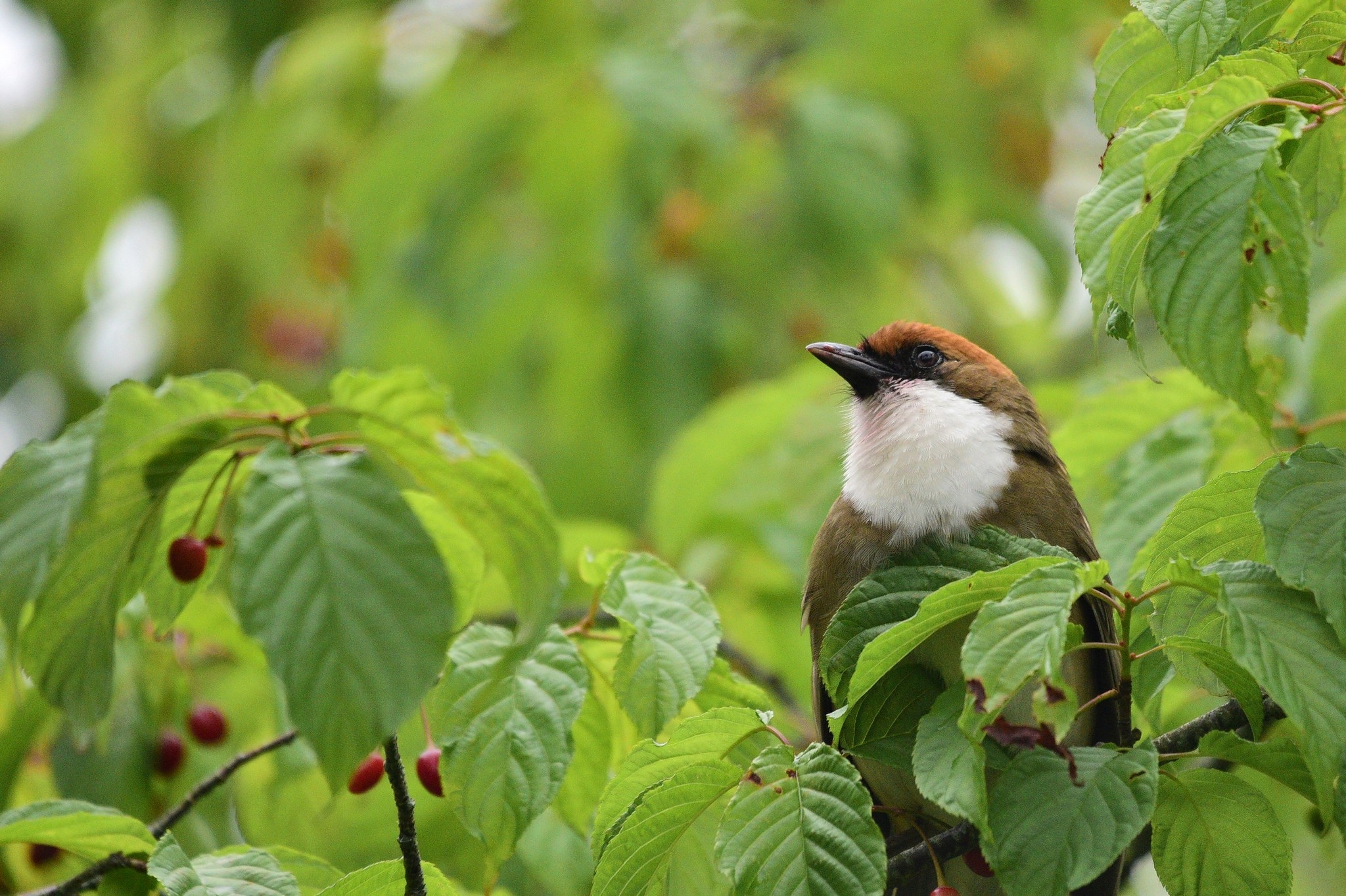
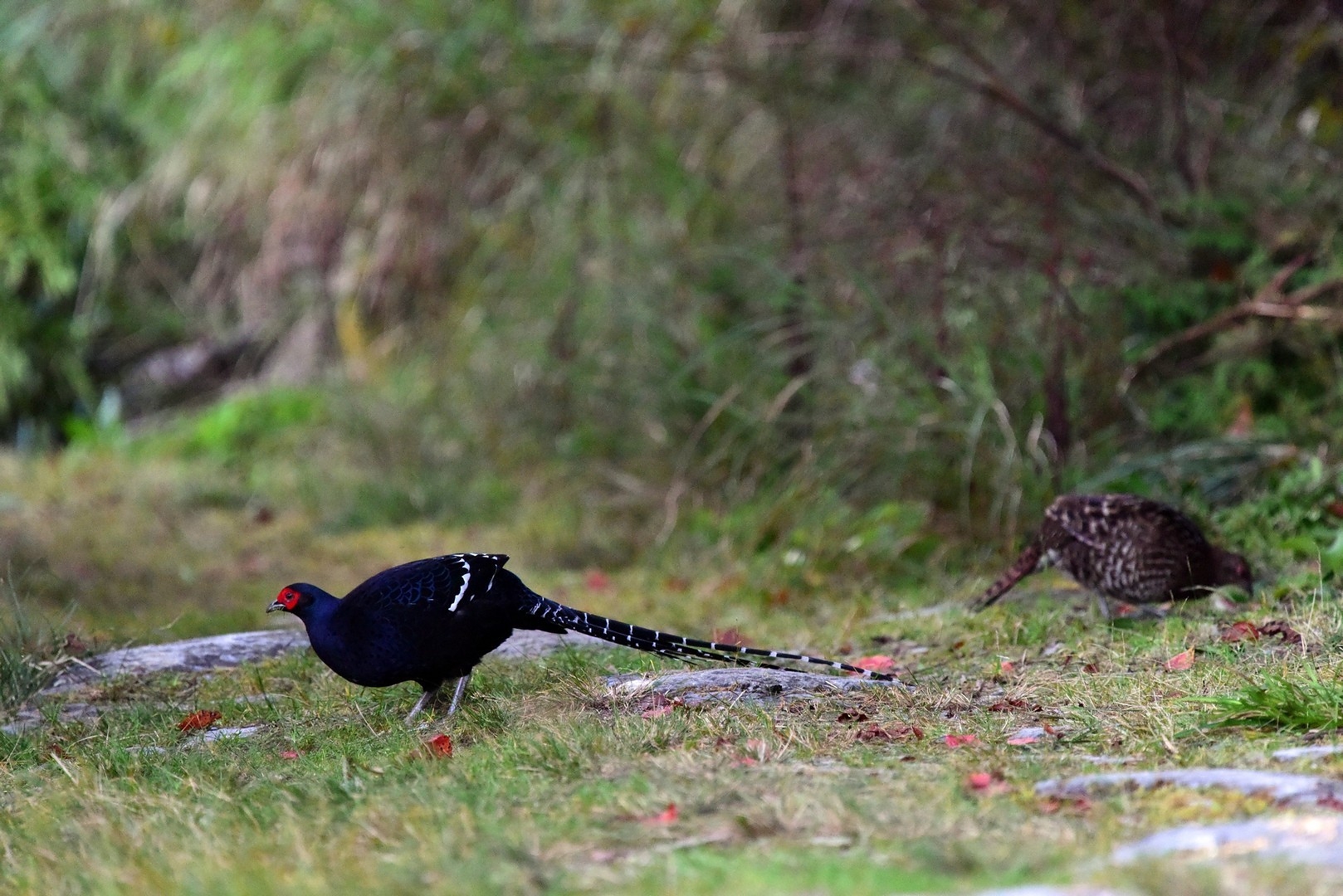
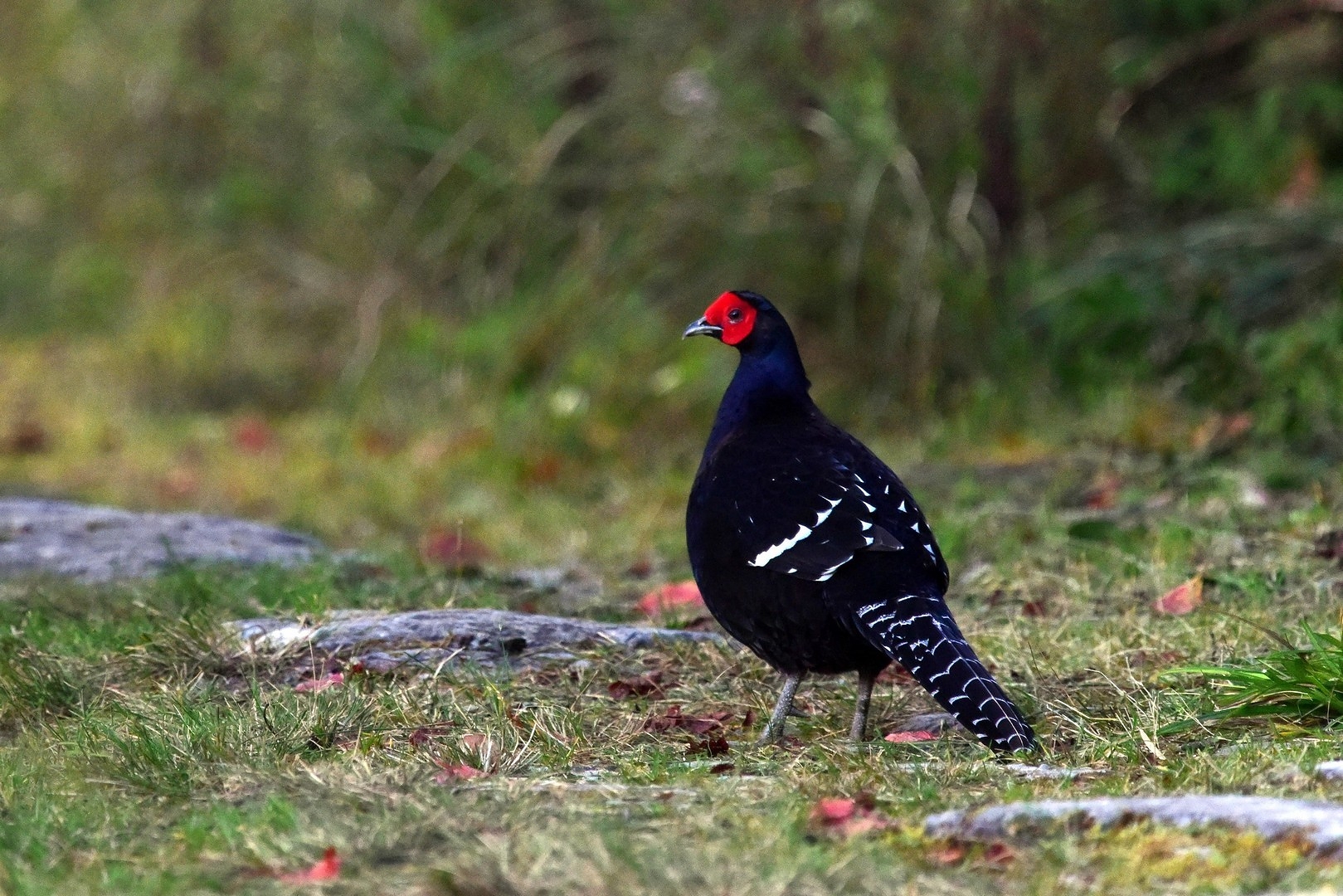
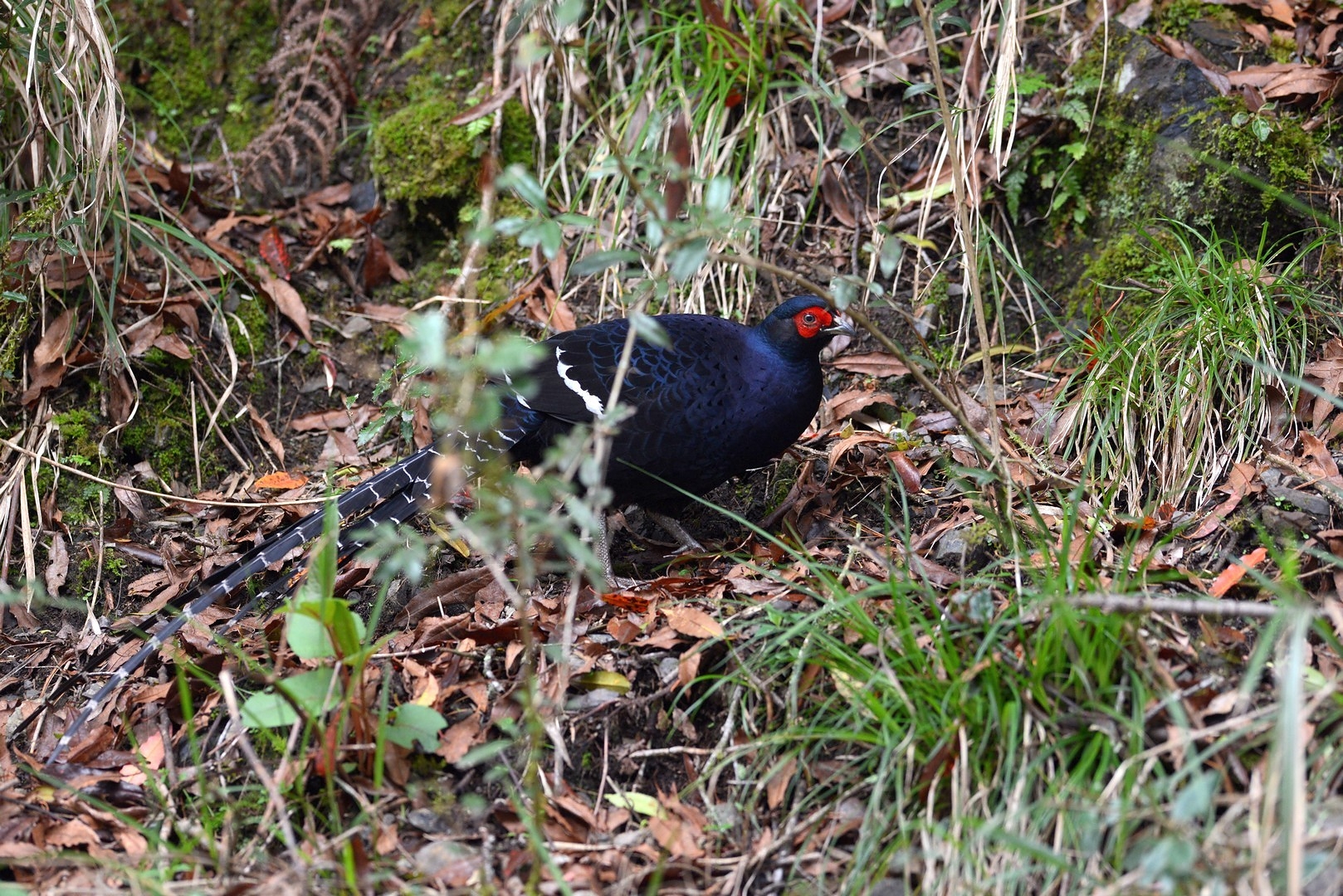
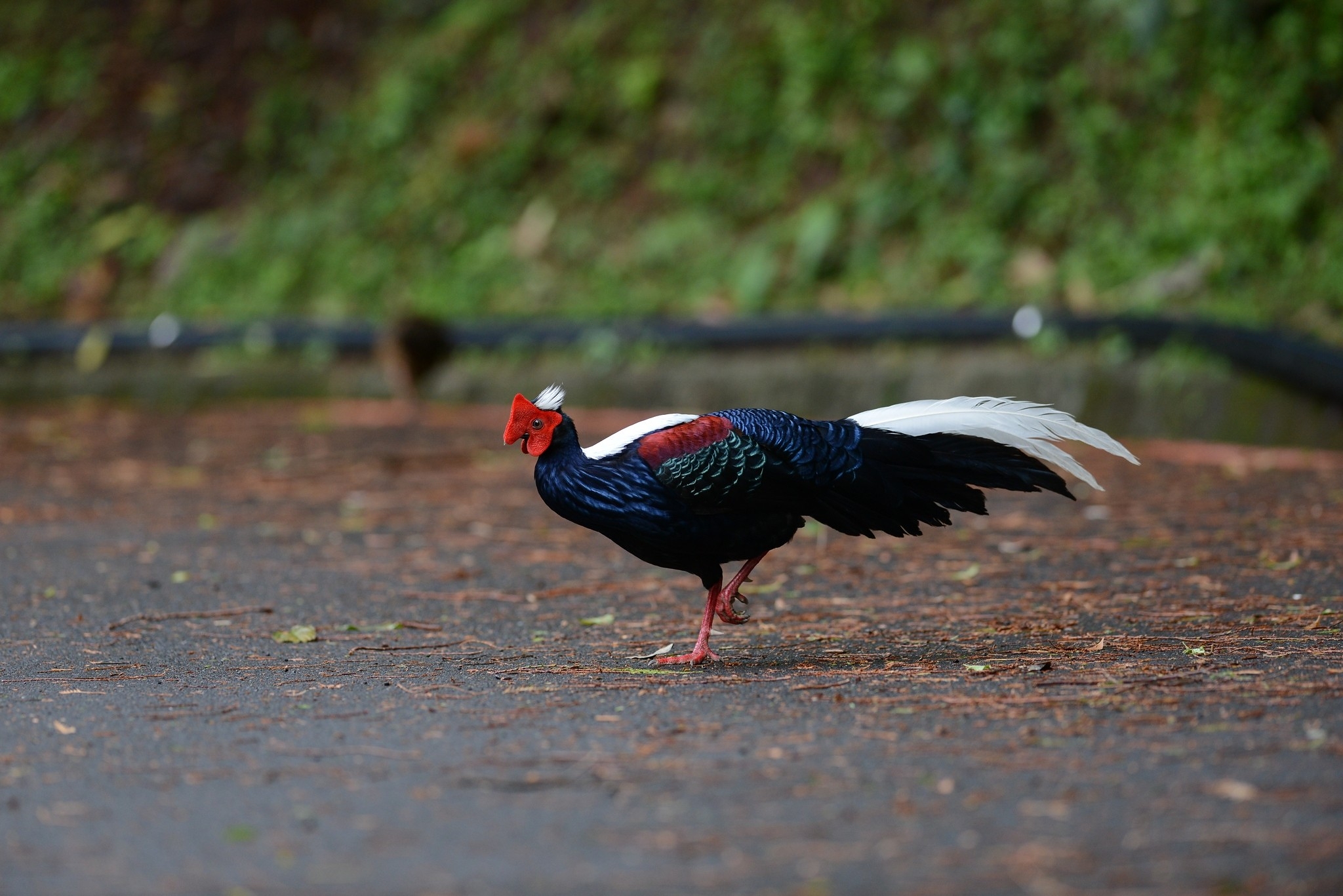
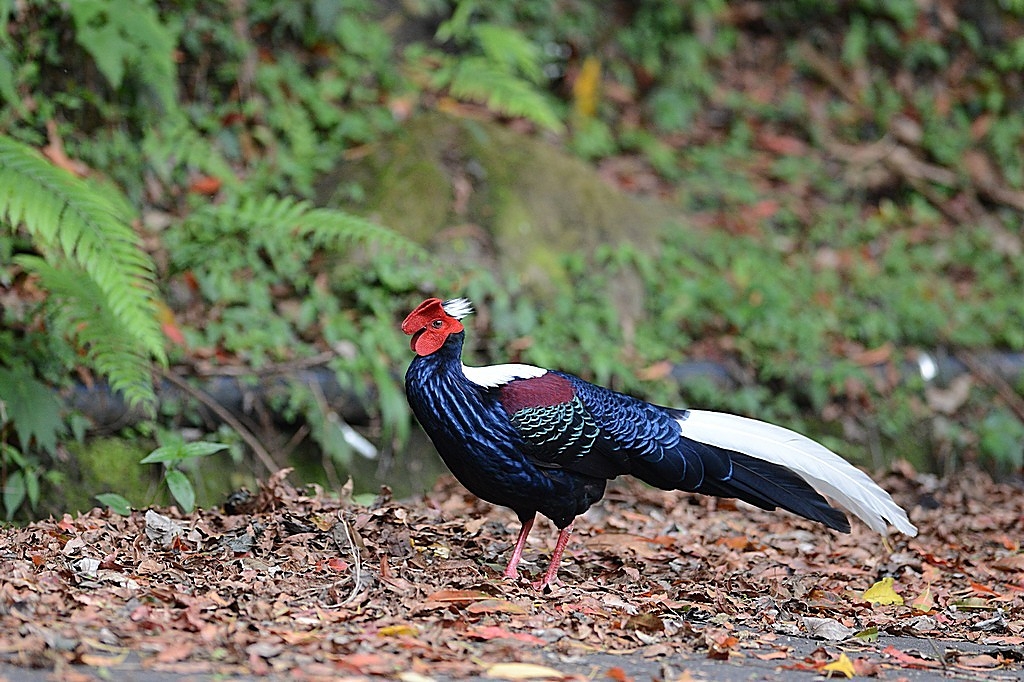
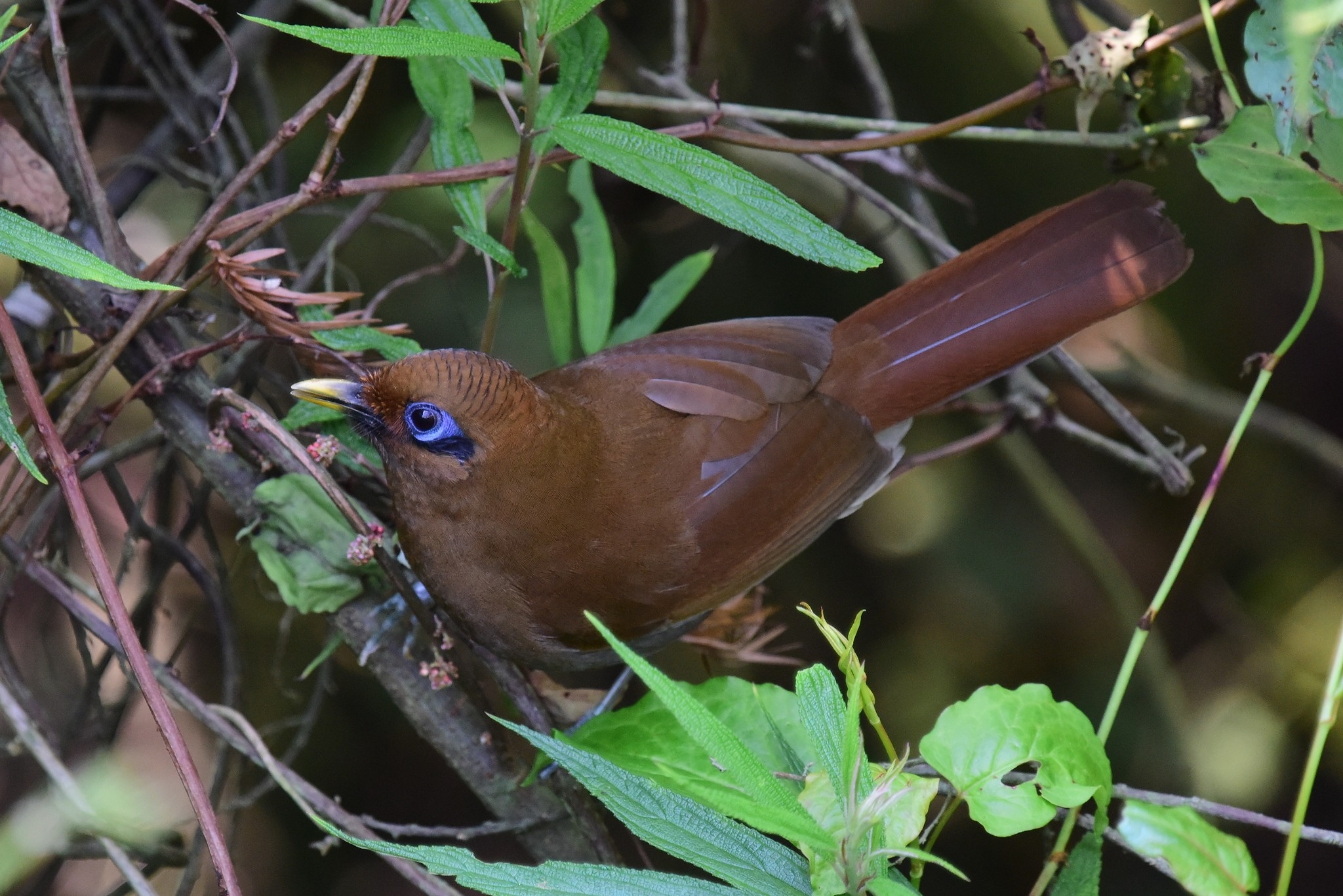
Taiwan’s two endemic pheasants are very special targets that will take us deeper into the forest. Swinhoe’s Pheasant, considered by some to be one of the most beautiful birds in the world, haunts the deciduous tracts, whilst the magnificent Mikado Pheasant stalks the cooler evergreen woodlands. Here the delightful endemic White-whiskered Laughingthrush is common and can be very tame!
Dropping back down on to the coastal plain, the wetlands on Taiwan’s west coast are famous for the rare Black-faced Spoonbill, as well as waders that throng the coastal mudflats and marshes. Pacific Golden Plover, Marsh Sandpiper and Red-necked and Long-toed Stints are among the most numerous species and if we are extremely fortunate, we might even enjoy a genuine rarity such as an Asian Dowitcher.
Late April and early May are not only a terrific time for seeing Taiwan’s endemic birds but it is also the period when migrants will be passing through and summer visitors, such as Fairy Pitta, arriving to breed.
While some species will spend the summer here, for others Taiwan is merely a stepping stone on their way to Japan or the Russian Far East. The island’s spectacular north coast can be productive and makes an ideal place to conclude our holiday with one of the places we are likely to visit described as a “mini Spurn” (the famous migration hot spot in Yorkshire) by our local guide.
As a destination, Taiwan not only possesses a great avifauna but a host of other delights: the Taiwanese people are friendly and welcoming, the scenery is often superb and the country has all the benefits of a thriving economy, a well-developed infrastructure and a couple of excellent field guides! With over 30 endemic birds to be found, many endemic subspecies poised for ‘upgrading’ and the thrill of Spring birding along the busy ‘East Asian Flyway’, there is so much to look forward to.
Our 2026 tours will be Limosa’s Taiwanese guide Kuan-Chieh Hung who has been guiding our tours for many years and will be accompanied by Colin Bushell subject to minimum numbers.
Travel to Taiwan with Limosa and discover the bountiful birdlife of the ‘Beautiful Isle’!
Days 1 – 2
FLY LONDON TO TAIPEI
Our Spring birdwatching tour to Taiwan commences with a Cathay Pacific flight from London Heathrow overnight to Hong Kong, with an onward connection next morning to Taiwan. We will be met on arrival in Taiwan by Limosa guide Kuan-Chieh Hung and transfer the short distance into Taipei.
Depending on flight schedules, there may be time for a visit to the coastal reserve at Xucuogang where we hope to find Chinese Egret, as well as our first endemics which could include Taiwan Scimitar Babbler and Taiwan Hwamei. This will also be our first opportunity to see the endangered Black-faced Spoonbill, with other possibilities including Red Collared Dove, Light-vented Bulbul and Swinhoe’s White-eye. Night Taipei
Day 3
TAIPEI BOTANICAL GARDENS, SHIHMEN RESERVOIR, SOUTH TO GUGUAN
We plan to start our day with a visit to the Taipei Botanical Gardens. Although the gardens are relatively modest in size, nevertheless, it is a good place to find several important species including Malayan Night Heron. The herons are seemingly undaunted by the presence of local residents performing Tai Chi in the park and they feed on the island’s giant earthworms and, when one is found, a tug of war begins with the heron heaving with all its weight to lever the worm out of the ground. Such contests can last for 10-15 minutes, until the two-foot long worm is finally extracted. Watching the night heron then swallow the worm can sometimes last just as long and is a sight not to be missed!
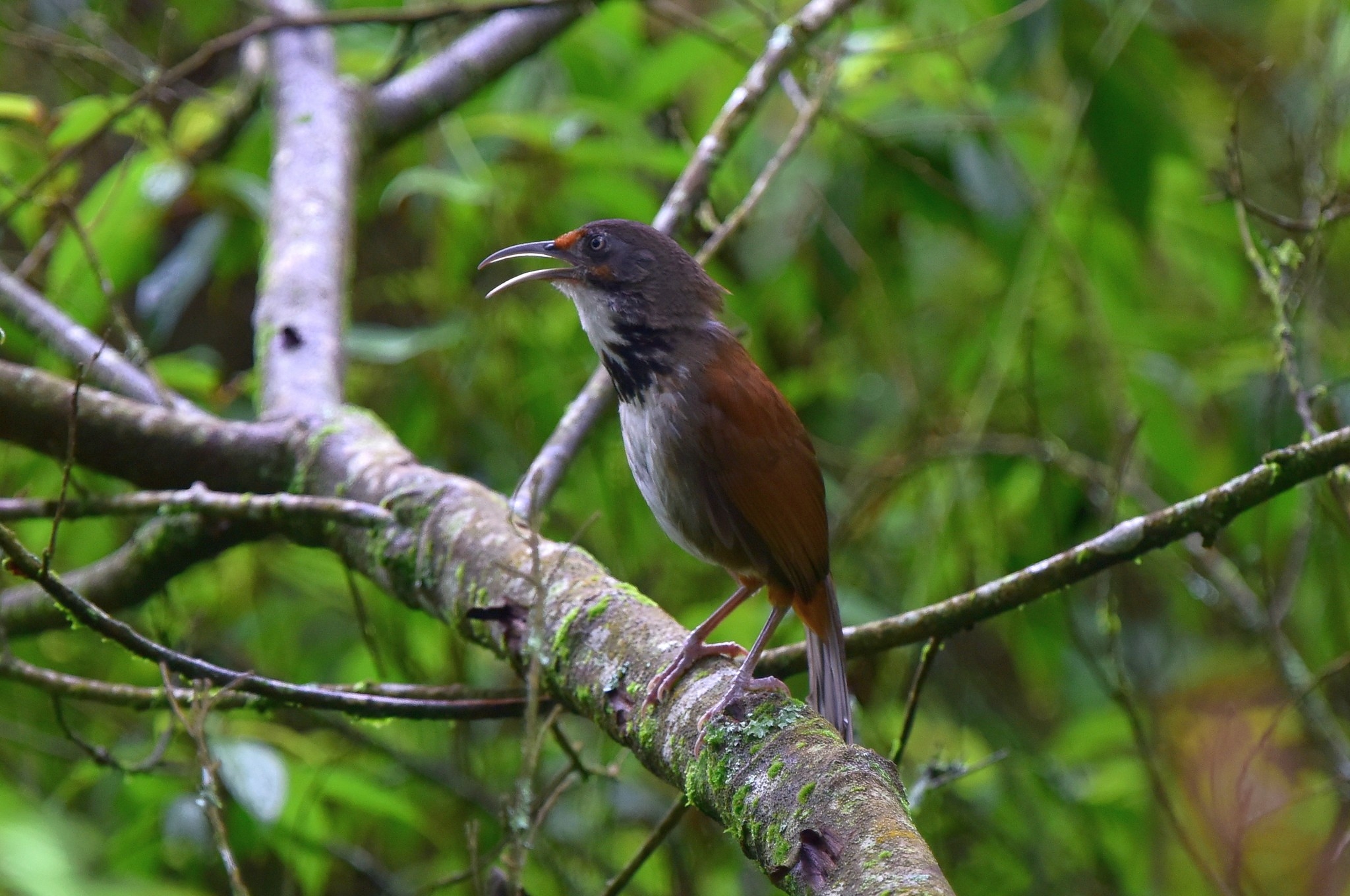
Both Taiwan Scimitar Babbler and Taiwan Barbet are also possible here and we might also locate a Crested Myna amongst the commoner Javan Mynas.
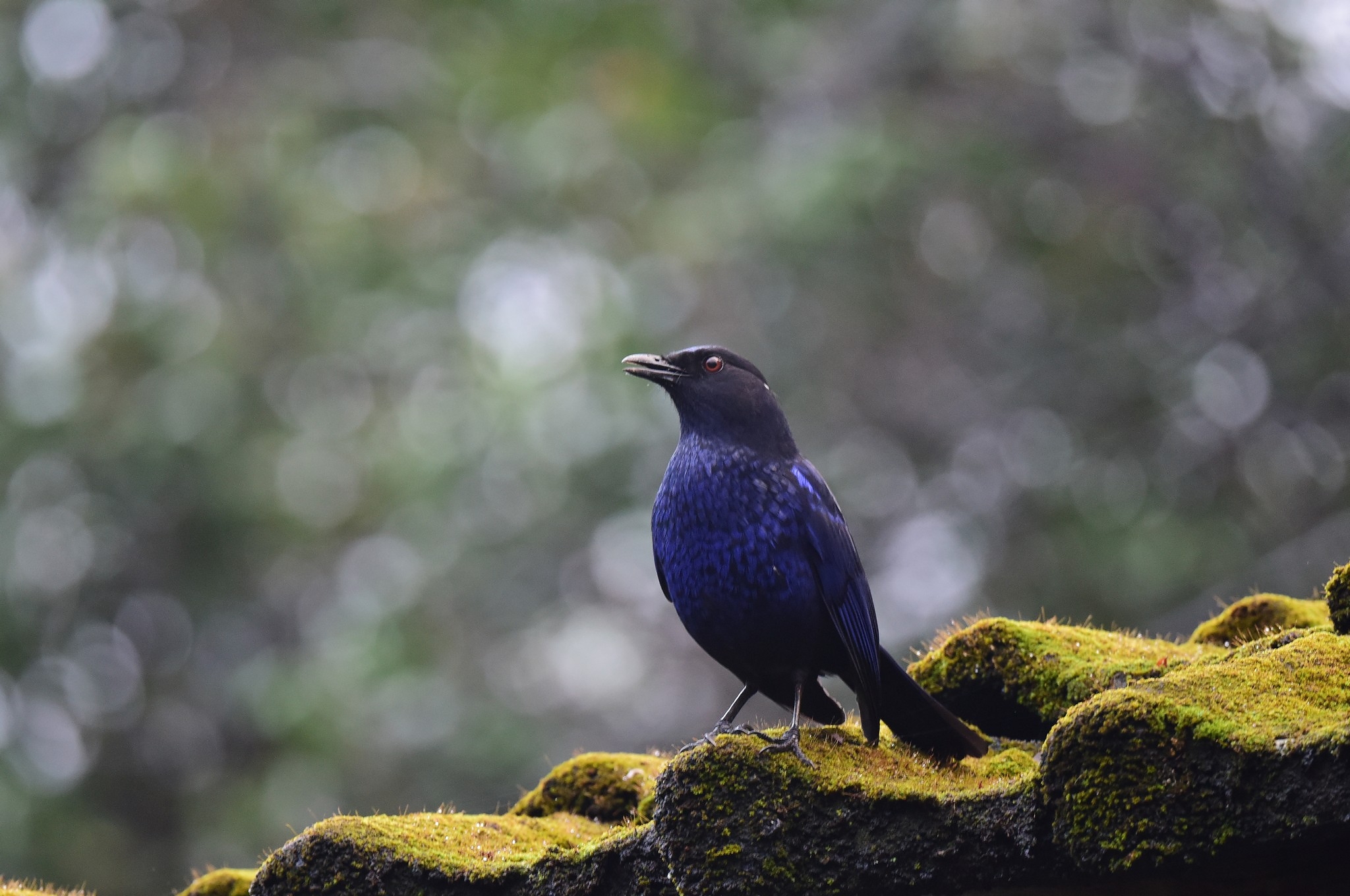
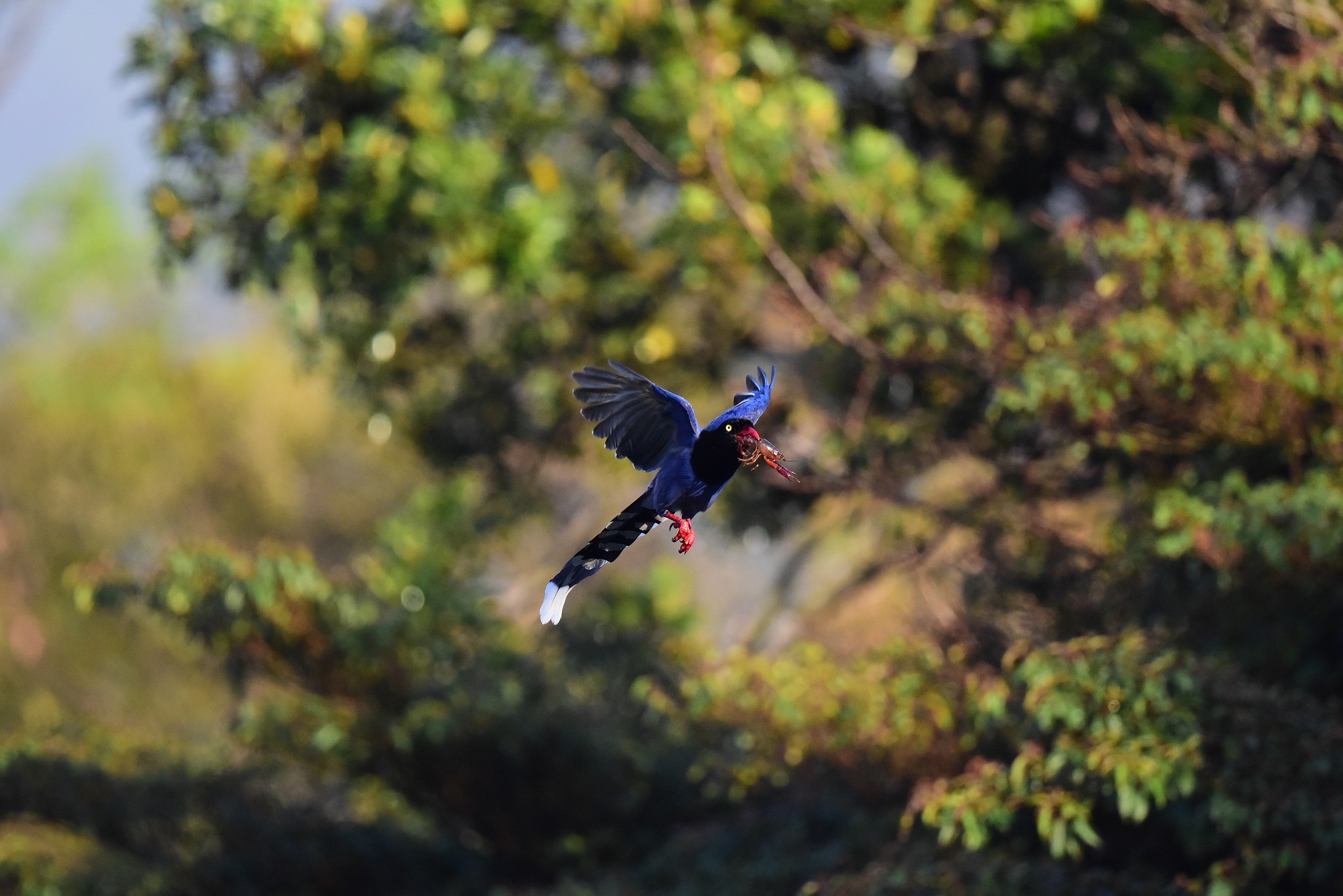
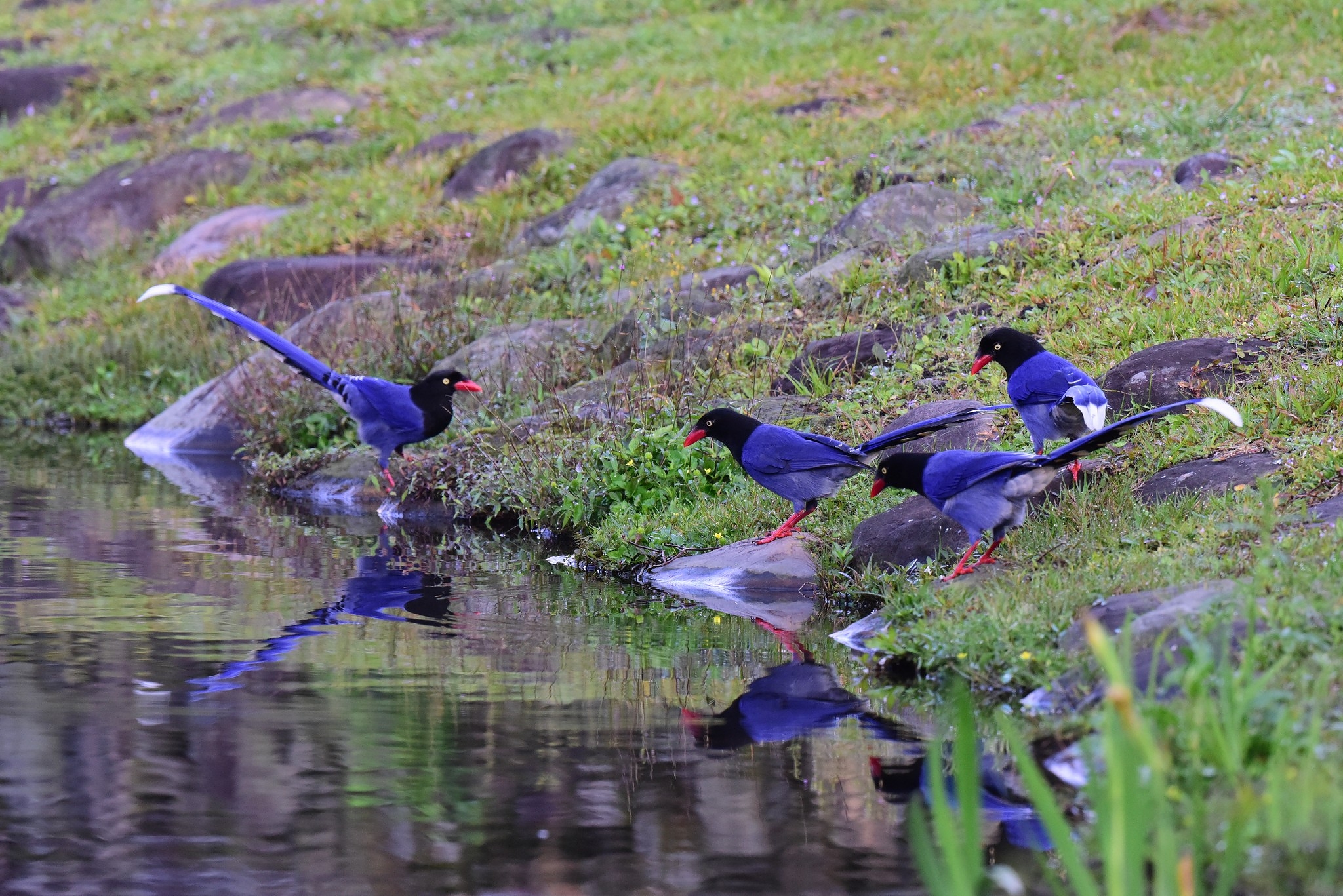
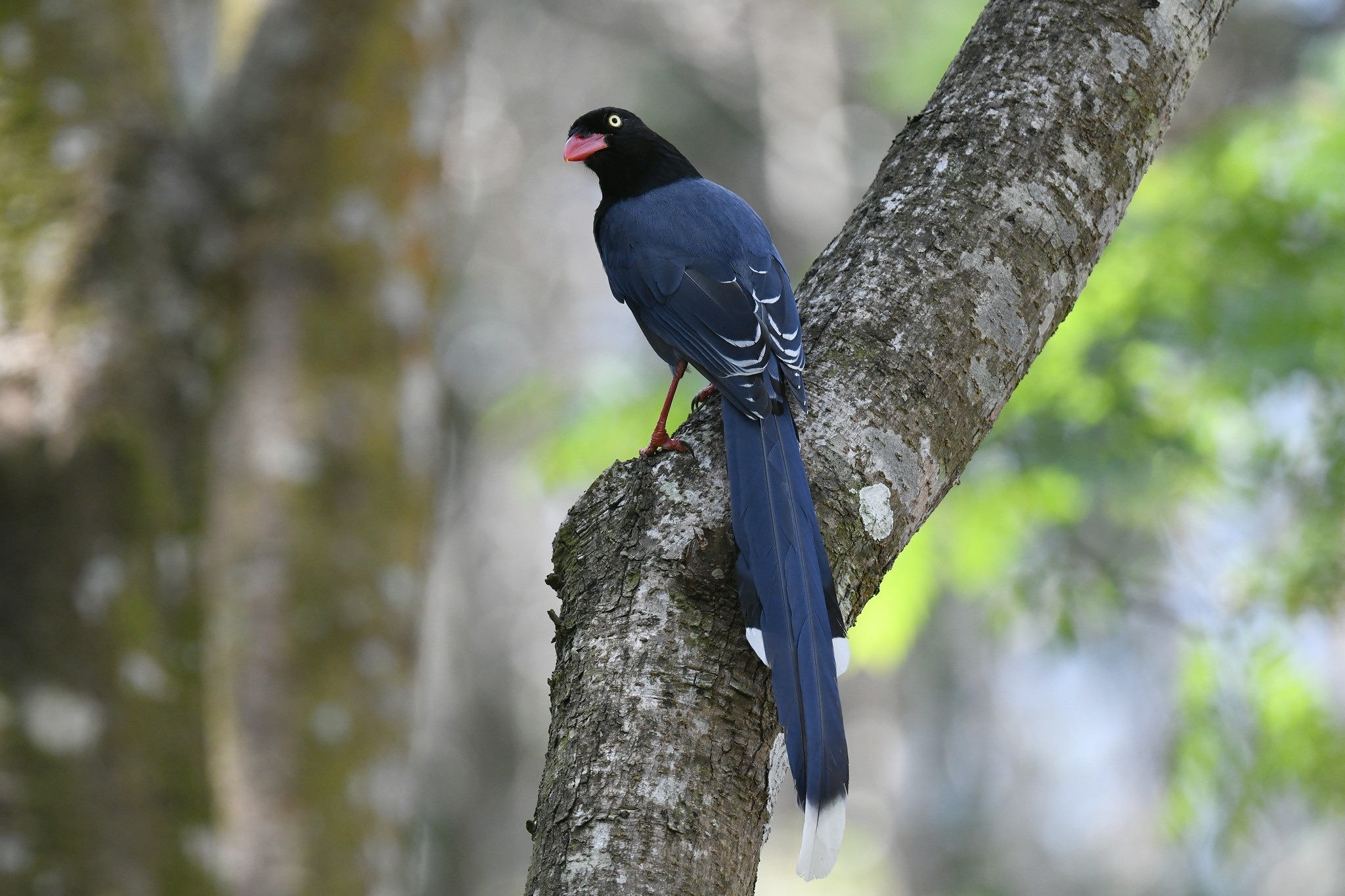
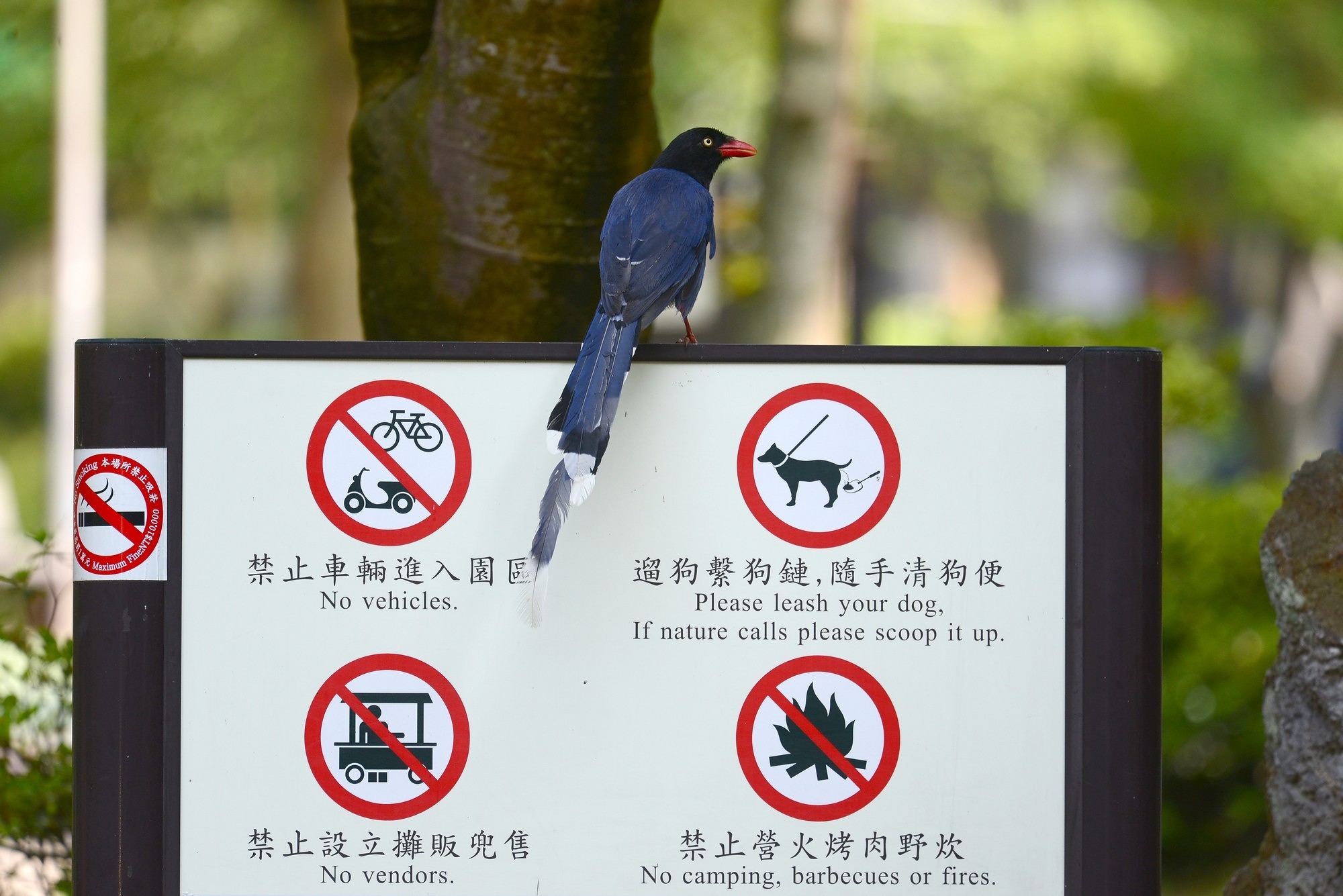
We will then head south with our next destination being the forests around the Shihmen Reservoir where we hope to find the gorgeous Taiwan Blue Magpie. This is a reliable spot to see this localised cobalt blue endemic which often keep company with Grey Treepies as they sweep in then off again in noisy parties.
Both Taiwan and Black-necklaced Scimitar-Babblers (both endemic) are also possible here along with another speciality, the Taiwan Whistling Thrush. This is also another site for Taiwan Barbet should we have failed to see this species at the botanical gardens. Night Guguan
Day 4
GUGUAN AND LOWER SLOPES OF DASYUESHAN
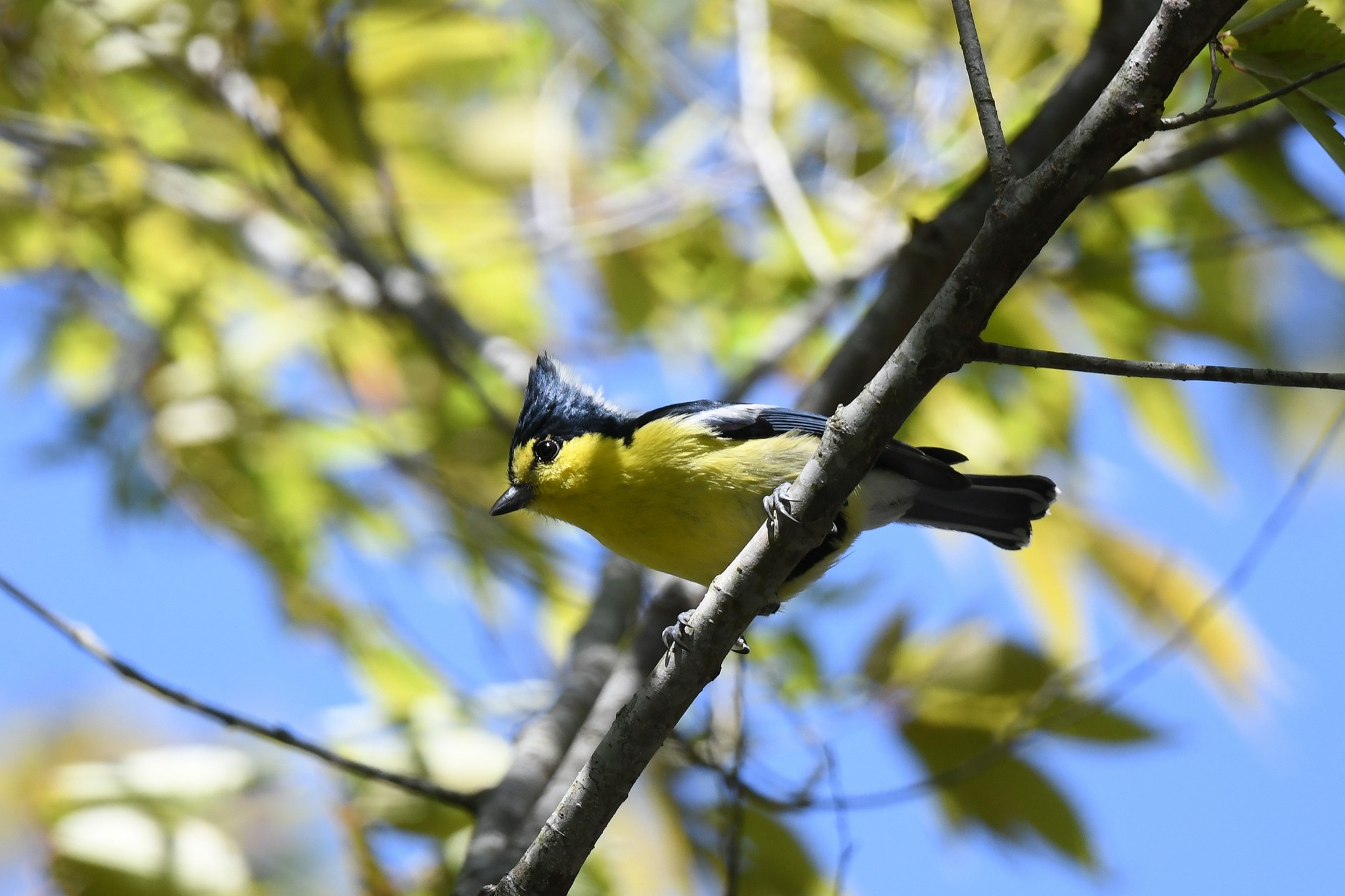
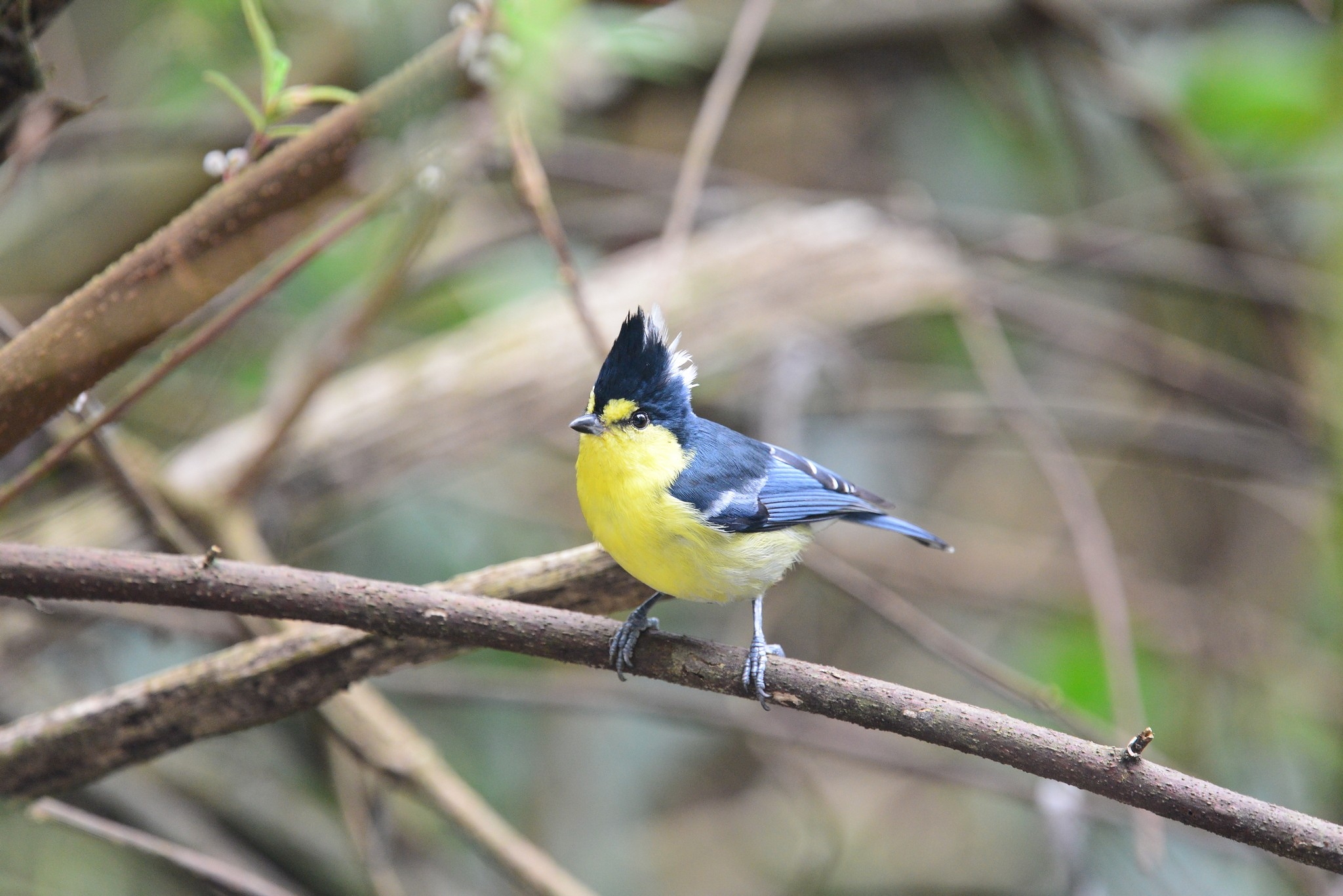
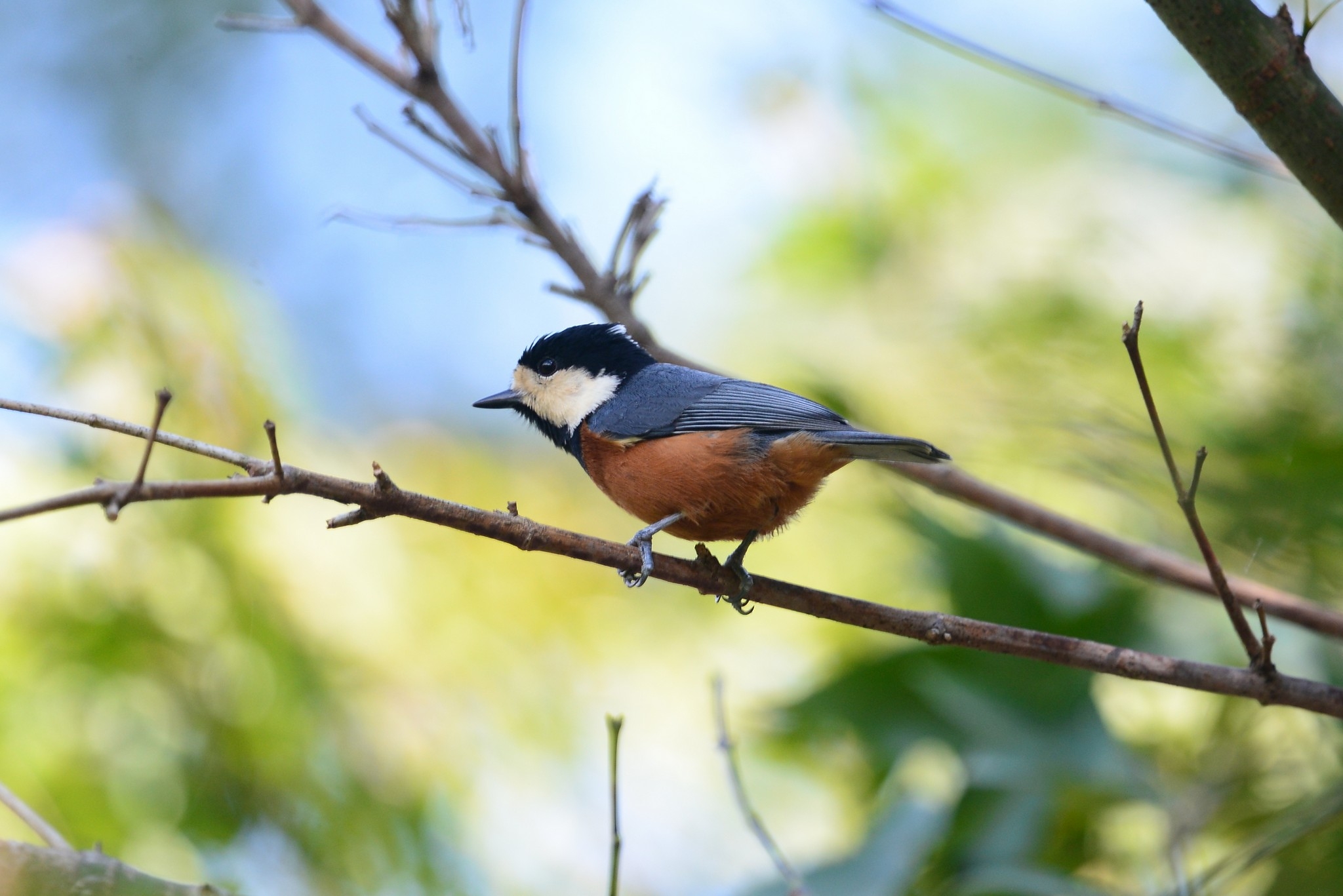
After breakfast, we may follow one of the valleys into the hills to begin our exploration of the forests that cloak the lower slopes of Taiwan’s scenic mountainous spine. The woodlands here are a mix of evergreen and broad-leaved species include stands of Taiwan Red Pine, Red and Green Maples and Taiwan Incense Cedar, while Taiwan White Pine grows along the higher ridges. This fine landscape hosts many key bird species and we will have another chance for Taiwan Blue Magpie. The forested slopes of the gorge are one of the best places to see Chestnut-bellied Tit (another endemic which has been recently split from Varied Tit), so it is well worth the journey to see this attractive endemic.
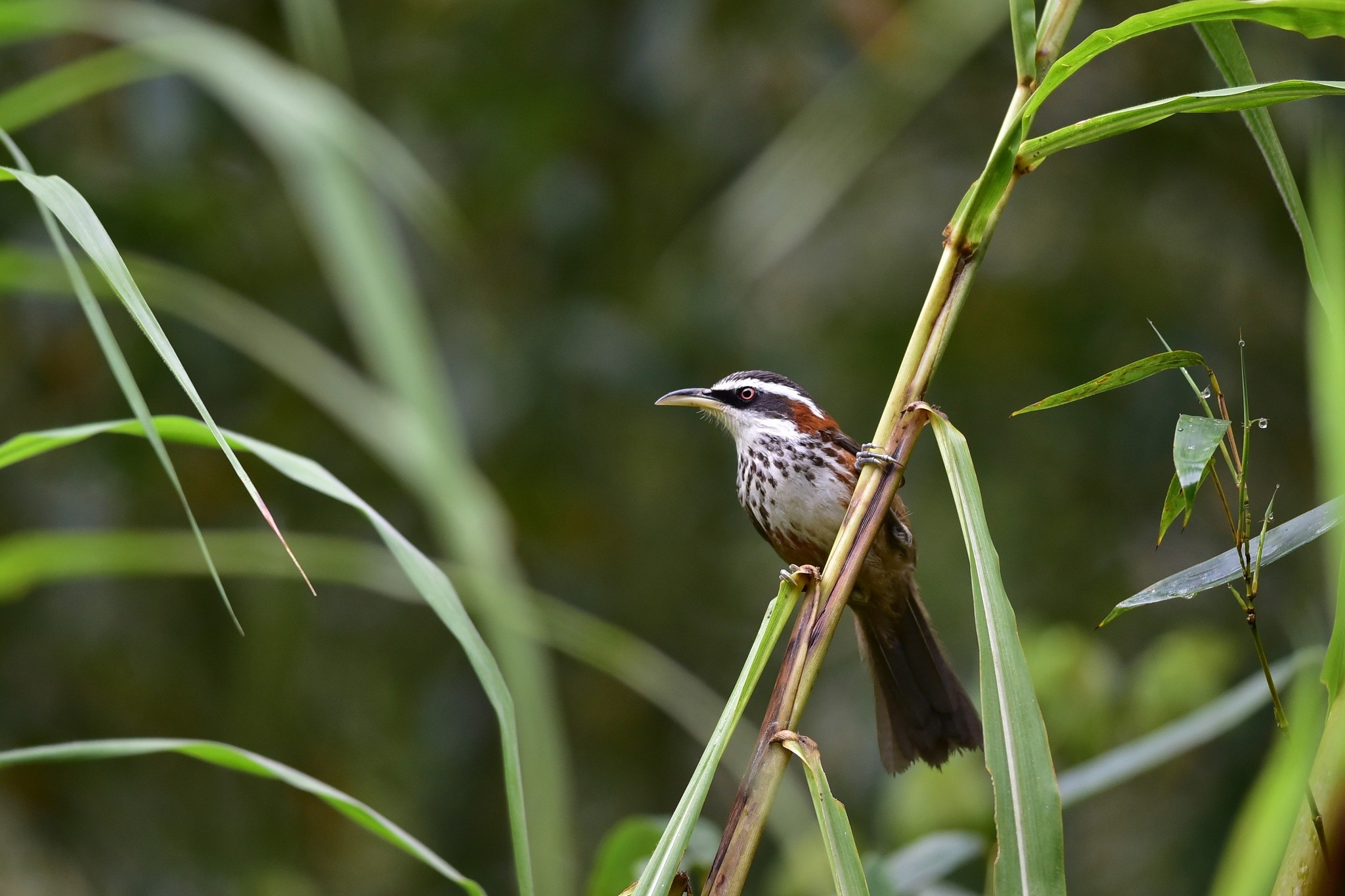
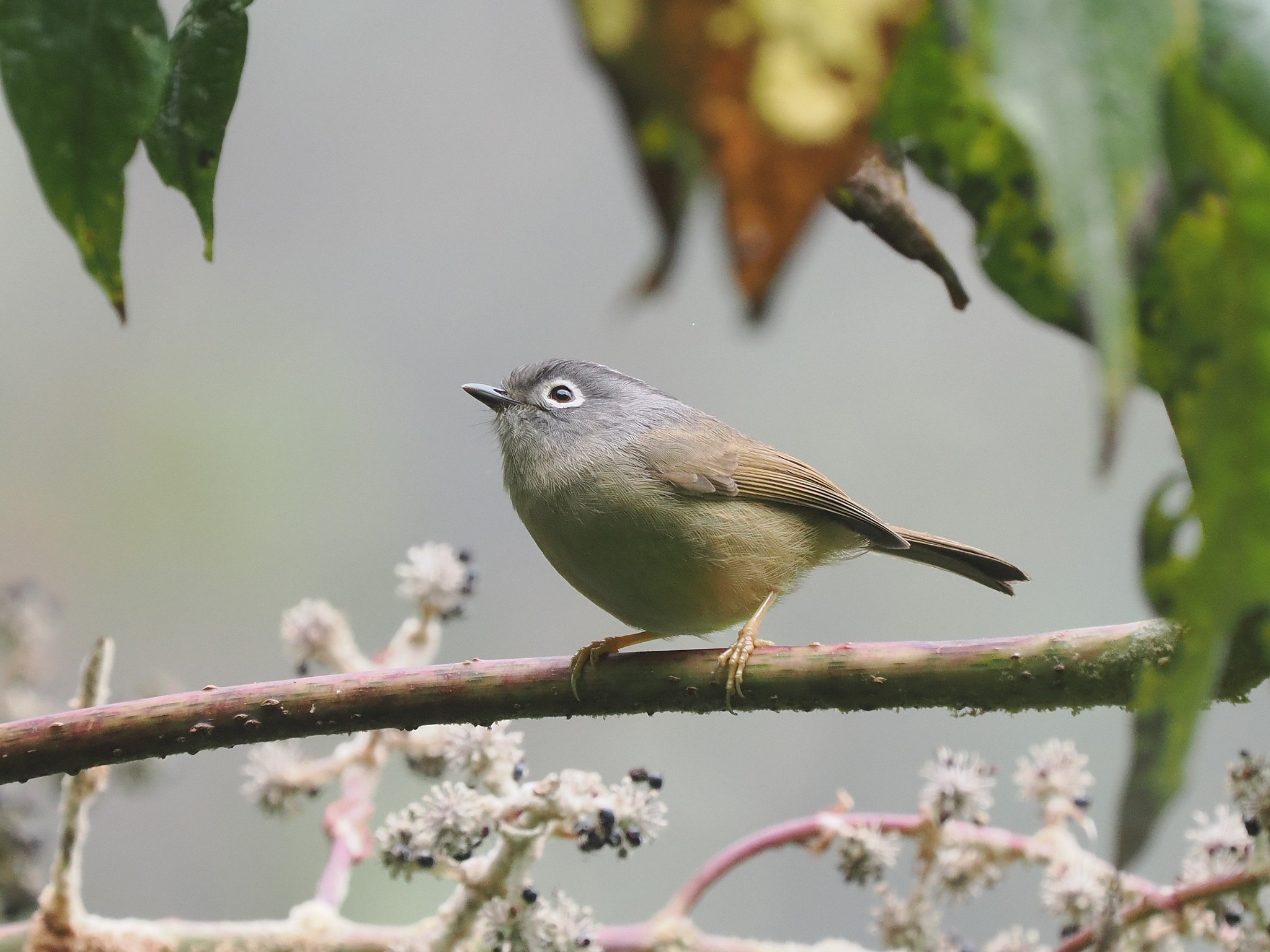
At these lower altitudes, we are likely to encounter Collared Finchbill, Pacific Swallow, Taiwan Scimitar Babbler and Rufous-capped Babbler, while the diminutive Grey-capped Pygmy Woodpecker might also put in an appearance. Other birds we could find include Taiwan Whistling Thrush, Grey-chinned Minivet, Brown Dipper, White-bellied Erpornis, Plumbeous Water Redstart and the endemic Grey-cheeked Fulvetta.
As we explore the lower forested slopes of Dasyueshan (which translates as ‘Big Snow Mountain’), there are a host of the island’s endemic birds to look for and, as we climb a little higher, we will stop for our first chance for the stunning endemic Swinhoe’s Pheasant. Flocks of Black-throated Bushtits, Taiwan Yuhinas, Rufous-faced Warblers and various tits forage through the woodlands and may even be fortunate and locate a party of Taiwan Partridges.
We may also want to venture out after dark as we may be fortunate enough to see the very impressive Taiwan Red-and-white Giant Flying Squirrel which can be found close to our lodge. Two nights Anmashan
Day 5
DASYUESHAN FOREST
We will start the day by heading higher into the renowned Dasyueshan Forest. Although much of Taiwan’s lowland forest has now been lost, the woodlands that clothe the upper slopes of the mountainous interior remain largely intact.
Along the way, we can hope to find the delightful and endemic Taiwan Vivid Niltava, flocks of Black Bulbuls and the distinctive Taiwanese form of Grey-headed Woodpecker. We should also encounter the island’s only primate, the endemic Formosan Macaque, and if we are very fortunate, might catch sight of a Silver-backed Needletail, as there is a relatively recently discovered population of this species which appears to be resident in Taiwan. The birds range over a vast area, however, so encountering them is inevitably a bit hit-and-miss.
Most species are quite common within the flocks and we are likely to see the crested (and endemic) Taiwan race of Coal Tit along with Green-backed and Yellow Tits, Fire-breasted and Plain Flowerpeckers and the island’s endemic race of Eurasian Jay which looks quite different to the birds we see at home. With luck, we may also be able to find a Collared Owlet with its rhythmic, four-note whistle. This diurnal owlet preys principally on small birds.
Dasyueshan provides ready access to areas of both primary deciduous and evergreen forest that are home to a wide range of hill country birds. We are sure to see many of Taiwan’s endemic forest birds here, from White-whiskered Laughingthrush and Taiwan Barwing to Steere’s Liocichla and the lovely White-eared Sibia. With luck, we might come across the striking white-headed male Taiwan Thrush (now split from Island Thrush) feasting in the trees.
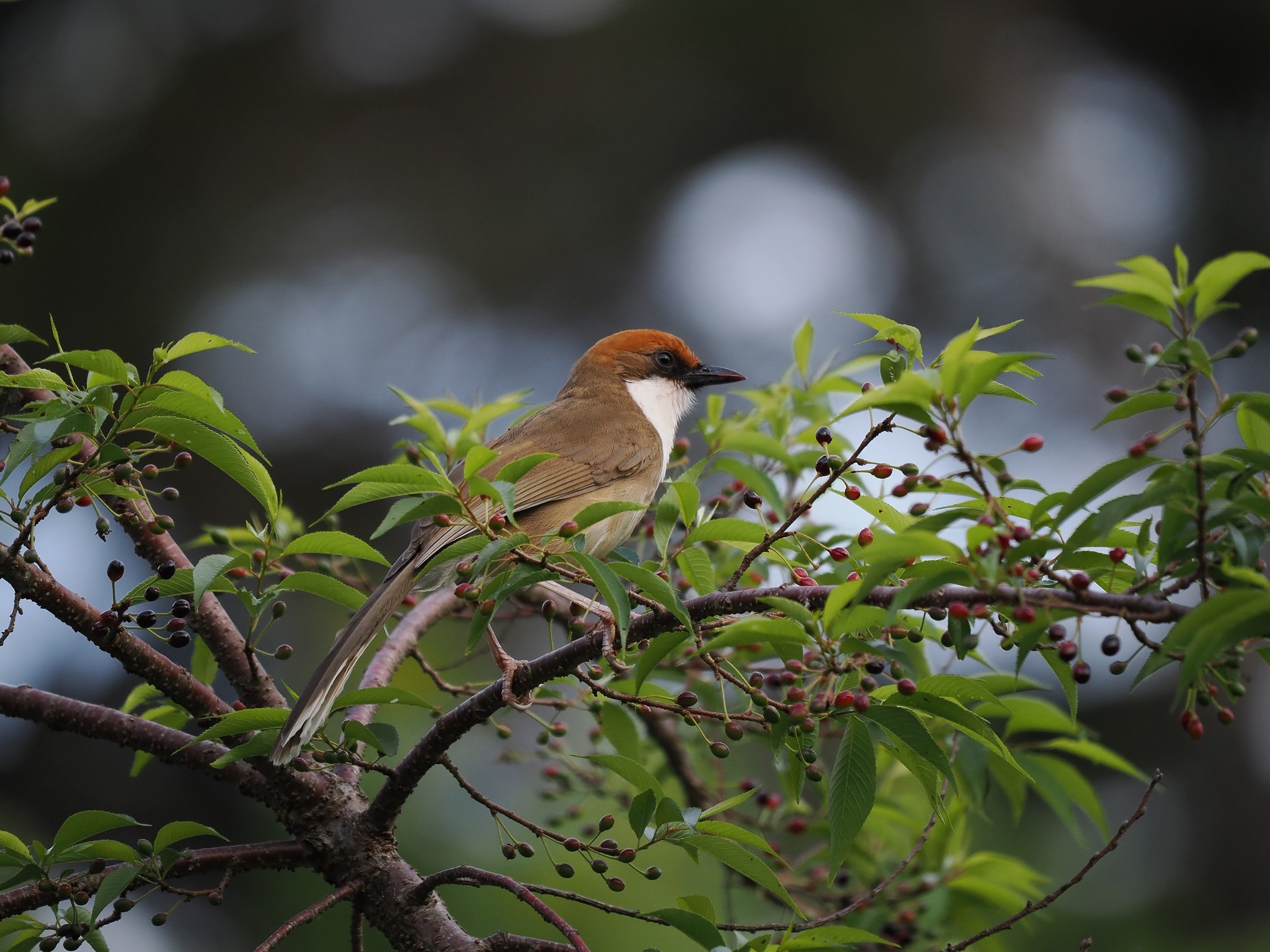
The pristine Trochodendron and pine forest can be a good place to see Ashy Wood Pigeon and Brown Bullfinch, while at a nearby waterfall we may be able to find Little Forktail. Another possibility is Rufous-crowned Laughingthrush and this species is sometime considered the most difficult of Taiwan’s endemics to find, but we will give it our very best efforts.
If conditions are suitable, after our evening meal we have further chances to look for Taiwan Red-and-white Giant Flying Squirrel and could also see Chinese Muntjac, Chinese Ferret-badger and the endemic Taiwan Serow, an elusive goat-like creature.
Day 6
DASYUESHAN AND COASTAL WETLANDS
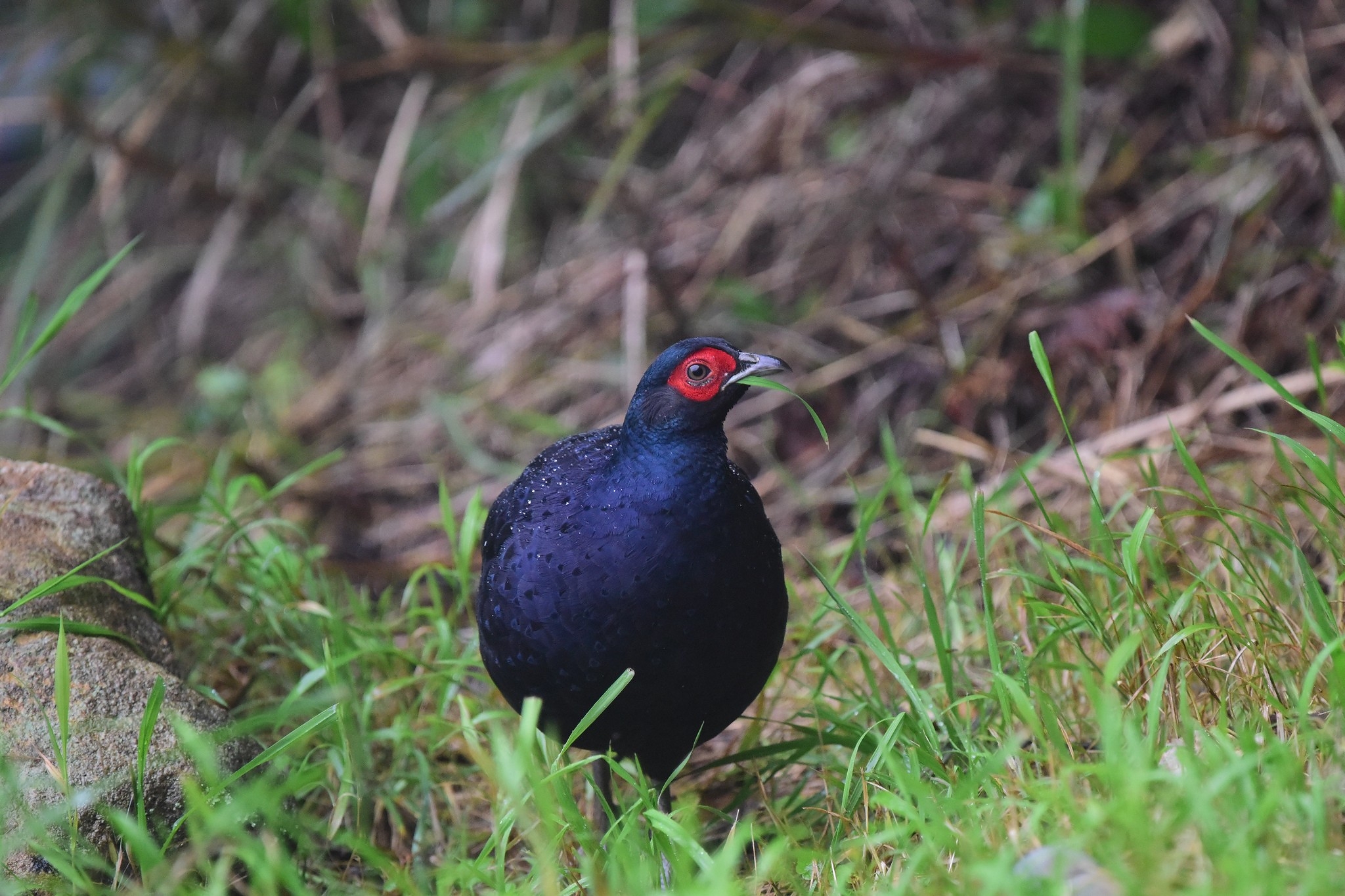
If we have not done so already, this morning we will venture higher into the heart of Taiwan’s majestic central mountains to look for one of the island’s greatest avian prizes: the exquisite Mikado Pheasant. This species is Taiwan’s national bird and is endemic to Taiwan and these deep midnight blue pheasants are found amidst the highest evergreen forests. As we look for this beautiful bird, we should also come across the confiding and beautiful White-whiskered Laughingthrush (endemic) and Formosan Striped Squirrel. Nearby, we will be alert for two endemic and stunning Tarsiger chats: Taiwan Bush Robin and the very smart Collared Bush Robin.
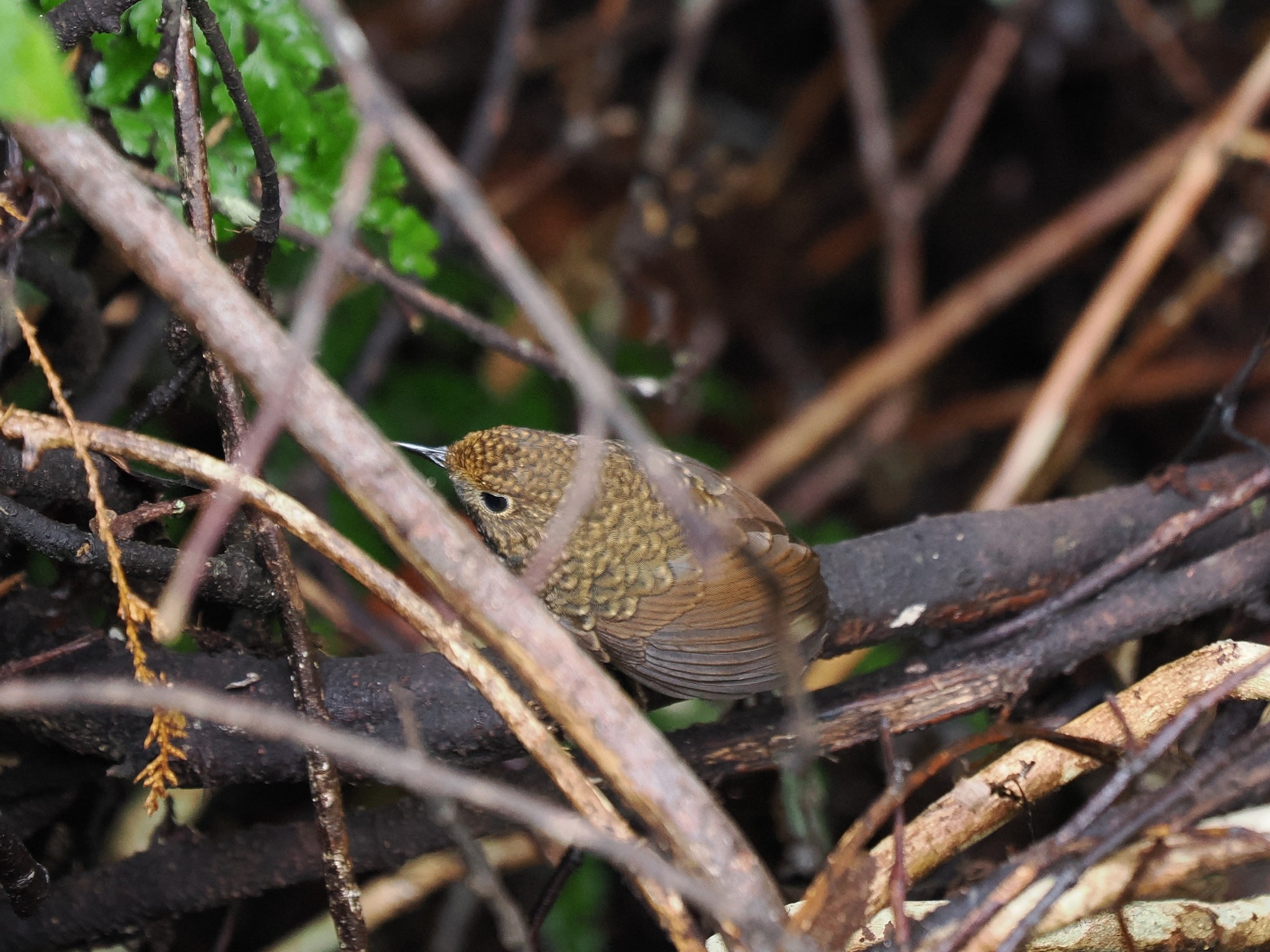
At a slightly lower elevation we may come across the tiny Taiwan Cupwing and Flamecrest, two more of the island’s mouth-watering endemics, before we reluctantly depart Dasyueshan and drop down through the hills en route to the coast.
The scenery will change dramatically, as will the birds, and on Taiwan’s west coast, we will visit wetland habitats where one of our targets will be Black-faced Spoonbill. Although we had chances for this species a few days before, this is another opportunity to find this endangered bird and although some are likely to have migrated, reasonable numbers should still be present.
In such a rich environment, birds of prey such as Osprey and Black-winged Kite can be found hunting the fields and wetlands, with Yellow and Cinnamon Bitterns inhabiting the channels and ditches.
Scrubby embankments may reveal the likes of Vinous-throated Parrotbill, Yellow-bellied and Plain Prinias (the latter of the endemic Taiwan race, flavirostris), Zitting Cisticola and Eastern Yellow Wagtail and with a little bit of luck, we might also encounter some migrants with the possibilities including Bull-headed Shrike and Siberian Rubythroat and there may still be some interesting wildfowl present on the open water. Whilst many of these will have headed to their breeding grounds by the time of our visit, both Falcated Duck and Baikal Teal have been recorded here previously along with more familiar species such as Common Pochard, Northern Shoveler and Garganey. Night Budai
Day 7
PUTAI WETLANDS THEN SOUTH TO KENTING
Depending on what we have seen so far, we may well spend part of the morning enjoying some further birding in the coastal lowlands, checking the saltpans and estuaries for waders and gulls. As well as more Black-faced Spoonbills and wildfowl, migrating waders could include Kentish and Siberian Sand Plovers, Pacific Golden Plover, Marsh Sandpiper and Long-toed and Red-necked Stints. Indeed, if we are extremely fortunate, we could encounter a rarity such as an Asian Dowitcher which occasionally pass through here during the Spring.
More widespread possibilities include Medium Egret and Caspian and Whiskered Terns and with luck, we might find a Far Eastern Curlew, Chinese Egret or a lingering Saunders’s Gull. Even if these species elude us, there will still be a good variety of birds to enjoy before we head to our next overnight stop, Kenting, at the southernmost tip of Taiwan.
If time allows, we will pause along the way to explore farmland and open country areas. Here, the possibilities include Oriental Skylark, Richard Pipit and introduced Scaly-breasted Munias and Indian Silverbills before we continue south along the coast road to our hotel close to the southern tip of Taiwan. Night Kenting
Day 8
KENTING TO DOULIU
We will spend some time exploring around Kenting this morning with one of main objectives being to see the endemic Styan’s Bulbul. This range-restricted species is found only in southeastern Taiwan, down to Kenting, and is the main reason for our visit here. Its population is under threat from hybridisation with the closely related Light-vented Bulbul which is spreading south as a result of habitat alteration and releases for religious purposes; indeed, it has been suggested that genetically pure populations of Styan’s Bulbul could disappear entirely over the coming years.
This area is also a good place for another endemic, the Taiwan Hwamei, that sings loudly from thickets and we may also see Eastern Marsh Harriers quartering the fields and marshes possibly flushing Eastern Spot-billed Ducks from the small ponds. Other possibilities include Striated Swallows and White-shouldered Starlings and careful scanning over the open country may reveal the presence of small flocks of Oriental Skylarks and munias, with Brown Shrikes hunting from fence posts.
Leaving Kenting later in the morning, we will begin our journey back north with our destination being Douliu. The journey is likely to take around three hours so we will look to do some birding along the way with one possibility being a stop to look for the handsome Maroon Oriole – the subspecies (ardens) on Taiwan being yet another potential future ‘split’. Other species that can be found in wetter habitats include Pheasant-tailed Jacanas and Painted-snipe, although the latter invariably needs good fortune to see.
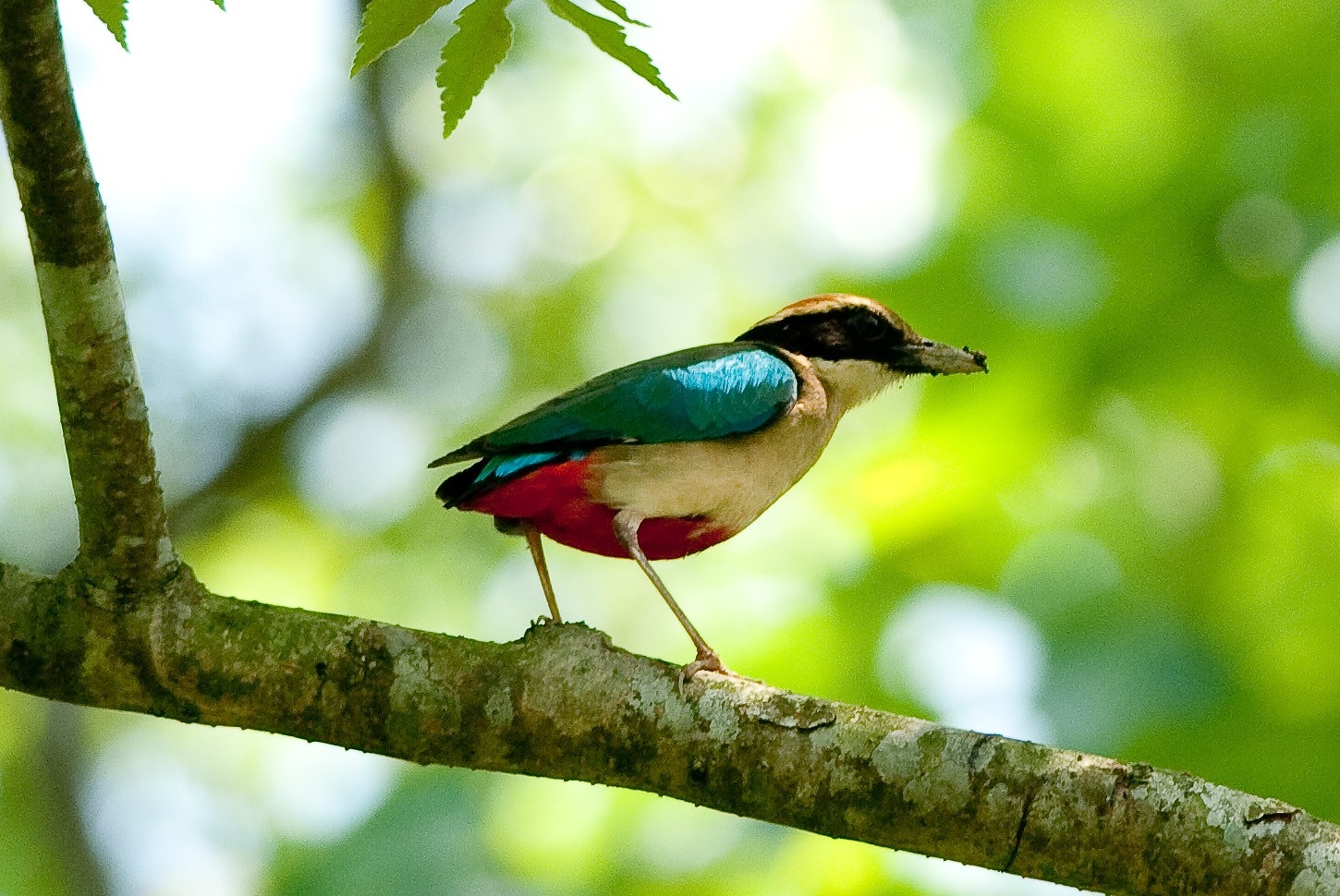
Continuing north, we may have time to make a first attempt to look for Fairy Pitta in the forests not far from our accommodation in Douliu. This summer visitor to Taiwan is classified as ‘vulnerable’ by Birdlife International and although it is believed that upwards of 2,000 pairs breed on the island, it remains a tricky bird to see. Night Douliu
Days 9 – 10
DOULIU TO ALISHAN
If we did not have success with Fairy Pitta the previous afternoon, we will prioritise this species before we head back up into the mountains with our intended destination being the Alishan National Scenic Area (in central Taiwan), which will be our base for the next two nights.
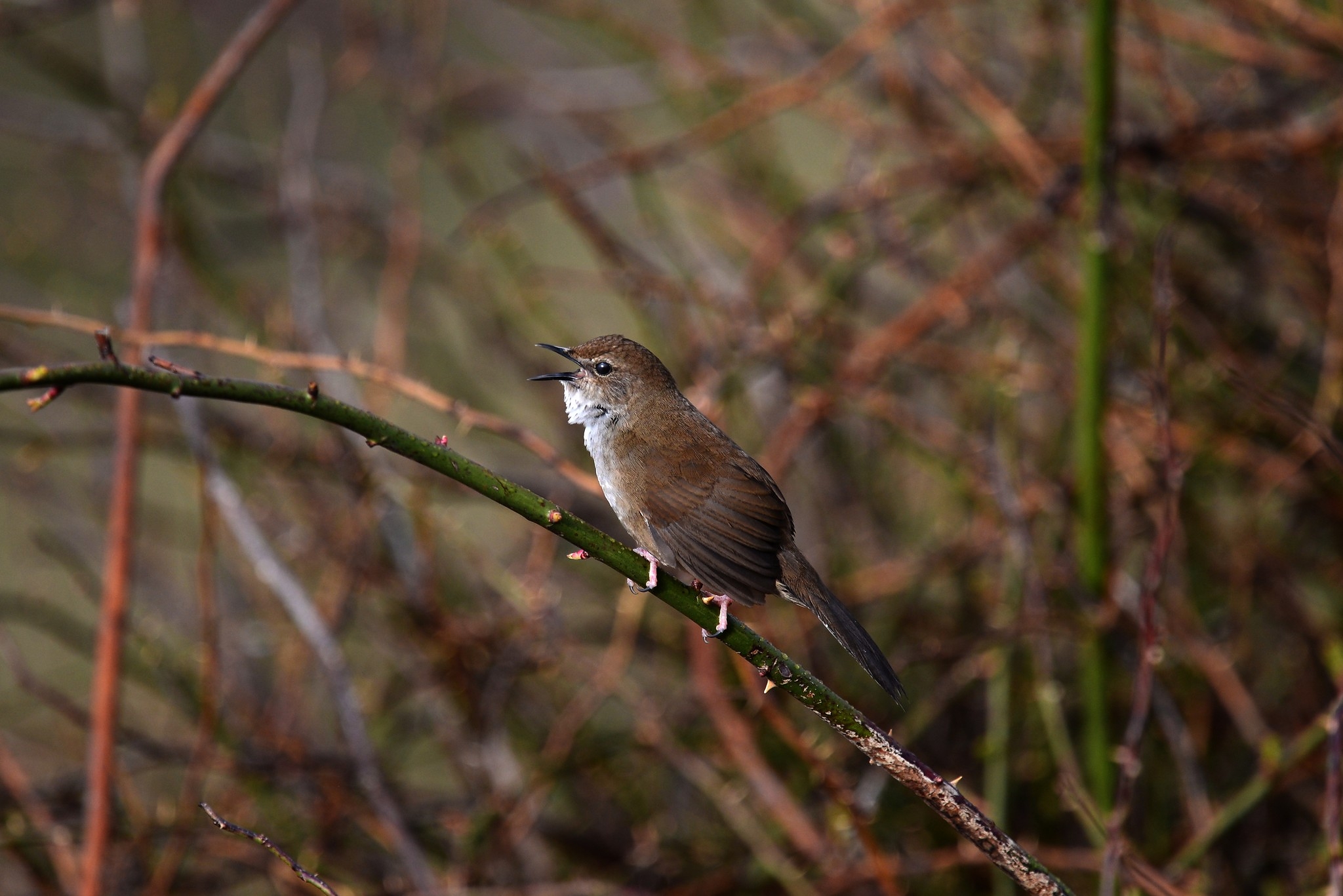
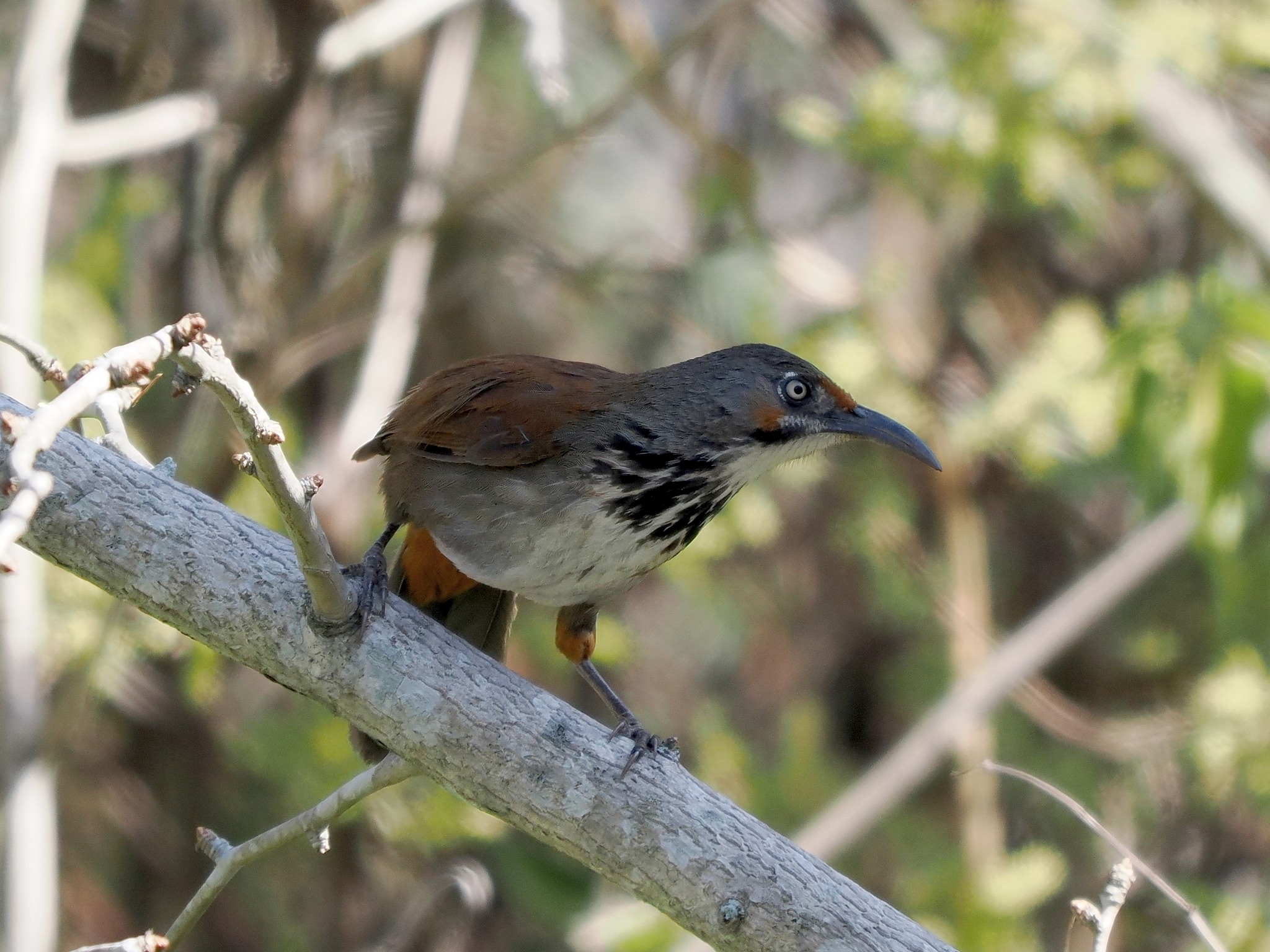
We will stop along the way to stretch our legs and try for the difficult Taiwan Bush Warbler. This species prefers thick vegetation from which they sometimes call and we will be hope to at least glimpse this endemic Locustella. Collared Finchbill, Rusty Laughingthrush, Taiwan Scimitar Babbler and Steere’s Liocichla are also possible as we watch and wait for the elusive bush warbler to appear.
Continuing on to our lodgings at Alishan adds chances of Taiwan Bamboo Partridge, Brown-flanked Bush Warbler and the handsome Daurian Redstart.
Rising early next morning, we drive up high to Tataka, at around 2,700m (8,860ft) in the Yushan National Park. This is an excellent area for birds and endemics we should find in the evergreen forest include the cracking Collared Bush Robin, Taiwan Fulvetta and the aptly named Flamecrest. With luck, the furtive Yellow-bellied Bush Warbler will show in roadside grasses.
The higher altitude roads and forest trails offer further opportunities to search for the secretive Mikado Pheasant which is always a more elusive bird than Swinhoe’s. At these elevations, other species to watch out for include White-backed Woodpecker, White-whiskered Laughingthrush, Taiwan Shortwing, Golden Parrotbill, the crested local form of Coal Tit, Taiwan Bush Robin and Grey-headed Bullfinch.
As we enter the forest of hemlock and dwarf bamboo at the highest points, we should encounter the distinctive endemic Taiwan race of Southern Nutcracker with its silver-spotted cheeks. If the weather is clear (hopefully, we will be up above the clouds), the views are breathtaking and in the distance, we may be able to see Taiwan’s highest peak, Yushan, which stands just short of 4,000m (13,000ft).
One evening, if it is fine, we can try our luck with Northern Boobook and Mountain and Collared Scops Owls. Two nights Alishan
Day 11
ALISHAN TO QINGJING
Before leaving Alishan, we should have a last opportunity to look for any “missing” birds from the lower elevations but will also want to keep an eye on the skies above as Crested Serpent Eagle (another of Taiwan’s endemic subspecies), Black Eagle and Mountain Hawk-eagles could be soaring overhead, along with smaller raptors such as Crested Honey Buzzard and Crested Goshawk. Various buntings, flycatchers and pipits are possible in the secondary forest that also holds White-bellied Green Pigeon, Common Emerald Dove, Dusky Fulvetta, White-tailed Robin and the endemic Rusty Laughingthrush. This area also offers perhaps our best chance of seeing the often-elusive Black-necklaced Scimitar Babbler.
We will descend before climbing back up again to reach the ‘alpine’ resort of Qingjing, where the locals come to ‘chill out’ away from the heat of the coast! This ‘unique’ town lies an elevation of 1,720m (5,650ft), and is renowned for its sheep population as well as being an ideal base to try again for highland bird species the following morning. Night Qingjing
Day 12
QINGJING AND THE HIGH PASSES (HEHUANSHAN AND WULING) TO KEELUNG (NORTH COAST)
Before leaving Qingjing, we should have time to check the hotel grounds for migrants and with the Spring passage underway we could see thrushes, chats, robins or other birds which are making their way north. On previous visits we have also enjoyed Black-necklaced Scimitar Babblers here, along with Taiwan Bamboo Partridge, Manchurian Bush Warbler, Taiwan Hwamei, Brown-flanked Bush Warblers and Black-faced Bunting so there should be plenty to see.
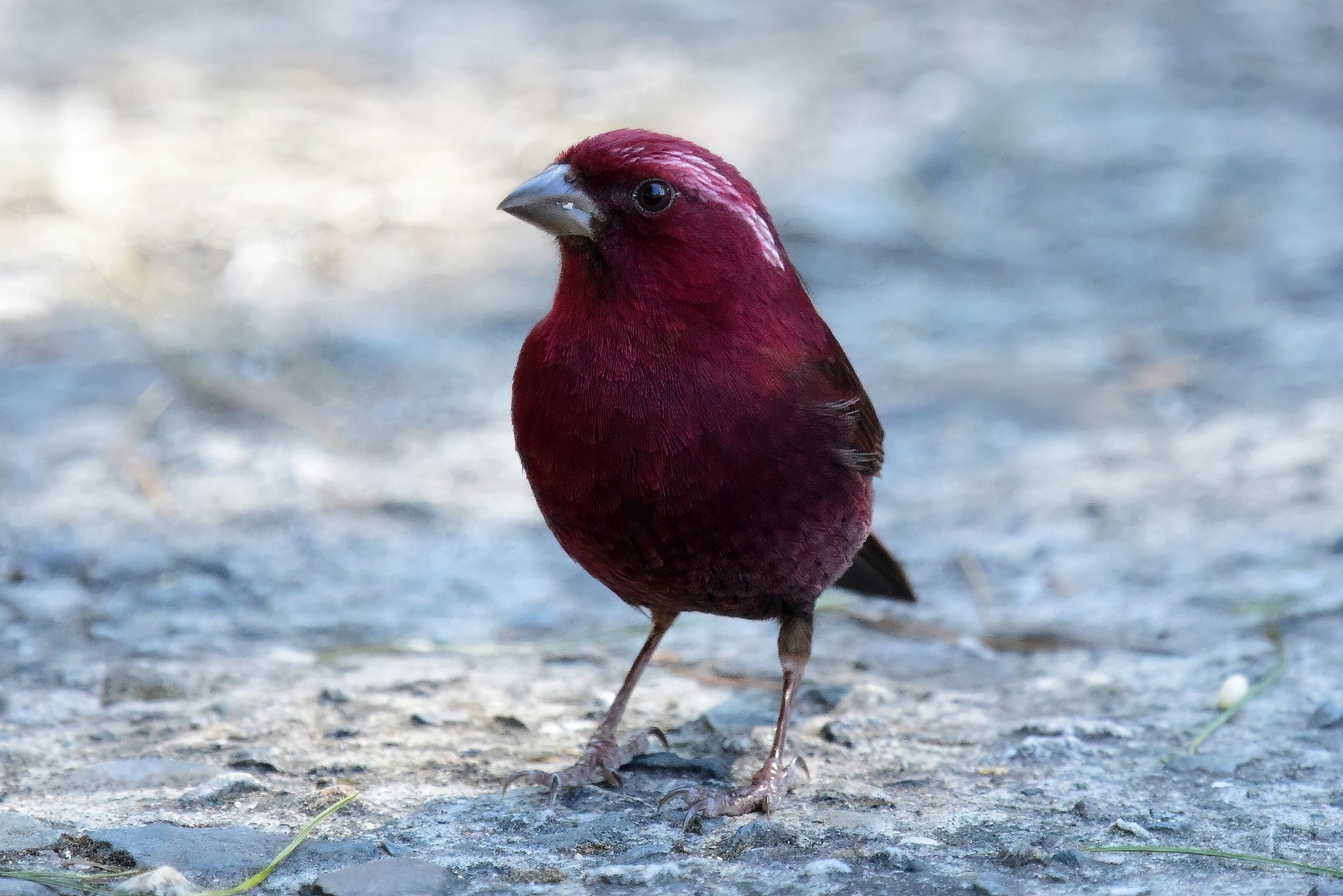
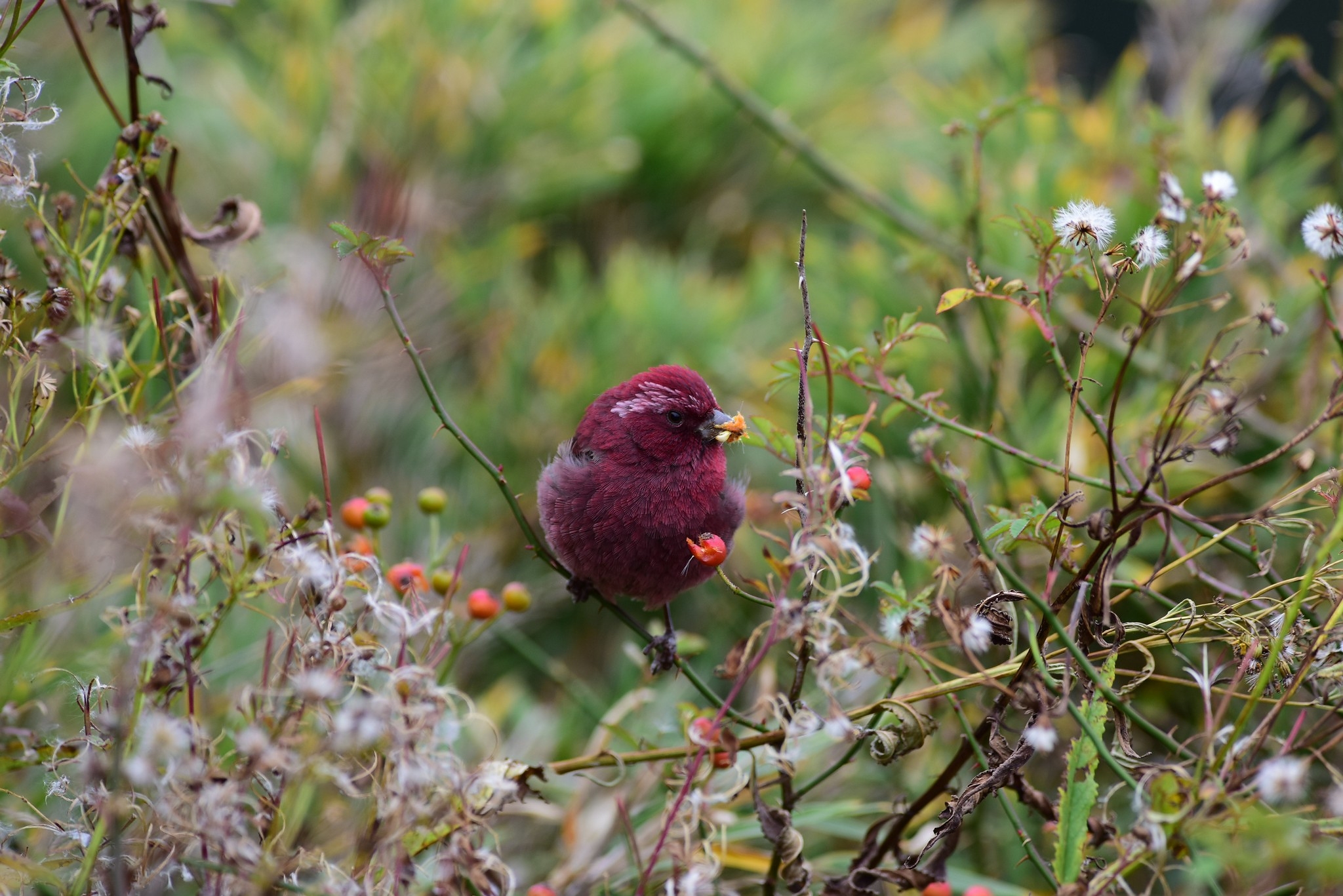
From Qingjing, we climb ever higher until we reach the high passes at Hehuanshan and Wuling Shan, the latter a breathtaking 3,275m (10,740ft) above sea level. Hopefully, we will enjoy good weather (although it can be very cold and windy at times and shrouded in low cloud) but if conditions are good, we could enjoy some first-rate birding. Key specialities to watch for include the richly-coloured endemic Taiwan form of Alpine Accentor,, the simply gorgeous Taiwan Rosefinch (formally lumped with Vinaceous Rosefinch), Collared Bush Robin and White-whiskered Laughingthrush.
In the afternoon, we descend from the mountains and travel north via the west coast highway, completing the drive through Taipei to Keelung, on the island’s north coast. Night Keelung
Day 13
NORTH COAST BIRDING, FLY TAIPEI-LONDON
Keelung lies conveniently within an hour or so of Taipei Airport but since our flight home doesn’t depart until later in the day, we should be able to spend at least the morning (and potentially longer depending on flight schedules) in the field as we take the opportunity to check for migrants and summer visitors on Taiwan’s north coast.
There are a number of possible places we could explore with one option being the Yeliu Wetland. This is classified as an Important Bird Area by Birdlife International and being on the coast it can be an excellent place to look for migrants in the Spring with the possibilities including Pale-legged Leaf Warbler, Asian Stubtail, Ryuku Flycatcher and Ryuku Robin. It will also as be a final opportunity to enjoy some of Taiwan’s endemic birds with Taiwan Barbet, Taiwan Scimitar Babbler and Black-necklaced Scimitar Babblers amongst those which can be found here.
Our birding over, we continue to nearby Taipei Airport where we will say farewell to Kuan-Chieh Hung and check-in for flights home.
Day 14
ARRIVE UK
Early morning arrival in UK on Day 14, where our birding tour to Taiwan tour concludes.
WHAT TO EXPECT
Our Spring tour to Taiwan will introduce you to the ‘Beautiful Isle’, with the emphasis on finding its endemic birds. From the sublime Swinhoe’s and Mikado Pheasants in the mist-laden oriental woodlands to exotic Taiwan Blue Magpies in the subtropical canopy, Taiwan boasts over thirty species of endemic birds and several dozen endemic subspecies, some of which are likely to be ‘upgraded’ to full species.
By visiting in the Spring, we will also have the opportunity to seek out Fairy Pitta and look for migrants heading northwards. A good variety of East Asian specialities can also be expected including the endangered Black-faced Spoonbill plus a nice selection of waders.
Overall this is not a strenuous tour, however, it is one that involves a fair amount of travelling (necessary in order to find Taiwan’s 30+ endemic birds), and on which we spend more than one night at only two hotels.
You should be prepared for early starts, which is the norm for birding tours in tropical regions where the daylight hours are relatively short, and where bird activity is generally at its peak early and late but often dies away during the middle of the day. In early May, sunrise in Taiwan is around 5:20am and sunset at 6:30pm.
Away from the coast, much of our birding in Taiwan will be in forest, from tropical lowland to temperate high montane. We will spend most of the time walking on level ground, birding from paved or unpaved roads or tracks, and on some forest trails with occasional steep sections, but these are quite short.
Daytime temperatures in the coastal lowlands are likely to be ranging between 18-27C in late April and early May. Conditions are likely to vary from sunny and pleasant to cold when we are in the higher hills. Rainfall is likely to be encountered and we can expect some wet weather during our stay, especially in the lush mountains. Some rainfall is almost certain in and around Taipei and the north coast, where it can also be humid.
The weather in Taiwan’s central mountains will be considerably cooler, with temperatures decreasing as we climb higher. It could be cold and is often damp at the highest elevations, with a high likelihood of mist and occasionally heavy rain.
BIRDS
170-210 species
MAMMALS
5-10 species
ACCOMMODATION
Eleven nights accommodation in Taiwan. Our hotels are well placed for easy exploration of the areas we shall be birding in, with those away from the major cities being of the highest standard available. Where possible, we use modern and comfortable tourist hotels, however, at some locations the accommodation is simpler, albeit the best available. All rooms have private facilities.
MEALS
All main meals are included in the tour price, commencing with lunch or dinner in Taiwan on Day 2 (according to flight schedules) and concluding with lunch on Day 13.
Larger hotels generally provide an international buffet for breakfast, lunch and dinner, while smaller establishments tend to serve a delicious and nourishing Chinese meal from a set menu.
Lunches will either be picnics or taken at a convenient restaurant or store along the way, according to local availability and whichever arrangement best suits our daily plan. There are plenty of opportunities to buy ‘trail food’ at local convenience stores in Taiwan. These places often have seating areas to eat meals which we have found to be surprisingly good!
Many restaurants in Taiwan offer set menus only and are unable to accommodate special requests for participants with significant food allergies or special dietary needs, so please contact us before booking if you have specific dietary requirements.
Few of the restaurants we visit routinely provide knives and forks with meals. Instead chopsticks (often disposable wooden ones) are used. If you are not used to eating with chopsticks, you may prefer to bring your own lightweight cutlery (knife, fork, spoon) with you from home.
WALKING
The walking effort is mostly easy on this tour, along established paths and trails. The going can be more moderate at times in the mountains, with occasionally longer walks here and at the coast. Inevitably when walking in the mountains, there will be some steep sections along roads and tracks, and one or two places we visit involve descending well-made steps. These sections are usually quite short and, wherever possible, we aim to drive uphill and then bird as we walk back down.
Comfortable lightweight, waterproof walking shoes or boots with stout corrugated soles for grip are recommended for this trip. Some participants might find walking poles or a walking stick-seat helpful.
Altitude
Wuling Pass is the highest point we reach on our Taiwan tour, at 3,275m (10,740ft) above sea level. We do minimal walking here and shall be there only for a few hours at most.
Ground Transport
By minibus or small coach depending on the group size.
Tour Gallery
View a gallery of images for this tour below, click on an image to view as full size with caption
Ask About This Tour
If you have any questions about this tour, please enter your details here and we will get back to you as soon as possible.
Alternatively, contact us by email or phone. We look forward to hearing from you!
- 01692 580623
- tours@limosaholidays.co.uk
Or complete the contact form and we will endeavour to get back to you as soon as possible.
* = required field

