Mexico
Oaxaca
A 12-day holiday exploring the endemic-rich Mexican state of Oaxaca visiting a wide range of habitats from cloud forests to coastal mangroves.
The Mexican state of Oaxaca is home to the highest number of endemics in the country (70+ species) and on this 12-day birdwatching tour which travels from high-altitude pine forests to coastal mangroves, there will be the opportunity to look for an impressive range of speciality birds.
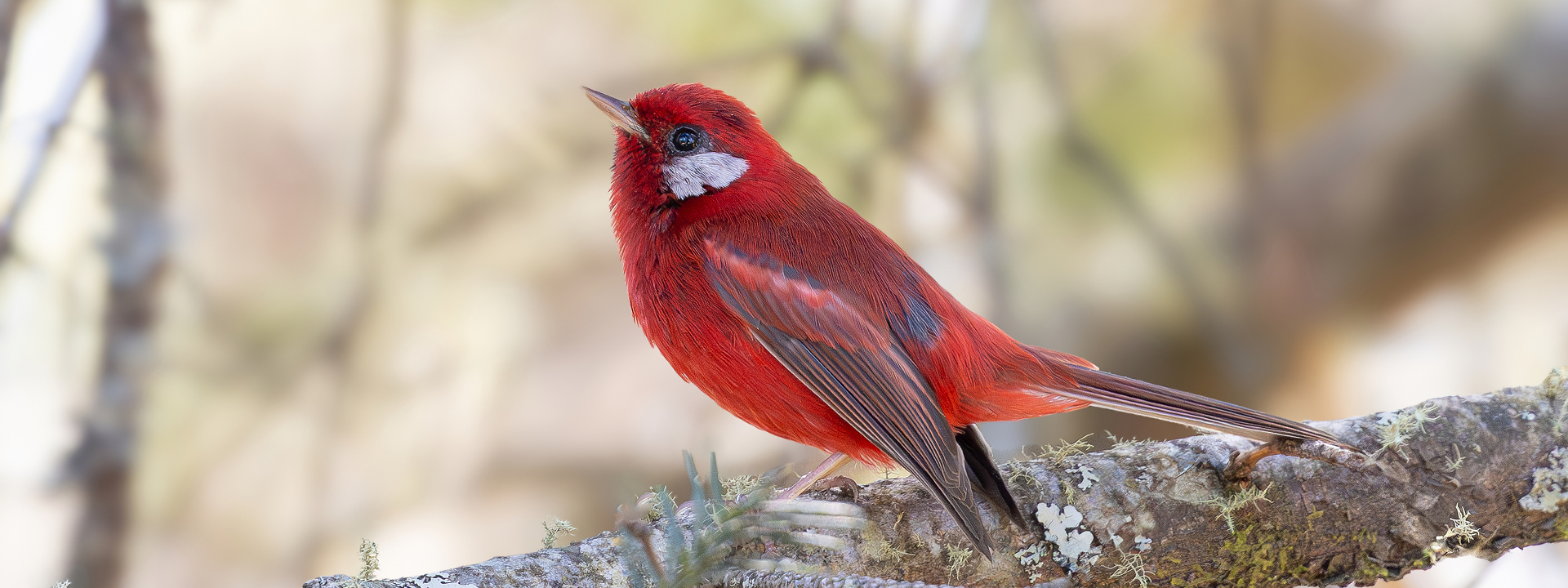
Beginning in Oaxaca City (at altitude of 1,500m), we will explore key birding sites such as Presa Piedra Azul, Benito Juárez Eco-Touristic Centre, and Yagul Archaeological Site, looking for endemics such as Dwarf Jay, Boucard’s Wren, White-throated Towhee and Red Warbler.
We can also expect to see a range of regional endemics including some fantastic hummingbirds such as Garnet-throated and White-eared Hummingbirds.
We will then begin our gradual descent towards the coast exploring rich cloud forests and semi-arid landscapes as we travel. These areas are home to more special birds such as Bumblebee Hummingbird, Aztec Thrush, Rufous-backed Robin, Mountain Trogon and Dwarf Vireo.
Arriving at the coast, we will visit a mix of riparian and tropical dry forest habitats for species such as Lesser Roadrunner, Rose-bellied Bunting, Colima Pygmy-Owl and White-lored Gnatcatcher. Another likely highlight will be a morning pelagic which should add another suite of birds with Galapagos Shearwater, Nazca and Cocos Boobies and Tahiti Petrel amongst the possibilities.
Returning to Oaxaca City, our final morning in Mexico provides the chance for more endemics such as Ocellated Thrasher, Blue Mockingbird and Pileated Flycatcher, as well as wintering northern migrants including Townsend’s Warbler and Warbling Vireo.
Tour Dates & Prices
Sat 13th February 2027
Wed 24th February 2027
- Available
Tour Cost: 12 Days from £5595 including return flight from London or £4495 land only
What's Included?
- Led by Limosa’s expert English-speaking bird guide, Maynor Ovando, and also accompanied by Fernando Enrique Navarrete subject to minimum numbers
- Nine nights accommodation in Mexico staying at comfortable hotels and lodges
- All main meals and drinking water provided
- All excursions, local guides, permits, entry fees
- All tour-based tips (lodges, drivers and local guides) and taxes
- Limosa checklist of birds
Cost Excludes
Insurance, visa fees, drinks, airport snacks/meals and other items of a personal nature
Additional Information
The land only cost is the price you will pay if you choose to arrange your own flights. If you select this option, please contact the Limosa office before making your travel arrangements.
Tour Highlights
- Explore the endemic-rich Mexican state of Oaxaca which is home to over 70 Mexican endemics
- Visit a wide range of habitats from cloud forests and high altitude pine-oak forests to dry coastal forests and mangroves
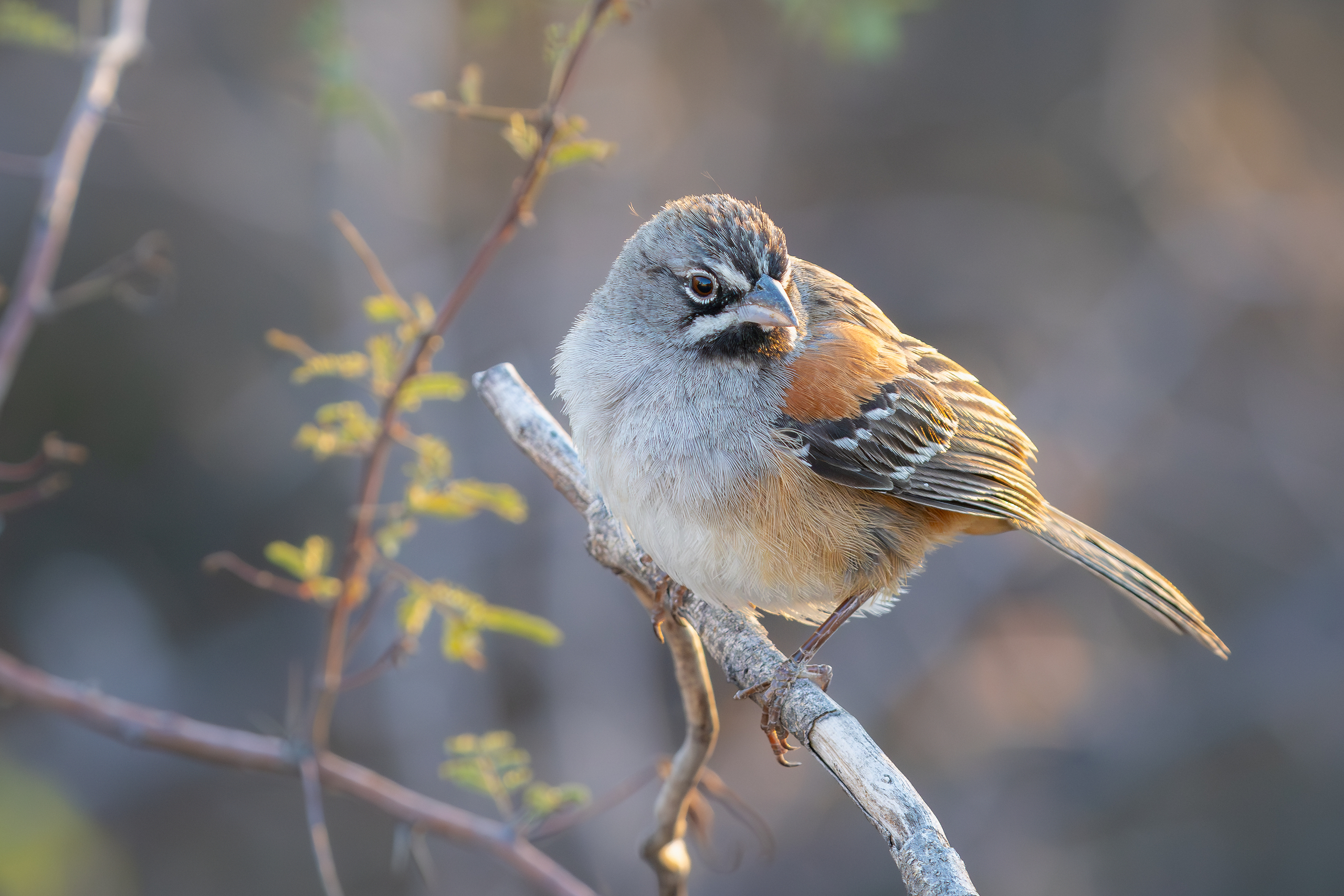
- Look for endemics such as Red Warbler, Dwarf Jay, Oaxaca Sparrow, Collared Towhee and Rufous-capped Brushfinch
- Expect to see an impressive range of hummingbirds including Bumblebee Hummingbird, Garnet-throated Hummingbird, Beautiful Hummingbird and Green-fronted Hummingbird
- Join a pelagic trip to look for Pacific seabirds which could include Nazca and Cocos Boobies, Galapagos Shearwater and Tahiti Petrel
- Enjoy birding around some of Oaxaca's iconic archaelogical sites
- Expertly led by Limosa's English speaking guide Maynor Ovando and co-led by Fernando Enrique Navarrete subject to minimum numbers
Outline Itinerary
-
Depart UK for Mexico City and then onwards to Oaxaca City
-
Arrive in Oaxaca City. Night Oaxaca City
-
Exploring birding sites near Oaxaca including Presa Piedra Azul, Benito Juárez, Yagul and La Cumbre Ixtepeji. Two further nights Oaxaca City
-
Leave after breakfast for Cabañas Puesta del Sol. Night Cabañas Puesta del Sol.
-
Early morning birding in pine oak forests of Sierra Norte near Cabañas Puesta del Sol then depart for Finca Don Gabriel. Night Finca Don Gabriel
-
Early morning birding at Pluma de Oro. Depart for Juchitán de Zaragoza then continue to Laguna Superior amd Santa Maria Xadani. Night Ixtepec
-
Early departure for Tolistoque Ojo de Agua and Canal Tangolumda, birding in riparian and semi-arid areas birding en route to Huatulco. Night Huatulco
-
Morning pelagic trip. Afternoon birding in Huatulco National Park. Second night Huatulco
-
Morning birding in Huatulco National Park. Depart late morning for Oaxaca City. Night Oaxaca City
-
Morning birding at Monte Albán followed by a flight to Mexico City and then onwards to the UK
-
Arrive UK
This 12-day birdwatching holiday through the endemic-rich Mexican state of Oaxaca offers an extraordinary journey across one of the most ecologically diverse regions of this large Central American nation. From high-altitude pine forests to coastal mangroves and tropical dry forests, the tour is designed to showcase the amazing avian biodiversity of Oaxaca as we travel from more than 3,000m down to sea level.
The tour begins with a three-night stay in Oaxaca City from where there will be visits to a wide variety of different habitats including mixed forests, semi-arid scrublands and the riparian zone around various water bodies.
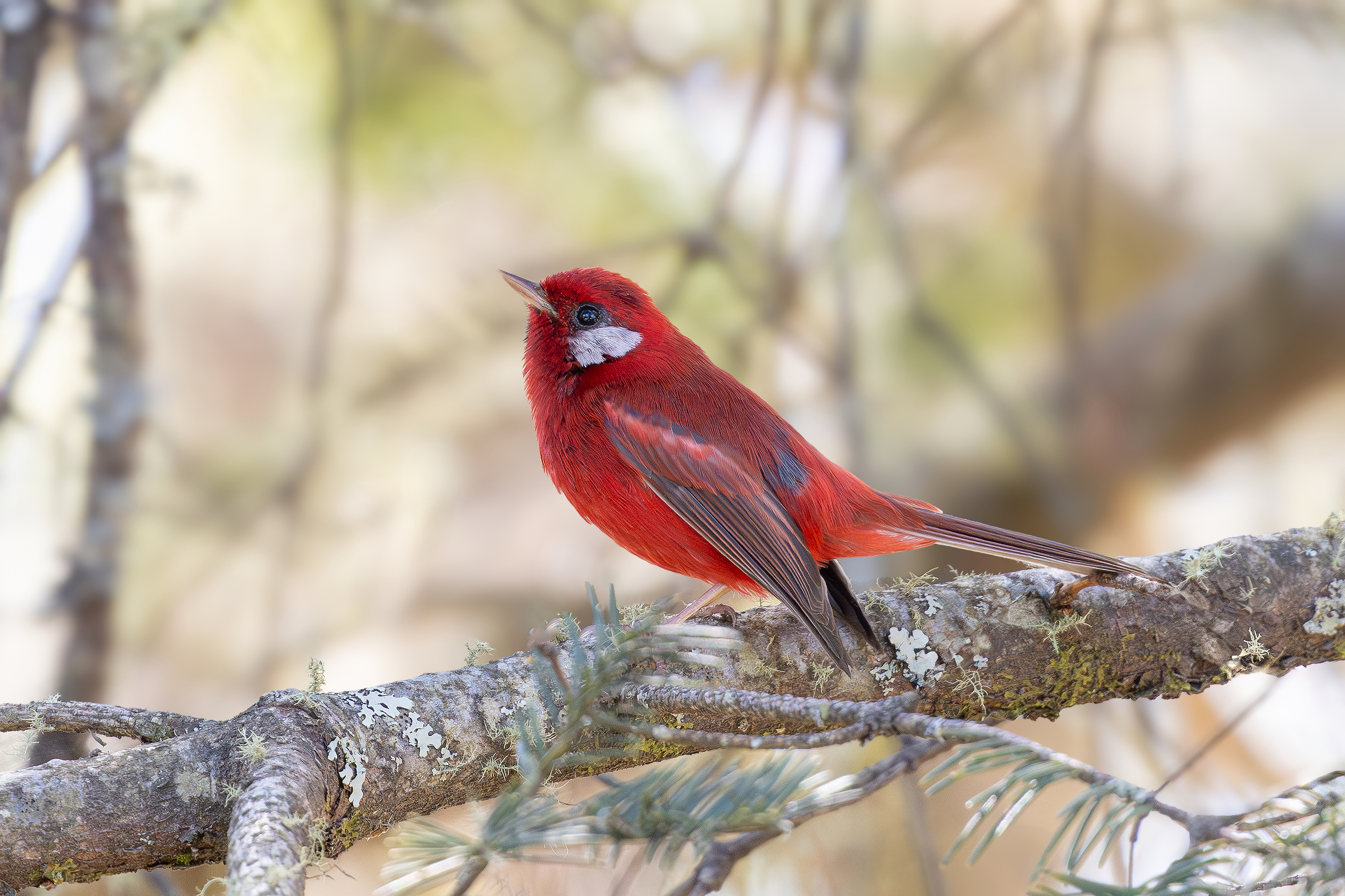
One of the locations we plan to visit is the pine-oak forests of Benito Juárez Eco-Touristic Centre which is home to endemics such as Red Warbler, Dwarf Jay and Collared Towhee, as well as a range of other localised species such as the stunning and appropriately named, Garnet-throated Hummingbird.
On the same day, we may well also explore the semi-arid scrublands at the Yagul Archaeological Site where patches of xerophytic scrub vegetation are interspersed with cacti and small trees. This site which has been occupied by humans for at least 2,000 years is one of only four ‘Natural Monuments’ in Mexico and is home to more special birds with our targets including Grey-breasted Woodpecker, Boucard’s Wren, Beautiful Hummingbird and Rufous-capped Warbler.
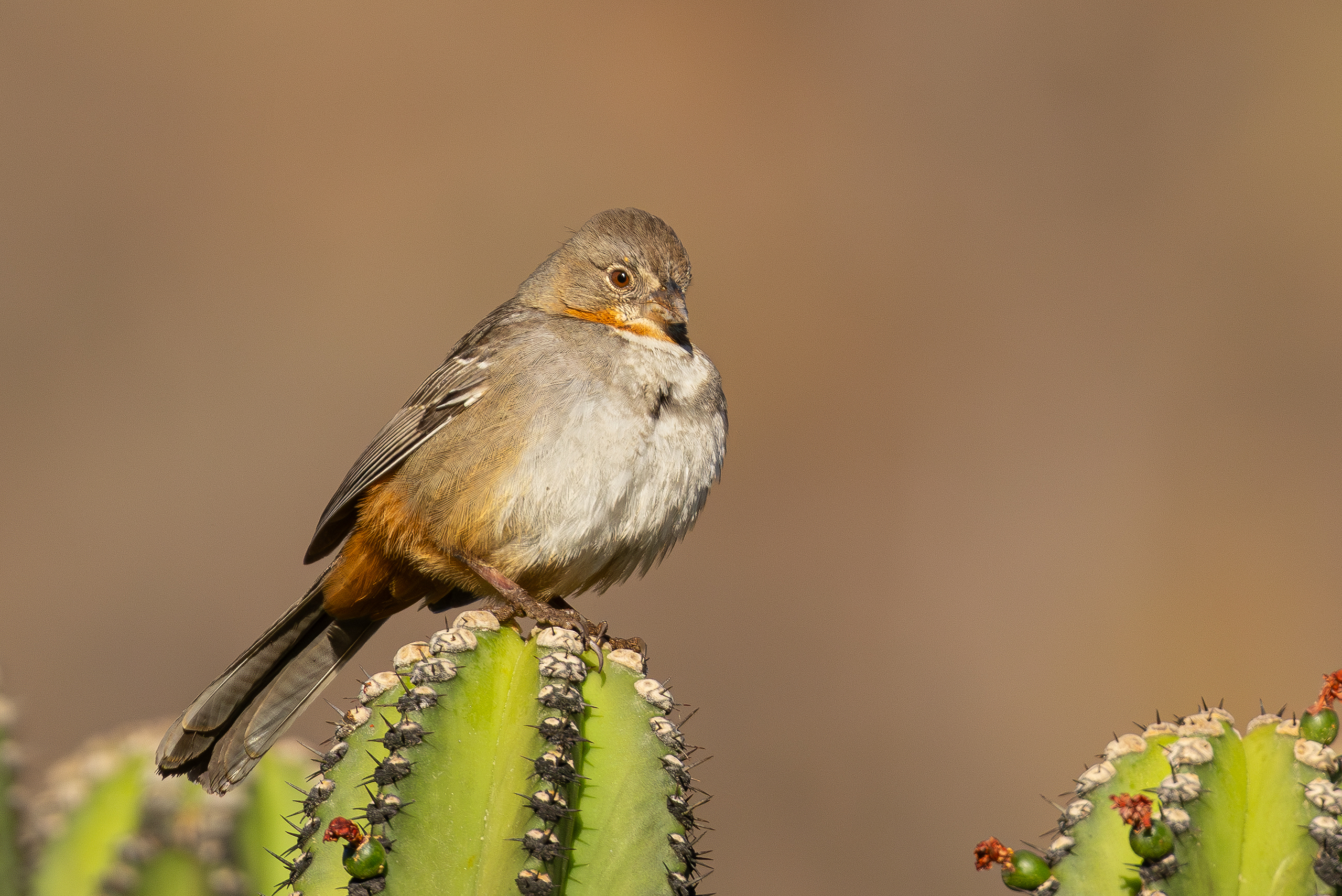
Another location we plan to explore during our stay in Oaxaca City is Presa Piedra Azul (Blue Rock Dam) where a mixed forest and riparian zone provide the opportunity to look for White-throated Towhee, Curve-billed Thrasher, Black-vented Oriole, Slate-throated Whitestart and Lesser Goldfinch.
After two full days birding in the varied habitats around Oaxaca City, we will head south for approximately three and a half hours to Cabañas Puesta del Sol. Located at 2,500 metres in the Sierra Sur, surrounded by forest and with views down to the Pacific Ocean, the comfortable cabins are a perfect base to look for more specialities. We hope to arrive in the early afternoon and this will provide the opportunity to explore the lodge’s gardens where the possibilities include Northern Pygmy-Owl, Bumblebee Hummingbird and Mexican Chickadee.
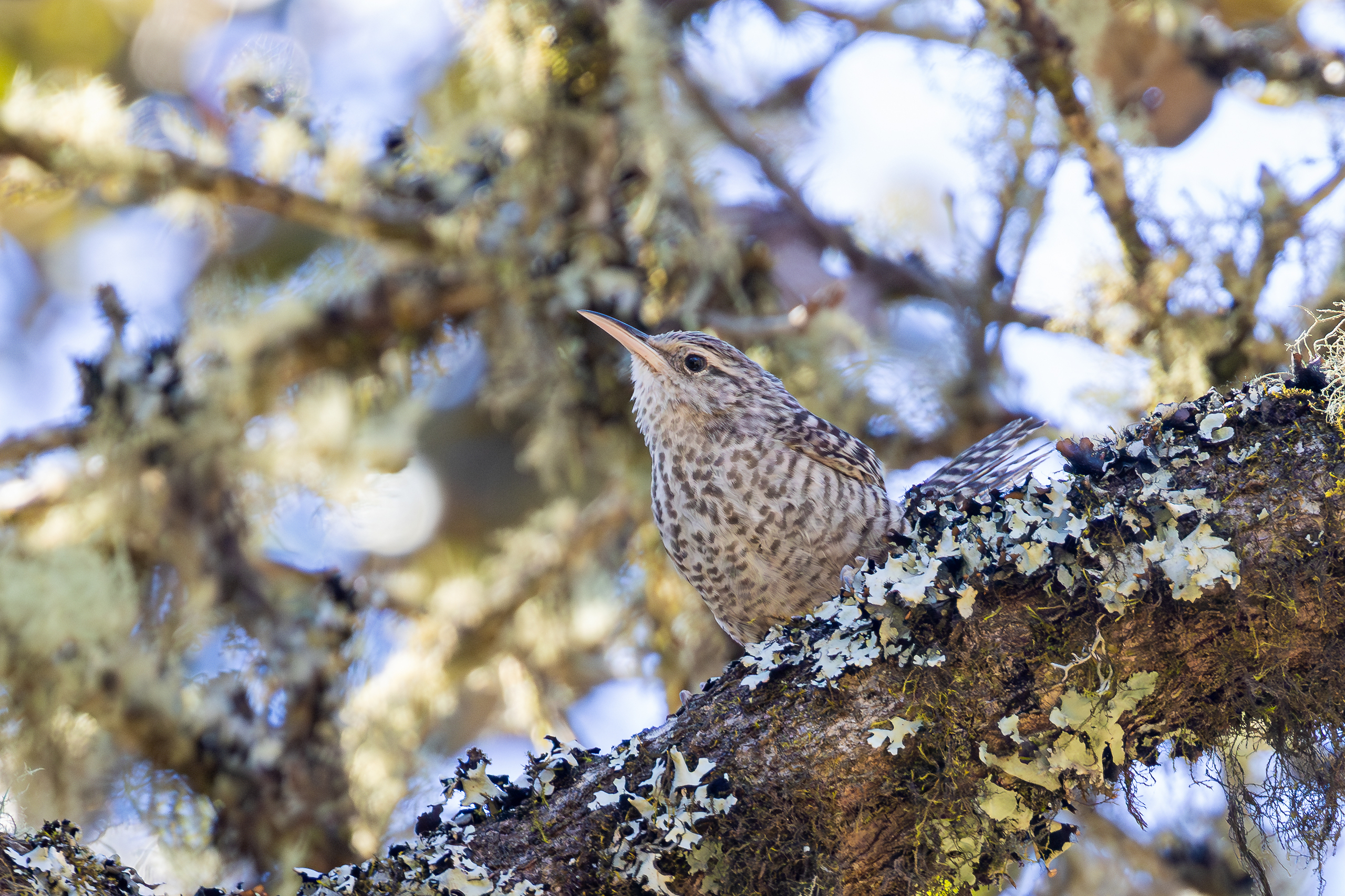
The following morning, as we explore sites close to our accommodation, our targets will include two extremely colourful species, Red Warbler and Golden Vireo, both of which are Mexican endemics. Two other localised endemics we could find are Grey-barred Wren and White-throated Towhee, with the latter’s world range barely extending outside of the state of Oaxaca.
The next day, we will continue our journey down towards the coast, however, before we reach the seashore, we will visit some final highland sites where we will hope to find Blue-capped Hummingbird, Blue Mockingbird, Happy Wren, Red-headed Tanager, Rufous-capped Brushfinch and Dwarf Jay.
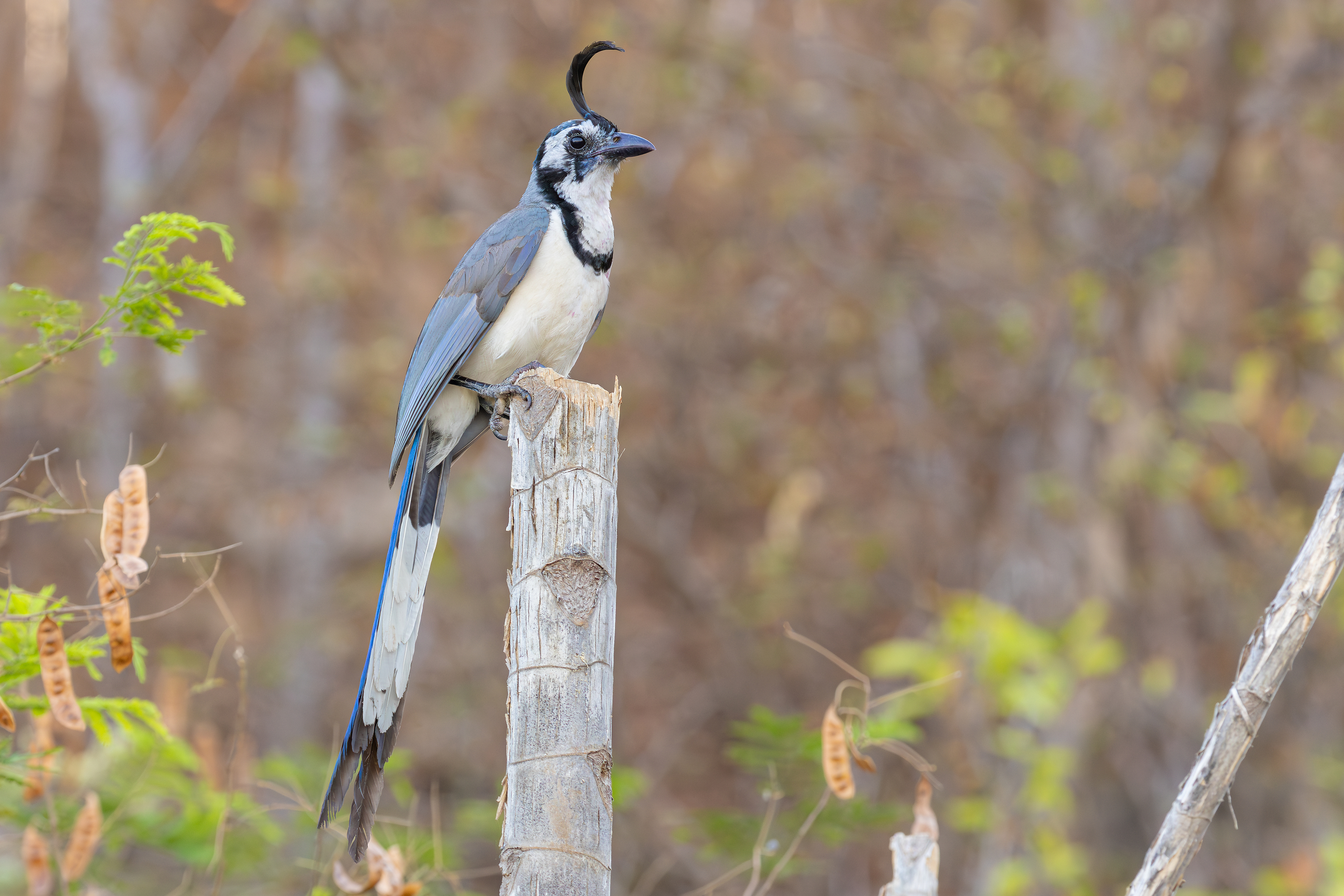
Arriving at the coast, we plan to visit some tropical deciduous forests and a coastal lagoon surrounded by mangroves. Wetland birds we could see include Roseate Spoonbill, Black-bellied Whistling Duck and American White Pelican. We will also look for Mangrove Warbler, whilst the nearby forests hold birds such as White-throated Magpie-Jay, Rufous-browed Peppershrike and Ferruginous Pygmy-Owl.
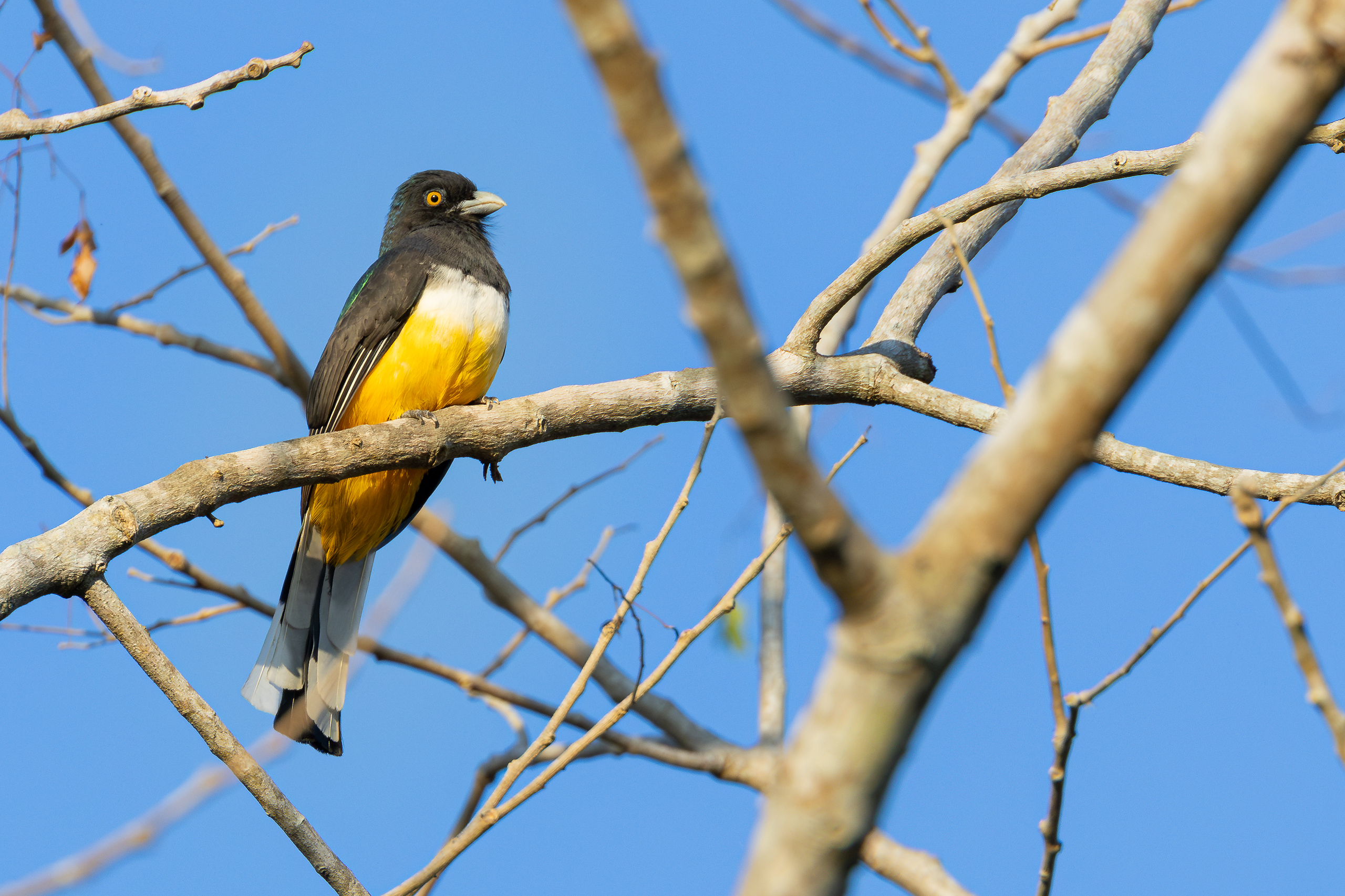
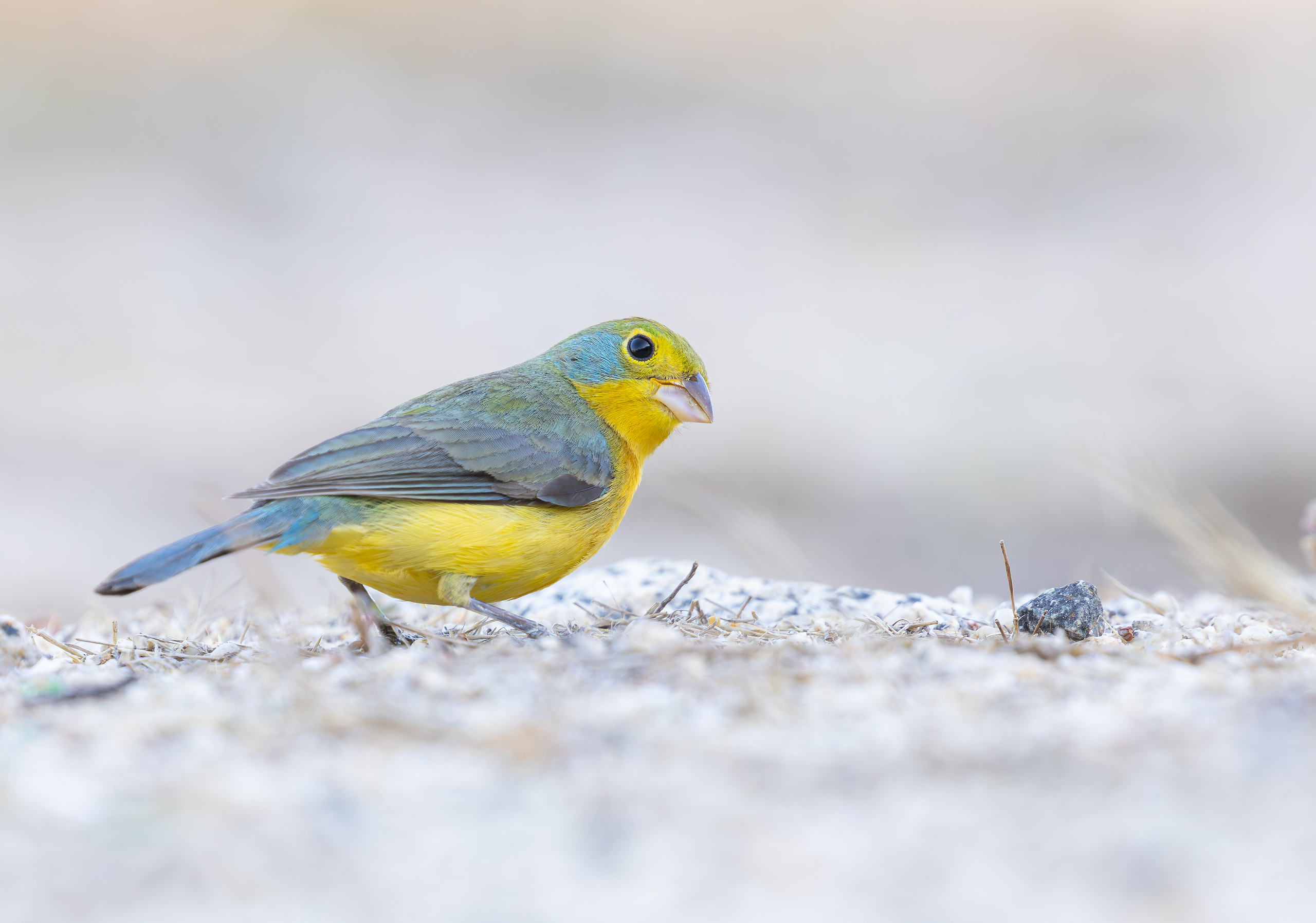
Continuing our exploration of lowland tropical dry forests and semi-arid environments the following day, our morning will be spent at Tolistoque Ojo de Agua where amongst our targets are two highly localised endemics, Rose-bellied Bunting and Cinnamon-tailed Sparrow. Other possibilities here include Colima Pygmy-Owl, Orange-fronted Parakeet, Citreoline Trogon, Lesser Roadrunner, White-lored Gnatcatcher and Blue Grosbeak.
After six days of ‘land-birding’, our emphasis will change for a few hours, as we embark on a morning pelagic trip offshore from the Huatulco National Park. Both Wedge-tailed and Galapagos Shearwaters are possible and we will also hope to see both Nazca and Cocos Boobies, the latter being a recent split from Brown Booby. As we reach deeper water, we should find more pelagic species with Tahiti Petrel amongst the possibilities.
After lunch back ashore, the afternoon and following morning will be spent at the Huatulco National Park which is one of the most biodiverse regions on Mexico’s Pacific coast combining a rich mixture of tropical dry forests and mangroves. Well over 200 species have been recorded at this reserve including a good variety of endemics and near-endemics and those we hope to see include Turquoise-crowned Hummingbird, Flammulated Flycatcher, Russet-crowned Motmot, Rufous-backed Robin and Mexican Squirrel-Cuckoo.
Returning to Oaxaca City, our final morning in Mexico will be spent at the UNESCO World Archipelago Site of Monte Alban where trails through the dry forests and shrublands offer the chance for more specialities with Ocellated Thrasher, Blue Mockingbird, Pileated Flycatcher, Slaty Vireo and Elegant Euphonia amongst those we will hope to see before we return to the hotel and then onwards to Oaxaca airport for flights back to the UK via Mexico City.
Days 1-2
FLY TO OAXACA
Our birdwatching tour to the Mexican State of Oaxaca begins with an overnight direct flight from London to Mexico City, followed by an internal flight to Oaxaca City. Here, we will meet our Limosa guide and subject to flight times, there should be time for some afternoon local birding with the chance to look for our first endemics which could include species such as West Mexican Chachalaca, Rufous-backed Robin, Dwarf Vireo and Blue Mockingbird before we head to our comfortable hotel for a three night stay. Night Oaxaca City
Days 3-4
BIRDING SITES AROUND OAXACA CITY – PRESA PIEDRA AZUL, BENITO JUAREZ, YAGUL, LA CUMBRE IXTEPEJI AND HACIENDA ARANJUEZ
We have two full days to explore the wide variety of habitats which can found within a relatively short distance of Oaxaca City which include pine-oak forests, cloud forest, riparian/water-edge habitats and semi-arid areas. Throughout the tour, our main emphasis will be on seeing as many as possible of the 70+ Mexican endemics which can be found in Oaxaca State and we may well start our exploration with a visit to Presa Piedra Azul (Blue Rock Dam) where White-throated Towhee, Boucard’s Wren, Grey-breasted Woodpecker, Bridled Sparrow, Oaxaca Sparrow, Slaty Vireo and Dusky Hummingbird could be amongst the first endemics.
Continuing on to the village of Benito Juárez for lunch, we will begin the afternoon by birding some nearby pine-oak forests, which are home to one of the country’s most stunning endemics, the gorgeous Red Warbler. Other endemics we hope to find here are Dwarf Jay, Collared Towhee, Rufous Nightingale-Thrush and Rufous-capped Brushfinch along with two impressive hummingbirds – White-eared Hummingbird and the equally appropriately named Garnet-throated Hummingbird.
The day may conclude with time at the Yagul Archaelogical Site which is one of only four ‘Natural Monuments’ in Mexico. The area is one of the most important archeological locations near to Oaxaca City, however, it is surrounded by xerophytic scrub which is interspersed with cacti and small trees and is home to a variety of species which are restricted to this habitat. Amongst those we hope to see are Grey-breasted Woodpecker, Boucard’s Wren and Beautiful Hummingbird (all endemic) along with Rufous-capped Warbler which has a somewhat larger, but still restricted, distribution.
On our second full day birding out of Oaxaca City, we intend to head northwest to La Cumbre Ixtepeji which is located in the Sierra Norte. Here, there are areas of pine-oak forest and cloud forest and we hope to find Bumblebee Hummingbird, Mountain Trogon and Aztec Thrush. Early mornings in the cloud forest can be surprisingly cool with mist swirling around the trees but this area remains an important location to visit with localised endemics such as Dwarf Vireo and Grey-barred Wren, as well as somewhat more widespread specialities such as Mexican Violetear, Amethyst-throated Mountain-gem and Coppery-tailed Trogon.
We plan to conclude the day with a visit to Hacienda Aranjuez where the semi-arid landscapes and cultivated fields provide the opportunity to look for various open country birds such as Rufous-backed Robin, Oaxaca Sparrow and White-collared Seedeater. Two further nights Oaxaca City
Day 5
CABANAS PUESTA DEL SOL
After breakfast, we will head south for approximately 3.5 hours to Cabañas Puesta del Sol. This lodge is located at approximately 2,500 metres in the Sierra Sur with comfortable cabins surrounded by forest and with views down to the Pacific Ocean.
It is a perfect base to look for more specialities and we hope to arrive in the early afternoon which will provide the opportunity to spend the latter part of the day exploring the gardens and nearby birding sites where the possibilities include Northern Pygmy-Owl, Bumblebee Hummingbird and Mexican Chickadee. Night Cabañas Puesta del Sol
Day 6
SAN JOSÉ DEL PACÍFICO, PLUMA DE ORO AND FINCA DON GABRIEL
We plan to begin the day with further exploration around the lodge’s grounds and may also visit nearby El Manzanal which is an area of pine-oak forest. Both locations provide excellent birding opportunities and this will be another chance to look for the appropriately named Red Warbler. This striking bird which is gleaming red with a grey auricular patch has a disjunct distribution in the mountains of Mexico, with three separate and isolated populations. It only breeds in pine-oak forests between 2,900-3,500m, however, birds move to lower elevations during the winter months and it is during this period that we expect to see it at Cabañas Puesta del Sol.
Other endemics we hope to see in the morning include Grey-barred Wren, Golden Vireo and White-throated Towhee, before we make the roughly two-hour transfer to Finca Don Gabriel. We intend to stop for lunch at another excellent birding site where potential endemics include species such as West Mexican Chachalaca, Red-headed Tanager and Happy Wren, before continuing on to Finca Don Gabriel for the night.
After checking in, there should be time to visit nearby Pluma de Oro. Amongst the possibilities here are five hummingbirds which are endemic to Mexico – Mexican Hermit, Golden-crowned Emerald, Bumblebee Hummingbird, Blue-capped Hummingbird and Green-fronted Hummingbird – some of which have very small ranges.
With the poorly known Long-tailed Wood-Partridge amongst the other birds to look for, along with Middle American Screech-Owl, Mexican Whip-poor-will and Russet-crowned Motmot, it should be another very productive afternoon. Night Finca Don Gabriel
Day 7
PLUMA DE ORO AND JUCHITAN DE ZARAGOZA
Once again, we will head out early and are likely to make a return visit to explore further at Pluma de Oro. This highland site which is dominated by pine-oak forests offers excellent birding and as well as the species listed above, other possibilities include Grey-crowned Woodpecker, Northern Pygmy-Owl, Blue Mockingbird, Happy Wren, Golden Vireo, Golden-crowned Warbler, Red-headed Tanager and Rufous-capped Brushfinch.
We will then continue our journey to the lowlands and are likely to spend the rest of the day birding at Laguna Superior and Santa Maria Xadani. The lagoon is on the coast and surrounded by mangrove forests so is very different to any of the habitats we have already explored so far and, as a result, has a completely different suite of birds. Here, our main focus will be waterbirds and the possibilities include Black-bellied Whistling Duck, Roseate Spoonbill, American White Pelican and Northern Jacana, with a selection of waders also possible.
We plan to conclude the day at Santa Maria Xadani which is an area of tropical deciduous forest and mangrove. Birds such as Citreoline Trogon, White-throated Magpie-Jay and Altamira Oriole are possible in the forest areas, whilst the mangroves are home to Mangrove (Yellow) Warbler and the mudflats support a diverse variety of shorebirds with Snowy Plover, Greater Yellowlegs and Least Sandpiper all possible, along with White Ibis, Tricoloured Heron and Reddish Egret. Night Ixtepec
Day 8
TOLISTOQUE OJO DE AGUA, CANAL TANGOLUNDA AND HUATULCO
It will take about an hour to reach our first birding destination of the day, Tolistoque Ojo de Agua, which is a mix of a riparian and semi-arid environments located about 10 miles or so from the coast. This area hosts a number of interesting species and those we hope to find include Cinnamon-tailed Sparrow, Colima Pygmy-Owl and Rose-bellied Bunting, as well as Orange-fronted Parakeet, White-lored Gnatcatcher, Blue Grosbeak and Yellow-throated Warbler.
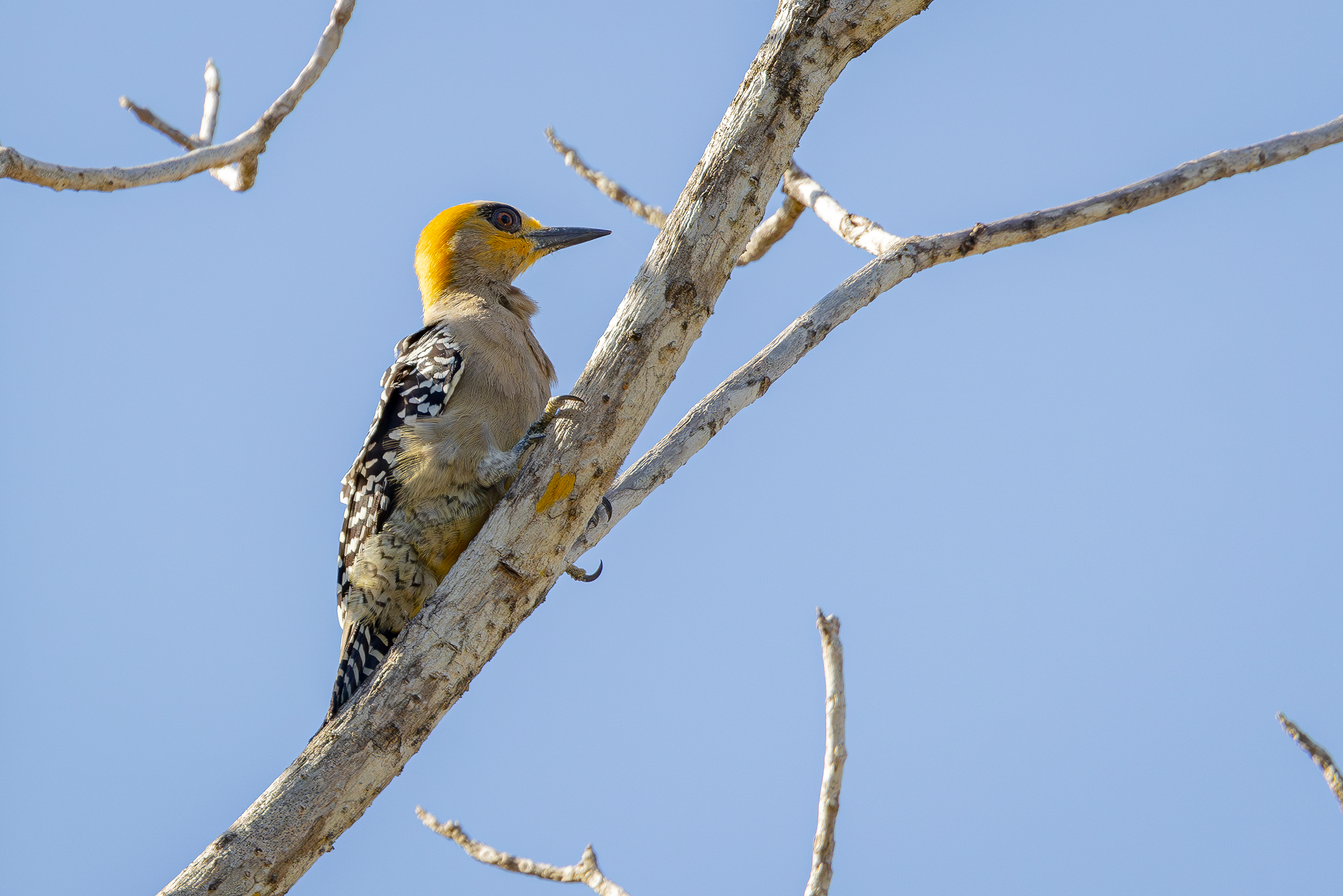
Our next stop is likely to be at Canal Tangolunda, where the surrounding tropical dry forests support Cinnamon Hummingbird, Golden-cheeked Woodpecker, Rufous-naped Wren, White-fronted Parakeet and a good selection of other species which are typical of lowland tropical habitats. Night Huatulco
Day 9
PELAGIC TRIP AND HUATULCO NATIONAL PARK
After an early morning breakfast, we will make the short transfer to the wharf in Huatulco for a five-hour pelagic. The continental shelf edge is relatively close to the shore and less than seven miles off the coast, the water is already over 1,000m deep, thereby providing the opportunity to look for a mixture of coastal and deep water seabirds.
As we head out to sea, we are likely to find both Nazca and Cocos Boobies, the latter being a recent split from the widespread Brown Booby. Both Wedge-tailed and Galapagos Shearwaters should also be possible and as we reach deeper water, we hope to find more pelagic species with Tahiti Petrel and Red-necked Phalarope amongst the possibilities. Indeed, given the results of recent tracking programmes, it is possible that any phalaropes we see could conceivably be birds from Europe, as it has now been shown that the birds from the Shetland population spend part of the winter off the western coast of South America undertaking a totally unexpected migration !!
After lunch back ashore, we plan to begin our exploration of the Huatulco National Park which is one of the most biodiverse regions on Mexico’s Pacific coast combining a rich mixture of tropical dry forests and mangroves. Well over 200 species have been recorded at this reserve including a good variety of endemics and near endemics and those we hope to see include Turquoise-crowned Hummingbird, Flammulated Flycatcher, Russet-crowned Motmot, Rufous-backed Robin and Mexican Squirrel-Cuckoo. Second night Huatulco
Day 10
HUATULCO NATIONAL PARK AND RETURN TO OAXACA CITY
We have a final morning of birding in Huatulco National Park and plan to concentrate on looking for any species we have not yet found or would like better views of. White-throated Magpie-Jay, Citreoline Trogon, Rufous-backed Thrush, Red-breasted Chat, Banded Wren and Russet-crowned Motmot are all known from the areas we plan to visit so it should be a very productive final morning in the lowlands before we return to our hotel to check out and then drive back to Oaxaca City, a journey which is likely to take about 4.5 hours. Night Oaxaca City
Day 11
MONTE ALBAN. DEPART FOR UK VIA MEXICO CITY
For our final morning in Mexico, we plan to visit the UNESCO World Heritage Site of Monte Alban where trails through the dry forests and shrublands provide a last chance to look for more Mexican and Oaxaca specialities with Ocellated Thrasher, Blue Mockingbird, Pileated Flycatcher, Slaty Vireo and Elegant Euphonia amongst the species we will hope to see. We will then return to the hotel to pack and freshen up before heading to Oaxaca airport for flights back to the UK via Mexico City.
Day 12
ARRIVE UK
We should arrive back in the UK by the early afternoon, where our birding tour to Oaxaca concludes.
WHAT TO EXPECT
Our tour to the Mexican state of Oaxaca will introduce you to this fantastic region which is rich in endemic birds and regional specialities.
Mexico is home to over 120 species which are found nowhere else and of these, over seventy can be found in the state of Oaxaca, with some being either endemic or near endemic to the state. There are also a host of Central American specialities and over the course of the holiday we hope to see a good range of these.
By visiting in the late winter, we will also have the opportunity to look for migrants from North America and can, for example, expect to find a good selection of North American warblers and waders.
The photographic opportunities on this tour are generally good to excellent.
Overall, this is not a particularly strenuous tour with a couple of occasions when we spend two or more nights in the same accommodation, however, there are some moderate drives of three or more hours although on most occasions, the distance between our accommodation is less than this.
You should be prepared for moderately early starts as the daylight hours are relatively short and bird activity is generally at its peak early and late but often dies away during the middle of the day. In early February, sunrise in Huatulco, for example, is around 07:00am with sunset at approximately 6:20pm.
We will spend most of the time walking on level ground, birding from paved or unpaved roads or tracks, and on some forest trails with occasional steep sections, but these are quite short.
Daytime temperatures will vary markedly during the holiday and mornings in the cloud forest are likely to be cool to chilly, whereas in Oaxaca City, for example, temperatures are likely to be ranging between 12-29C.
Conditions are likely to generally be sunny and pleasant with this period being the ‘dry season’ although rain remains possible.
BIRDS
250-280 species
ACCOMMODATION
11 nights’ accommodation in Oaxaca staying at range of good quality hotels and lodges. All rooms have private facilities.
MEALS
All main meals are included in the tour price (and with drinking water provided during the day), commencing with lunch in Oaxaca City on Day 2 and concluding with breakfast on Day 11.
Lunches will either be picnics or taken at a convenient restaurant along the way, according to local availability and whichever arrangement best suits our daily plan.
WALKING
We will generally be birding along paved or unpaved roads or tracks, the majority of which are flat.
GROUND TRANSPORT
By minibus or other suitable vehicle depending on the group size.
Tour Gallery
View a gallery of images for this tour below, click on an image to view as full size with caption
Ask About This Tour
If you have any questions about this tour, please enter your details here and we will get back to you as soon as possible.
Alternatively, contact us by email or phone. We look forward to hearing from you!
- 01692 580623
- tours@limosaholidays.co.uk
Or complete the contact form and we will endeavour to get back to you as soon as possible.
* = required field

