Guatemala
"Easy Guatemala" - the best of the Highlands and Northern Lowlands
A 14-day, small group birdwatching tour to Guatemala including the highlands, Lake Atitlán and UNESCO World Heritage Site at Tikal
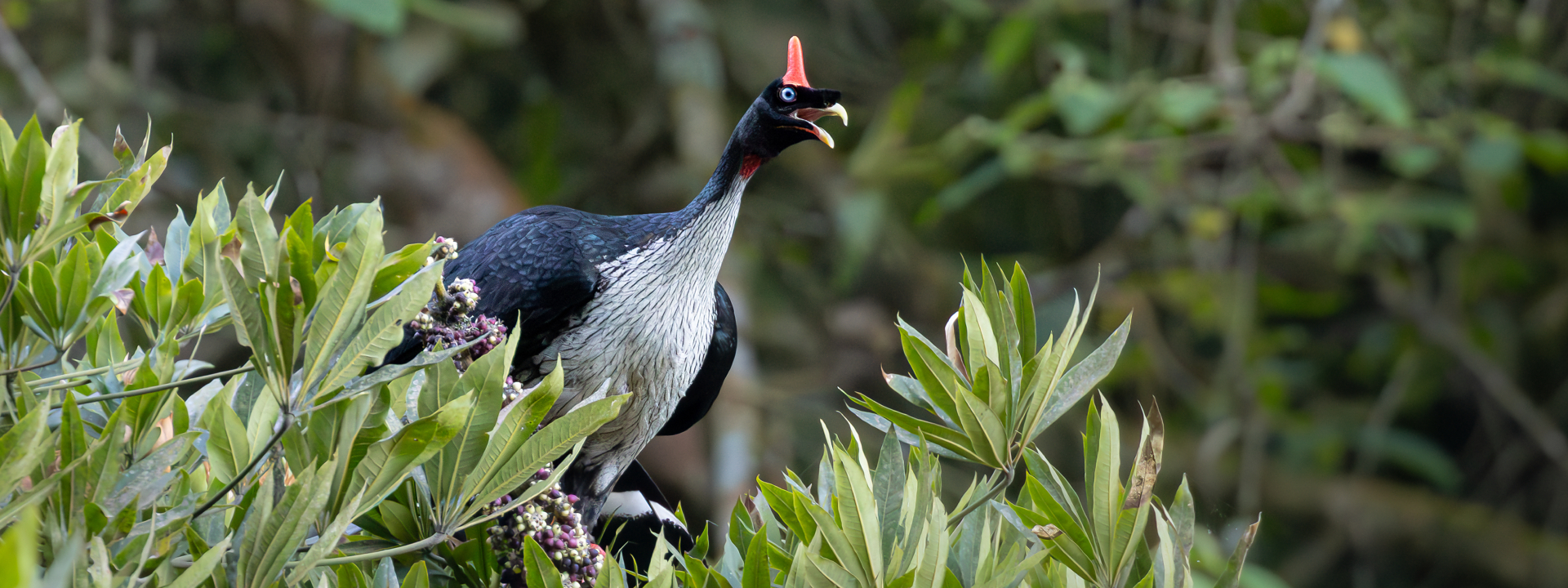
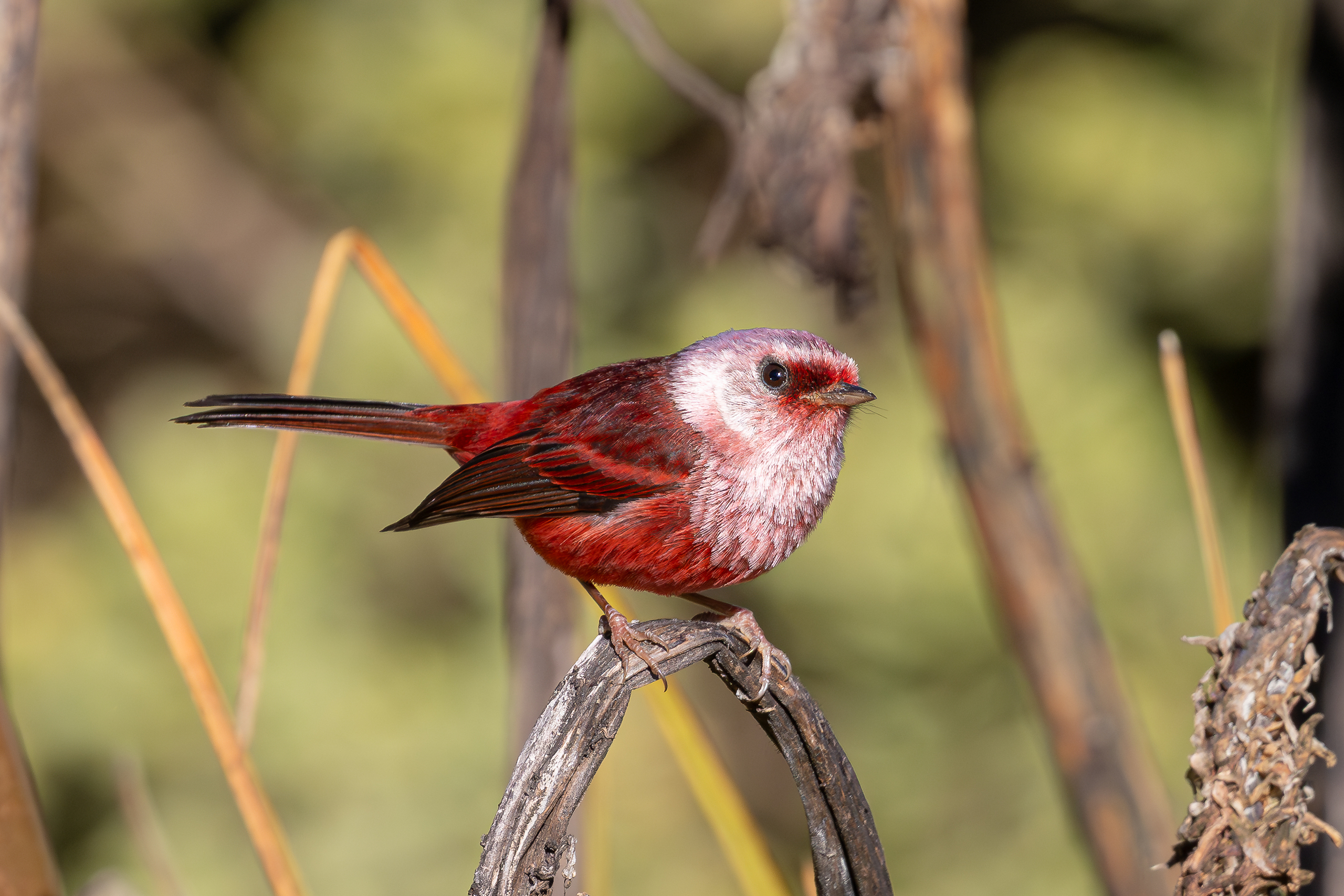
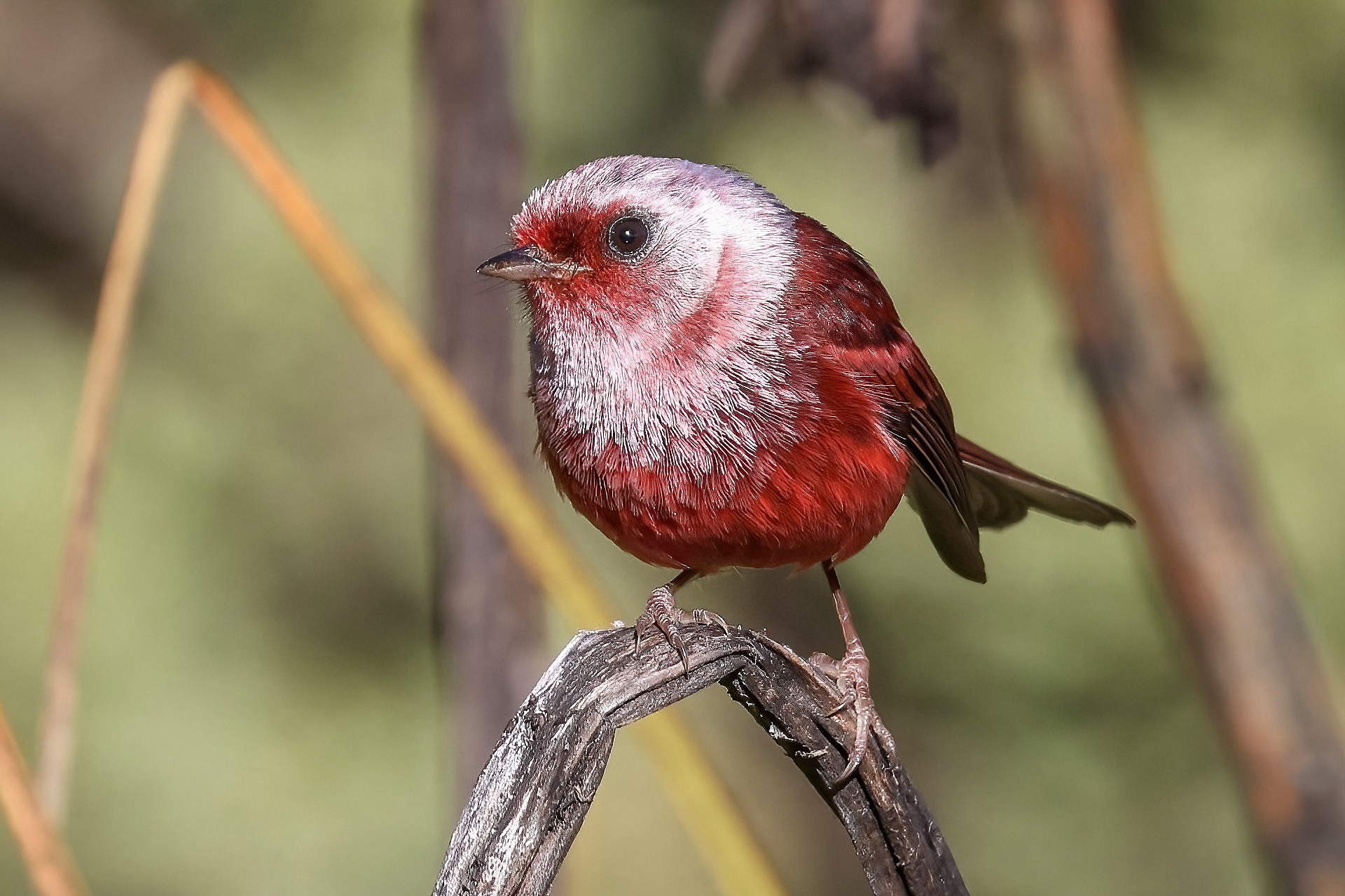
Guatemala has many unique attractions including the enigmatic Horned Guan, fabulous Pink-headed Warbler and rare Azure-rumped Tanager, however, it has a reputation for being a relatively tough destination for birders with many itineraries including exhausting walks through the forested mountains and a lot of travelling.
To allows those who wish to avoid these challenges, we are pleased to introduce our Easy Guatemala itinerary which has been carefully put together to allow participants to look for many of the special birds of this fantastic country without it being an undue challenge. Yes, there will be early starts (but that is inevitable in the tropics) but, wherever possible, we will enjoy a siesta during the heat of the day and still look for many of the highlights of this beautiful and incredibly scenic Central American country.
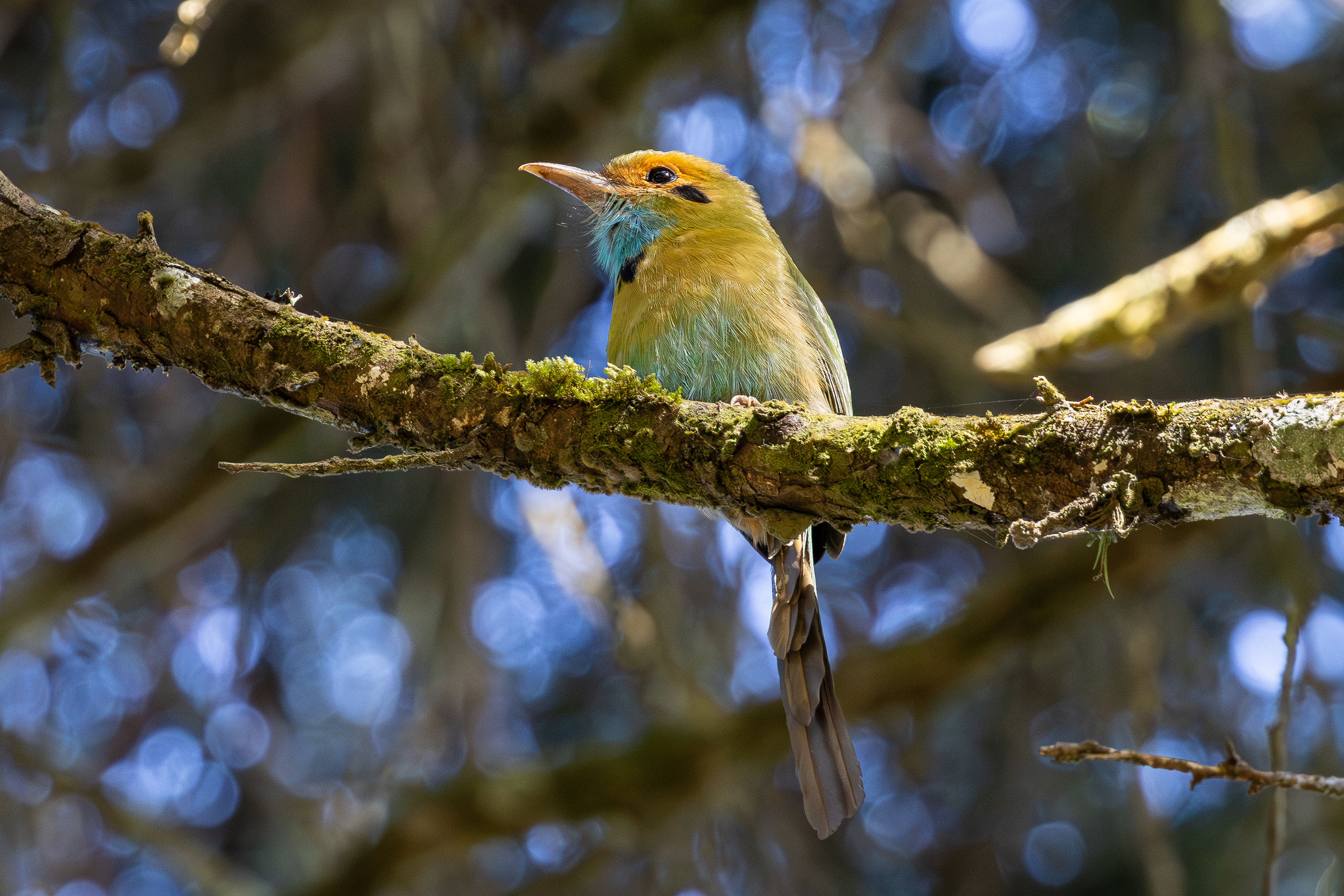
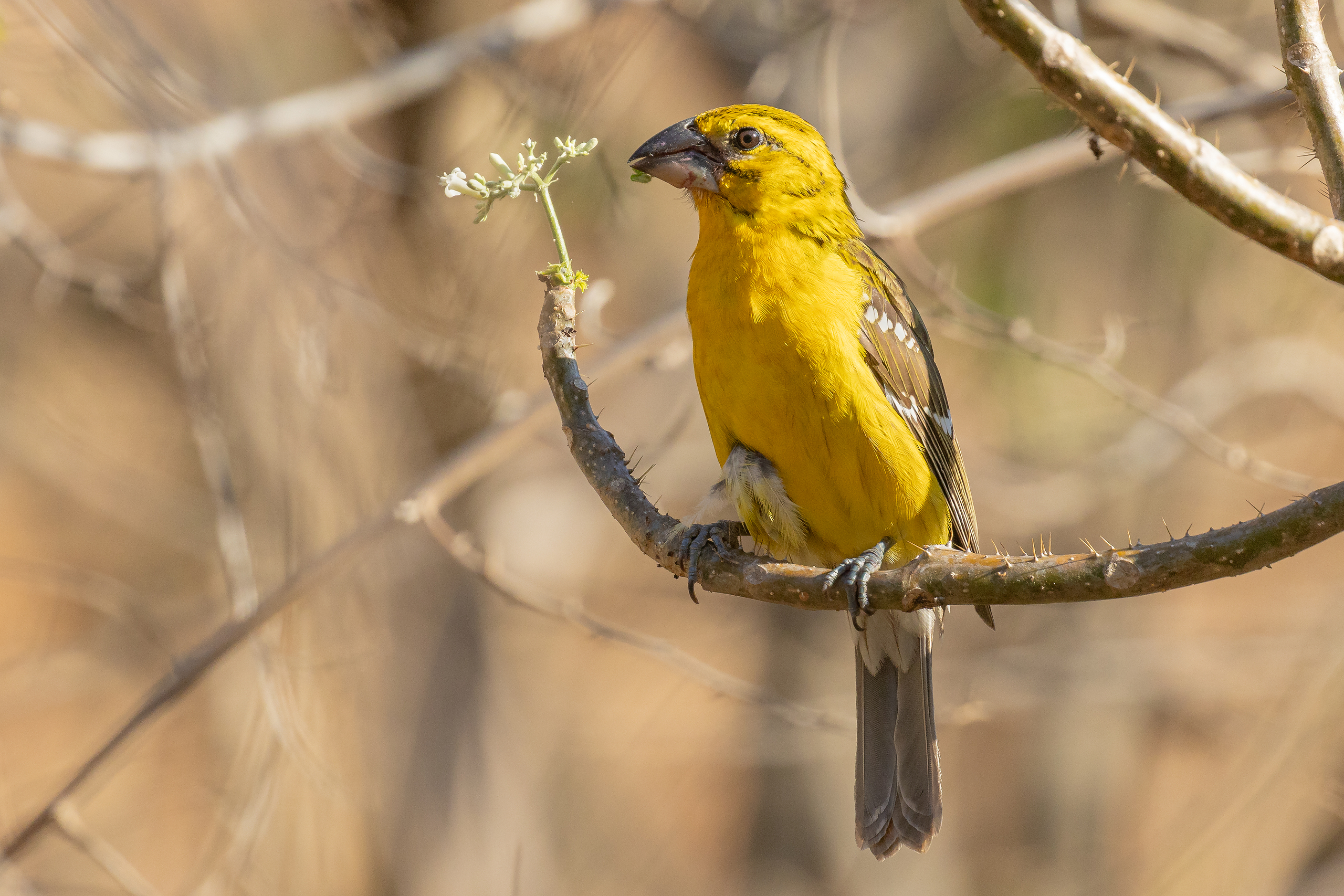
Our new itinerary starts in the central highlands visiting the best locations and lodges for a wonderful range of speciality birds. As well as the Horned Guan and Pink-headed Warbler, other potential highlights could include Mountain Trogon, Hooded Grosbeak, Tody Motmot and a myriad of hummingbirds including localised specialities such as Rufous Sabrewing and Green-throated Mountaingem.
We will then headed to the northern lowlands for a five night stay where we plan to explore the forests around the UNESCO World Heritage Site of Tikal and the fantastic Las Guacamayas Biological Station giving us the opportunity to look for a very different suite of species. Agami Heron, Lovely Cotinga, Lesson’s Motmot and Great Curassow are amongst a long list of possibilities, however, we will also allow time to visit the internationally famous temples and palaces of the Mayan people at Tikal which are surrounded by forest and provide yet more great birding.
Tour Dates & Prices
Wed 24th November 2027
Tue 7th December 2027
- Available
Tour Cost: 14 Days from £6395 * including return flight from London or £4995 land only
What's Included?
- Led by Limosa’s expert English-speaking Guatemalan bird guide, Maynor Ovando
- Co-led by Limosa’s Fernando Enrique Navarrete subject to minimum numbers
- 12 nights accommodation in Guatemala, staying at comfortable hotels, lodges and fincas
- All main meals and drinking water provided
- Travel by comfortable minibus with local driver, switching to 4WD vehicle where necessary
- Boat transfers on Lake Atitlan
- All excursions, local guides, permits, entry fees
- All tour-based tips (lodges, drivers and local guides) and taxes
- Limosa checklist of birds
Cost Excludes
Insurance, drinks, airport snacks/meals and other items of a personal nature
Additional Information
The land only cost is the price you will pay if you choose to arrange your own flights. If you select this option, please contact the Limosa office before making your travel arrangements.
Tour Highlights
- Beautiful and immensely scenic Central American country that is bursting with great birding
- Possibilities include multiple specialities such as Horned Guan, Pink-headed Warbler and Yucatan Jay
- A host of hummingbirds including localised specialities such as Rufous Sabrewing and Green-throated Mountaingem, as well as wintering North American warblers and colourful rainforest tanagers
- Other birds we hope to see include Tody Motmot, Hooded Grosbeak and Azure-rumped Tanager
- Visit to Lake Atitlan at 5,100 feet, which is ringed by volcanoes and sometimes described as the world's most beautiful lake
- Comfortable and characterful lodgings, with friendly people, good food and great coffee
- Five night in the northern lowlands visiting Tikal and Las Guacamayas Biological Station offering not only chances for some fantastic birds (such as Scarlet Macaw, Agami Heron, Yucatan Woodpecker, Rose-throated Tanager and Lovely Cotinga) but also an opportunity to visit one of the most famous and important archaeological sites in the Americas
- Small group tour - maximum 9 participants
- Led by Limosa’s expert Guatemalan bird guide Maynor Ovando and co-led by Fernando Enrique Navarrete subject to minimum numbers
Outline Itinerary
-
Fly to Guatemala City and transfer to our hotel in colonial Antigua. Two nights Antigua
-
Birding at Finca el Pilar, near Antigua
-
Morning at Rincón Suizo forest. After breakfast and birding at Tecpan drive to Fuentes Georginas. Night Fuentes Georginas
-
Fuentes Georginas for Horned Guan and many other species. Afternoon transfer to Los Tarrales for two nights
-
Two full days at Los Tarrales
-
Transfer to Lake Atitlán. Night by Lake Atitlan
-
Leave Lake Atitlan, transfer to Guatemala City, fly to Flores. Night Flores
-
Transfer to Las Guacamayas Biological Station (2 nights)
-
Full day at Las Guacamayas Biological Station
-
A final morning at Las Guacamayas Biological Station and then transfer to Tikal. Two night at Tikal
-
A full day at Tikal National Park which is a UNESCO World Heritage Site
-
A final early morning at Tikal. Transfer to Flores, fly to Guatemala City. Fly to UK
-
Arrival in UK
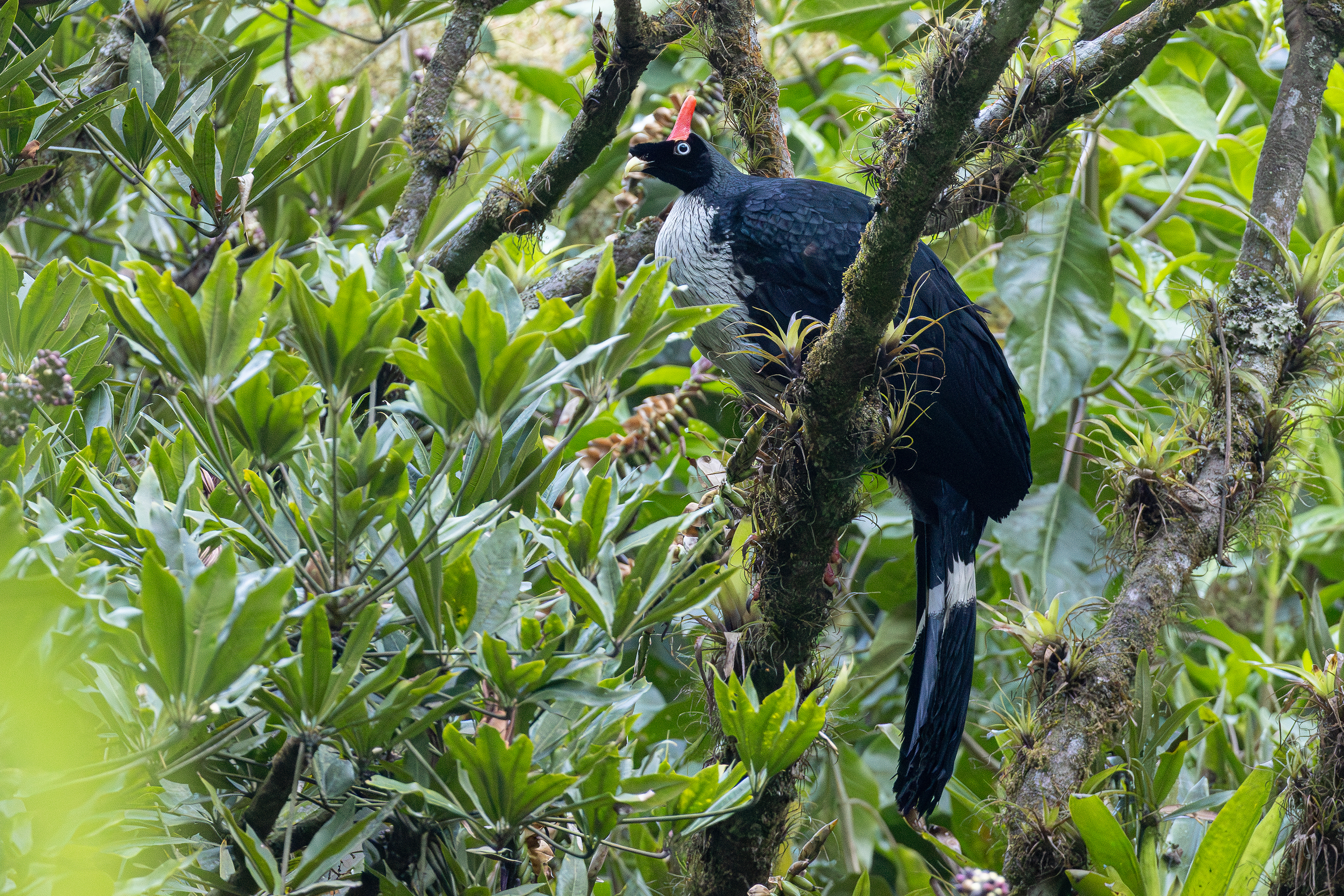
Guatemala is a beautiful Central American country with a great deal to offer the visitor as the birds are brilliant, colourful and diverse. From the fantastic Pink-headed Warbler to the bizarre and rare Horned Guan, there is plenty to see and now with a recently discovered populations of the guan offering much easier access than before, this tour offers an amazing opportunity to explore this relatively compact country.
Our exciting 14-day holiday begins in Guatemala City and initially focuses mainly on the species-rich highlands of the Pacific Slope to the west. We will explore cool, high-elevation pine-oak forests, a spectacular volcanic lake ringed by volcanoes, shade-grown coffee plantations, hot, dry thorn-forest and temperate cloudforests – all of which have their own unique set of special birds.
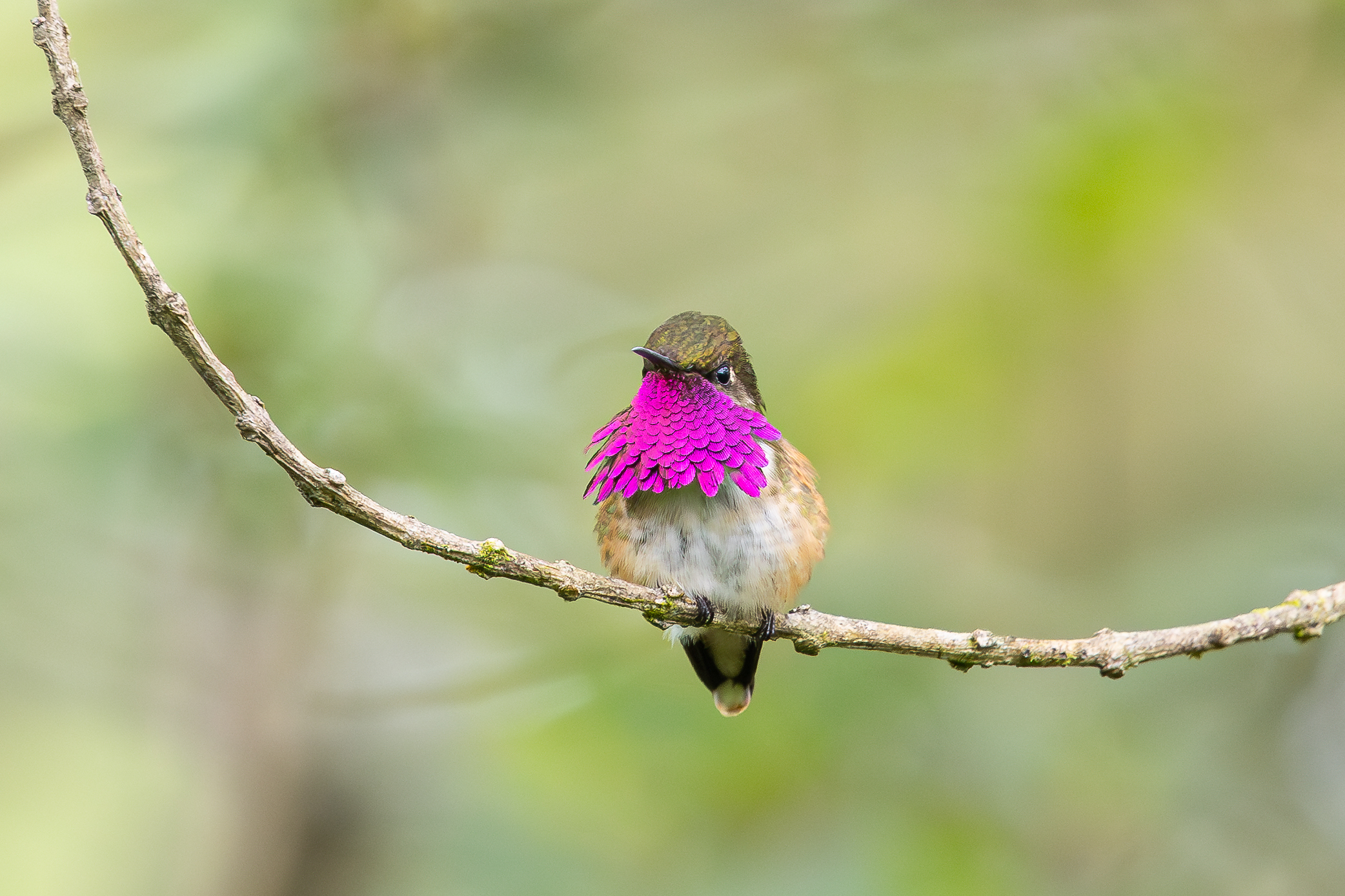
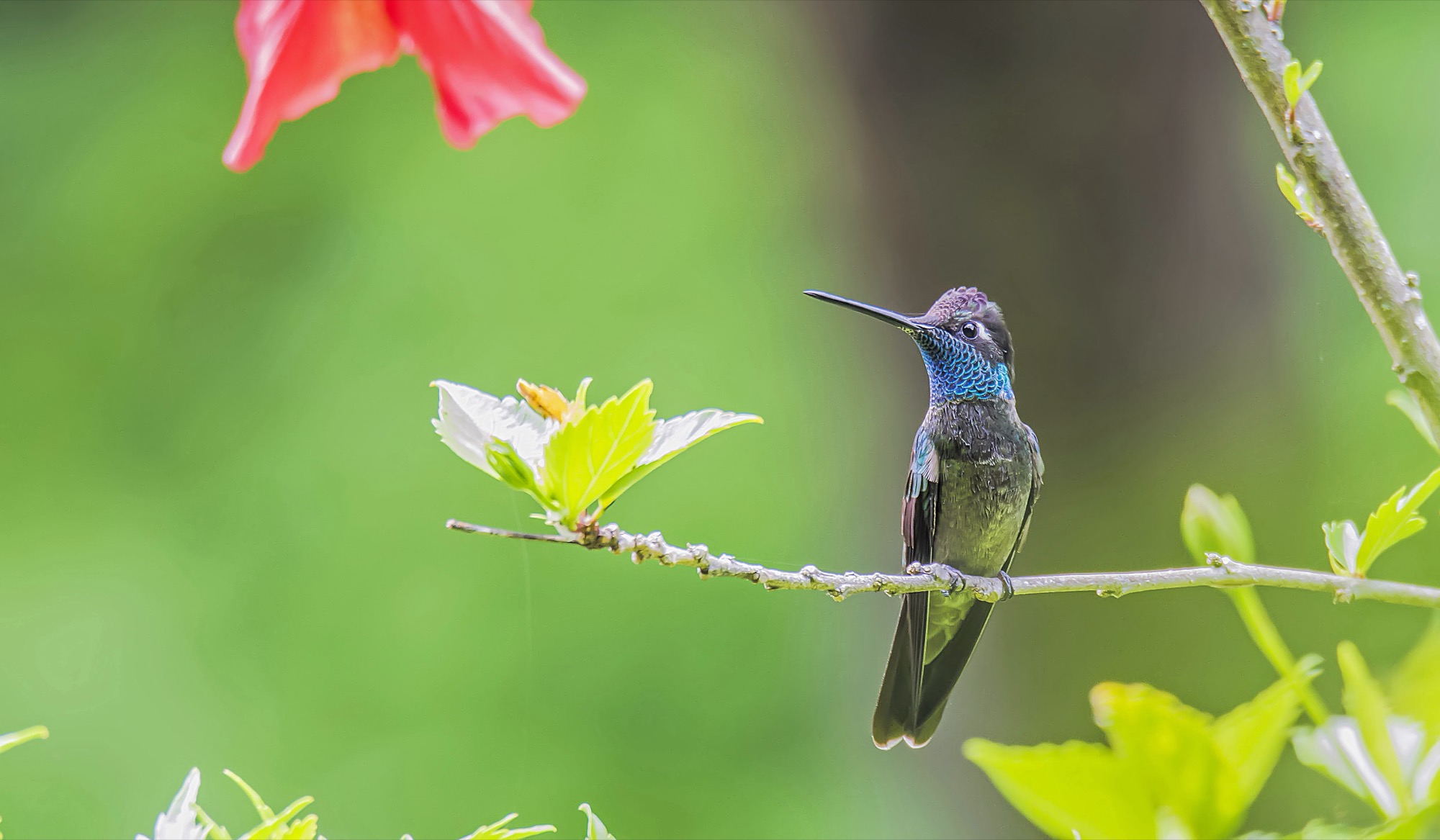
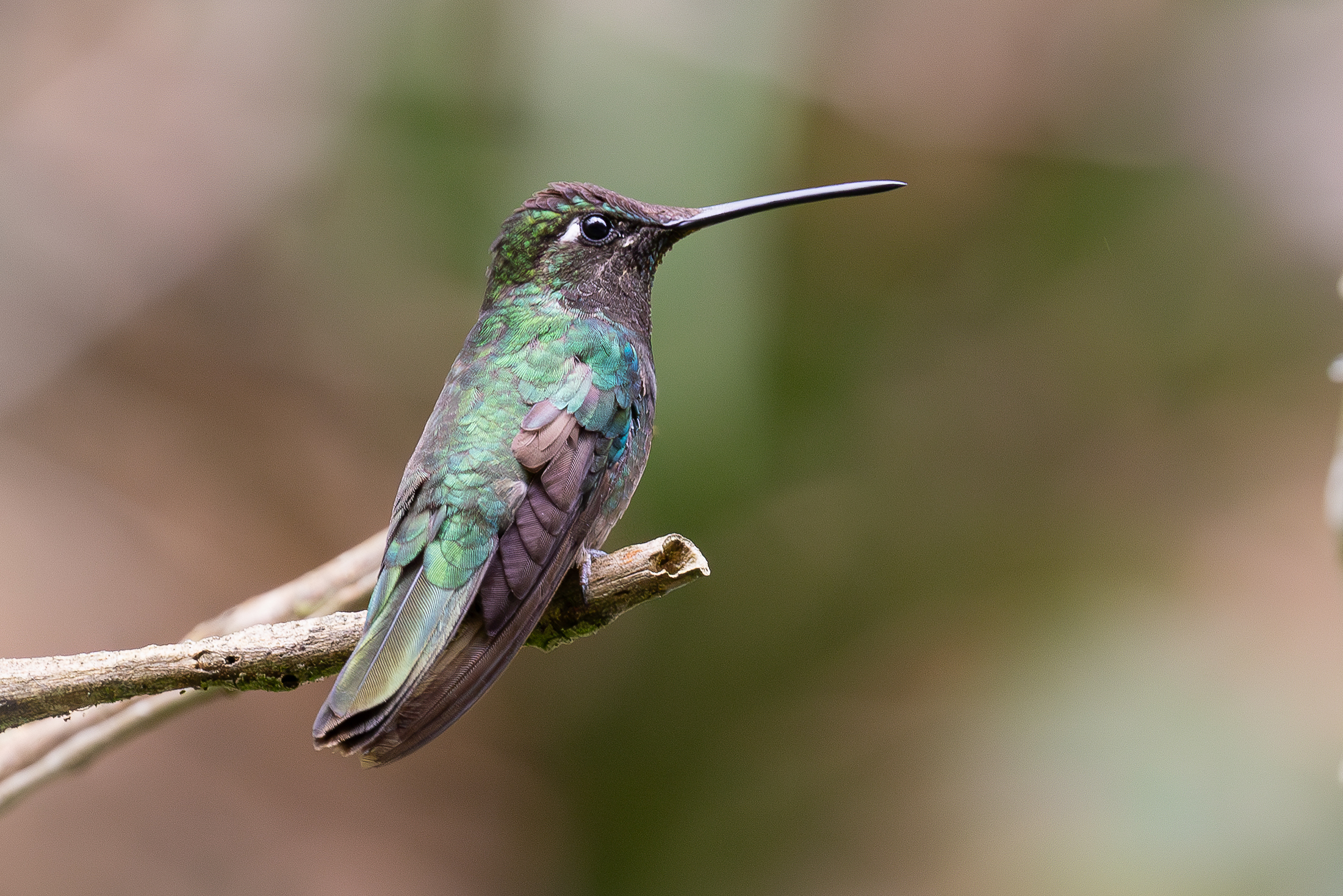
Our birding begins around the old Spanish colonial city of Antigua, with a visit to some superb hummingbird feeders. The regionally endemic Green-throated Mountaingem, recently split Rivoli’s Hummingbird and localised Rufous Sabrewing (endemic to the mountains of the Pacific Slope) are among many which we hope to find.
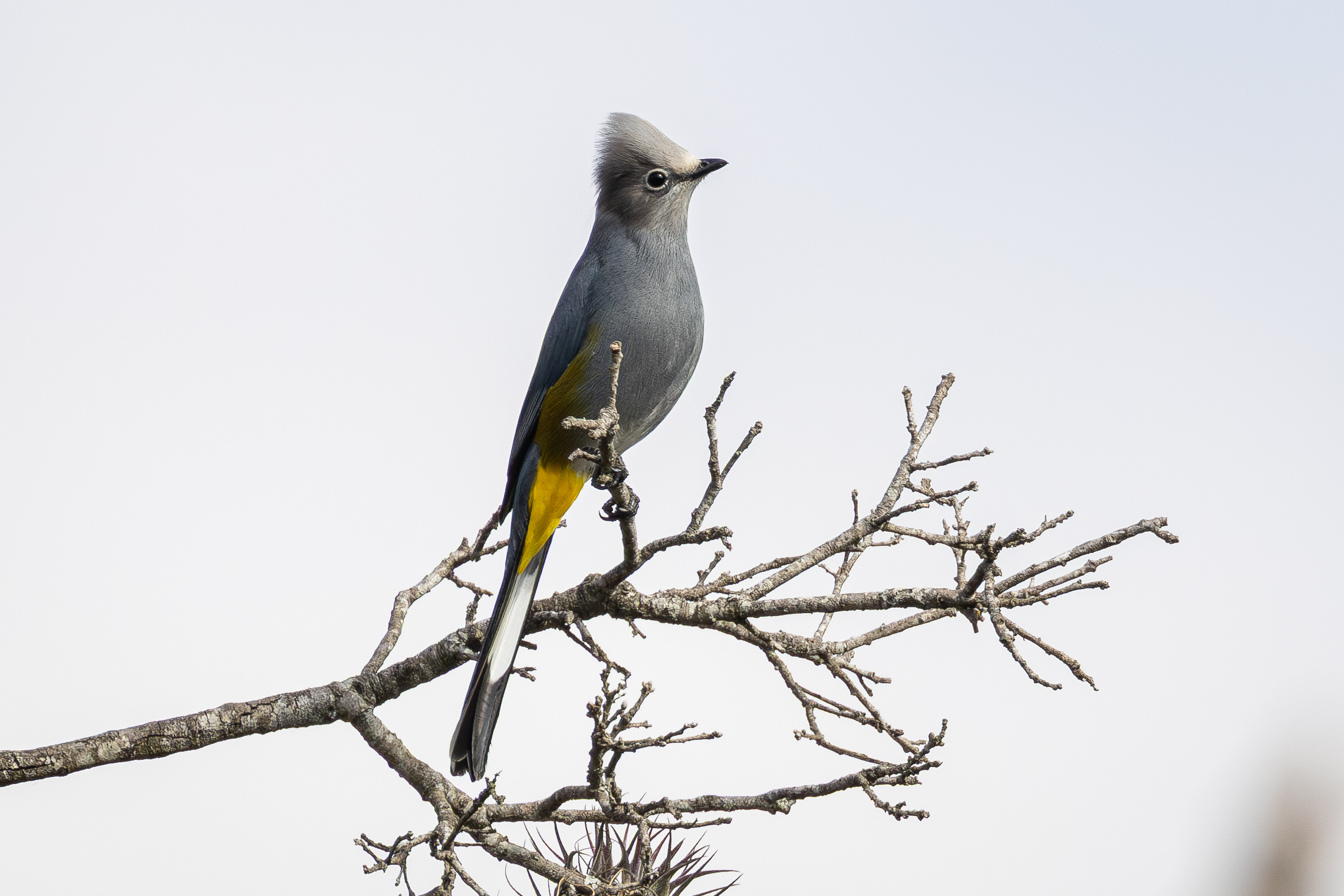
In the upper reaches of the pine-oak and cloud forests, the trees can be full of birds: everything from Grey Silky-flycatchers to Rufous-collared Thrushes, while more difficult-to-find specialities include the spectacular Mountain Trogon and striking Hooded Grosbeak.
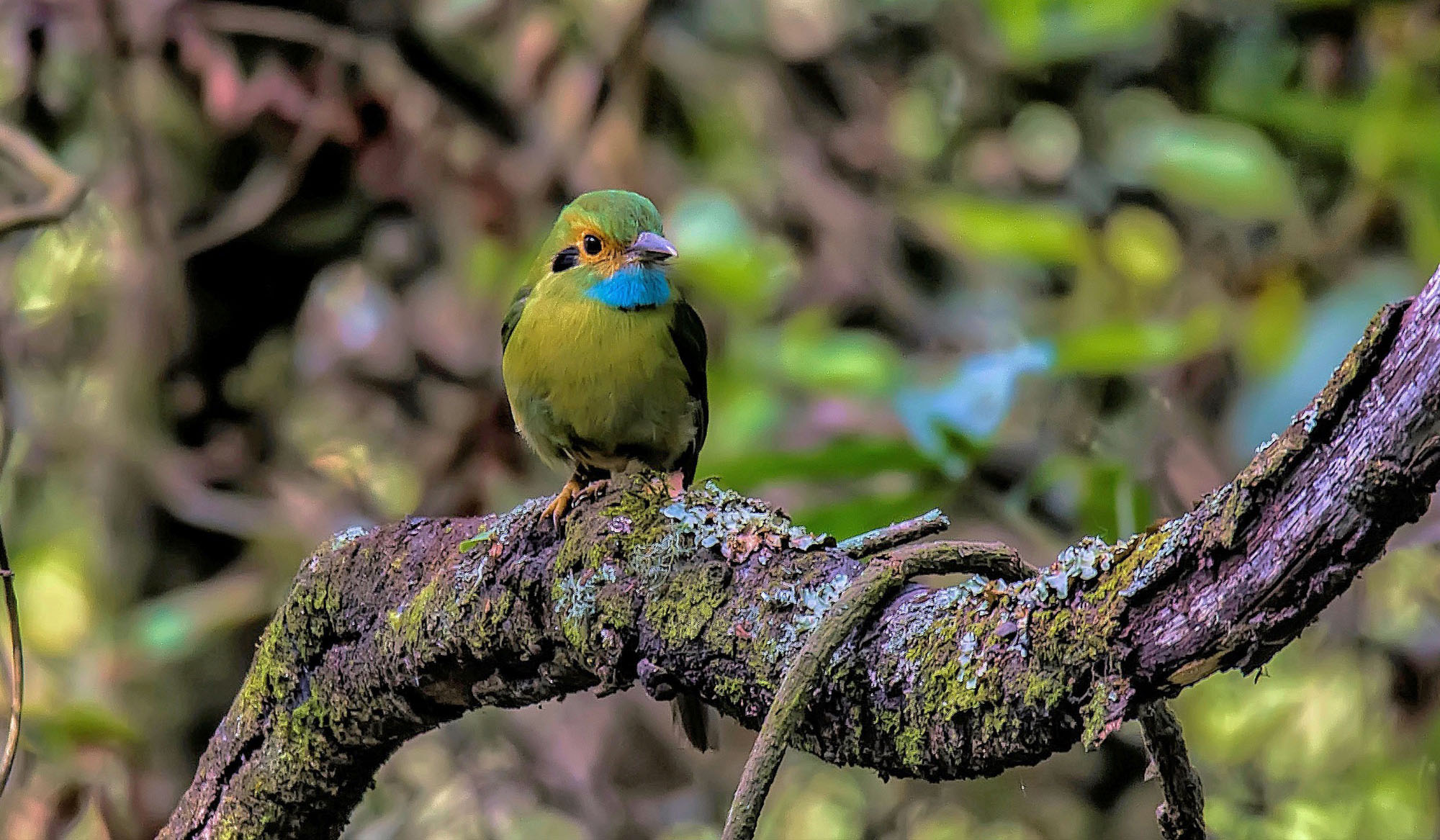
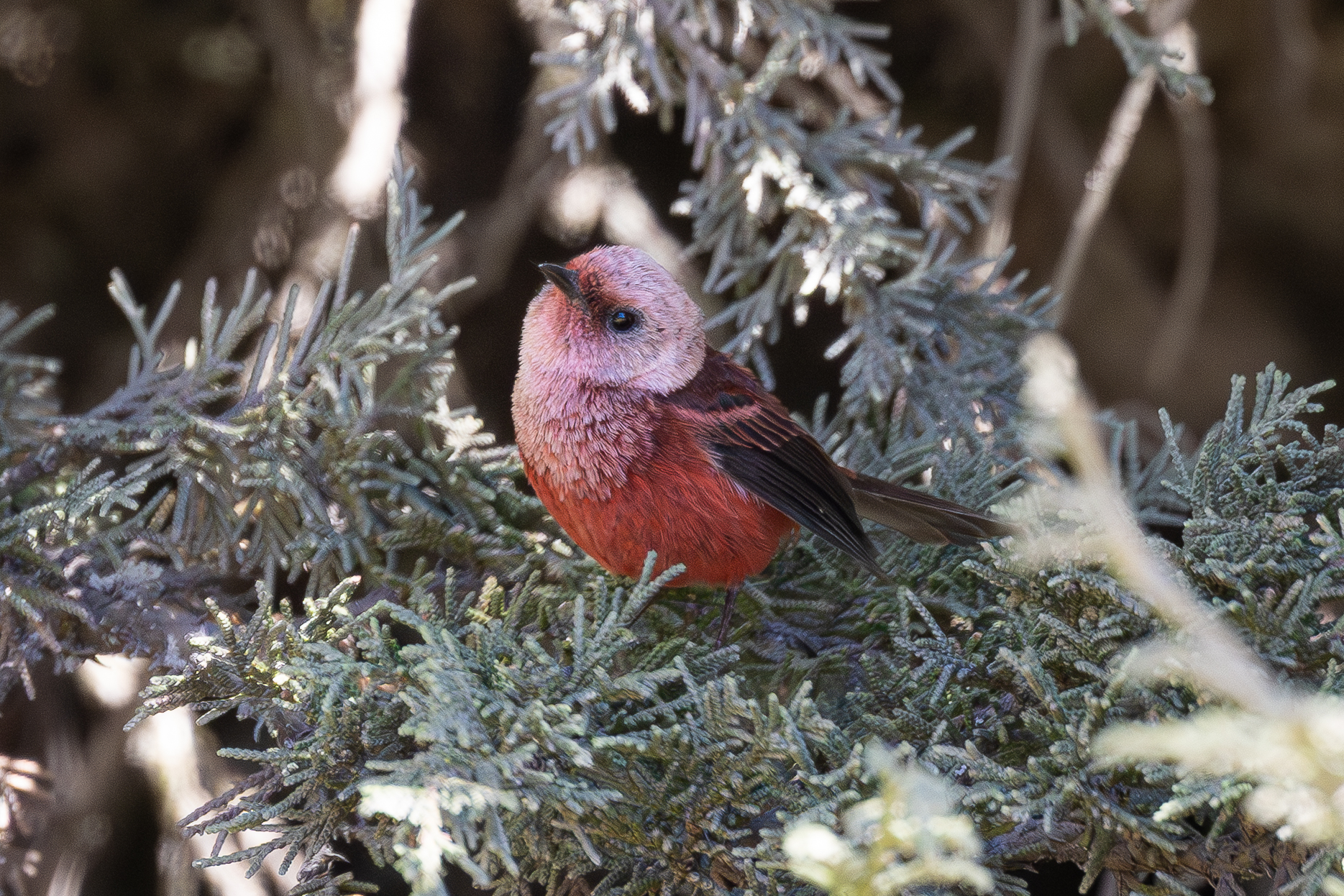
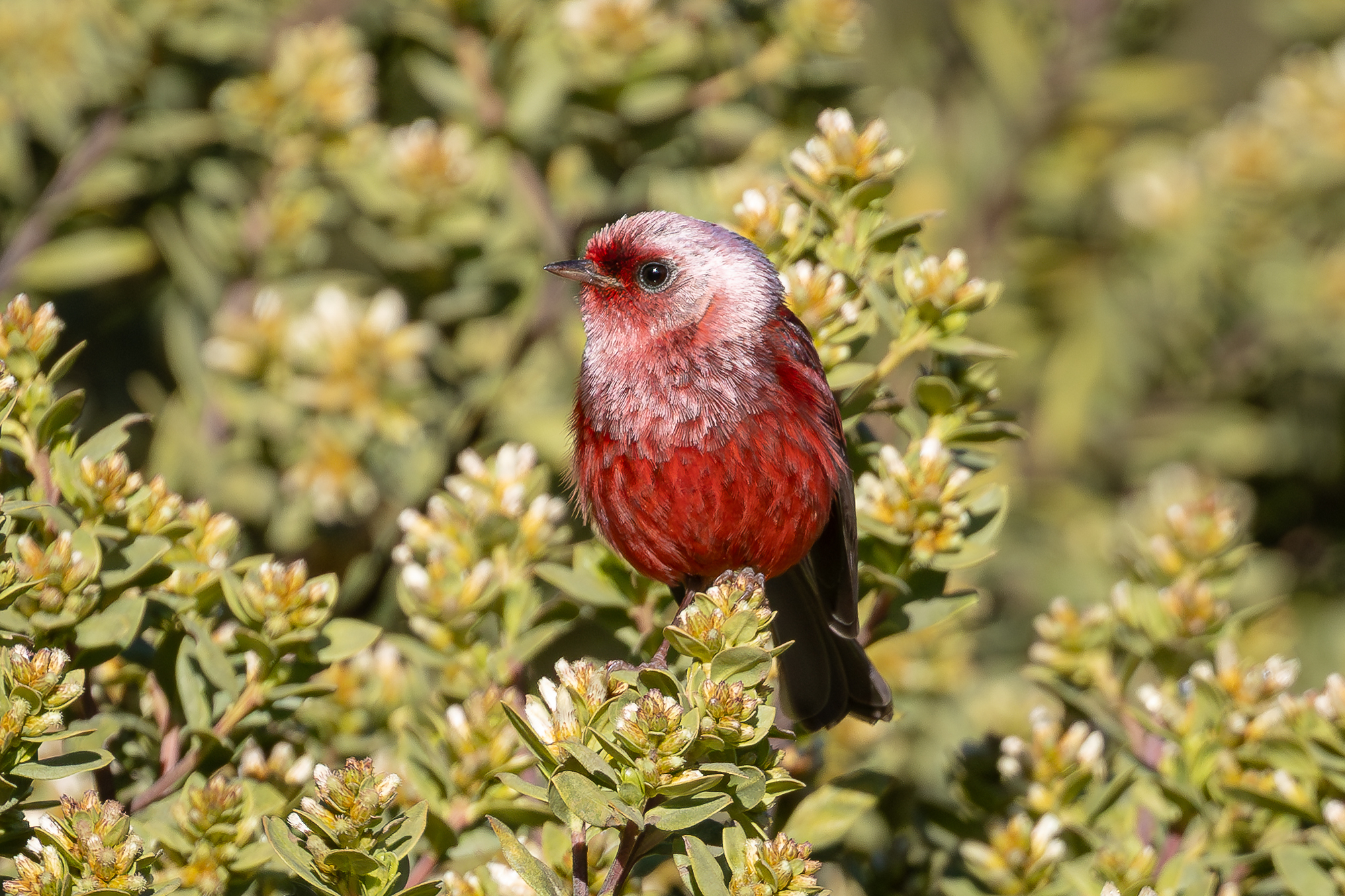
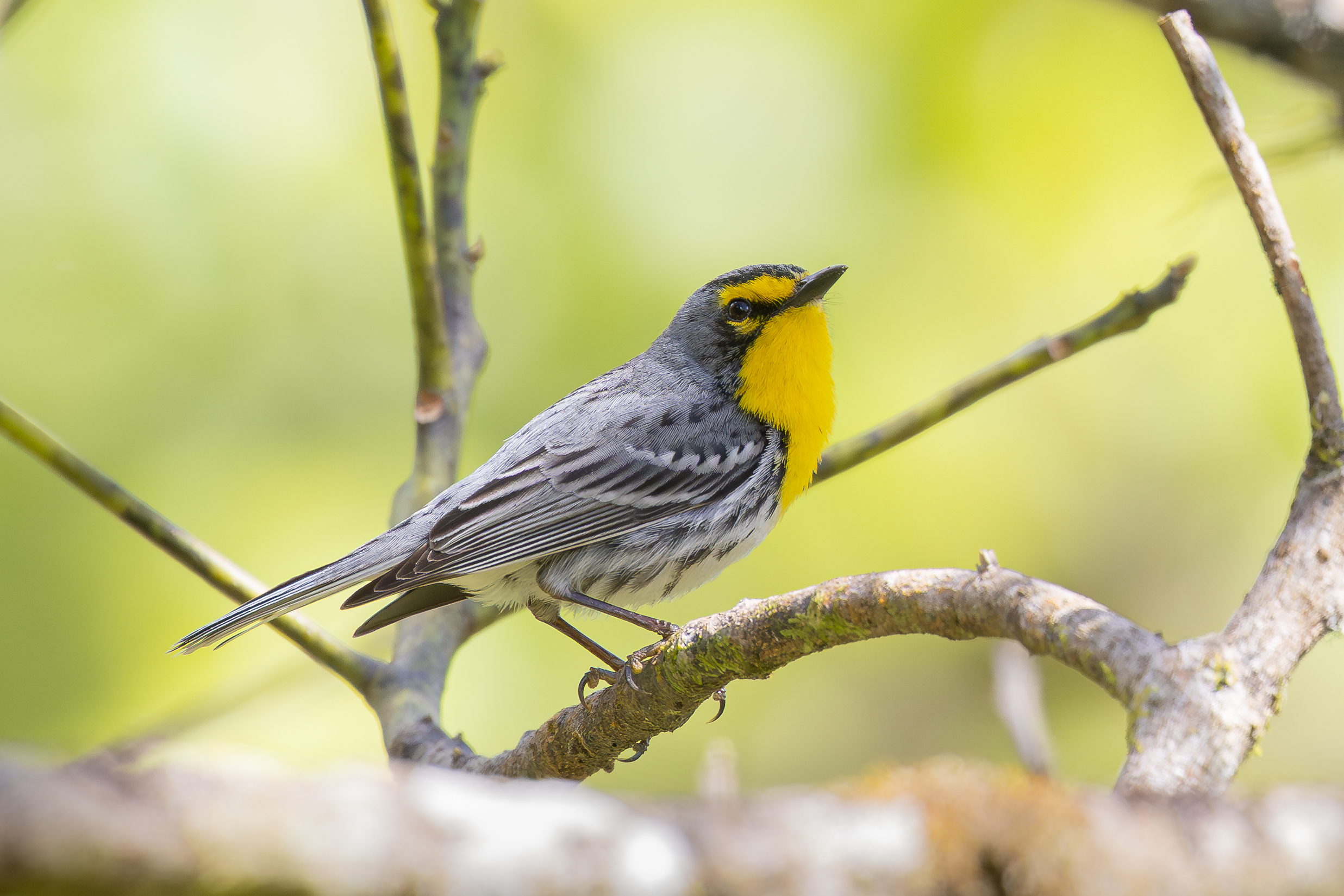
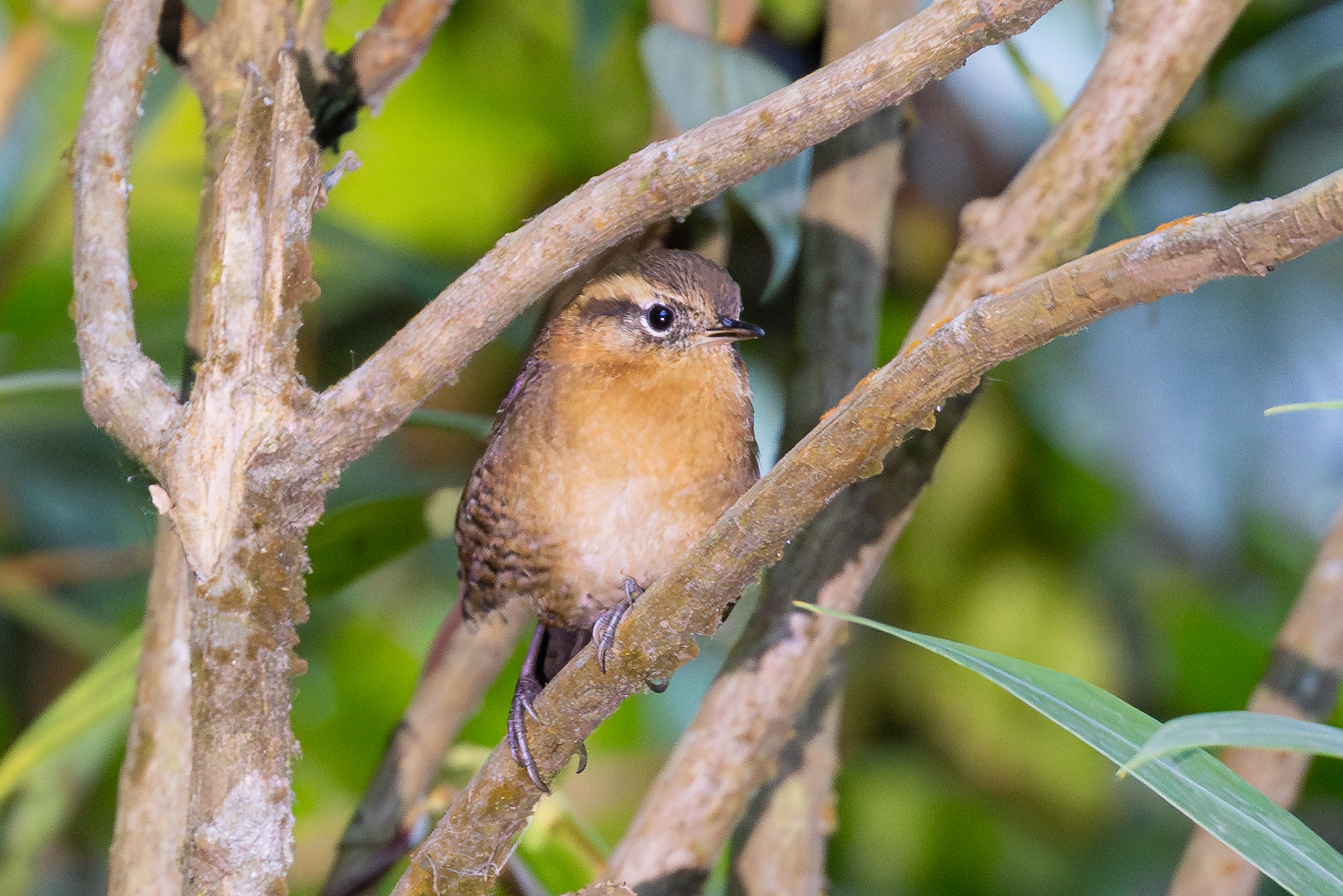
Each hill we visit seems to have its own subtly different avifauna. Sought-after regional highland specialities include the fabulous Pink-headed Warbler which is unquestionably one of the star birds on this tour, however, we also hope to find Rufous-browed Wren, Blue-throated Motmot and Black-capped Siskin, all of which have restricted distributions. There will also be a fantastic range of colourful Nearctic migrants to enjoy with Townsend’s, Hermit and Red-faced Warblers all possible, alongside the resident Slate-throated Redstart and Crescent-chested and Olive Warblers.
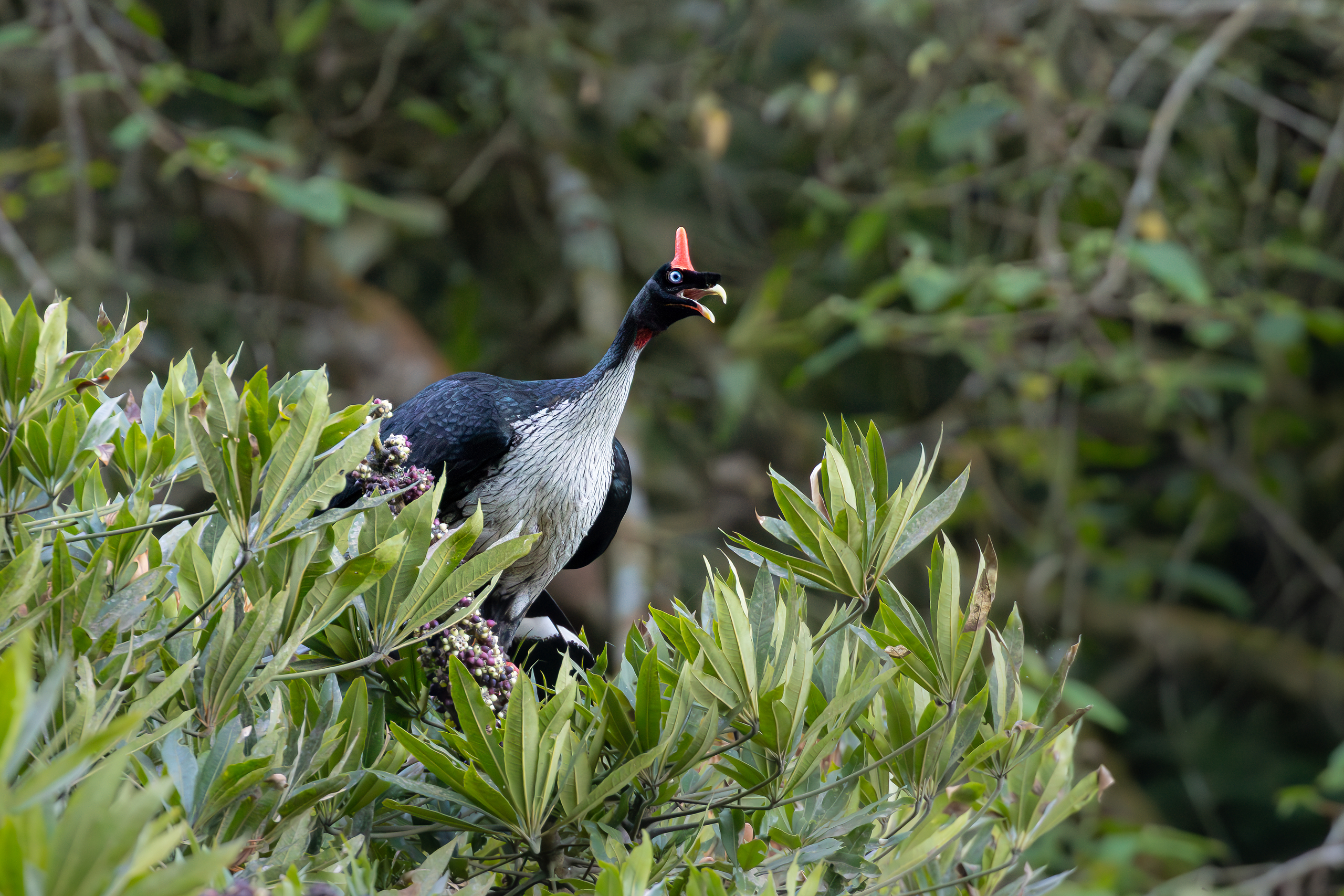
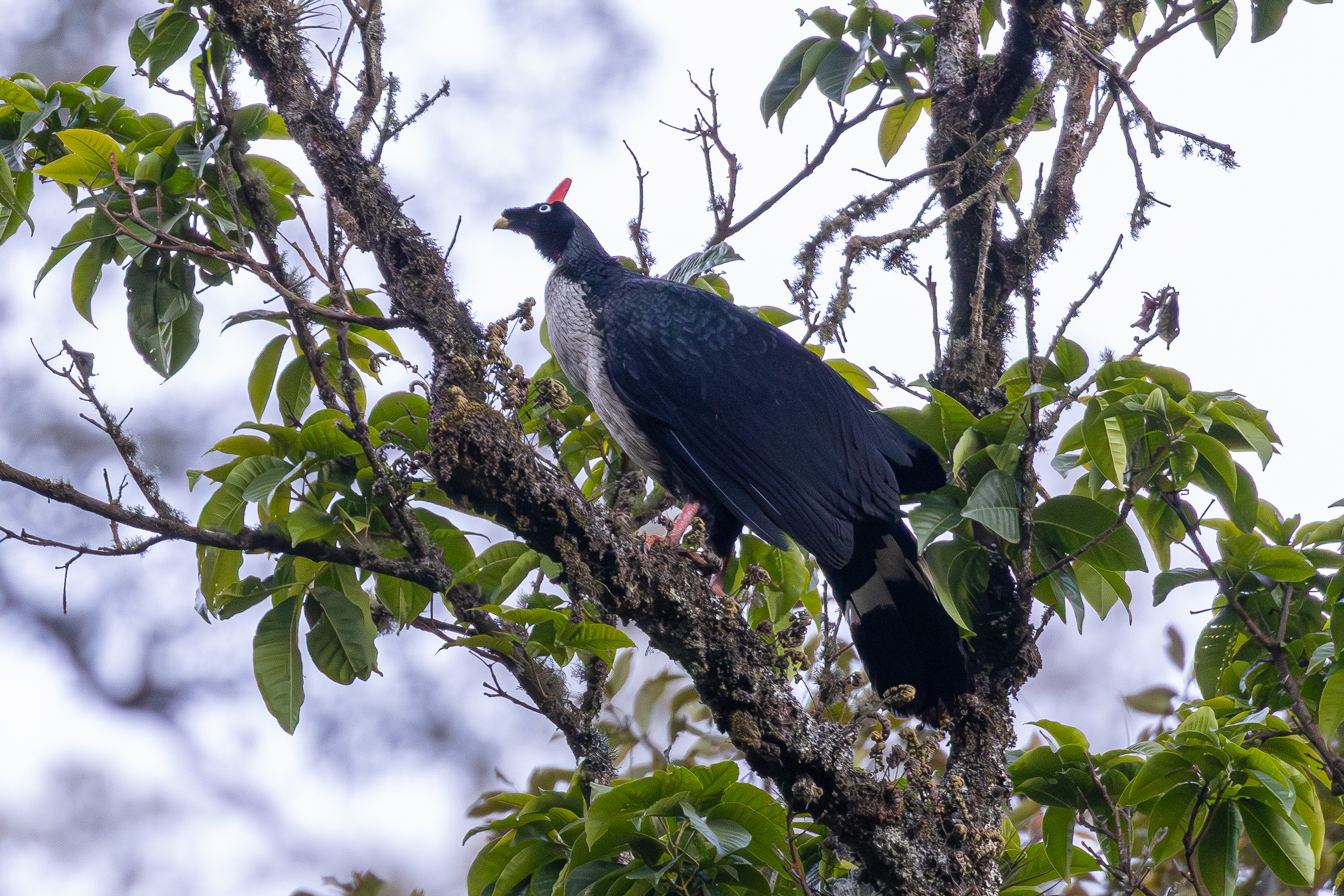
Horned Guan is another of our key ‘target species’ and we have a good chance to find this endangered and highly localised bird. As big as a turkey, the adult male Horned Guan is notable for the scarlet ‘horn’ which projects straight up from its crown. This species was once legendary for the difficulty in finding it in the cloudforests but a new population has recently been discovered at a more easily accessible site and we have our fingers crossed to repeat the success of our recent tours.
In Guatemala, the diversity of montane birding is such that every day can bring new species with Crested Guan, White-bellied Chachalaca, Long-tailed Manakin, Tody Motmot, Rufous-breasted Spinetail and the rare Azure-rumped Tanager amongst the possibilities.
Rounding off this exciting tour, we take a short flight to the lowlands where we visit one of the most important archaeological sites in the Americas, the remarkable palaces and temples at the UNESCO World Heritage Site of Tikal. With many of the monuments located in the midst of luxuriant forest, this gives us a fantastic opportunity to combine birdwatching with enjoying the amazing archaeology.
With two nights also included at the comfortable Las Guacamayas Biological Station for even more special species (eg Yucatan Woodpecker, Yucatan Poorwill and Rose-throated Tanager), our days in the lowlands offers an incredible contrast to our time in the mountains.
Our 2027 holiday will be led by Limosa’s expert resident guide Maynor Ovando and, subject to minimum numbers, will be co-led by Fernando Enrique Navarrete, who will be making his 13th visit to Guatemala. Whilst Maynor and Fernando are native Spanish-speakers, both are fluent in English and their love and enthusiasm for this beautiful country and its brilliant birds and wildlife is sure to inspire you!
Day 1
FLY TO GUATEMALA CITY AND TRANSFER TO ANTIGUA
Our birdwatching tour to Guatemala begins with a morning departure for Guatemala City. Arriving in the late afternoon/early evening, we will be met by Limosa guide Maynor Ovando and drive west (for about an hour) to Antigua, where we stay for two nights.
This small colonial city is situated 1,500m (c.5,000 feet) above sea level and is ringed by inactive volcanoes. After a delicious evening meal at the hotel, we will get an early night to be ready for an early start the following morning. Night in Antigua
Day 2
FINCA EL PILAR
Making an early start, we have an exciting day’s birding in store at Finca El Pilar, a splendid private estate within 20 minutes of our hotel. Ranging from 1,600m-2,400m (5,250-7,870ft) above sea level, El Pilar protects a superb variety of bird-rich habitats from dry forest lower down, up through moist pine-oak woodland to cloud forest at higher elevations.
We plan to head directly to the upper elevations as the clearing near the top can be alive first thing with Grey Silky-flycatchers, Rufous-collared Thrushes, Black-headed Siskins and much more, although we may not linger for too long as the montane oak forests host even more species!
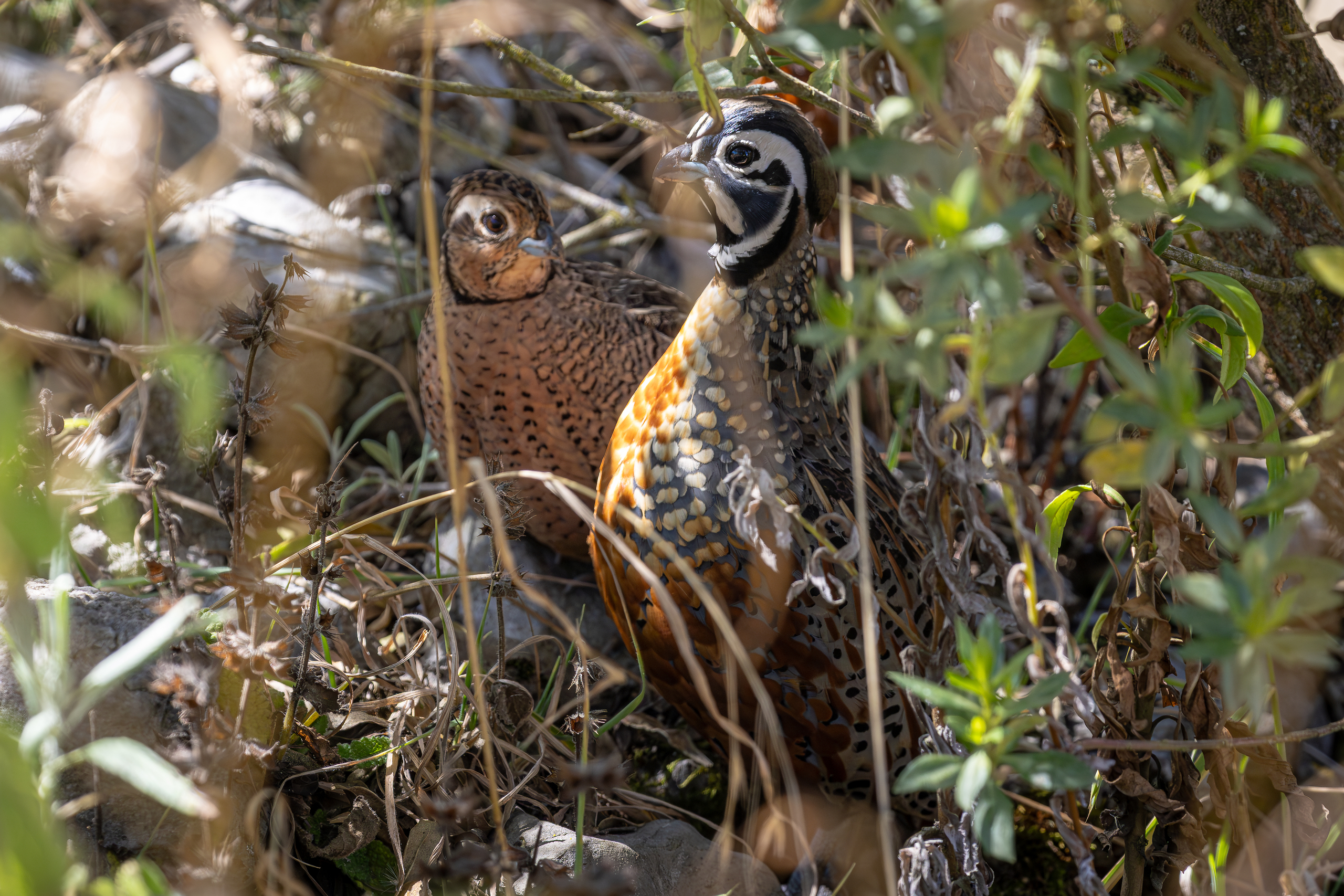
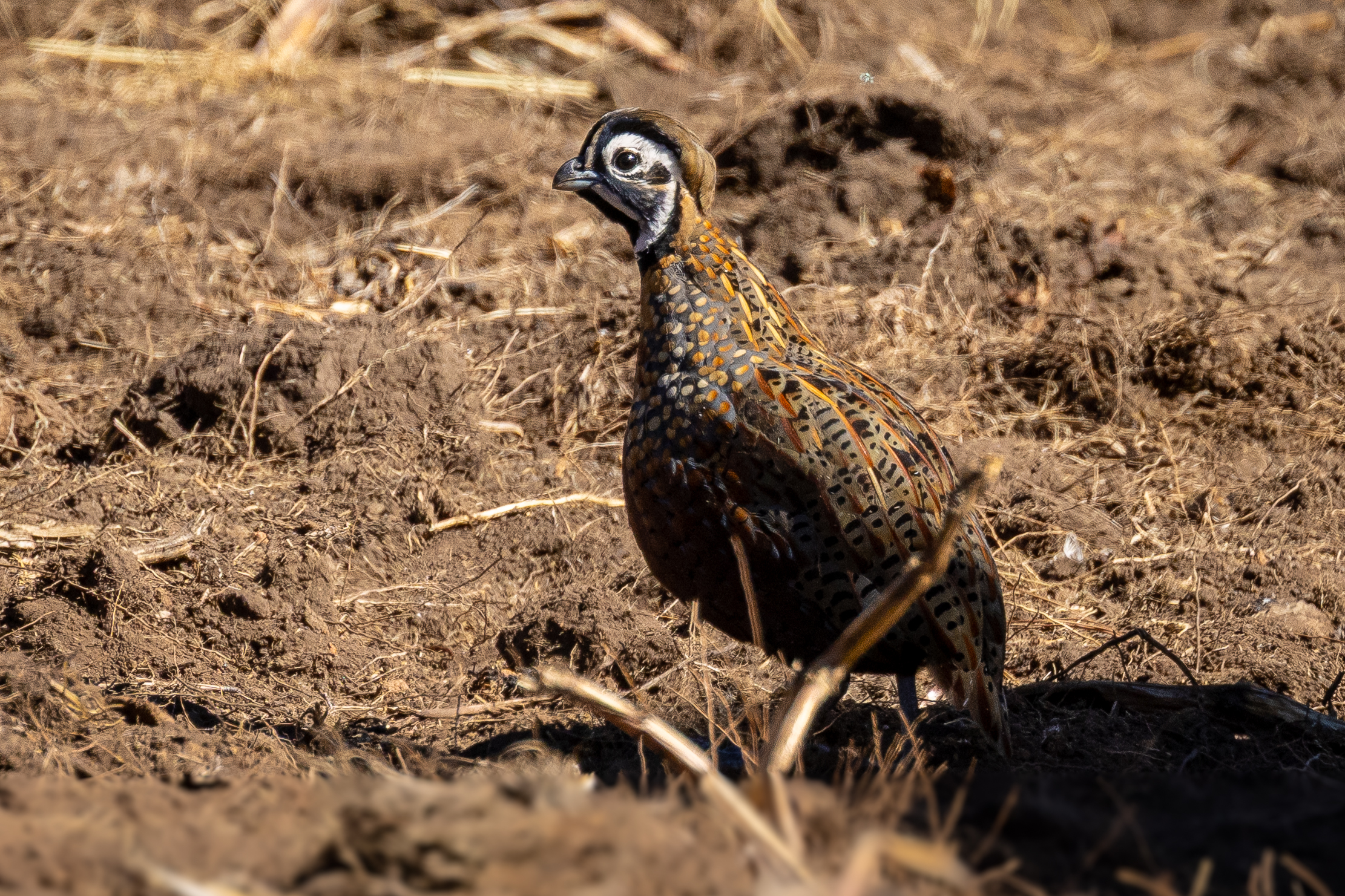
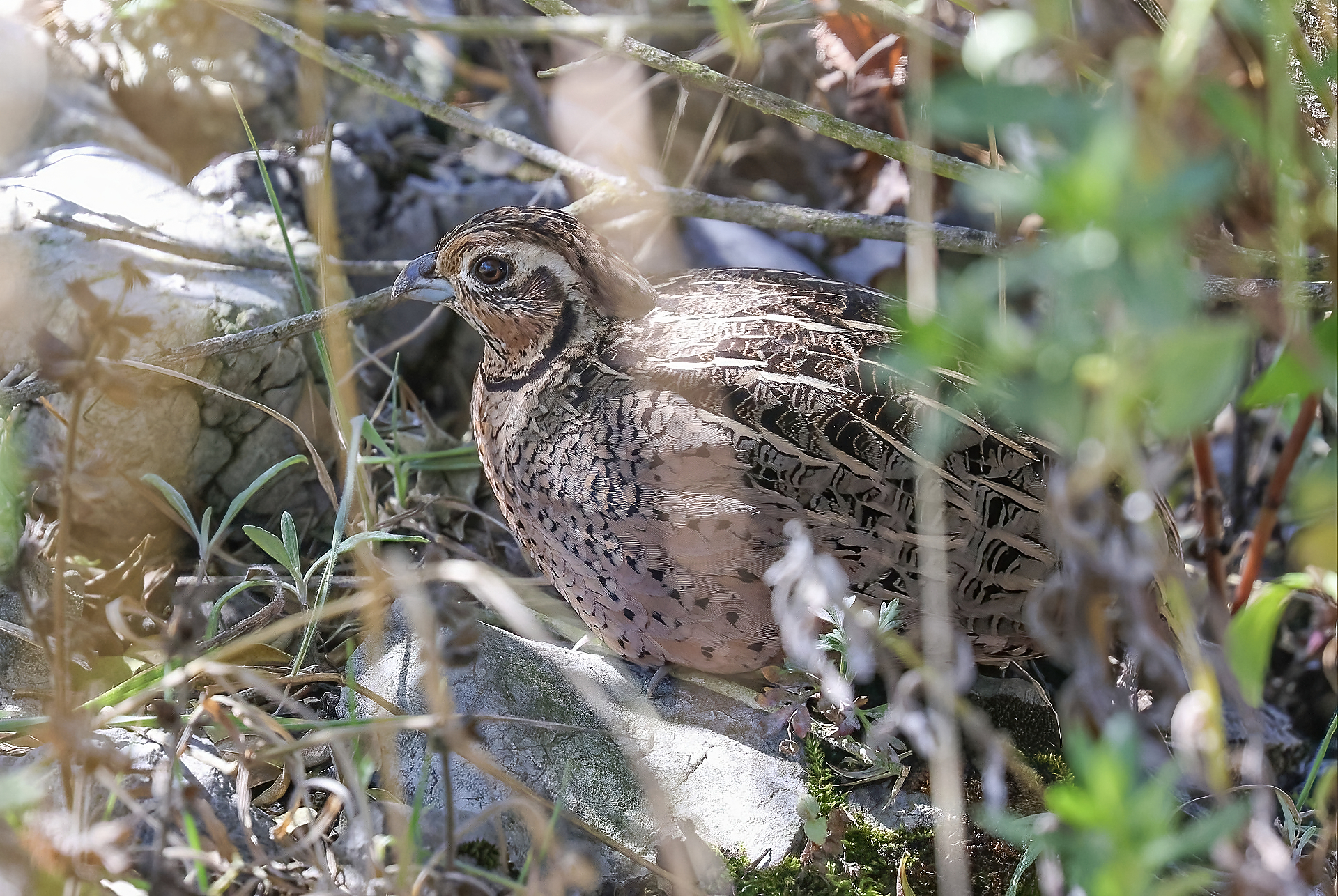
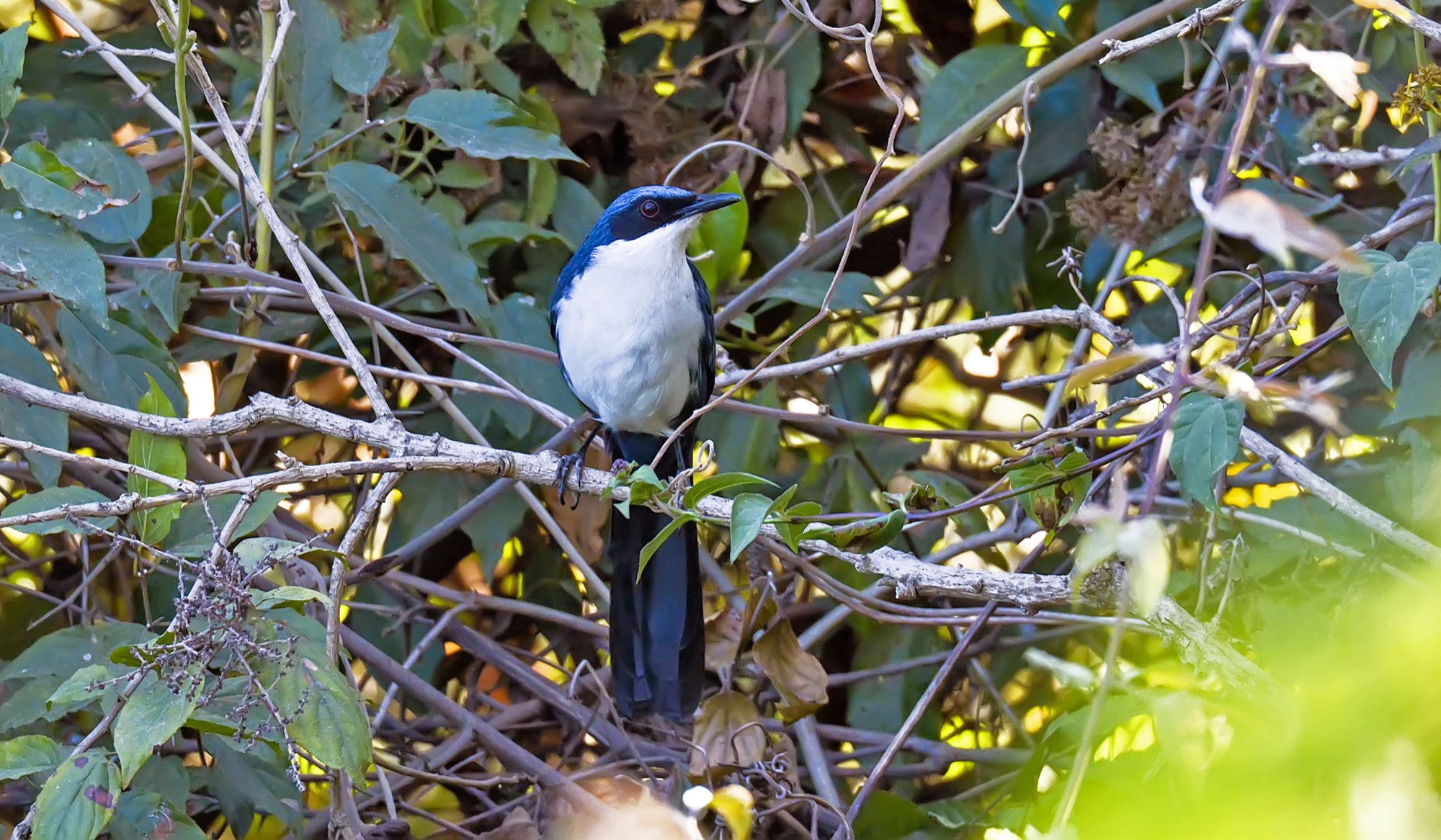
The beautiful Mountain Trogon will be high on our list of specialities to look for, as will the equally appealing and difficult to find Hooded Grosbeak. Other good birds to watch for include the always elusive Singing Quail, Black-capped Swallow, Bushy-crested Jay, Bar-winged and Black-vented Orioles and Flame-coloured Tanager.
Breakfast will be at a lovely place overlooking Antigua, before we drop down to bird at lower levels and to enjoy the ceaseless activity at El Pilar’s busy hummingbird feeders. Located at the start of the trail, the feeders are notable for five key species: Rufous Sabrewing (a species that is endemic to the Pacific Slope mountains of Guatemala, Chiapas (Mexico) and El Salvador) and the recently-split Rivoli’s Hummingbird (formerly Magnificent), plus Berylline, Azure-crowned and Blue-tailed Hummingbirds. The regionally endemic Green-throated Mountaingem is also frequently seen along with White-eared Hummingbird, Mexican Violetear and the impressive Violet Sabrewing.
All in all, an exciting and bird-filled day is assured before we head back down to our hotel in Antigua for dinner. Night in Antigua
DAY 3
RINCÓN SUIZO AND ONWARDS TO FUENTES GEORGINAS
Leaving Antigua, we plan to travel northwest for about an hour to Tecpán. Just to the north of the city, Rincón Suizo is a restaurant along the Panamerican Highway, at an elevation of 2,500m (8,200 feet) and our first port of call today. We spend the morning birding near here, after first enjoying breakfast at the restaurant.
Nestling behind the restaurant is a small mountain forest reserve of pine, cypress, oak and alder. Less exotic and exuberant than the humid cloud forests on the Guatemalan Atlantic Slope, the forest at Rincón Suizo may remind visitors of North American or European woodlands, but the birds are very different! Trails offer access to a site that is home to a number of sought-after northern Central American highland endemics.
High on the list is the fantastic Pink-headed Warbler but other specialities include Green-throated Mountaingem, Blue-throated Motmot and Rufous-browed Wren. Like many tropical forests, at times the birding can seem quiet but sooner or later we will come across one of the mobile mixed feeding flocks. Joining the resident forest species can be an assortment of Nearctic migrants including Townsend’s, Wilson’s, Black-and-white, Hermit and Red-faced Warblers, along with the resident Slate-throated Redstart, Hutton’s Vireo and Crescent-chested and Olive Warblers.
As we search eagerly through the restless flocks for the much-wanted Pink-headed Warbler, the likes of Spot-crowned Woodcreeper and Brown Creeper are likely to come our way, the latter a southern form that may yet be split.
With careful searching, we might also discover a colourful Chestnut-sided Shrike-Vireo as well as Bushtits passing through the forest, sometimes in flocks of more than 30 birds.
Whilst walking the trails, we may find a Tufted Flycatcher and these can sometimes be joined by Pine, Buff-breasted and Hammond’s Flycatchers, along with Greater Pewee and the local races of Plumbeous Vireo and Mountain Trogon. Lowering our gaze to the understorey, we may detect a furtive Ruddy-capped Nightingale-Thrush, the bright and rusty cheeked Golden-browed Warbler or a smart Chestnut-capped Brushfinch.
Amongst a fine array of forest hummingbirds, White-eared Hummingbird is frequently found and these can be joined by Amethyst-throated and Rivoli’s, while the stunning Garnet-throated Hummingbird also occurs. In open areas, we will seek Yellow-eyed Junco, Spotted Towhee and the endemic and strikingly bibbed Rufous-collared Thrush. If we are very lucky, and with our eyes to the skies, we may spot the elusive White-breasted Hawk, soaring overhead with the local race of Red-tailed Hawk.
After a productive morning, we will continue west towards the highlands of Quetzaltenango, arriving by late afternoon at Fuentes Georginas, a beautiful mountain area of hot springs nestled in pristine cloud forest. Night Fuentes Georginas
DAY 4
FUENTES GEORGINAS AND LOS TARRALES
We will set off early leaving the hotel before sunrise to travel the short distance to an area of pristine cloudforest which offers our best chance to find the near-mythical Horned Guan.
Even if we don’t manage to find the guan, there are a host of cloudforest birds to enjoy with many of them easily seen around the car park or after a short walk along the road. Highland Guan, Wine-throated, Amethyst-throated and Garnet-throated Hummingbirds, Mexican Violetear, Blue-throated Motmot and Ruddy-capped Nightingale-Thrush are among mouth-watering possibilities, along with a fine collection of warblers including Olive, Crescent-chested, Hermit, Townsend’s and more opportunities for Pink-headed.
By late morning, we will set off southwards descending from the highlands to the warmer Pacific slope reaching the magnificent Los Tarrales Reserve during the afternoon. This location truly is a birder’s paradise and if you had to pick just one place to bird in Guatemala, this would be it! More than 350 bird species have been recorded from this superb private protected area, where primary rainforest and cloudforest are interspersed with coffee and flower plantations on the southern slope of the Atitlán volcano. Two nights Los Tarrales
DAYS 5-6
LOS TARRALES
The economy of this enlightened finca is based on shade grown coffee and ecotourism. While it is important to support and encourage that, one of the great things about staying at Los Tarrales is that this place is very ‘authentic’. The guest accommodation is somewhat modest, although clean and very comfortable, and you will see the families working on the finca on their way to the coffee plantations. The homemade cooking is among the best we will enjoy anywhere in Guatemala and the scenery is spectacular – you can see the Atitlan Volcano from the lodge… There are also birds everywhere and it is not unusual to see 100 species here before lunch!
At Los Tarrales, we will bird from a number of accessible trails that run through the excellent forest, seeking out species that are restricted in Guatemala to the Pacific Slope. Pacific, Orange-chinned and Orange-fronted Parakeets, Rufous Sabrewing, Blue-tailed Hummingbird and the cobalt-backed Long-tailed Manakin will all be high on the list and we have a great chance of seeing the rare and range-restricted Azure-rumped Tanager. During our stay, we will also need to check the feeders for White-bellied Chachalacas.
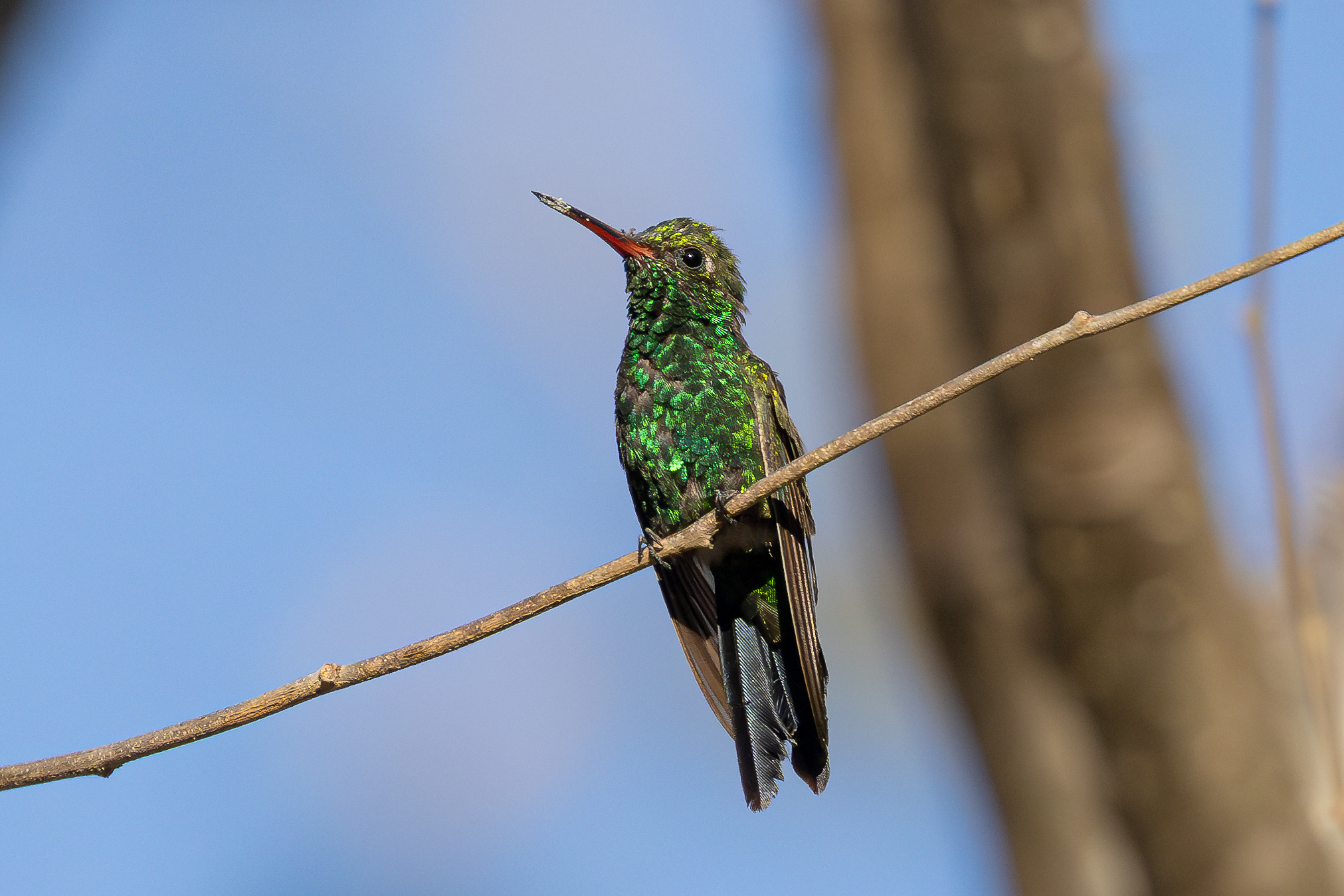
The tricky Rufous-breasted Spinetail and Spot-breasted Wren will no doubt occupy some of our time, while at a small plantation, a pair of stunning red-billed Blue-throated Sapphires sometimes set up territory with the male often calling and performing from small sticks. As the day draws on, the likes of Lineated Woodpecker, Collared Aracari, Ivory-billed Woodcreeper and White-winged Tanager will hopefully come our way and we should also see Yellow-naped Amazon.
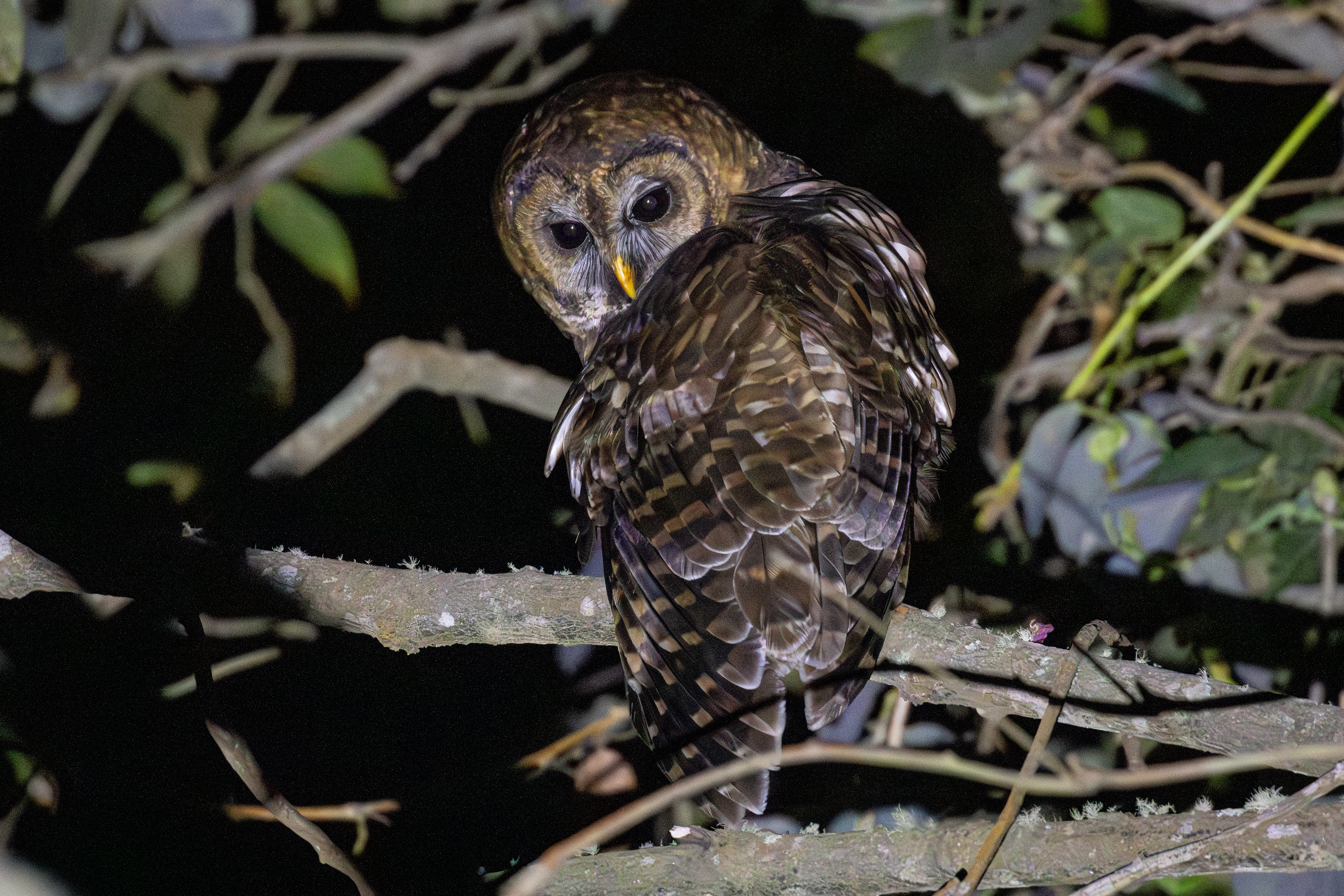
On one morning, we are likely to leave our lodgings before sunrise so as to be at the right spot in the half-light of pre-dawn to await the Highland Guans. As the light slowly improves, we should be treated to better views before they slope off to be replaced by Crested Guans and White-bellied Chachalacas. Nearby, we will search for the tricky Tody Motmot and with patience will hope for ‘scope views of this wonderful little bird! Concealed within the local trees, our guides might also find a day-roosting Mottled Owl before we head back to the finca for a well-deserved breakfast.
Replete, the rest of our morning will be spent looking for the many other avian specialities Los Tarrales has to offer. It is an immense property, one that encompasses a large portion of the Atitlan Volcano from the lower grounds around the base, all the way to the top.
There should be a great assortment of hummingbirds with Green-breasted Mango, White-bellied Emerald, Long-billed Starthroat and Emerald-chinned Hummingbird among many delights in store. The brilliant orange Spot-breasted Oriole is often about, as we try for the rather less showy White-faced and Ruddy Quail-Doves, Rufous-breasted Spinetail and the delectable Prevost’s Ground Sparrow. As the day warms, the skies above Los Tarrales are home to large raptors such as Black and Ornate Hawk-Eagles and the impressive King Vulture.
After lunch (and a short siesta for those that want it), we may explore a different trail, hoping for views of the shy White-throated Thrush and keeping a sharp eye out for the diminutive Northern Bentbill and Worm-eating Warbler.
Returning before dusk, we can again try for Highland Guan and, as we wait for them to appear, groups of Yellow-naped Amazons may pass over on their way to their roost and neat White-eared Ground Sparrows can be picked out on the ground.
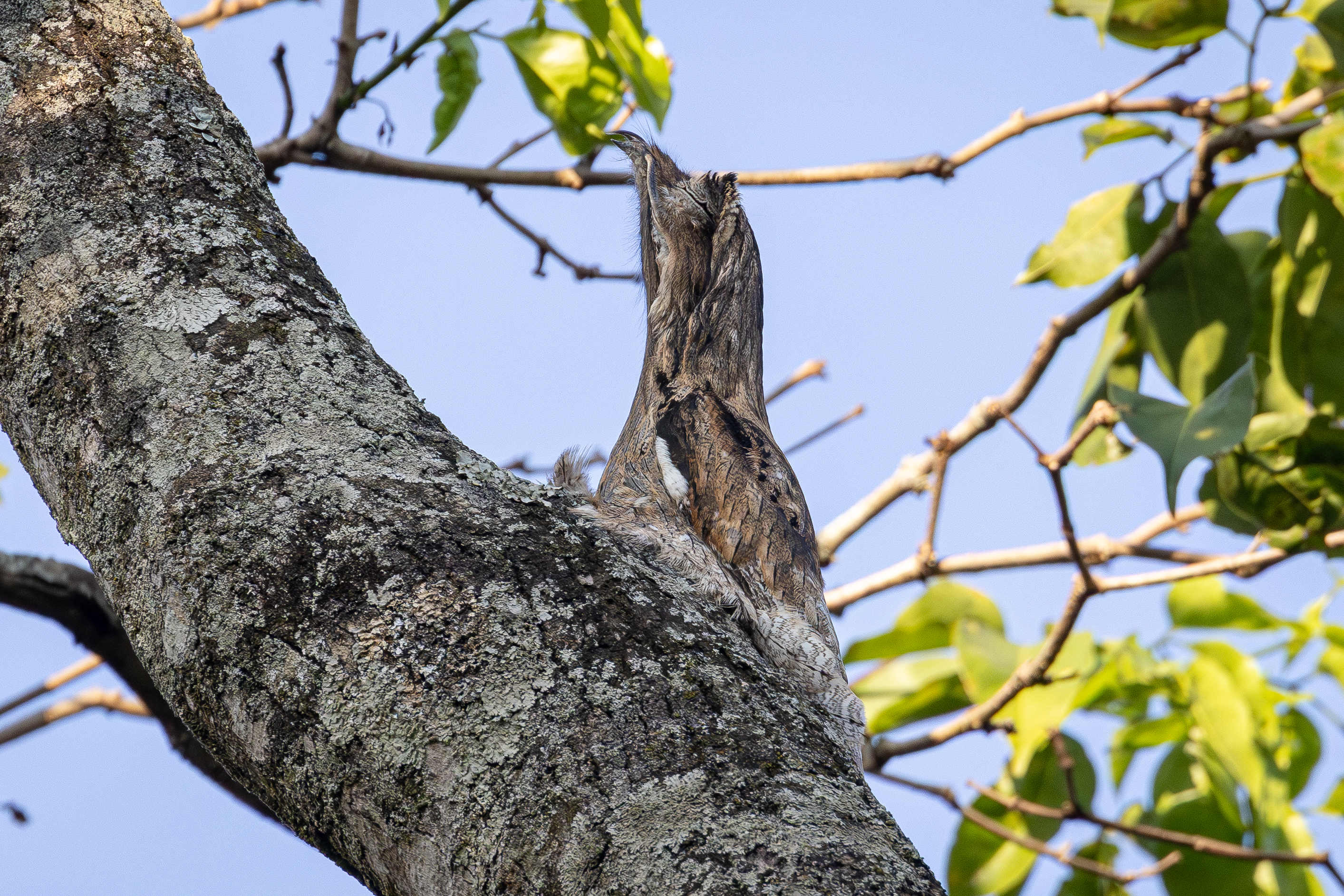
Night birds at Los Tarreles include the stunning Black-and-white and Mottled Owls, and there is often a Common Pauraque about, hawking for moths. The strange Northern Potoo sometimes appears and can give great views, while other nocturnal creatures we can try spotlighting for after dark include Kinkajou and several interesting amphibians. Two nights Los Tarrales
DAY 7
LAKE ATITLÁN AND THE SAN PEDRO VOLCANO
We will enjoy some final early morning birding at Los Tarrales before reluctantly leaving for the short transfer north to Santiago Atitlán, where we will spend the night at a hotel within a five-minute walk of the shore of Lake Atitlán which is ringed by volcanoes and often described as the world’s most beautiful lake.
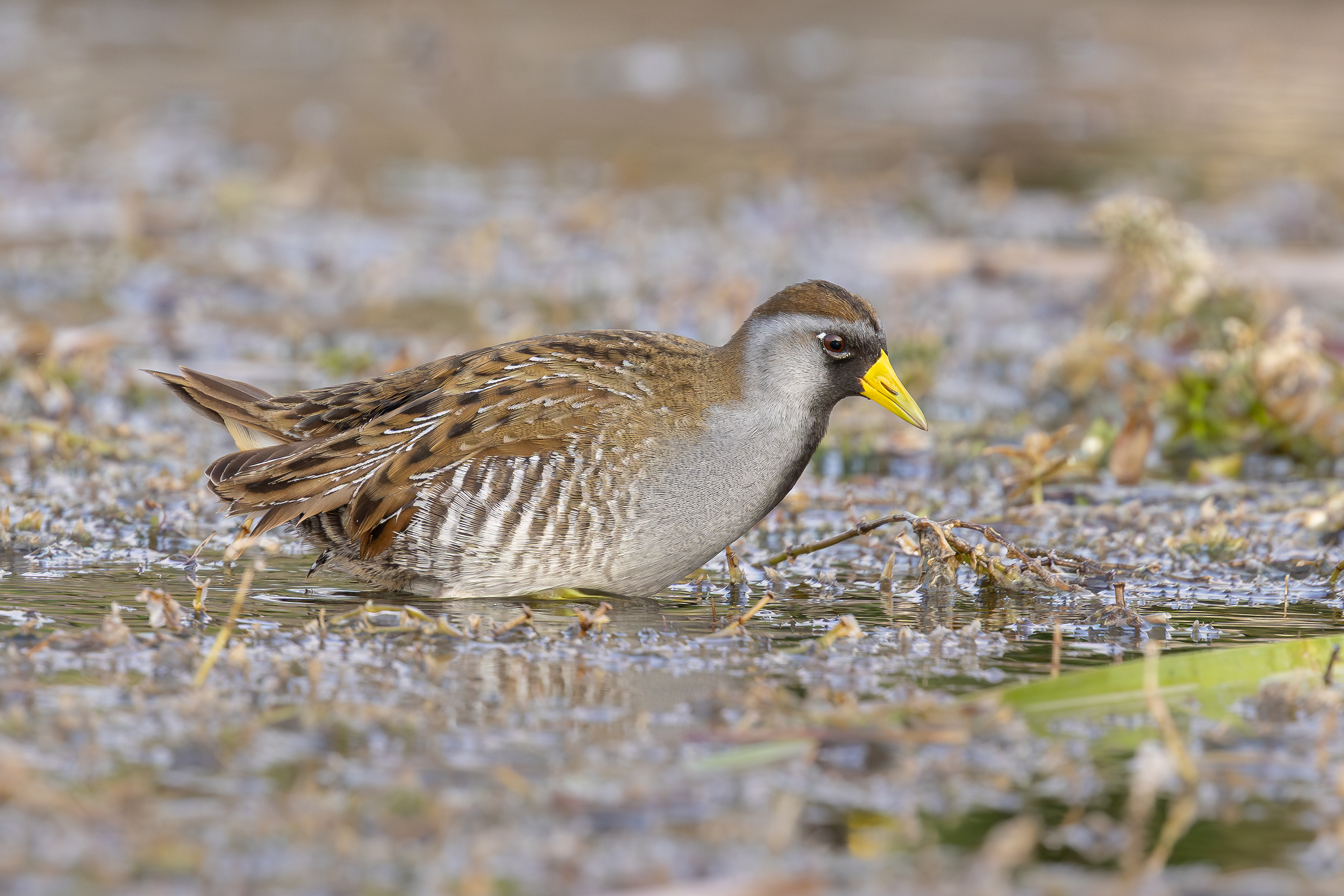
We will enjoy some relaxed birding beside the lake during our stay, hoping to catch up with the elegant Slender Sheartail and visit one or two sheltered bays around the shore, which can be good for waterbirds including a good variety of herons and egrets, Sora, Purple Gallinule, Blue-winged Teal and Lesser Scaup. Night at Santiago Atitlan
DAY 8
LAKE ATITLÁN TO GUATEMALA CITY AND FLIGHT TO FLORES
After some final morning around Lake Atitlán, we will travel back east to Guatemala City from where we take a short flight to Flores in the lowlands. This small town sits beside picturesque Lake Petén Itzá, where we will spend a pleasant evening before the start of our lowland birding adventure. Night at Flores
DAY 9
LAS GUACAMAYAS BIOLOGICAL STATION
After breakfast, we will depart for Las Guacamayas Biological Station which sits on the edge of the vast Mayan Biosphere Reserve. The journey should take about three hours (allowing for some short birding stops enroute) and we are likely to see a range of open country and waterbirds as we travel.
On arrival at the small community of Paso Caballos, we will use a boat for the transfer (c.20 minutes) across the San Pedro River and on to the biological station. The buildings are surrounded by pristine forest and it is difficult to spot these until you reach the deck by boat.
The birding in the immediate vicinity is fantastic and there are several hummingbird feeders which we will certainly want to spend time watching with the possibilities including White-necked Jacobin, Long-billed Hermit, Stripe-throated Hermit, Purple-crowned Fairy, Green-breasted Mango, Wedge-tailed Sabrewing and Scaly-breasted Hummingbird.
Approximately 340 species of birds have been recorded in this region (about 50% of the Guatemalan list) and after lunch and once the temperature has cooled somewhat, we will begin our exploration of the area.
One of the places we plan to visit is an observation tower which is not far from our accommodation, and which overlooks the forest and nearby marshes. We may well head there as the sun drops towards the horizon as it is a perfect place to end the day whilst enjoying a sundowner…..
After dark, there will be a further (optional) excursion which is likely to be out on the river which will give us a very different perspective of the wildlife of the area. One of the species we hope to find is Morelet’s Crocodile which is only found in limited parts of Mexico, Belize and Guatemala, however, the diversity of nocturnal species makes this one of the most exciting places for night birding anywhere in the country with a number of special and highly localised species to look for.
Amongst those we hope to find are Short-tailed Nighthawk, Yucatan Poorwill, Yucatan Nightjar and Spot-tailed Nightjar. Indeed, this area is considered the only reliable site for the latter species in Guatemala. With other possibilities including Common Pauraque, Mottled Owl, Black-and-White Owl and Northern Potoo, it promises to be an extremely exciting evening with plenty to look for. Night Las Guacamayas Biological Station.
DAY 10
LAS GUACAMAYAS BIOLOGICAL STATION AND EL PERU ARCHAEOLOGICAL SITE
After an early breakfast, we will board a boat to begin our exploration of the rich area around the biological station. The archaeological site of El Peru is only a relatively short distance away and this is the most important nesting area for Scarlet Macaw in Guatemala and getting some good views of these large parrots will be one of our major priorities.
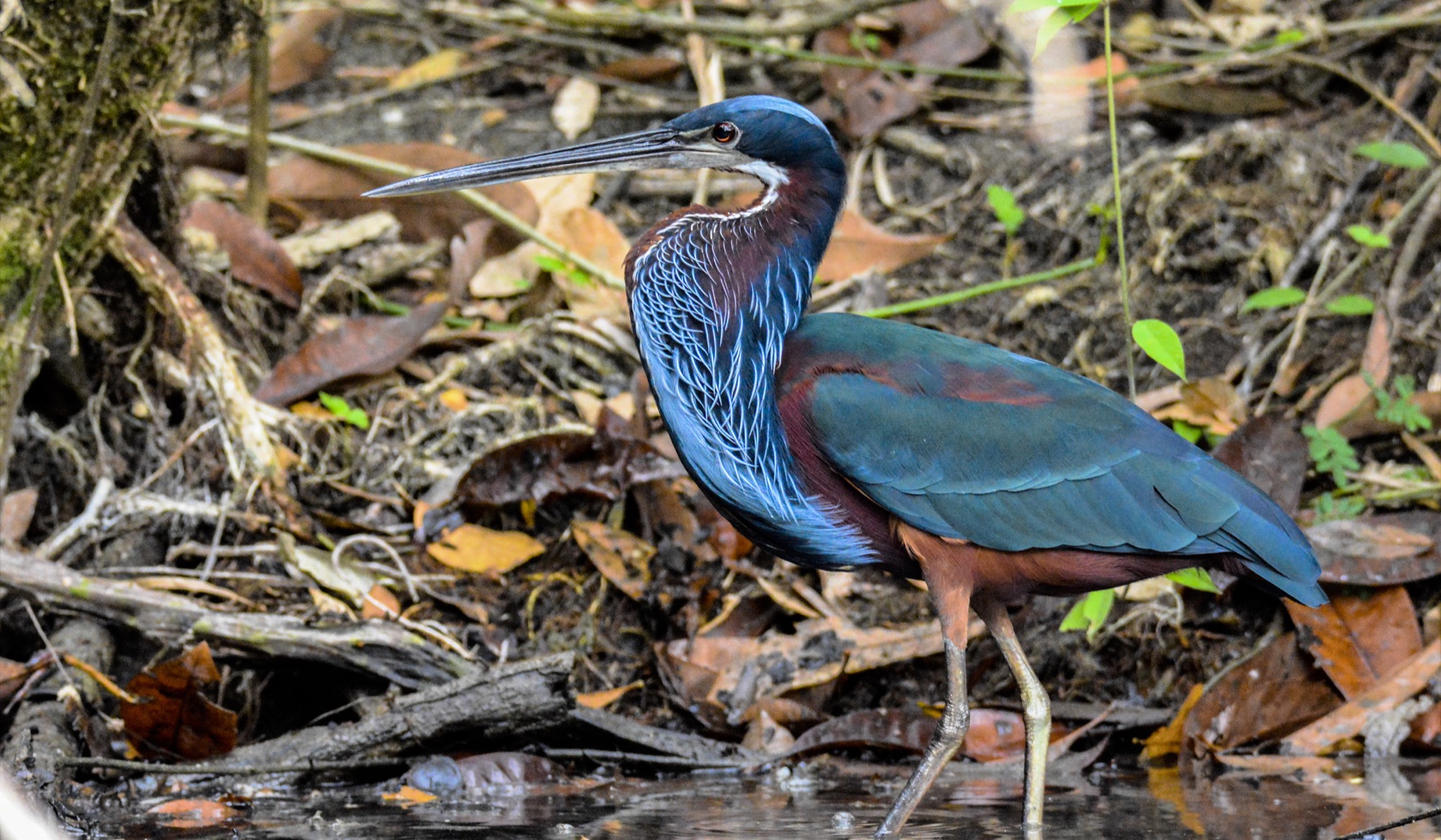
There are plenty of other great birds to look for including the beautiful Agami Heron and whilst this low-density heron can never be guaranteed, this area is particularly good for it. We will also hope to find the secretive Sungrebe and another possibility is Yucatan Woodpecker, a species which is very rare and localised in Guatemala.
Other birds we may find include Ocellated Turkey, Ornate Hawk Eagle and Rose-throated Tanager, the latter being another species which is endemic to the Yucatan Peninsula. Green-backed Sparrow is also comparatively localised and we will hope to find this along with the appropriately named Lovely Cotinga.
We plan to return to the lodge for lunch and will then spend the afternoon continuing our exploration of the nearby trails. Some of the birds we could find include White-bellied Emerald, White-crowned Parrot, Pale-billed Woodpecker, Tody Motmot, Lesson’s Motmot, Gartered Trogon and White-bellied Wren. Second night Las Guacamayas Biological Station
DAY 11
LAS GUACAMAYAS BIOLOGICAL STATION TO TIKAL NATIONAL PARK
We will enjoy some final early morning birding along the banks of the San Pedro River which is a matter of only one hundred metres or so from the biological station and will then set off for the final highlight of our holiday, a visit to the extraordinary Tikal National Park.
We are likely to make a short stop at El Remate where the possibilities include Canivet’s Emerald, Band-backed Wren and Black-headed Saltator, however our priority will be to reach Tikal (the journey from the Guacamayas is about 80 miles and should take about 3.5 hours) for a sunset tour at this world-famous location.
The area is a UNESCO World Heritage Site and there are thousands of ruined structures across the entire complex and this is without question the most important site to survive from the Mayan civilisation, indeed some would argue it is one of the most important archaeological sites in the Americas. The area is believed to have been inhabited from the 6th century BC until the 10th century AD and includes some remarkable palaces and temples.
We should have some time to begin our exploration of the area before transferring to our nearby comfortable hotel. Night Tikal
DAY 12
TIKAL NATIONAL PARK
We have a full day to explore the Tikal National Park which is the nucleus of the Maya Biosphere Reserve. With many of the monuments located in the midst of luxuriant forest, this gives us a fantastic opportunity to combine birdwatching with enjoying the amazing archaeology.
A host of birds are possible here with the possibilities including Ocellated Turkey, Great Curassow, White-fronted Parrot, Orange-breasted Falcon, Keel-billed Toucan, Yucatan Jay, Black Catbird, Rose-throated Tanager, Chestnut-coloured Woodpecker, White-bellied Wren and Montezuma Oropendola. However, when we are birding in such extraordinary surroundings, we will undoubtedly want to devote some of our time to marveling at the extraordinary structures the Mayan peoples constructed. Second night Tikal.
DAY 13
TIKAL TO GUATEMALA CITY
We will enjoy some final early morning birding around Tikal before reluctantly returning to Flores (approximately one hour) for a flight back to Guatemala City. We should be back at the capital by early afternoon with plenty of time to check-in for our international flights back to the UK.
DAY 14
ARRIVE LONDON
We should arrive back in London in the afternoon where our birdwatching tour to Guatemala concludes.
WHAT TO EXPECT
We will be making early starts on this tour, which is the norm for birding tours in the tropics where the daylight hours are relatively short and where bird activity is at its peak early and late in the day. For certain key species, it is essential to be out in the field at first light so we can hear the birds singing and calling as the day starts up and in some instances, this may be our only chance to find some species, so we will naturally want to make the most of this opportunity. Being in the tropics, sunrise in Guatemala is around 6.15am and sunset around 6.15pm.
Much of our birding in Guatemala will be in tropical forest. Very little of the country is flat so we will mostly be walking on hill trails, birding from tracks and trails with occasional steeper sections. Where possible, we aim to drive uphill and bird as we walk back down. It will be warm to hot, humid at times (though often cooler and more refreshing at altitude), and we may be on our feet for up to several hours at a stretch watching for birds.
Overall, the tour is not a strenuous one (hence our title of “Easy Guatemala”) but you should still be prepared for early starts in order to enjoy the best of the day’s birding before the heat and humidity builds and activity starts to wane. After a lull during the hot middle part of the day (there will be afternoon rests after lunch on some days), the birding tends to pick up again from mid-afternoon and, though the daylight hours are relatively short in the tropics, you should be ready for some long field days as we are likely to be out until near dusk on more or less a daily basis.
Our guides will be able to advise you locally about the day’s events and if you prefer to opt out of a particular activity or walk, please don’t be afraid to ask them.
Guatemala enjoys a tropical to temperate climate, according to altitude. Rainfall can (and does!) occur year-round in the mountains and rainforests and it can be cool and misty in the mountains and cloud forest, especially early in the day. It is generally hotter and sunnier on the Pacific Slope (Los Tarrales) with temperatures typically in the range of 10-30C (50-86F).
Good to excellent photographic opportunities in more open habitats, especially at the feeders around the lodges – birds, wildlife and some splendid scenic shots. Trickier in the forest due to low light levels.
BIRDS
240-280 species
MAMMALS
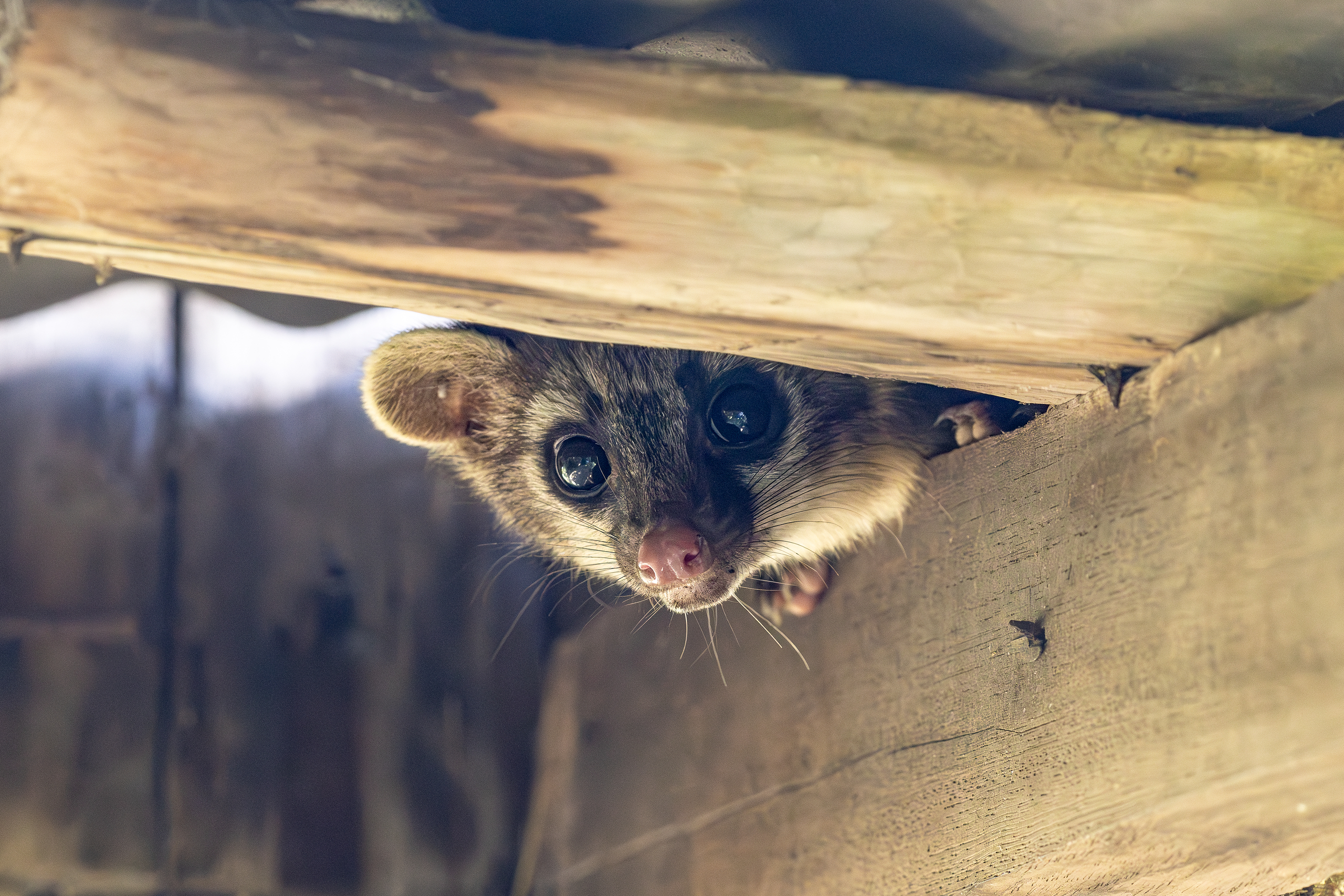
5-10 species. Forest mammals can be tricky but possibilities include White-tailed Deer, Red Brocket Deer, Collared Peccary, Central American Agouti, Kinkajou and the enigmatic Cacomistle, a poorly known relative of the Raccoon. Jaguar and Puma still roam the most remote areas but are most unlikely to be seen.
ACCOMMODATION
On the main tour we will have 12 nights accommodation in Guatemala, staying at a varied selection of comfortable, characterful and conveniently located hotels, lodges and fincas (private estates) described above. All rooms have private facilities.
MEALS
All main meals (and with drinking water provided during the day) are included in the tour price, commencing with dinner on arrival in Guatemala on Day 1 and concluding with lunch there on Day 13.
Food is good to excellent throughout, appetising and very tasty. Most restaurants offer a good selection of traditional Guatemalan dishes such as Pepian (meat, vegetable and spice stew, the national dish of Guatemala), Jocon (chicken in tomatillo sauce), Guatemalan enchiladas and Kaq’ik (Guatemalan spicy turkey broth) which are all served with tortillas.
WALKING
Our tour begins in the Central Highlands to the west of Guatemala City. Most of our walks here are short and easy but please note that Guatemala is a mountainous country in places so we will often be walking up or down trails. You should expect some trails to be steeper in parts but we take all our walks slowly, with frequent stops to rest and bird.
During our time in the lowlands of Northern Guatemala at the biological station (2 nights), we will use boats on occasions but there will also be some gentle walks.
At Tikal, we will combine birdwatching with exploring what is one of the most important archaeological sites in the Americas but again all walks will be at a gentle pace.
Though it is the ‘dry season’ rainforest trails can nonetheless be uneven, muddy and/or slippery underfoot at times, so sturdy waterproof walking shoes or lightweight boots with good grip are recommended for this tour.
Maximum elevation this tour: 3,000m.
GROUND TRNASPORT
We travel by comfortable minibus with air-conditioning and experienced local driver.
Tour Gallery
View a gallery of images for this tour below, click on an image to view as full size with caption
Ask About This Tour
If you have any questions about this tour, please enter your details here and we will get back to you as soon as possible.
Alternatively, contact us by email or phone. We look forward to hearing from you!
- 01692 580623
- tours@limosaholidays.co.uk
Or complete the contact form and we will endeavour to get back to you as soon as possible.
* = required field

