Colombia
A World of Birds — from Andean Cloudforests to Caribbean Coast
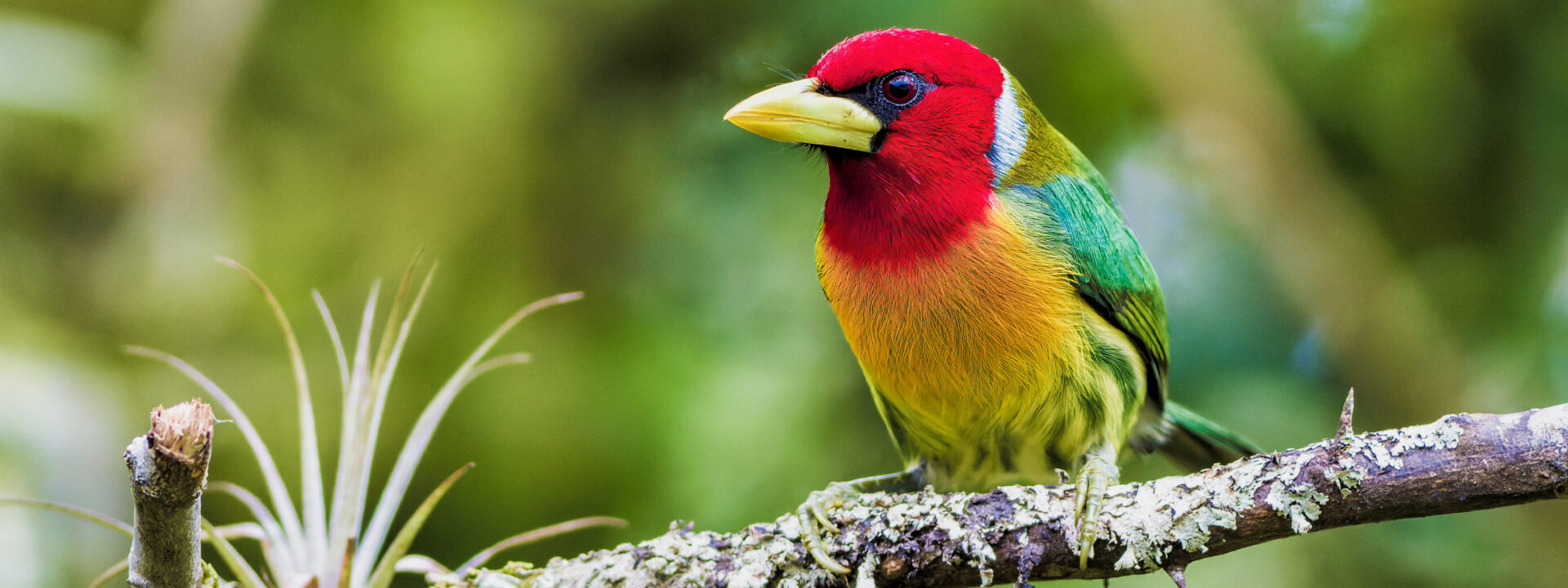
Discover the world's most bird-rich country on this extraordinary journey through Colombia's wildly contrasting landscapes, from the endemic-laden cloudforests of the western Cordillera to the isolated peaks of the Sierra Nevada de Santa Marta.
This exceptional 15-day birding tour explores some of Colombia’s most celebrated and diverse habitats, from the rainforest-draped slopes of the western Cordillera to the arid coastline of La Guajira. Beginning in the Chocó-influenced forests of Cerro Montezuma, we search for a remarkable collection of endemics before moving east to the cloud forests and volcanic páramo around Manizales, where the reserves of Rio Blanco and Nevado del Ruiz offer an extraordinary variety of hummingbirds, antpittas and high-altitude tanagers.
From there we descend to the lush mid-elevation forests of Otún-Quimbaya, home to the rediscovered Cauca Guan and the dazzling Multicoloured Tanager, before flying north to Colombia’s Caribbean coast. Here, the mangroves of Isla Salamanca and the foothills around Minca provide a striking contrast to the Andean landscapes left behind.
The undoubted highlight of the northern section is two full days on the San Lorenzo Ridge within the El Dorado Reserve, where the isolated Sierra Nevada de Santa Marta harbours an extraordinary suite of endemic species found nowhere else on earth. The tour concludes with a final search for the dry-country specialities of La Guajira before returning to Bogotá and the flight home.
Tour Dates & Prices
Mon 1st November 2027
Mon 15th November 2027
- Available
Tour Cost: 15 Days from £6645 * including return flight from London plus internal flights or £4995 land only
What's Included?
- Limosa Tour Leader
- Expert English-speaking local Colombian bird guides
- Five nights accommodation in comfortable but somewhat remote jungle lodges and seven nights in hotels.
- All main meals
- Minibus and 4×4 transport
- All excursions, entry fees and permits
- All tour-based tips and taxes
- Limosa checklist of birds
Cost Excludes
Insurance, drinks, airport meals/snacks and other items of a personal nature.
Additional Information
The land only cost is the price you will pay if you choose to arrange your own flights (including the internal flights within Colombia). If you select this option, please contact the Limosa office before making your travel arrangements.
Please note that the internal flights for the extension is included in the cost.
Tour Highlights
- Two full days exploring the Chocó-influenced forests of Cerro Montezuma, among the most biodiverse habitats on earth and home to a dazzling array of endemic tanagers, hummingbirds and antbirds.
- Extraordinary close encounters with multiple antpitta species at the famous feeding stations of Rio Blanco Reserve, one of the finest cloud forest birding sites in the Americas.
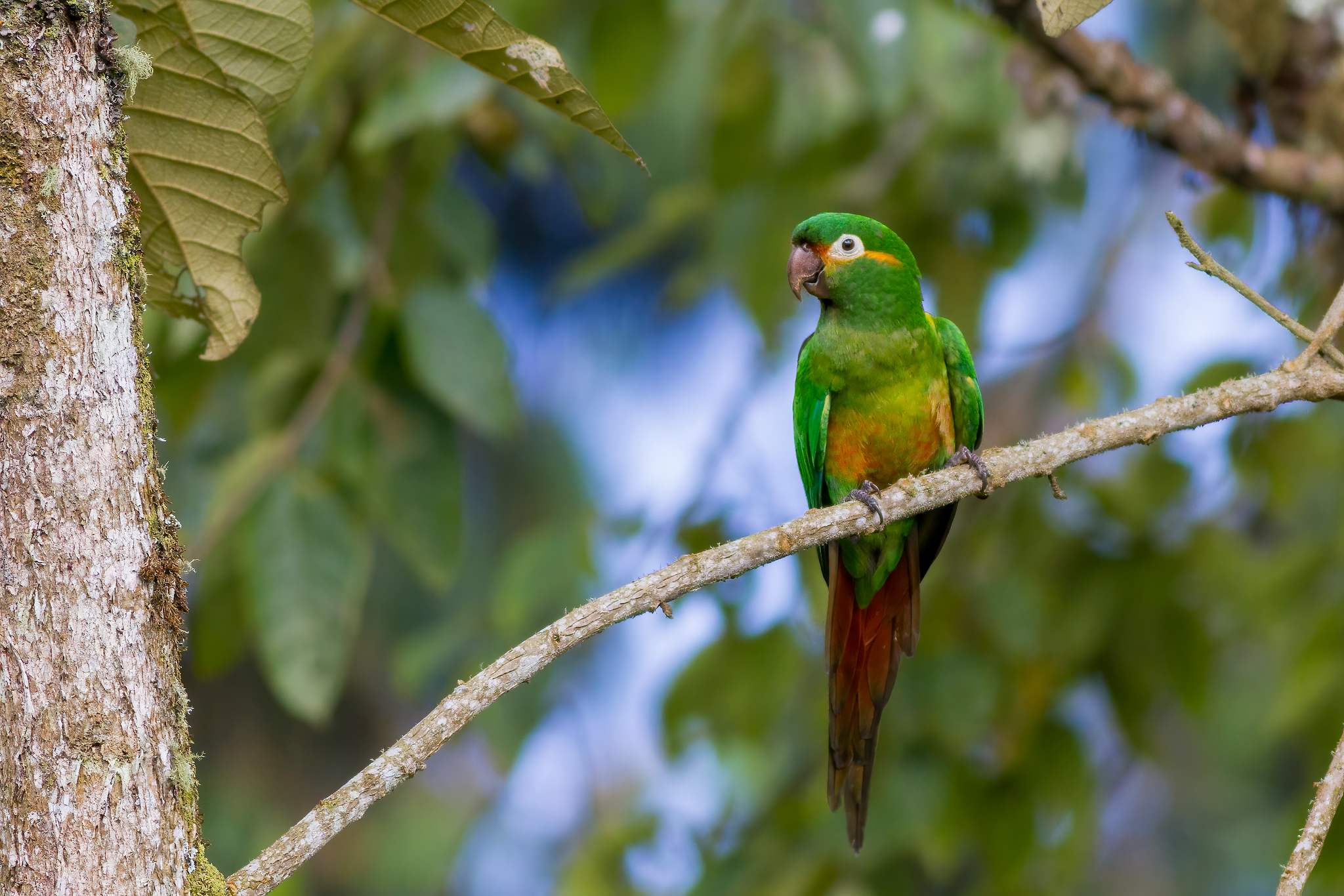
- High-altitude birding on the volcanic páramo of Nevado del Ruiz, where the endemic Rufous-fronted Parakeet and a remarkable diversity of hummingbirds inhabit one of Colombia's most dramatic and otherworldly landscapes.
- Dawn vigils in the Otún-Quimbaya Reserve for the Cauca Guan, a Colombian endemic once presumed extinct and dramatically rediscovered at this very site in the 1990s.
- Two days in the legendary El Dorado Reserve on the San Lorenzo Ridge, searching for the remarkable suite of endemic species unique to the isolated Sierra Nevada de Santa Marta.
- A spectacular late afternoon visit to witness up to one hundred Military Macaws descending on their roost near Minca, one of the great wildlife spectacles of the Colombian Caribbean.
Outline Itinerary
-
Depart UK
-
Arrive in Bogota and fly to Pereira. Transfer to the Montezuma Rainforest Reserve (3 nights)
-
Birding Cerro Montezuma
-
Morning birding at Montezuma. Afternoon drive to Manizales (3 nights)
-
Birding Rio Blanco Reserve and Los Nevados National Park
-
Visit to Hacienda el Bosque. PM Drive to Otún-Quimbaya Reserve (1 night)
-
Birding in the Otún-Quimbaya Reserve. Afternoon flight to Barranquilla (1 night)
-
Morning birding at Isla Salamanca. Transfer to Minca (1 night)
-
Transfer to El Dorado Lodge. Birding San Lorenzo Ridge (2 nights)
-
Birding from El Dorado to La Guajira. (1 night)
-
La Guajira. Lunchtime flight to Bogotá for connecting international flights.
-
Arrive UK
Colombia is widely regarded as the most bird-rich country on earth, and this carefully crafted 15-day itinerary sets out to showcase the very best of it. From the dripping rainforests of the Pacific slope to the sun-baked scrublands of the Caribbean coast, the tour moves through a succession of wildly contrasting habitats, each harbouring its own remarkable cast of species. With a particular focus on Colombia’s extraordinary wealth of endemic and range-restricted birds, this is a journey that will reward even the most well-travelled birder.
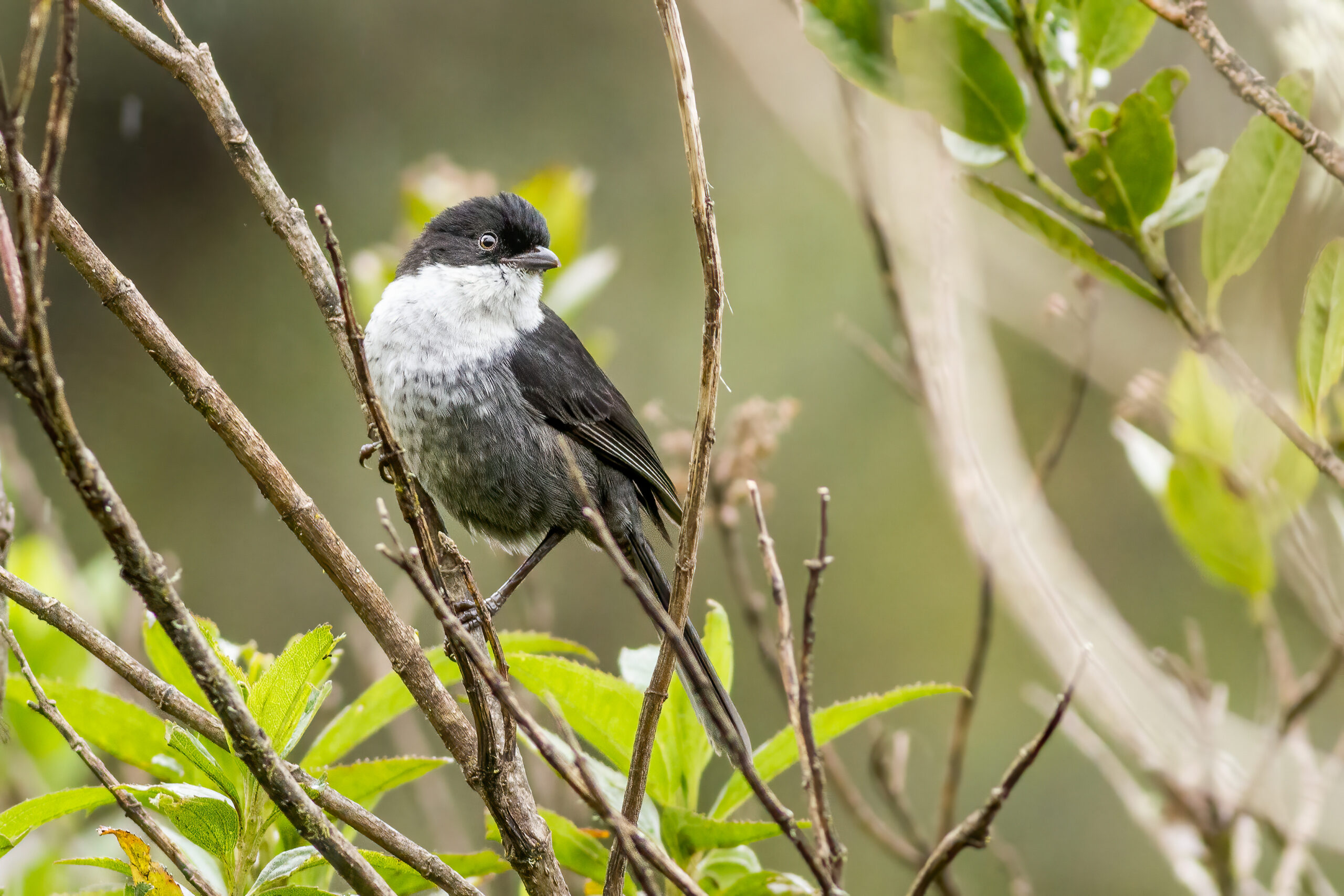
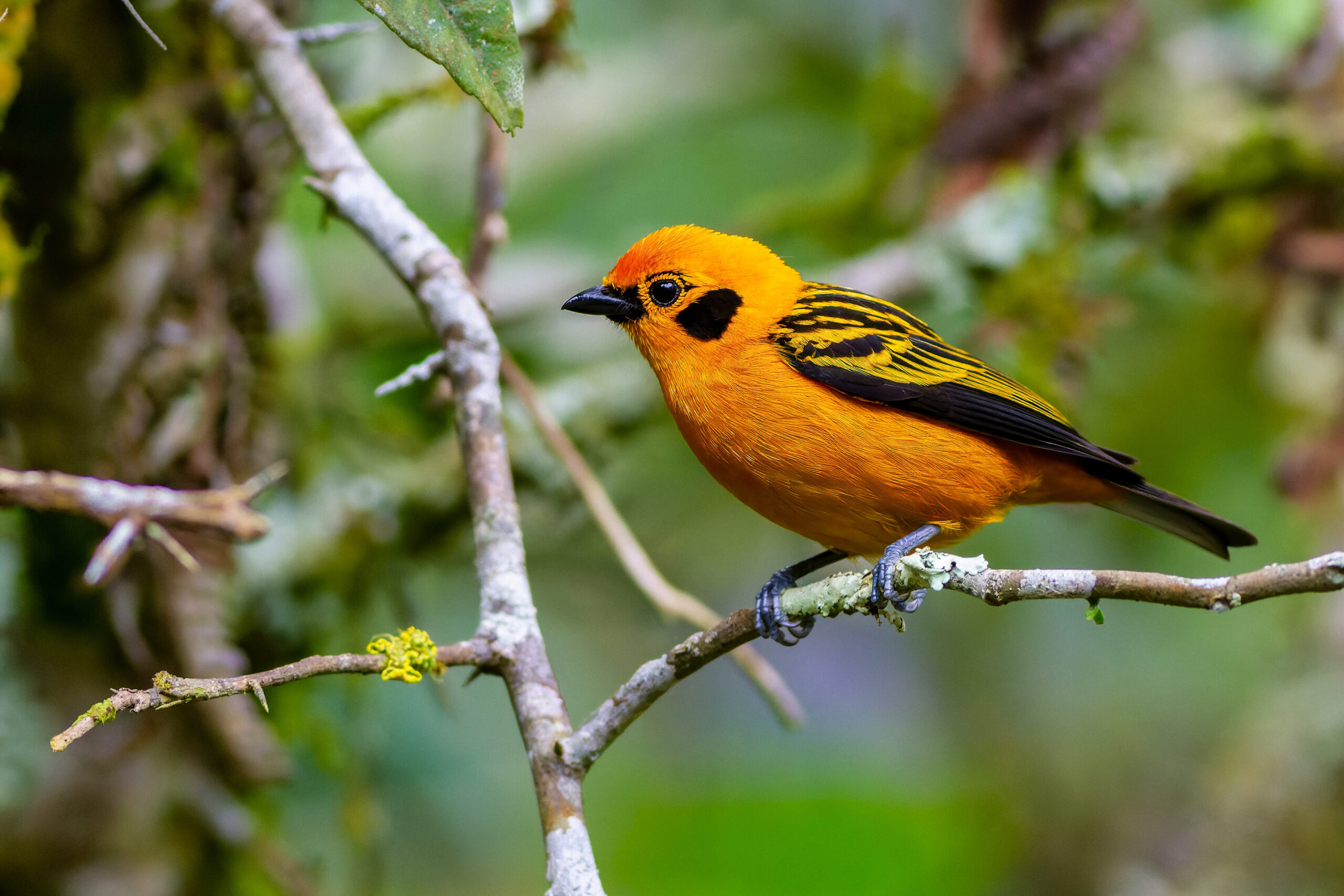
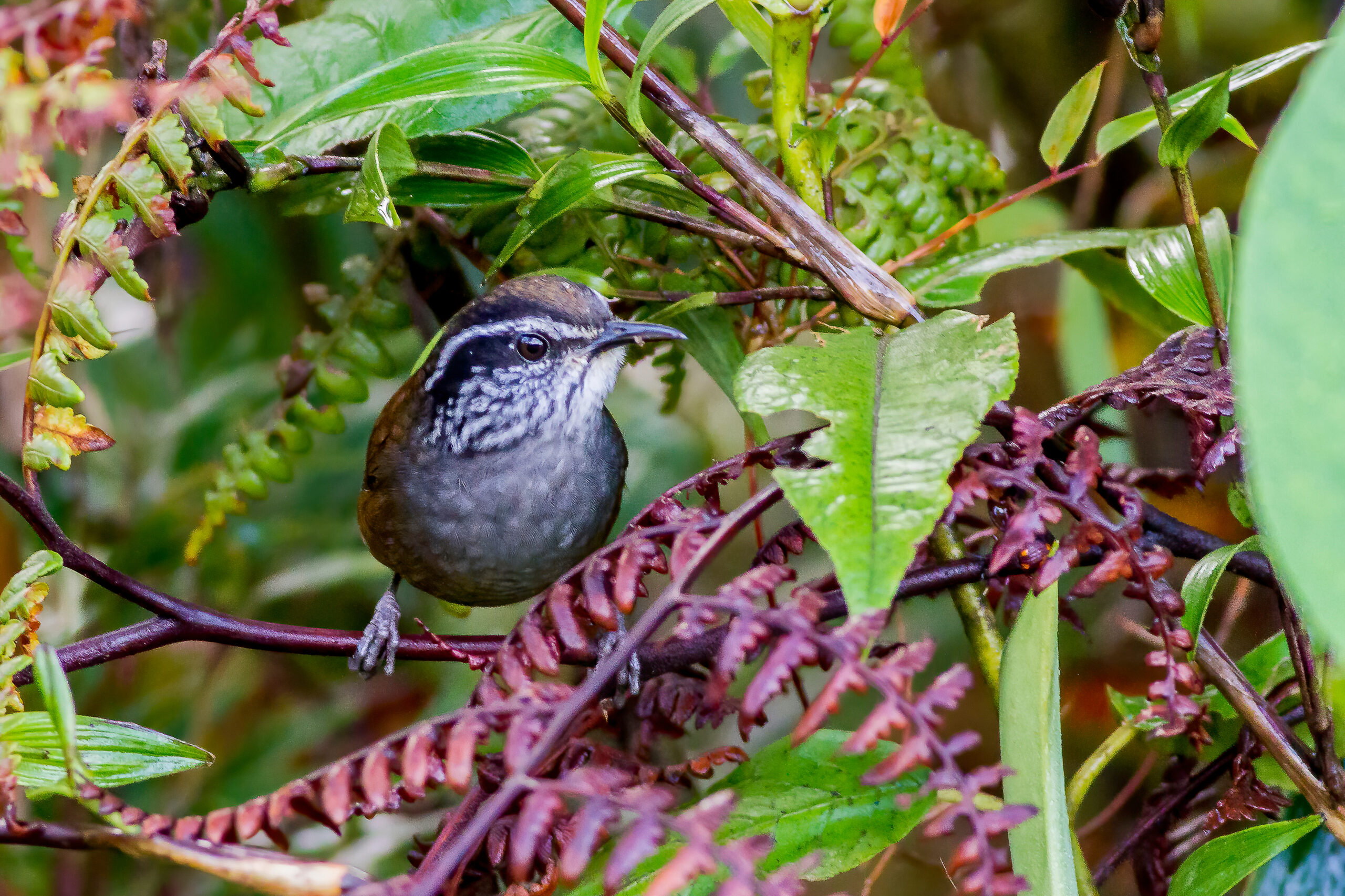
We begin in the western Cordillera, where Montezuma Rainforest Reserve occupies the fog-drenched upper slopes of Cerro Montezuma in the heart of the Chocó bioregion. This globally significant zone of endemism, shared in part with neighbouring Ecuador, is home to some of the most sought-after birds in all of South America. Over two full days we search the forest for the endemic Gold-ringed and Black-and-gold Tanagers, Dusky Starfrontlet, Munchique Wood Wren and Parker’s Antbird, whilst the lodge feeders draw a constant procession of hummingbirds and tanagers. It is an intoxicating introduction to Colombian birding.
From the Pacific slope we travel east to the coffee-growing highlands around Manizales, where the renowned Rio Blanco Reserve provides access to some of the finest cloud forest birding in the country. The reserve’s celebrated feeding stations attract multiple antpitta species to within arm’s reach, whilst the hummingbird feeders host an astonishing diversity of species. Beyond the feeders, the forest holds a wealth of tanagers, tapaculos, woodcreepers and flycatchers, and we spend a second day exploring the stark volcanic landscape of Nevado del Ruiz, searching the páramo for the endemic Rufous-fronted Parakeet and an impressive suite of high-altitude hummingbirds including Buffy Helmetcrest, Viridian Metaltail and the nomadic Black-thighed Puffleg.
Continuing our journey, we pause at the private Hacienda El Bosque, a productive site for Crescent-faced and Equatorial Antpittas, before arriving at the Otún-Quimbaya Reserve near Pereira. This mid-elevation forest reserve is one of the most important birding sites in the Colombian Andes, protecting a suite of endemic and near-endemic species in exceptional habitat. We rise before dawn to listen for the extraordinary pre-dawn calls of the Cauca Guan, a Colombian endemic once thought extinct and rediscovered here in the 1990s. The trails also offer some of the best chances anywhere to encounter Chestnut Wood Quail, Hooded Antpitta and the breathtaking Multicoloured Tanager.
The tour then takes a dramatic change of scenery as we fly north to Colombia’s Caribbean coast. At Isla Salamanca we search the mangroves and coastal scrub for the endangered Sapphire-bellied Hummingbird and regional endemics including Chestnut-winged Chachalaca, before moving inland to the charming town of Minca at the foot of the Sierra Nevada de Santa Marta. The surrounding lowland forest delivers further specialities, and a late afternoon visit to a Military Macaw roost provides one of the great wildlife spectacles of the entire trip.
The Sierra Nevada de Santa Marta represents the tour’s crowning glory. Entirely isolated from the main Andean chain and rising to nearly 5,700 metres, these mountains have evolved their own remarkable flora and fauna over millions of years. Two full days based at the El Dorado Reserve on the San Lorenzo Ridge give us the best possible opportunity to encounter the extraordinary concentration of Santa Marta endemics that have made this one of the most celebrated birding destinations in the world, with targets including Santa Marta Antpitta, Santa Marta Mountain Tanager, White-tailed Starfrontlet and the recently described Santa Marta Screech Owl.
The tour concludes with a final morning among the dry thorn scrub and desert landscapes of La Guajira, where an entirely different cast of arid-country specialists awaits, among them Vermilion Cardinal, Tocuyo Sparrow and Glaucous Tanager, before we make our way back to Bogotá for the overnight flight home.
Day 1
DEPART UK.
We catch an overnight flight to Bogotá.
Day 2
ARRIVE BOGOTÁ AND TRANSFER TO MONTEZUMA RAINFOREST RESERVE
On arrival in Bogotá we transfer to a connecting flight to the city of Pereira, where we collect our transport and head up into the western Cordillera to our first destination, Montezuma Rainforest Reserve. Three nights at Montezuma Rainforest Reserve.
Days 3–4
CERRO MONTEZUMA
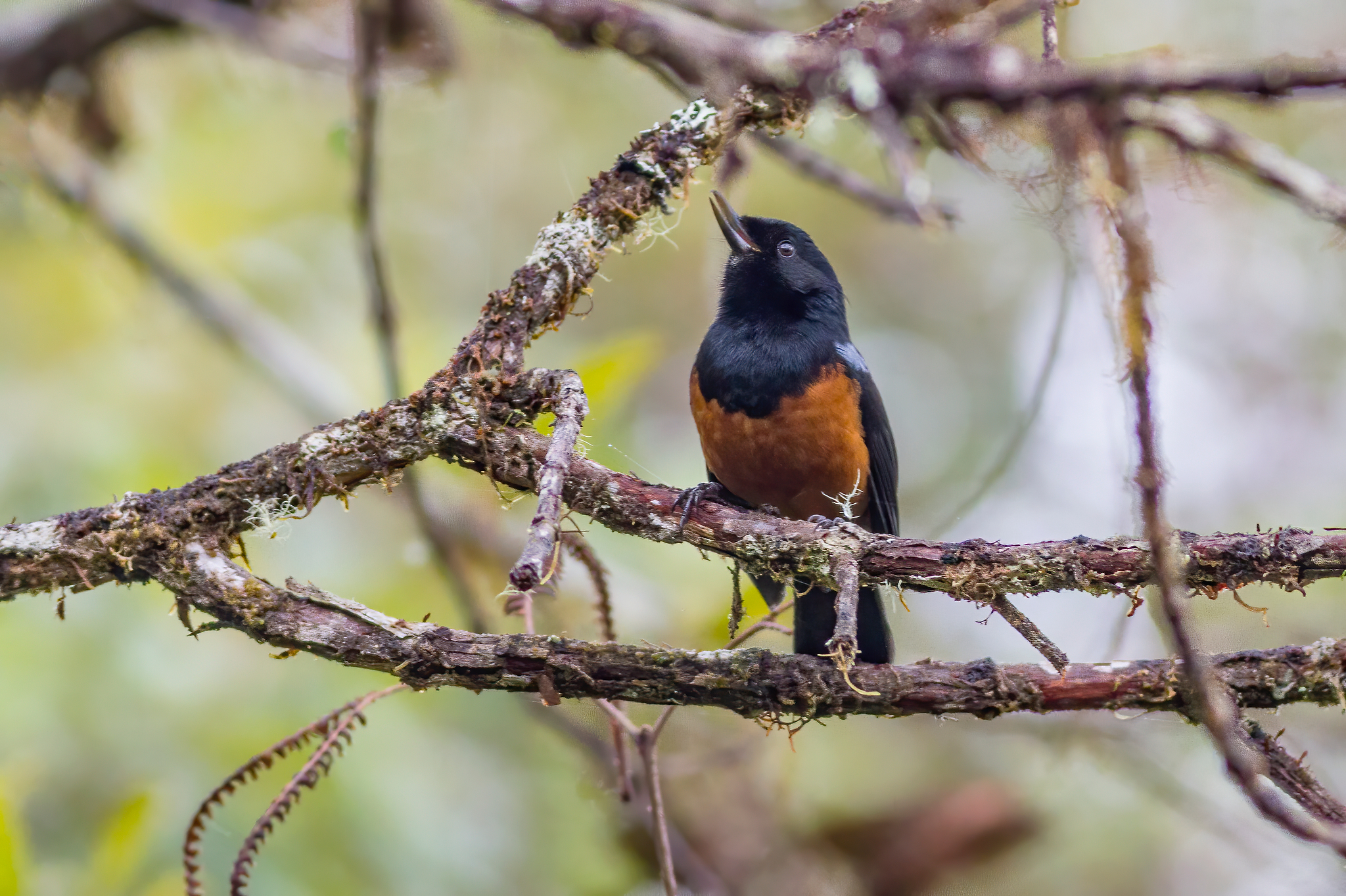
We have two full days to explore this exceptional area. On the upper slopes we will search for the endemic Gold-ringed Tanager, Chestnut-bellied Flowerpiercer, Dusky Starfrontlet and Munchique Wood Wren.
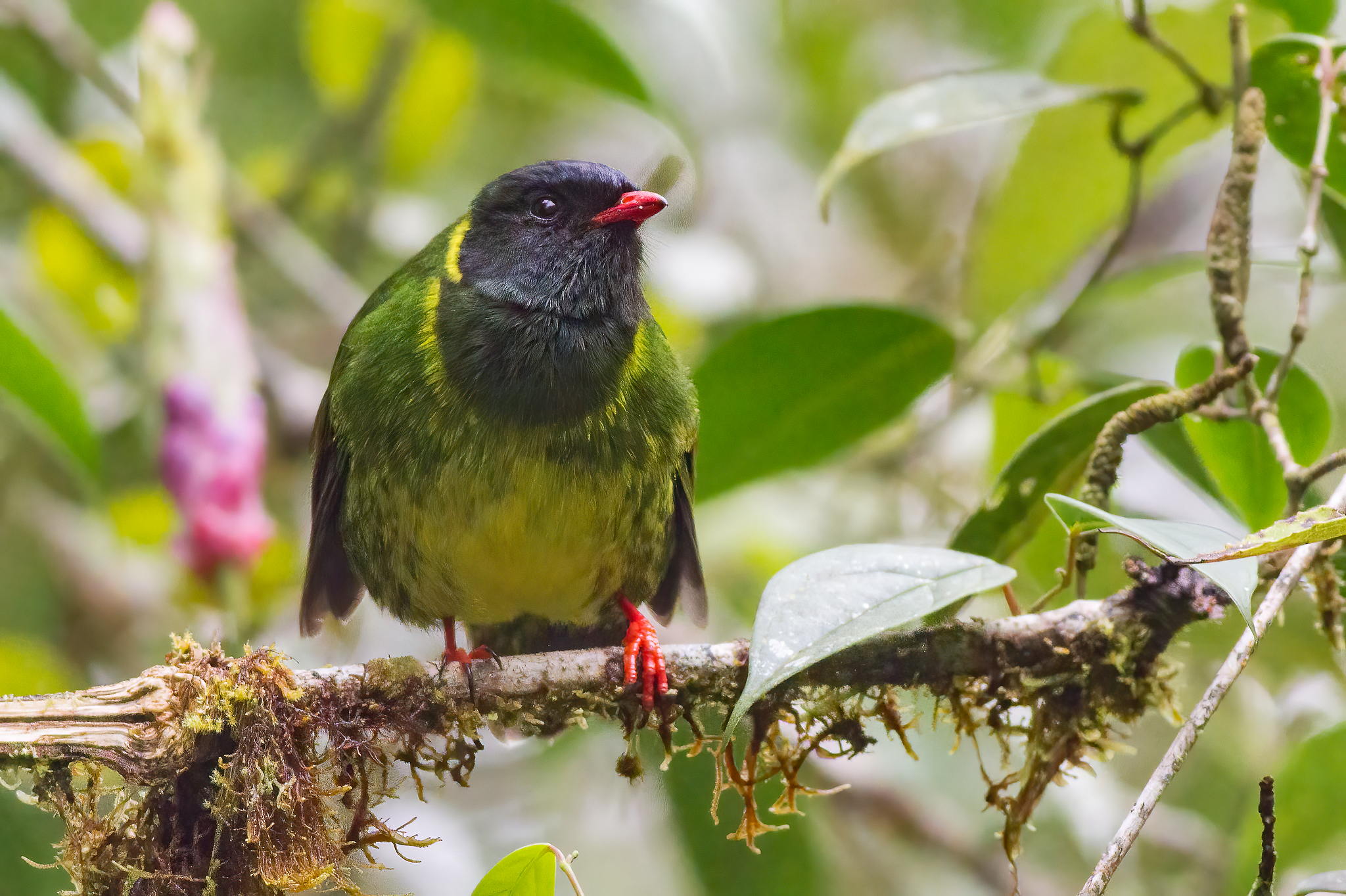
Another highly desirable endemic is the striking Black-and-gold Tanager, with Parker’s Antbird, Crested Ant Tanager and Tatama Tapaculo all possible. We will also look for Beautiful Jay, Glistening-green Tanager, Club-winged Manakin and numerous other Chocó endemics shared with northern Ecuador. With luck we may also connect with Greater Scythebill and White-faced Nunbird.
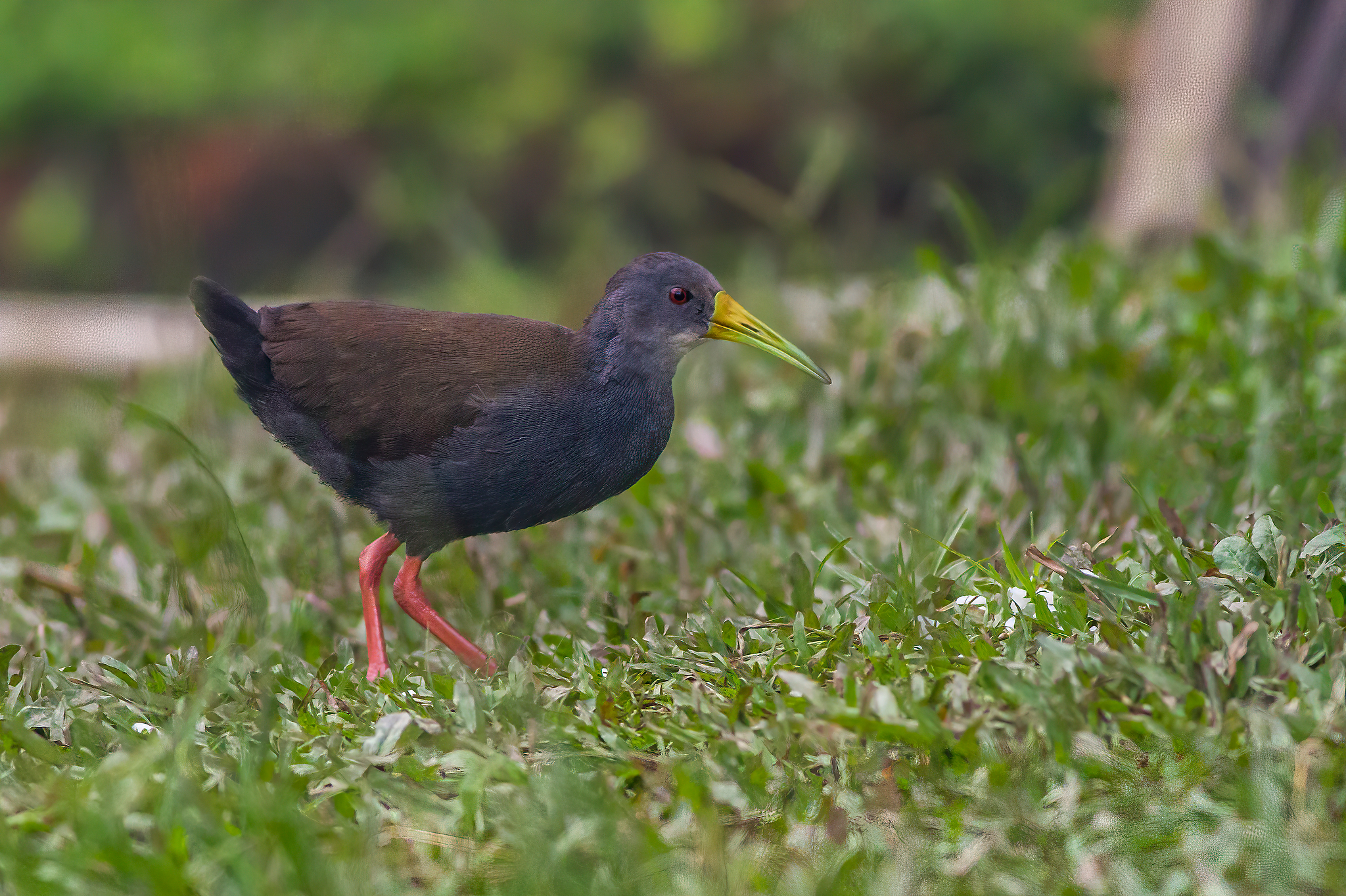
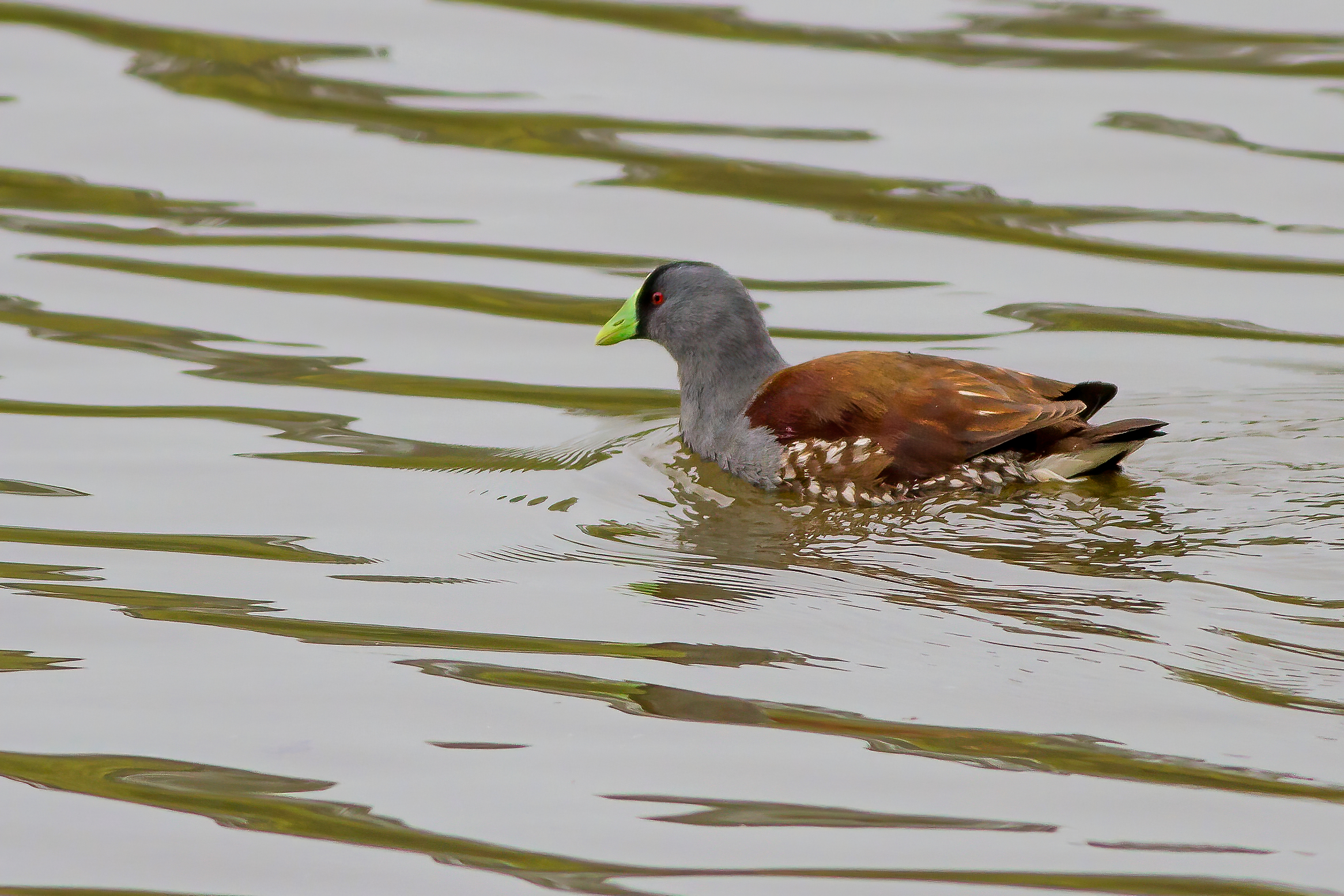
Around the lodge itself, several bird feeders attract large numbers of tanagers and hummingbirds throughout the day, and we may find Blackish Rail, which is known to visit the gardens on a regular basis.
Day 5
CERRO MONTEZUMA TO RIO BLANCO RESERVE
After a final morning birding at Cerro Montezuma, we drive to Manizales for three nights. If time allows, we take a walk around the hotel grounds where we may encounter a selection of tanagers and flycatchers, as well as the resident Southern Lapwings that breed there. Night in Manizales.
Days 6–7
RIO BLANCO AND LOS NEVADOS
We make an early start for a full day at the nearby Rio Blanco Reserve, where a wealth of new species awaits.
Among the highlights is a visit to a feeding station where several antpitta species come for mealworms, with possibilities including Brown-banded, Chestnut-crowned, Chestnut-naped, Slate-crowned and Bicoloured.
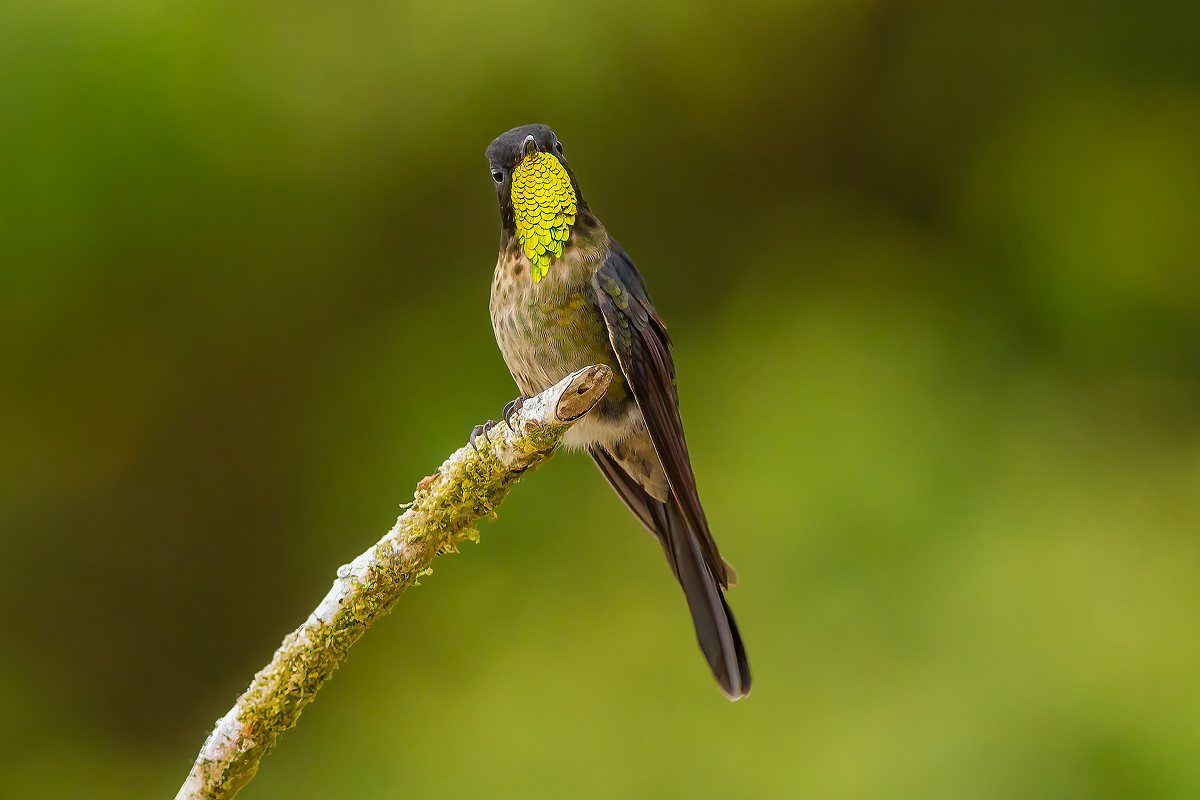
The reserve also boasts a superb set of hummingbird feeders where we can expect an excellent variety of species including Green Violetear, Tourmaline Sunangel, Speckled Hummingbird, Buff-tailed Coronet and White-bellied Woodstar.
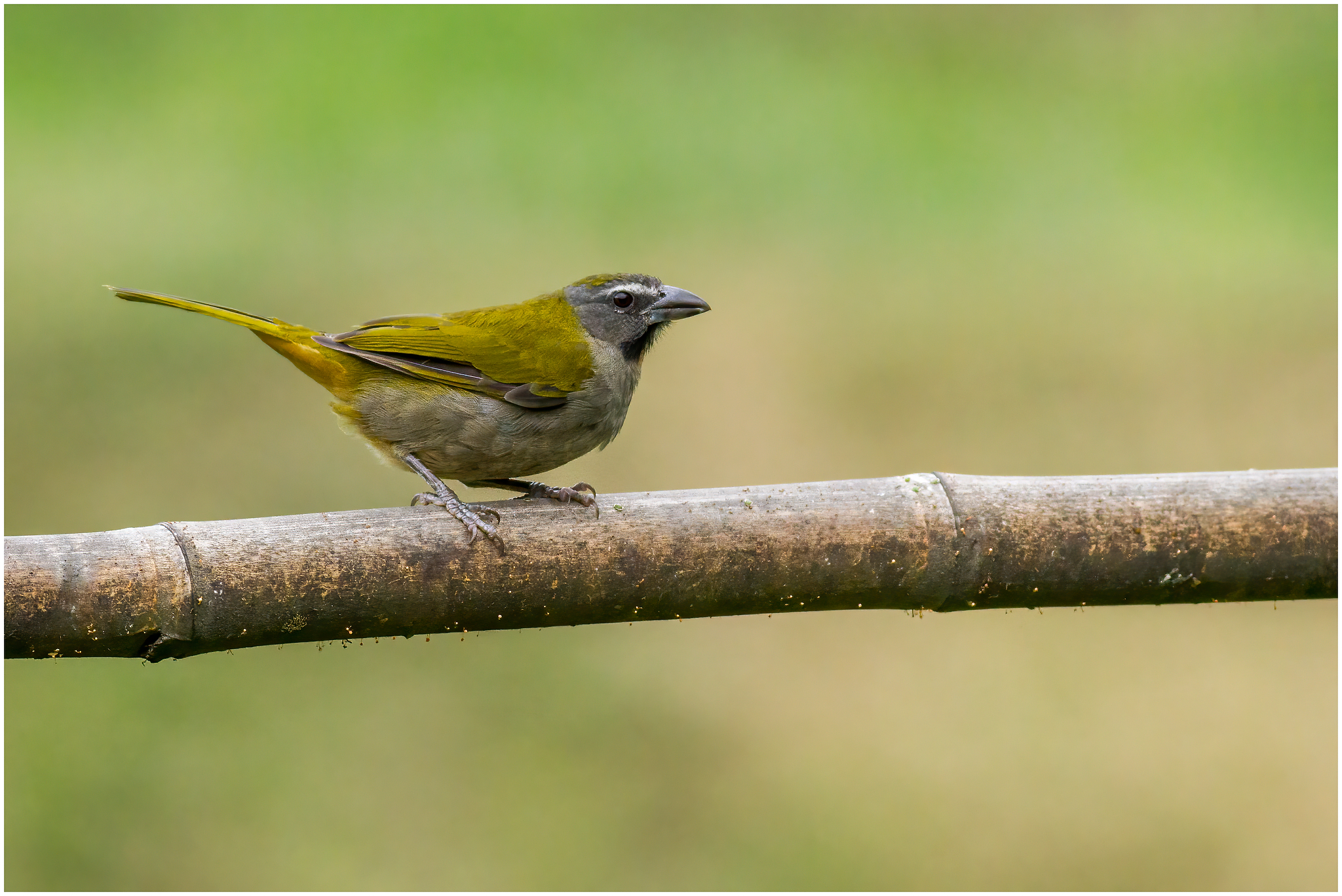
As we explore the reserve, there will be many other species to seek out, with possibilities including Dusky Piha, Black-billed Mountain Toucan, Ocellated Tapaculo, Masked Saltator, Rusty-faced Parrot and Golden-plumed Parakeet. We will also remain alert to the jay-like calls of the handsome White-capped Tanager.
Further species we will hope to find include Masked Trogon, Crimson-mantled Woodpecker, Tyrannine and Black-banded Woodcreepers, Streak-headed Antbird, Blackish Tapaculo, Rufous-crowned Tody-Tyrant, Black-capped and White-tailed Tyrannulets, Smoke-coloured Pewee, Pale-edged and Golden-crowned Flycatchers, Mountain Wren, Citrine and Russet-crowned Warblers, Masked and Glossy Flowerpiercers, Capped Conebill, Grass-green Tanager, Grey-hooded Bush Tanager and Black-winged Saltator.
We will also seek out bamboo specialists such as Black-eared Hemispingus and Plushcap, whilst after dark there may be an opportunity to search for White-throated Screech Owl, Rufous-banded Owl, Rufous-bellied Nighthawk and Band-winged Nightjar.
On our second day, we plan to visit the high temperate zone of the Nevado del Ruiz volcano, where patches of forest give way to open paramo.
Our primary target here is the endemic and highly localised Rufous-fronted Parakeet, and we will check any flowering bushes for the several colourful hummingbirds these attract, including Buffy Helmetcrest, Viridian Metaltail, Golden-breasted Puffleg, Buff-winged Starfrontlet and Shining Sunbeam.
The nomadic Black-thighed Puffleg may occasionally be present in impressive numbers, though at other times it is entirely absent. There is also a chance of the localised Mountain Avocetbill.
Other hummingbirds we will hope to see include the aptly named Rainbow-bearded and Purple-backed Thornbills, both of which are truly stunning in good light.
The forest patches can be excellent for the superb Grey-breasted Mountain Toucan, Paramo Tapaculo, White-banded Tyrannulet, Brown-backed Chat-Tyrant, Golden-fronted Whitestart, Blue-backed Conebill, Black-backed Bush Tanager, Blue-and-black Tanager and the gorgeous Golden-crowned Tanager. Further colourful tanagers could include Lacrimose, Hooded and Buff-breasted Mountain Tanagers. Two further nights near Manizales.
Day 8
MANIZALES, HACIENDA EL BOSQUE AND TRAVEL TO OTÚN-QUIMBAYA RESERVE
Leaving our hotel on the outskirts of Manizales, we make an early visit to the nearby Hacienda El Bosque, a private reserve protecting a fine tract of remnant forest. The area can be productive for the handsome Grey-breasted Mountain Toucan and is also a known site for the patchily distributed Crescent-faced Antpitta. Alongside this charming little antpitta, we will also search for Equatorial Antpitta, recently elevated to full species status following the taxonomic revision that split the Rufous Antpitta into twelve distinct species.
We spend the late afternoon birding along the road through the Otún-Quimbaya Reserve, where one of our targets could be the calling Wattled Guan. Night in Pereira.
Day 9
OTÚN-QUIMBAYA RESERVE
We make an early start to be out before first light to listen for the pre-dawn calls of the endangered Cauca Guan. This relative of the Common Turkey was believed extinct until its rediscovery at this very site during the 1990s.
As the sun rises, we attempt to locate this Colombian endemic alongside the rather furtive Wattled Guan, whilst the booming calls of lekking Red-ruffed Fruitcrows are likely to fill the air.
Working the trails, we remain alert for the whistling calls of Chestnut-breasted Wrens as they move through the forest understorey — this handsome species is probably more numerous here than anywhere else in its range.
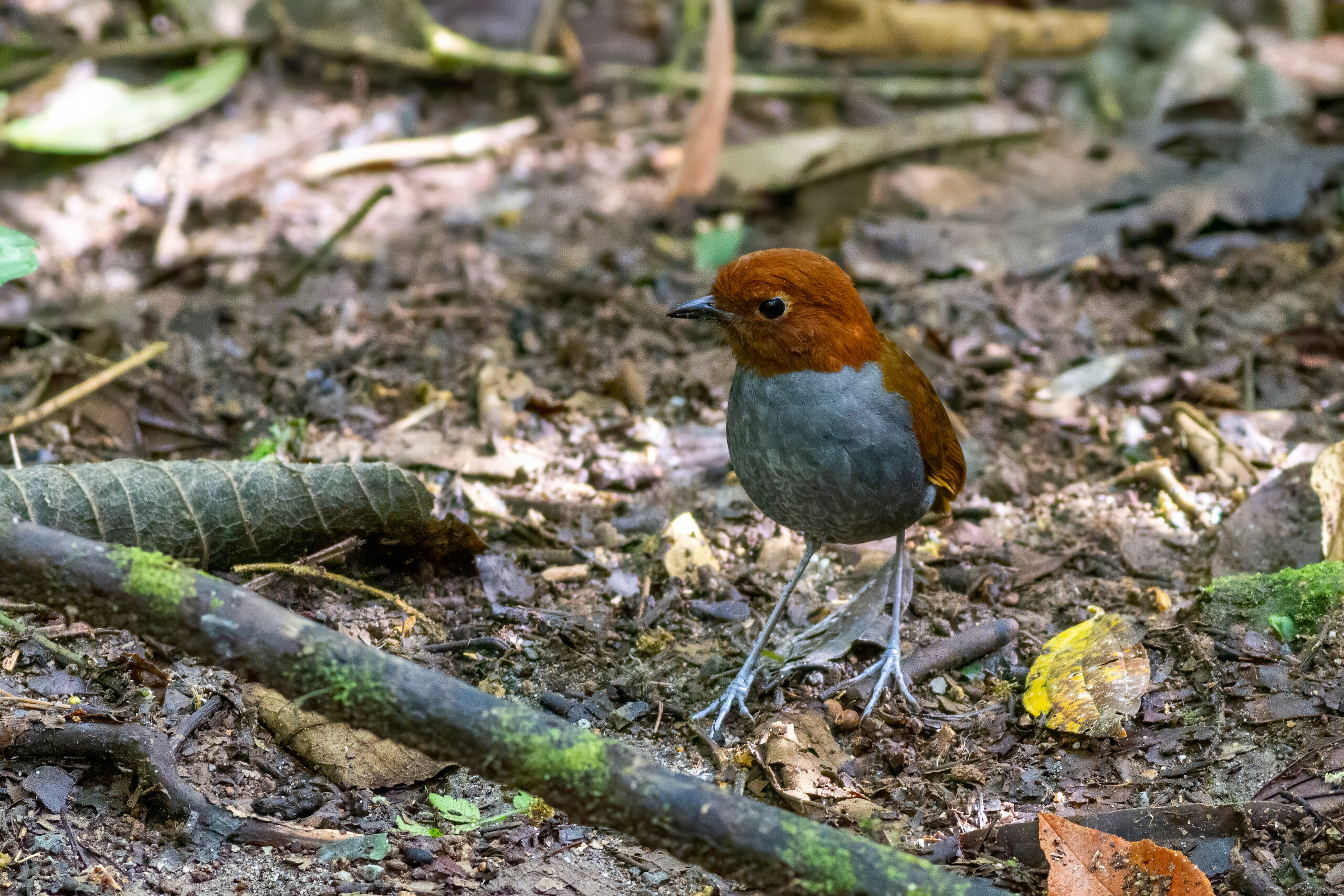
The reserve is also an excellent site for the secretive and endemic Chestnut Wood Quail and the poorly known, near-endemic Hooded Antpitta.
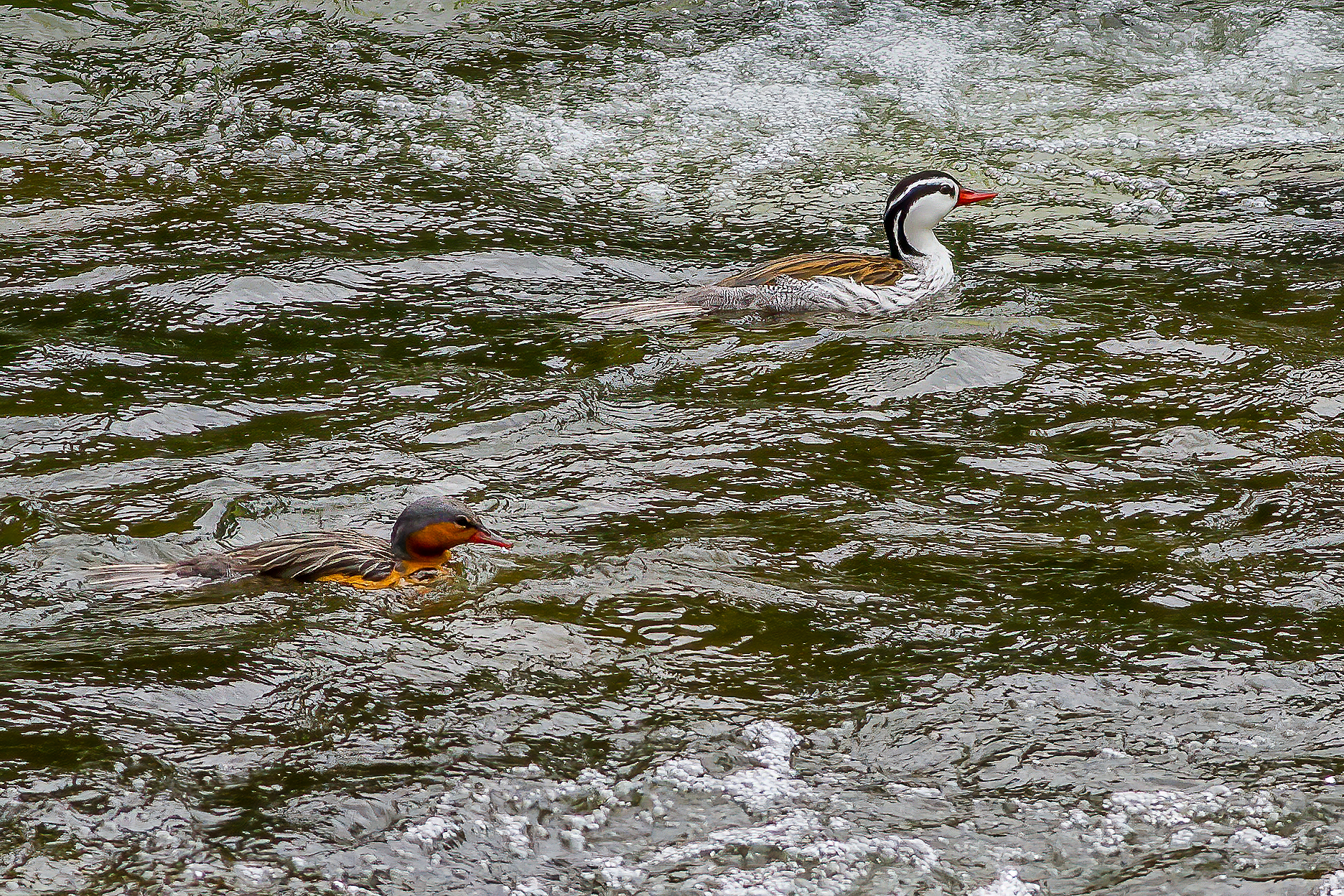
As mixed foraging flocks pass through, we scrutinise them for the localised Plumbeous-crowned Tyrannulet and Rufous-breasted Flycatcher, whilst more widespread species could include the impressive Golden-plumed Parakeet, Collared Trogon, Slaty Antwren, Marble-faced Bristle-Tyrant and Inca Jay. The nearby river offers chances for Torrent Duck, Black Phoebe and Torrent Tyrannulet.
Several further endemics are possible here, including the stunning Multicoloured Tanager, a species with a restricted range in the central Colombian Andes. Almost as eye-catching and equally endemic is Crested Ant Tanager, and we will scrutinise any passing tanager flocks for both. Stiles’s Tapaculo, described only in 2005, is another potential endemic worth watching for.
We leave the area after lunch and return to the airport for a flight north to Barranquilla on Colombia’s Caribbean coast. Night in Barranquilla.
Day 10
ISLA SALAMANCA AND MINCA
We make an early departure for Isla Salamanca, where we search for several endemics including Chestnut-winged Chachalaca and Bronze-brown Cowbird. We make a special effort for Sapphire-bellied Hummingbird, primarily a bird of mangrove forest and adjacent scrub, which has an extremely restricted world range and is classified as endangered.
We then move inland to Minca, starting with lowland species such as Russet-throated Puffbird, Whooping Motmot and Black-backed Antshrike. Several hummingbird feeders here offer a good chance of finding the highly localised Coppery Emerald.
We plan to round off the day with a late afternoon visit to a roost site where we hope to witness up to one hundred Military Macaws coming in for the night. Night in Minca.
Days 11–12
MINCA TO EL DORADO RESERVE
Minca sits at the foot of the Santa Marta mountains, the highest peaks in all of Colombia, permanently snow-capped and rising to an impressive 5,700m (18,700ft). Completely isolated from the main Andean chain, the slopes of the Sierra Nevada de Santa Marta are a celebrated hotspot for endemic species, and we have two full days to explore them.
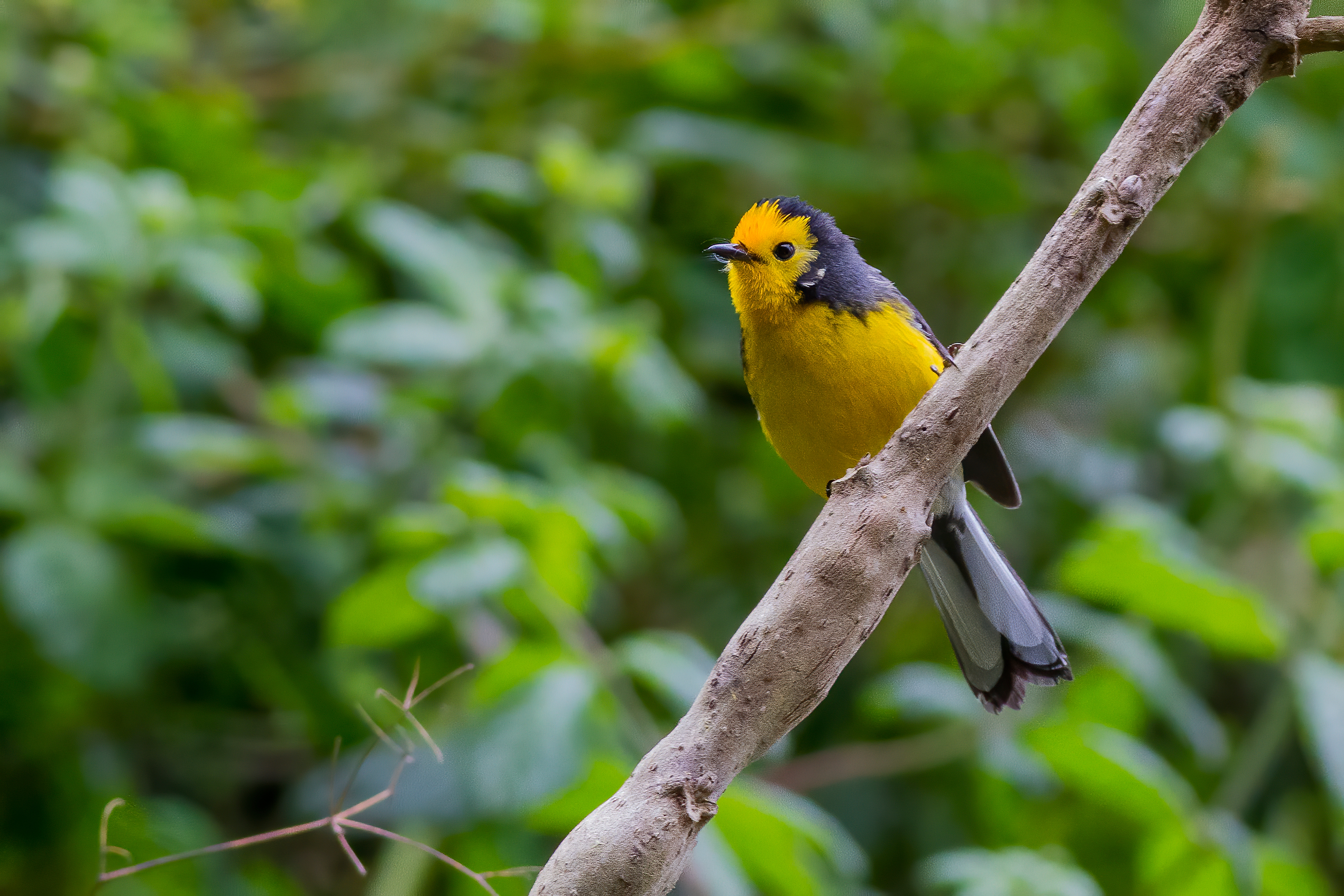
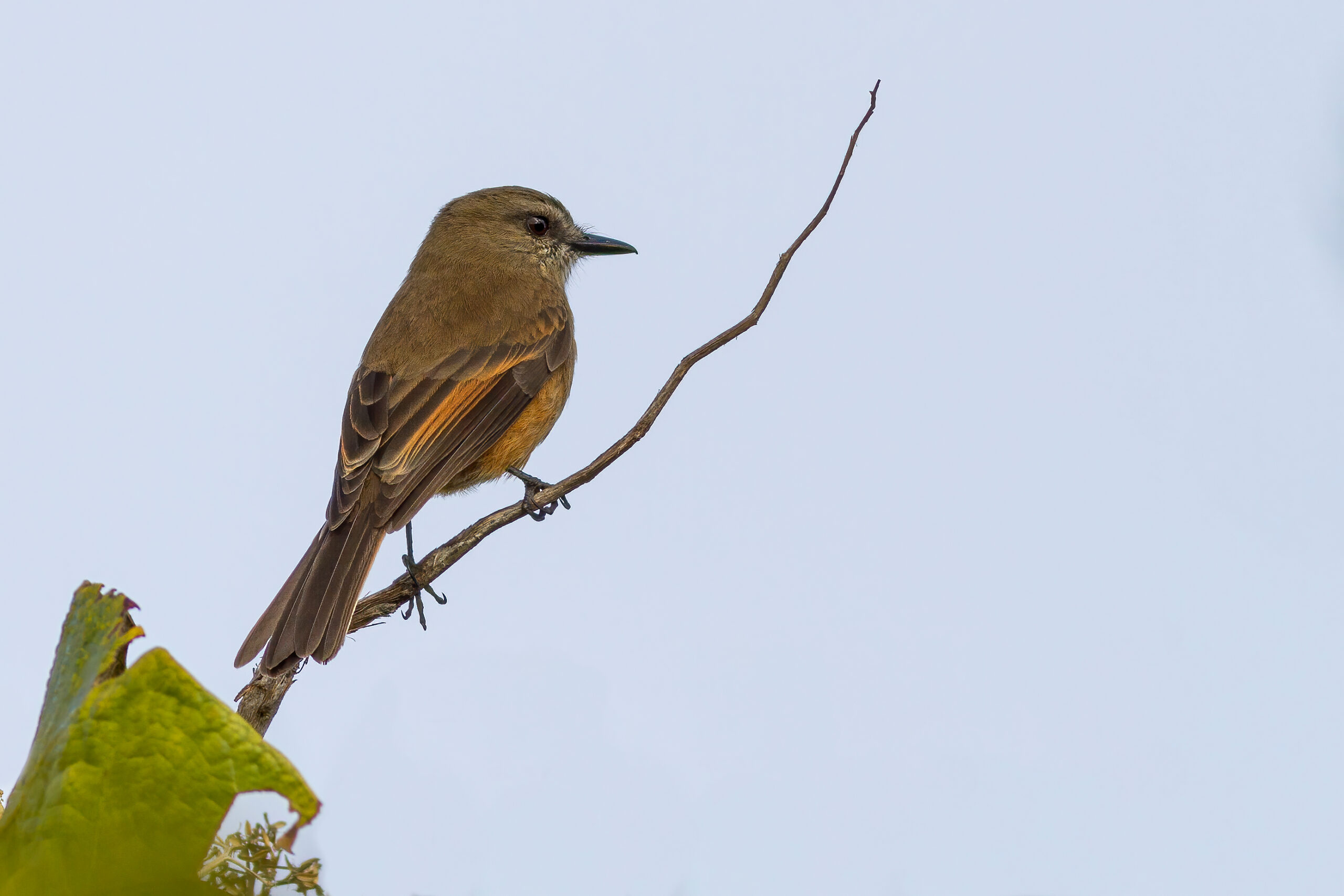
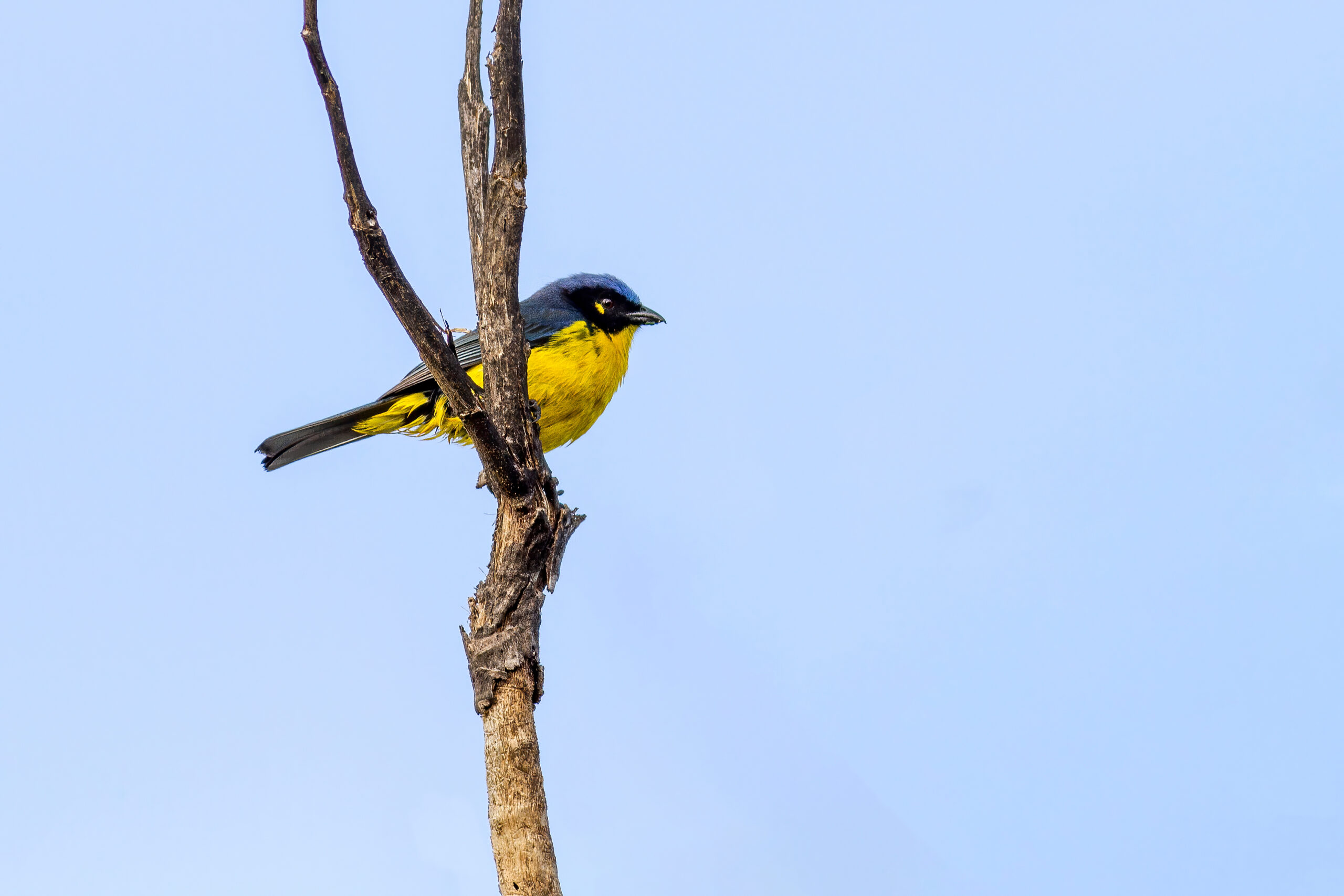
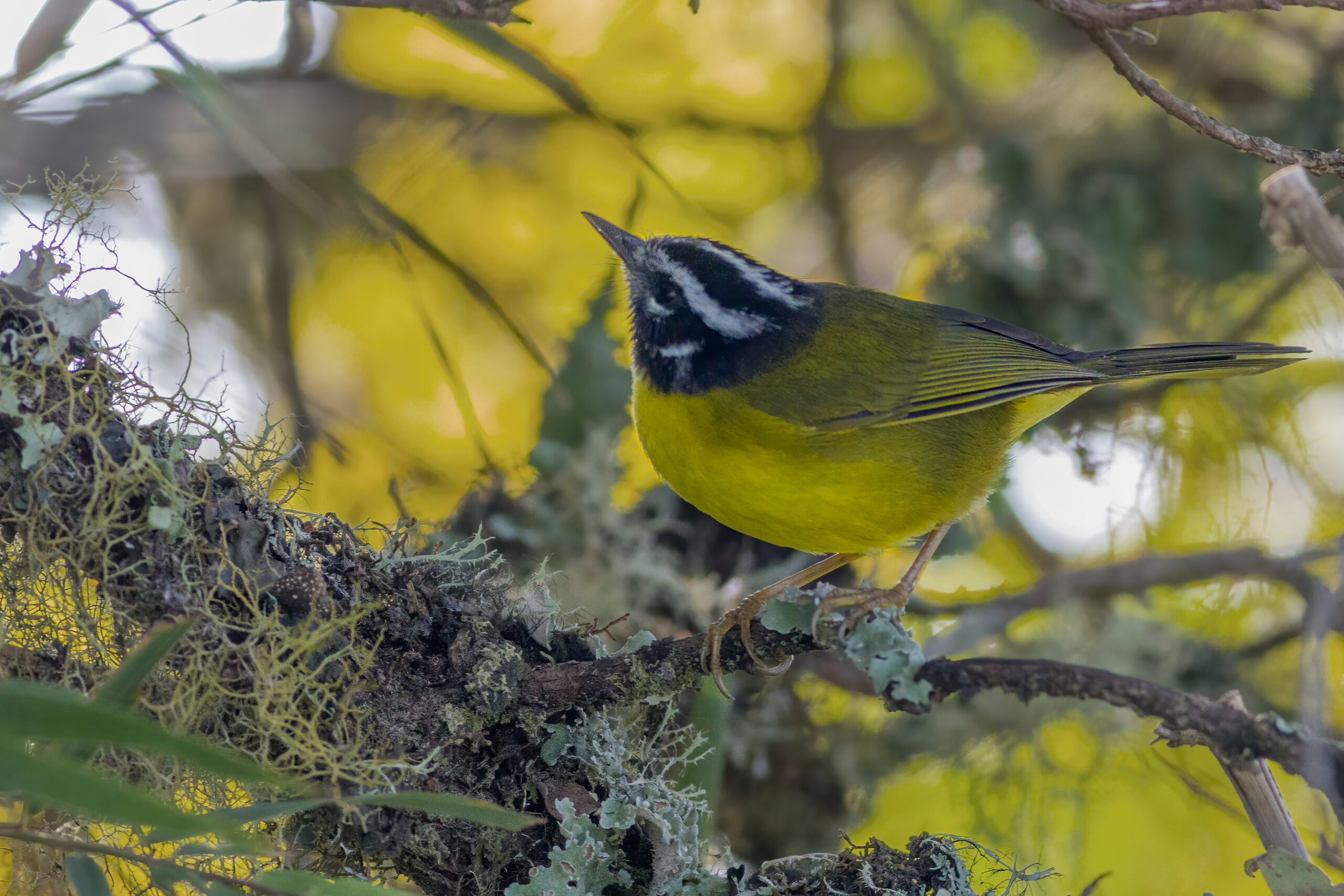
We depart early by jeep for El Dorado, a reserve established specifically to protect the unique birdlife of this region, with our base being the famous San Lorenzo Ridge at around 2,500m. A spectacular lodge here serves as our headquarters for two nights as we seek out many of the area’s specialities, including White-tailed Starfrontlet, Santa Marta Woodstar, Santa Marta Parakeet, Rusty-headed Spinetail, Santa Marta Antpitta, Santa Marta Bush Tyrant, Santa Marta Brushfinch, Santa Marta Warbler, White-lored Warbler, Yellow-crowned Whitestart, Santa Marta Seedeater and Santa Marta Mountain Tanager.
Further possibilities include White-tipped Quetzal, White-rumped Hawk, Black-and-chestnut Eagle, Black-fronted Wood Quail, Golden-breasted Fruiteater and Lined Quail Dove. In the evening we search for the elusive and recently described Santa Marta Screech Owl. Two nights at El Dorado Reserve.
Day 13
EL DORADO RESERVE TO LA GUAJIRA
We enjoy a final morning birding around the San Lorenzo Ridge before beginning our descent to the lowlands, making various stops along the way where new endemics could include Santa Marta Blossomcrown, Santa Marta Tapaculo and Santa Marta Foliage-gleaner.
Moving down to the coast at La Guajira, we search for several Coro endemics, some of which are shared with extreme western Venezuela, all restricted to this distinctly arid habitat. Those we hope to see include Chestnut Piculet, Tocuyo Sparrow, Vermilion Cardinal and Buffy Hummingbird. We will also look for Double-striped Thick-knee, Bare-eyed Pigeon, White-whiskered Spinetail, Black-crested Antshrike, Northern White-fringed Antwren, Russet-throated Puffbird, Venezuelan Flycatcher, Pale-eyed Pygmy Tyrant, Orinocan Saltator and Glaucous Tanager. Night in La Guajira.
Day 14
LA GUAJIRA, FLY TO BOGOTÁ AND ONWARDS TO UK
We have a few hours to look for any La Guajira specialities that proved elusive the previous day, before heading to the airport for a midday flight back to Bogotá and our onward international connection to the UK.
Day 15
ARRIVE UK
WHAT TO EXPECT
Our Colombia birding tour focuses on finding a fantastic range of the endemic and near endemic species in this bird-rich country. We will visit a range of habitats from the high paramo in the Central Andes, lush cloud forest, the remote mountains of the Sierra Nevada de Santa Marta and the Caribbean coast at Isla Salamanca and La Guajira. The list of potential species is spectacular, and we hope to see at least 450 species and potentially 45 endemics and near endemics.
We will be making early starts most days as bird activity in Colombia is at its best during the first three hours of daylight. These will be tempered with leisurely lunches, afternoon siestas (where possible) and occasional relaxed afternoons, plus some early finishes in the evenings.
Breakfasts and dinners will generally be taken at our lodge/hotel and lunches may be picnics in the field or at a hotel/lodge/restaurant depending on the plans for that particular day.
All the lodges and hotels we have selected provide comfortable accommodation with private facilities.
Laundry services will be available at some of the locations for a modest fee but it would probably be advisable to bring enough quick drying clothes with you as many locations rely on lines to dry washing.
At Los Nevados, we will be birding for a short time at up to 4,100m (13,450 feet) but most of our birding will be done at lower elevations. The highest elevation we will stay at is in Bogotá at c.2,600m (8,500 feet).
Colombia has a tropical to temperate climate (due to the effects of altitude) and our tour runs during one of the two Colombian ‘dry seasons’. Rainfall can (and does!), of course, occur year-round in the mountains and rainforests. It can often be cool and misty in the mountains and cloud forest, and it will be cold and breezy in the early morning on the paramo at Los Nevados, where warm, waterproof clothing including gloves, scarves and a warm hat will be required.
In contrast, our birding on the Caribbean coast near Barranquilla and La Guajira will be in hot to very hot conditions (26-32C/79-90F) although in the Sierra Nevada de Santa Marta (at Minca and El Dorado Lodge), where most of our time in the north will be spent, we will enjoy pleasant to cool upland temperatures with a likely high of c.25C/77F.
Bird photography is generally tricky in the forests due to low light levels but there will be good to excellent photographic opportunities in more open habitats especially at feeders around the lodges and at the coast.
BIRDS
450+ species
ACCOMMODATION
12 nights accommodation at good, medium grade hotels and lodges in Colombia. All rooms have private facilities.
Our hotels at Minca and Santa Marta are especially characterful and geared up for wildlife watchers. Hotel Minca is newly refurbished and has a fine view and setting, with numerous hummingbird feeders to enjoy whilst El Dorado Lodge, our base in the Santa Marta Mountains, is fairly simple with accommodation in cabins accessed down a flight of stairs and a path. The rooms are lovely and kept very clean and the birding here is out of this world!
There will be five additional nights on the extension with all of these in comfortable accommodation.
MEALS
All main meals are included in the tour price, commencing with breakfast on arrival in Bogotá on Day 2 and concluding with breakfast there prior to our flight home again on Day 14 or lunch on Day 19 for those on the extension.
Food is generally good in Colombia, with large portions! Try a traditional Colombian Paisa lunch with beans and rice, pork and banana. Steaming mugs of hot chocolate are another a great Colombian tradition to look forward to!
WALKING
Colombia is a mountainous country so expect some trails to be steeper in parts but these are always taken slowly, at normal birding pace with frequent stops. Wherever possible, we aim to drive uphill in our vehicle and walk back down the slope.
The walking effort is mostly easy, but moderate at times due to the terrain and the altitude.
As one would expect, rainforest trails can sometimes be wet, muddy and/or slippery underfoot, so sturdy waterproof walking shoes or lightweight boots with stout corrugated soles for grip are essential..
GROUND TRANSPORT
Minibuses, driven by local drivers, and equipped with air-conditioning.
At the Montezuma Reserve and in the Santa Marta Mountains, we must use 4×4 Toyota Land Cruisers or similar as the unmade roads are very rough in places. Please note that rides in these will be bumpy and can be a little uncomfortable at times, and the going is slow, but the distances to be covered are not great.
Tour Gallery
View a gallery of images for this tour below, click on an image to view as full size with caption
Ask About This Tour
If you have any questions about this tour, please enter your details here and we will get back to you as soon as possible.
Alternatively, contact us by email or phone. We look forward to hearing from you!
- 01692 580623
- tours@limosaholidays.co.uk
Or complete the contact form and we will endeavour to get back to you as soon as possible.
* = required field

