The Seychelles
Island-hopping in an Indian Ocean paradise
A relaxed-paced 11-day holiday to the Seychelles looking for endemics and marvelling at the seabirds on the incredible Bird Island
With palm-fringed white sandy beaches, lapped by crystal clear turquoise water, the Seychelles are considered to be amongst the most beautiful island groups in the world. Whilst this isolated archipelago (which is 800 miles off the coast of Africa and 700 miles north of Madagascar) is a popular ‘sun, sea and sand’ destination, it is also a great place for a relaxed birding holiday due to the combination of some of the rarest endemics in the world and some simply stunning concentrations of seabirds.
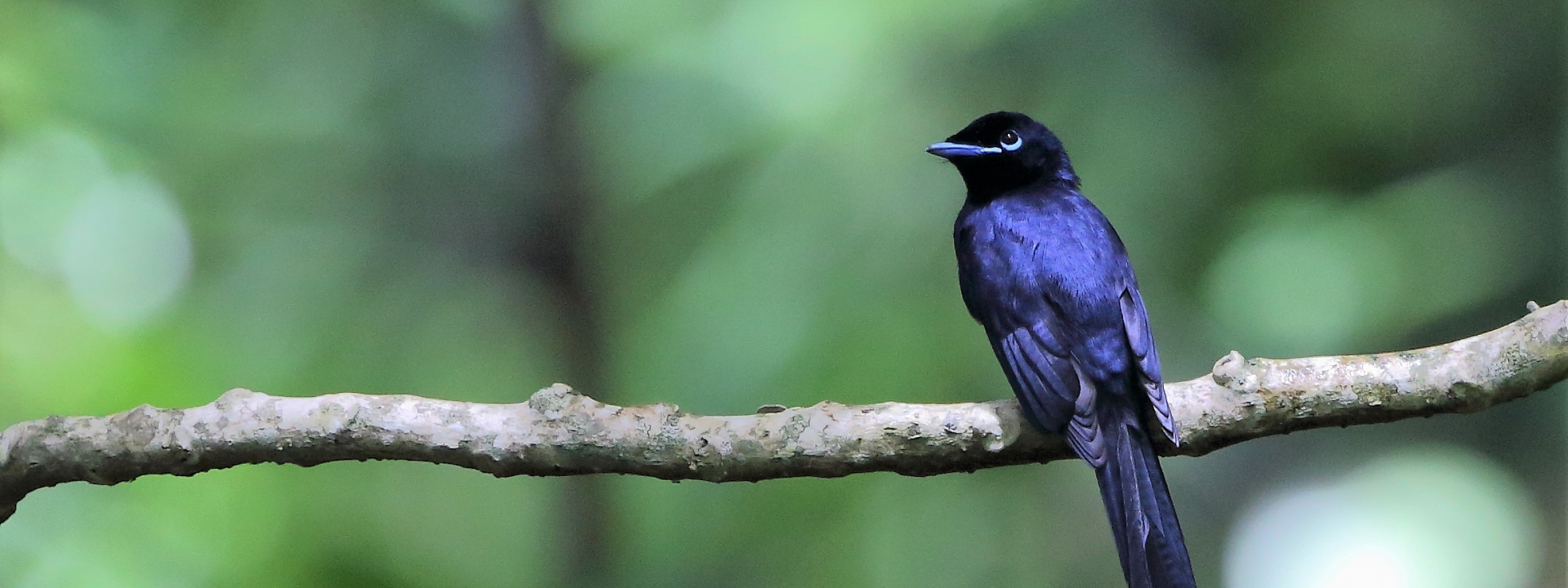
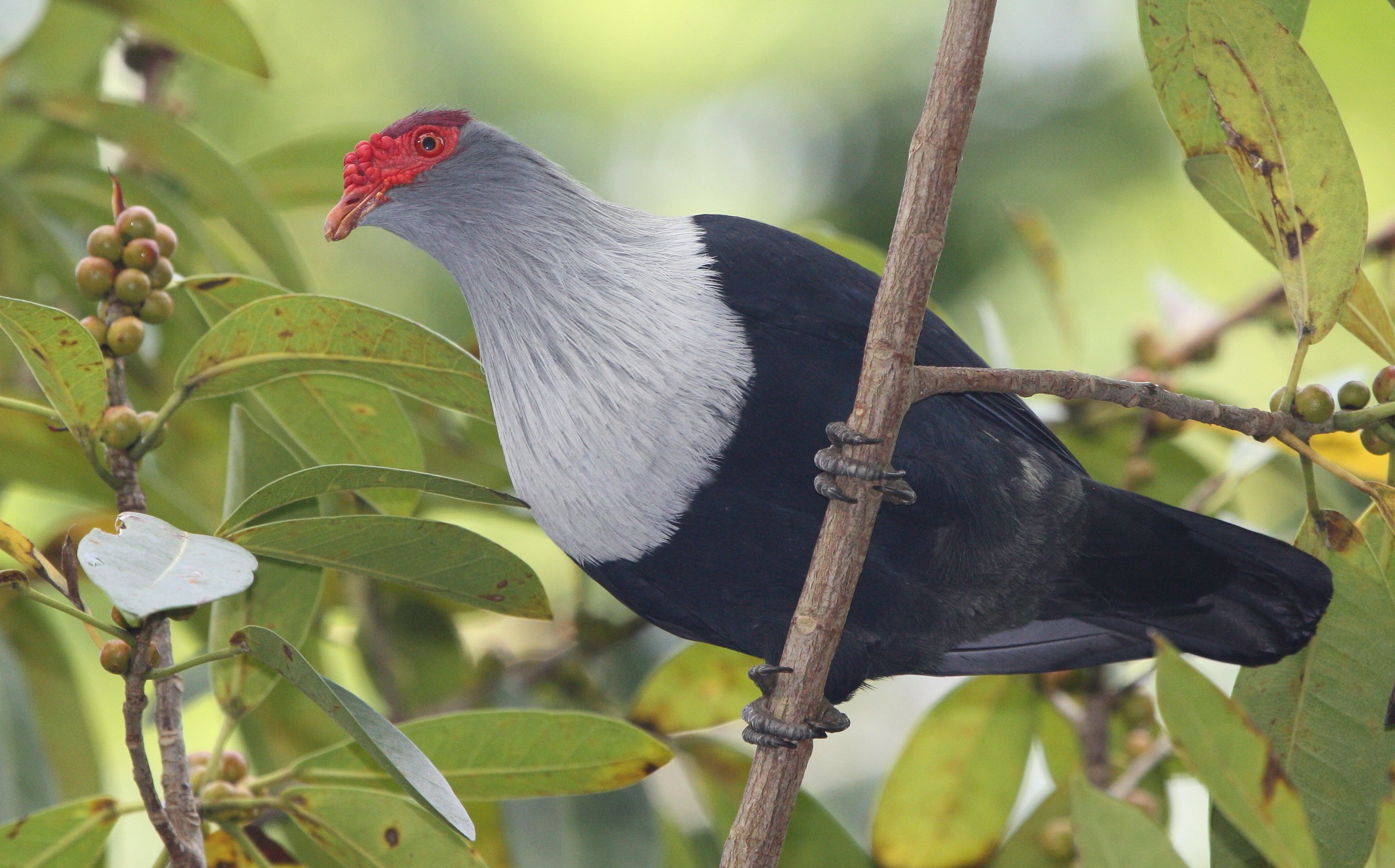
On this tour, we visit five of the key islands providing the opportunity to not only look for specialities such as Seychelles Parrot, Seychelles Blue-Pigeon, Seychelles Paradise Flycatcher and Seychelles Magpie Robin but also includes time on the extraordinary Bird Island which is home to over one million seabirds and described by Limosa Leader Christopher Hall as “one of my favourite places on the planet”.
Our trip will run at a relaxed pace with ample opportunities for sightseeing, swimming, snorkelling or just ‘chilling out’ but will, nevertheless, provide keen birders with the opportunity to see a dozen species which are found nowhere else on Earth.
Tour Dates & Prices
Mon 28th June 2027
Thu 8th July 2027
- Available
Tour Cost: 11 Days from £6595 excluding flights from London or £6595 land only
What's Included?
• Led by Limosa’s expert guide, Christopher Hall
• 8 nights accommodation in the Seychelles staying at comfortable hotels and lodges
• All main meals and drinking water provided
• All excursions, transfers, local guides, permits, entry fees
• All tour-based tips (lodges, drivers and local guides) and taxes
• Limosa checklist of birds
Cost Excludes
Insurance, visa fees, drinks, airport snacks/meals and other items of a personal nature
Additional Information
When details of this tour were released, the conflict between the US and Iran was ongoing. As a result of the uncertainty and lack of clarity on the flight options between the UK and the Seychelles, it has not been possible to offer a flight-inclusive price.
Our intention is to do this once the flights are released in August 2026. Anyone booking the ‘land only’ tour will be able to upgrade to a flight-inclusive package once we know the route we plan to use and it is anticipated this decision will be taken in August 2026.
Tour Highlights
- Look for all of the Seychelles endemic birds (except those on Aldabra) including Seychelles Parrot, Seychelles Blue-Pigeon, Seychelles Paradise Flycatcher and Seychelles Magpie Robin
- Visit five islands within this stunning archipelago – Mahe, Praslin, La Digue, Cousin and Bird
- Four nights on Praslin with visits to La Digue and Cousin
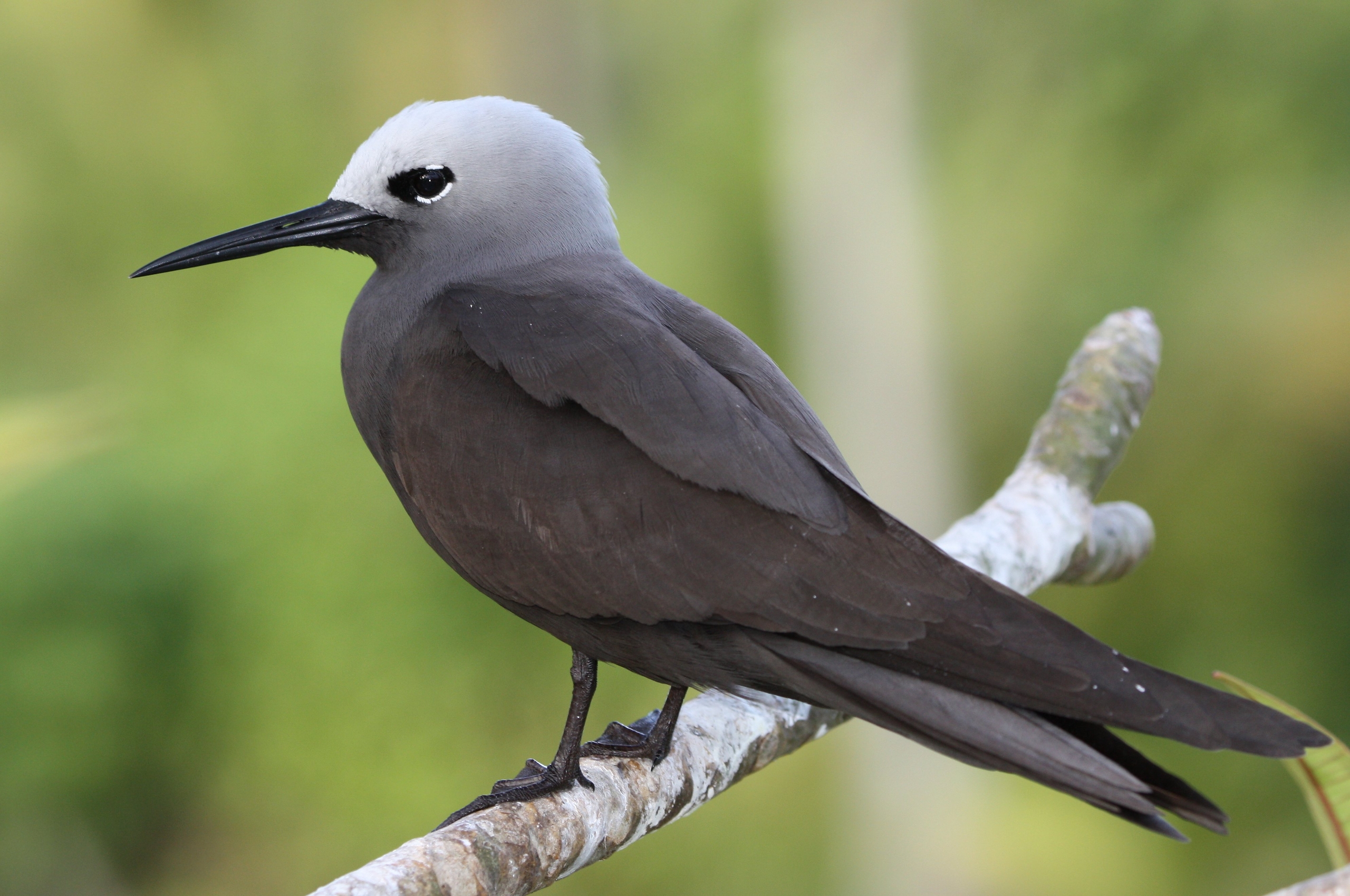
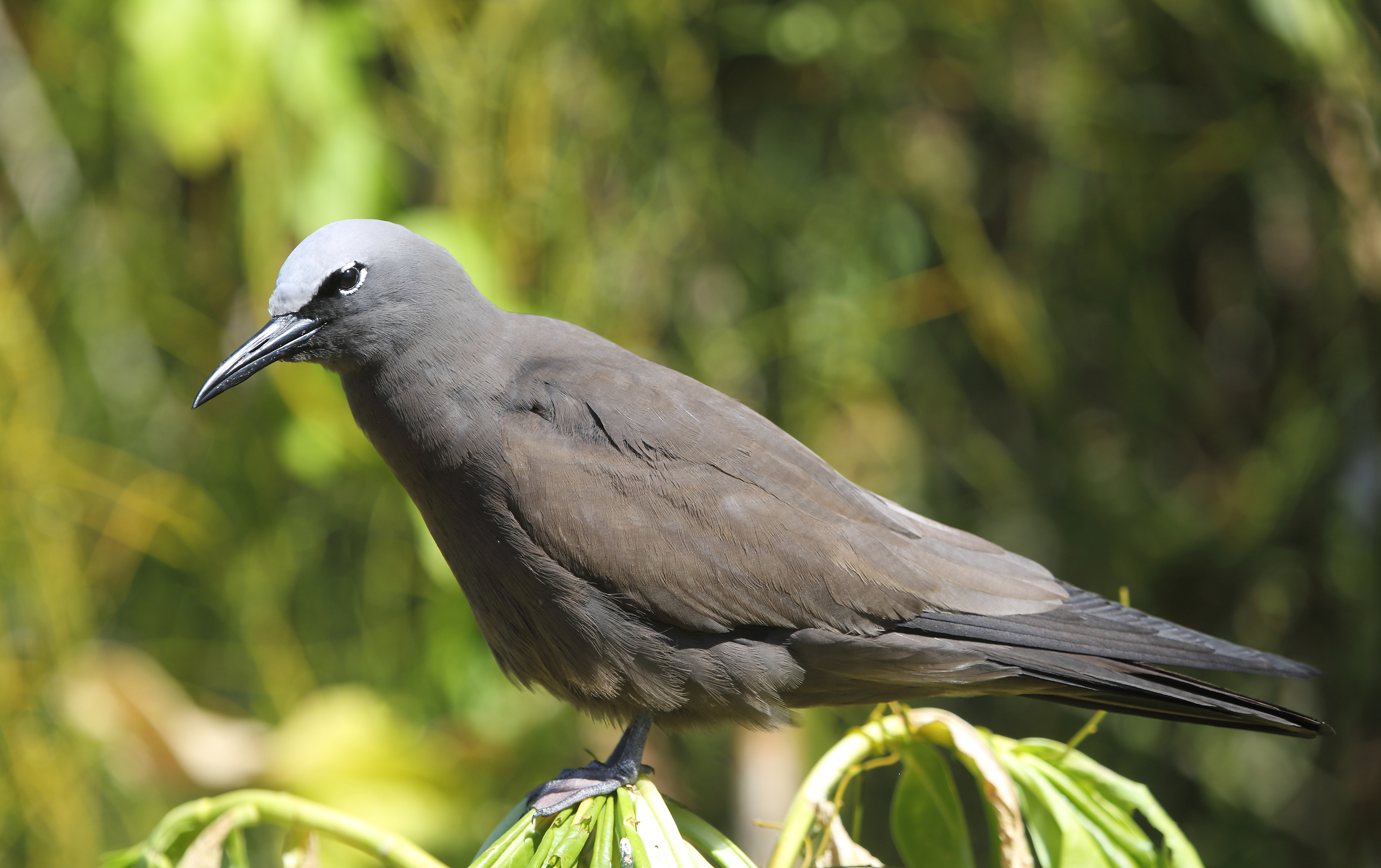
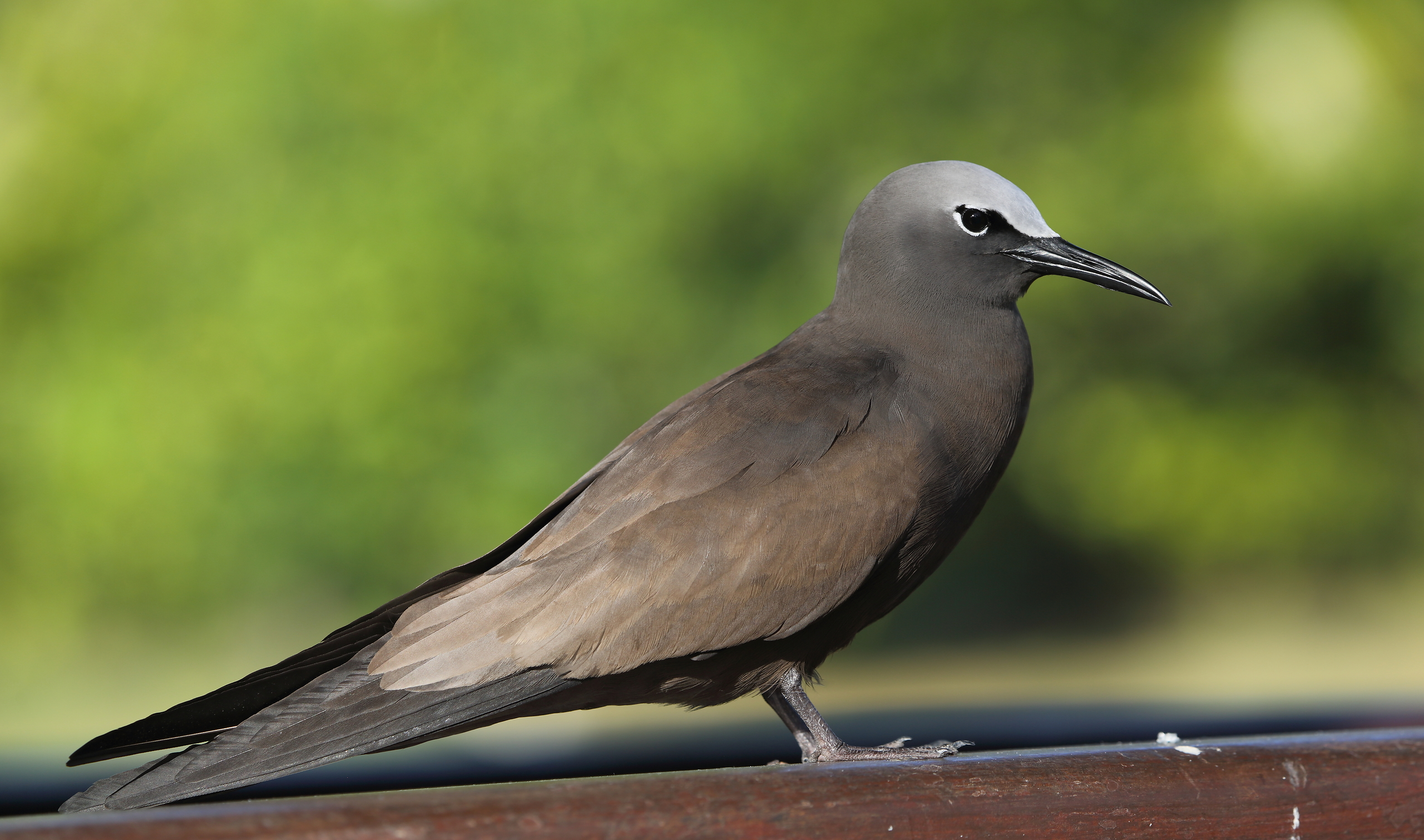
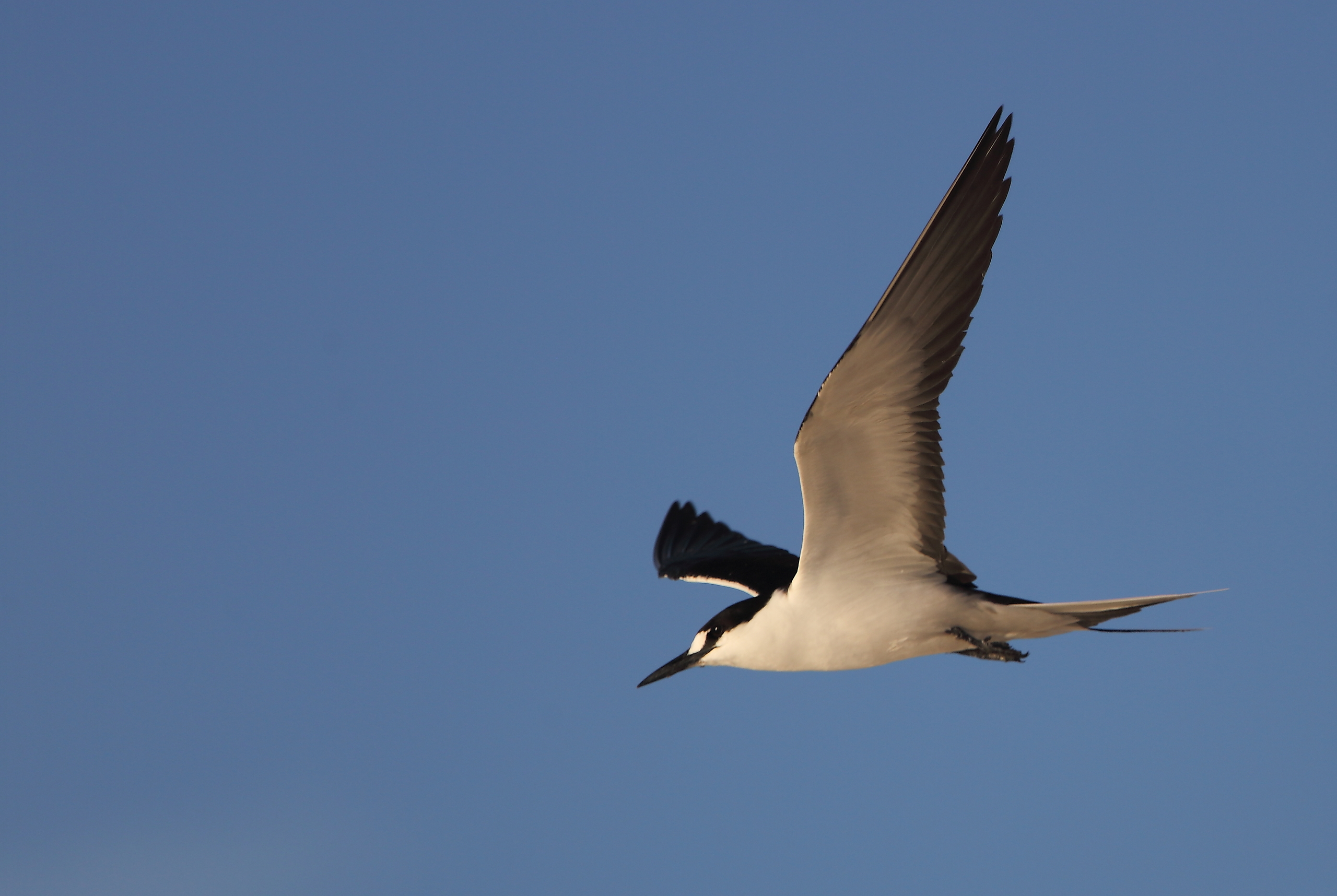
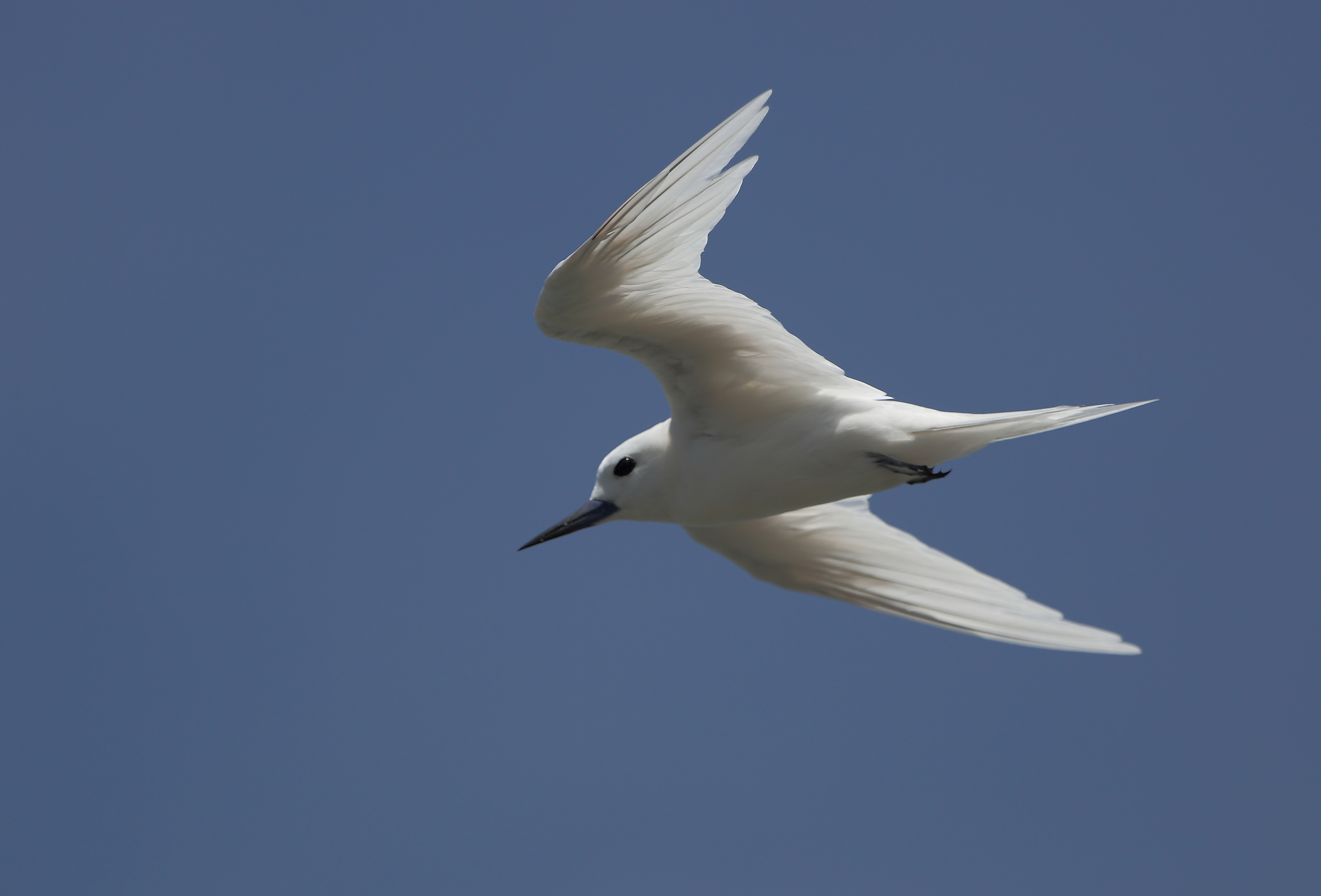
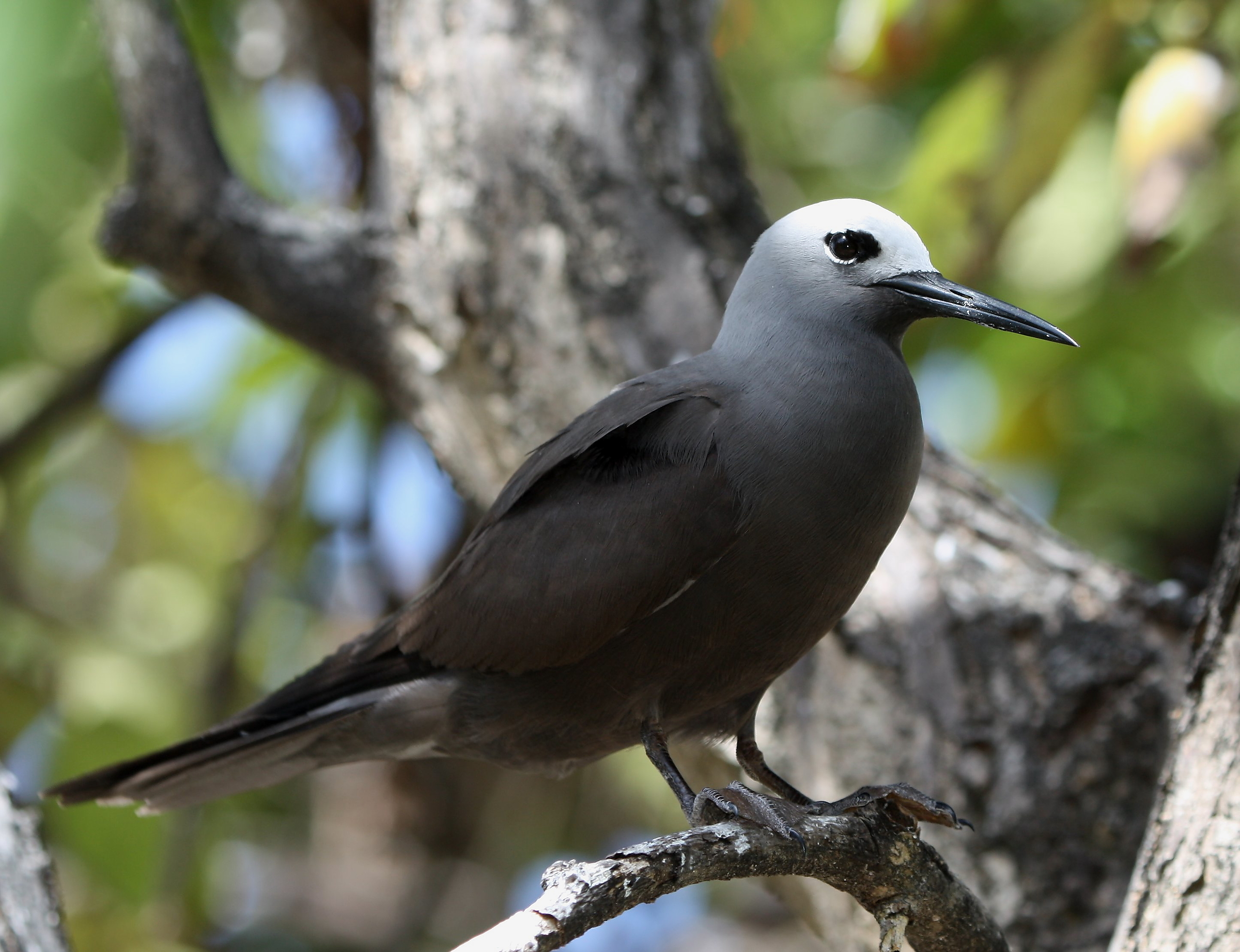
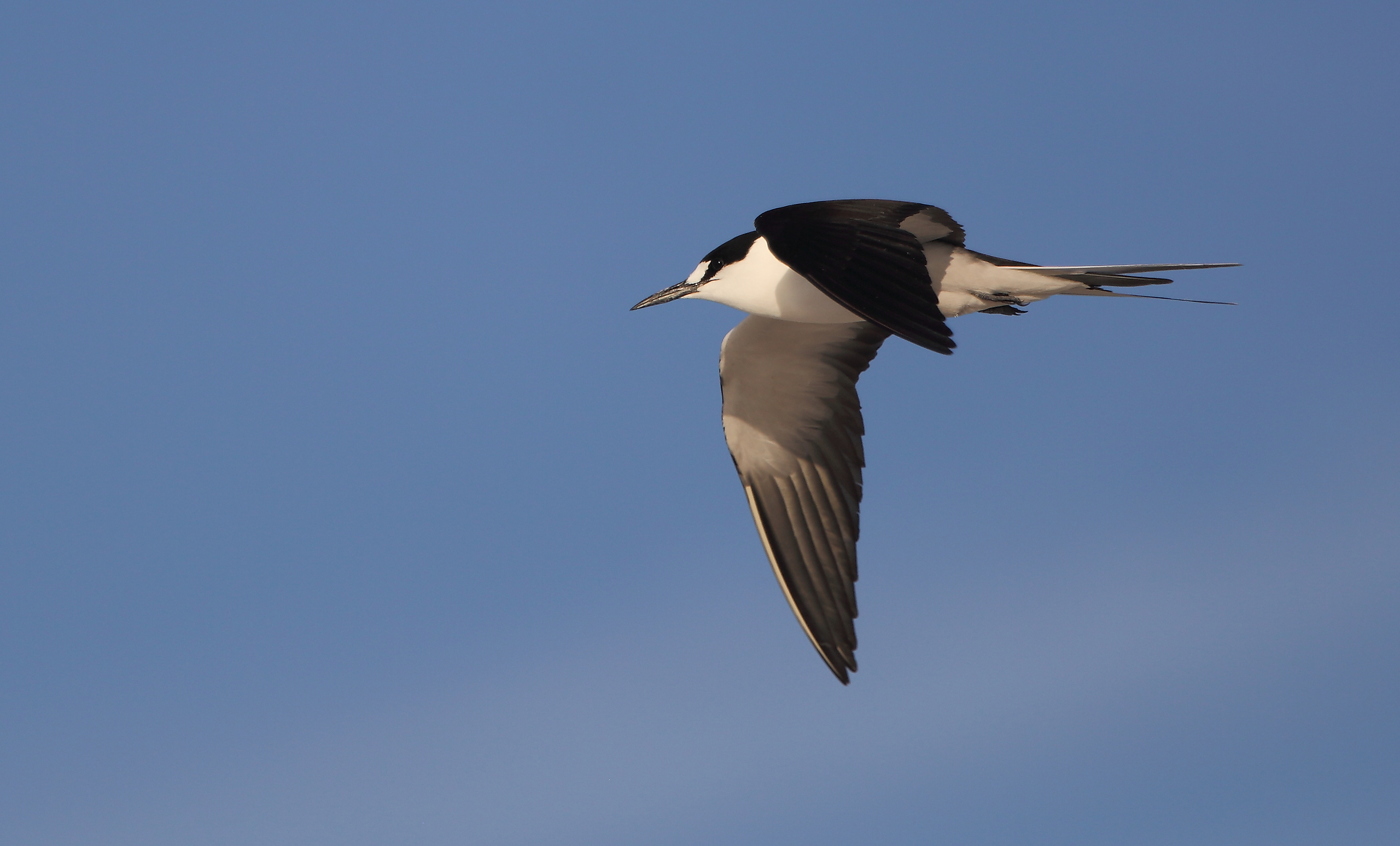
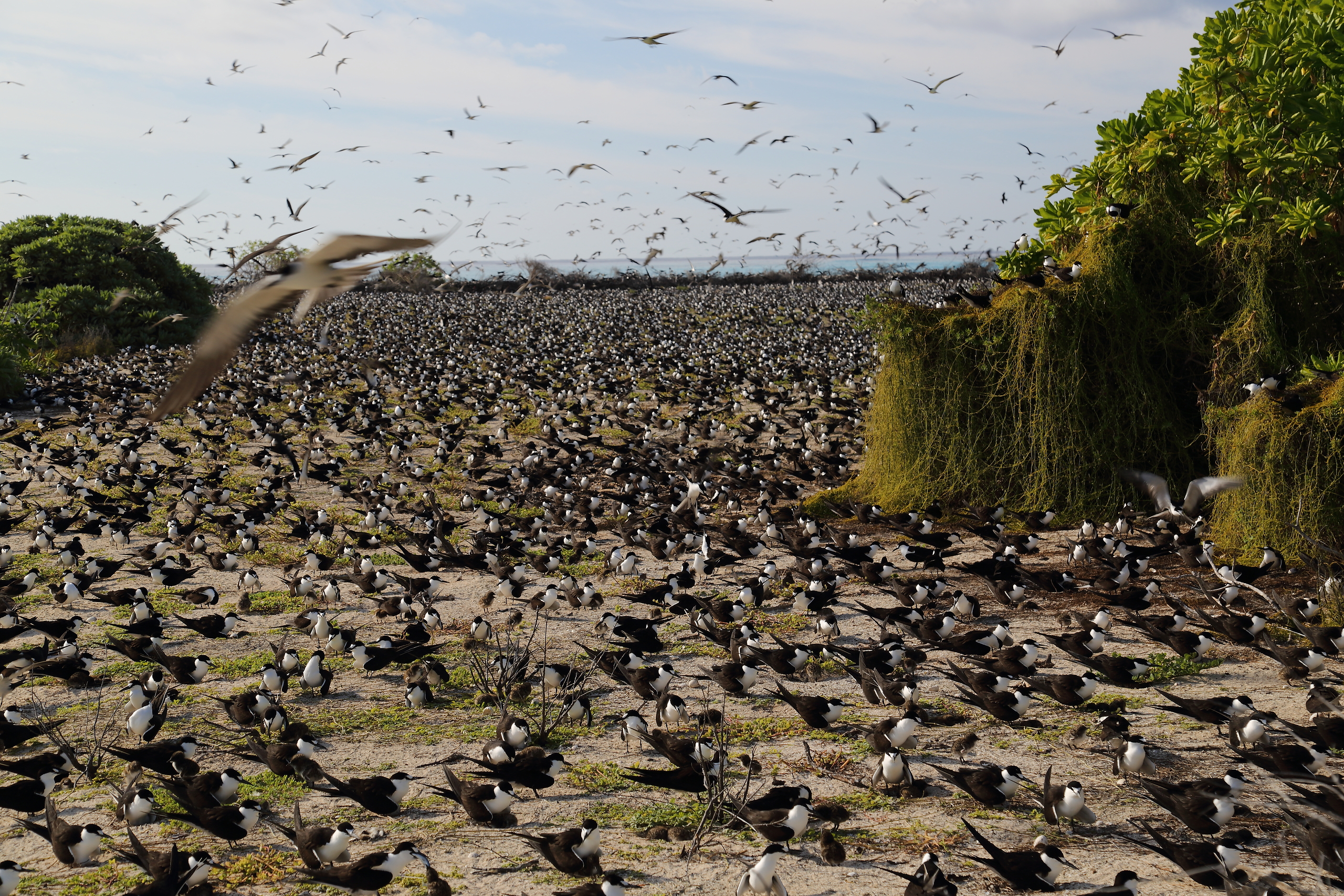
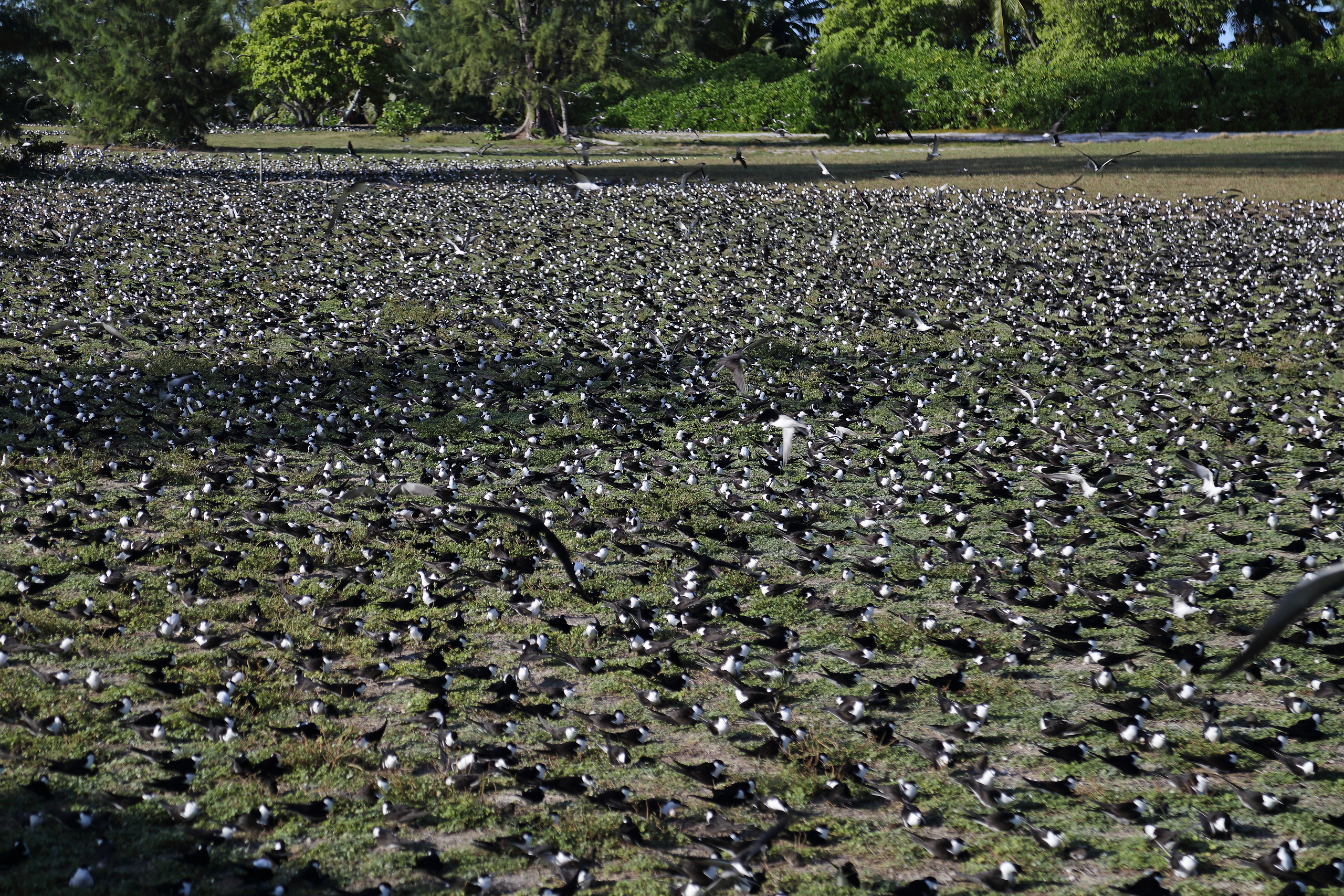
- Three nights on the unique Bird Island with its mega seabird colonies which include over one million Sooty Terns, as well as Brown and Lesser Noddies and White Terns
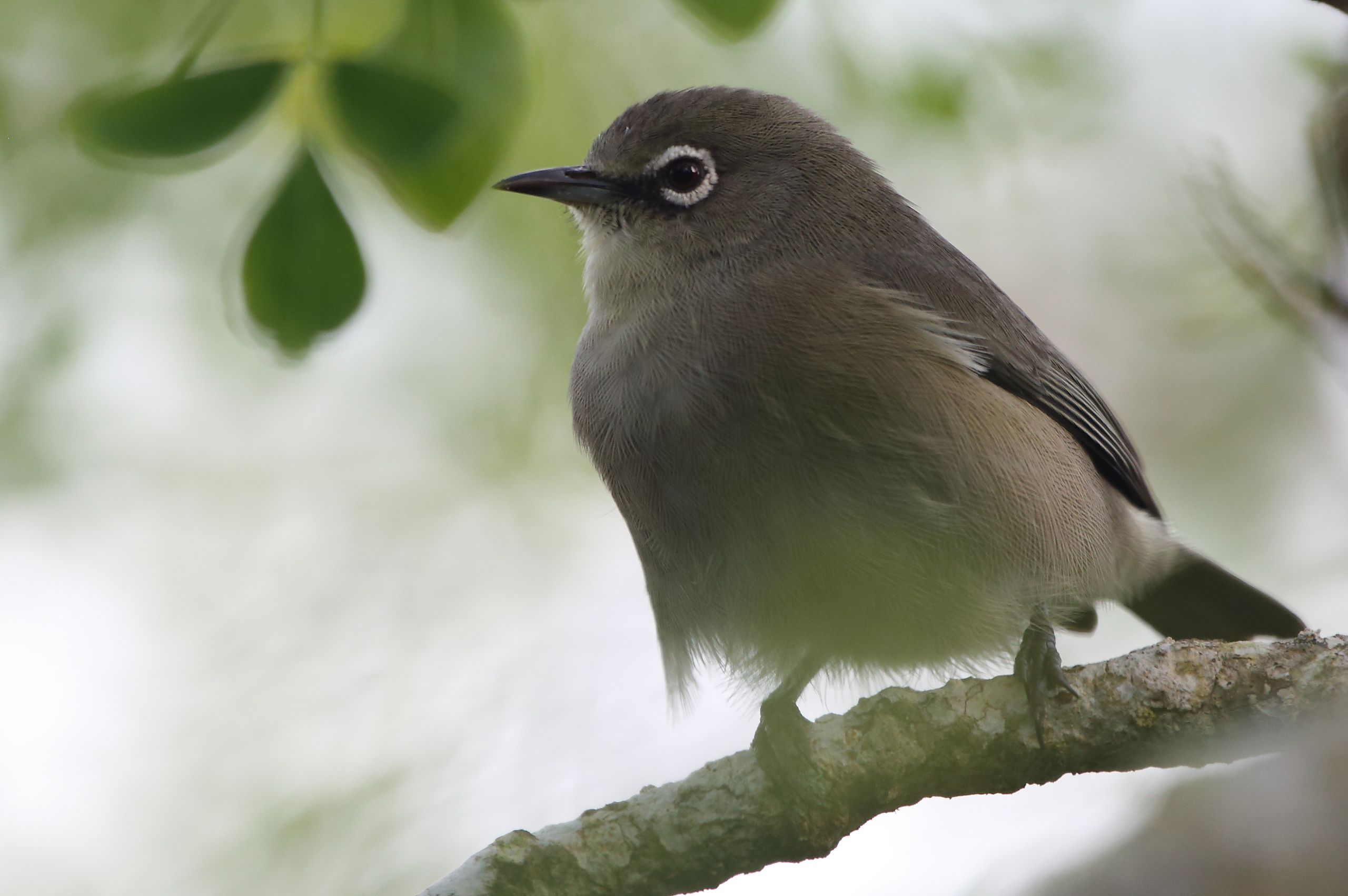
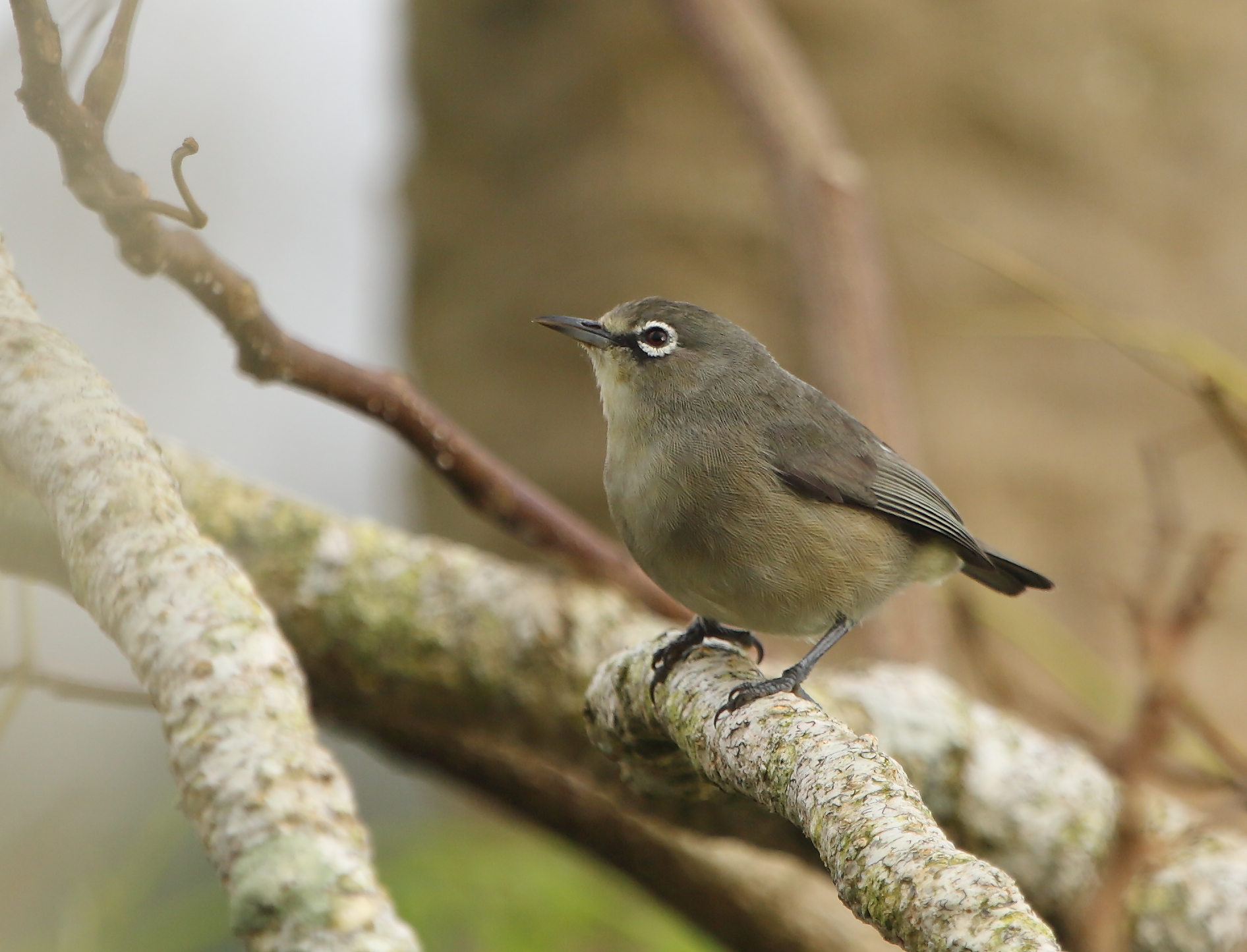
- One night stay on Mahe looking for more endemics including Seychelles Scops Owl, Seychelles Kestrel and Seychelles White-eye
- Time to relax and enjoy these idyllic islands
Outline Itinerary
-
Depart UK for Mahe, the capital of the Seychelles
-
Arrive Mahe and transfer to Praslin. Four nights Praslin
-
Birding excursions (morning and afternoon) on Praslin
-
Take ferry to La Digue with visit to Veuve Reserve
-
Morning visit to Cousin island. Afternoon on Praslin
-
Transfer to Bird Island. Three nights on Bird Island
-
Two full days on Bird Island
-
Transfer from Bird Island to Mahe with afternoon birding excursion on Mahe. Night Mahe
-
Morning birding on Mahe. Afternoon transfer to airport for international flights to UK
-
Arrive UK
Join us for a superb relaxed-paced birdwatching tour to the Seychelles, a tropical archipelago renowned for its pristine beaches, lush forests, endemic birdlife and incredible seabird colonies. Led by Limosa guide Christopher Hall, who has made several previous visits to this island nation, our holiday explores five of the archipelago’s most rewarding islands – Praslin, La Digue, Cousin, Bird Island and Mahé, each offering a unique blend of special birds and contrasting habitats.
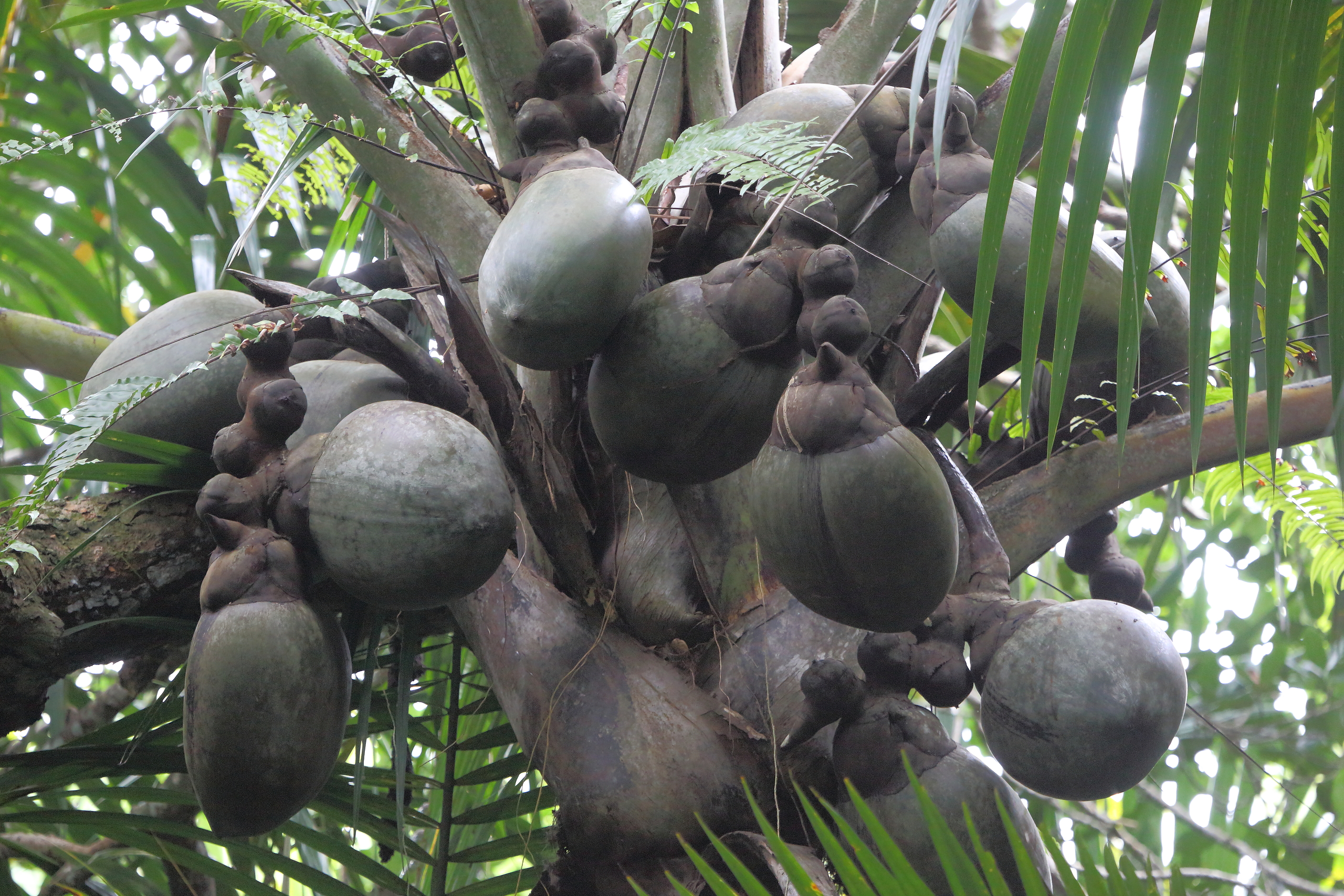
We begin on Praslin, the second-largest island, where we visit the ancient palm forest of Vallée de Mai. World-renowned for the Coco de Mer, an endemic palm which produces the world’s largest seed, this reserve is also an excellent place to look for the highly range-restricted Seychelles (Black) Parrot, which is only found on Praslin and the nearby island of Curieuse, and the appropriately named Seychelles Blue-Pigeon.
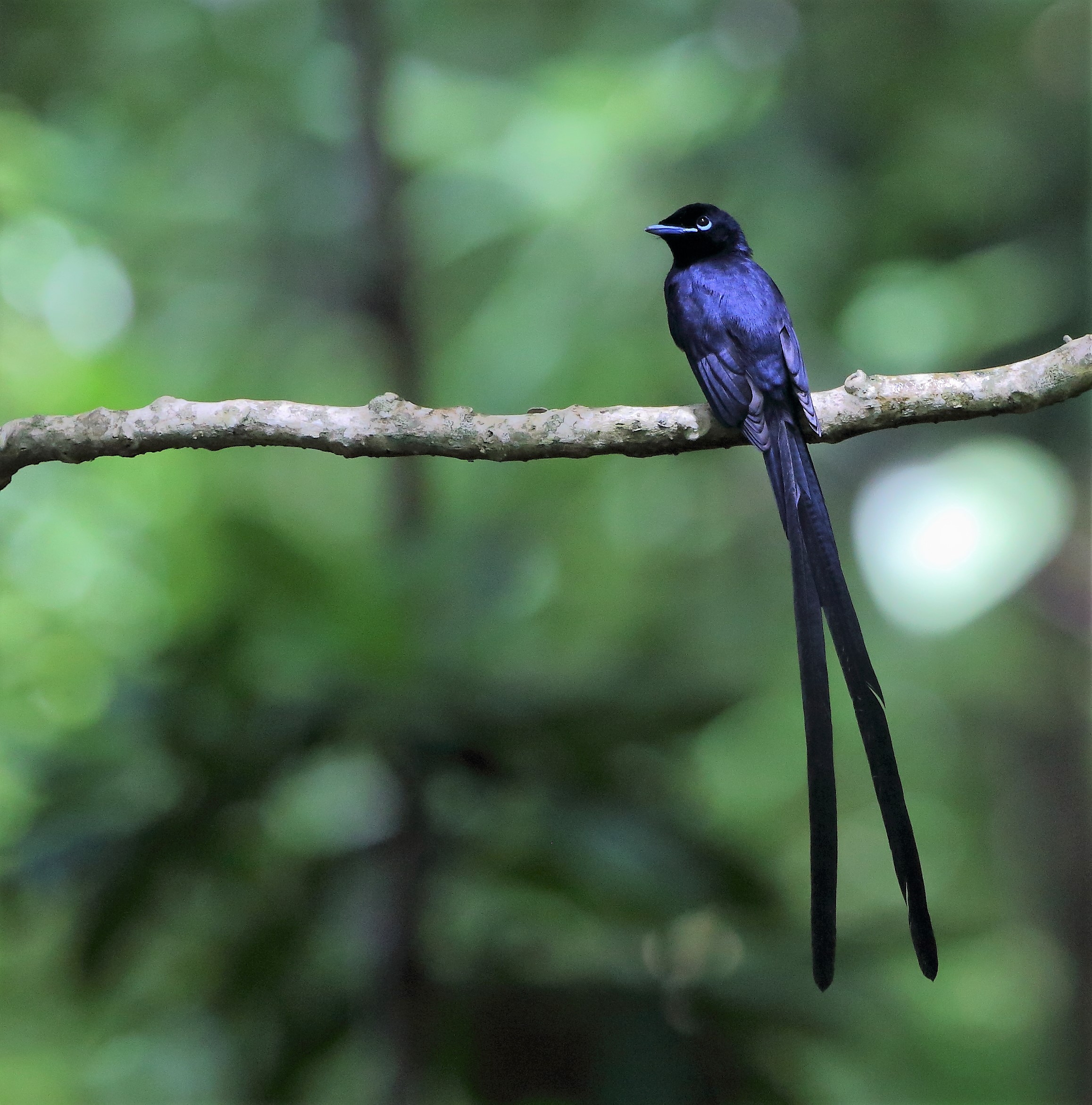
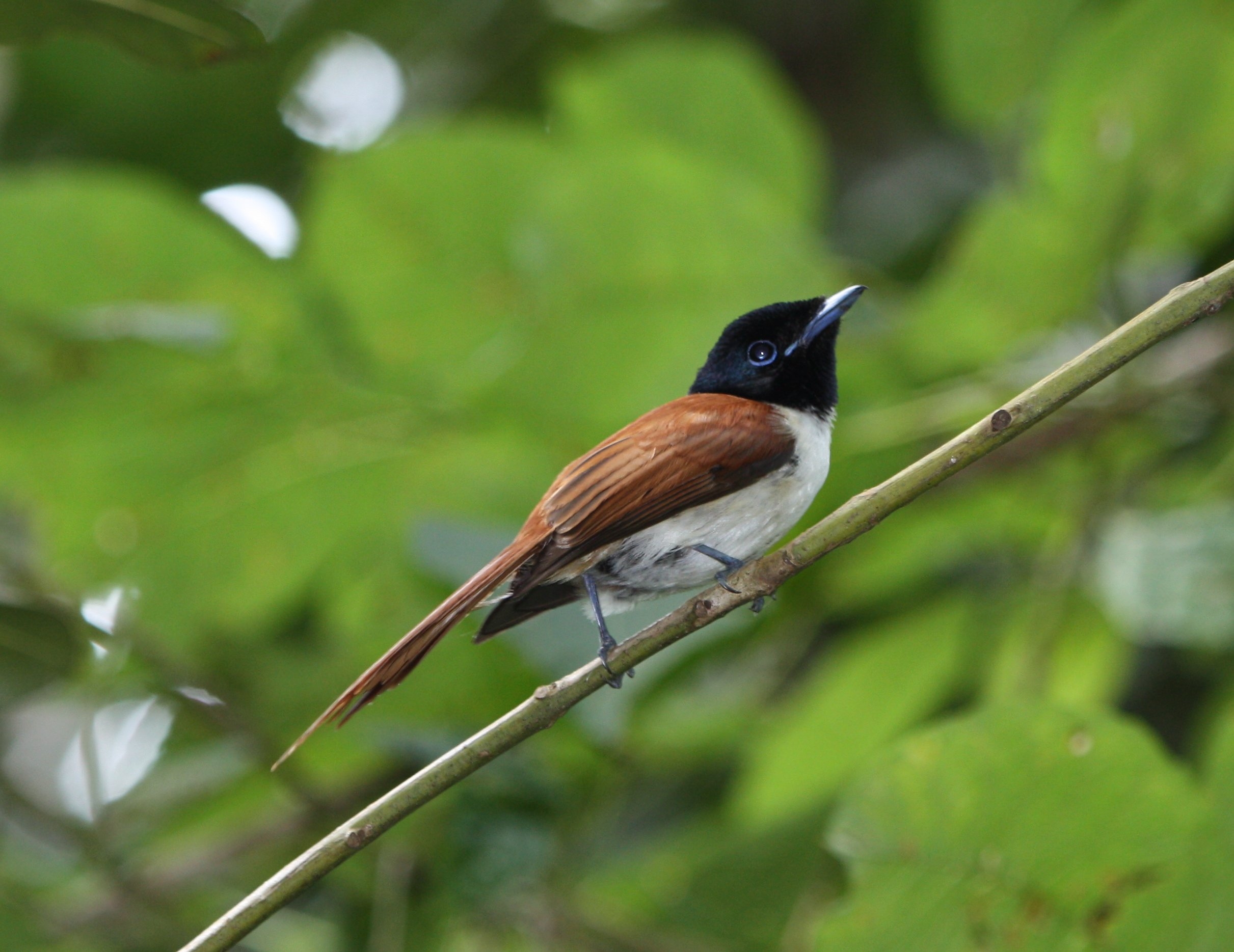
The following day, we will take the short ferry ride to La Digue, a charming island of granite boulders and coconut groves, and explore the forests of the Veuve Reserve. Our goal here is to find the elegant Seychelles Paradise Flycatcher, which was once considered to be one of the world’s rarest birds but is now doing much better thanks to ongoing conservation efforts.
Next will be a visit to uninhabited Cousin Island, which is another excellent example of how successful conservation work can save critically endangered birds. In this nature reserve, we hope to find the appropriately named Seychelles Magpie-Robin which at one point numbered just 12-15 birds but like the paradise flycatcher now has a population in the hundreds.
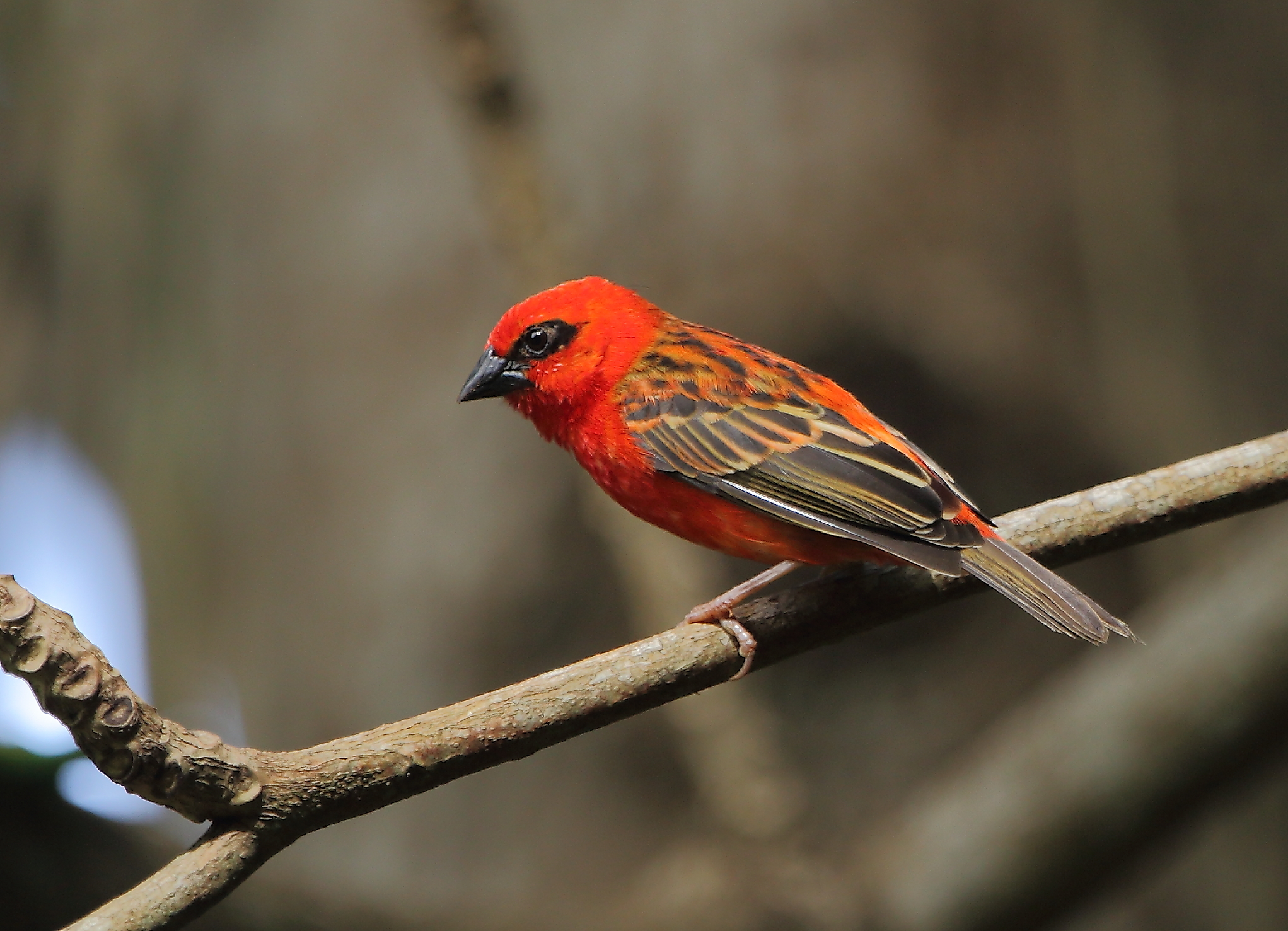
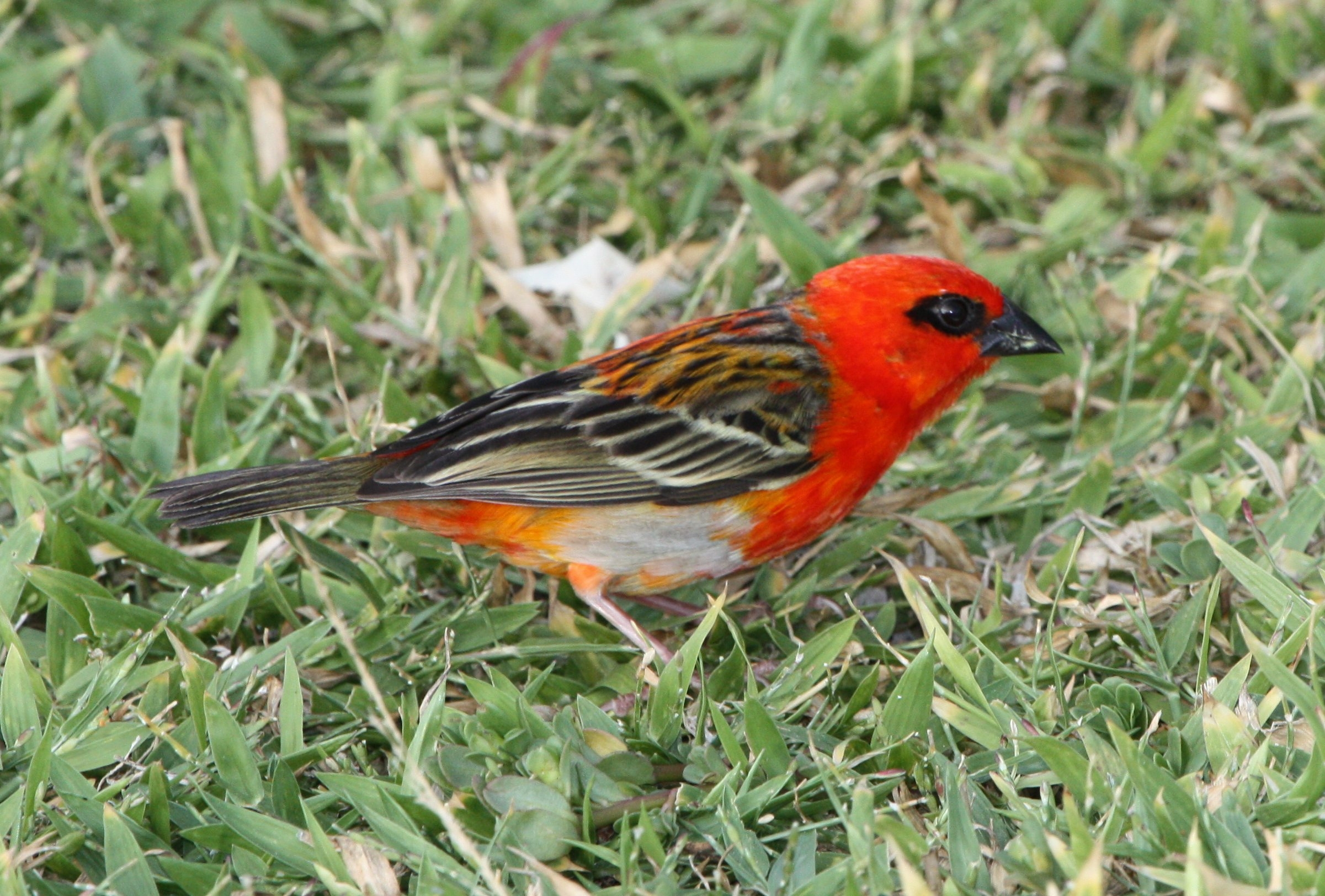
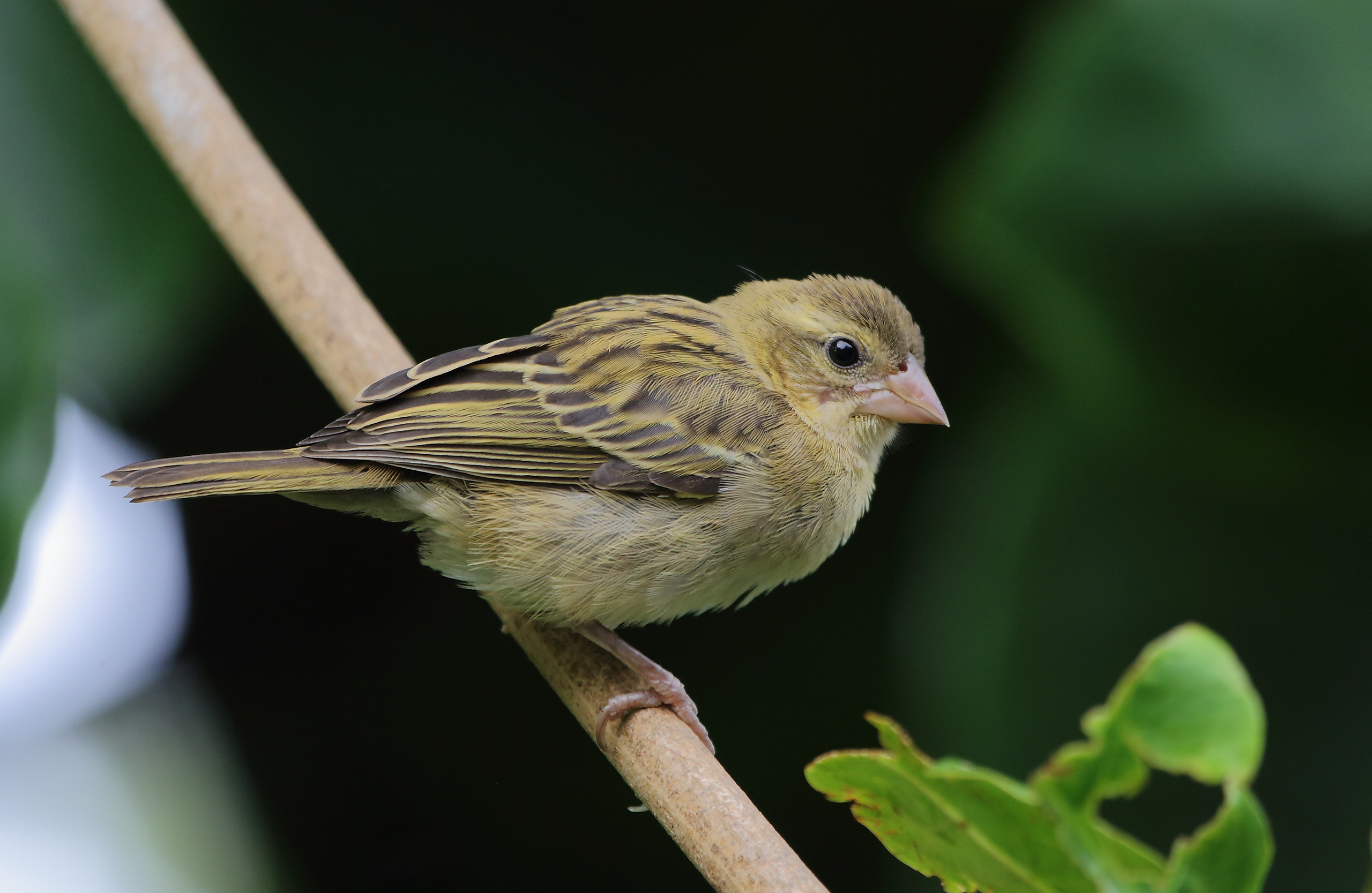
Two other endemics we hope to find on Cousin are Seychelles Warbler and Seychelles Fody, however, the seabirds should be equally memorable with good numbers of White-tailed Tropicbirds, White Terns and Lesser Noddies which should all be nesting on the island at the time of our visit.
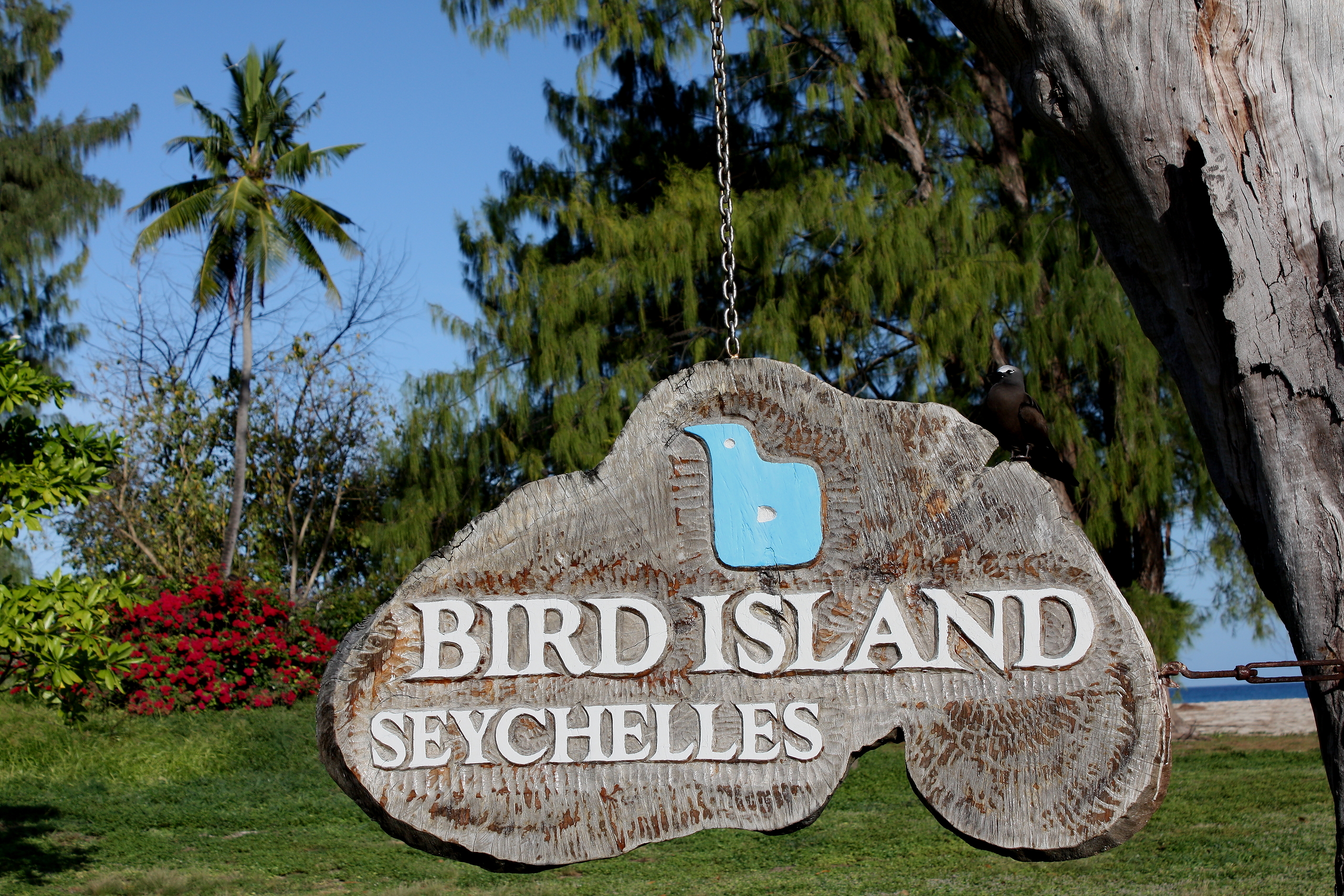
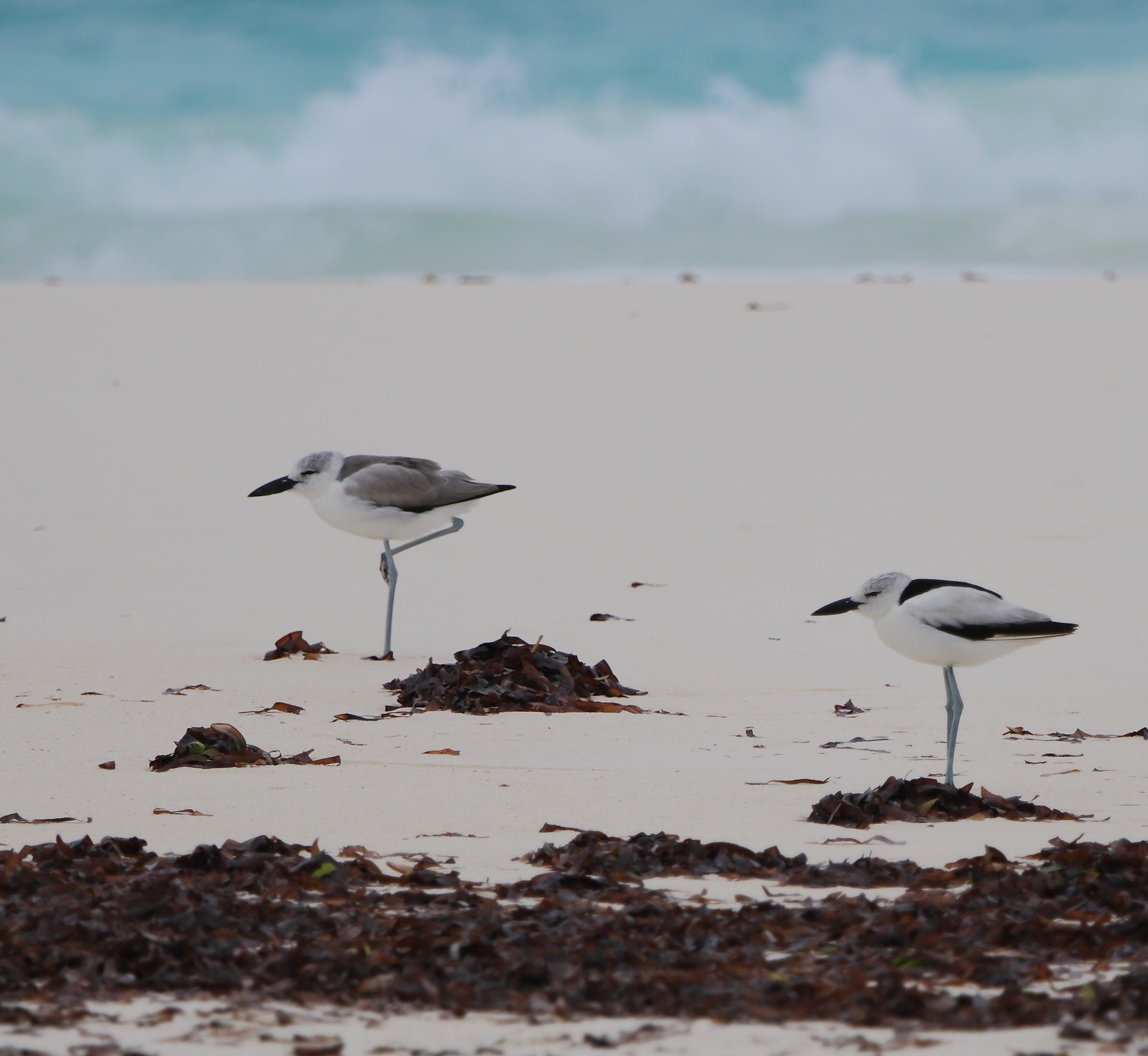
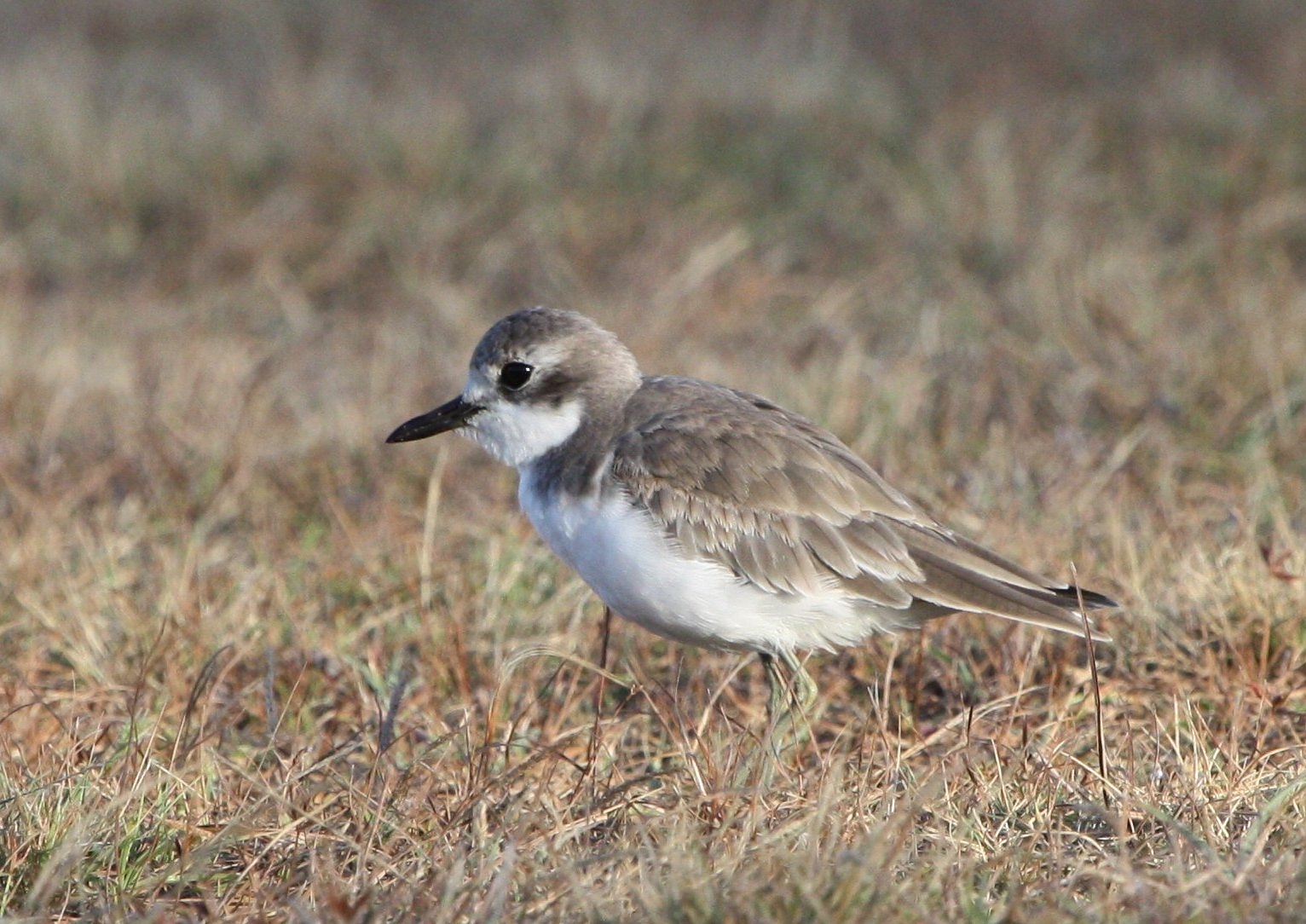
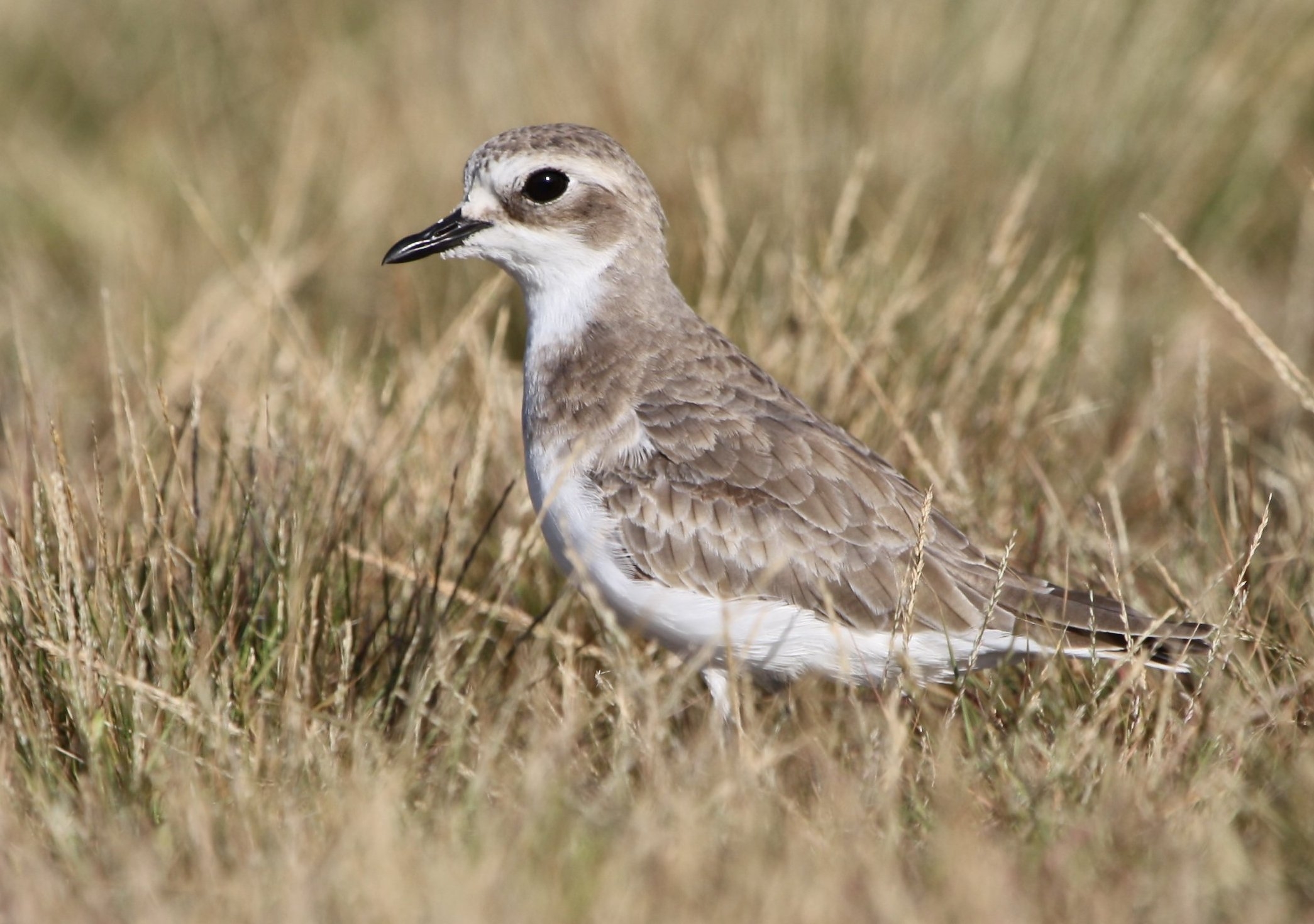
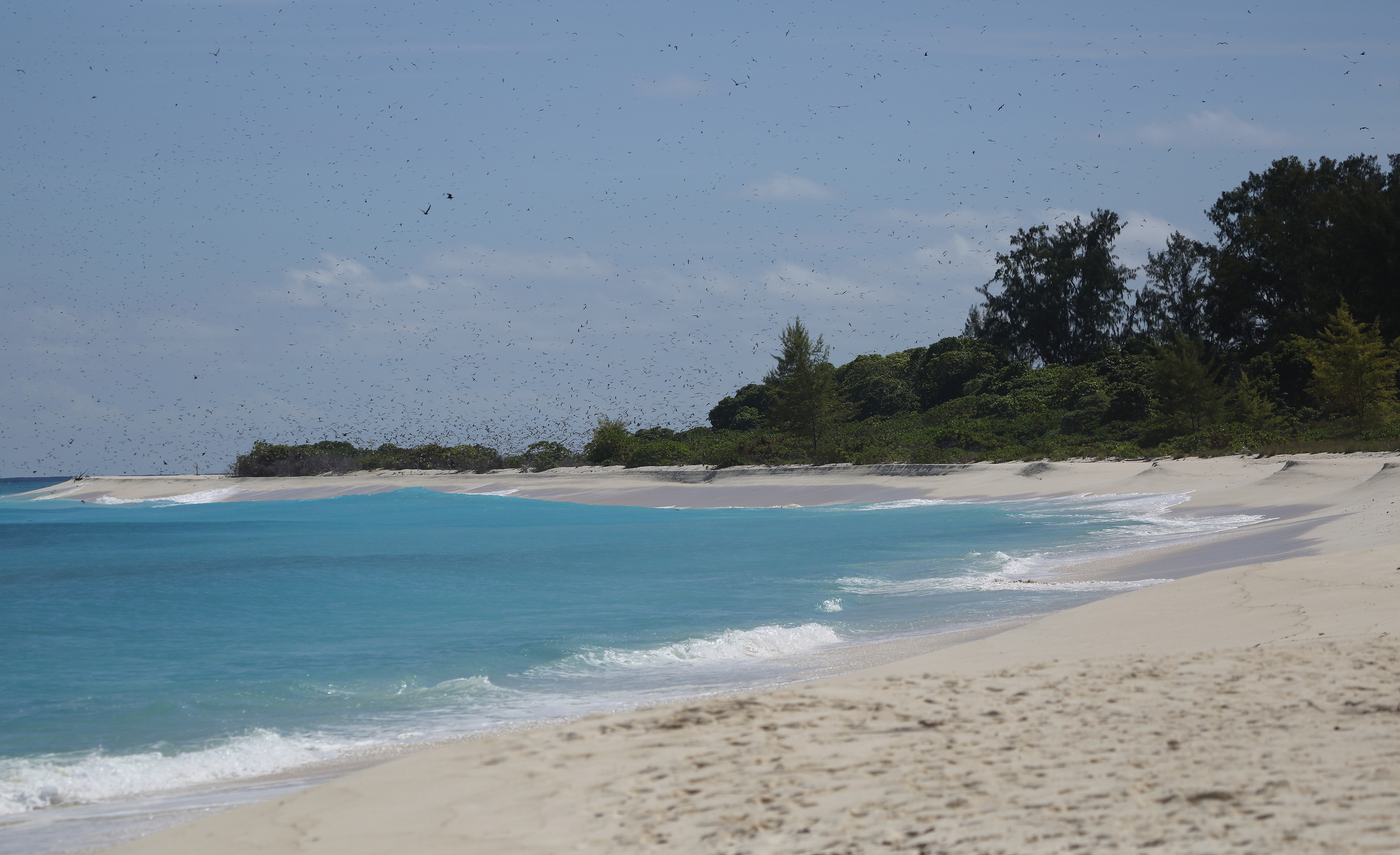
We then fly north to Bird Island, a remote coral cay famed for its vast Sooty Tern colony which is believed to number around 1.5 million birds. The spectacle of this colony is likely to one of the major highlights of the holiday and with two full days on the island, we will have ample time to enjoy and photograph the birds and look for other species which can often be found here, such as Crab Plover, Greater Sand Plover and both Great and Lesser Frigatebrds.
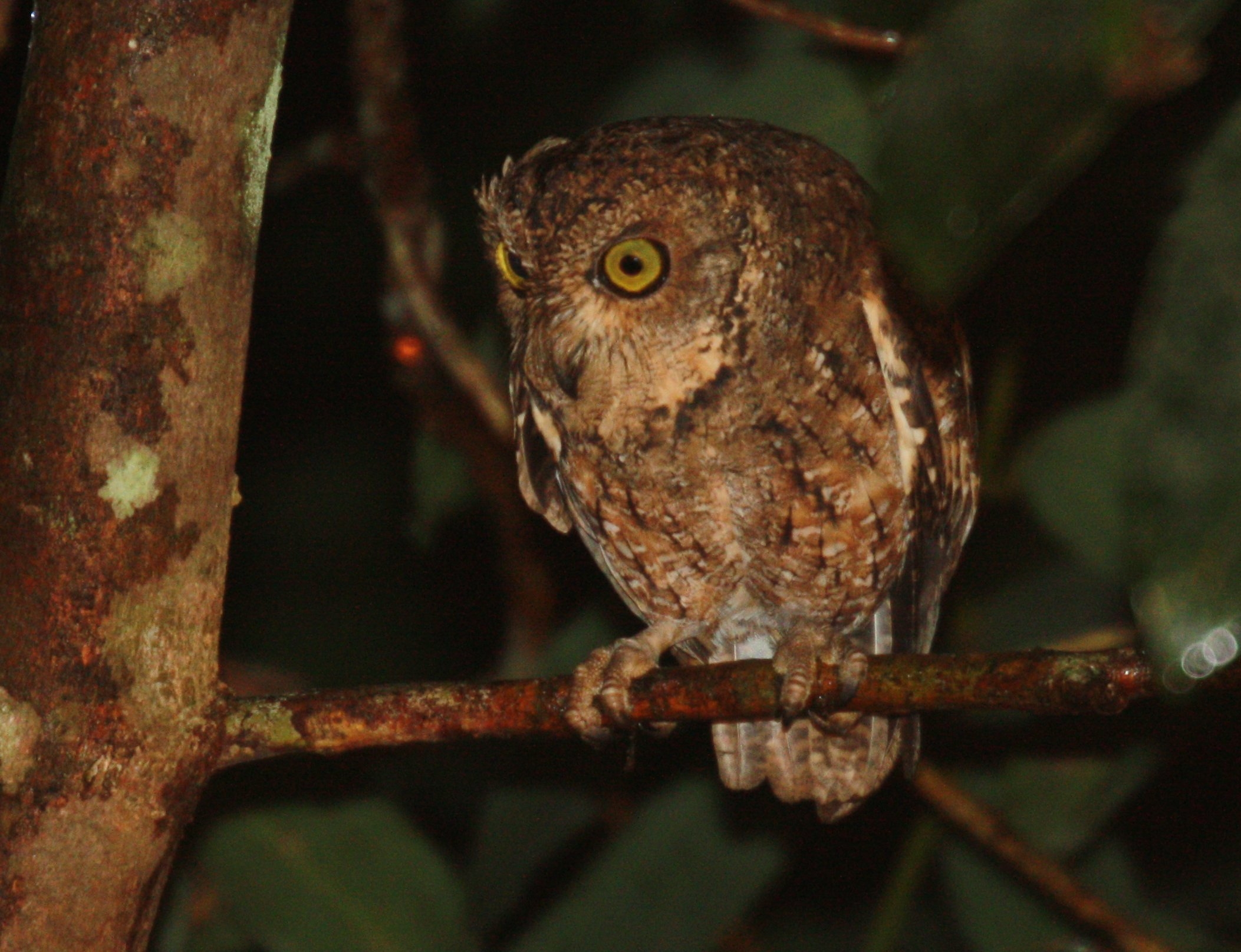
Our island-hopping holiday then concludes on Mahé, the largest island in the archipelago, where we will go in search of more endemics with Seychelles Kestrel, Seychelles White-eye and Seychelles Scops Owl amongst our targets.
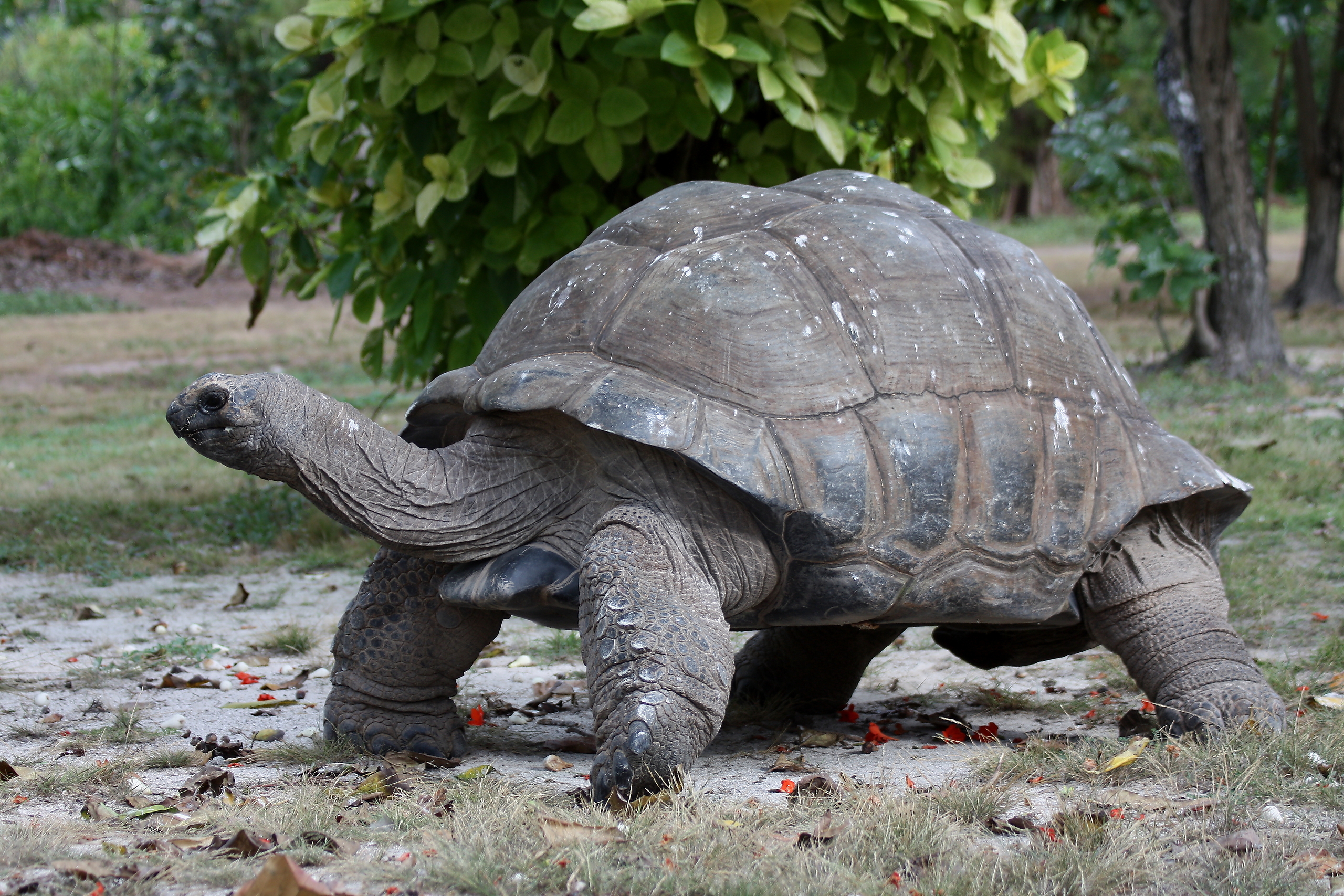
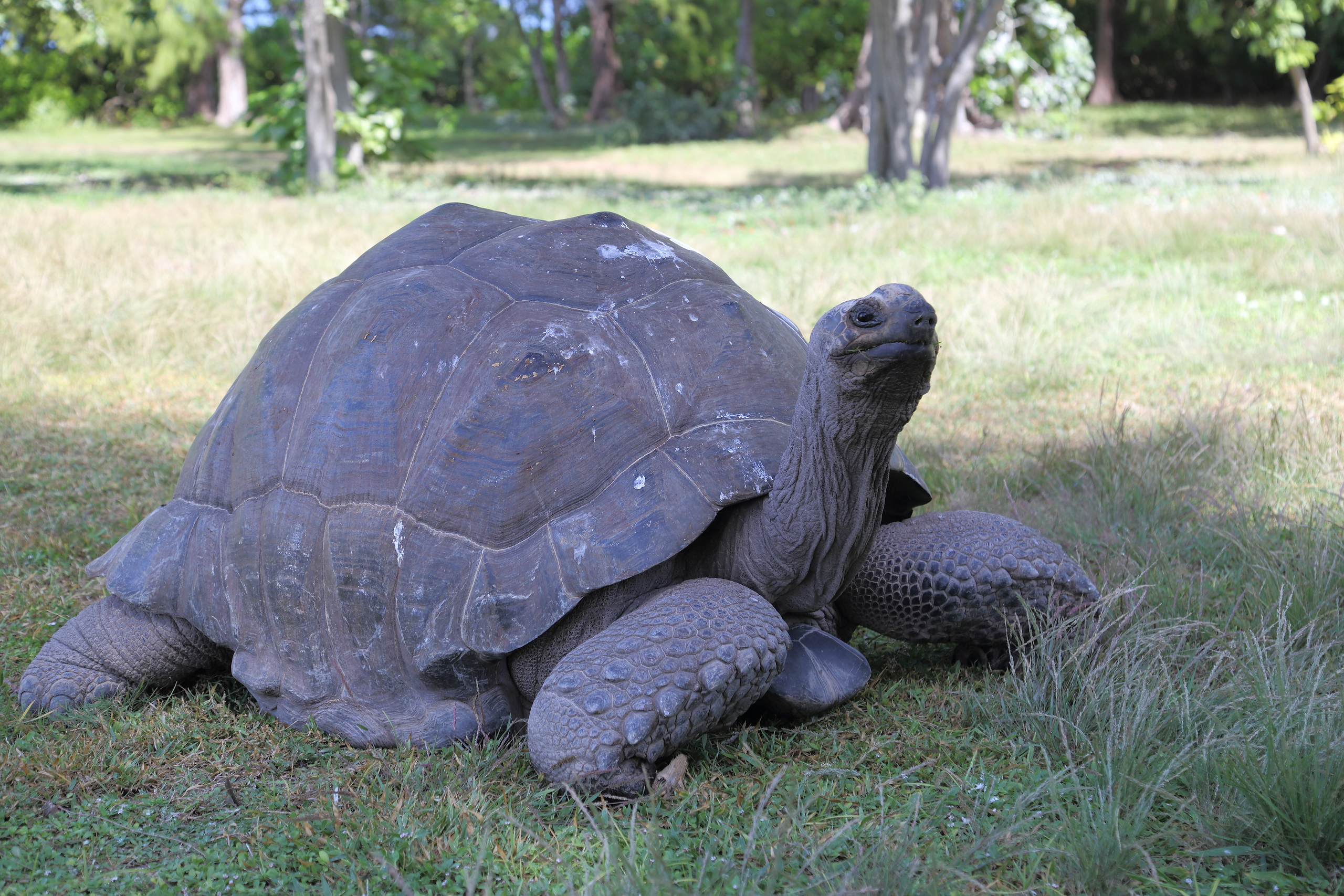
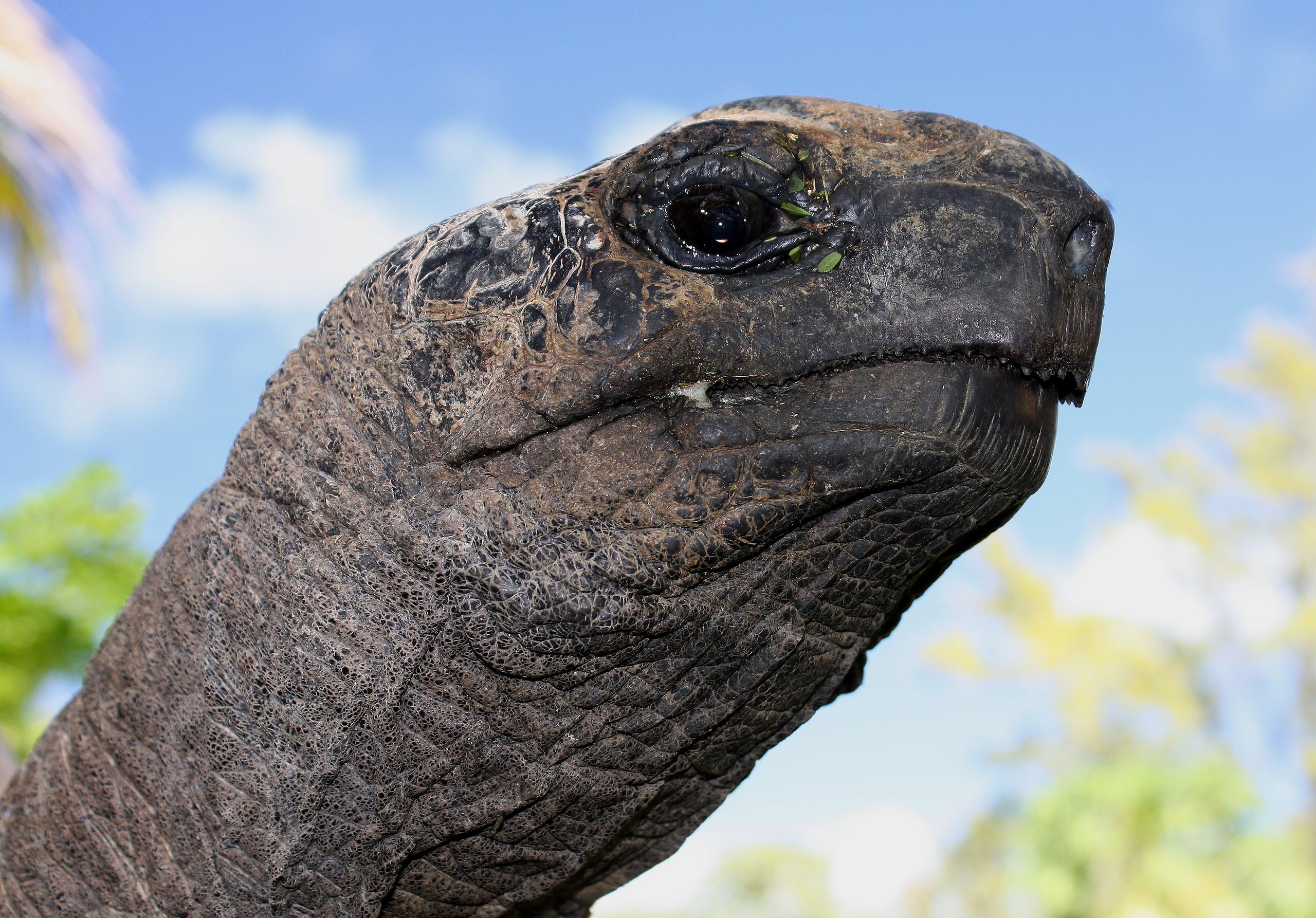
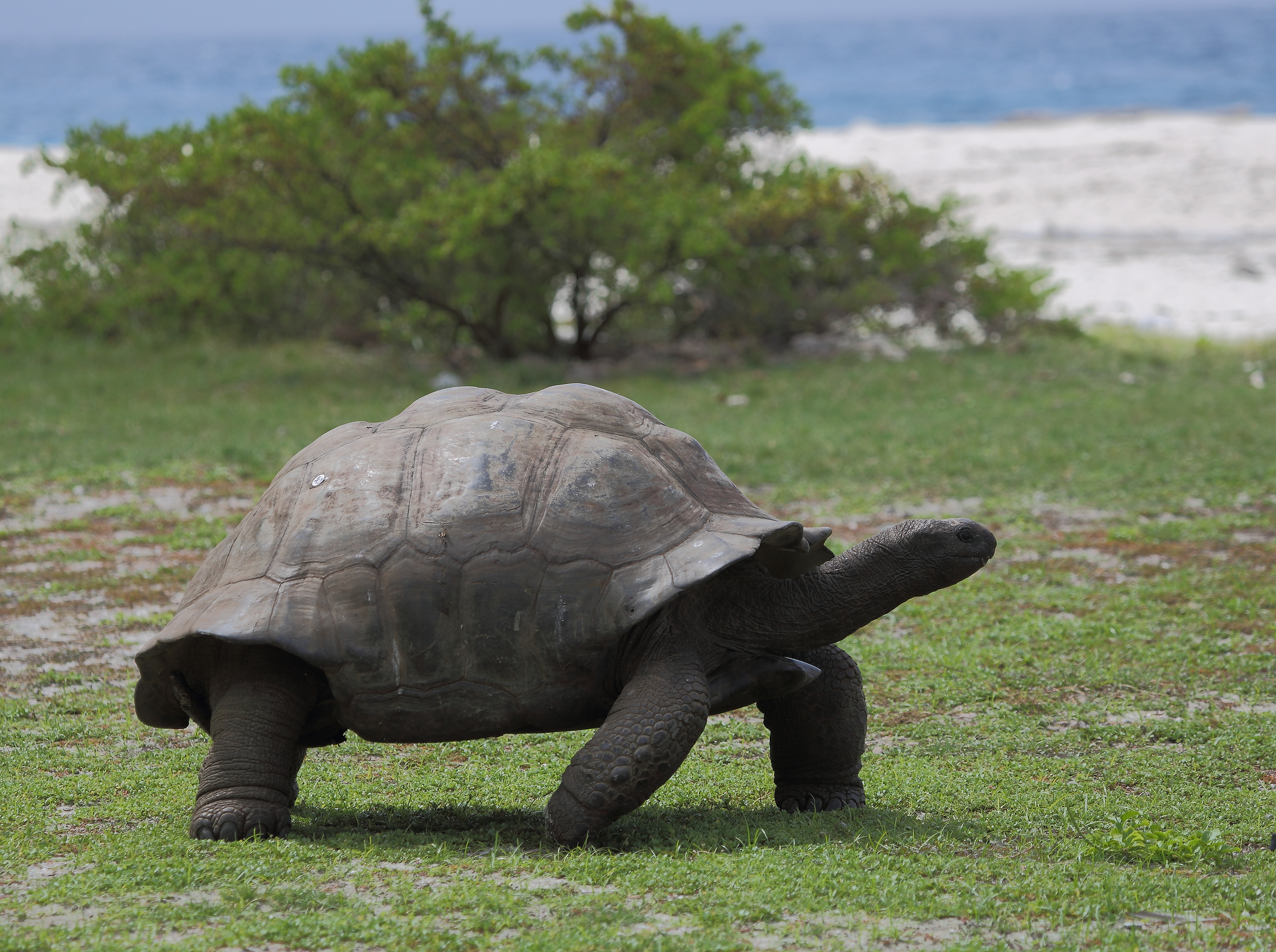
Another likely highlight will be the giant tortoises and we can expect to see these on both Cousin and Bird Island; indeed, during our time on Bird Island, we will hope to encounter Esmeralda who is believed to be over 180 years old and thus one of the oldest terrestrial animals on Earth !!
Combining great birding, comfortable accommodation and the opportunity to enjoy some impressive beaches and scenery, this holiday offers a perfect get-away for both the keen birder looking for endemics and those wanting a more relaxed-paced experience.
Day 1
DEPART UK FOR THE SEYCHELLES
We will depart the UK on an overnight flight to the Seychelles.
Day 2
ARRIVE MAHE AND TRANSFER TO PRASLIN
We should arrive on Mahe in the morning and will then transfer to Praslin from where it is a short drive to our comfortable hotel which is located only a few metres away from the beach.
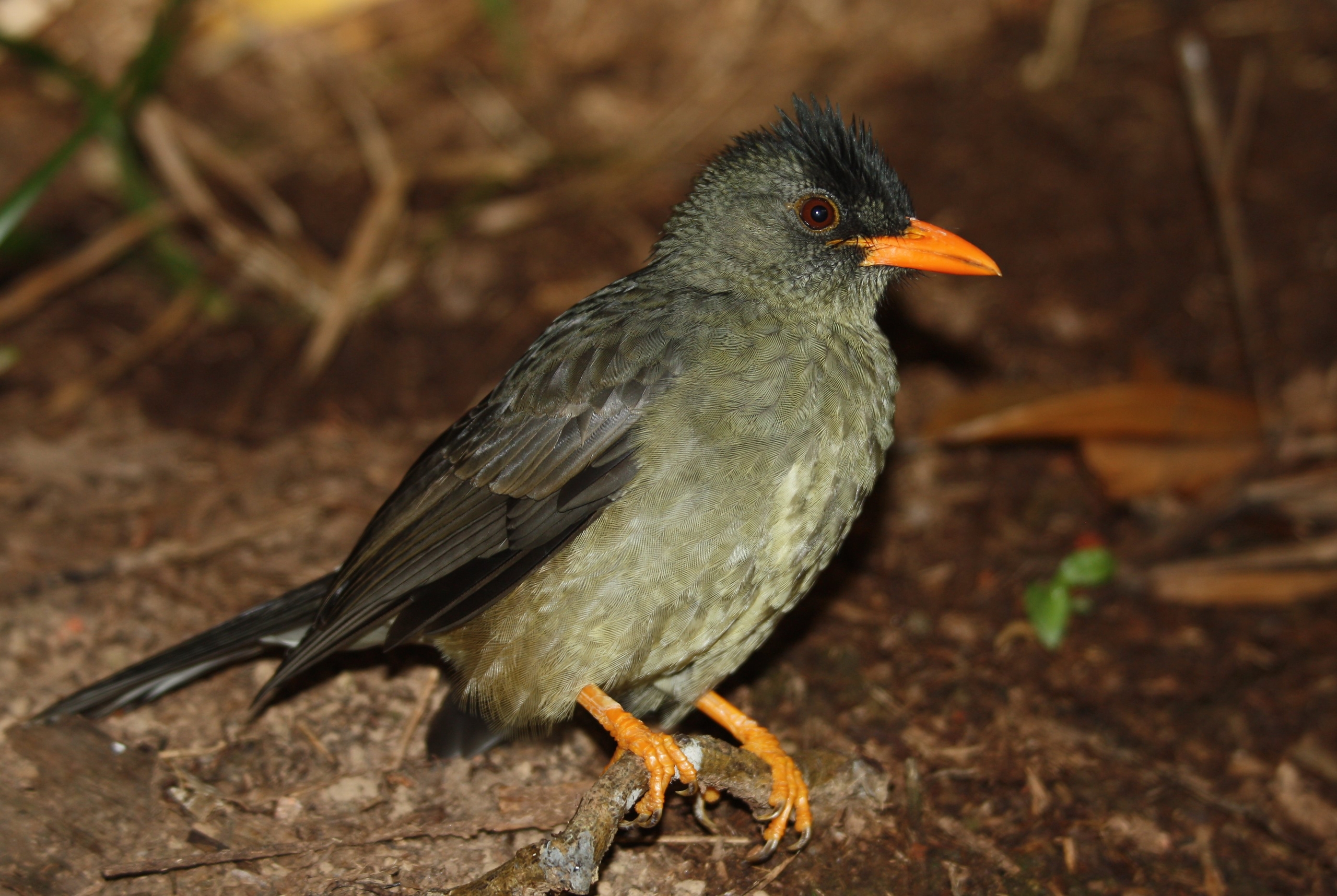
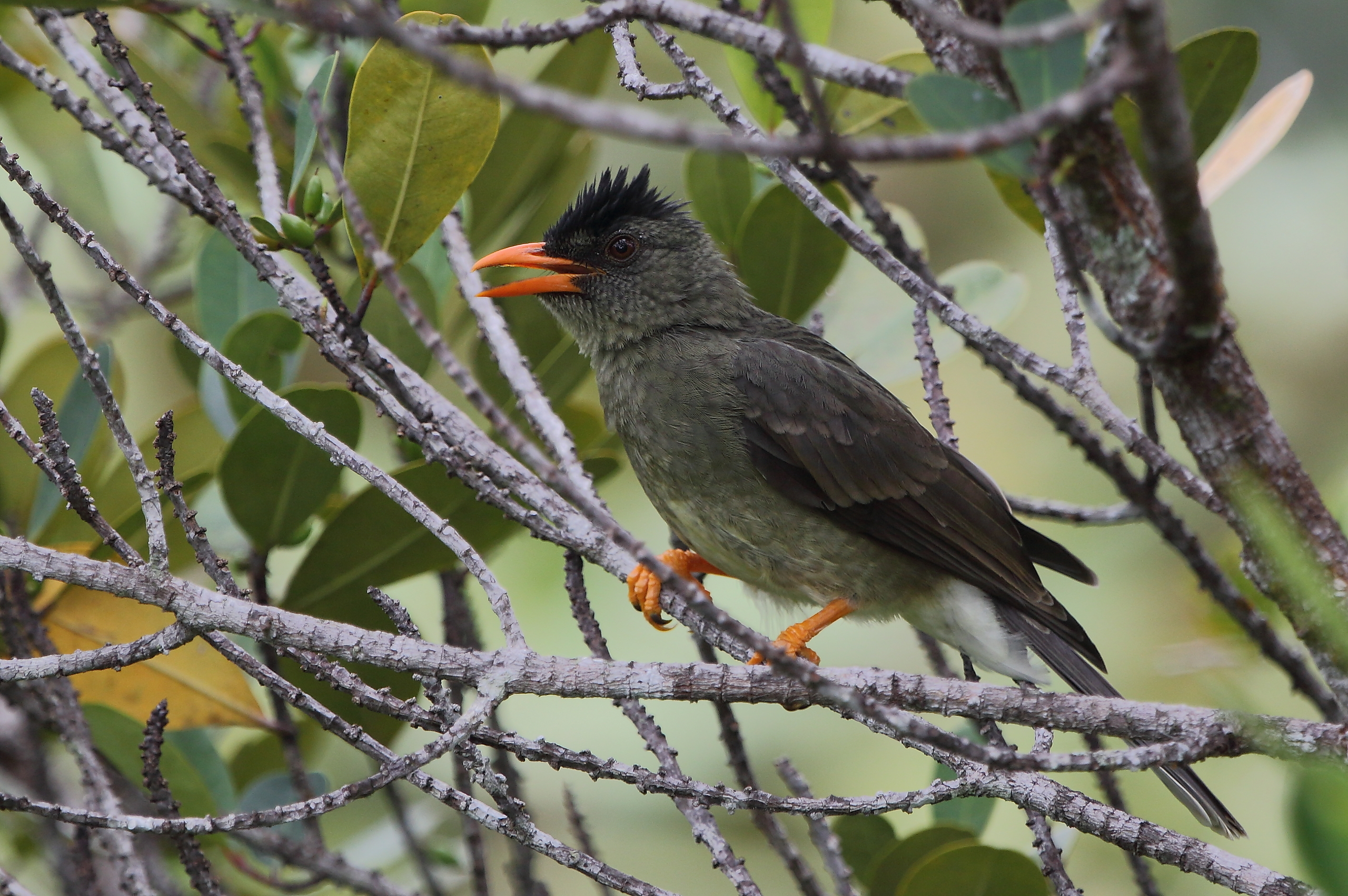
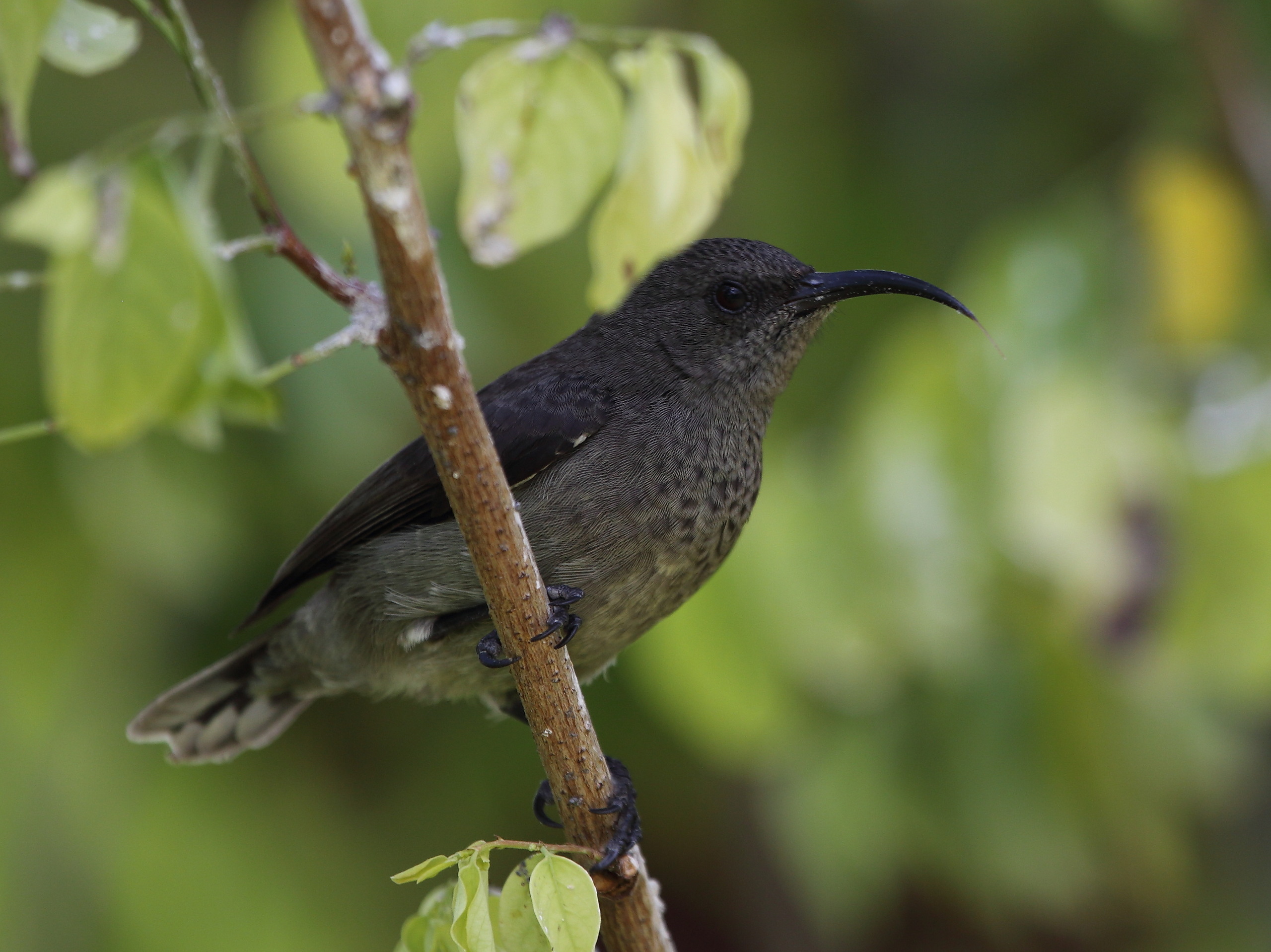
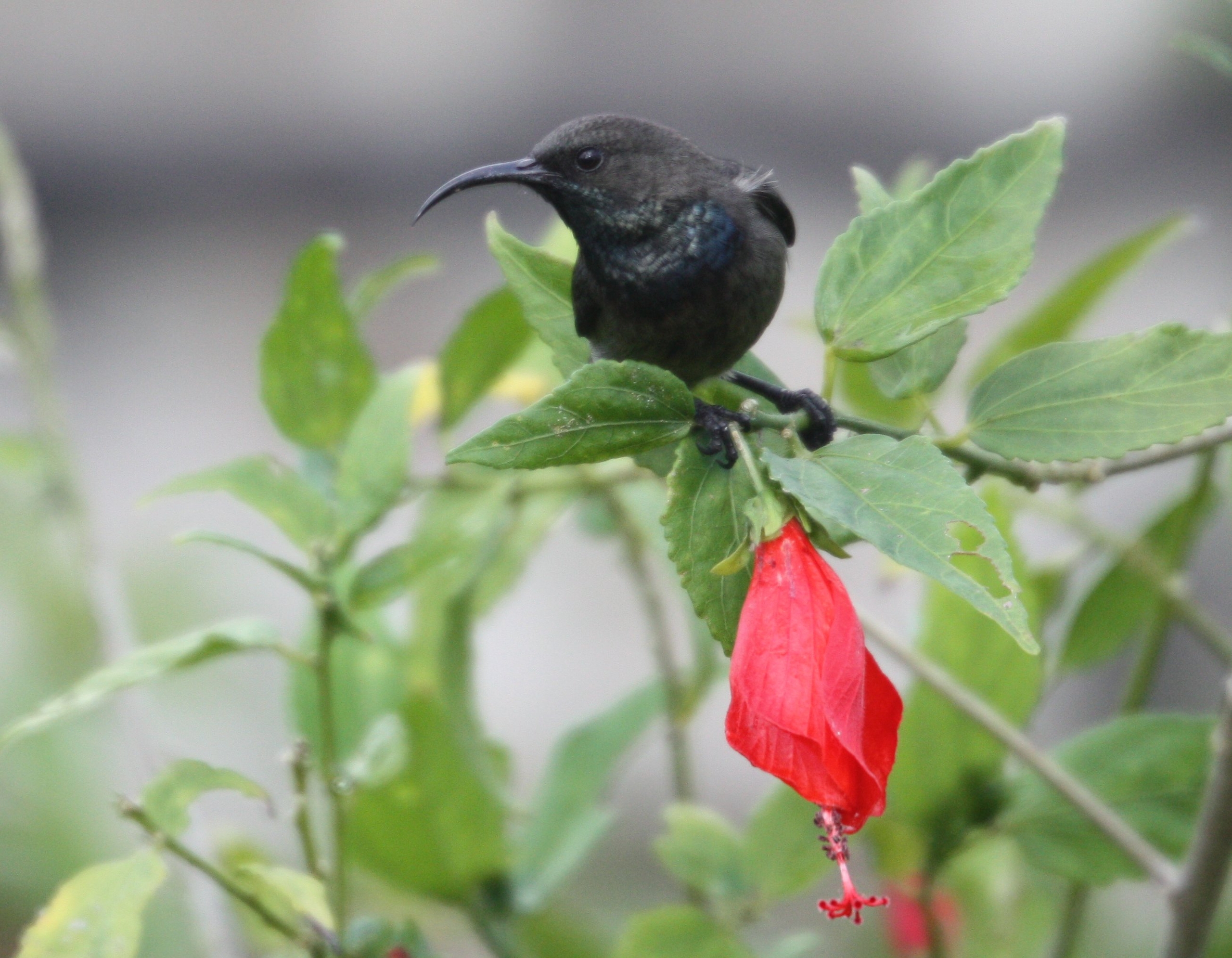
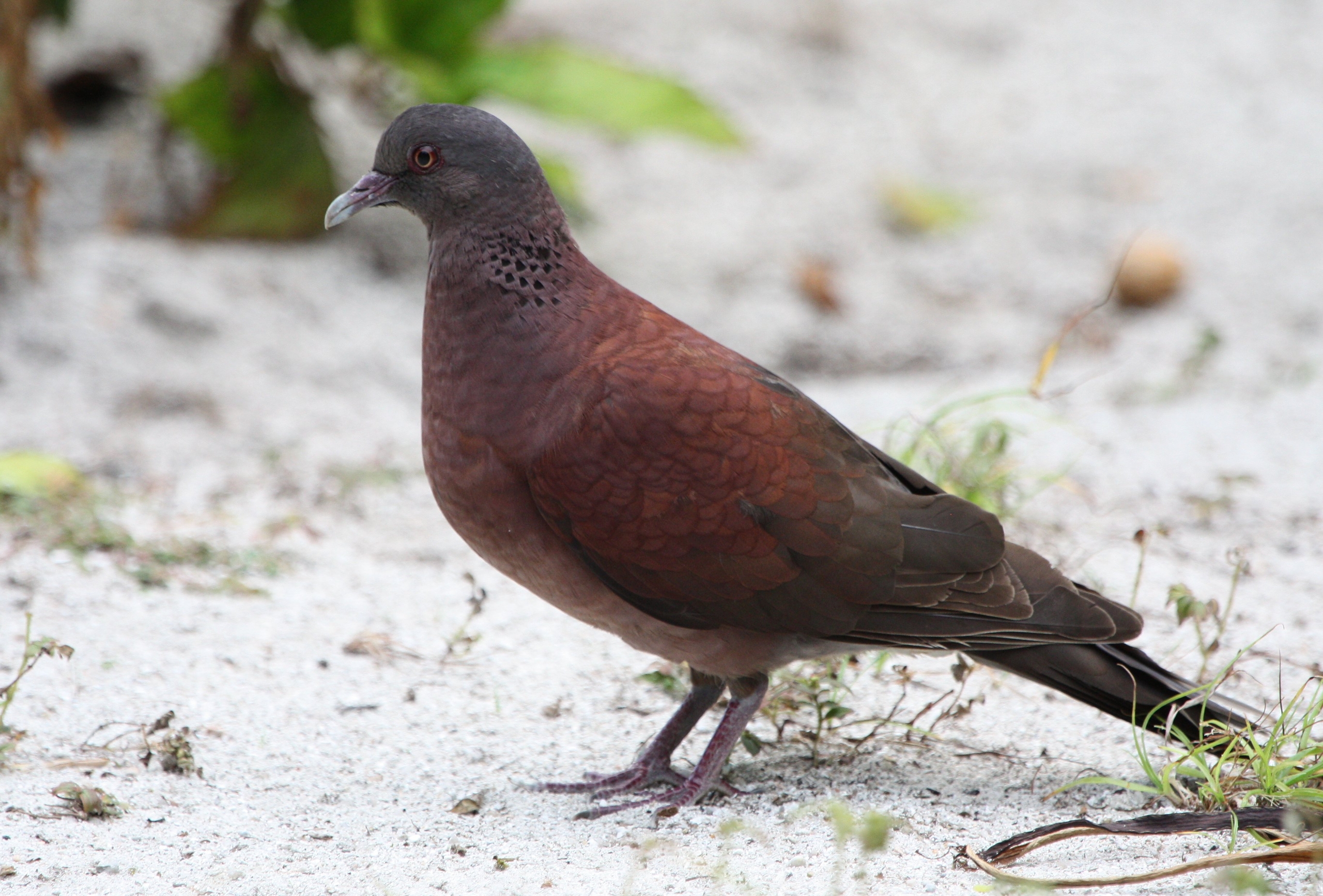
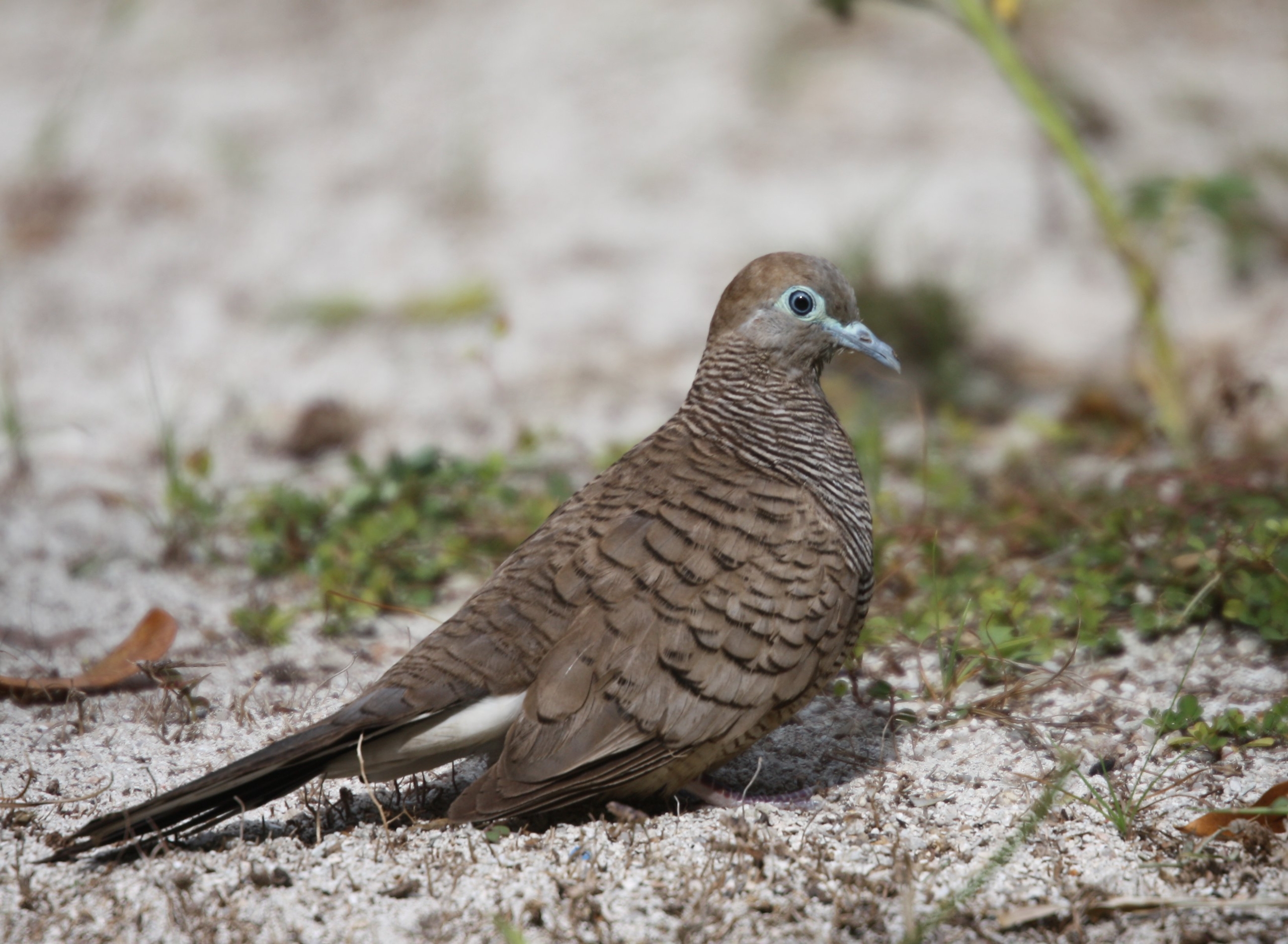
Although only eight miles long, Praslin is home to some important birds and we will begin our exploration with a leisurely afternoon walk from our hotel with the chance to find our first endemics which are likely to include Seychelles Bulbul, Seychelles Swiftlet and Seychelles Sunbird, along with other species such as Malagasy Turtle Dove. Night Praslin
Day 3
VALLEE DE MAI, PRASLIN
We plan to spend the day exploring Praslin with the main focus being a visit to the Vallée de Mai National Nature Reserve which is a World Heritage Site. This reserve is home to the Coco de Mer Palm Tree which produces the largest seeds in the world.
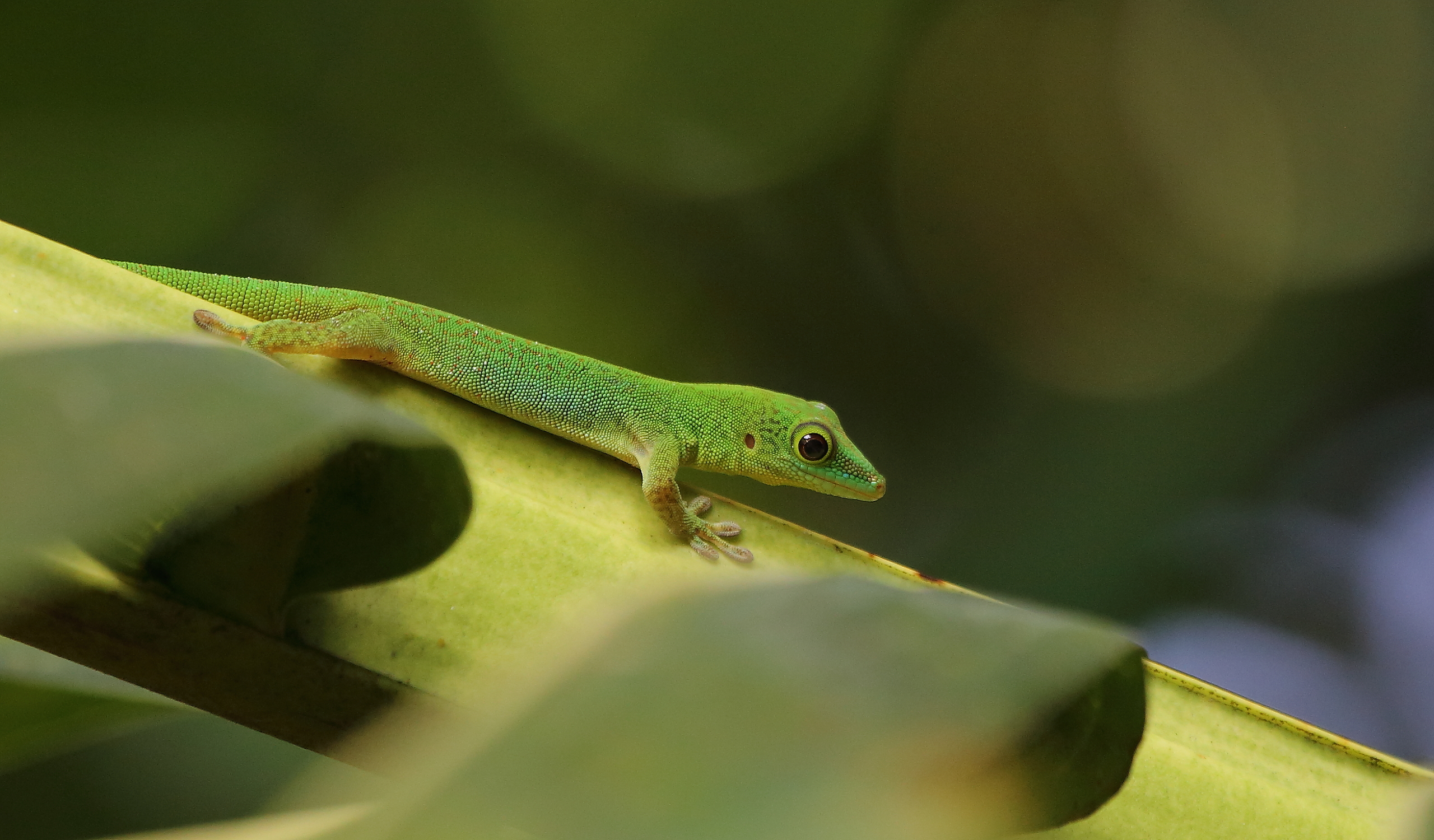
This prehistoric palm forest is home to several endemic geckos, however, it is also an important site for some of the Seychelles more range-restricted endemics including the Seychelles (Black) Parrot. This species is only found on Praslin and the nearby island of Curieuse and is thought to have a world population of less than 600 individuals.
Somewhat more widespread is the Seychelles Blue-Pigeon which, nevertheless, is also endemic and only found on the inner islands of the archipelago plus Bird Island. With its red, white and blue plumage and unusual red face wattle, this fine arboreal pigeon is not uncommon and we are likely to see it on a number of days during our holiday. Three further nights Praslin
Day 4
VEUVE RESERVE, LA DIGUE
After breakfast at our hotel, we head to the nearby ferry terminal for the short ride to the island of La Digue. It is only about five miles or so and in a fast catamaran the journey should only take about 15 minutes.
La Digue is a quiet island renowned for spectacular granite boulders and stunningly white sandy beaches, however, for birders it is the place to go to look for the Seychelles Paradise Flycatcher with this being almost the only place where it can be found.
Until relatively recently, this fabulous bird was classified as “critically endangered” by Birdlife International, however, extensive conservation work in recent years has seen the numbers steadily increase and there are now thought to be somewhere between 350-500 mature individuals.
Our plan is to visit the Veuve Nature Reserve which is just over half a mile from the quaint jetty of La Passe and here we have a great chance of finding this special bird with the males having incredibly long wispy tail feathers.
The reserve also has some interesting information boards about the botany of this small island (which is only three miles long). Other species we could see here include Seychelles Swiftlet (which is only found on Praslin, La Digue and Mahe), Seychelles Blue-Pigeon, Seychelles Bulbul and Seychelles Sunbird.
After lunch at a local restaurant and assuming we have had satisfactory views of all the key birds, we may visit L’Union Estate which is located at the southern end of the island and was a former vanilla and coconut plantation. This will be an opportunity to see some giant tortoises, learn about the history of this remote region and relax on what has been described as one of the most photogenic beaches in the world.
In the late afternoon, we will take the ferry back to Praslin.
Day 5
MORNING ON COUSIN ISLAND. AFTERNOON ON PRASLIN
Following breakfast at the hotel, we will head back to the wharf for a private boat transfer to the small island of Cousin.
This tiny uninhabited island is a nature reserve and is another ‘must’ as it is home to more endemic landbirds which we will not have seen so far. Our main target is the appropriately named Seychelles Magpie-Robin which is another species which is doing much better as a result of ongoing conservation work.
As with the paradise flycatcher, this bird was previously regarded as ‘critically endangered’ and in the 1960s the entire population was no more than 12-15 individuals but this has steadily increased as a result of a concerted recovery programme and there are now believed to be 300 or so birds, although it remains classified as ‘endangered’.
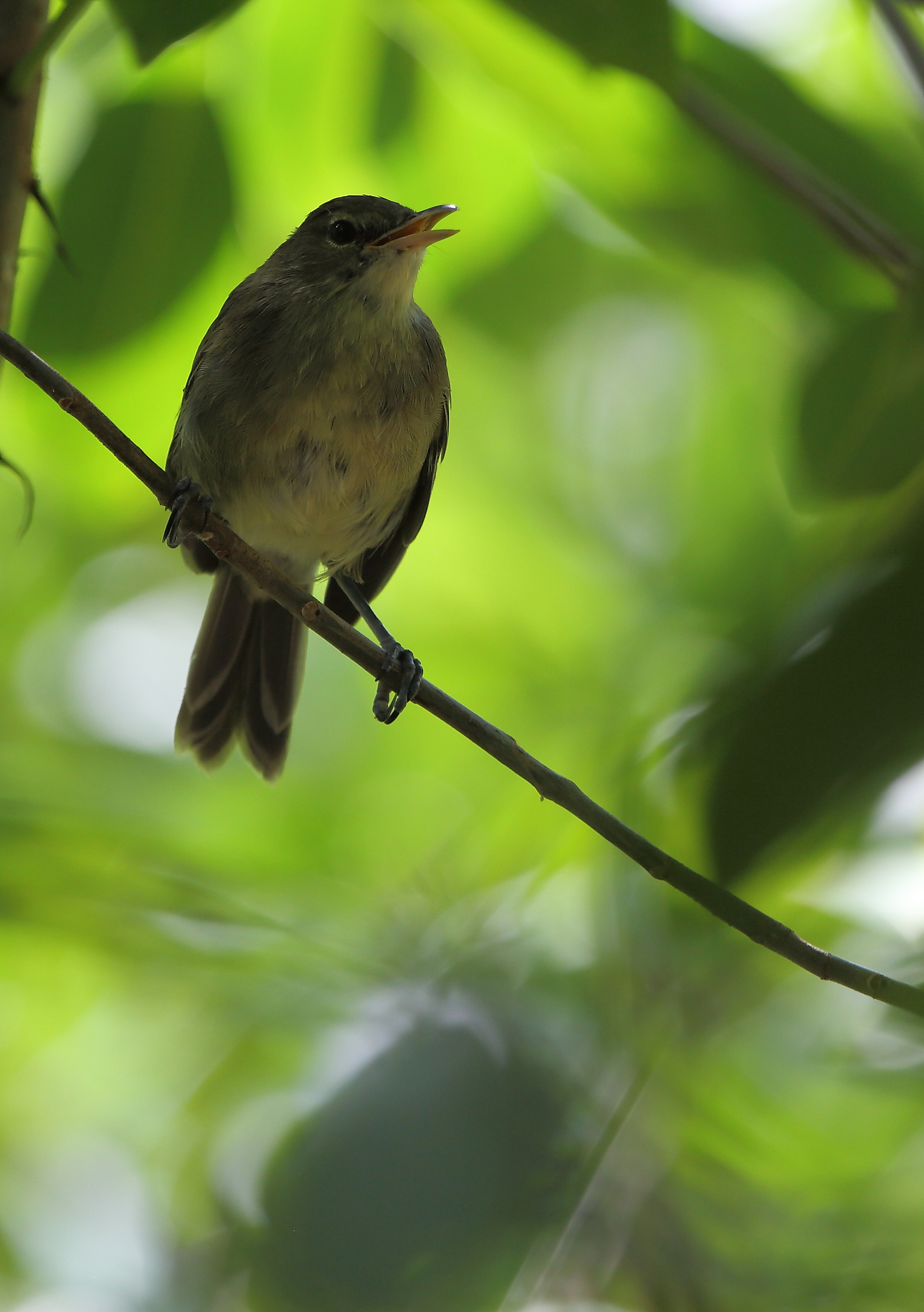
During our morning on the island, we will also hope to find the tricky Seychelles Warbler. Like so many of Seychelles’ birds, this distinctive Acrocephalus warbler is only found on a handful of islands with Cousin being one of the best places to find it.
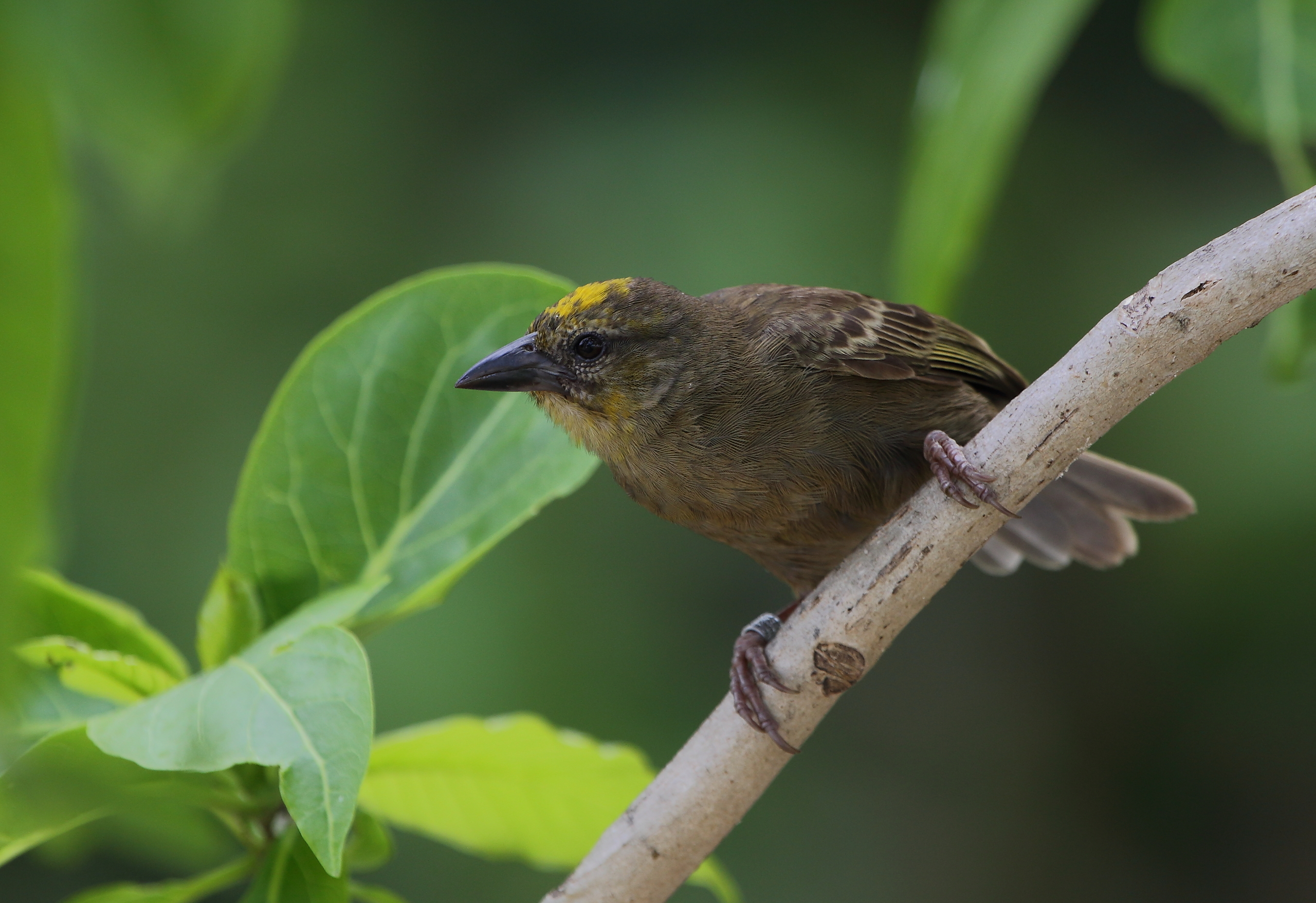
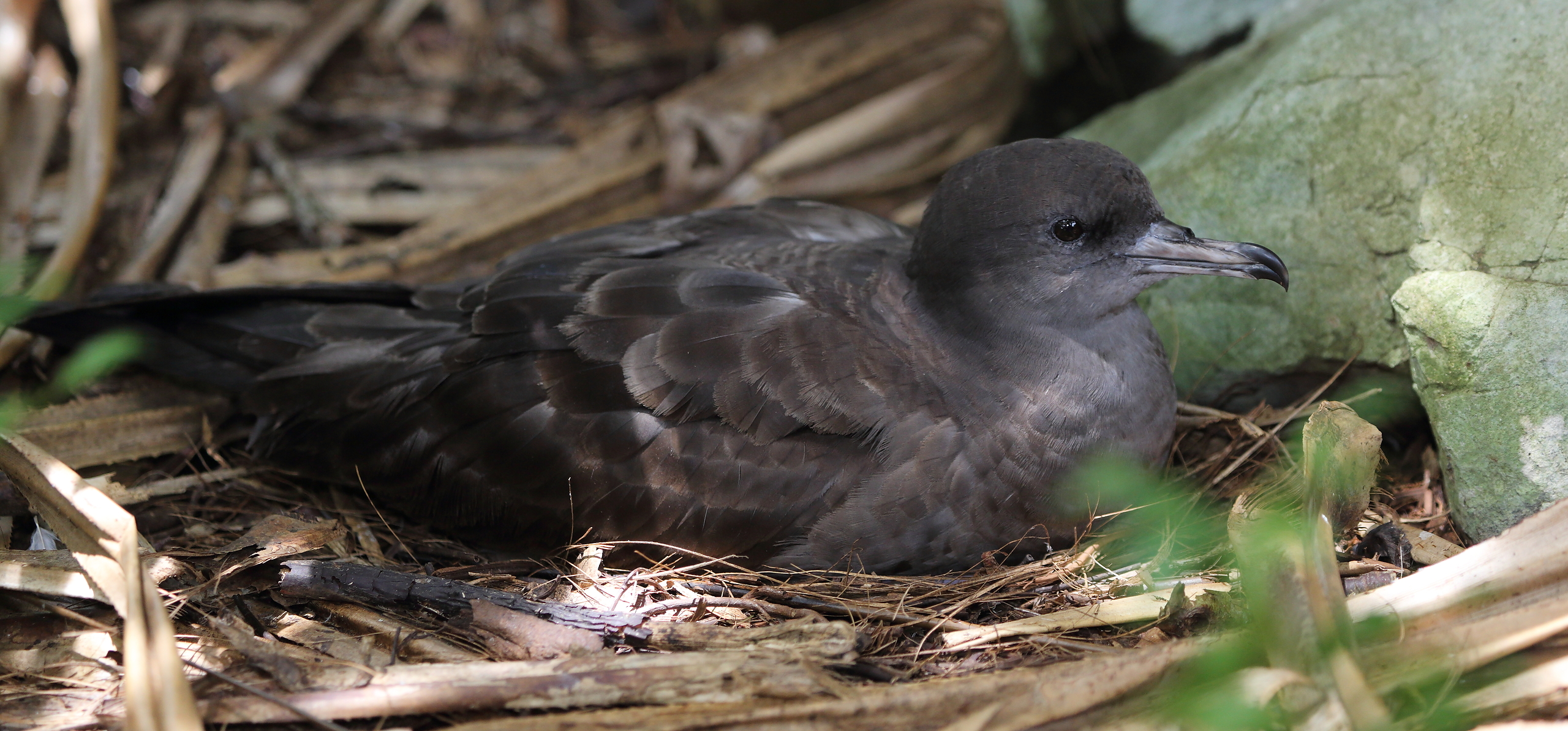
Other possibilities here included Seychelles Fody and the local red-headed race of Malagasy Turtle Dove but we can also expect to see various seabirds as Cousin has large colonies of seven species with Tropical and Wedge-tailed Shearwaters, White-tailed Tropicbird, Brown and Lesser Noddies, Bridled Tern and the delightful White Tern all present and likely to be breeding at the time of our visit.
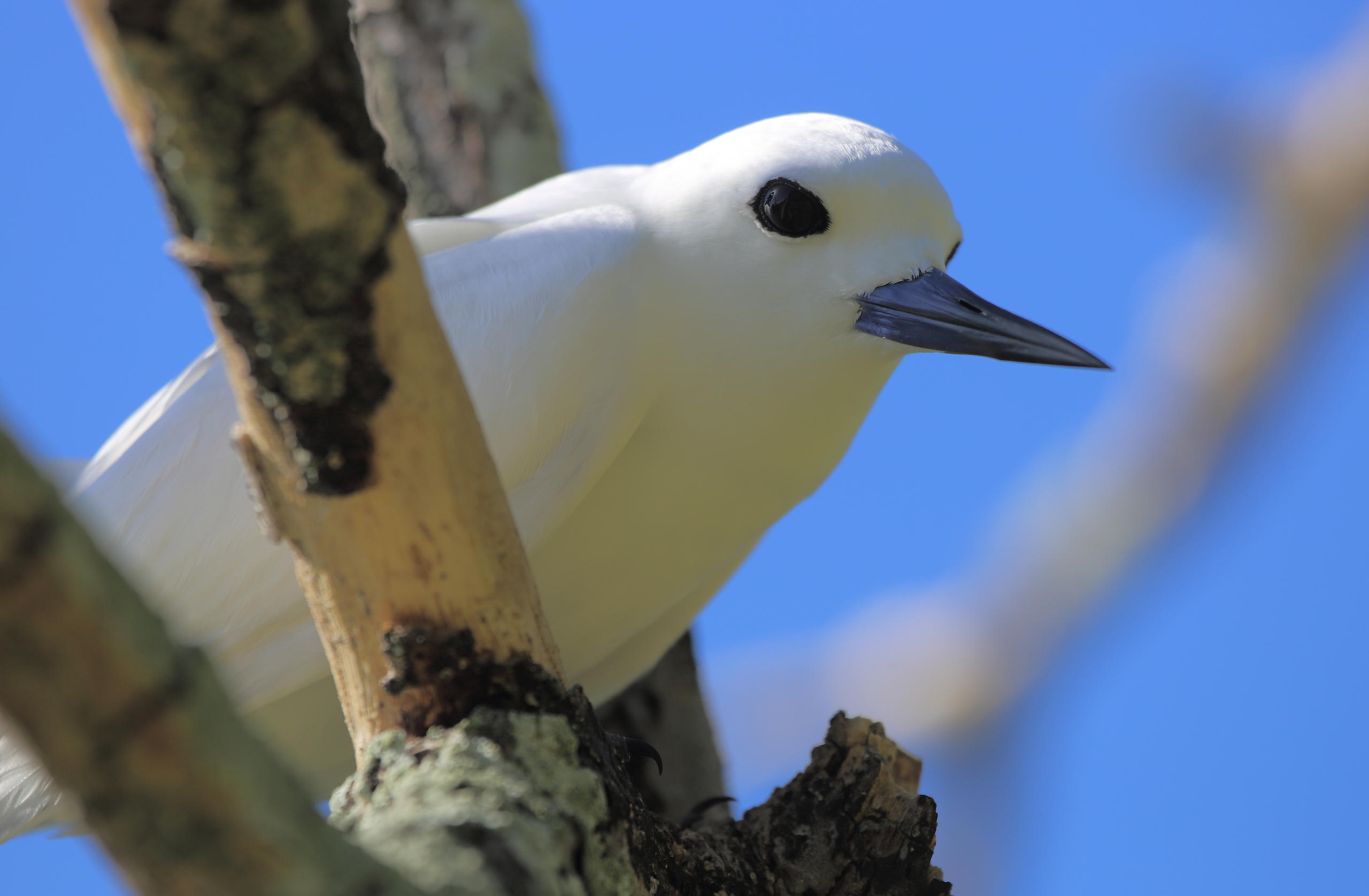
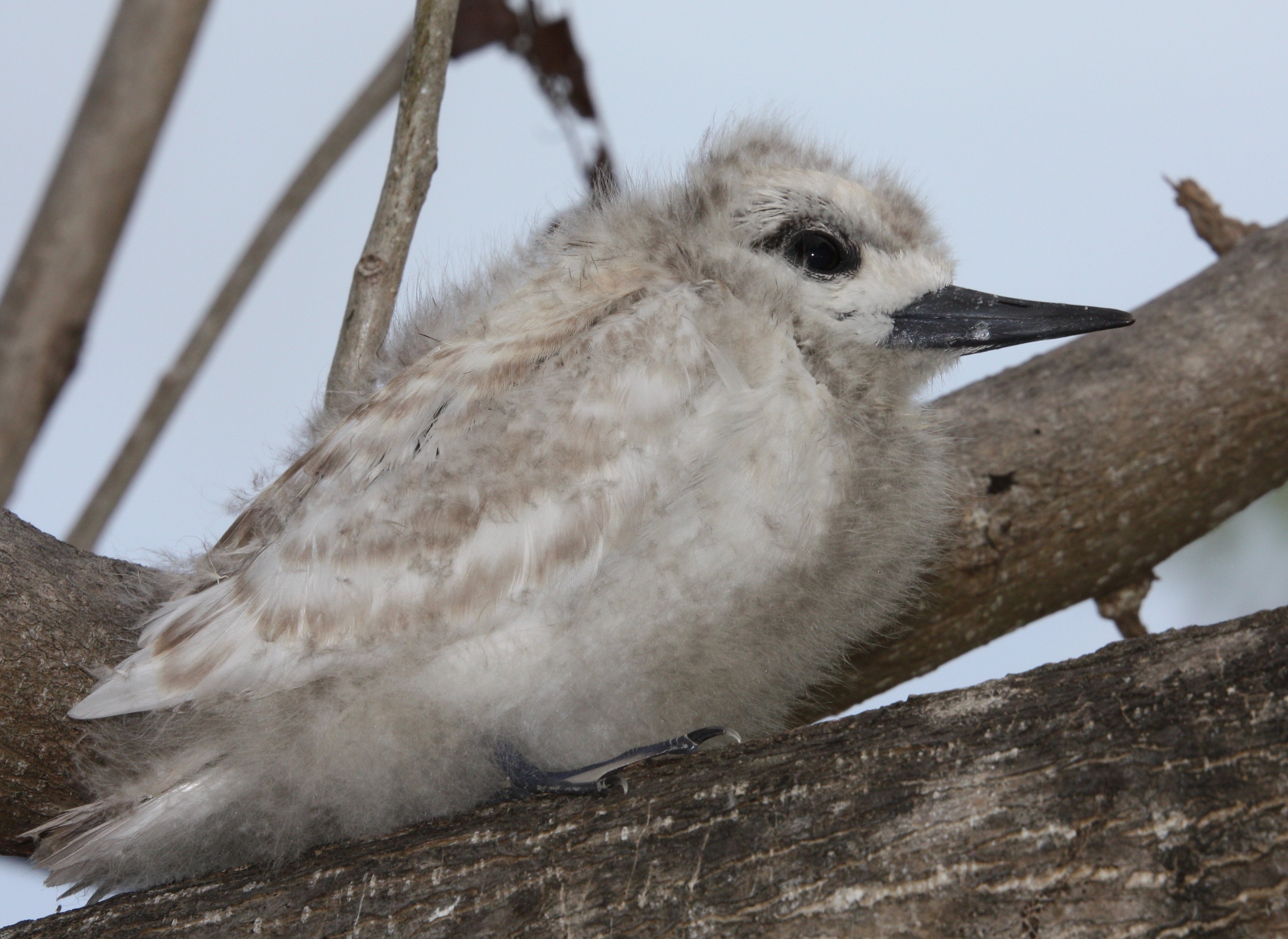
The latter is the only pure white tern in the world and the birds are well-known for laying their eggs on bare branches with minimal nesting material. They are frequently very tame so there should be some fantastic photographic opportunities.
As well as the birds, we should see more giant tortoises before reluctantly leaving this special island and returning to Praslin for the afternoon.
Day 6
TRANSFER TO BIRD ISLAND
After what should have been three extremely memorable days based on Praslin, we will reluctantly depart for what will hopefully be another major highlight, a three-night stay on the world-famous Bird Island.
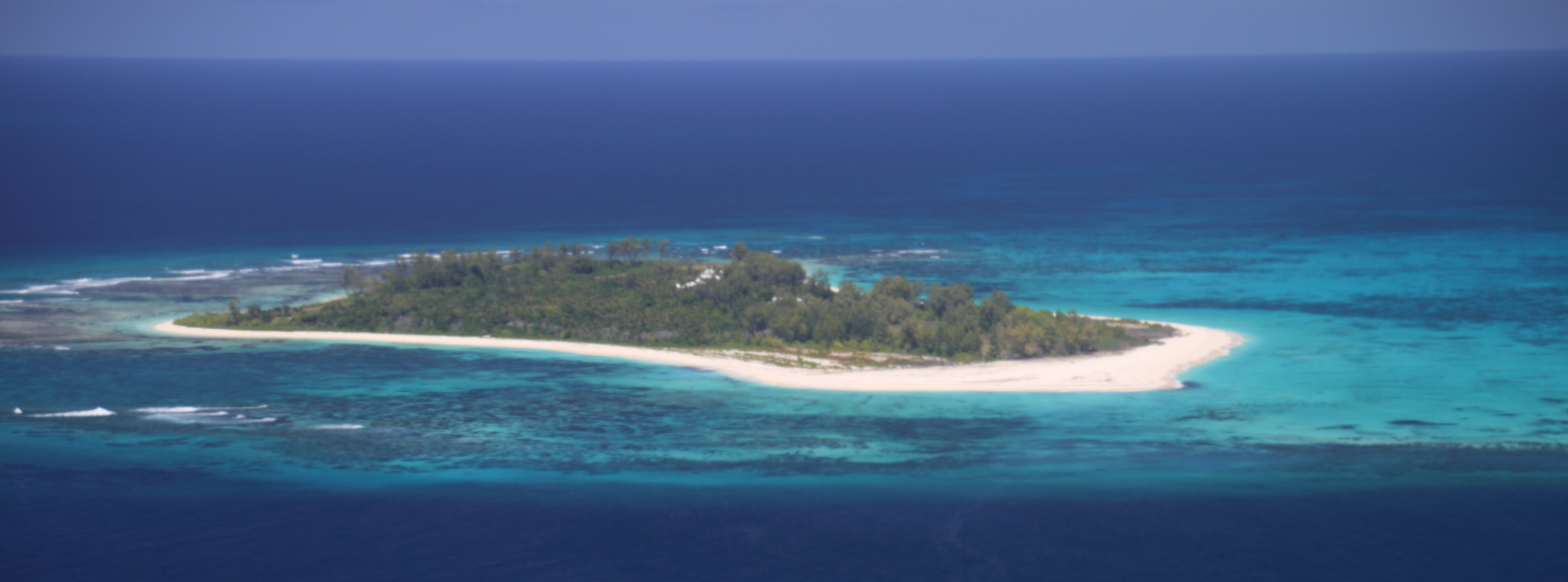
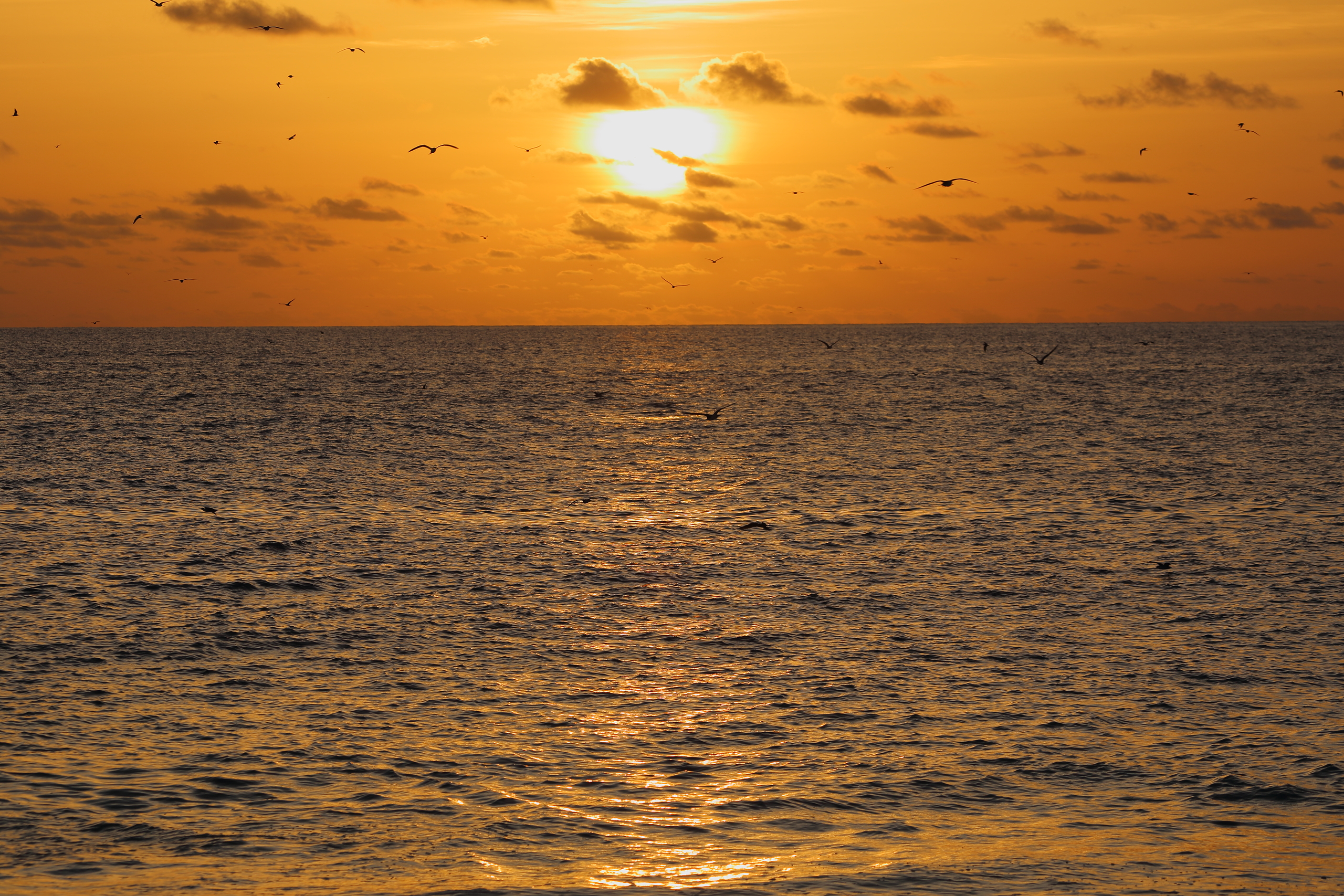
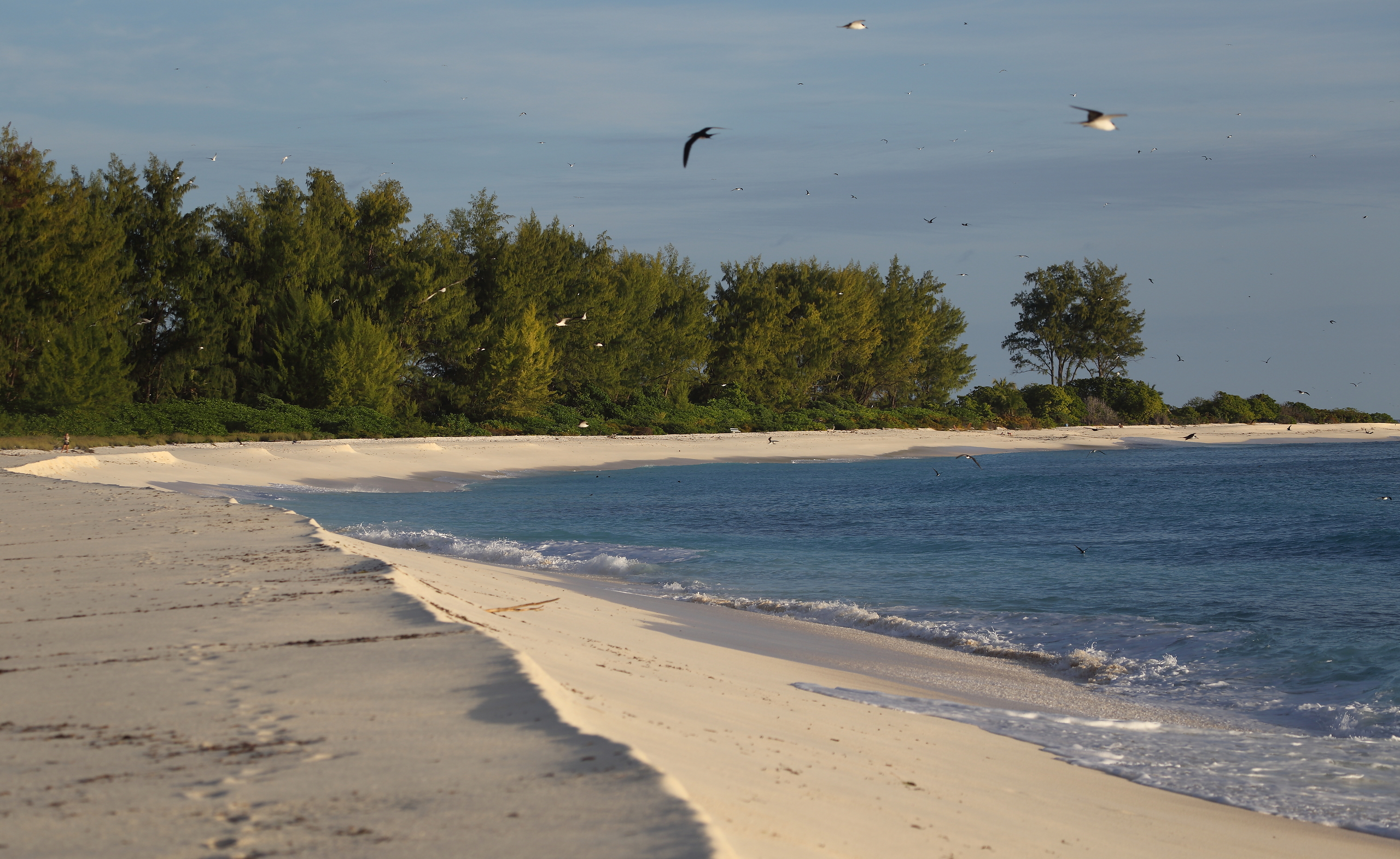
This tiny coral cay which is less than a square mile in area is the quintessential desert island with a true castaway feel, however, it is packed with breeding seabirds. As a result of the clearance of palm trees, the population of Sooty Terns has exploded from around 20,000 in the early 1970s to an estimated 1.5 million individuals.
Whilst only twenty or so species are regular on the island, the sheer spectacle of seeing the vast number of Sooty Terns makes a stay on Bird Island a highly memorable experience, as well as being a fantastic opportunity for photographers.
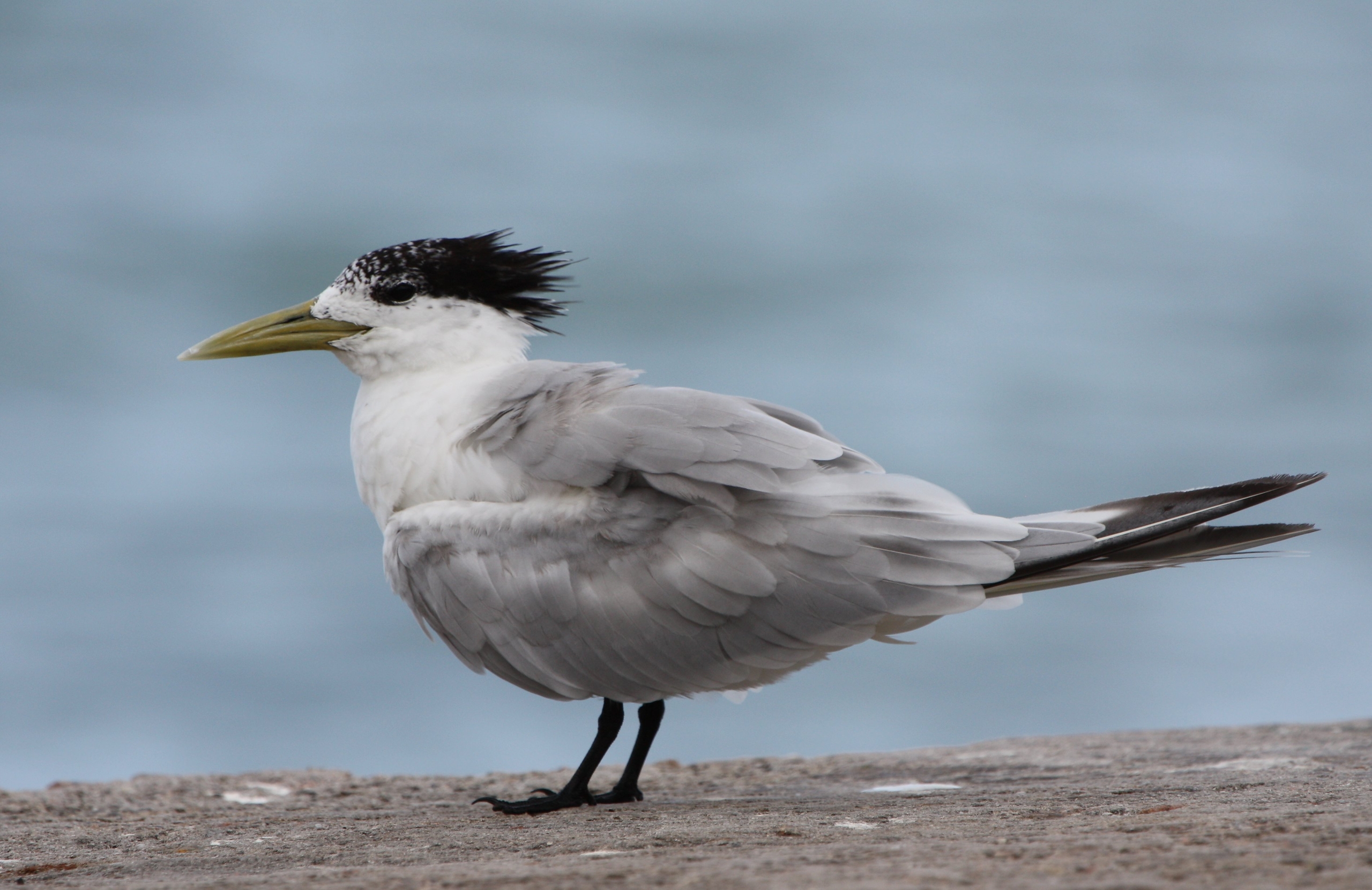
There are, however, other birds to see here too including seabirds such as Greater Crested and White Terns but we will also hope to find the highly distinctive Crab Plover which can often be found along the shoreline. Night Bird Island
Days 7-8
BIRD ISLAND
We will continue our relaxed exploration of Bird Island not only taking the opportunity to watch and photograph the terns but also look for any vagrants that may be present on the island.
Given the island’s comparatively remote location (as it is well to the northwest of the main part of the archipelago), a host of unexpected species have been found over the years including everything from Black-winged Pratincole to Blue-cheeked Bee-eater. Whilst our visit is outside of the main migratory seasons, nevertheless, there is still a decent chance of something unusual being present.
Another likely highlight of our time on the island will be the free-roaming giant tortoises and we will make a special effort to find Esmeralda, which despite the name is actually a male tortoise !! Esmeralda weighs an impressive 48 stone and is believed to be over 180 years old making him one of the oldest terrestrial animals on Earth. Two further nights Bird Island
Day 9
TRANSFER TO MAHE. AFTERNOON AND EVENING BIRDING
After some final morning birding on Bird Island, we will fly back to Mahe and transfer to our comfortable hotel for the final part of our holiday.
Having settled in to our hotel, later in the afternoon we will set off to look for our final endemics with it likely that we will head for the mountains of the Morne Seychellois National Park. This will give us an opportunity to look for Seychelles Kestrel, as well as the often elusive Seychelles White-eye.
We plan to stay out until after dark and will then start listening for the strange rasping call of the rare Seychelles Scops Owl. This is the final endemic we are likely to see and there is a good chance we will end our holiday with some decent views of this tricky endemic. Night Mahe
Day 10
MORNING MAHE. TRANSFER TO AIRPORT FOR FLIGHTS TO UK
There should be time for some final birding before we reluctantly head to Mahe’s international airport for our flights back to the UK.
Day 11
ARRIVE UK
We should arrive back in the UK in the early afternoon where our holiday to the Seychelles concludes.
WHAT TO EXPECT
Our relaxed-paced tour to the Seychelles will introduce you to this fantastic island nation. We will aim to look for all the endemics which occur on the islands we visit; indeed, we should see all of the country’s endemic species except those which occur on the very remote Aldabra Atoll.
We plan to stay on three different islands, Praslin, Bird and Mahe and during our stay on Praslin will make day trips to La Digue and Cousin.
Compared with many of our other tours to tropical regions, this one will be comparatively leisurely with no exceptionally early starts and by staying on only three different islands, those who want to do their own thing or not join the excursions on a given day will be able to do so.
With all our accommodation being near beaches (and the hotels on Praslin and Mahe having swimming pools), there will be ample opportunity to relax and this holiday would be an excellent option for anyone with a non-birding spouse.
We will spend most of the time walking on level ground, birding from paved or unpaved roads or tracks, and on some forest trails with occasional steep sections, but these are quite short.
Daytime temperatures on Mahe are typically between 25-28C in Mahe in early July. This is the coolest season and driest month although there could still be light showers.
ACCOMMODATION
8 nights’ accommodation in the Seychelles. Our hotels on Praslin and Mahe are very comfortable with onsite restaurants, swimming pools and air-conditioned rooms.
On Bird Island, the only accommodation available are comfortable villas with fans and solar-heated showers in private facilities. The rooms are of a good standard but not as high as the other accommodation we use on this holiday, however, it is well worth staying here to enjoy the spectacle of the birds on the island.
MEALS
All main meals are included in the tour price (and with drinking water provided during the day), commencing with dinner on Day 2 and concluding with lunch on Day 10.
Lunches will be a mixture of picnics, meals at a convenient restaurant or at our hotel.
The only meals that the staff on Bird Island prepare are set evening dinners but they have a modest shop where it is possible to buy food for breakfast and lunches. Our tour price includes a selection of options for both breakfast and lunch but you will, of course, be able to buy other alternatives, snacks etc if you wish.
WALKING
We will generally be birding along paved or unpaved roads or tracks, the majority of which are flat. The centre of Mahe does have some steeper sections and there are moderate slopes on some of the trails at Vallee de Mai on Praslin but these are all short.
INTER-ISLAND TRANSFERS
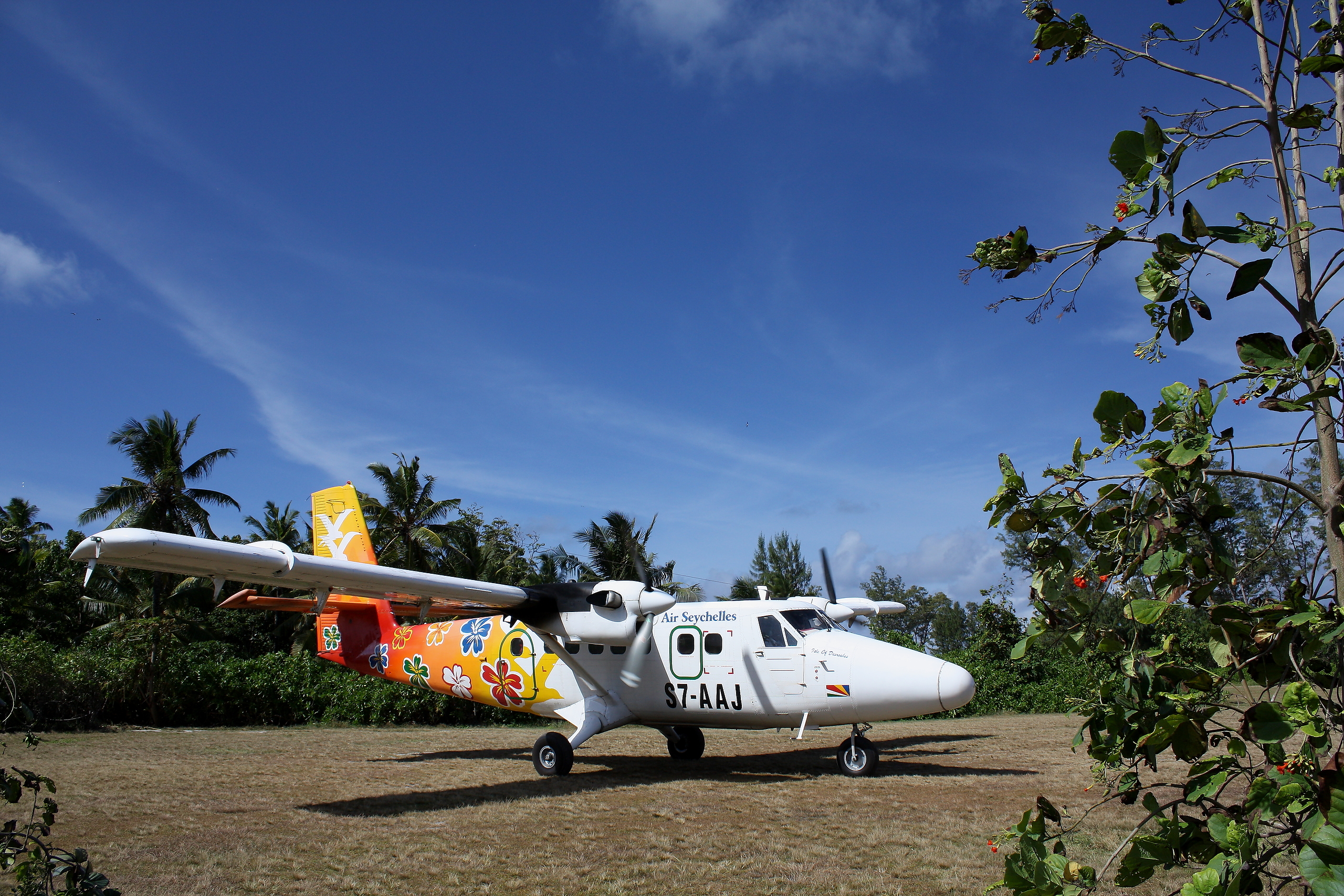
We plan to use a mixture of inter-island small planes and ferries to transfer between the islands we intend to visit on the holiday. On our trip to Cousin, we will use a charter boat for this excursion.
GROUND TRANSPORT
By minibus or other suitable vehicle depending on the group size.
Tour Gallery
View a gallery of images for this tour below, click on an image to view as full size with caption
Ask About This Tour
If you have any questions about this tour, please enter your details here and we will get back to you as soon as possible.
Alternatively, contact us by email or phone. We look forward to hearing from you!
- 01692 580623
- tours@limosaholidays.co.uk
Or complete the contact form and we will endeavour to get back to you as soon as possible.
* = required field

