Thailand
Khao Yai, Gulf coast, Kaeng Krachan and Northern Mountains
A fantastic 17-day holiday visiting many of the best sites in Thailand from the coastal mudflats to Thailand's highest mountain looking for an incredible range of special birds
Limosa’s birdwatching holiday to Thailand brings together several of the country’s finest birding regions in Central and Northern Thailand, offering you an exceptional journey through landscapes rich in birds, wildlife and beautiful scenery.
The holiday begins with a three-night stay at the edge of Khao Yai National Park, one of Thailand’s most celebrated protected areas. Here, the forest trails and quiet roads provide superb opportunities to search for an outstanding variety of species including hornbills, barbets, woodpeckers, broadbills, kingfishers, leafbirds and trogons, and we may also encounter impressive mammals such as Asian Elephant.
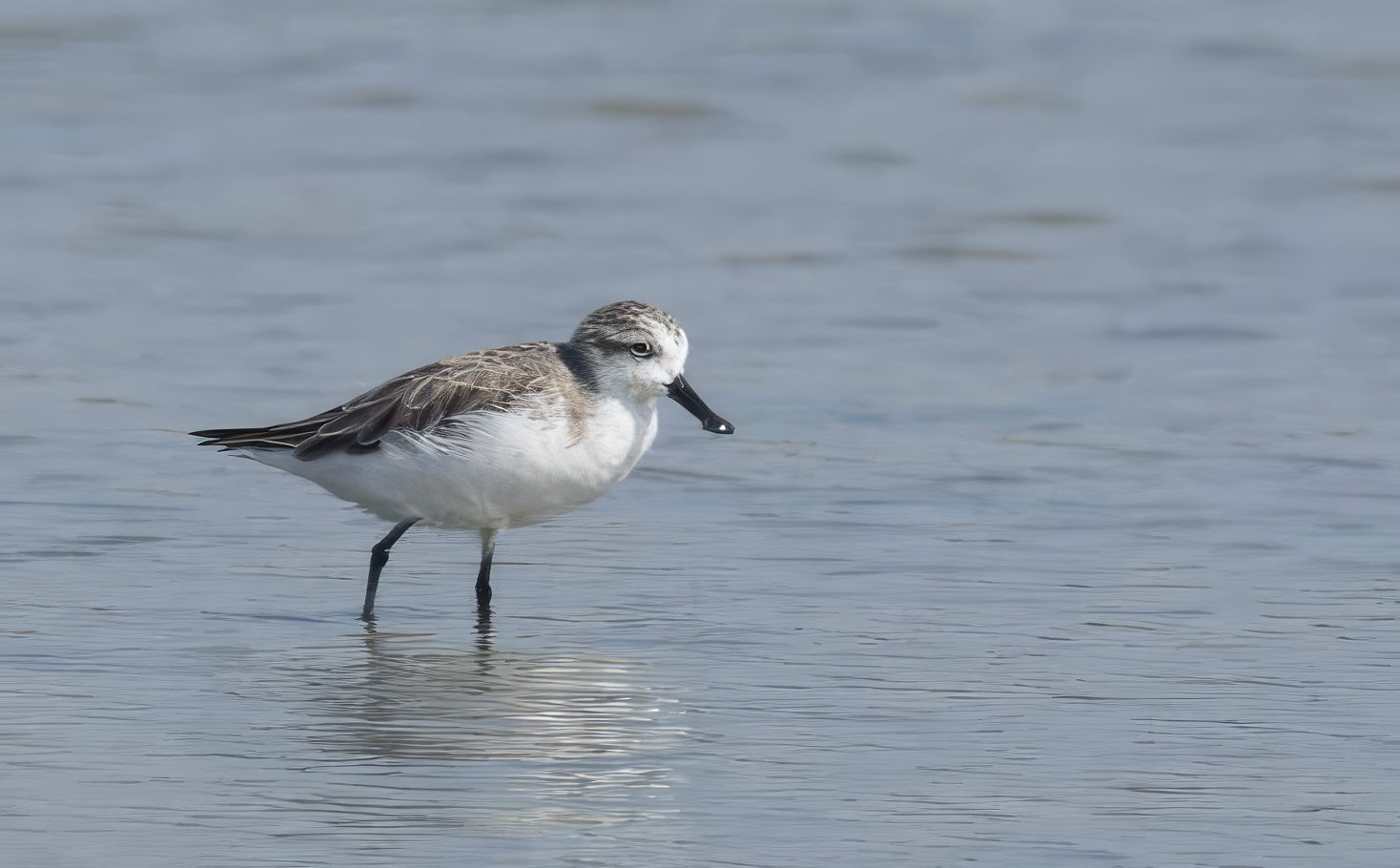
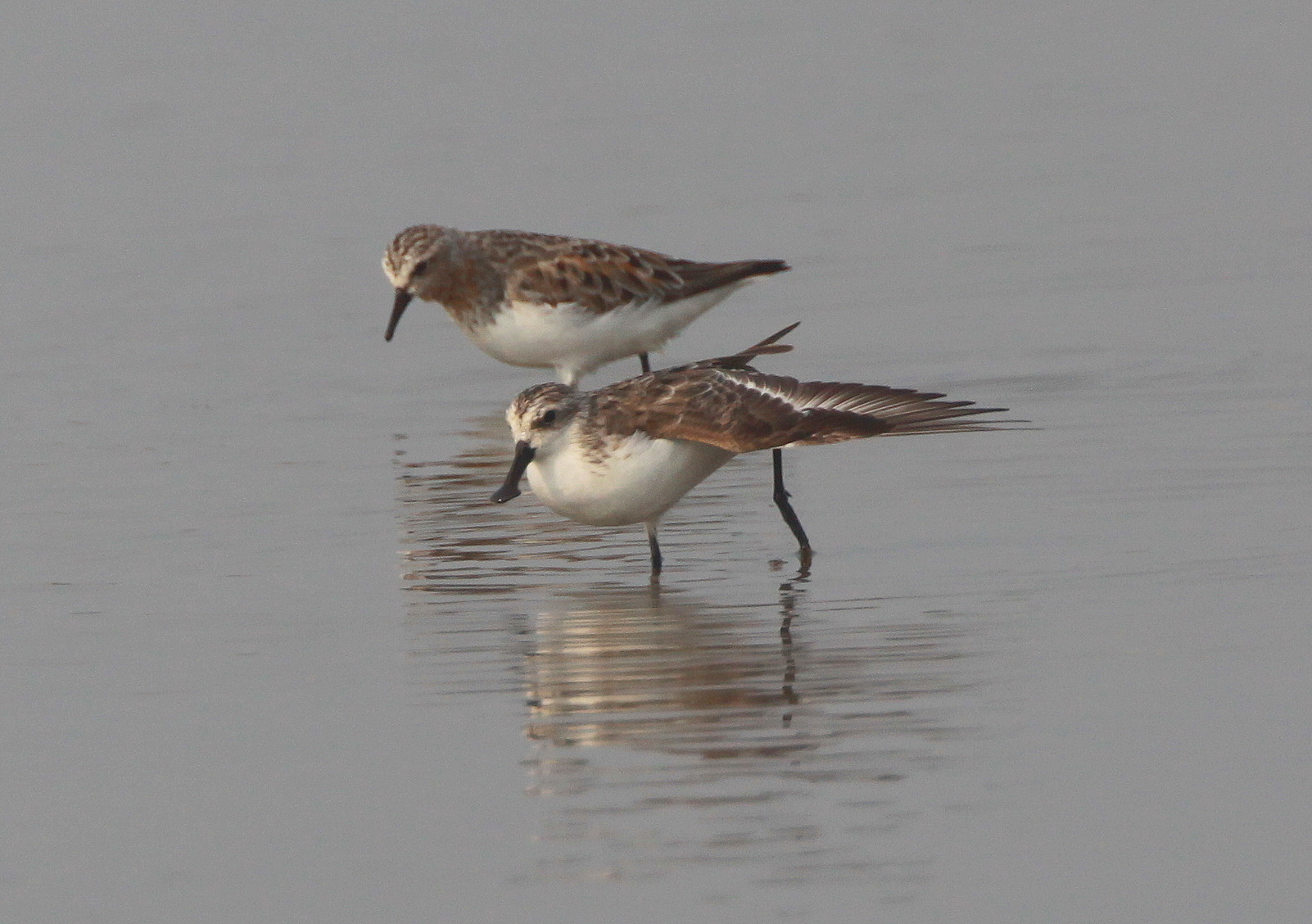
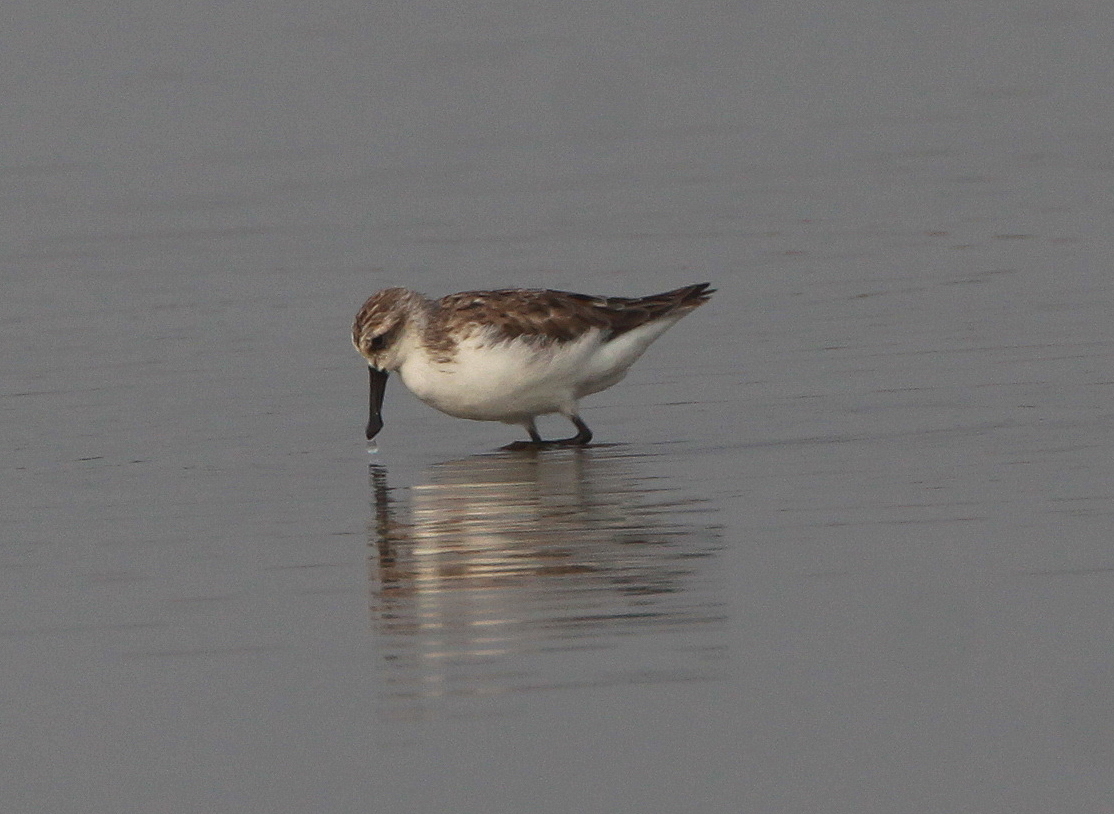
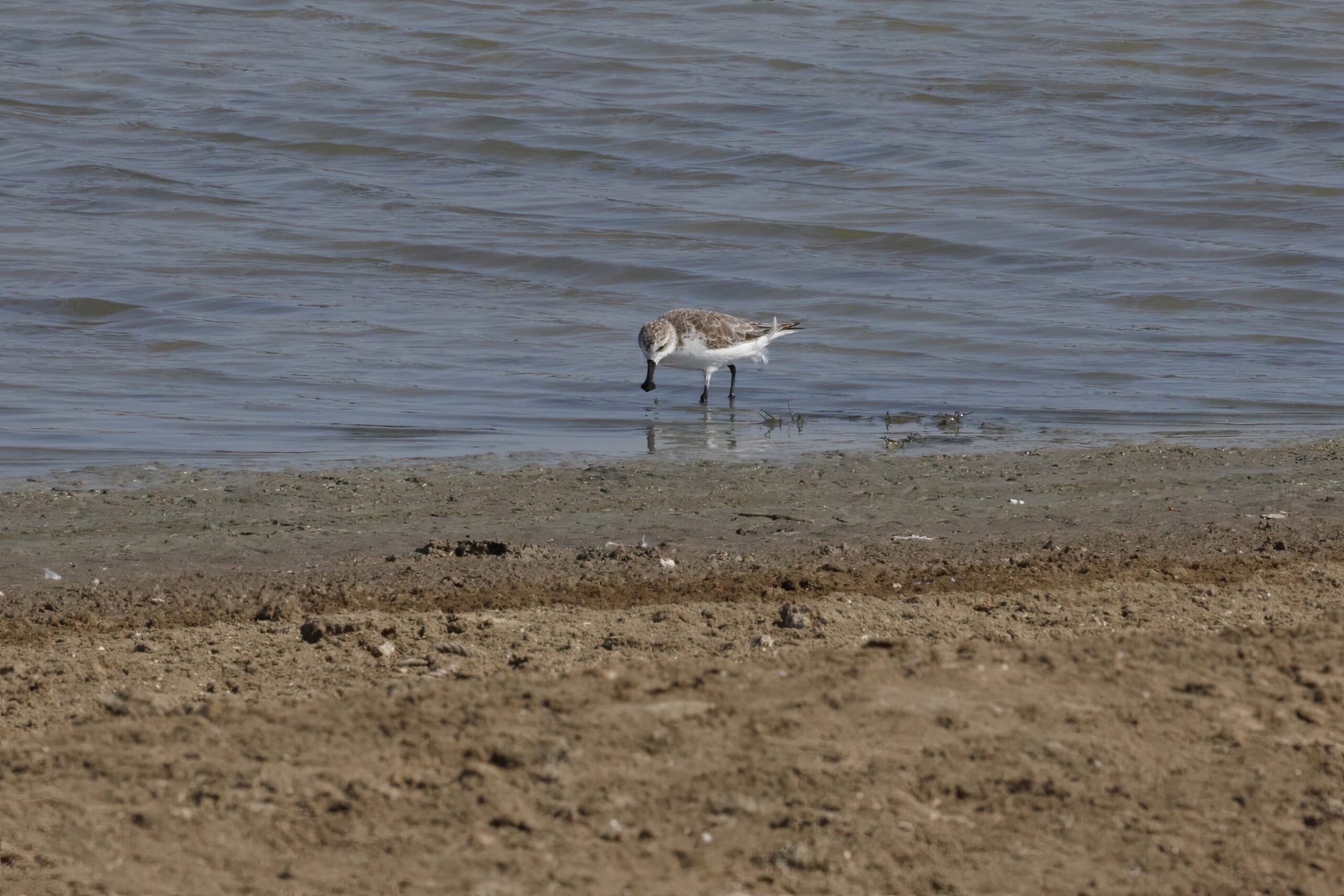
We then travel south to Phetchaburi for a two-night stay, where the nearby coastal wetlands and rice fields hold a wealth of special birds including the critically endangered Spoon-billed Sandpiper. This region is well known for its abundance of waders, herons, raptors and open-country species, providing excellent variety before we continue on to Thailand’s largest national park.
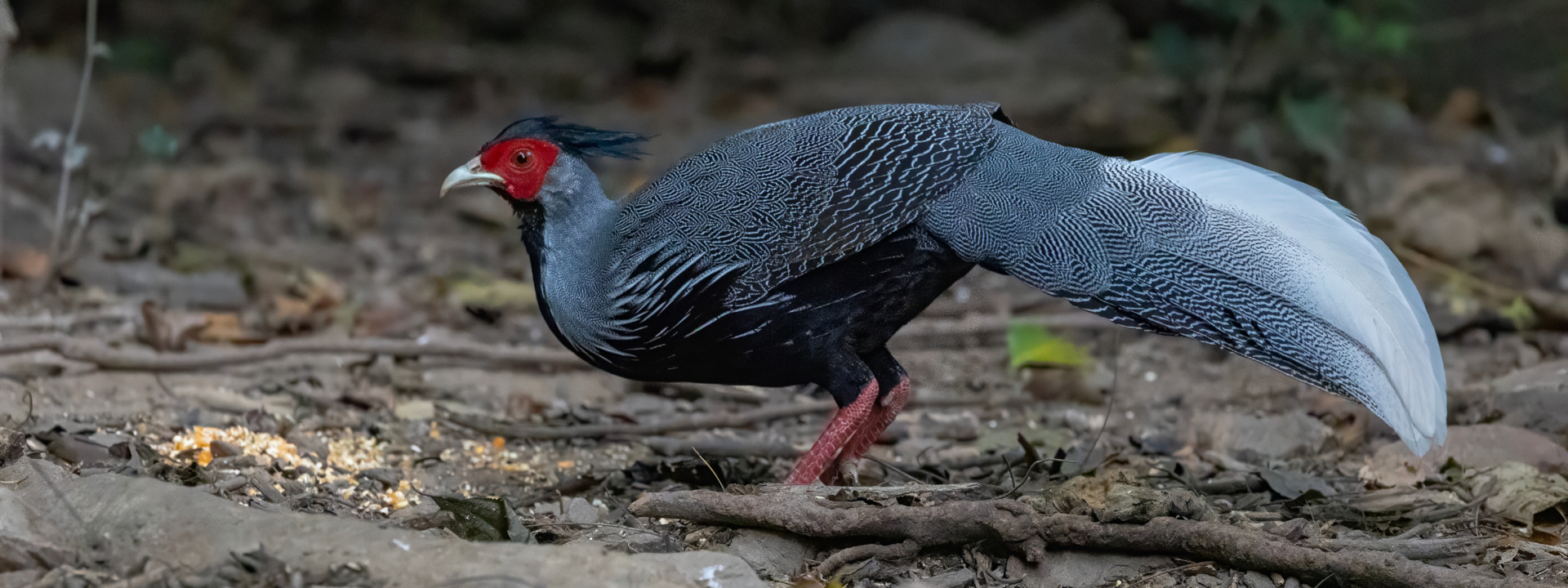
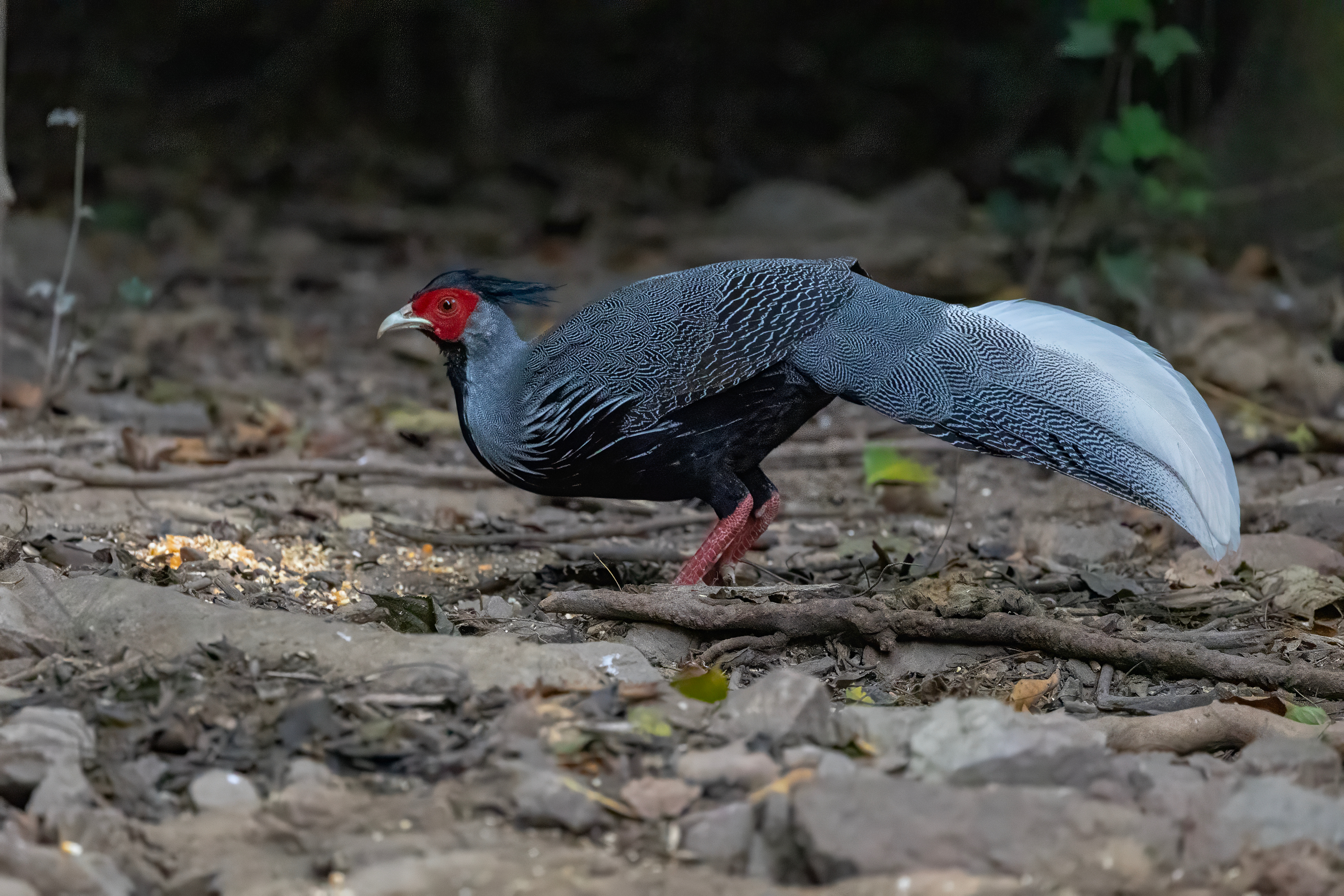
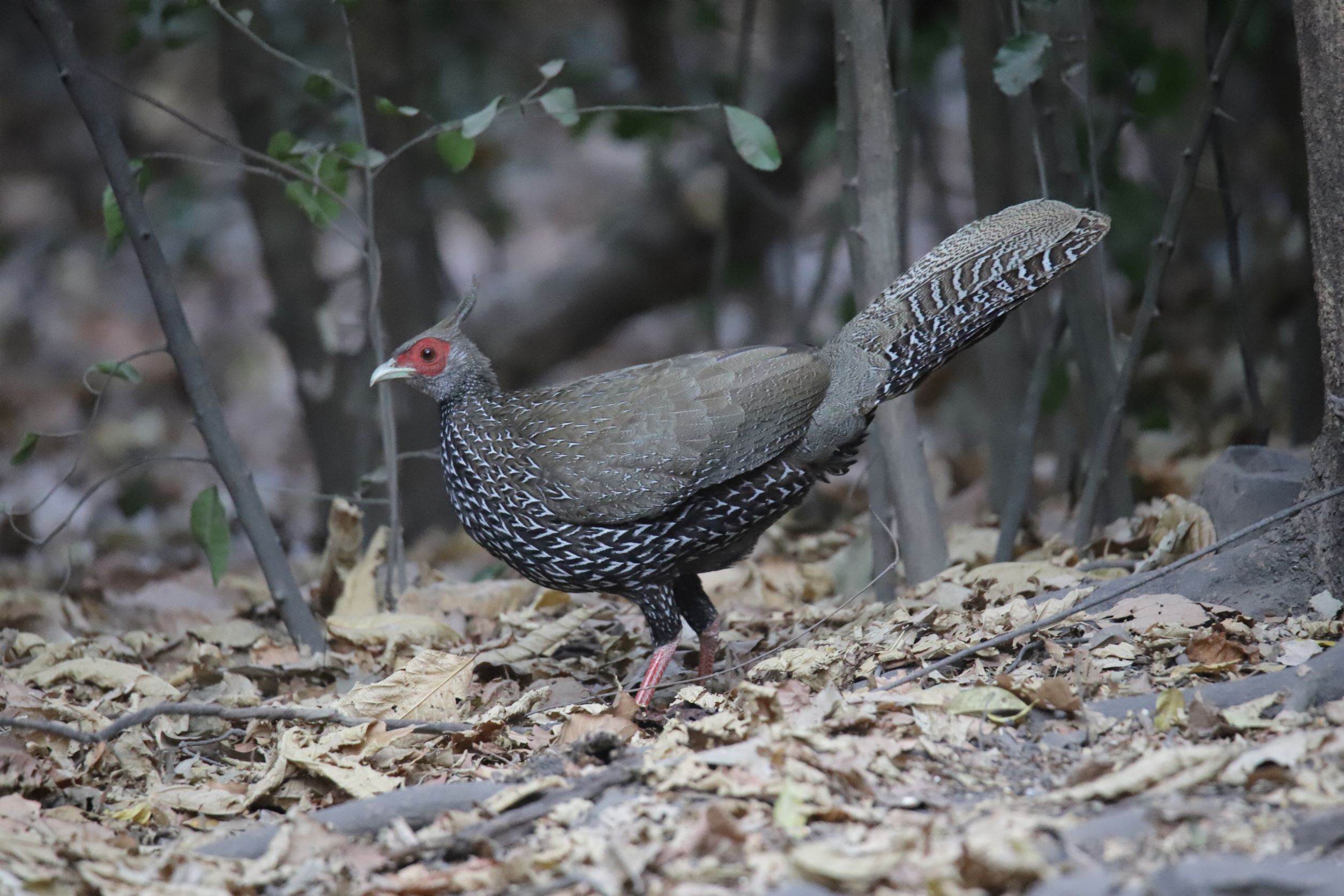
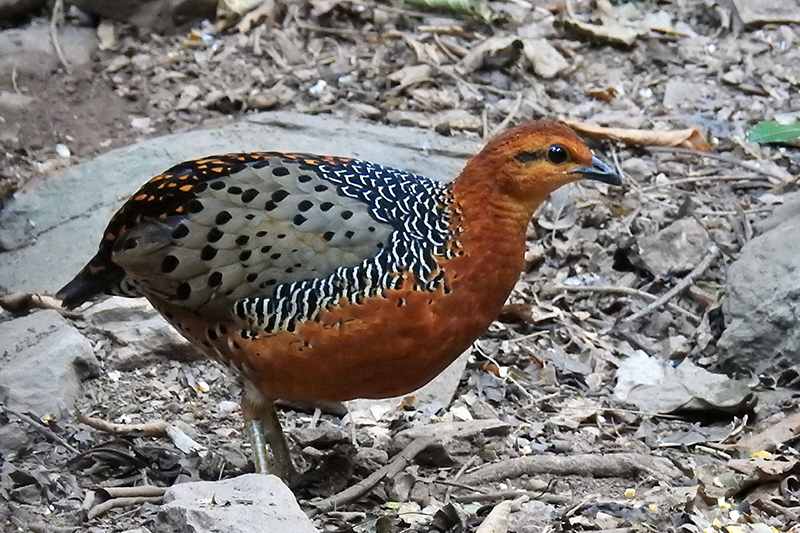
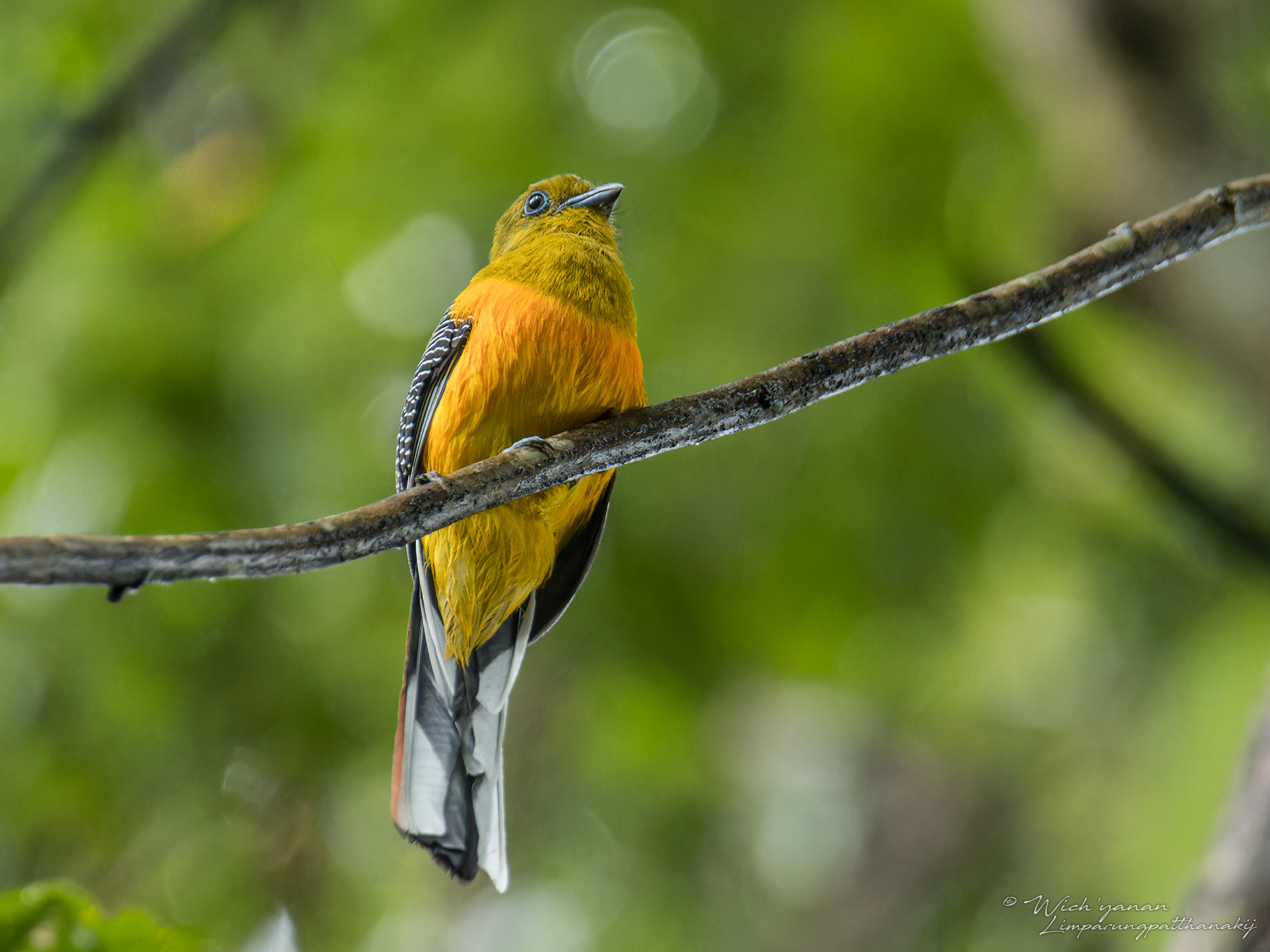
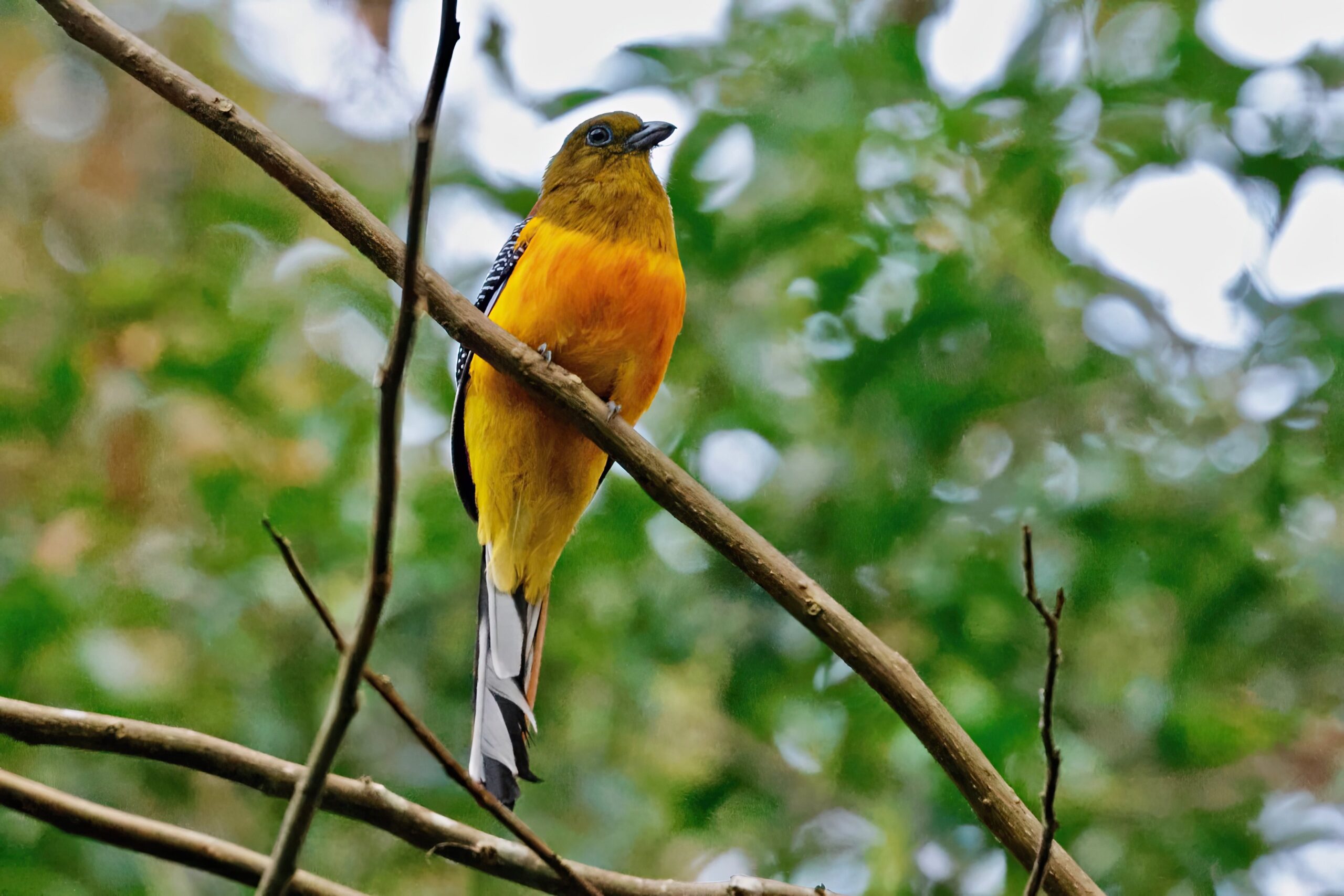
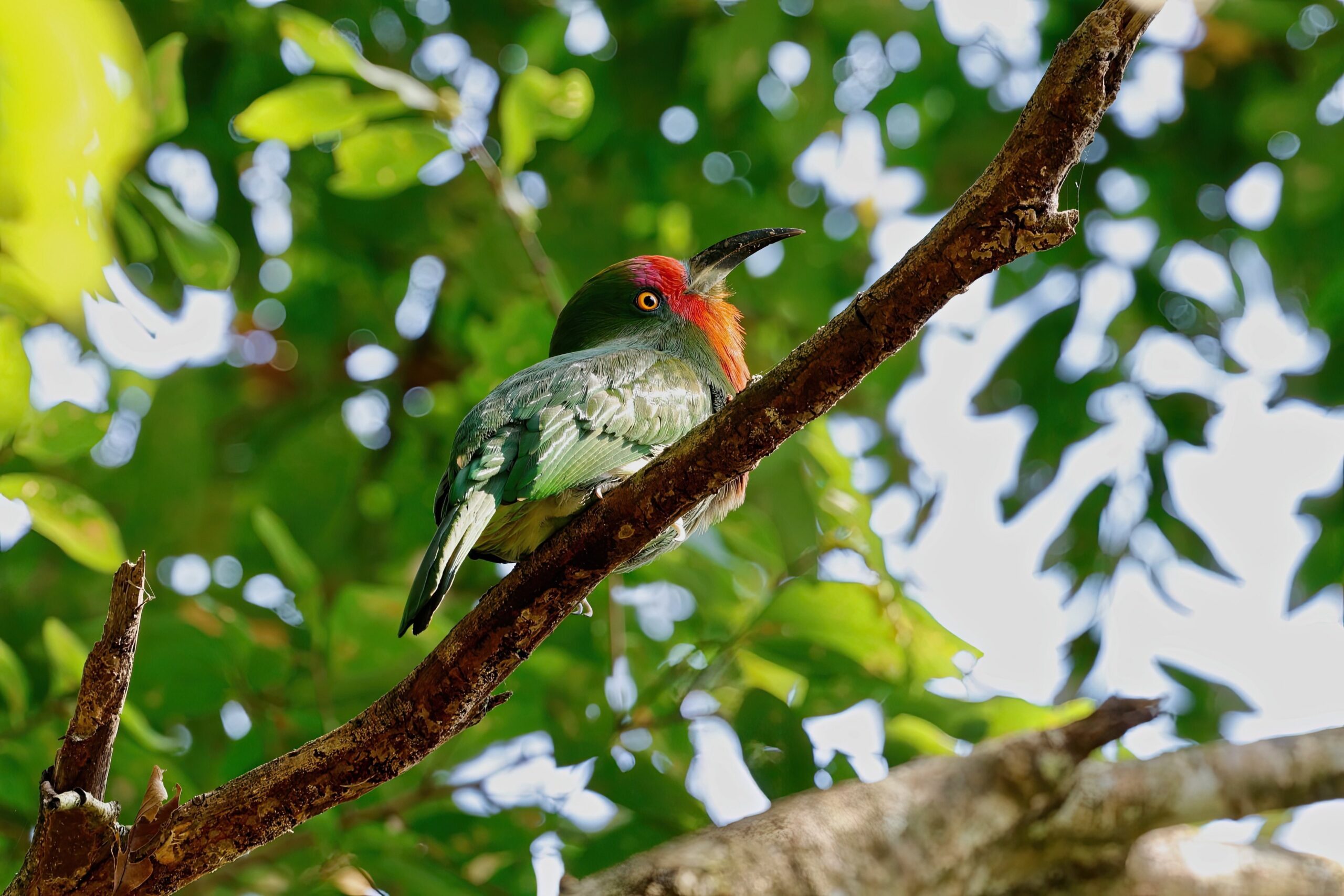
Next, we head west to Kaeng Krachan for a three-night stay. This famous forest reserve offers superb birding, with possibilities including Kalij Pheasant, Grey Peacock-Pheasant, Great Hornbill, Blue-bearded Bee-eater, Orange-breasted Trogon and a remarkable range of forest specialists. The hides, tracks and viewpoints here make it one of Thailand’s most productive birding areas.
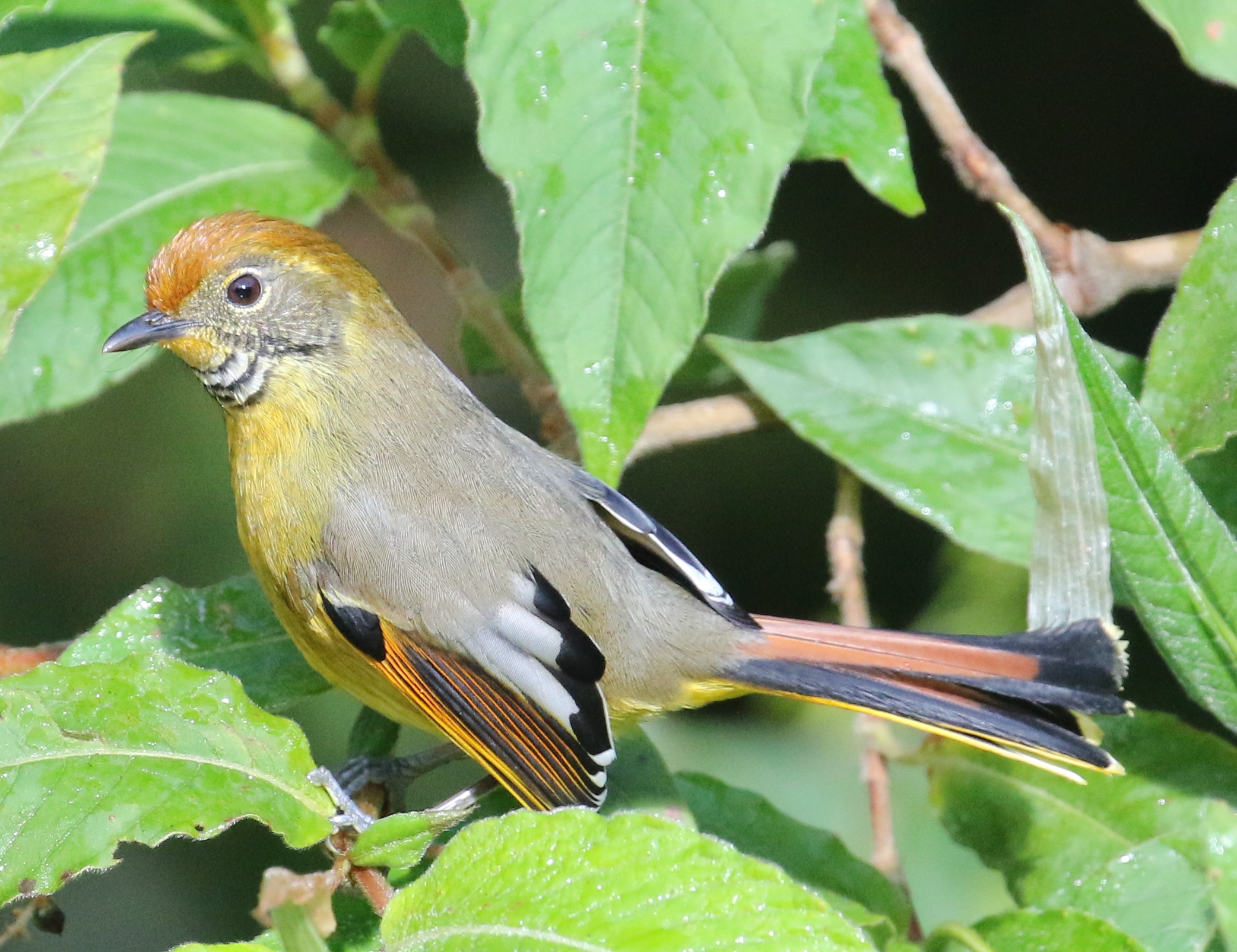
Leaving the central region behind, we fly north to Chiang Mai and continue up into the mountains of Doi Inthanon, Thailand’s highest national park. Over the next two full days, we will explore its rich habitats in search of many northern specialities such as Green-tailed Sunbird, Yellow-bellied Flowerpecker, Chestnut-tailed Minla and the region’s suite of high-elevation endemics.
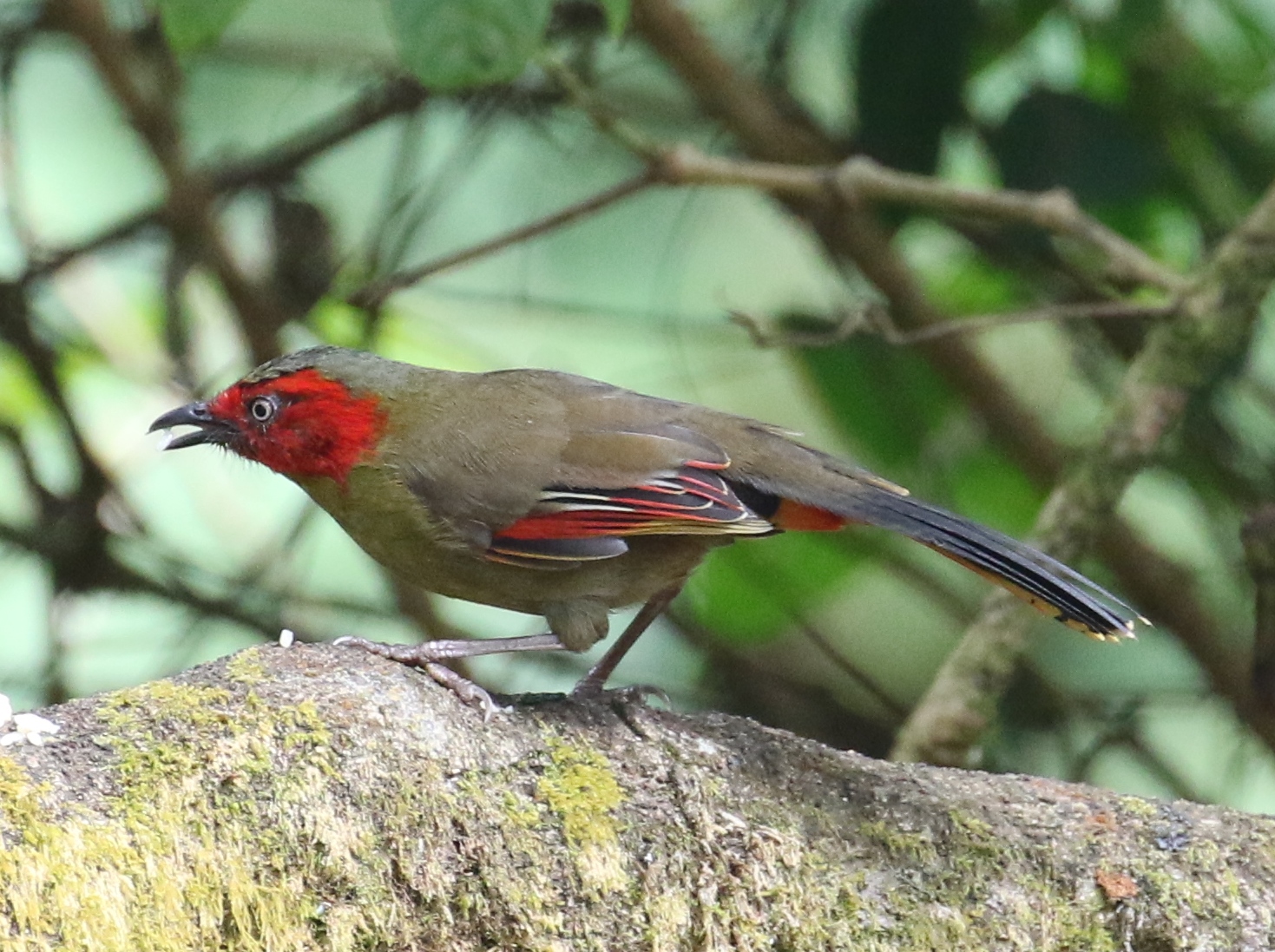
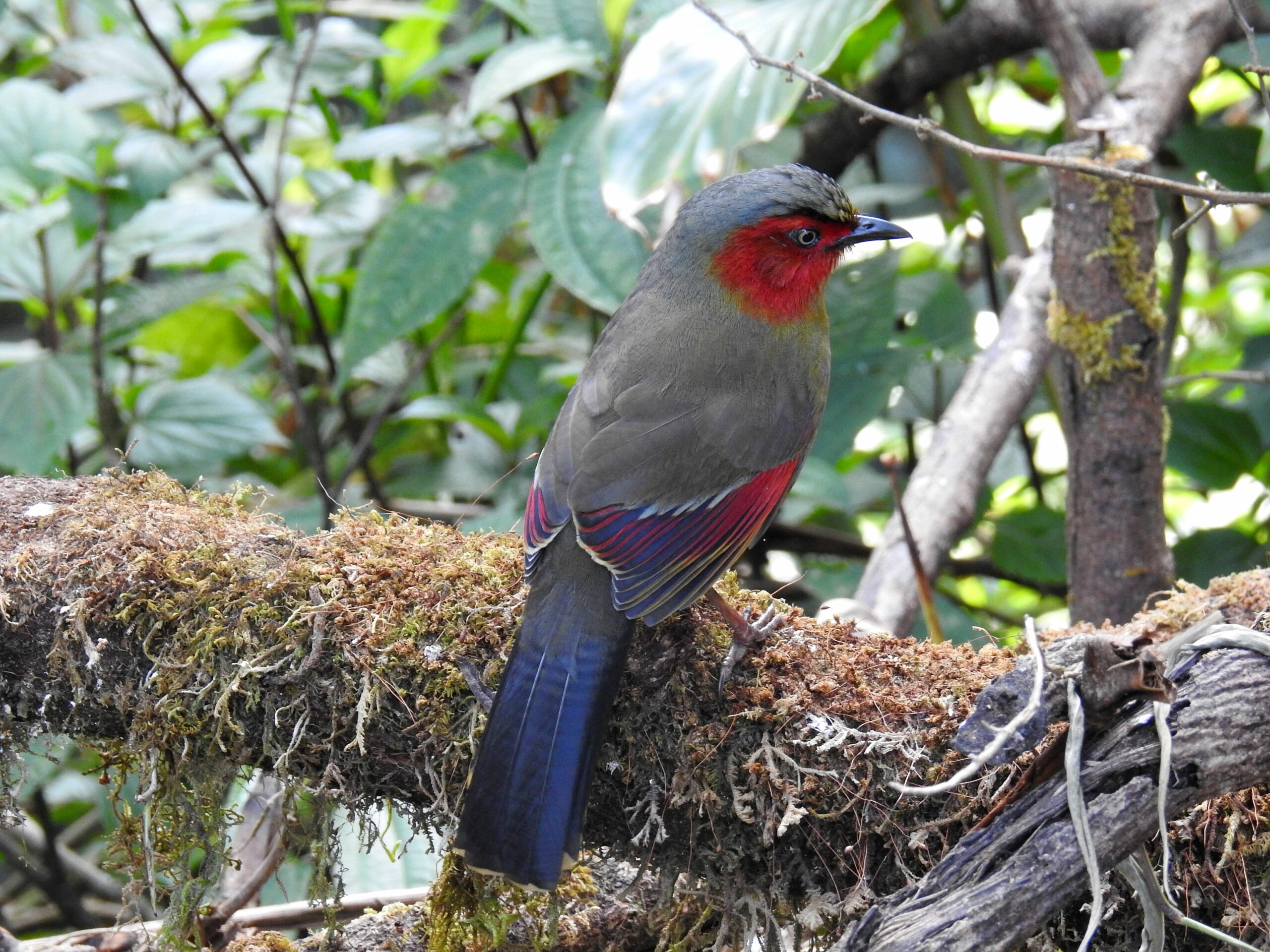
From here, we continue north via the scenic Doi Angkhang to reach Fang for a three-night stay. This positions us perfectly for exploring the superb birding areas of Doi Lang, where we will spend two full days. Here, we hope to encounter a wonderful selection of northern specialities including Scarlet-faced Liocichla, Giant Nuthatch, Mrs Hume’s Pheasant and a wide variety of colourful flycatchers and thrushes.
Led once again by Wich’yanan Limparungpatthanakij—the author of the Lynx field guide to Thailand and one of the country’s most outstanding bird experts—you will be guided by someone with unmatched knowledge of Thailand’s birds and birding sites. As one of our well-travelled clients recently said, Jay is simply “the best guide we have travelled with.”
Tour Dates & Prices
Fri 15th January 2027
Sun 31st January 2027
- Guaranteed Departure
Tour Cost: 17 Days from £5895 including return flight from London and internal flights or £4495 land only
What's Included?
- Led by Limosa’s expert English-speaking Thai guide,Wich’yanan Limparungpatthanakij (“Jay”) and accompanied by Frank Lambert subject to minimum numbers
- 14 nights’ accommodation in Thailand
- All main meals with drinking water included
- Transportation by air-conditioned minibus or other suitable vehicle depending on group size
- Boat trip at Laem Pak Bia
- All excursions, entry fees, permits, local guides, tour-based tips and taxes
- Limosa checklist of birds and mammals
Cost Excludes
Insurance, drinks, airport meals, snacks and other items of a personal nature.
Additional Information
The land only cost is the price you will pay if you choose to arrange your own flights. If you select this option, please contact the Limosa office before making your travel arrangements.
Tour Highlights
- Superb introduction to the amazing birdlife of Thailand
- Abundance of resident Thai birds and outstanding for wintering shorebirds
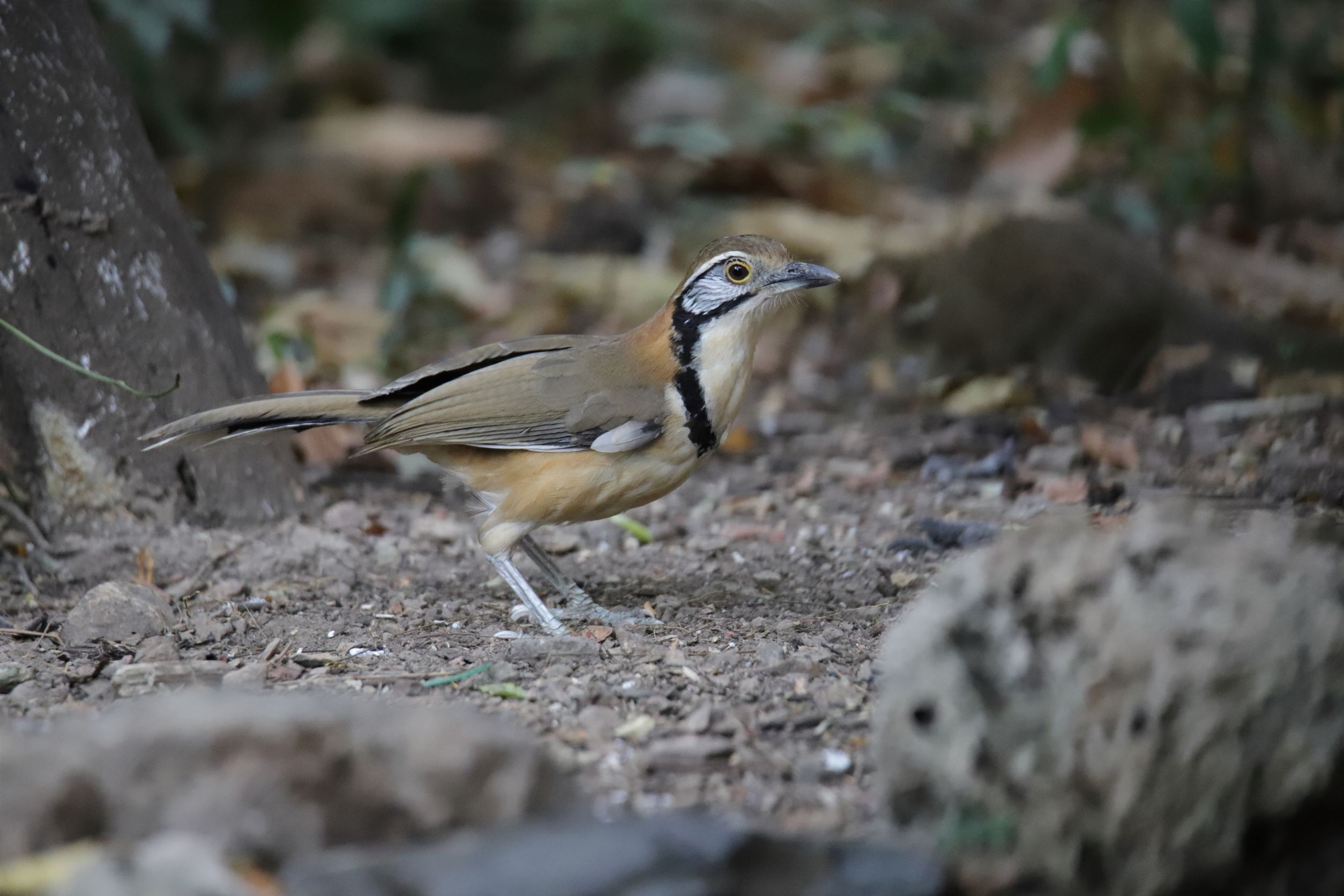
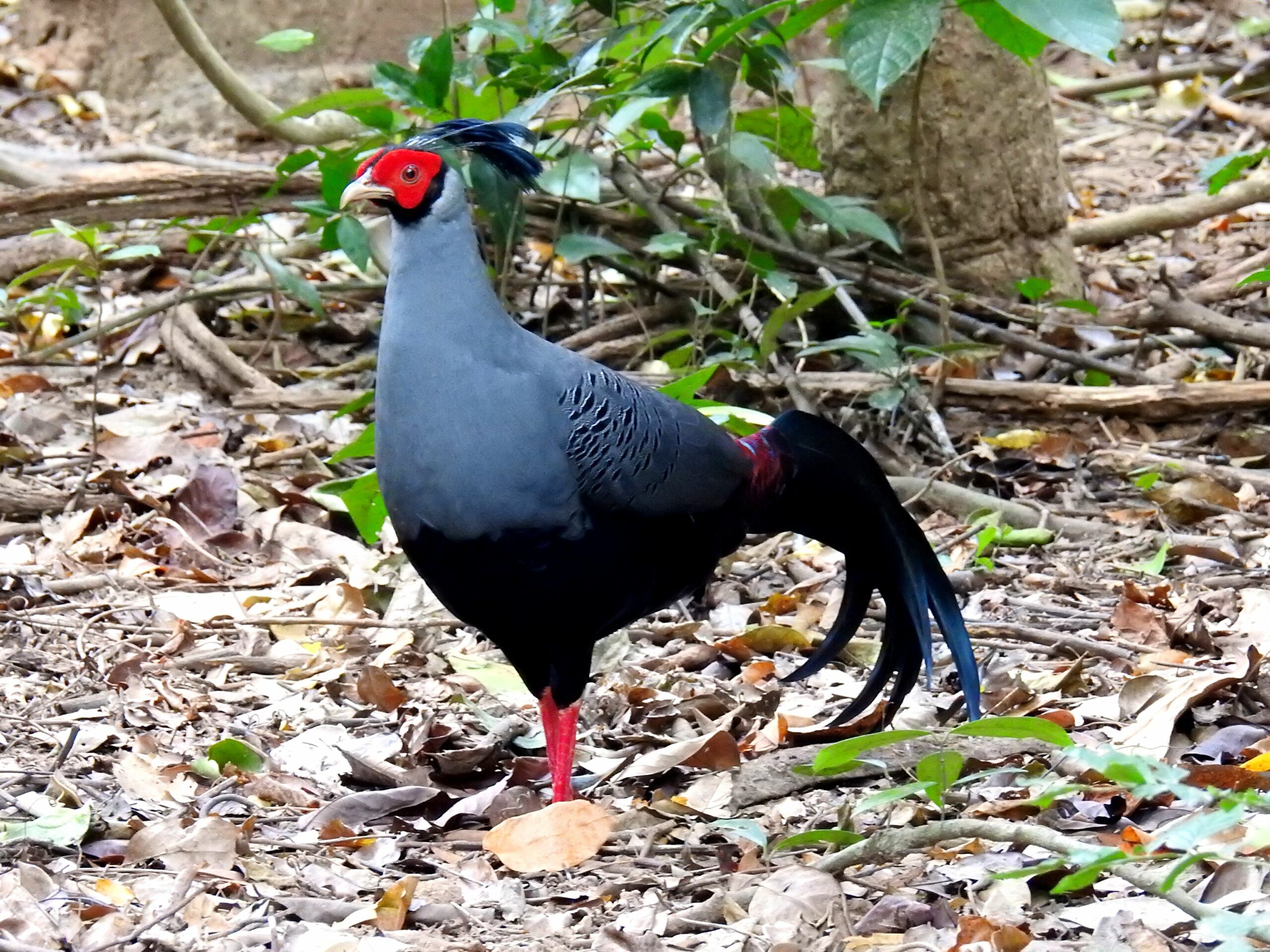
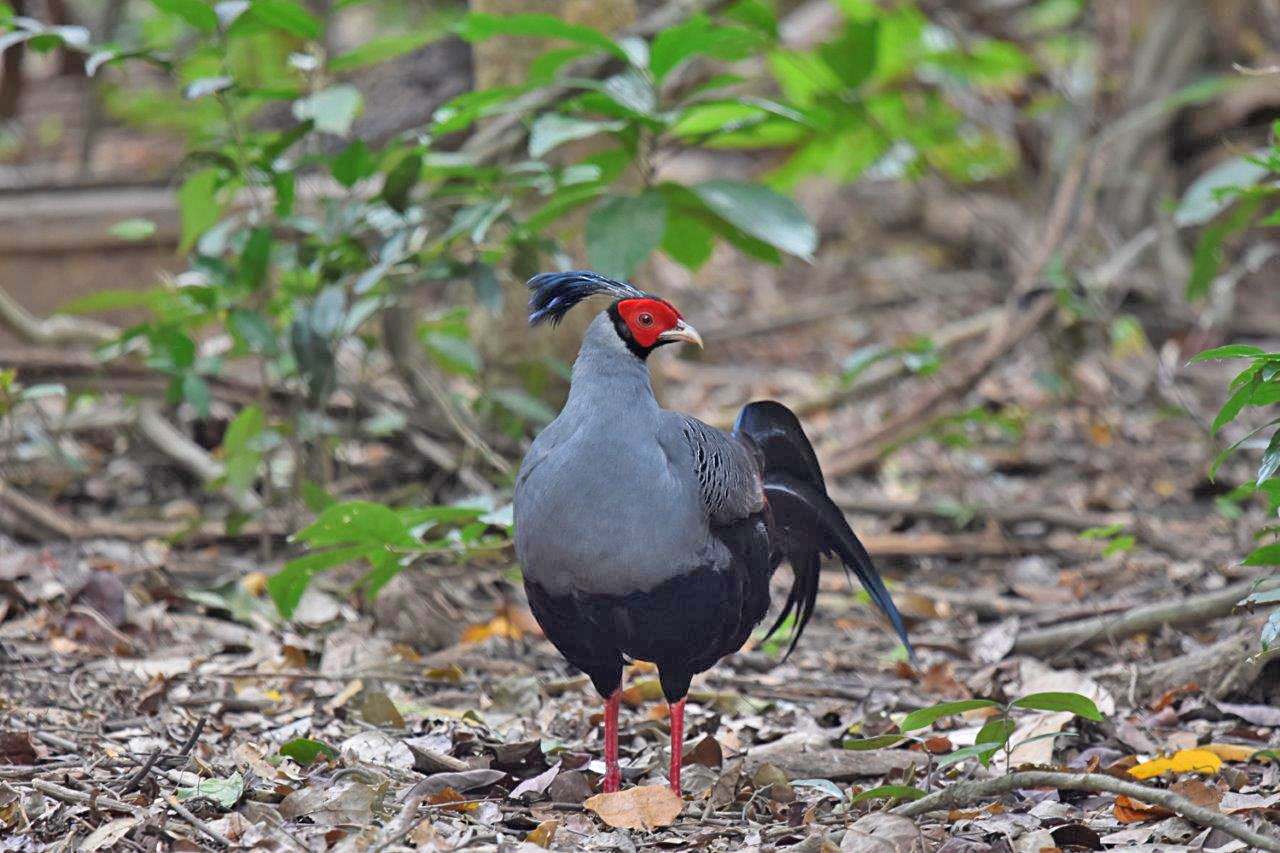
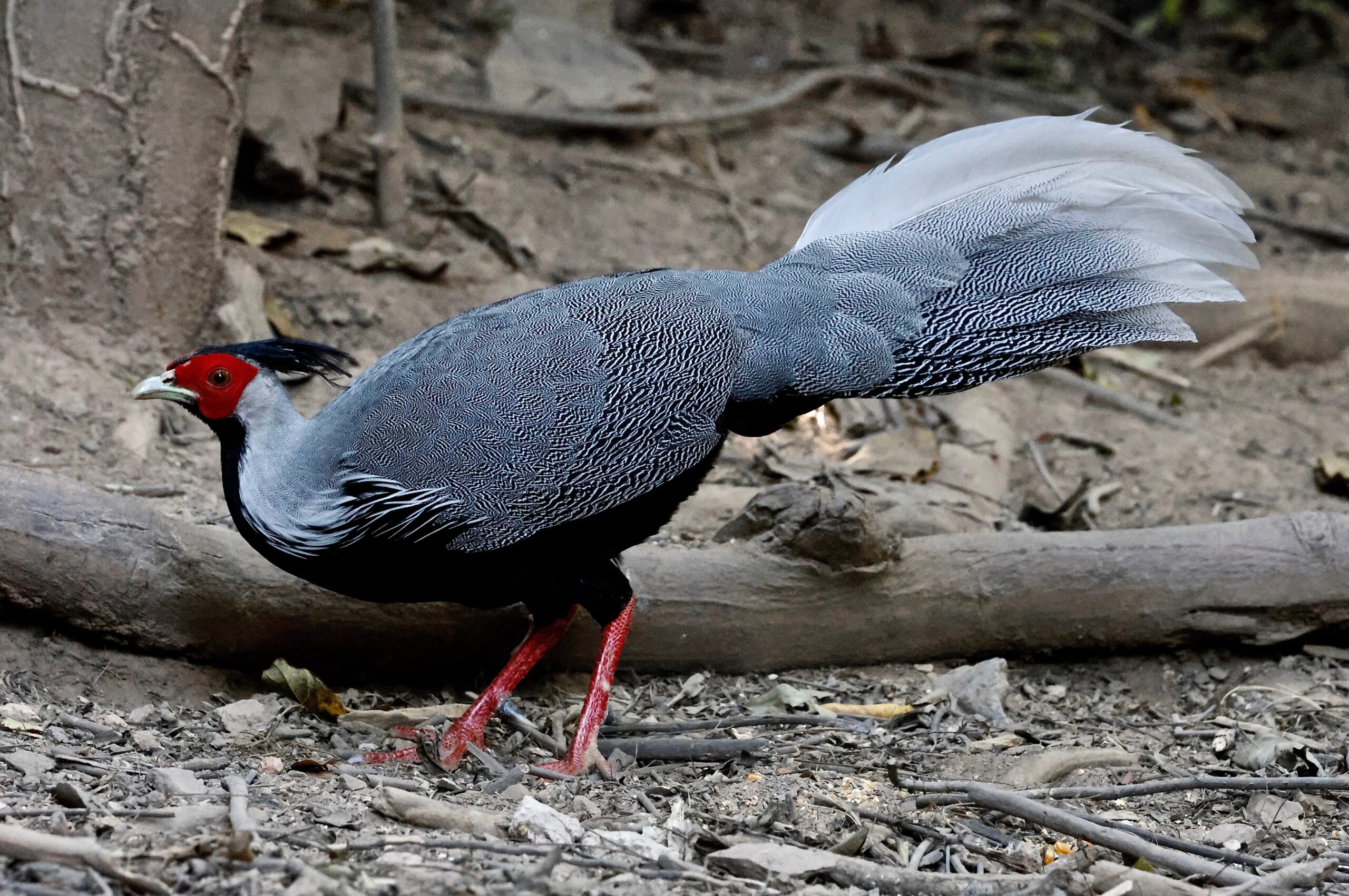
- Three nights at both Kaeng Krachan and Khao Yai, exploring the tropical forests of these impressive national parks looking for Siamese Fireback, Silver Pheasant, Kalij Pheasant, Grey Peacock Pheasant, Great Eared Nightjar, Black-throated Laughingthrush, Orange-breasted Trogon and Rusty-cheeked Hornbill
- Two nights on the coast for Spoon-billed Sandpiper, Nordmann’s Greenshank, Asian Dowitcher and a host of other waders
- Six nights in the north visiting Doi Lang, Doi Ang Khang and Doi Inthanon for Pied Harrier, Mrs Hume’s Pheasant, Giant Nuthatch and Maroon Oriole
- Expertly led by Limosa guide Wich’yanan Limparungpatthanakij ("Jay") and, subject to minimum numbers, Frank Lambert
Outline Itinerary
-
Depart UK for Bangkok
-
Morning arrival Bangkok and transfer to Khao Yai National Park (3 nights)
-
Two full days at Khao Yai National Park
-
Transfer to Phetchaburi. Boat trip to Laem Pak Bia (subject to tides) and explore Pak Thale for Spoon-billed Sandpiper and other waders (2 nights)
-
Head west to Kaeng Krachan (3 nights)
-
Two full days at Kaeng Krachan National Park
-
Return to Bangkok. Fly to Chiang Mai. Transfer to Doi Inthanon (3 nights)
-
Two full days at Doi Inthanon National Park
-
Transfer to Fang via Doi Angkhang. (3 nights)
-
Two full days at Doi Lang and nearby areas
-
Doi Lang or nearby birding sites. Transfer to Chiang Rai and fly to Bangkok and connect with overnight flight to UK
-
Arrive UK
Central and Northern Thailand provide a superb opportunity to experience the remarkable avifauna of Southeast Asia, and our carefully designed itinerary focuses on five outstanding areas, each offering the chance to encounter a spectacular range of species.
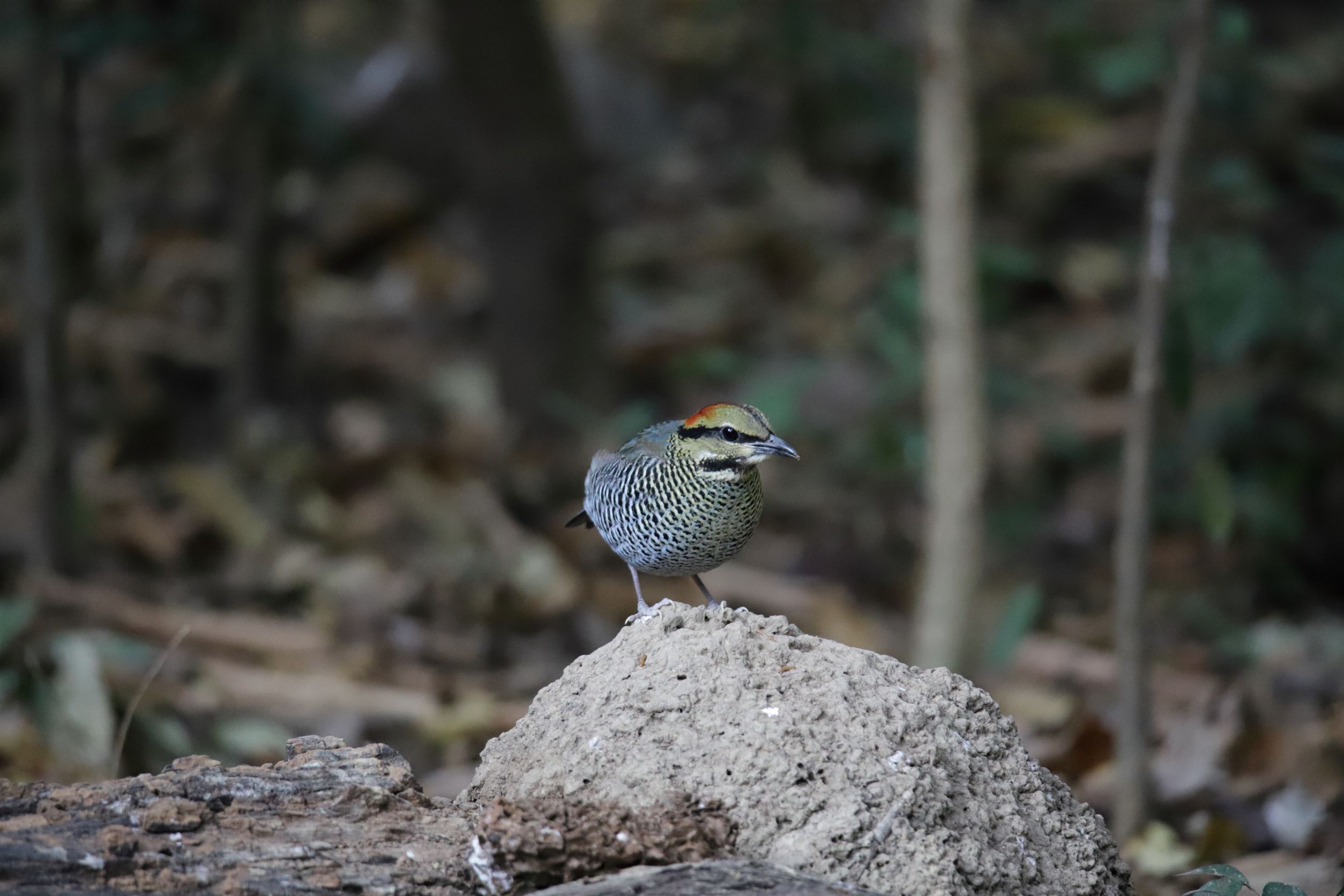
After arriving in Bangkok, we travel directly to Khao Yai where we spend the first three nights of the tour. This celebrated national park is one of Thailand’s finest birding destinations, with a network of trails and quiet roads that allow excellent access to its rich forests. More than 300 species have been recorded here, and amongst the many possibilities are Silver Pheasant, Siamese Fireback, Austen’s Brown Hornbill, Blue Pitta, Coral-billed Ground Cuckoo and an impressive selection of woodpeckers, barbets, trogons, kingfishers, broadbills and leafbirds.
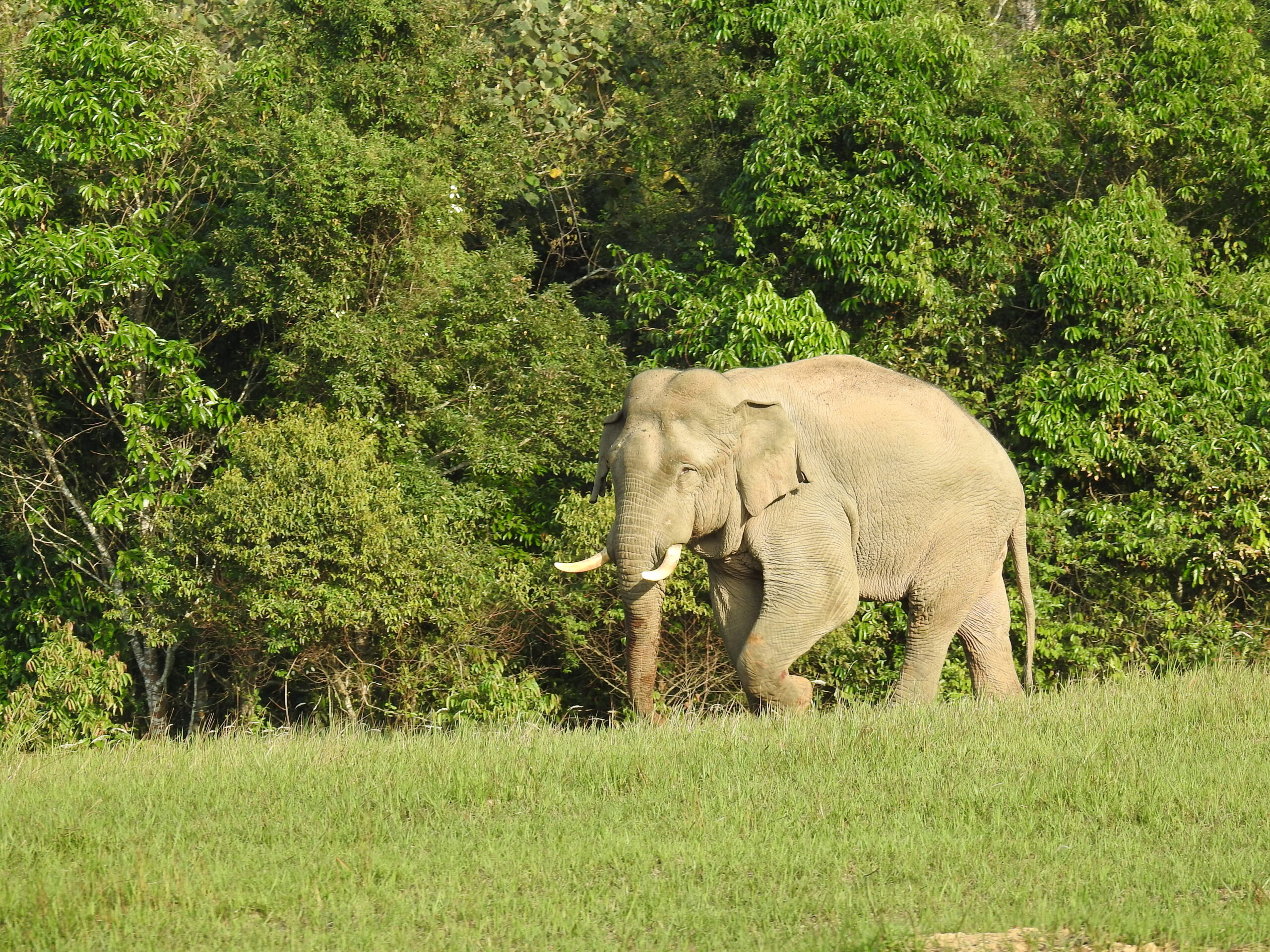
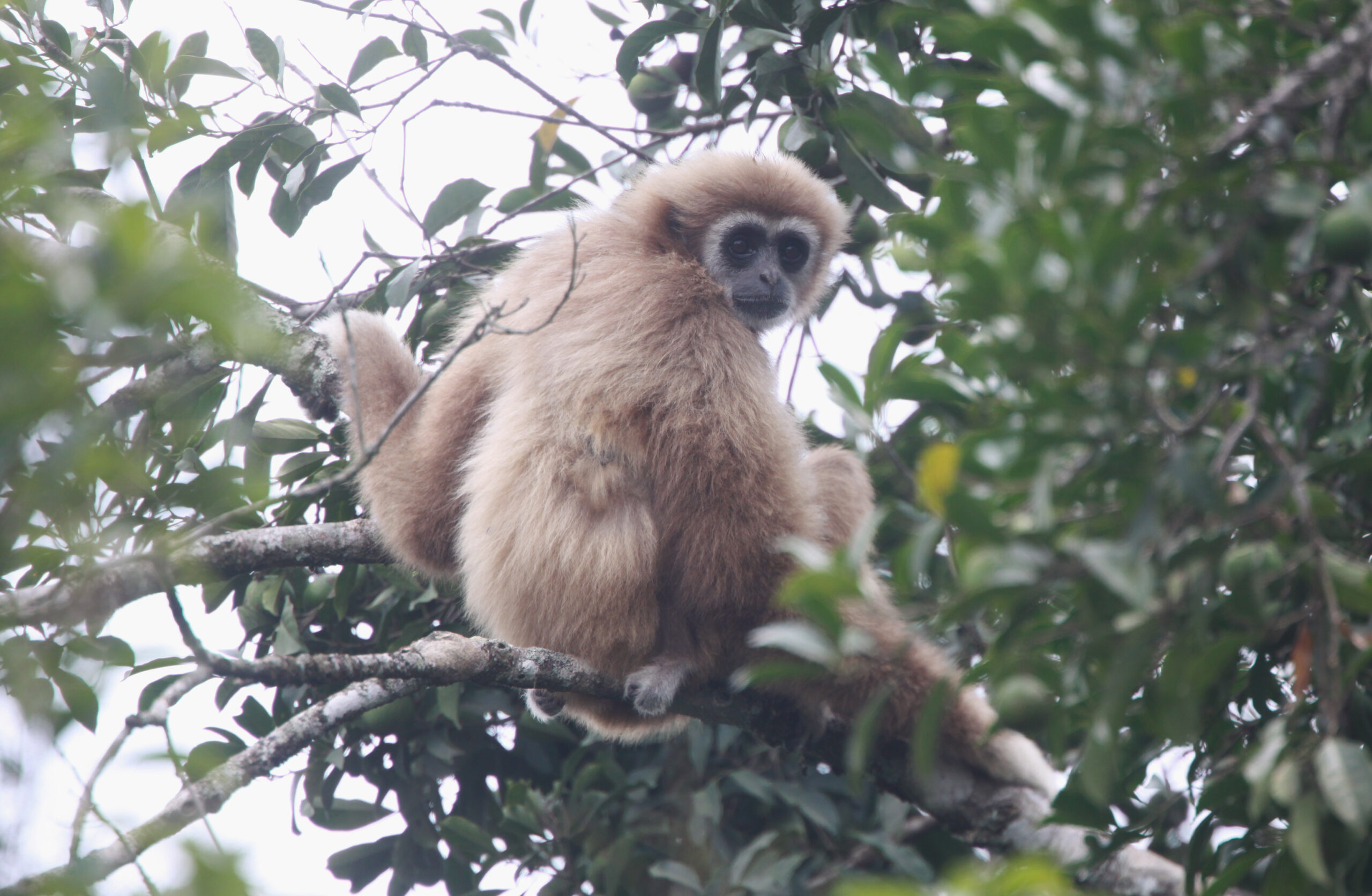
Khao Yai is also home to some wonderful mammals and we could encounter White-handed Gibbon, Sambar and Pig-tailed Macaque. Other possibilities include Asian Elephant and Malaysian Porcupine, both of which were seen on our 2024 tour.
Leaving Khao Yai, we travel south to the coastal province of Phetchaburi for a two-night stay. Here. the wetlands, saltpans and agricultural areas hold a wealth of species, especially during the winter months when the area attracts an excellent variety of shorebirds, raptors, herons and open-country species. This is one of Thailand’s richest lowland birding regions, offering a superb contrast to the forest birding of Khao Yai.
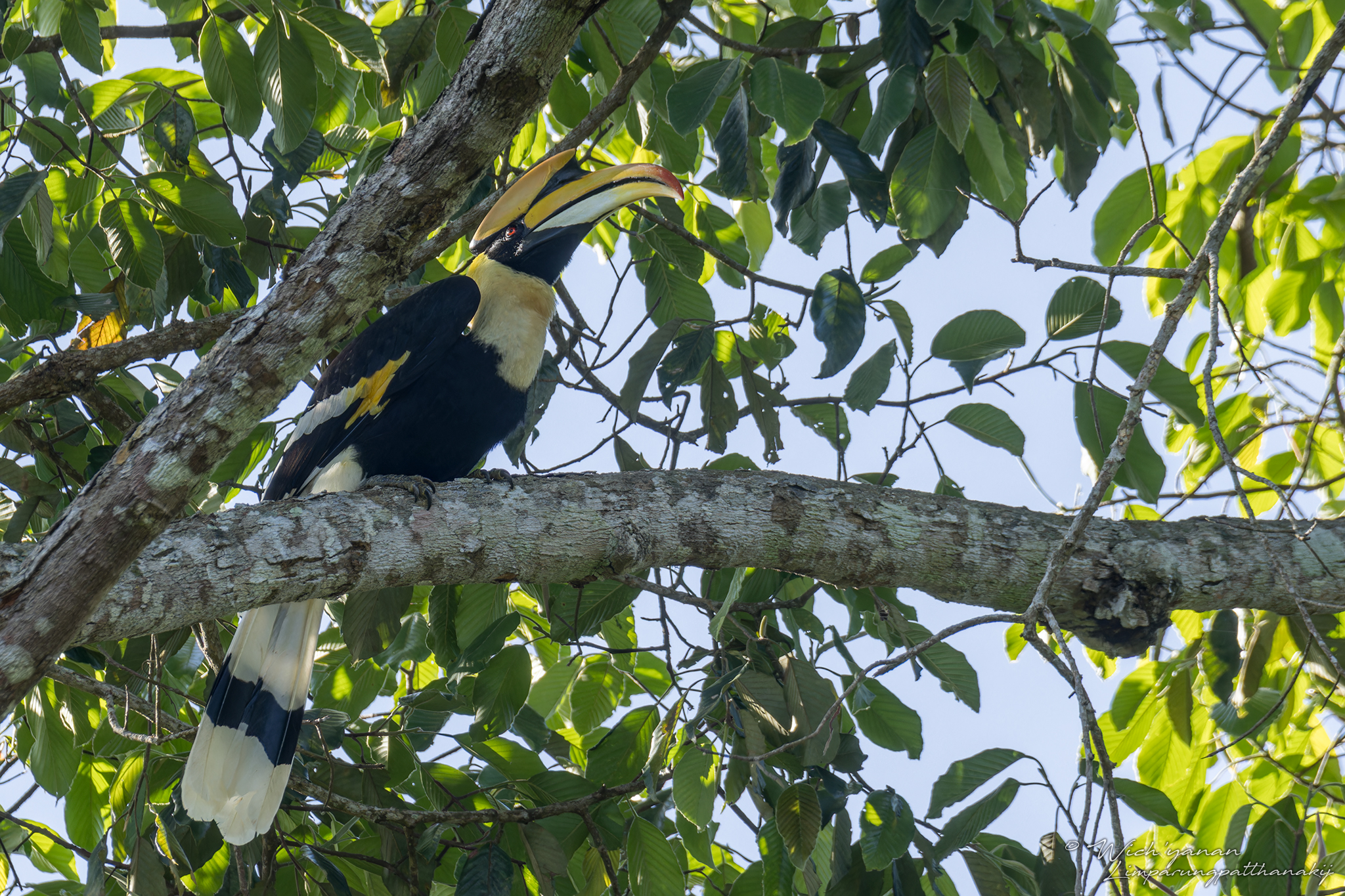
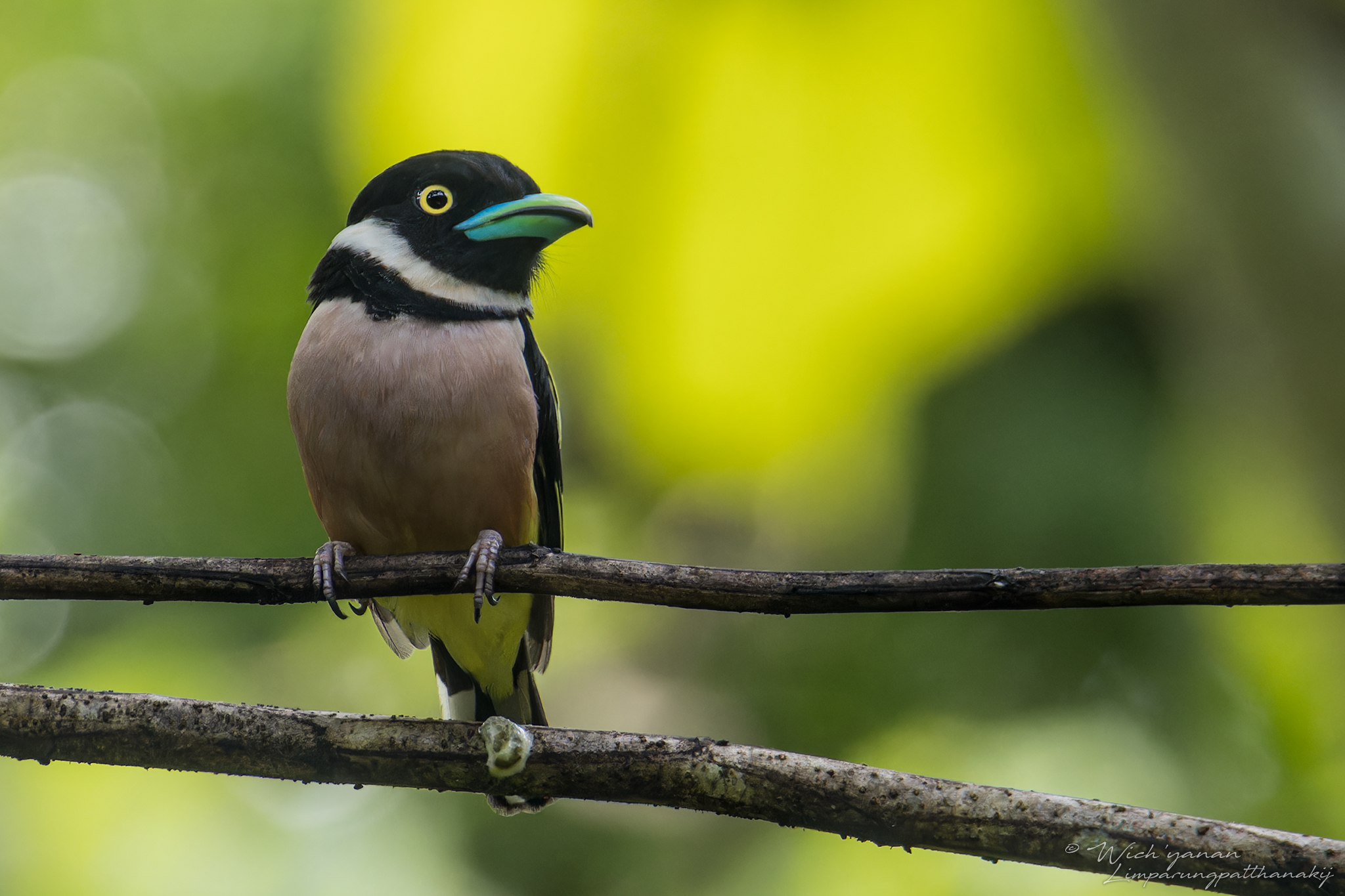
From Phetchaburi, we continue west to Kaeng Krachan, Thailand’s largest national park and undoubtedly one of its premier birding sites. Over two full days, we will explore its diverse forest habitats and impressive wildlife hides. Kaeng Krachan is famous for its broadbills, and we will look for Silver-breasted, Banded, Black-and-Yellow, Black-and-Red and Long-tailed Broadbills among many other forest treasures. Kalij Pheasant and Grey Peacock-Pheasant are possible, and fruiting trees often attract an exciting array of frugivores including hornbills—Great, Wreathed, Oriental Pied and Rusty-cheeked among them—as well as a variety of barbets and orioles.
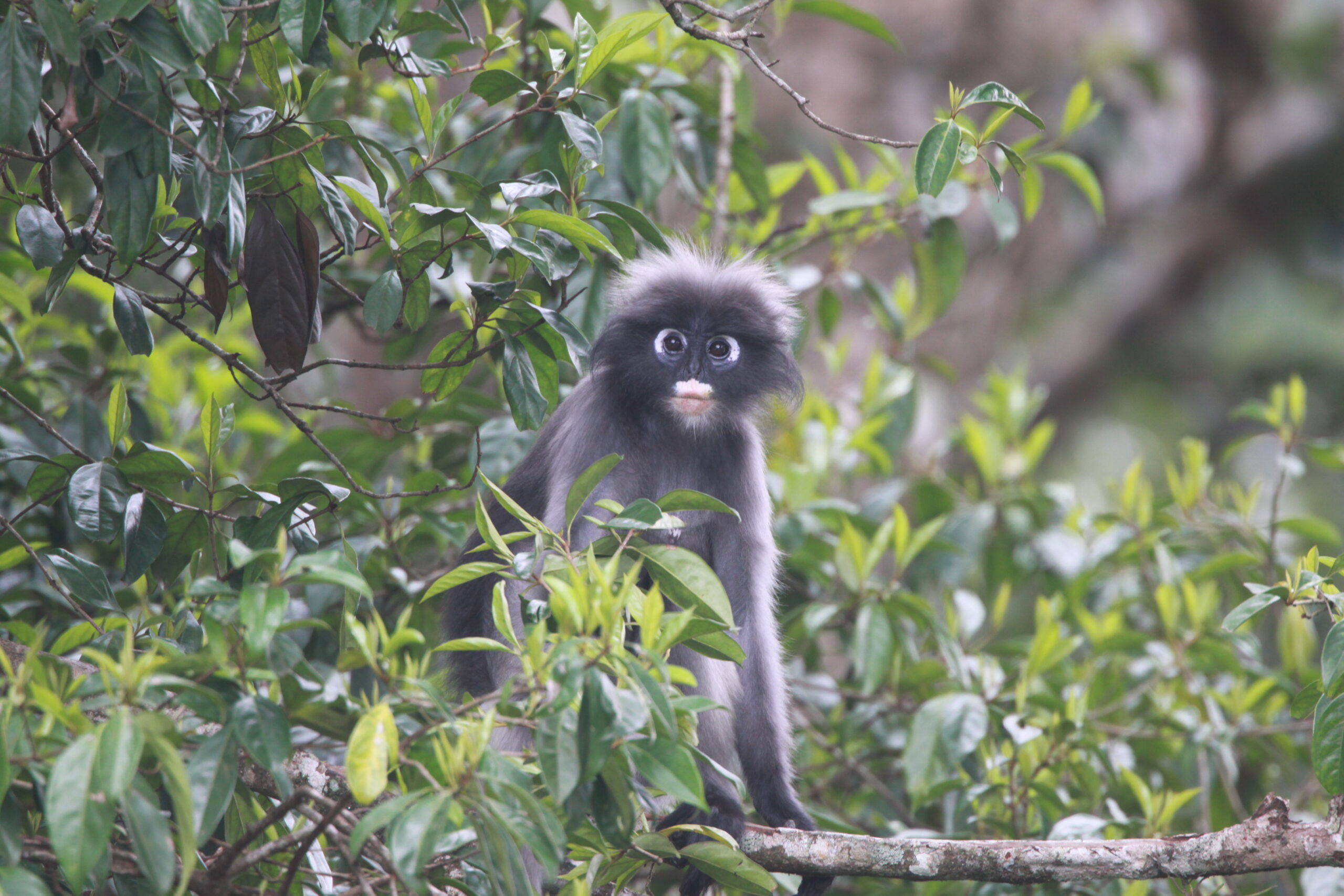
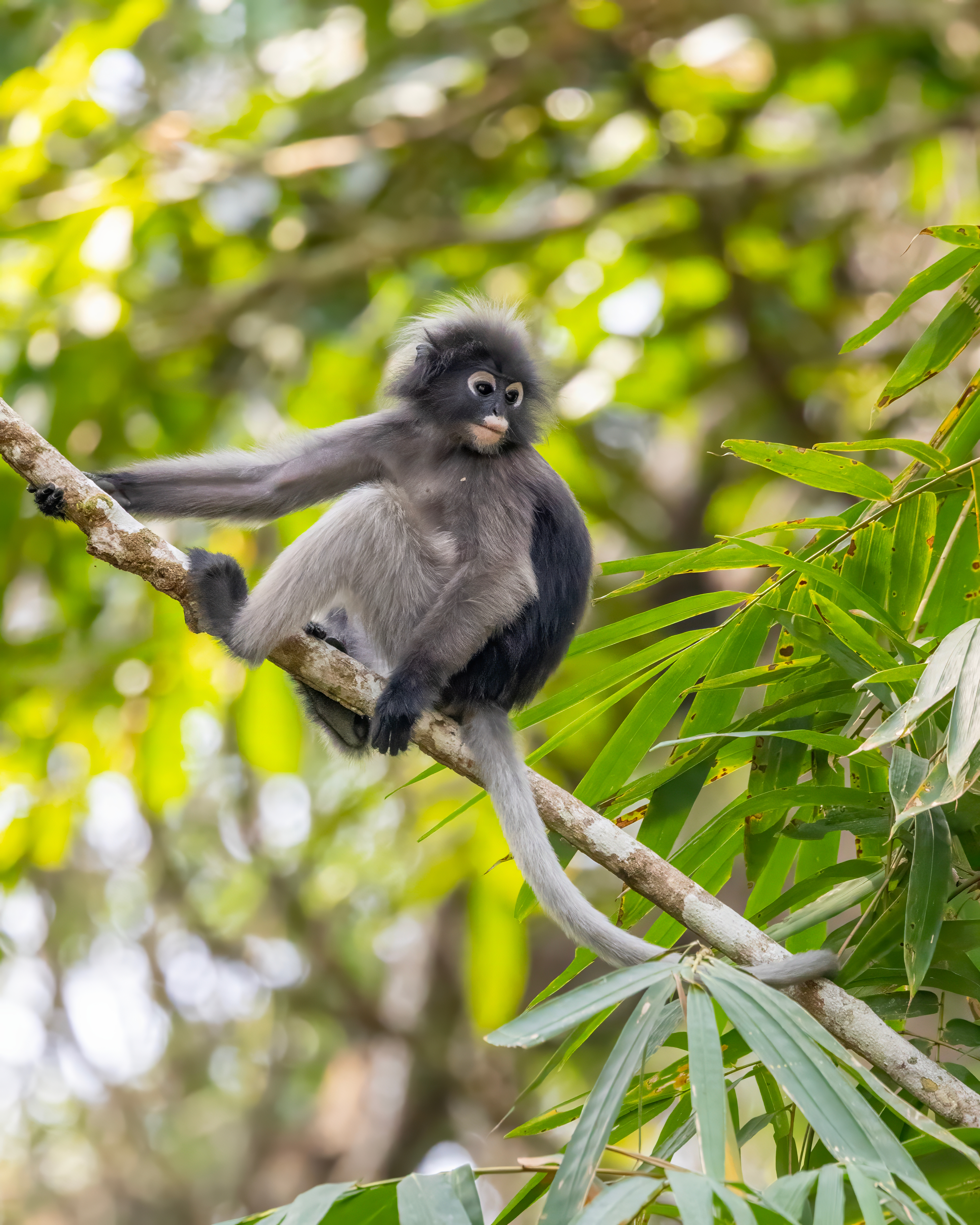
Like Khao Yai, Kaeng Krachan also supports a superb range of mammals, such as Dusky and Banded Langurs, White-handed Gibbon and Black Giant Squirrel, with the possibility of more Elephants and, if we are exceptionally fortunate, Sun Bear, with one seen very well in 2024.
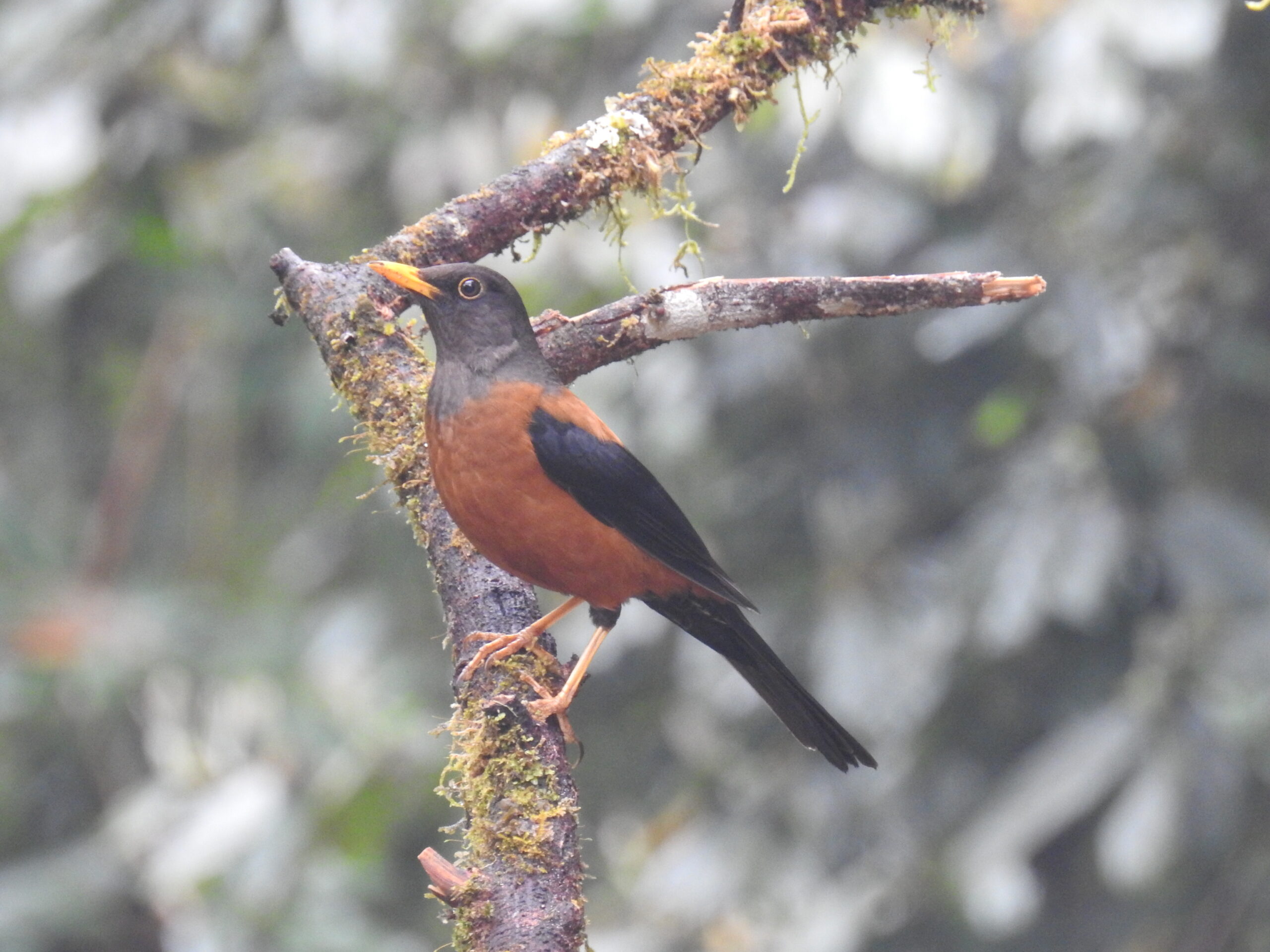
After our time in the central region, we fly north to Chiang Mai and continue into the forested mountains of Doi Inthanon, Thailand’s highest peak. The birdlife here is markedly different from the south, and the upper slopes hold many iconic species including Pygmy Cupwing, Ashy-throated Warbler, Bar-throated Minla and both Green-tailed and Mrs Gould’s Sunbirds. Lower down the mountain, we will search for species such as Slaty-backed Forktail and White-rumped Falcon, and we also hope to encounter less frequently seen specialities such as Rufous-throated Partridge, Green Cochoa or Dark-sided Thrush.
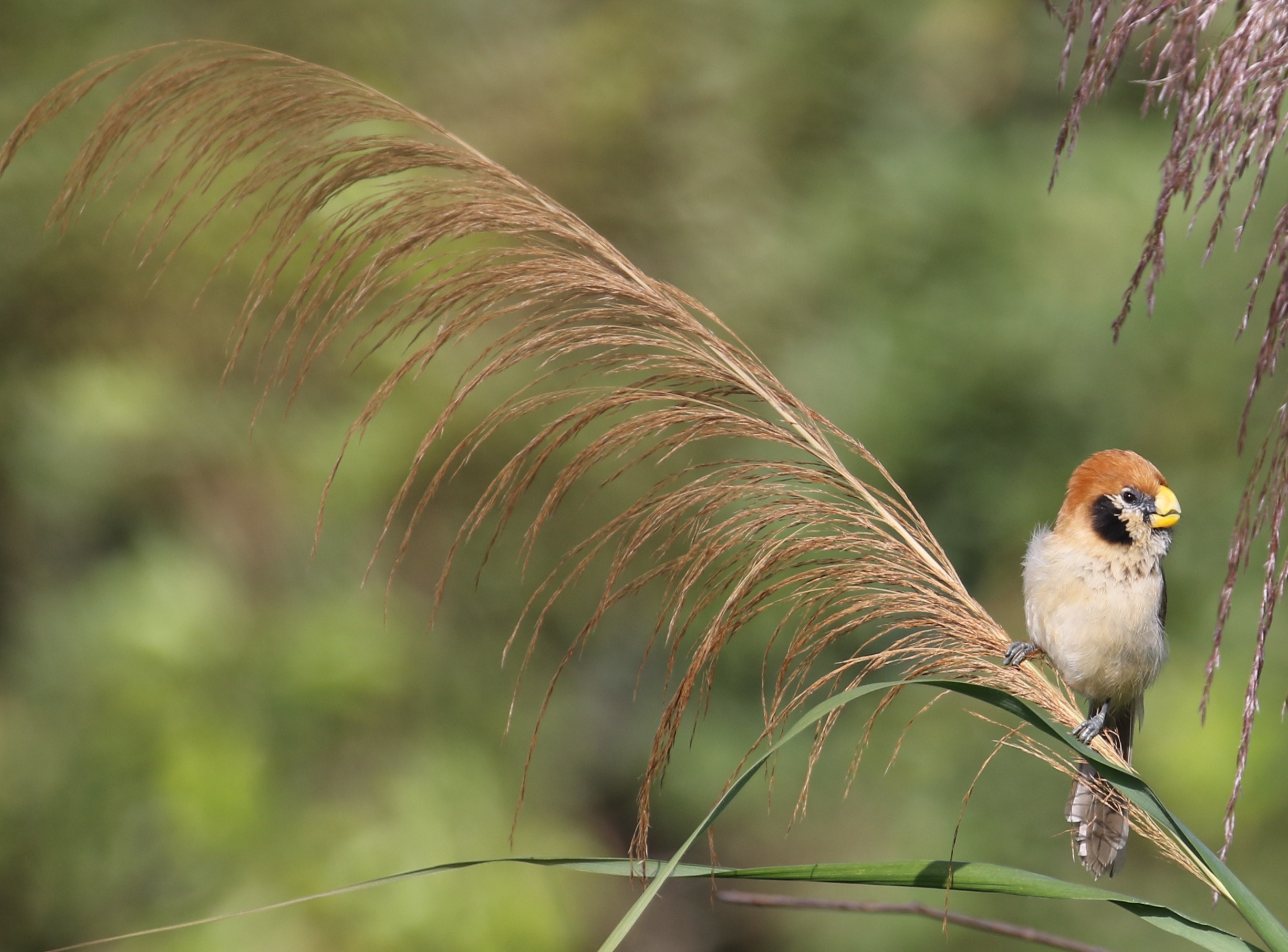
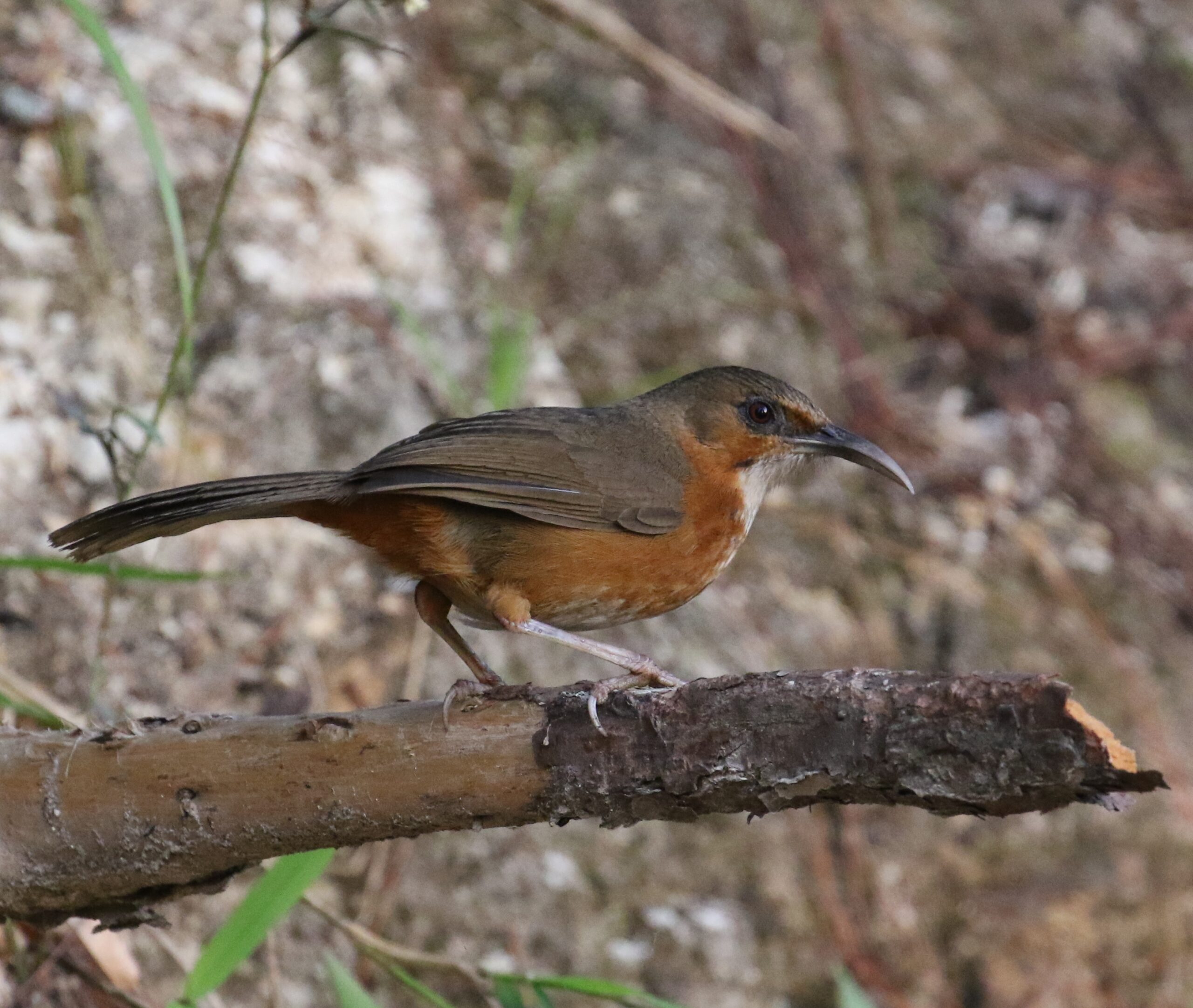
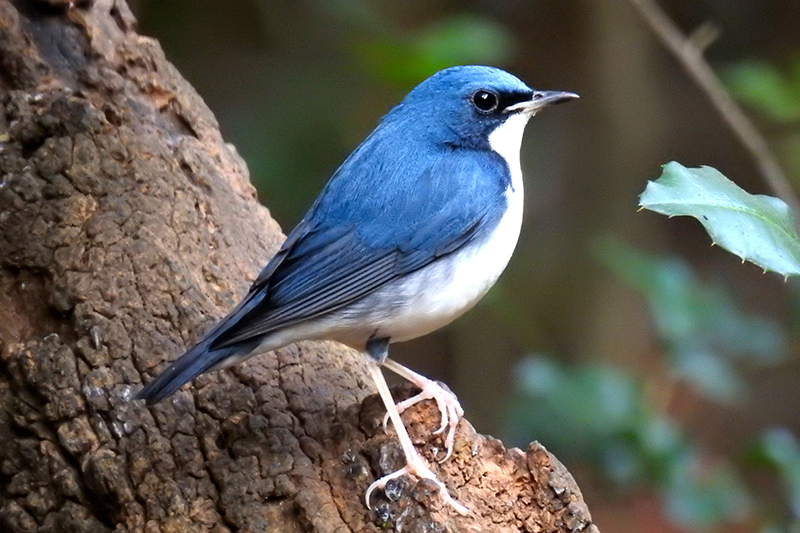
We then travel north via the scenic Doi Angkhang to reach Fang for a three-night stay, placing us perfectly for exploring the bird-rich areas of Doi Lang. Over two full days here, we will search for many of northern Thailand’s most sought-after species including Giant Nuthatch, Mrs Hume’s Pheasant, Scarlet-faced Liocichla, Orange-bellied Leafbird, Maroon Oriole, Rusty-cheeked Scimitar Babbler, Spot-breasted Parrotbill, White-browed Shrike-Babbler and an excellent selection of wintering passerines such as Ultramarine Flycatcher.
With Thailand’s pleasant winter climate, comfortable accommodation throughout, delicious local cuisine and the guidance of an expert leader, this tour provides a truly comprehensive exploration of one of Southeast Asia’s finest birding destinations.
Day 1
DEPART UK
Day 2
ARRIVAL IN THAILAND, TRANSFER TO KHAO YAI
Our birdwatching tour to Thailand begins on arrival in Bangkok, where you will be met by Limosa’s expert Thai guide, Wich’yanan “Jay” Limparungpatthanakij. From here, we make the drive northeast to Khao Yai National Park, one of Thailand’s most renowned wildlife reserves.
After settling into our comfortable accommodation close to the park entrance, there may be time to enjoy the forested surroundings or look for some of the more common species around the grounds. Night near Khao Yai
Days 3-4
KHAO YAI
We have two full days to explore the magnificent forests and open areas of Khao Yai. Now a UNESCO World Heritage Site, Khao Yai protects vast tracts of evergreen and mixed deciduous forest, home to over 300 species of birds.
The reserve offers superb birding along quiet roads and trails, and we will go in search of a wonderfully diverse range of species. Khao Yai is famous for its hornbills, including Great, Wreathed and Oriental Pied, and we may well hear the distinctive ‘whoosh’ of their wings overhead.
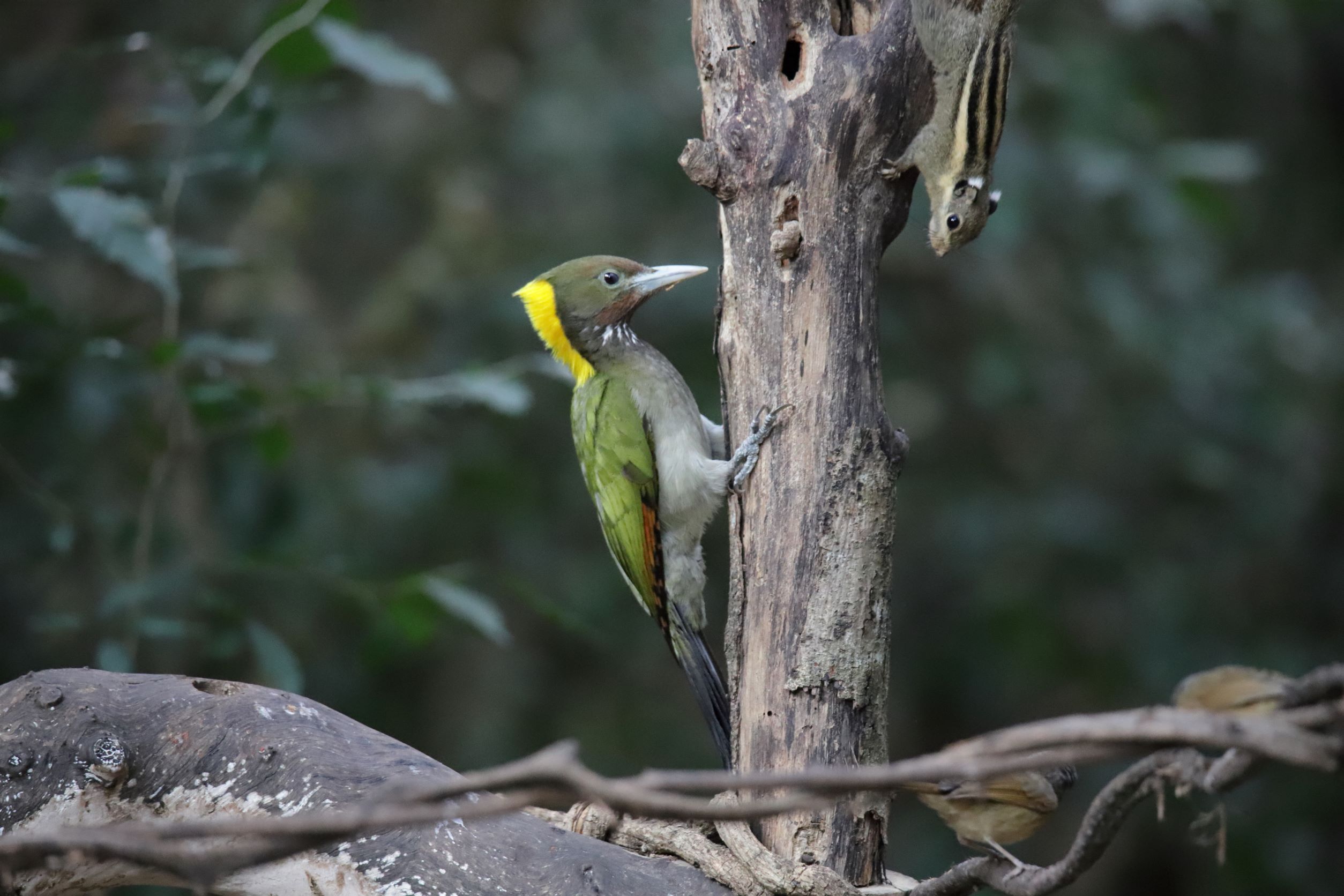
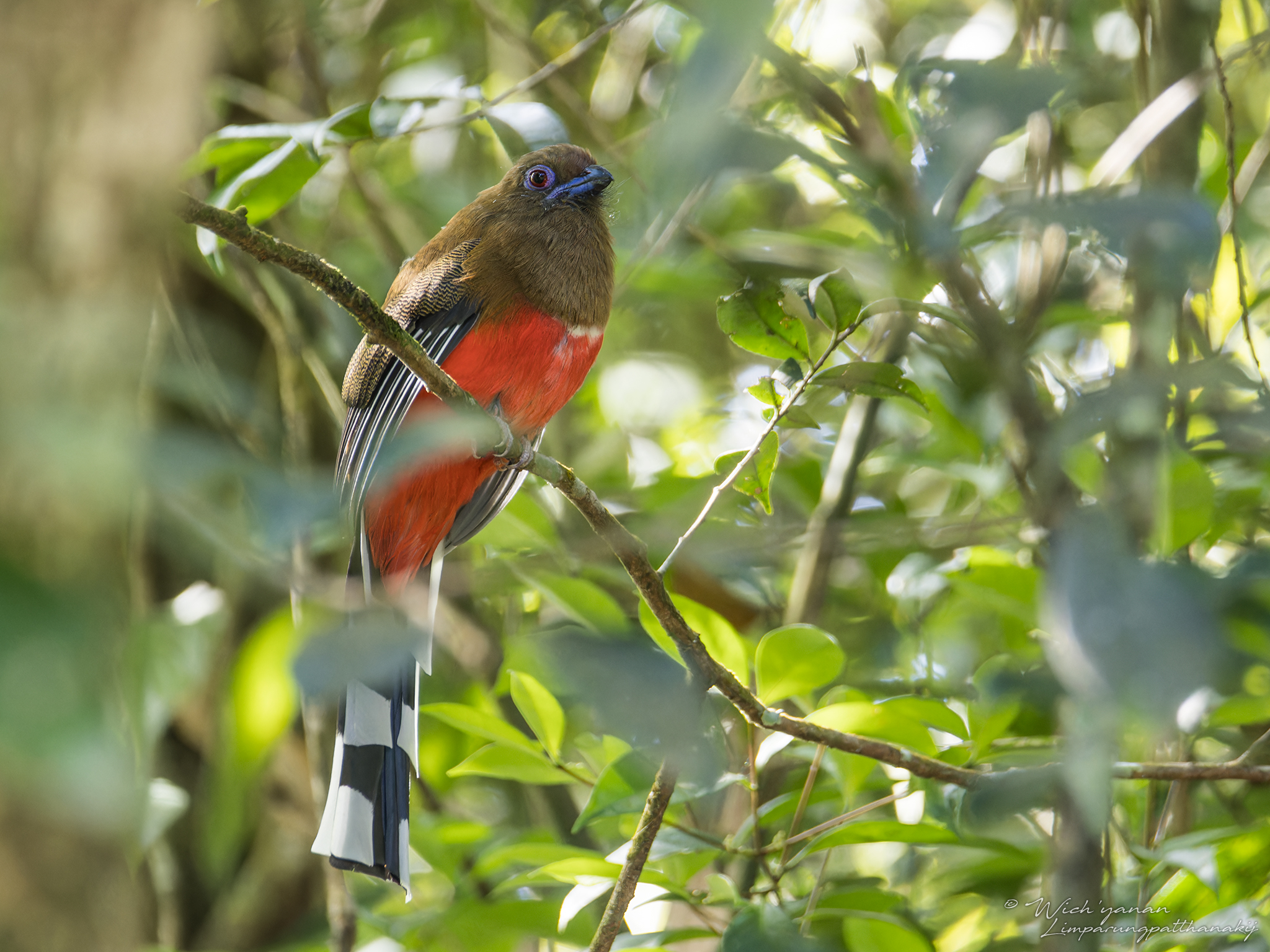
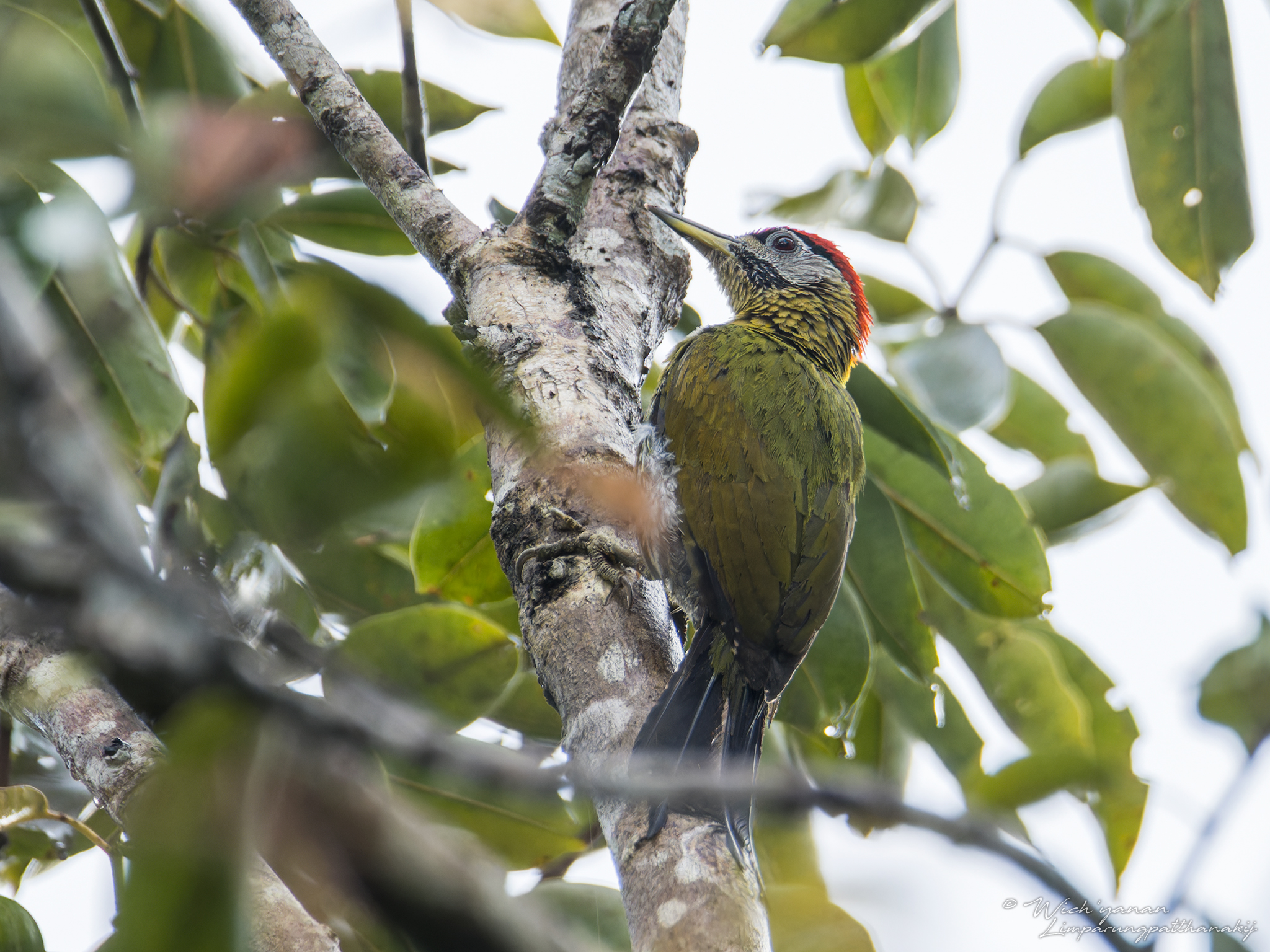
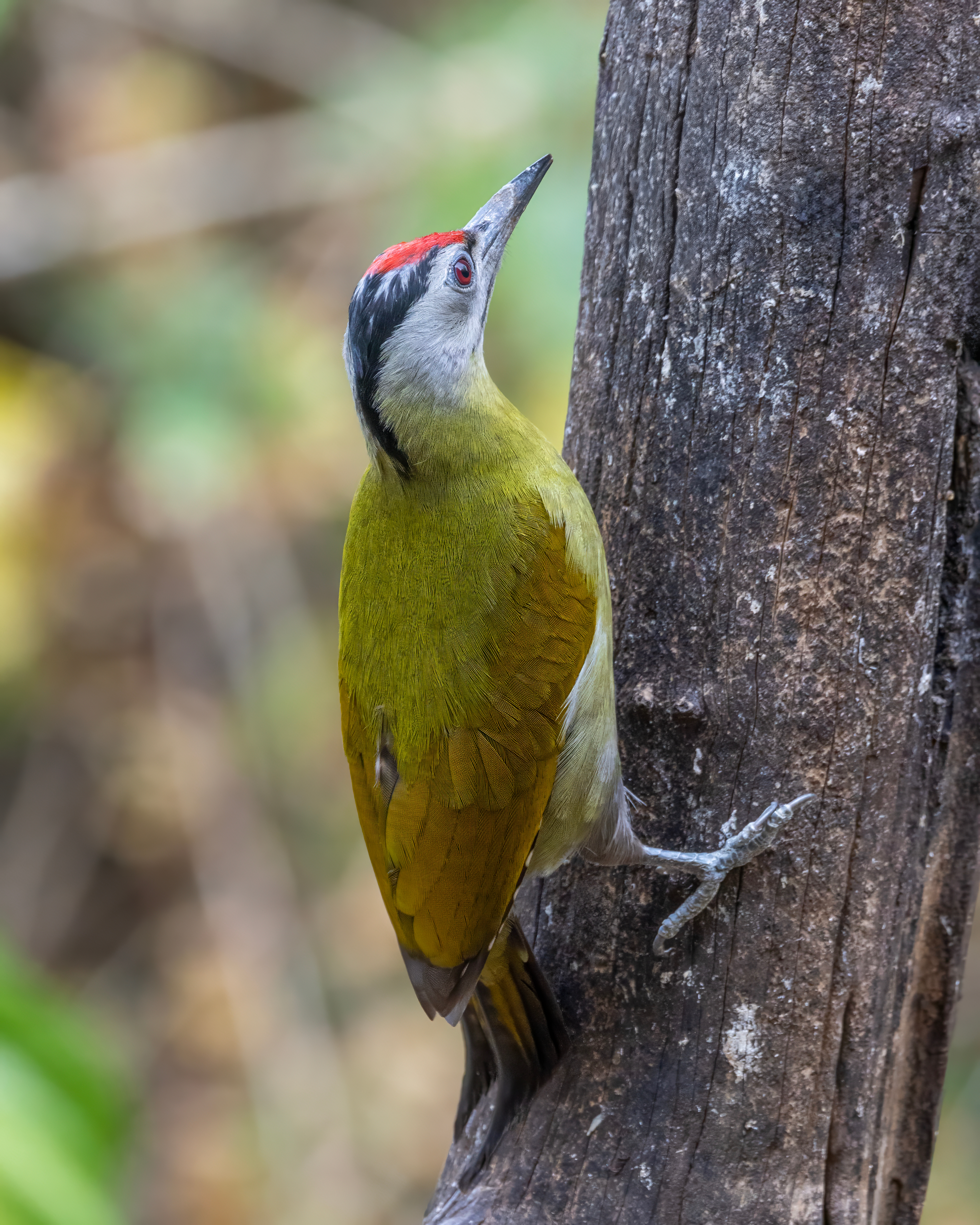
Other possibilities include Vernal Hanging Parrot, Asian Fairy-bluebird, Scarlet Minivet, Black-naped Monarch, Blue Whistling Thrush, Little Spiderhunter, Banded and Long-tailed Broadbills, Greater Flameback, Banded Kingfisher, Blue-bearded Bee-eater and the dazzling Red-headed and Orange-breasted Trogons.
Khao Yai is also excellent for mammals, and we may encounter Sambar, Pig-tailed Macaque, Black Giant Squirrel, Asian Elephant and the unforgettable calls of White-handed Gibbons echoing through the forest.
As dusk falls, we will look for Great Eared Nightjars as they drift gracefully above forest clearings. Two further nights near Khao Yai
Day 5
TRANSFER TO PHETCHABURI
After some final birding around Khao Yai, we travel south toward the coastal province of Phetchaburi on the shores of the Gulf of Thailand where we have a two-night stay. This area is arguably one of the best in the world for shorebirds during the winter months and the diversity of species is incredible.
The combination of intertidal mudflats, saltpans, shrimp and fish ponds is perfect for both resident species which are joined every winter by a host of migrants and topping the bill is one of one of the world’s rarest and most charismatic waders, the extraordinary and critically endangered Spoon-billed Sandpiper.
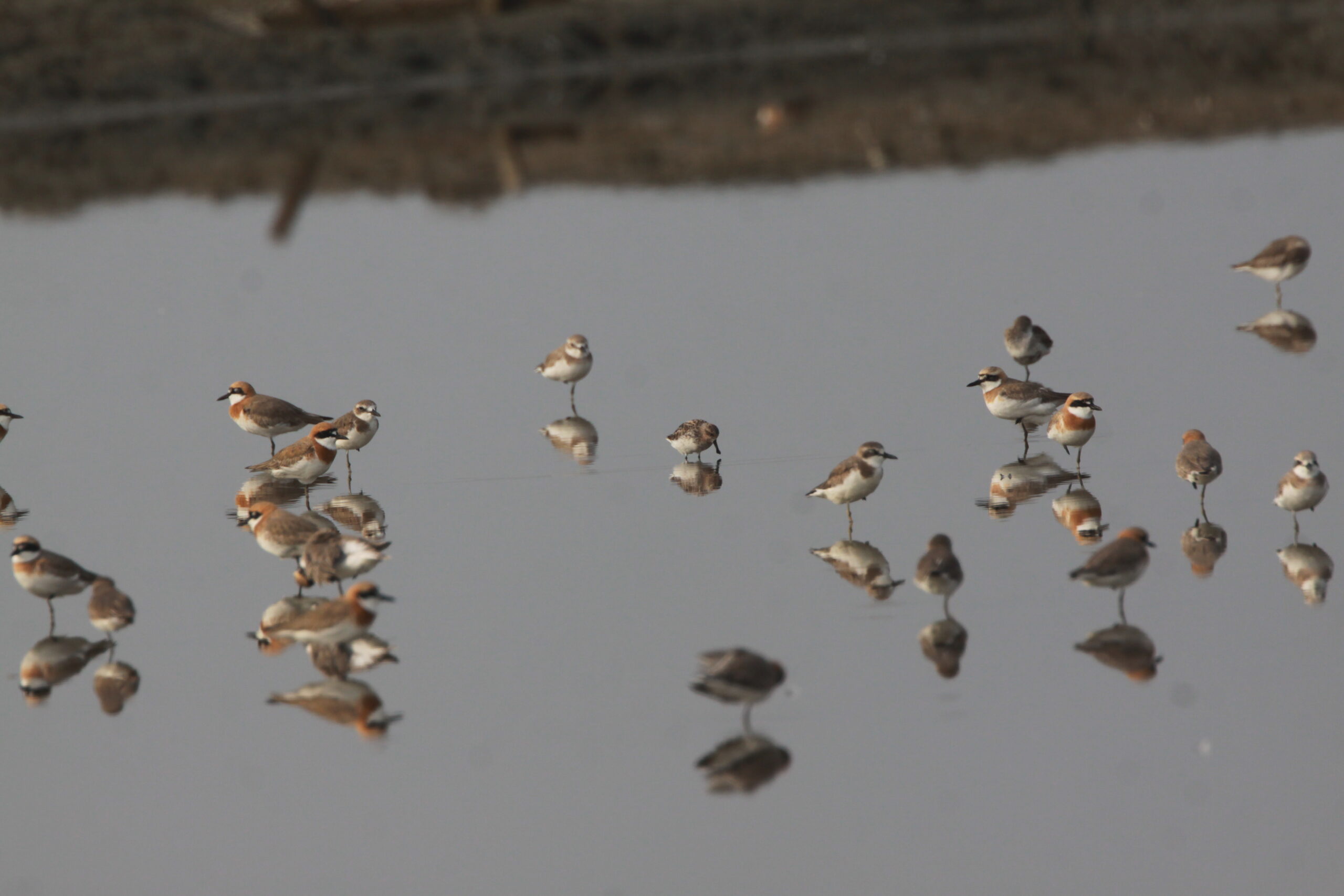
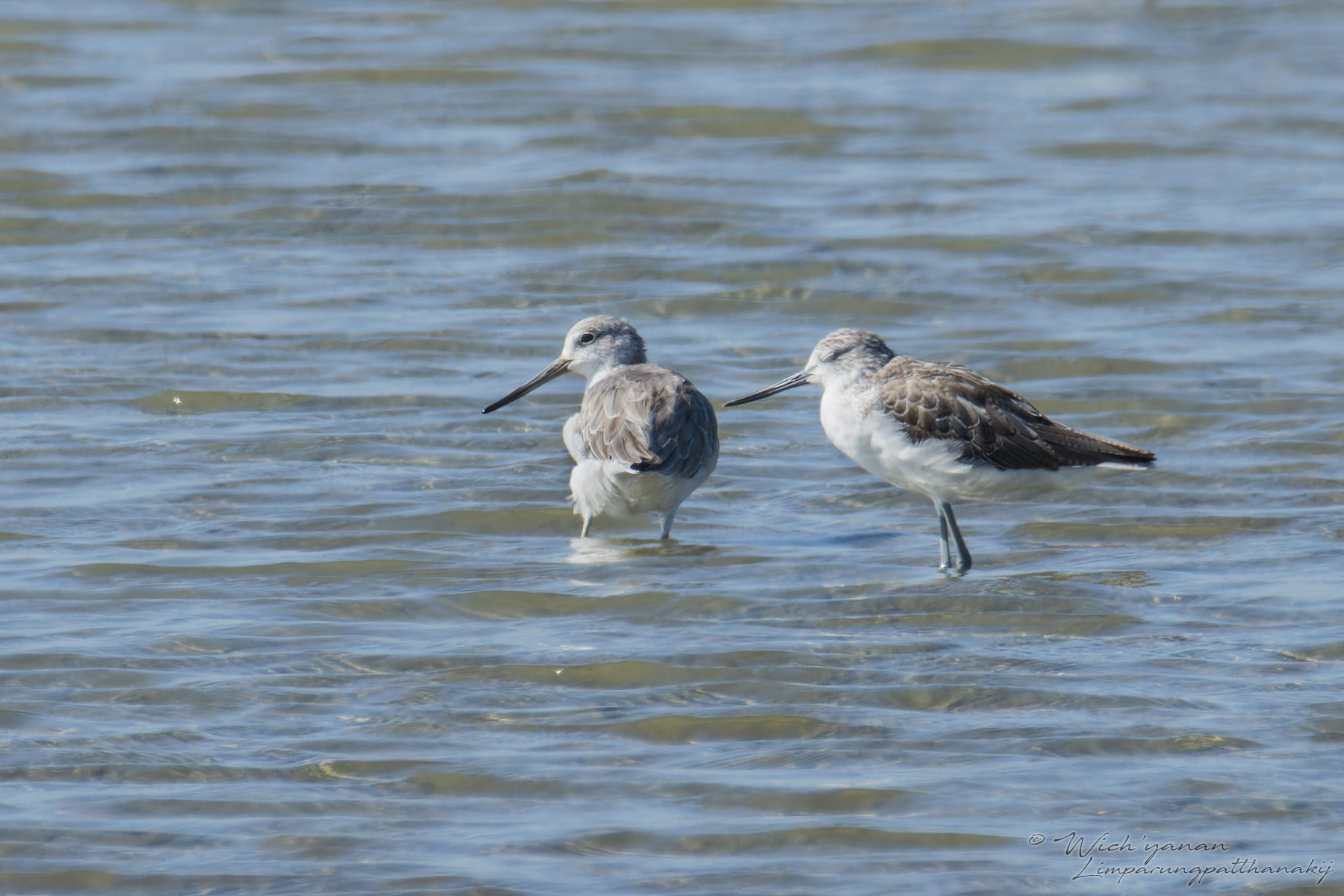
Now thought to probably only number 150 pairs, a handful of individuals spend the winter months here before heading back to the Russian Far East to breed. By sifting through the flocks of Red-necked Stints and other species, we will do our best to find one of these special birds but there are plenty of other species to look for including another highly endangered shorebird, Nordmann’s Greenshank. Like the Spoon-billed Sandpiper, this species has declined alarmingly, and latest estimates suggest that there may not be more than 1-2,000 individuals.
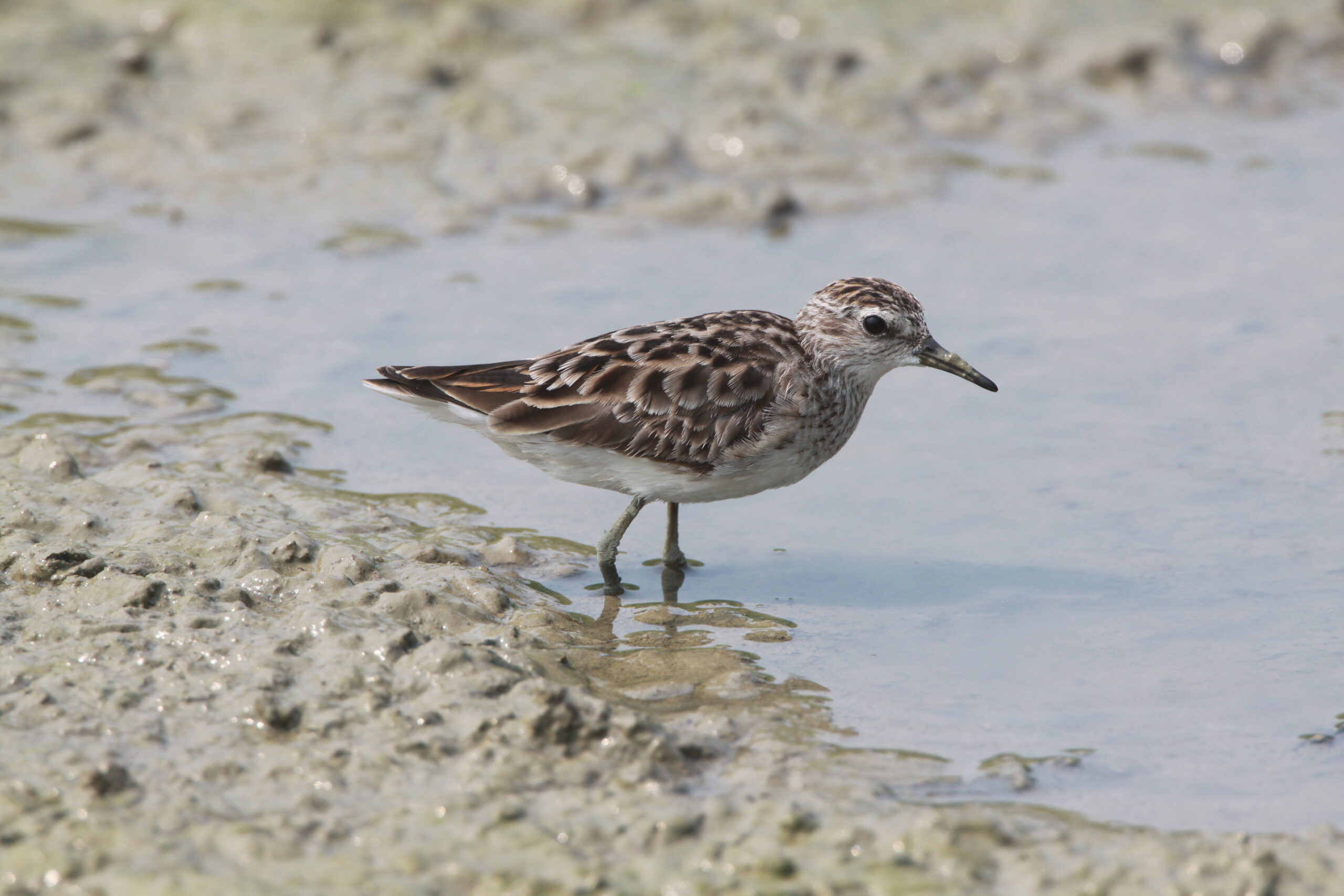
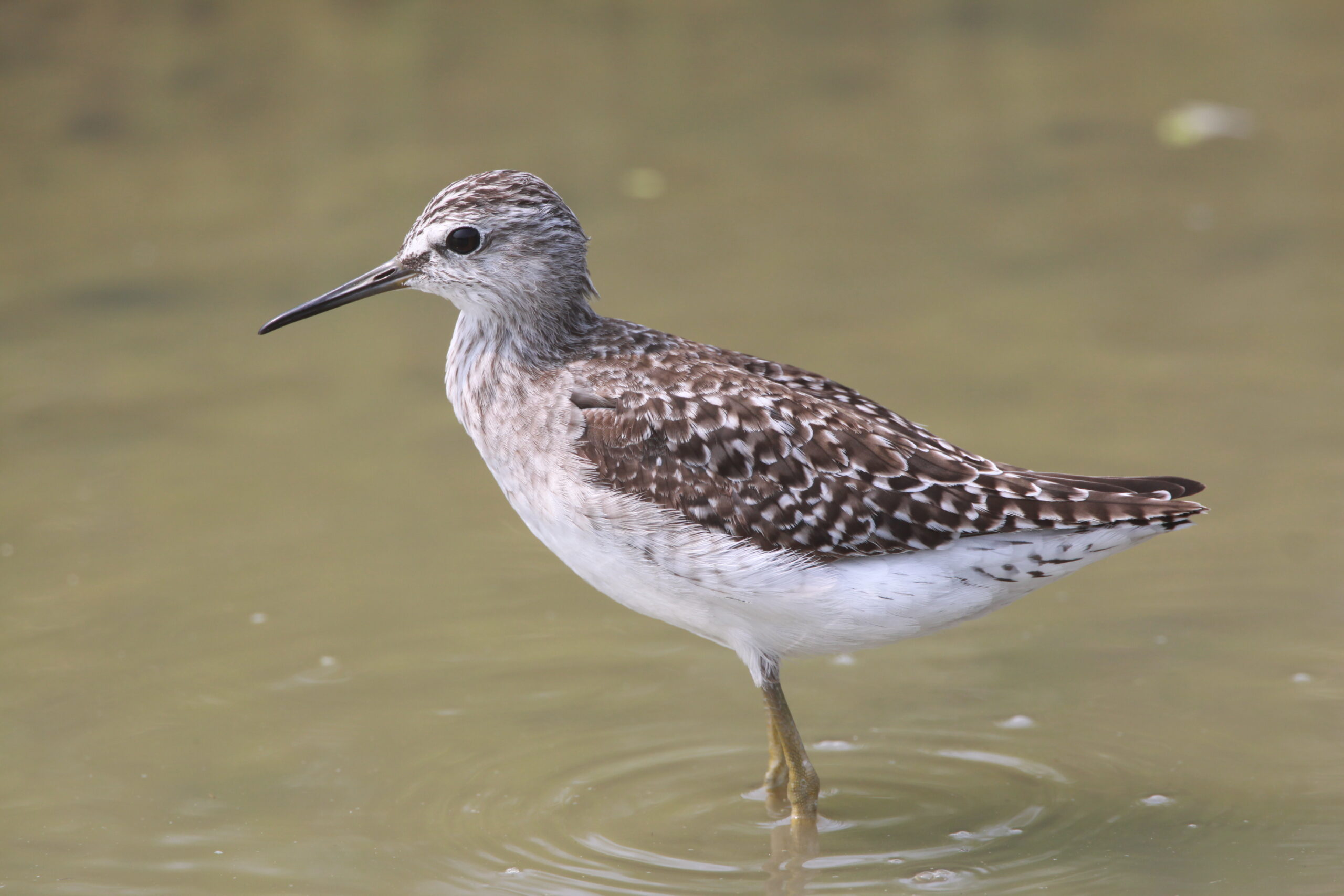
As well as these two special species, we will also hope to see a spectacular range of other waders including Red-necked and Long-toed Stints, Greater and Tibetan Sand Plovers, Pacific Golden Plover, Broad-billed, Marsh and Terek Sandpipers, Great Knot and hopefully the rare Asian Dowitcher.
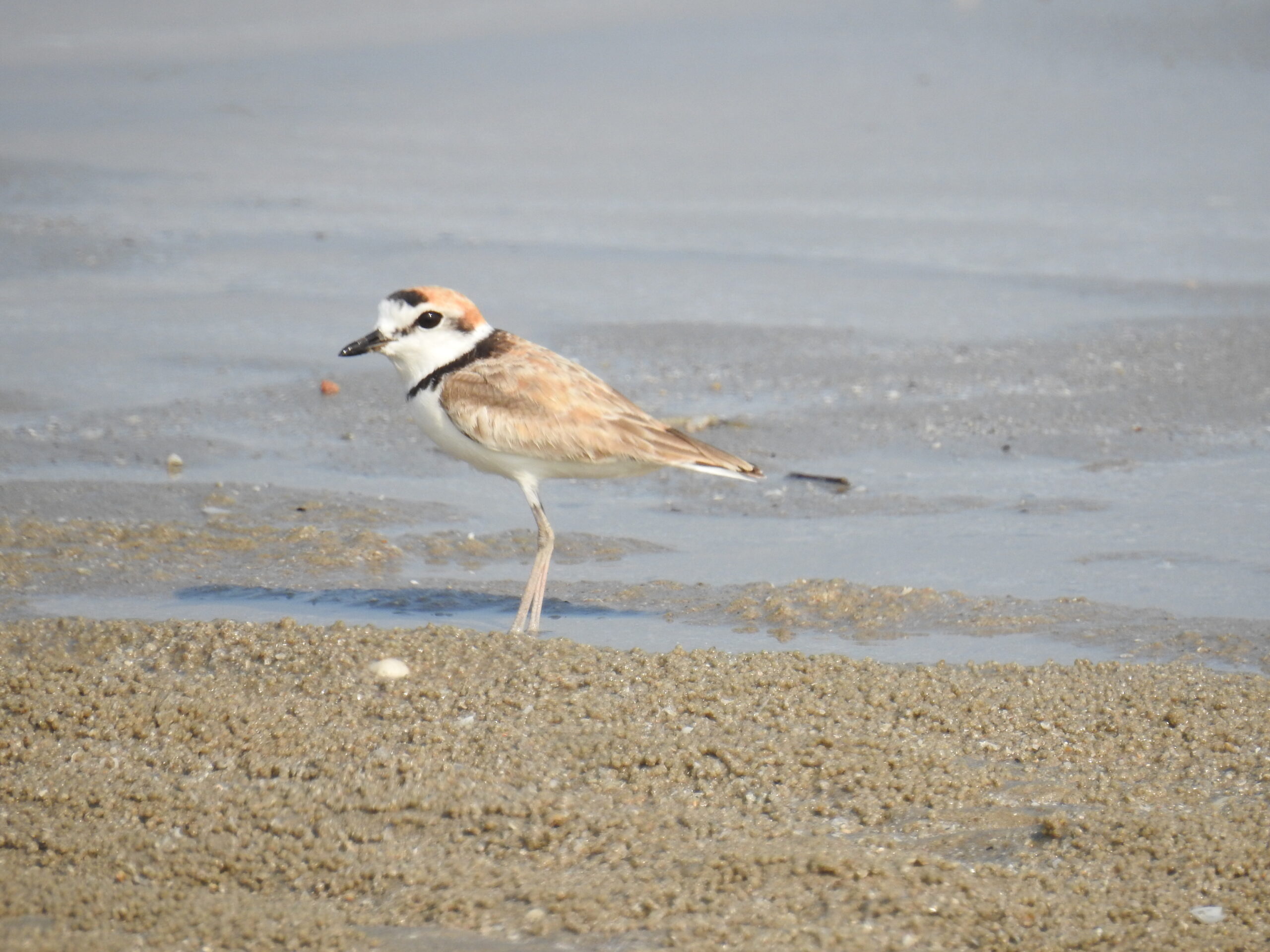
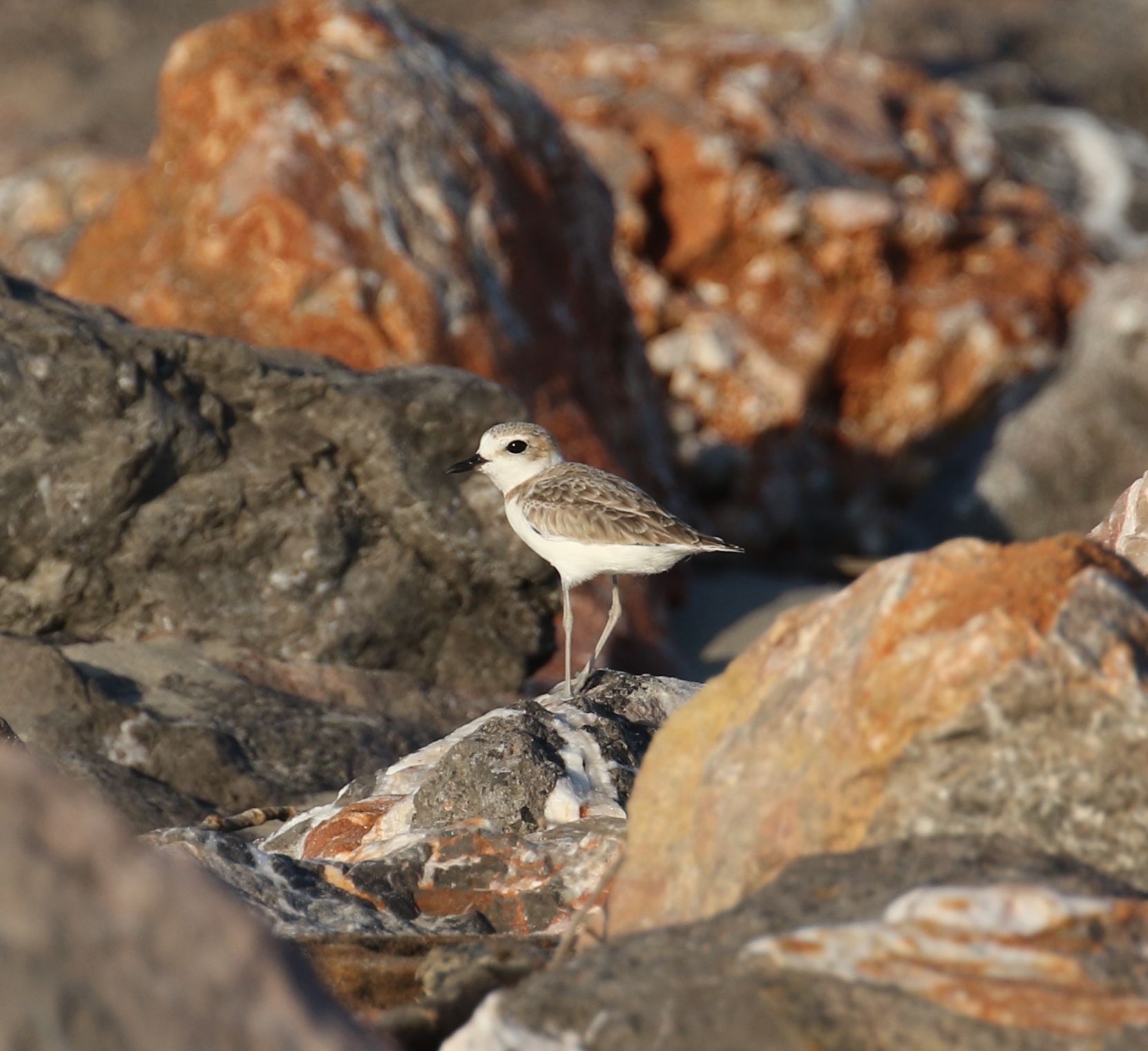
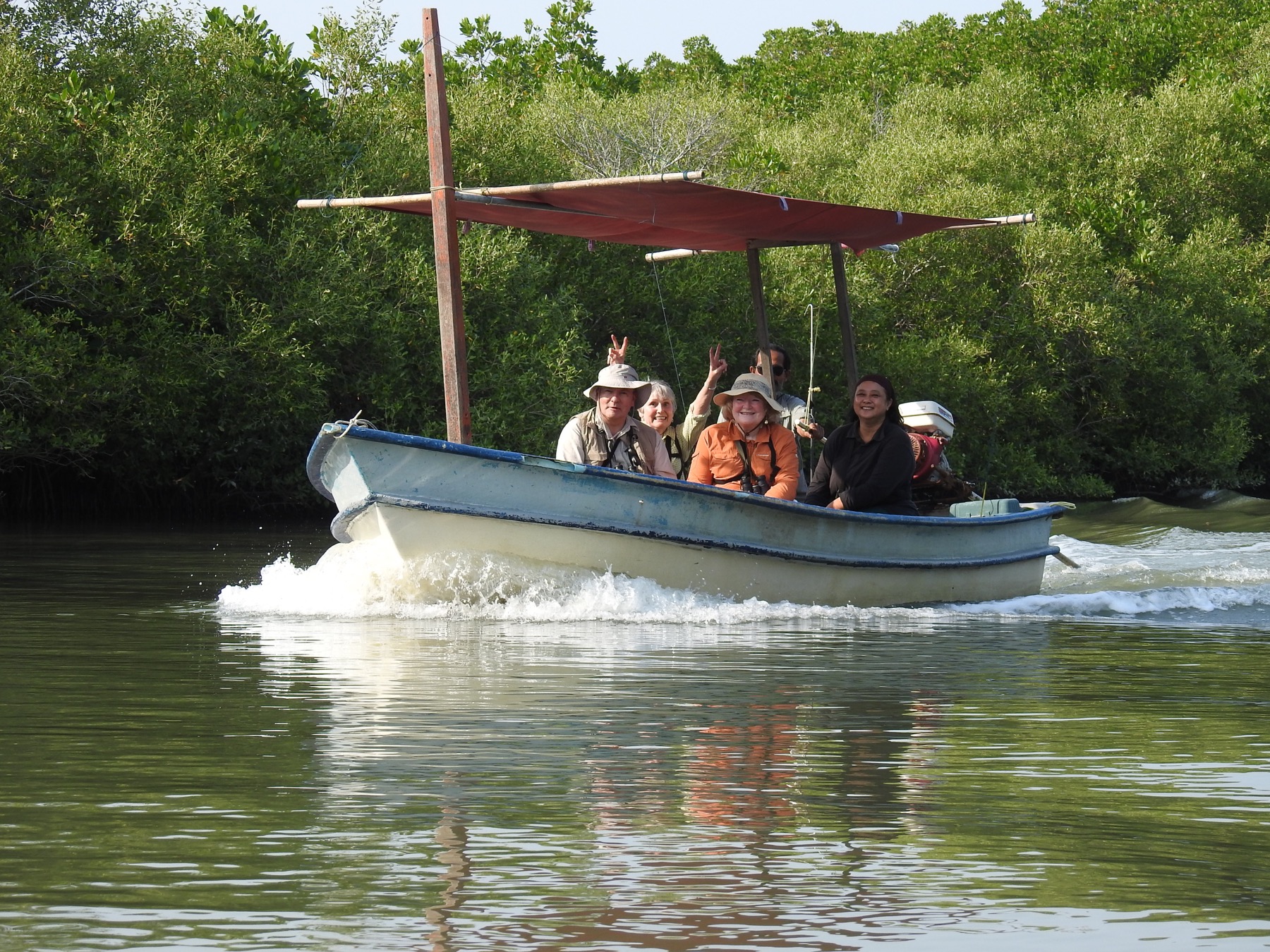
During our stay, we also plan to take a relaxing boat trip passing mangroves, mudflats and sand bars where we can expect to see Pacific Reef Egret, Striated Heron, Brown-headed Gull and Greater Crested, Lesser Crested and Caspian Terns. Our ultimate destination is a secluded sandy spit where, having paddled ashore, we have chances of finding the rare and localised Malaysian Plover as well as White-faced Plover – the latter is a somewhat enigmatic bird although most authorities now regard it as a valid species.
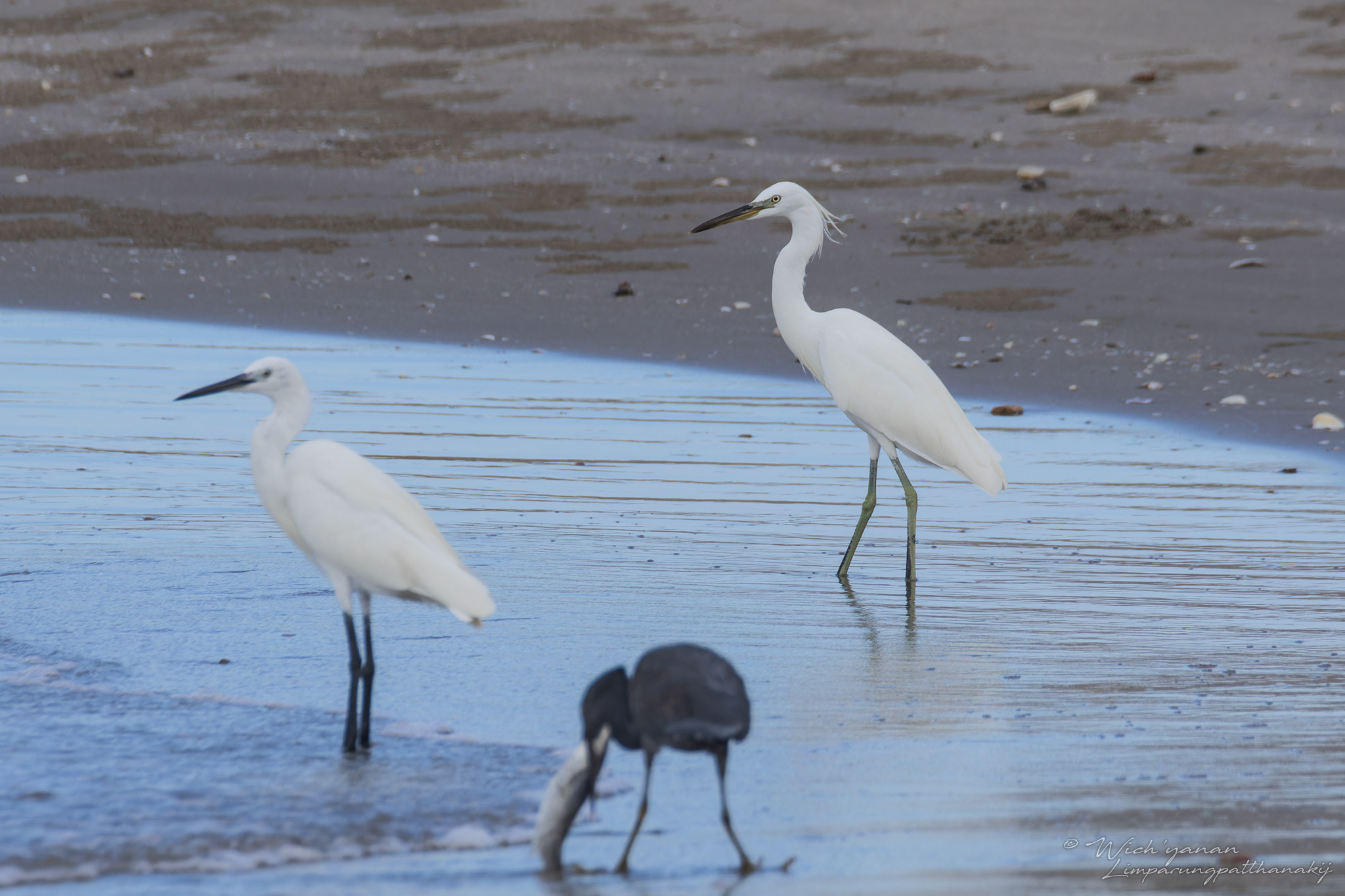
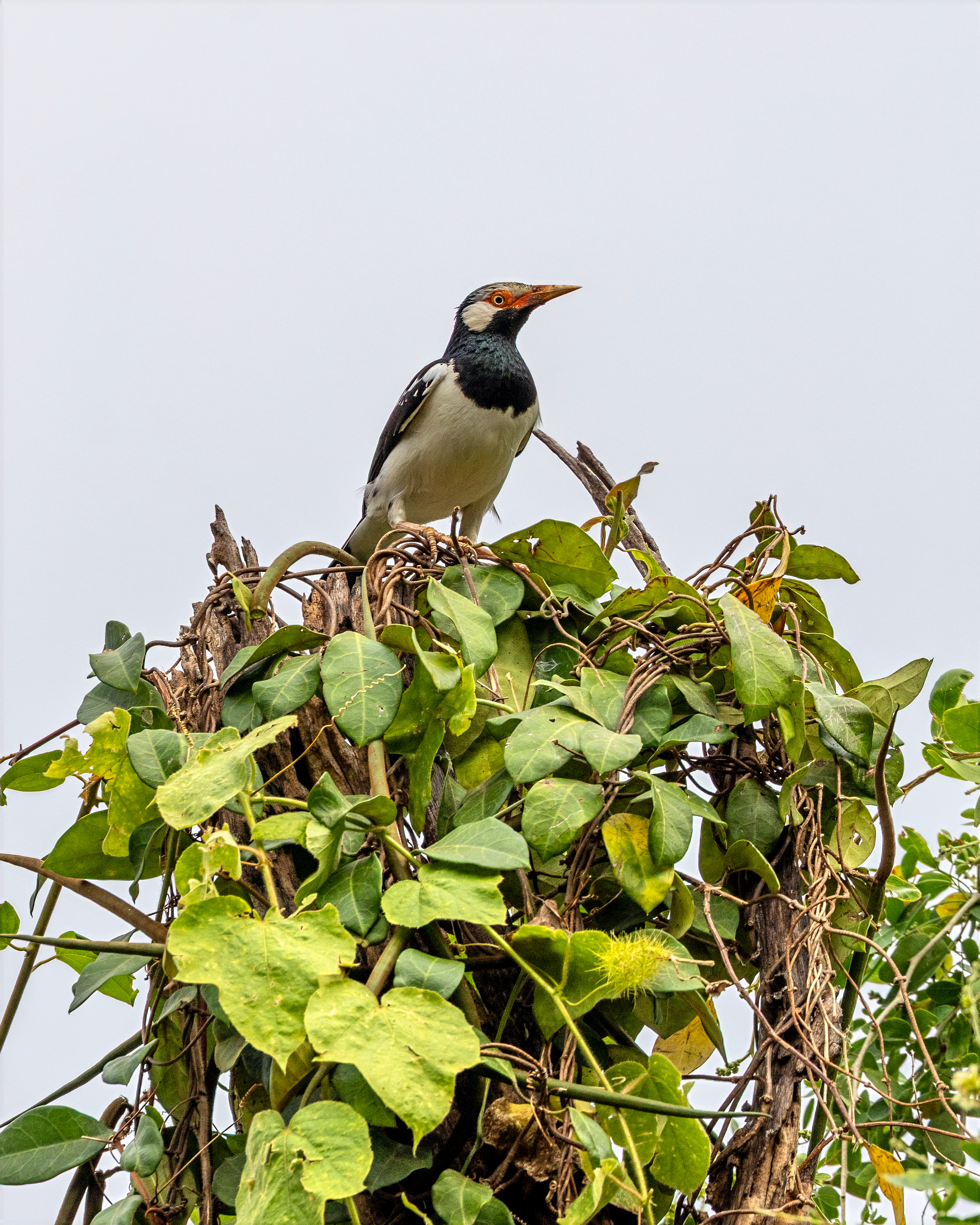
Herons, egrets and terns are numerous in the coastal wetlands that fringe the Gulf of Thailand, and we will also hope to find the rare Chinese Egret during our boat trip. Collared and Black-capped Kingfishers hunt for crabs amongst the mangroves as striking chestnut, black and white Brahminy Kites patrol lazily overhead. With Blue-tailed Bee-eater, Golden-bellied Gerygone (Flyeater), Pied Fantail, Asian Pied Starling, White-vented Myna, Brown-throated and Yellow-bellied Sunbirds also likely, there should be plenty to enjoy. Night at Phetchaburi
Day 6
PHETCHABURI WETLANDS AND COASTAL AREAS
A full day to continue our exploration of the rich winter birding sites around Phetchaburi. We will look for herons and egrets, gulls and terns, sandplovers, stilts and a fine supporting cast of open-country birds. With raptors patrolling the marshes and numerous shrikes, bee-eaters, warblers and pipits in surrounding farmland, there is always plenty to enjoy. Further night at Phetchaburi
Day 7
PHETCHABURI TO KAENG KRACHAN NATIONAL PARK
Today, we head west towards Kaeng Krachan, Thailand’s largest national park and one of its most exciting forest birding destinations. We plant to arrive in time to begin exploring the surrounding forest trails and bird-rich grounds of our lodge. Nights near Kaeng Krachan
Days 8–9
KAENG KRACHAN NATIONAL PARK
We have two full days to explore the varied habitats of Kaeng Krachan. The park offers superb birding across a range of elevations, and we will visit both its lower evergreen forests and mid-elevation foothills.
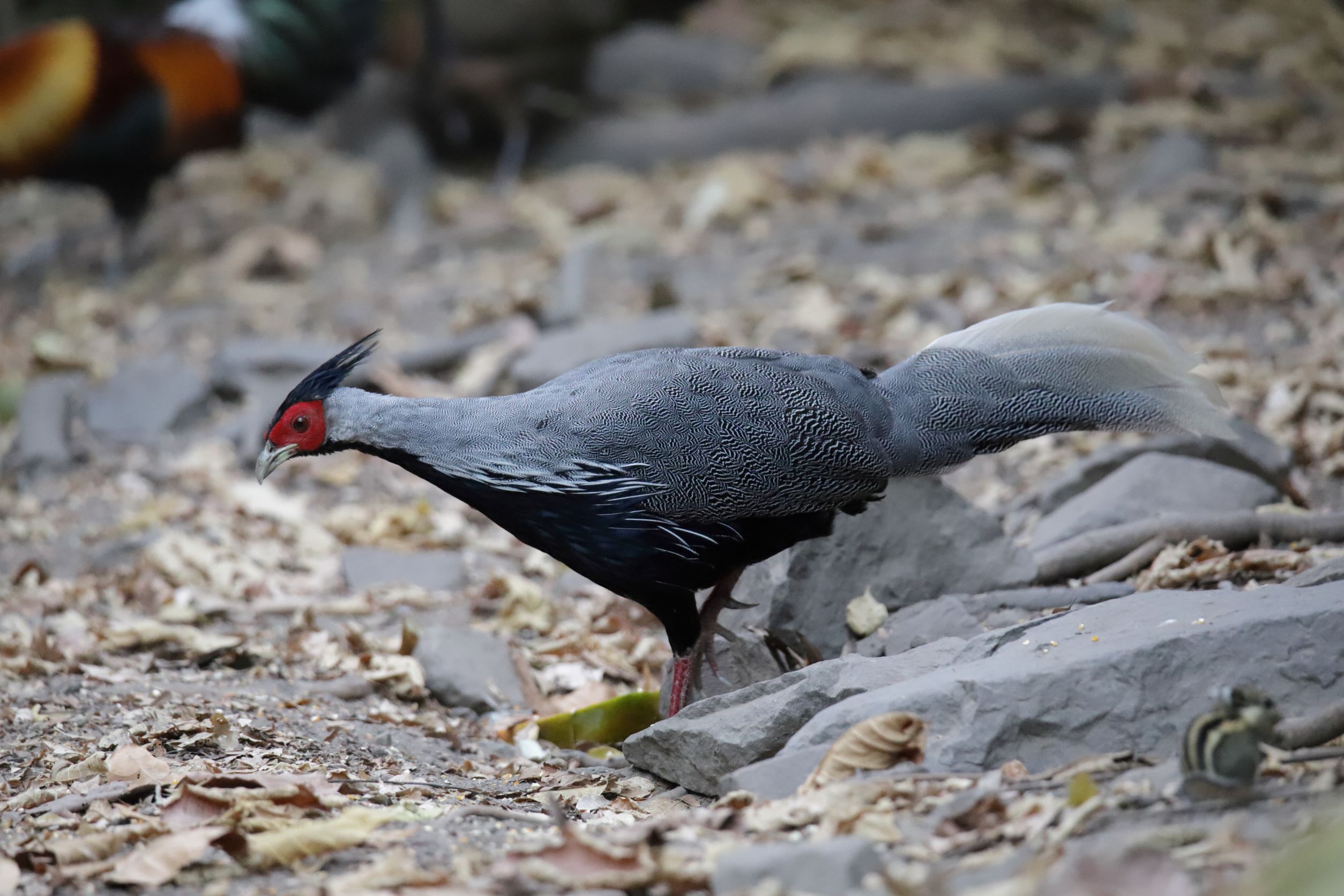
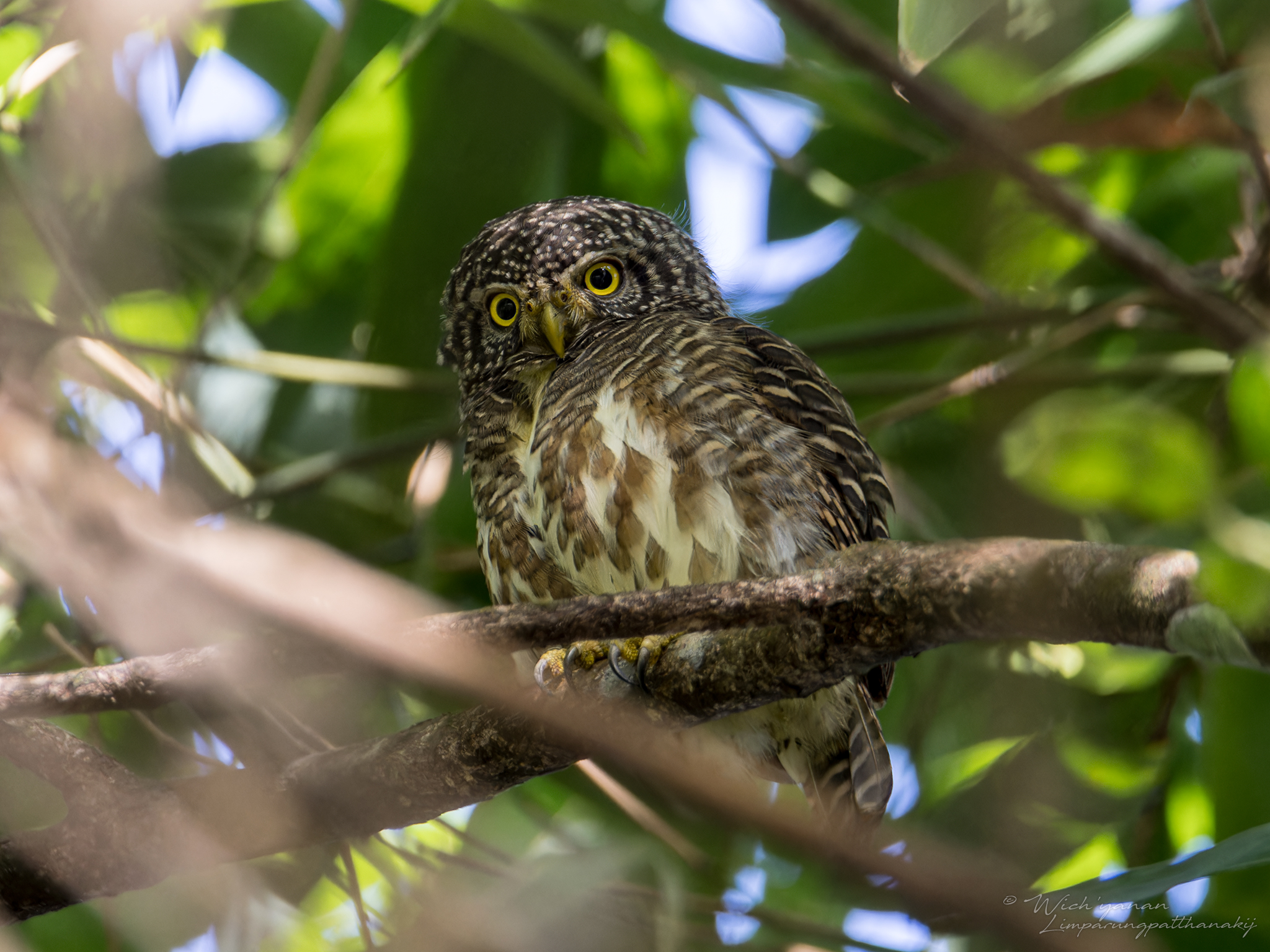
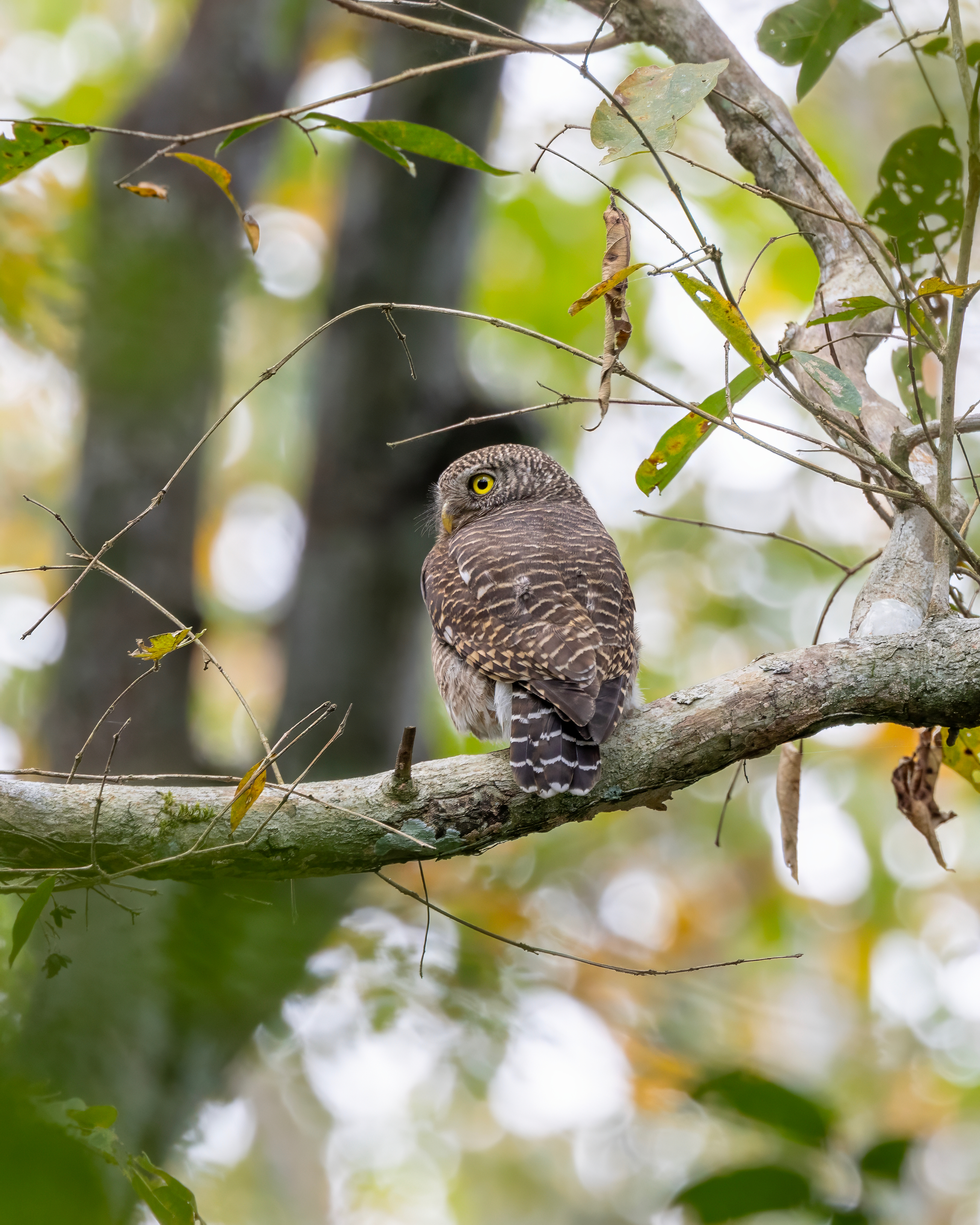
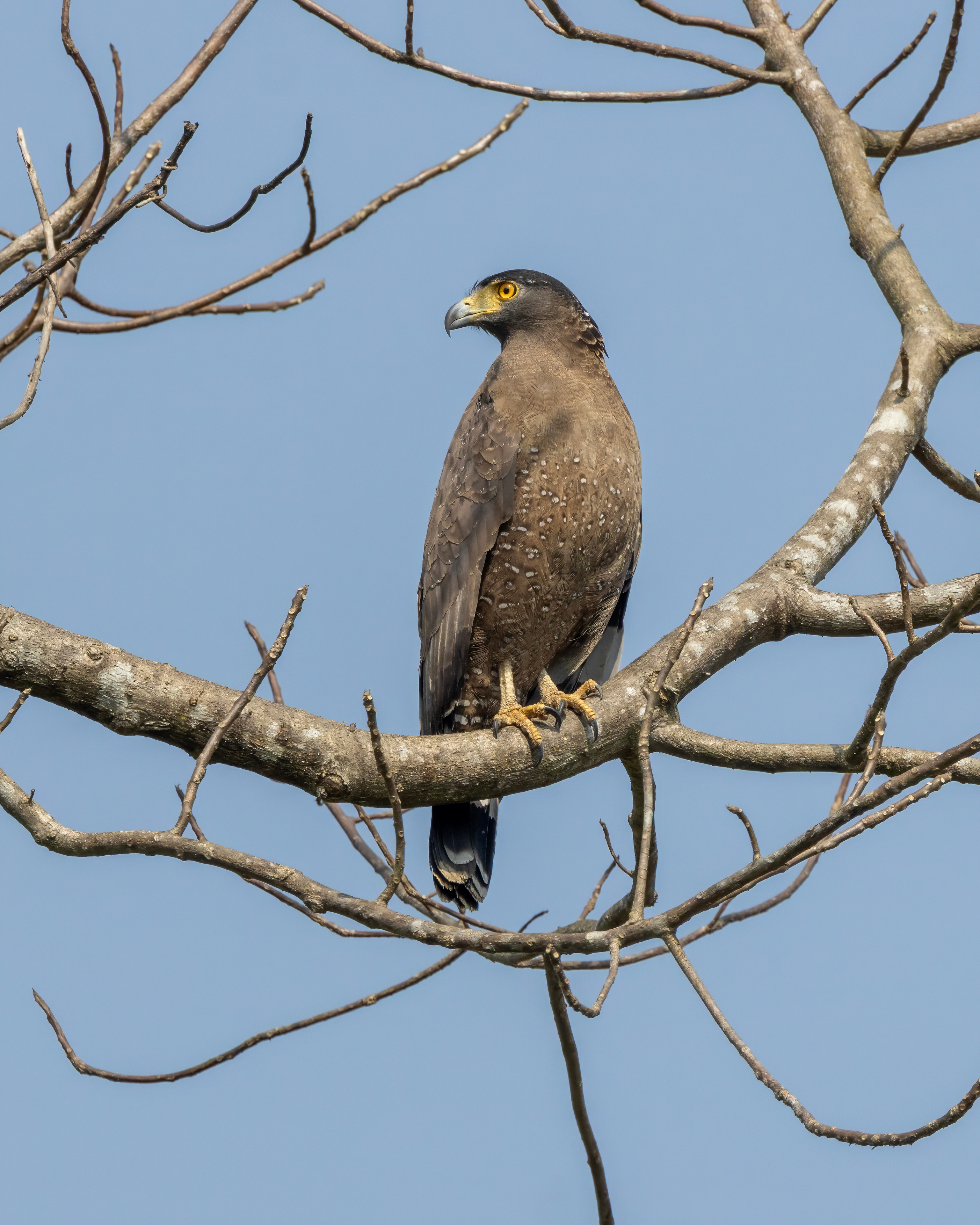
Kaeng Krachan is particularly famous for its broadbills, and we hope to encounter Black-and-Red, Black-and-Yellow, Silver-breasted, Banded and Long-tailed Broadbills. Other key species include Kalij Pheasant, Grey Peacock-Pheasant, Crested Serpent Eagle, Changeable Hawk-Eagle, Green-billed Malkoha, Wedge-tailed Green Pigeon, Orange-breasted Trogon, Blue-bearded Bee-eater, Asian Barred Owlet and Oriental Pied, Great and Rusty-cheeked Hornbills.
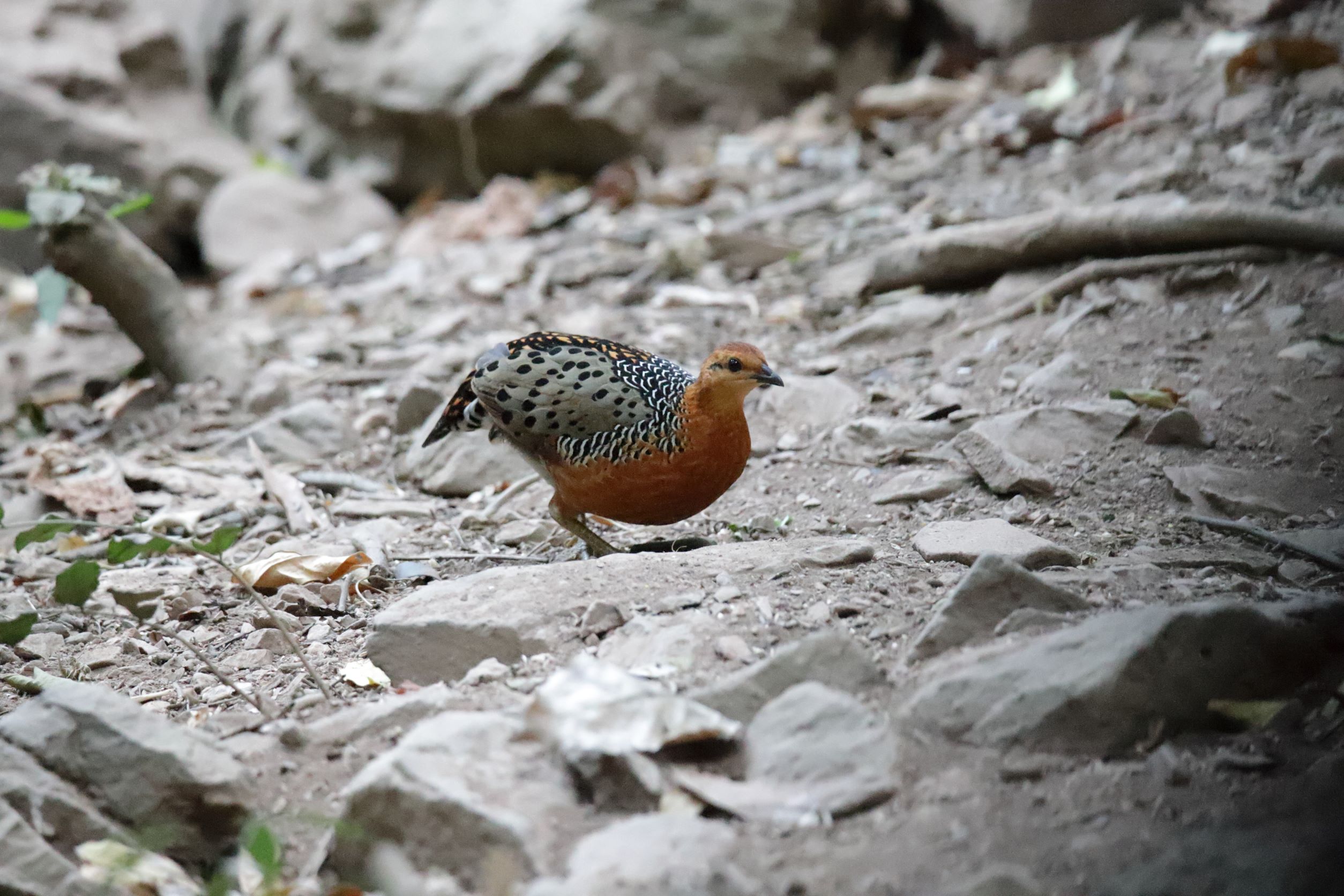
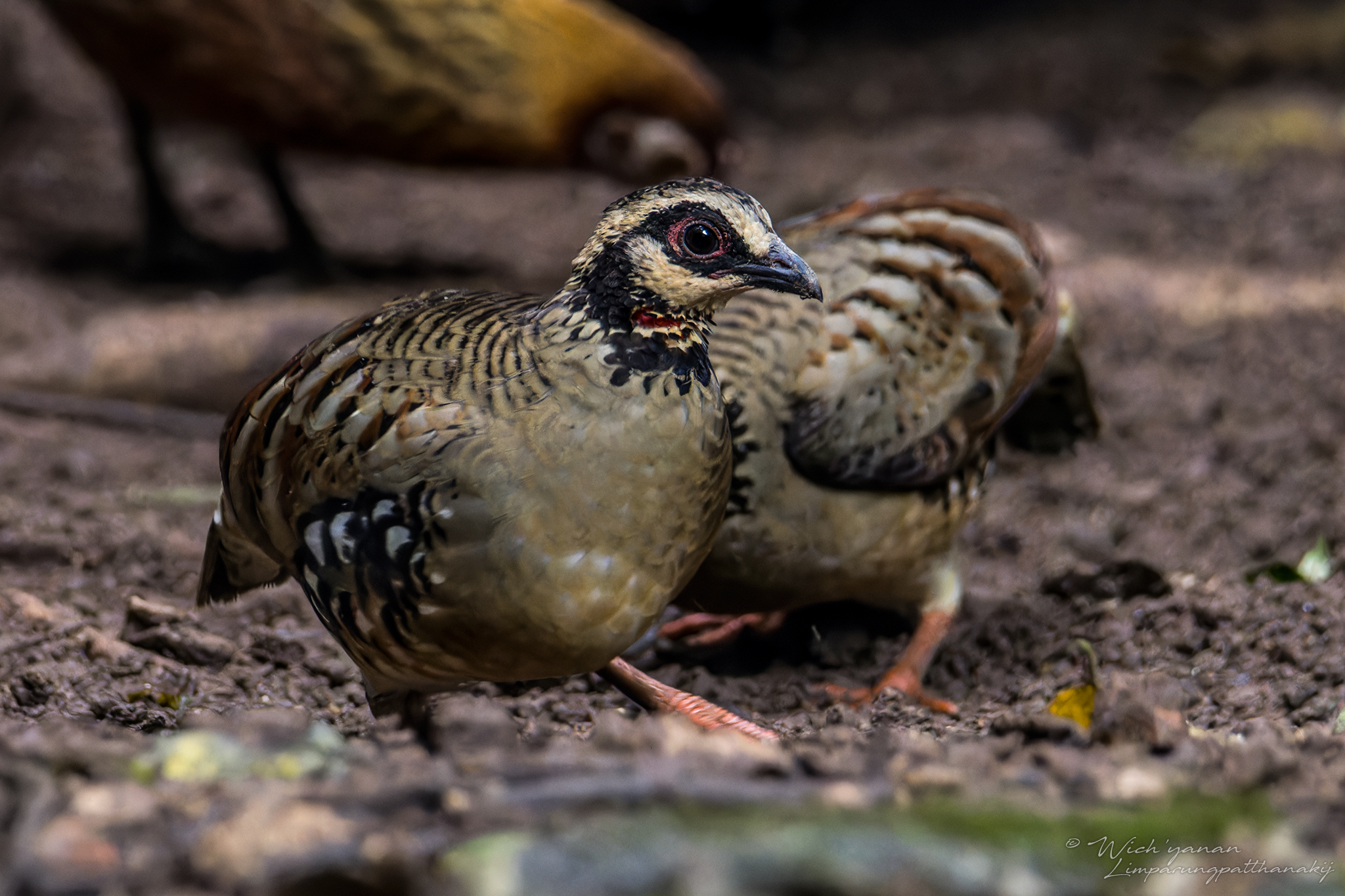
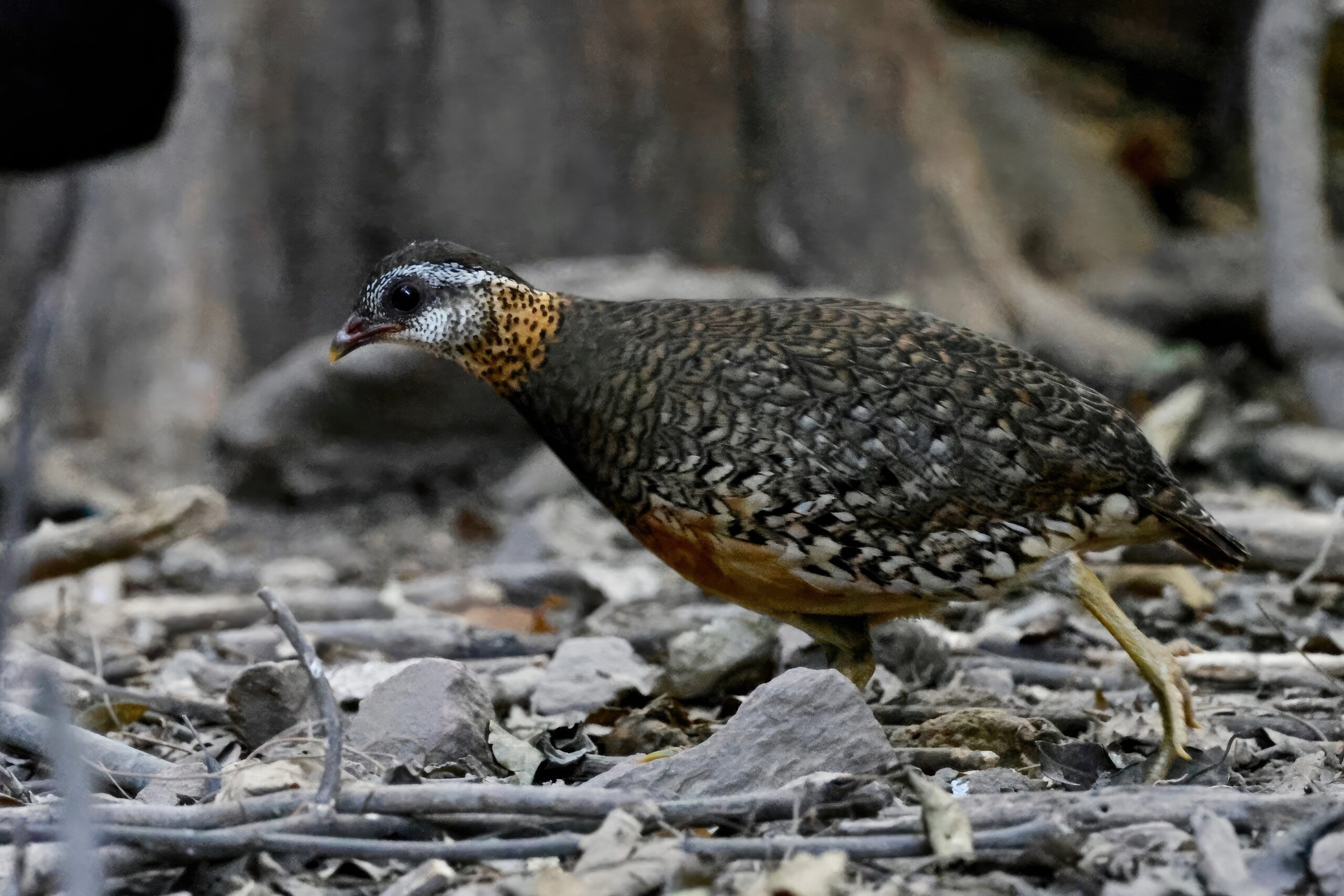
We may also visit one or more photographic hides outside the park, where difficult forest skulkers sometimes appear—perhaps even Ferruginous Partridge or other elusive ground dwellers.
Mammals are well represented too, with chances of Dusky and Banded Langurs, Black Giant Squirrel, White-handed Gibbon, and Asian Elephant. Two further nights near Kaeng Krachan
Day 10
FLY TO CHIANG MAI AND TRANSFER TO DOI INTHANON
After breakfast, we will travel back to Bangkok and take a flight north to Chiang Mai. On arrival we transfer to Doi Inthanon, Thailand’s highest mountain, where we stay in a comfortable resort close to excellent birding areas. If time permits, we may enjoy some initial exploration of the lower slopes. Night near Doi Inthanon
Days 11–12
DOI INTHANON NATIONAL PARK
We have two full days to explore the spectacular range of habitats on Doi Inthanon from dry dipterocarp forest to lush cloud forest near the summit.
The upper slopes hold many of the region’s most iconic birds, including Pygmy Cupwing, Ashy-throated Warbler, Bar-throated Minla and the stunning Green-tailed and Mrs Gould’s Sunbirds. We will check forest patches and boggy areas for Himalayan Shortwing, Red-flanked Bluetail and wintering thrushes, potentially including Dark-sided Thrush or Grey-sided Thrush.
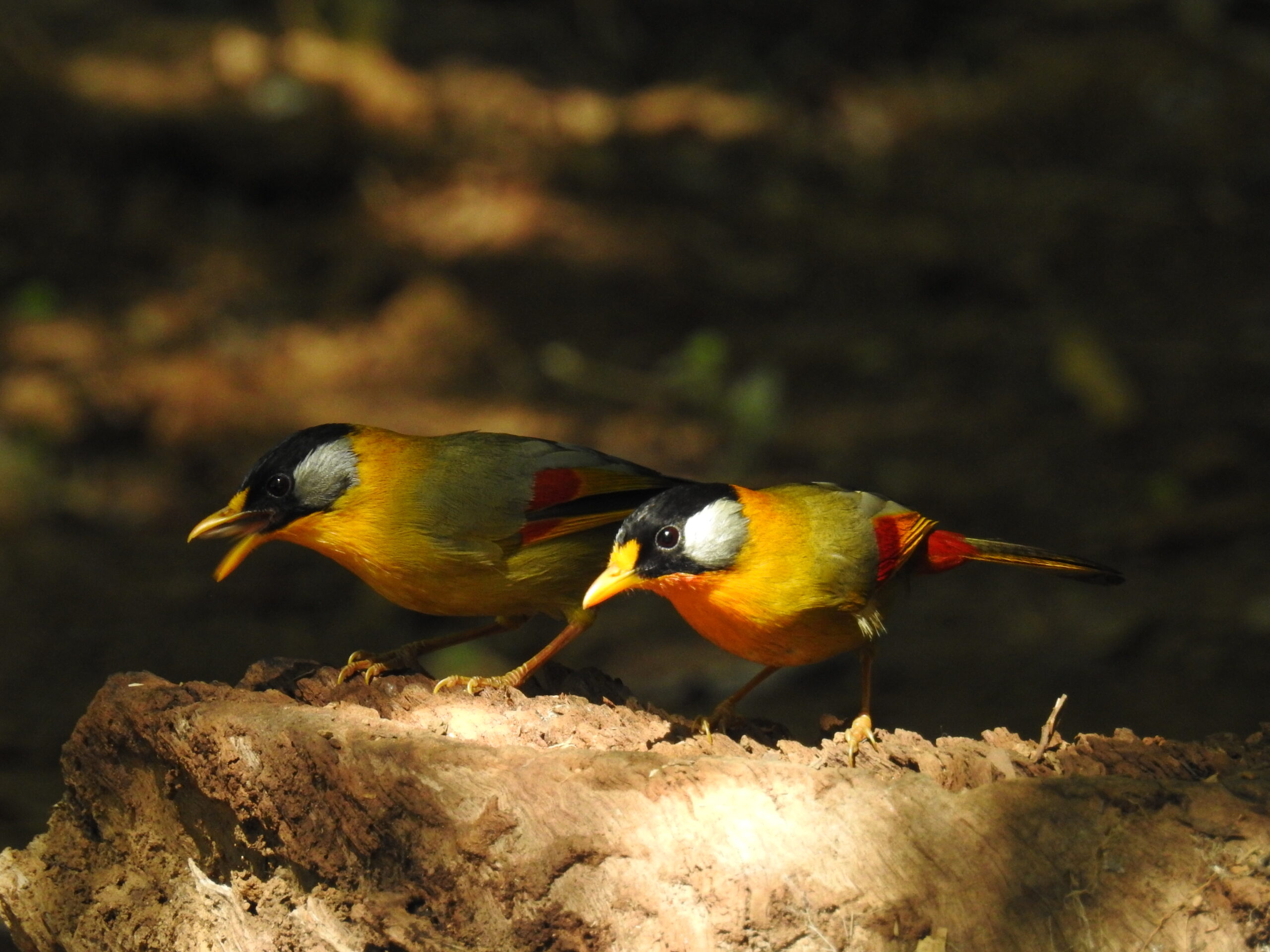
At mid and lower elevations we will look for Collared Falconet, Blossom-headed Parakeet, Rufous Treepie, Blue-winged and Orange-bellied Leafbirds, Violet Cuckoo, numerous laughingthrushes, leaf warblers, fulvettas and flycatchers. Species such as Rufous-winged Fulvetta, Silver-eared Laughingthrush and Silver-eared Mesia are often easier to see here than anywhere else.
The richness and variety of habitats on Thailand’s highest mountain ensures two immensely rewarding days of birding. Two further nights near Doi Inthanon
Day 13
TRANSFER TO FANG VIA DOI ANGKHANG
This morning we leave Doi Inthanon and travel north via the scenic slopes of Doi Angkhang. The pine-oak forest here supports several important species, including Short-billed and Long-tailed Minivets, Yunnan Fulvetta, Slender-billed Oriole and the beautiful Mrs Gould’s Sunbird.
Other possibilities include Brown-breasted Bulbul, White-browed Laughingthrush and Rusty-cheeked Scimitar Babbler, and with luck we may encounter the scarce Giant Nuthatch. If time allows, we may stop at a feeding station where wintering thrushes and redstarts often appear.
We then continue to Fang for a three-night stay, ideally placed for exploring Doi Lang. Night at Fang
Days 14–15
DOI LANG AND NEARBY AREAS
We spend two full days exploring the forested ridges, feeding stations and scenic viewpoints of Doi Lang, one of northern Thailand’s most celebrated birding areas. The views across to the Myanmar border are spectacular, and the birding is even better.
We will search for many of the mountain specialities including Rufous-throated Partridge, Scarlet-faced Liocichla, Silver-eared Laughingthrush, Striated Yuhina, Spectacled Barwing, Himalayan Bluetail, Rufous-gorgeted and White-gorgeted Flycatchers, White-bellied Redstart, Chestnut-headed Tesia and Crimson-breasted Woodpecker.
Doi Lang is also one of the best places to look for the elusive Mrs Hume’s Pheasant and rare Giant Nuthatch, and we may encounter Rusty-cheeked Scimitar Babbler, Whiskered Yuhina, Crested Finchbill or Scarlet Finch.
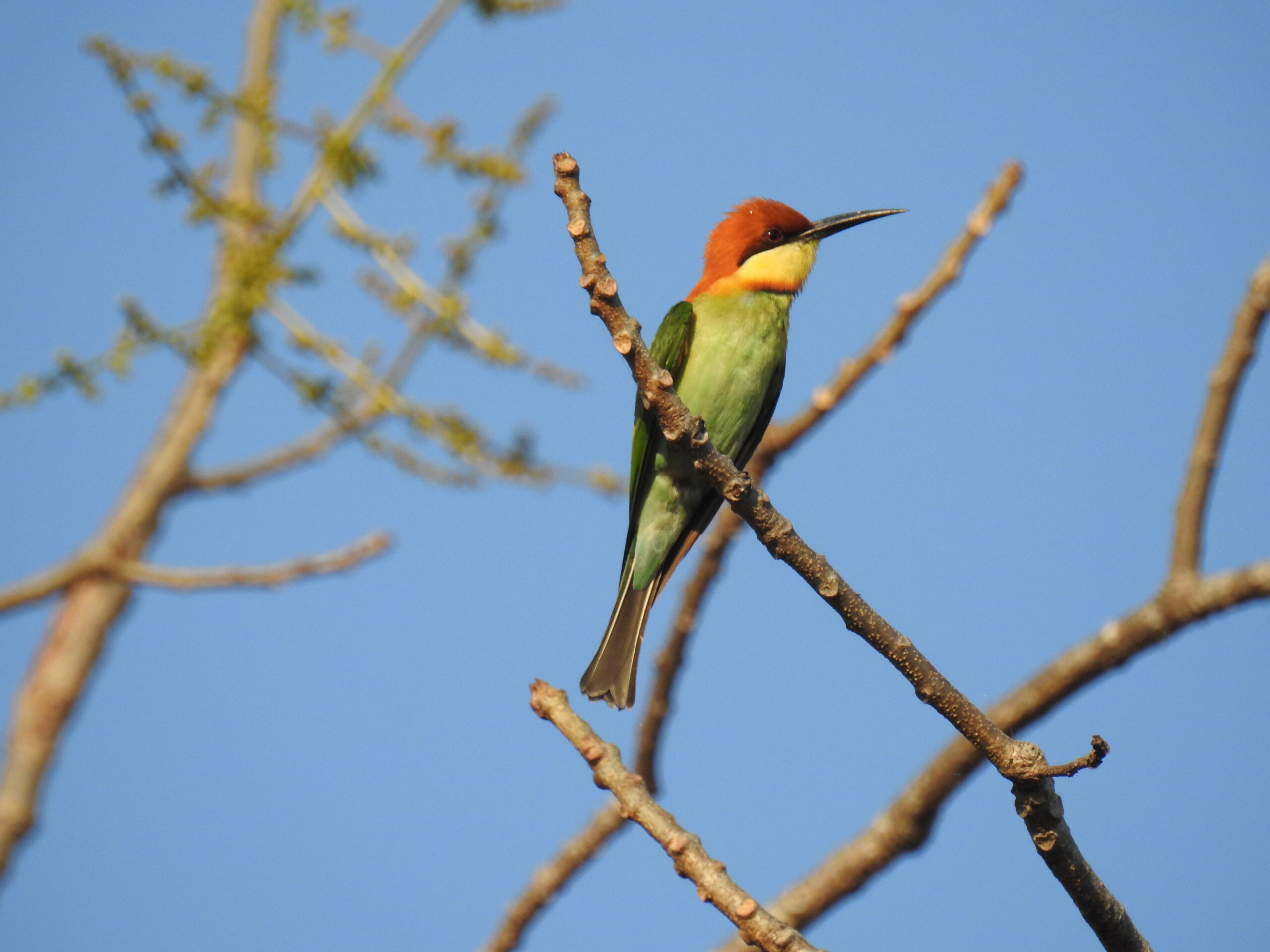
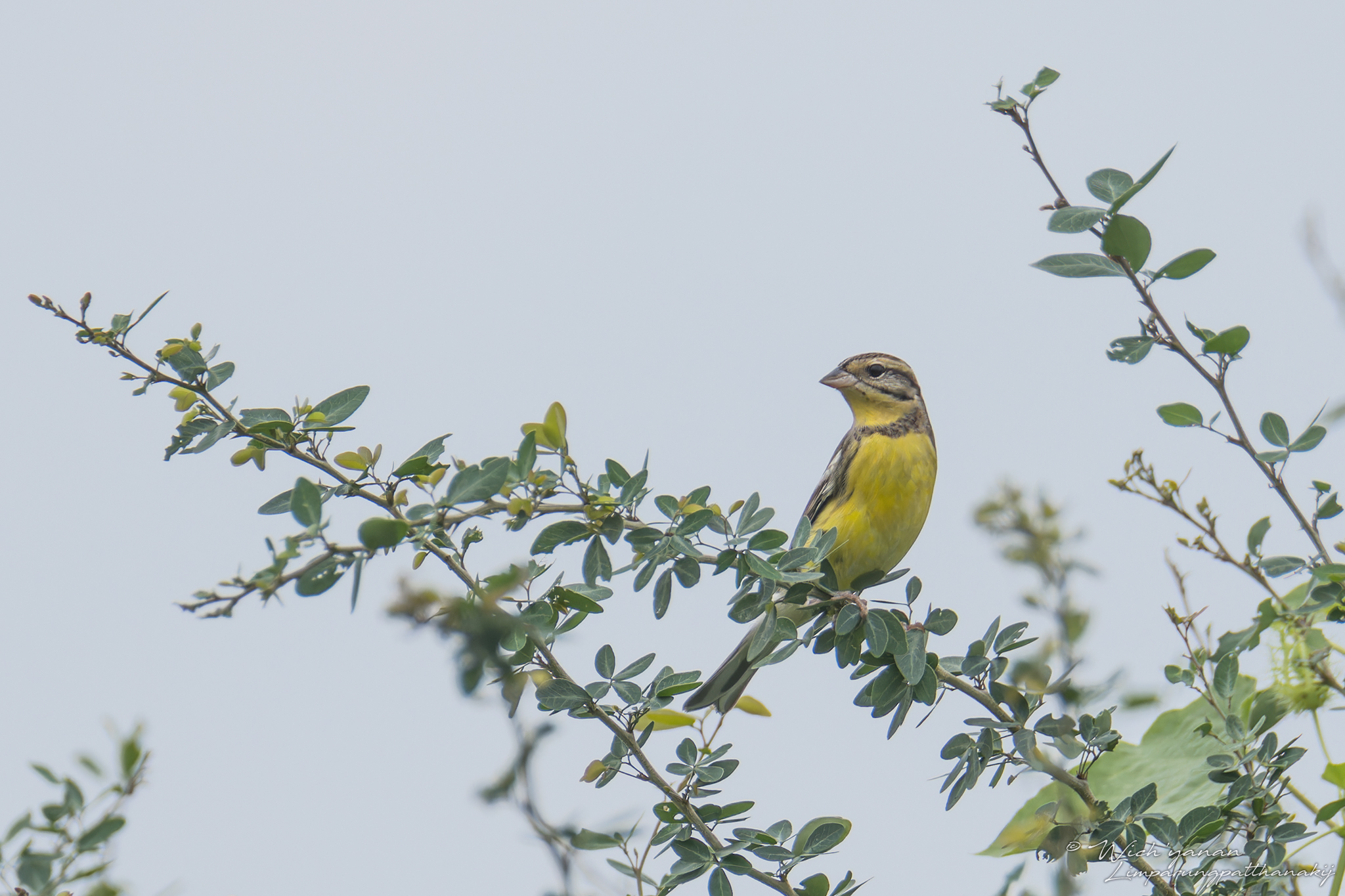
During the afternoons of our stay, we may also include visits to nearby agricultural areas where we could find Indochinese Roller, Chestnut-headed Bee-eater, Long-tailed Shrike, Chinese Pond Heron, Eastern Yellow Wagtail and Paddyfield Pipit. We will also hope to find the critically endangered Yellow-breasted Bunting. Two further nights at Fang
Day 16
FINAL BIRDING AND RETURN TO BANGKOK, DEPARTURE
We enjoy some final morning birding around Fang or Doi Lang before driving to Chiang Rai Airport to catch our flight to Bangkok. Here, we connect with onward international flights home.
Day 17
ARRIVE HOME
Arrival back in the UK where our birdwatching adventure in Thailand concludes.
WHAT TO EXPECT
A 17 day, small group birding tour to Thailand which includes time on the Gulf of Thailand looking for shorebirds including the critically endangered Spoon-billed Sandpiper. We will also explore two of the country’s best national parks, Kaeng Krachan and Khao Yai, before flying to Chiang Mai and exploring some of the amazing forested mountains of the north of this bird rich country.
Early starts are the norm for birding tours in tropical regions, where the daylight hours are relatively short (in Thailand at this time of year approx. 6.30am-6.30pm), and where bird activity peaks early and late but generally dies away completely during the hotter middle of the day.
Especially in the sultrier lowlands, it will be important to be in the field at dawn so we can hear the birds singing and calling as the day starts up as in some instances, this may be our only chance to discover if certain species are present or not, so we will naturally want to make the most of this opportunity.
We may be on our feet for several hours at a stretch watching for birds so some participants have previously found it helpful to bring a lightweight collapsible stool.
Thailand has a tropical climate and it will be warm to hot throughout most of the tour. The late winter is an excellent time to visit, when the weather is mostly hot, sunny and dry. It will be humid at lower elevations, especially near the coast. At this time of year, daily average temperatures around Bangkok are in the range of 22-33C (71-91F) but it may be a little cooler in the hills at Khao Yai, but still humid.
At higher altitudes towards the peak of Doi Inthanon, the conditions can range from warm to cool, and it can feel chilly at night. Overnight frosts are possible at the summit area at 2,565m (8,415 feet), where it may be cold first thing, though it warms up quickly once the sun is up.
Our tour is timed to run during Thailand’s dry season, when rainfall is low but in the event it does happen to rain, this typically occurs as short-lived tropical downpours, so we recommend bringing a lightweight umbrella.
In common with all tropical regions, mosquitos are present throughout the year in Thailand, particularly around dawn and dusk in the coastal wetlands and mangroves, and along some low elevation forest trails so you are advised to check about malaria preventions.
At the time of our visit the forests are usually dry and there are rarely any leeches. Due to the dry conditions, ticks may be present along some trails passing through dry woodland.
BIRDS
c.300 species
MAMMALS
10-15 species
ACCOMMODATION
14 nights accommodation in good standard, comfortable and air-conditioned hotels and lodges. All rooms have western-style private facilities (ie not the traditional Oriental-style toilets).
At Doi Inthanon, the accommodation is more rustic, with wooden cottages with multiple bedrooms, but each room has a private bathroom. Most hotels can usually offer a laundry service.
MEALS
All main meals are included in the tour price (and with drinking water also provided), commencing with lunch on arrival in Thailand on Day 2 and concluding with lunch on Day 16.
Thai cuisine is delicious and for many travellers the food is a trip highlight. Breakfast and dinners will usually be taken at the hotels.
We may have packed lunches on some days (plus the odd packed breakfast) but other lunches may be taken at a convenient restaurant along the way.
WALKING
The walking effort is mostly easy. Away from the coast (where the terrain is flat), much of the birding on this tour is along roadsides, tracks and forest trails. The highest point on this tour will be at Doi Inthanon, where we shall be birding at altitudes of up to 2,565m (8,415 feet). Inevitably when walking in the mountains, there will be some steeper sections along the roads and tracks, although these are usually quite short and, wherever possible, we will aim to drive uphill and bird as we walk back down.
Comfortable, lightweight walking shoes or boots with stout soles and good grip are recommended.
BOAT TRIP
If the tide is right (and we haven’t missed out yet), we plan to take a boat trip at the coast, passing through the creeks and mangroves, and out to the sand spit at Laem Pak Bia to look for shorebirds, hopefully including the rare and localised Malaysian Plover as well as White-faced Plover.
GROUND TRANSPORT
By air-conditioned minibus or other suitable vehicle depending on the group size.
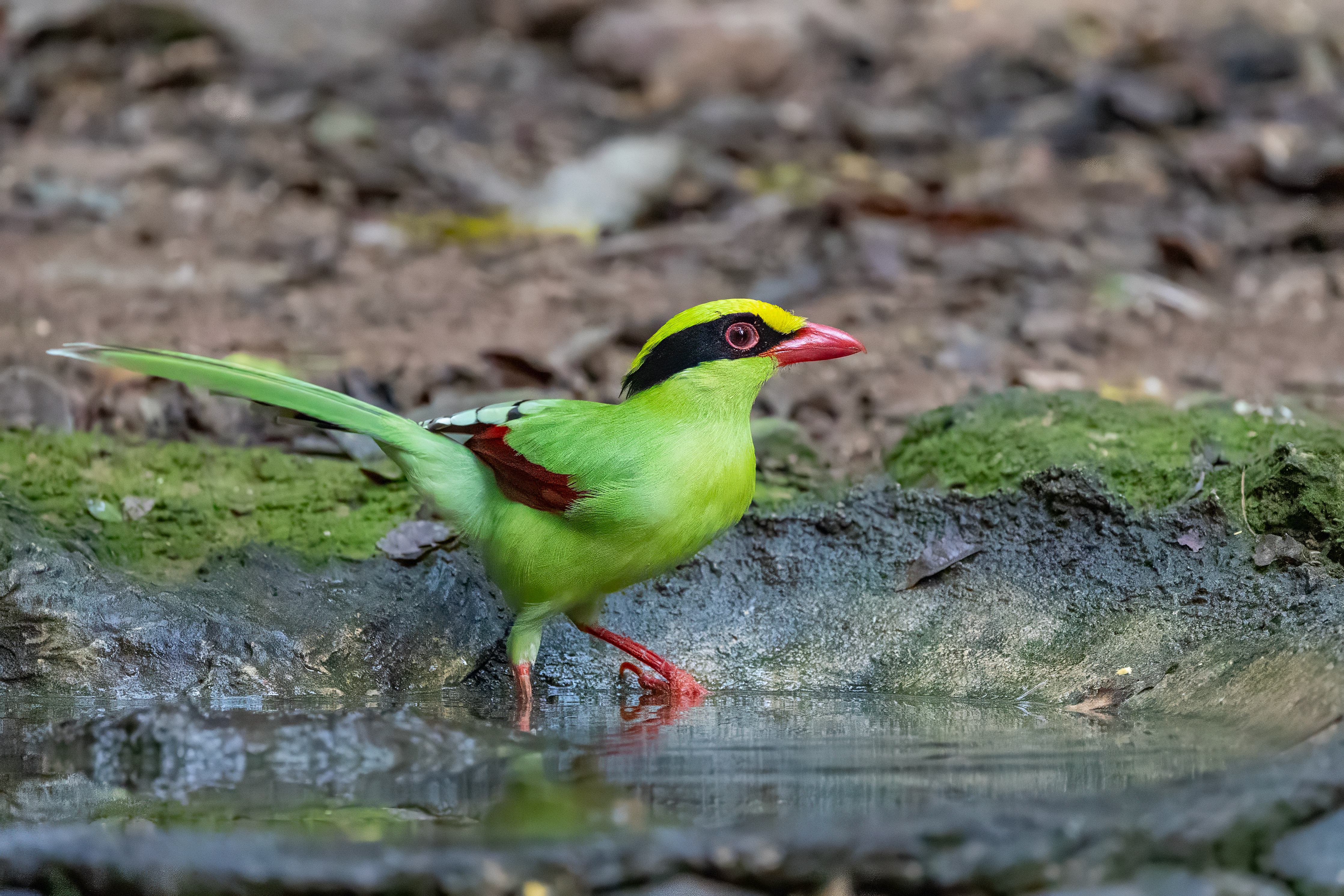
Tour Gallery
View a gallery of images for this tour below, click on an image to view as full size with caption
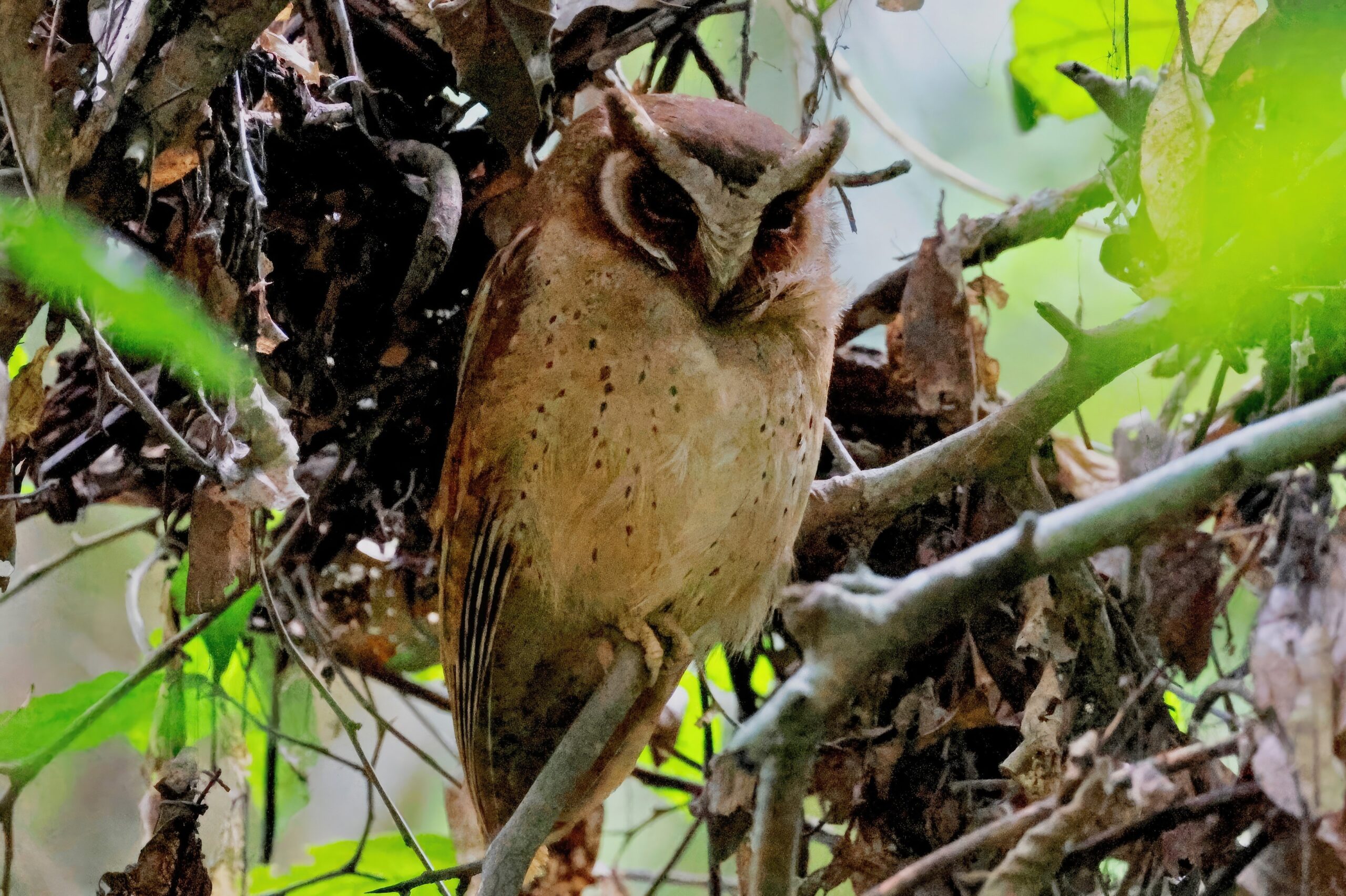
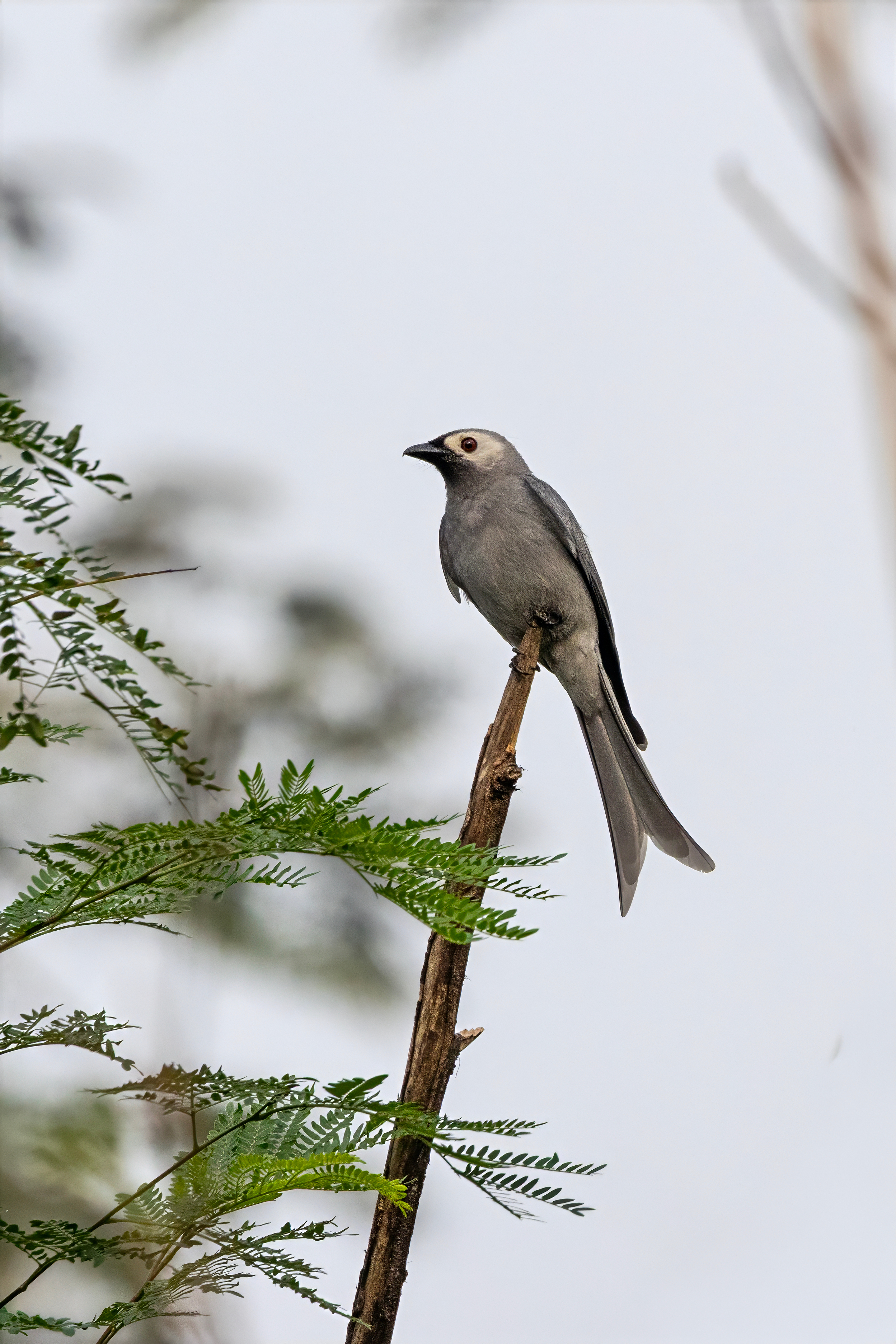
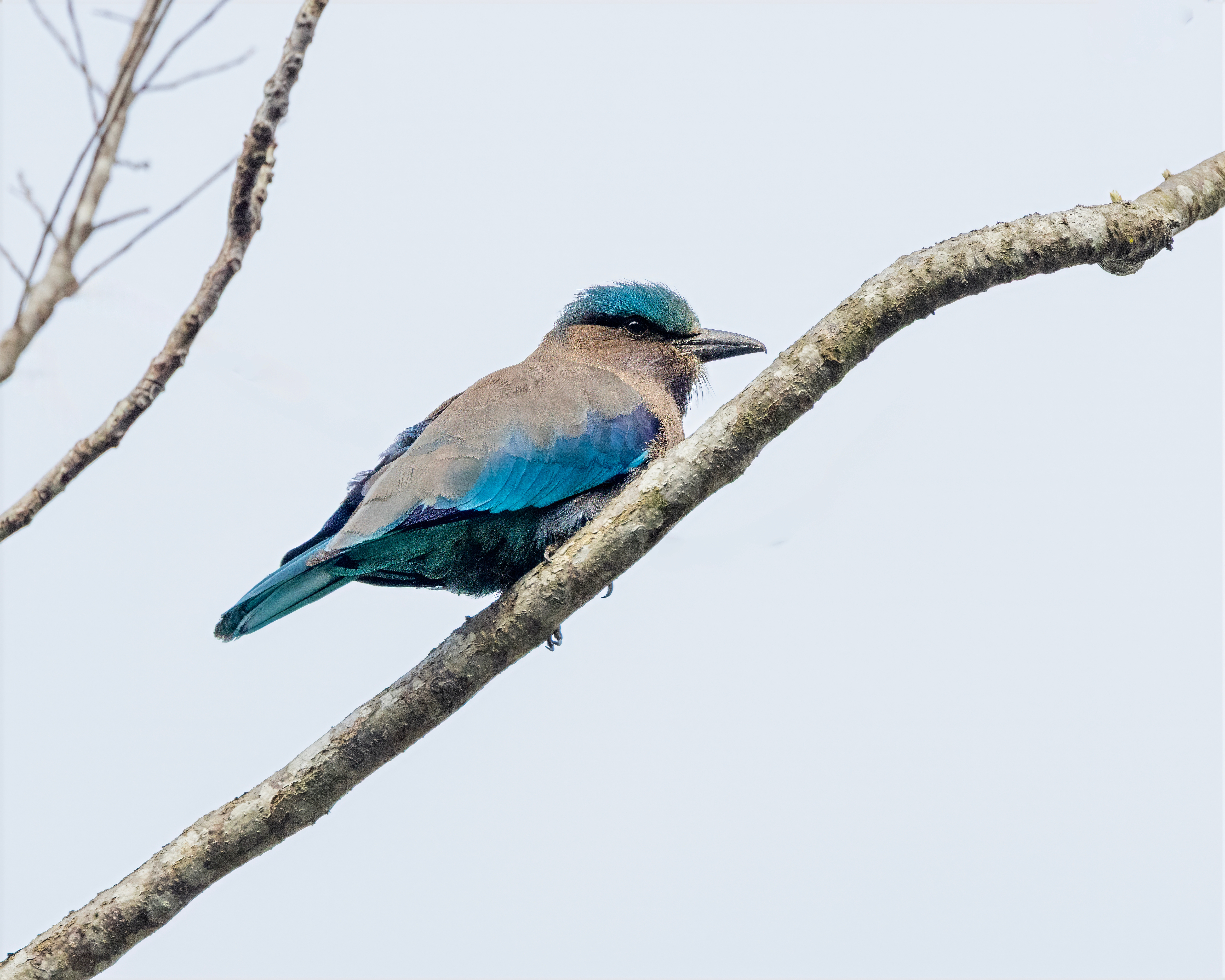
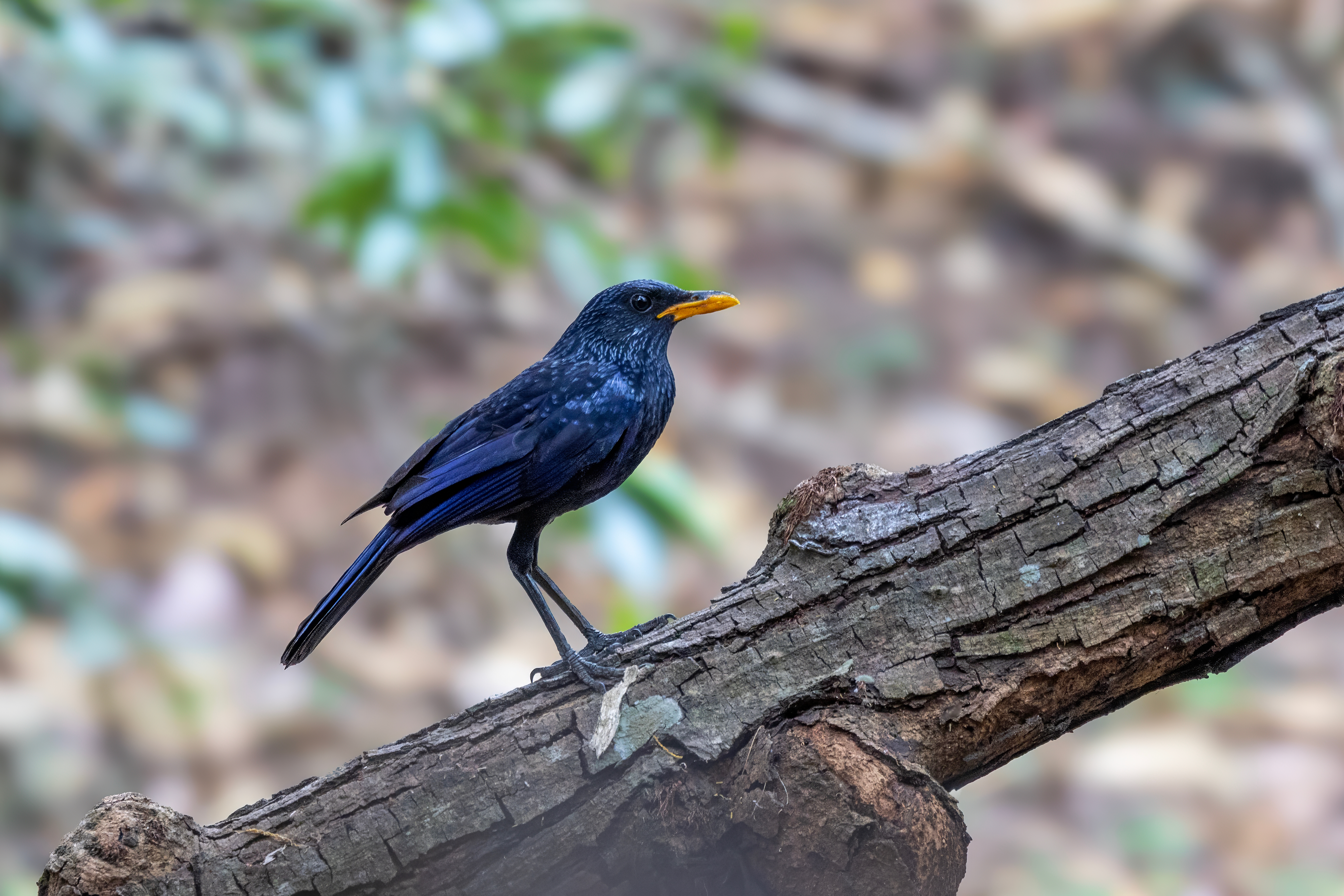
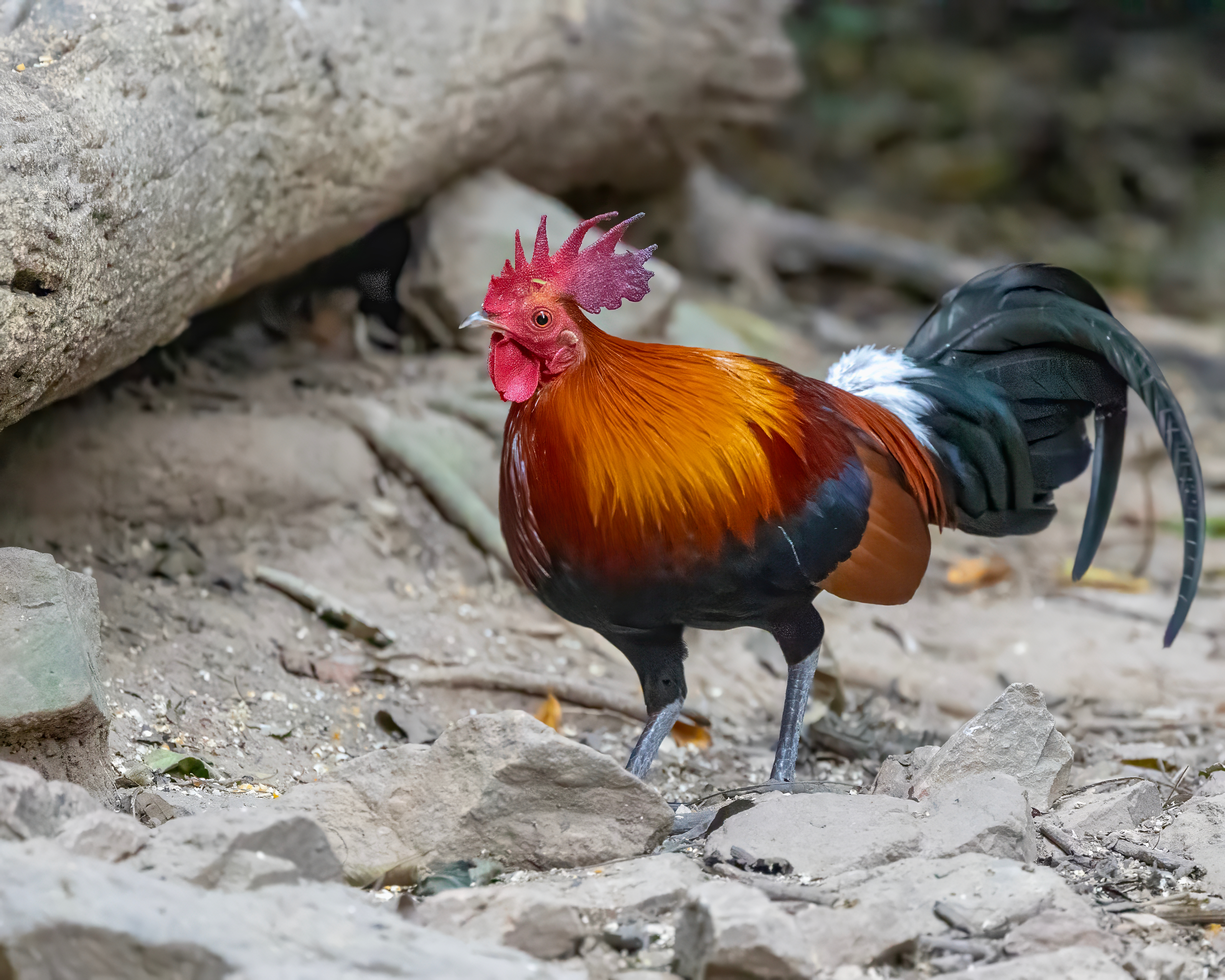
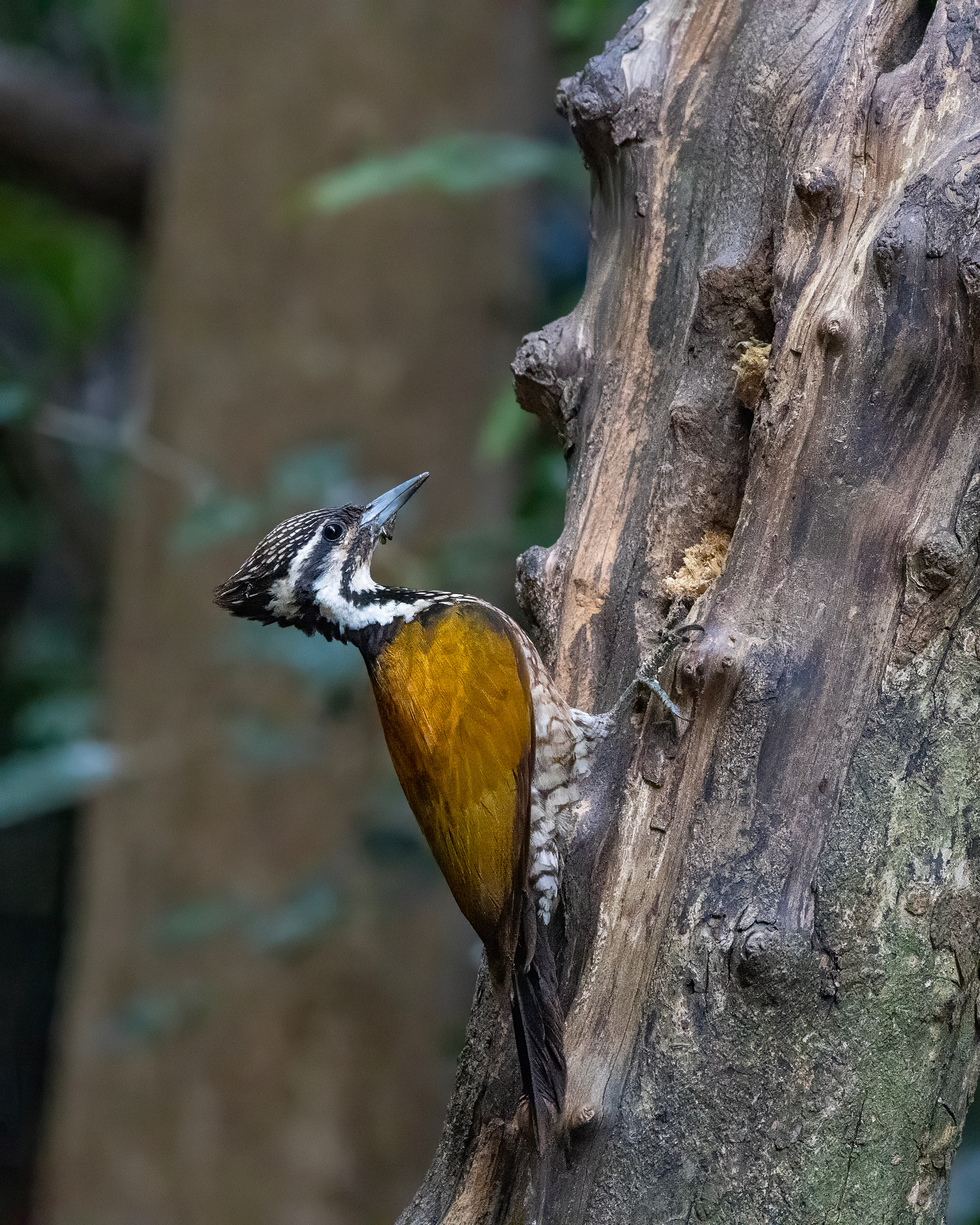
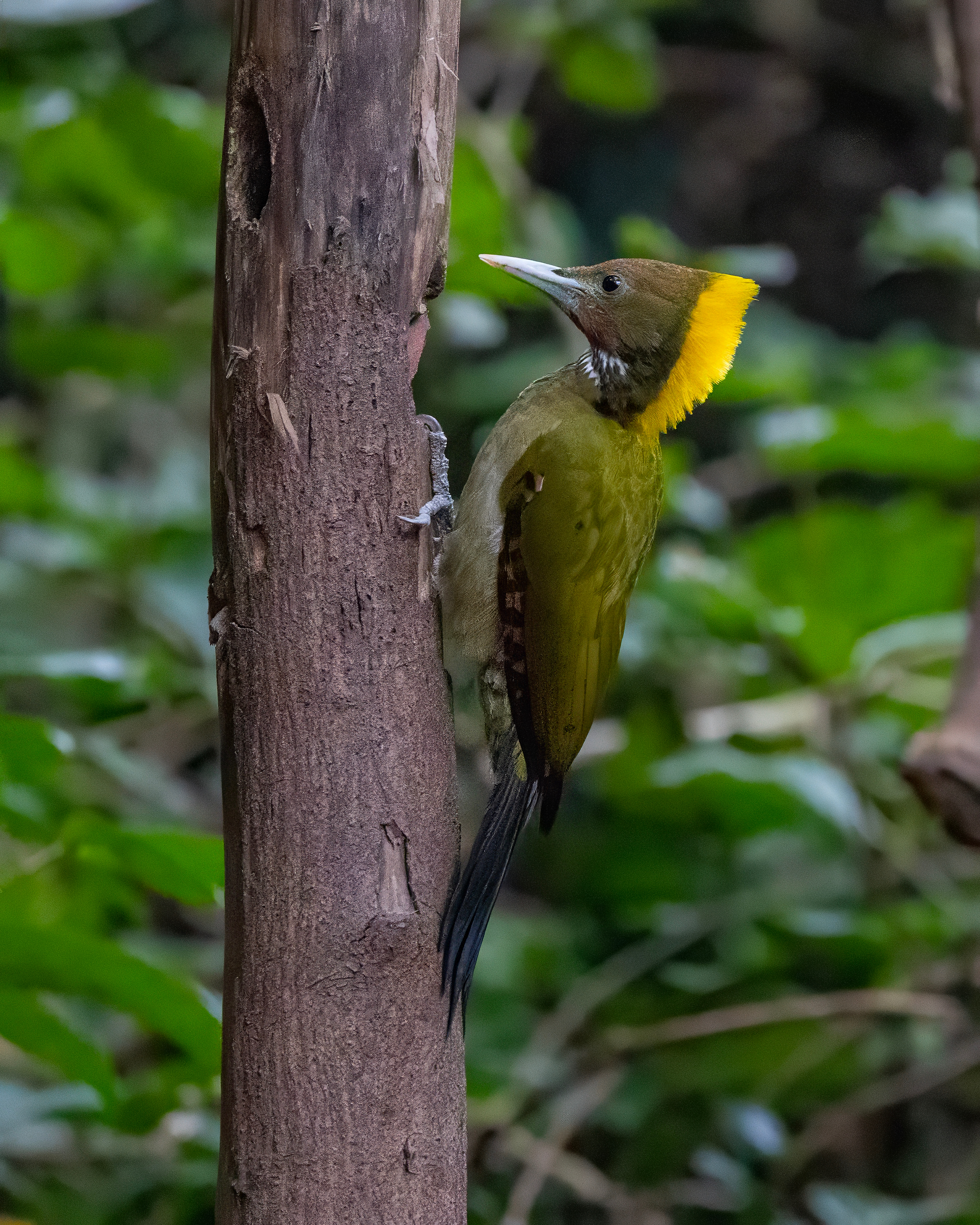
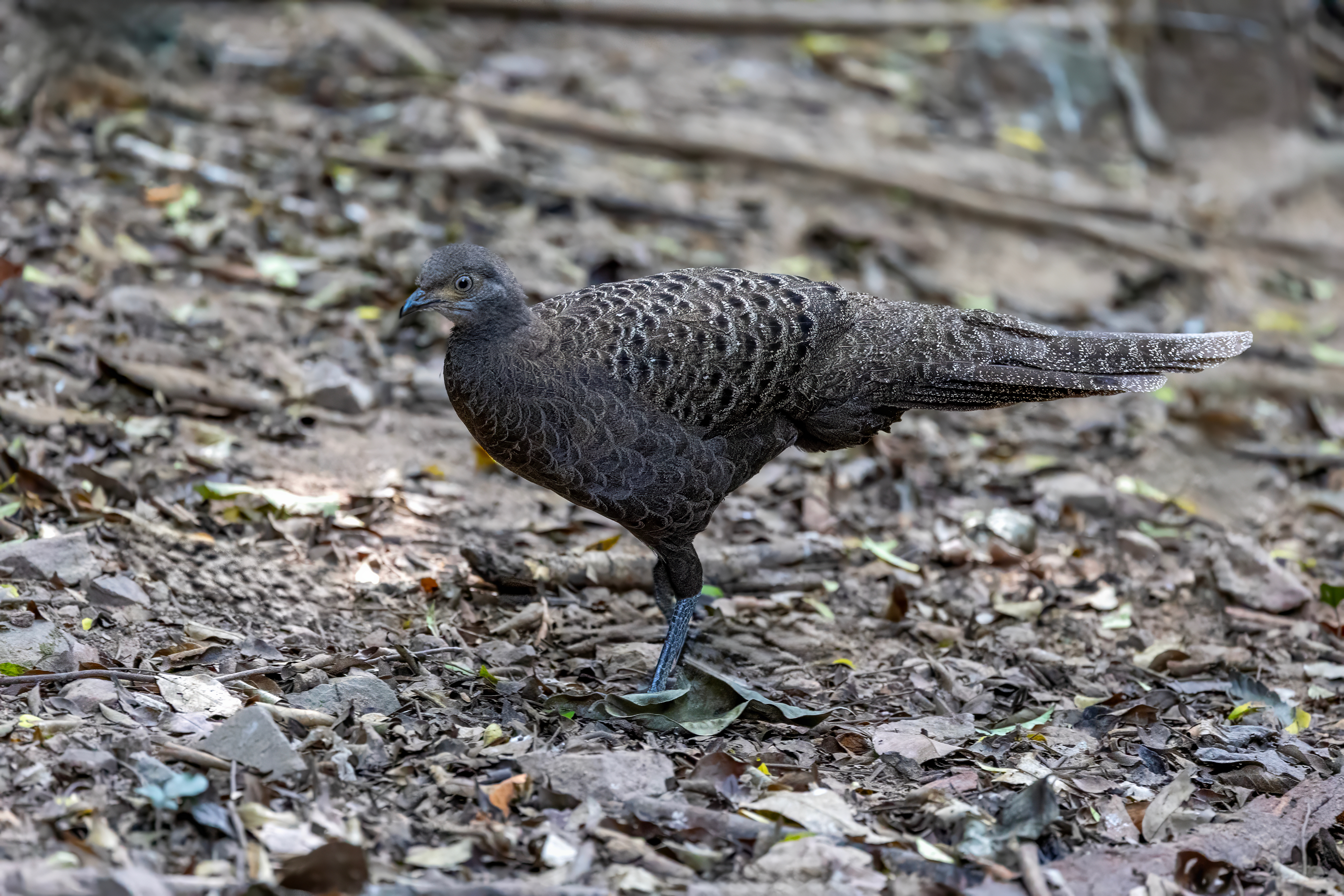
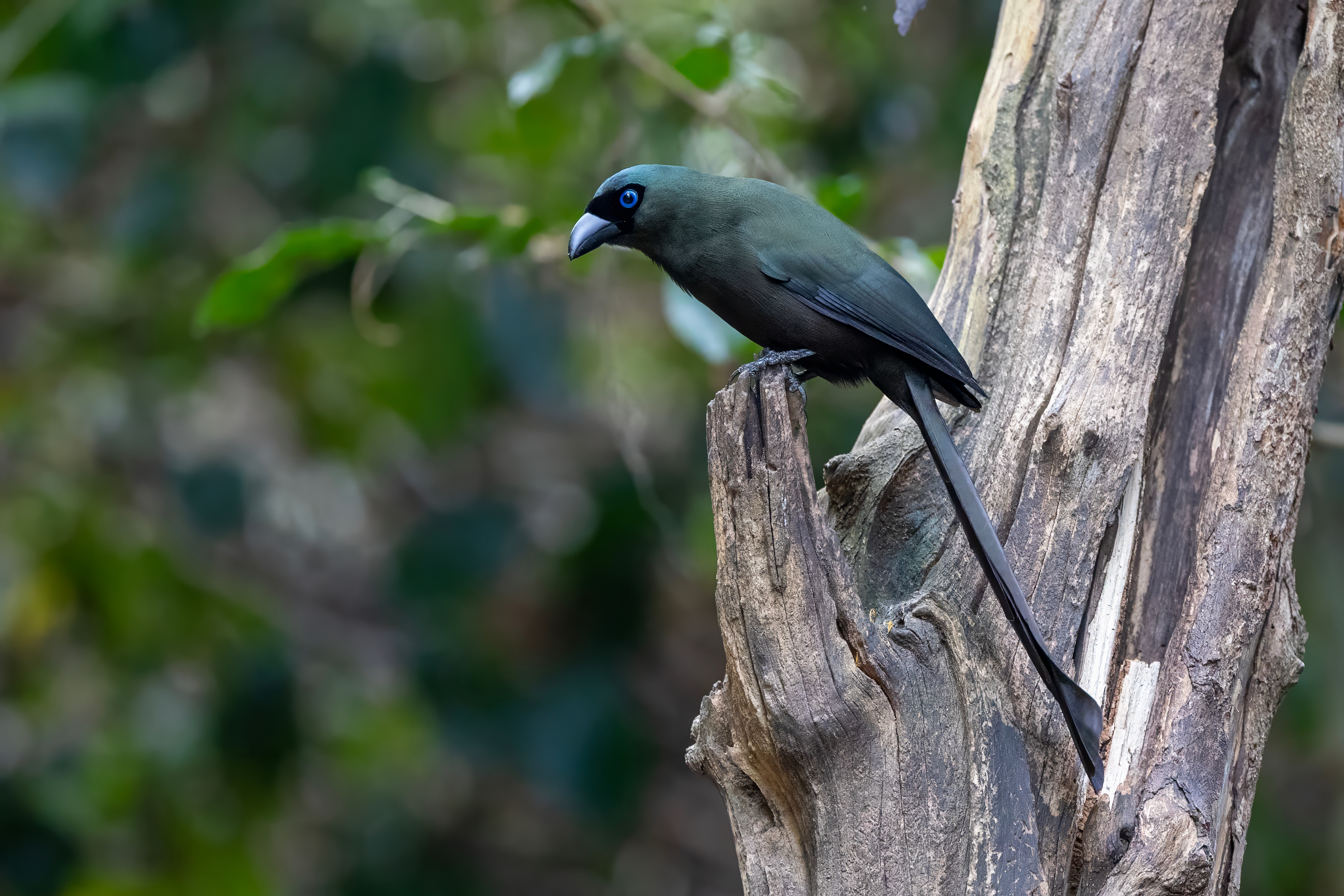
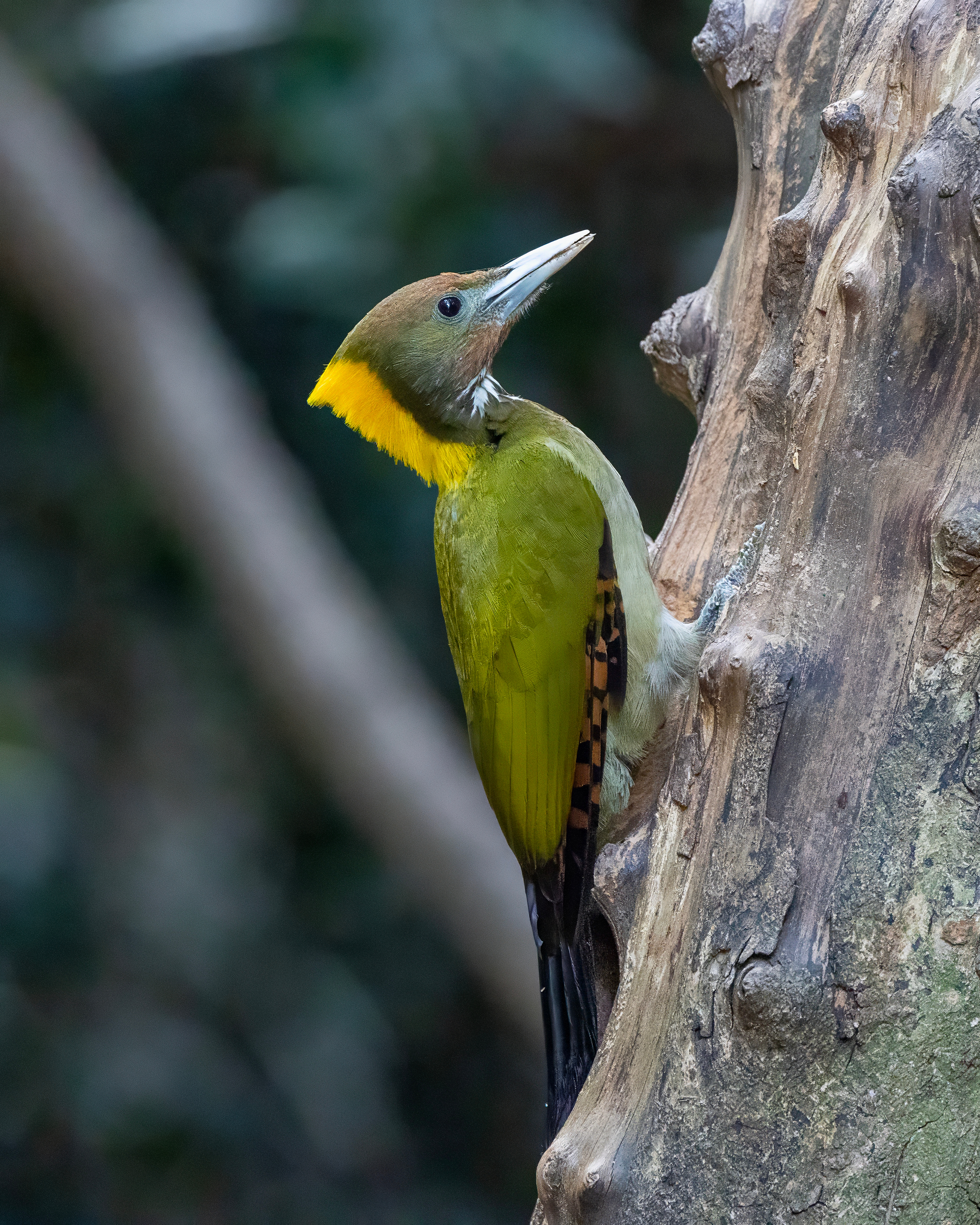
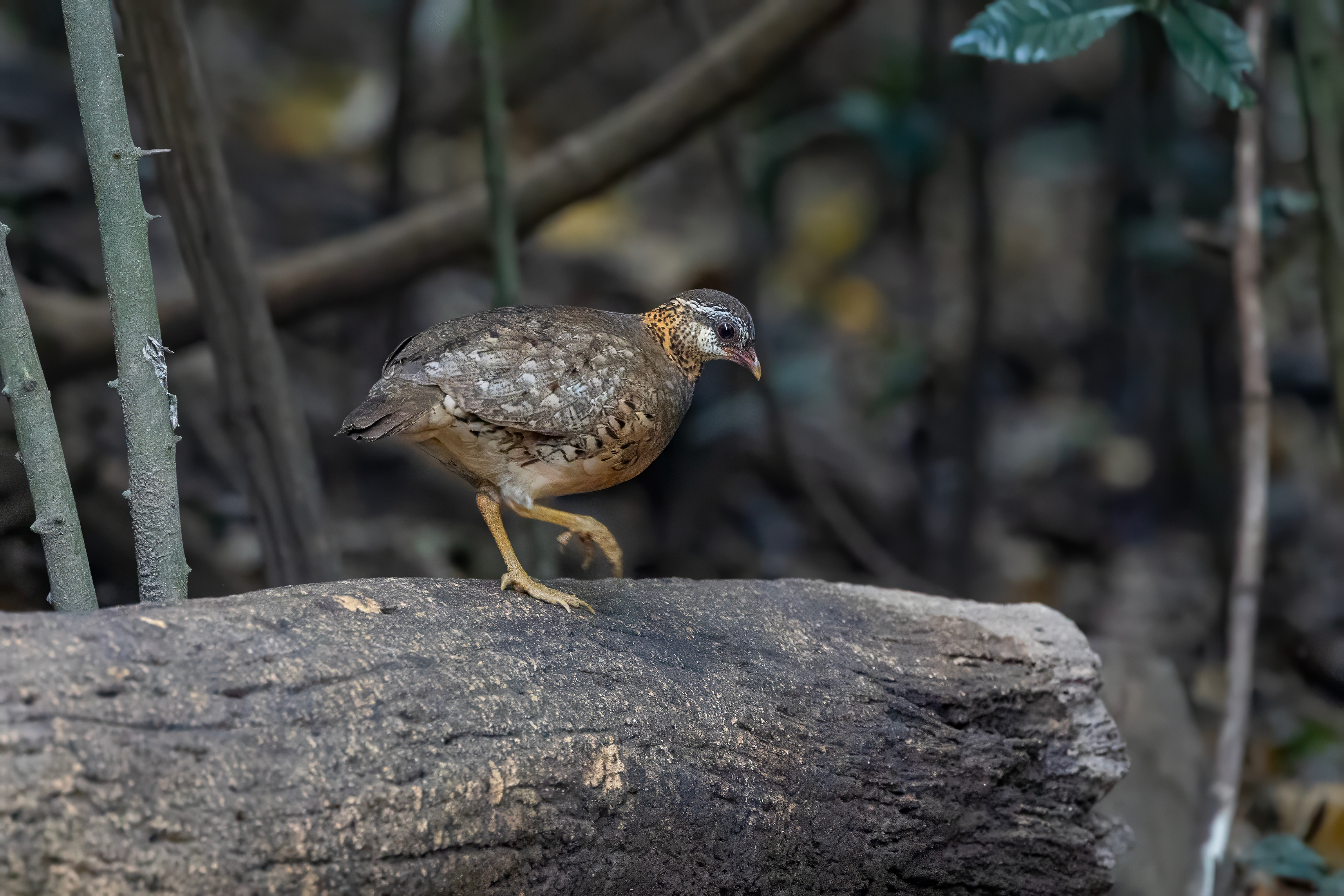
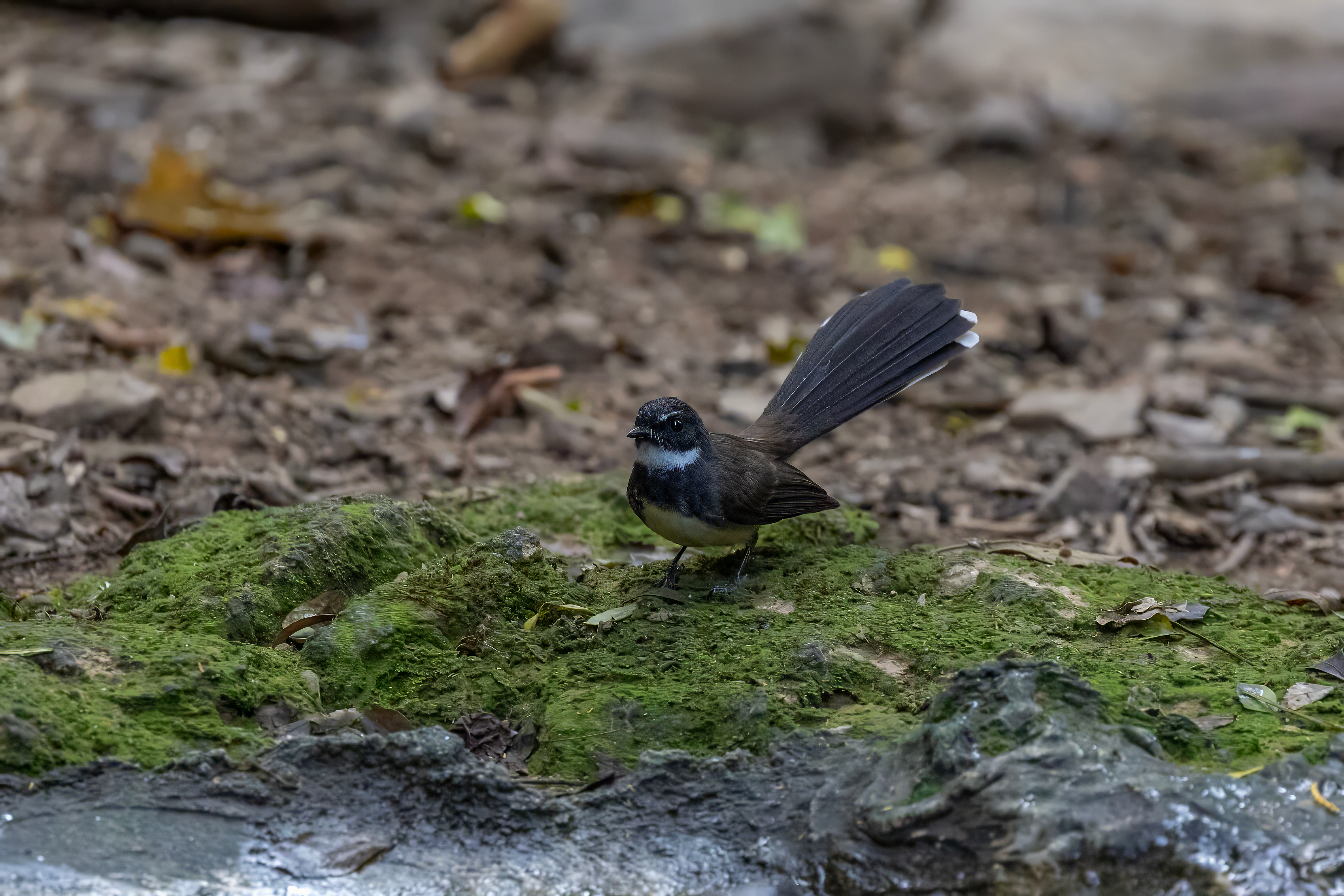
Ask About This Tour
If you have any questions about this tour, please enter your details here and we will get back to you as soon as possible.
Alternatively, contact us by email or phone. We look forward to hearing from you!
- 01692 580623
- tours@limosaholidays.co.uk
Or complete the contact form and we will endeavour to get back to you as soon as possible.
* = required field

