New Zealand
Birding the Antipodes
A comprehensive 22-day holiday looking for the endemics of New Zealand
This holiday to New Zealand offers a comprehensive tour of an amazing country and over 22 days, you can expect to see many of the incredible birds which makes a visit here so special including representative of all six endemic families.
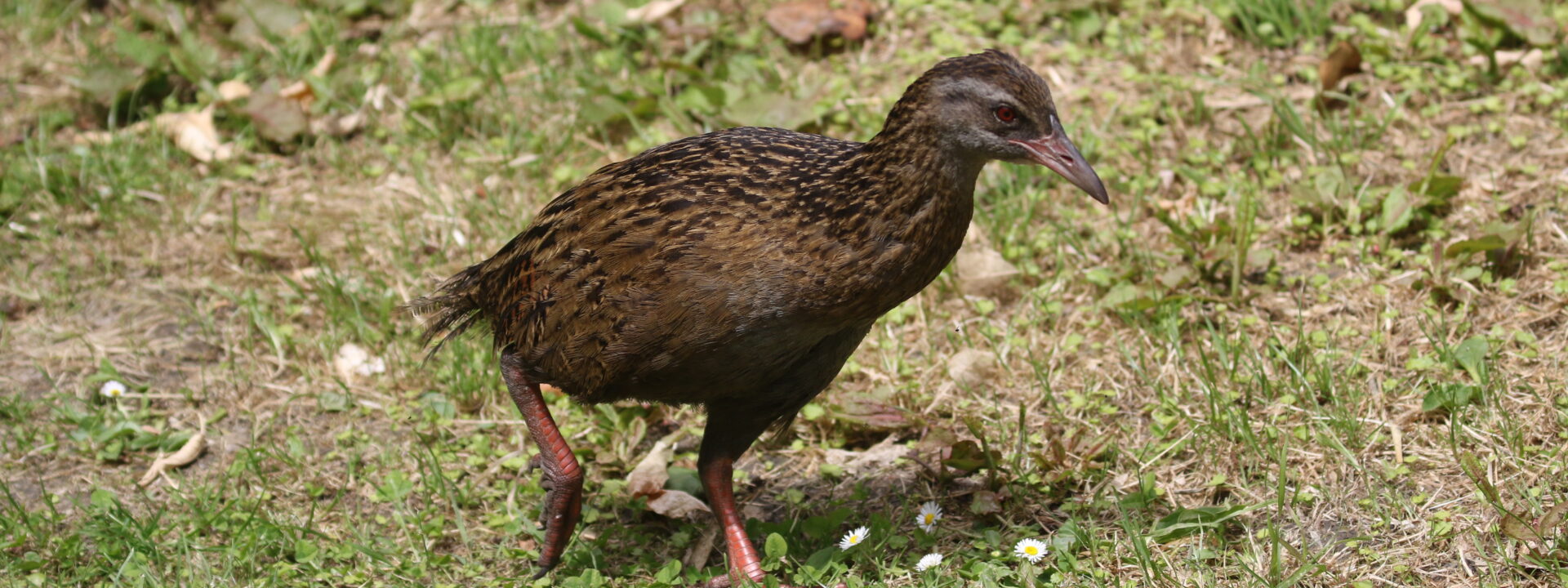
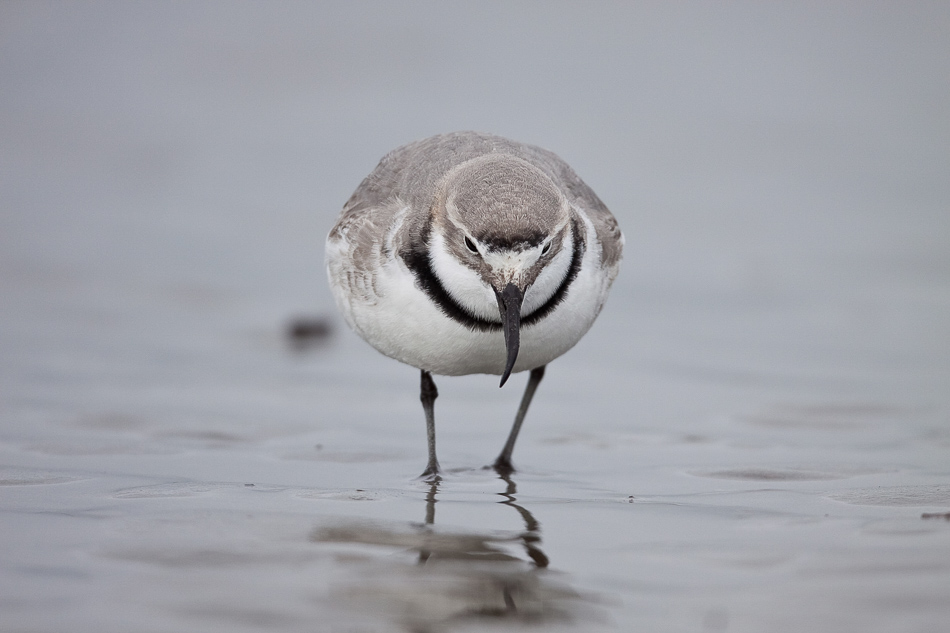
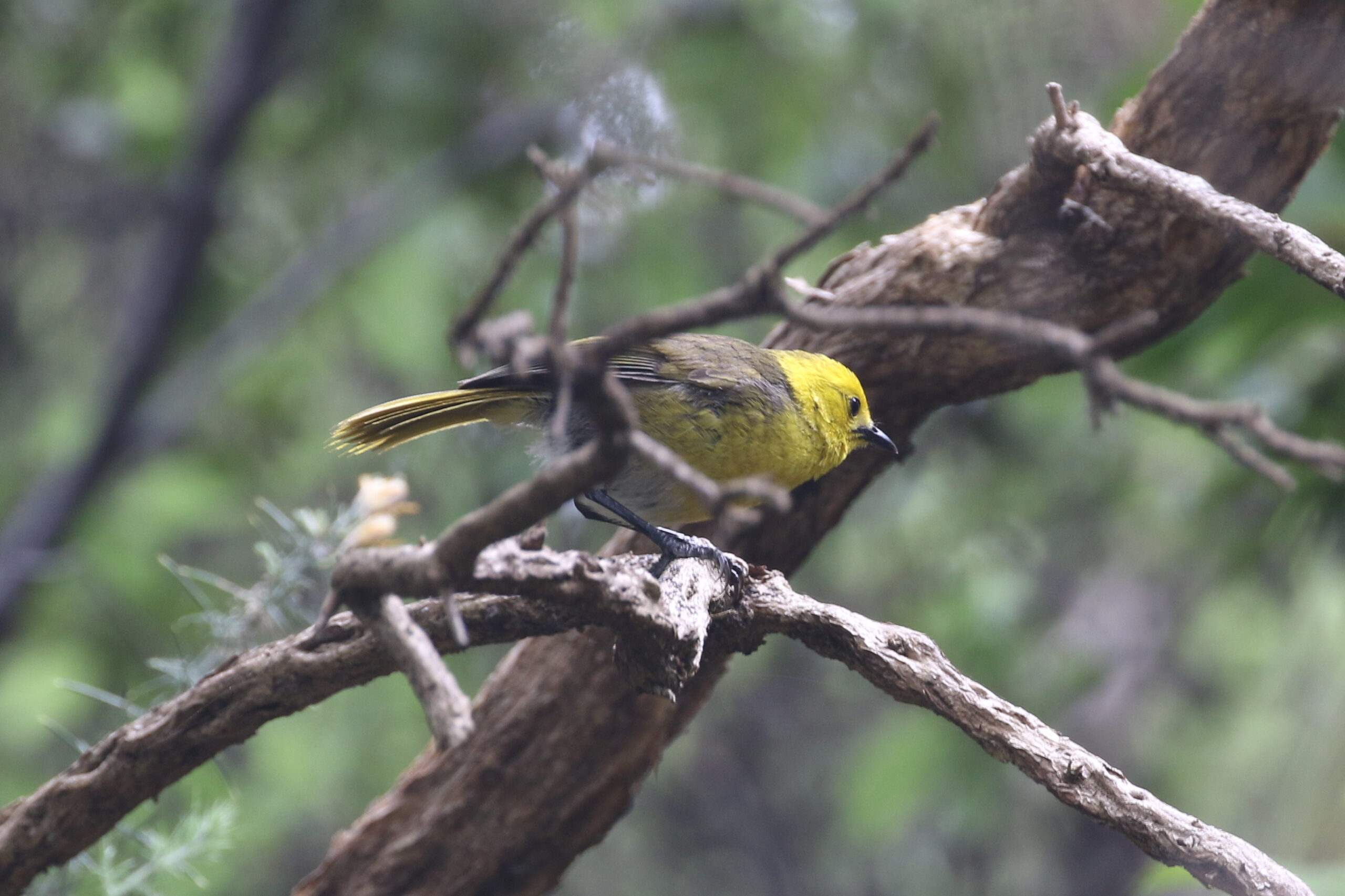
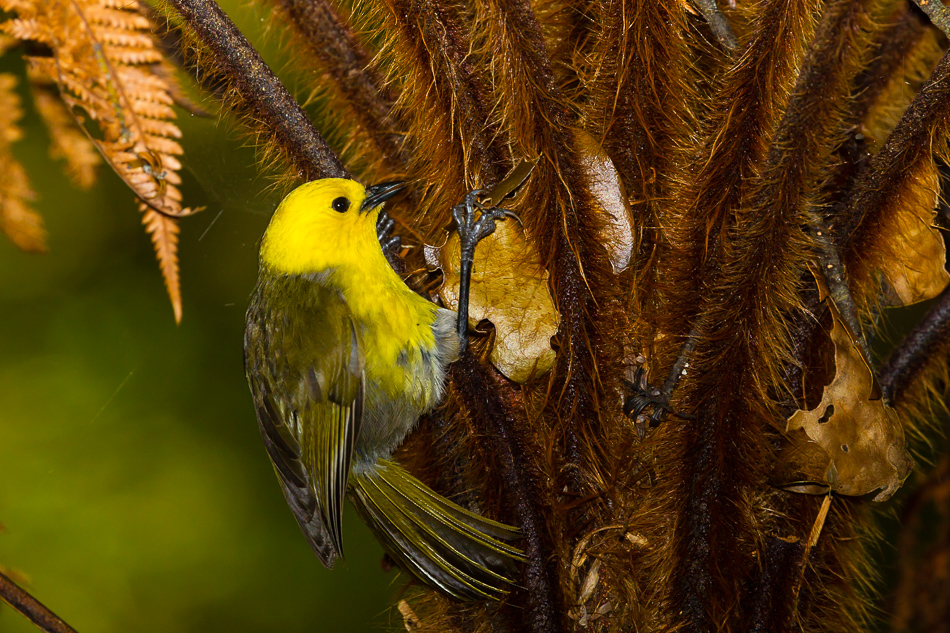
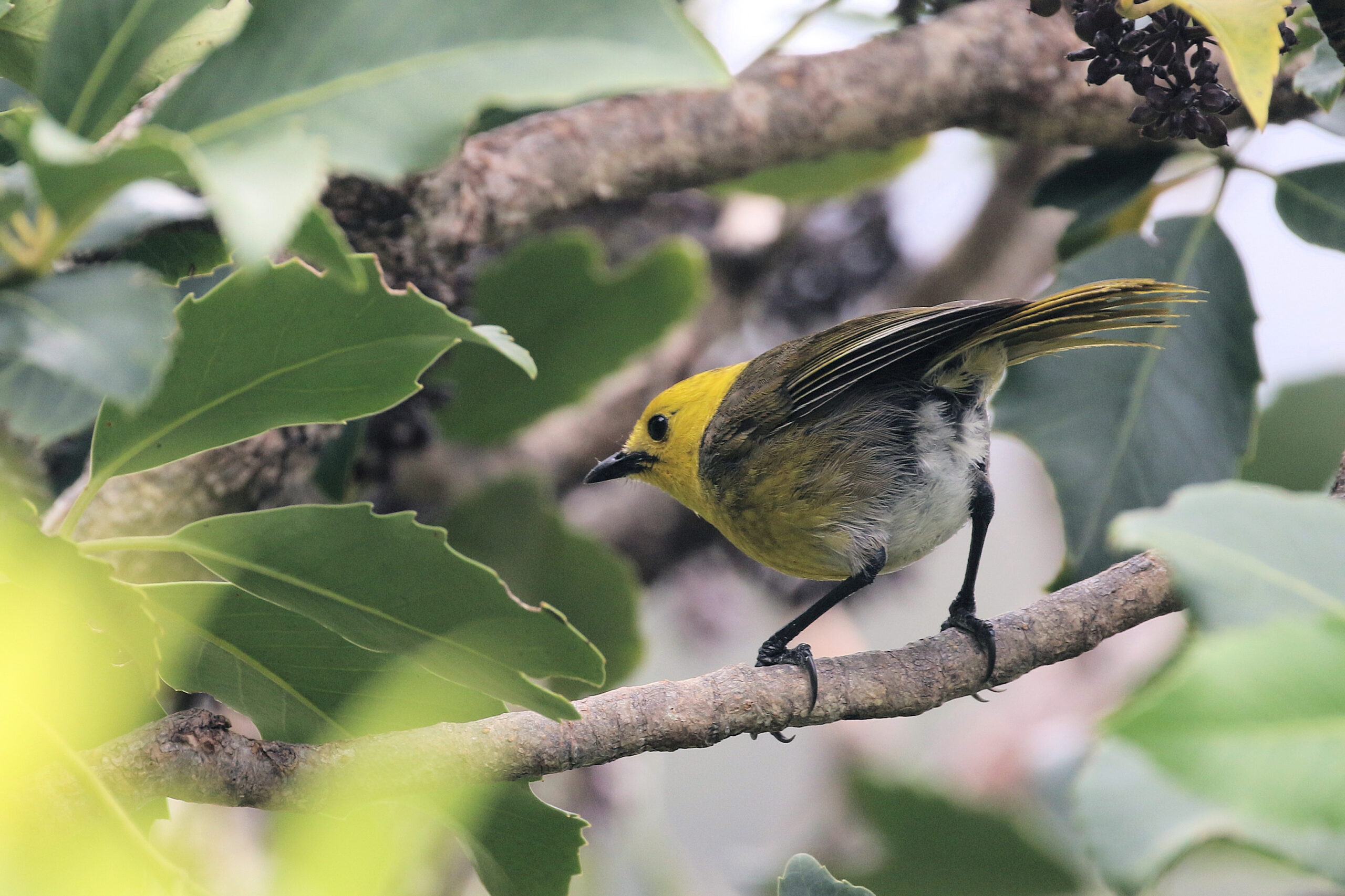
Amongst the potential highlights, you can hope to see are four species of kiwis, the flightless Weka (a bizarre looking rail) and endemics with extraordinary names such as Kea, Kaka, Pipipi, Yellowhead, Whitehead and the unique Wrybill which is the only bird in the world which has a bill which is twisted to the right.
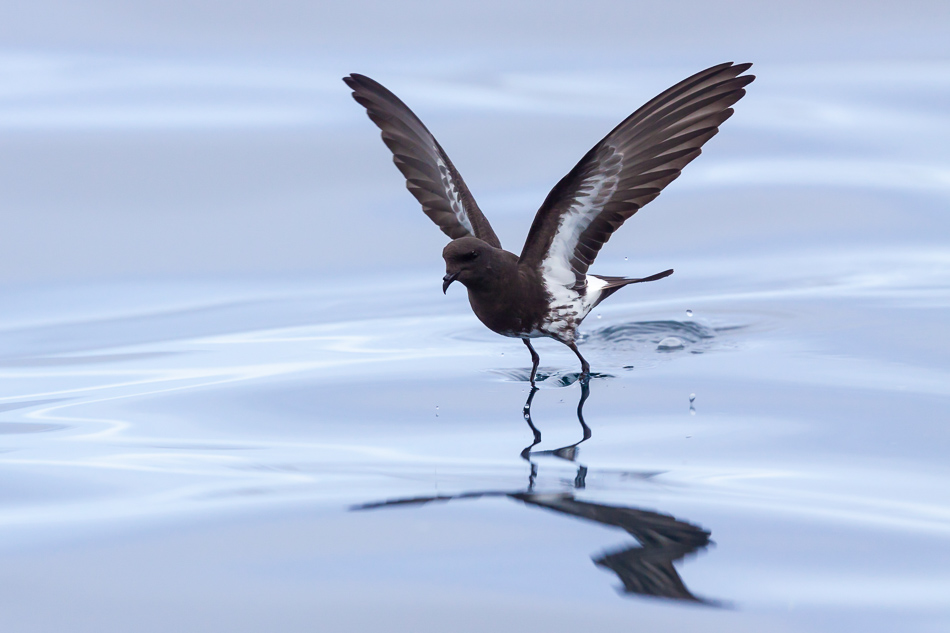
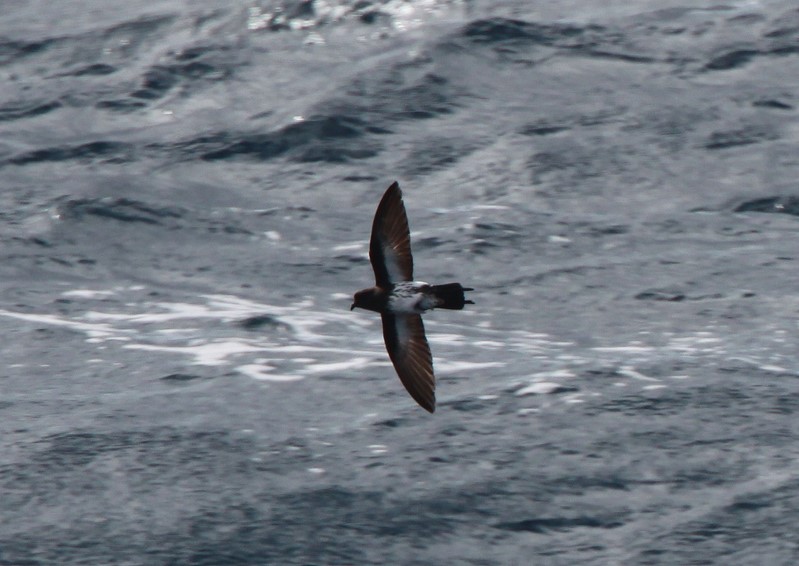
The trip will also include four carefully selected pelagic seabird trips which will allow you to look for a spectacular range of seabirds from the diminutive and recently rediscovered New Zealand Storm Petrel to the world’s largest flying bird, the mighty Snowy Wandering Albatross.
The tour visits all three of New Zealand’s main islands, North Island, South Island and Stewart Island and will be led by one of New Zealand’s top bird guides, Sav Saville.
Tour Dates & Prices
Fri 12th November 2027
Fri 3rd December 2027
- Contact Us
Tour Cost: 22 Days from £6995 excluding flights
What's Included?
- Experienced New Zealand Tour Leader
- 21 nights accommodation
- All main meals from breakfast on day 2 until lunch on day 22
- All surface transport including the ferry from North Island to South Island and return ferry to Stewart Island
- All excursions, entry fees and permits as well as tour-based tips and taxes
- Checklist of birds
Cost Excludes
International flights, dinner on the night of day 1, insurance, drinks, airport meals/snacks and other items of a personal nature.
Additional Information
Please note: Limosa is acting as agent for our preferred ground handler in New Zealand for this tour and you will be booking and travelling under their terms and conditions.
Tour Highlights
- a comprehensive tour of New Zealand visiting North Island, South Island and Stewart Island looking for many of the endemic species in this highly scenic country
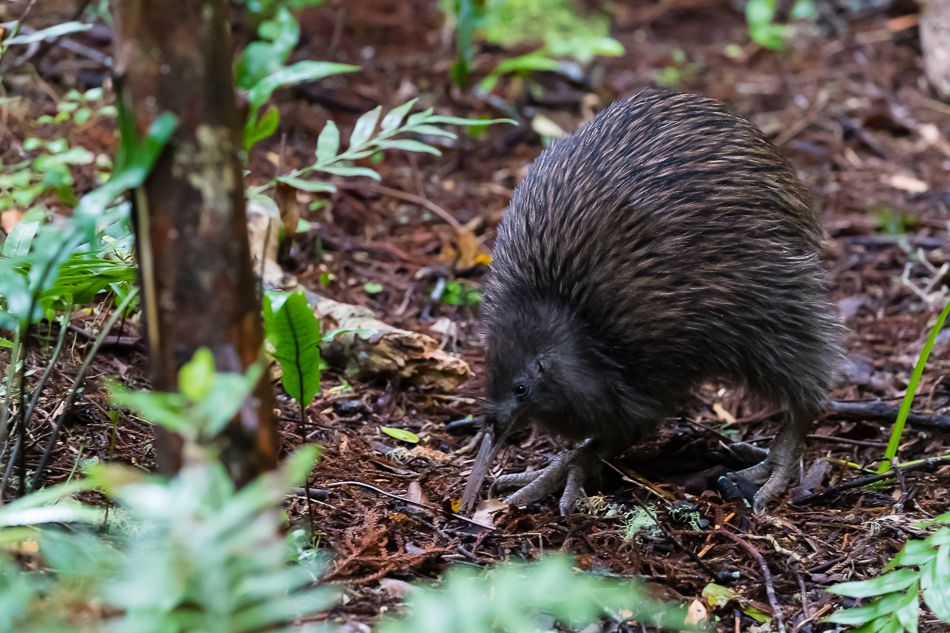
- search for four species of kiwi – North Island Brown, Southern Brown, Okarito and Little Spotted
- expect to see a high percentage of New Zealand's endemic birds including about 65 endemic breeders
- see endemics with extraordinary names such as Kea, Kaka, North Island Saddleback, Yellowhead and Pipipi
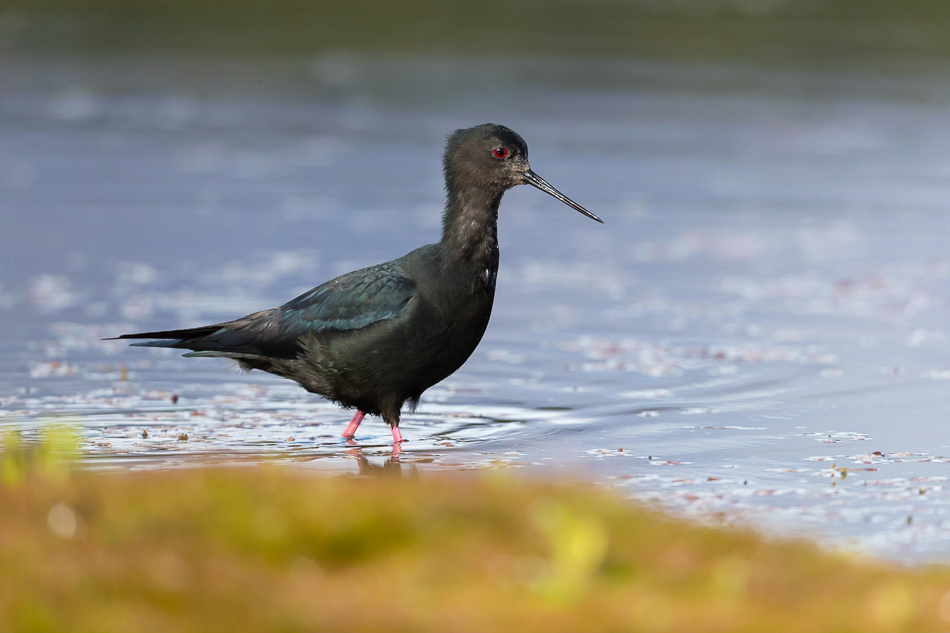
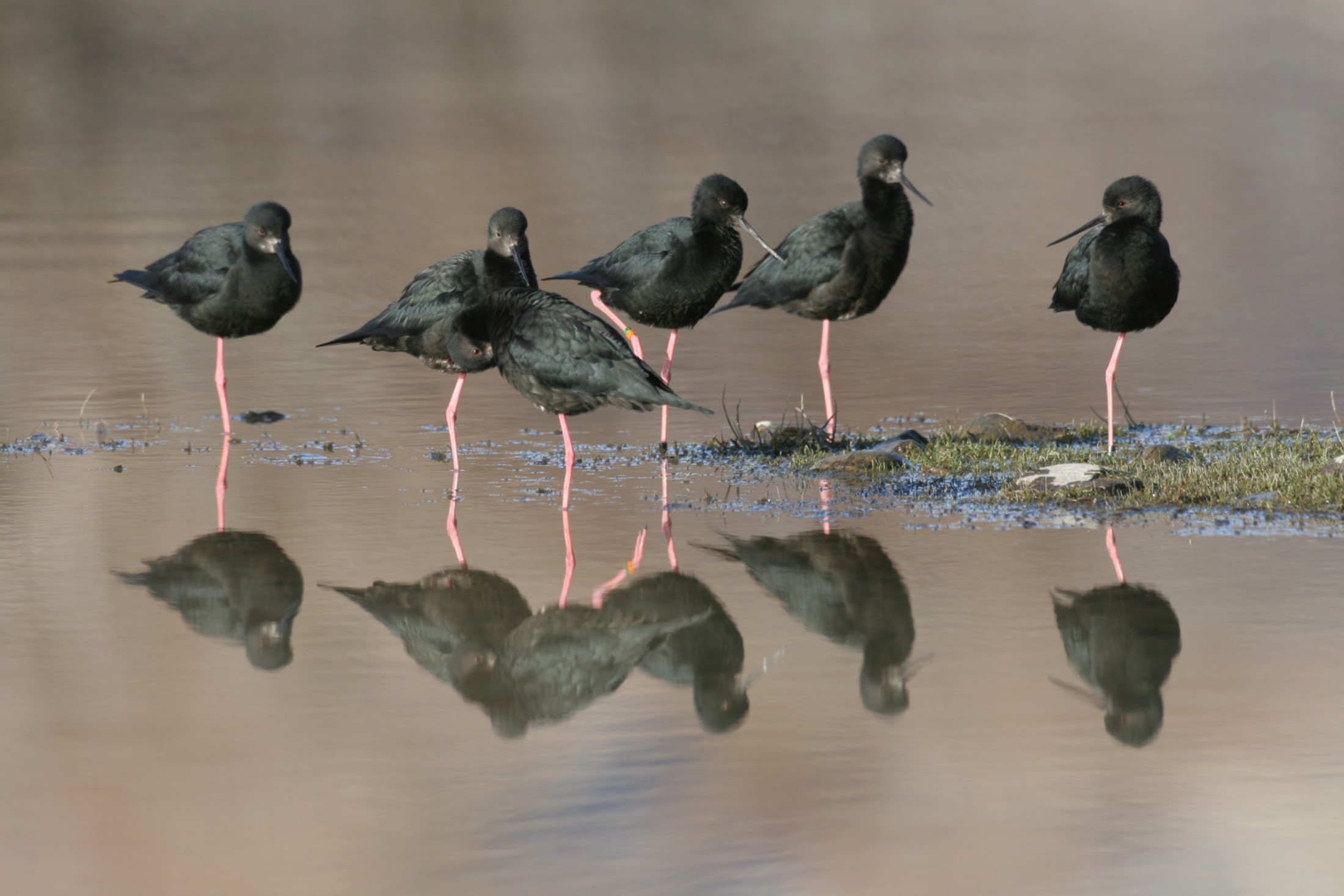
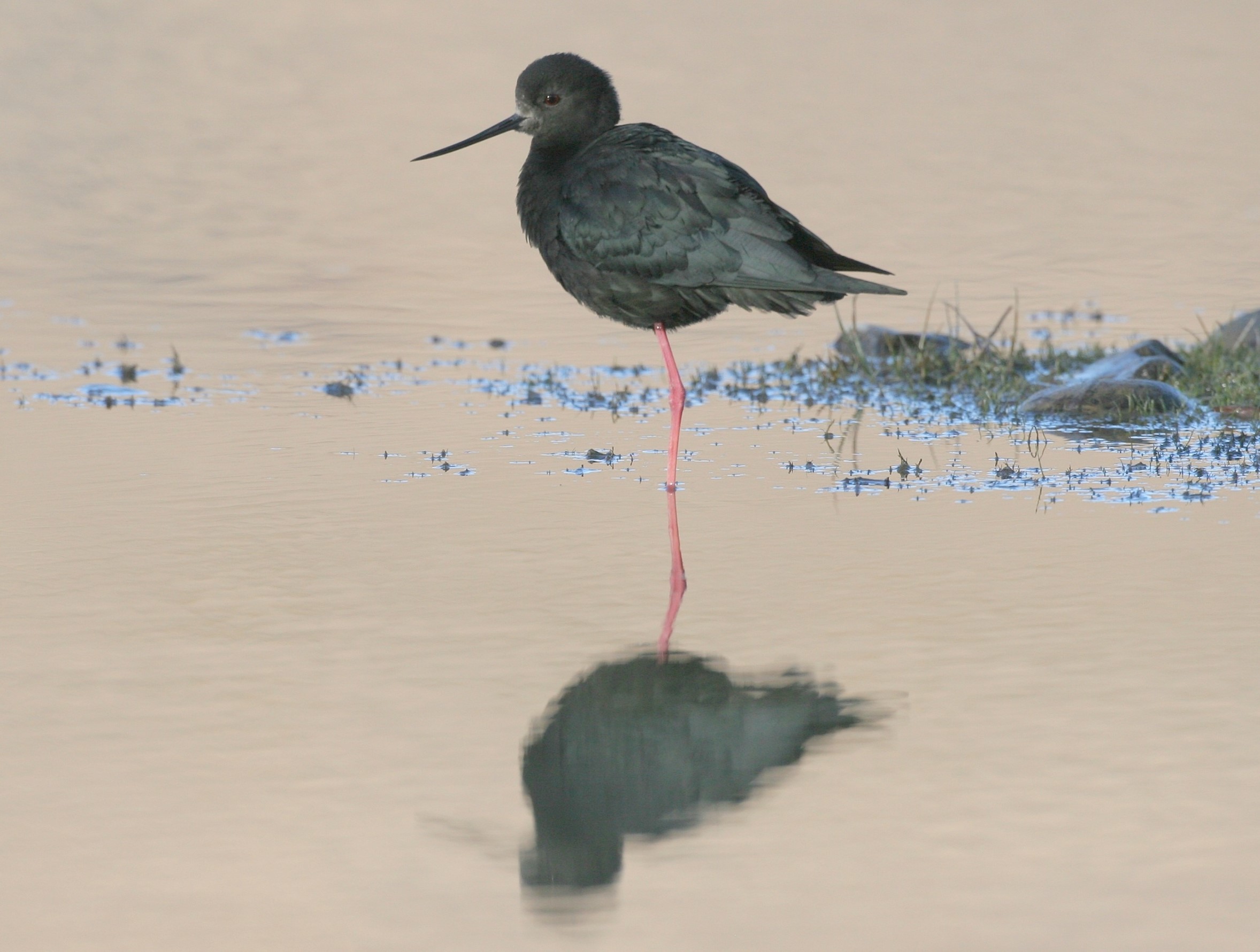
- look for a great range of waders including the unique and endemic Wrybill and the world's rarest shorebird, the endemic Black Stilt
- join four pelagics to enjoy an extraordinary range of seabirds with the possibilities include endemic breeders such as New Zealand Storm Petrel, Pycroft's Petrel and Westland Petrel, as well as at least six species of albatrosses including the world's largest flying bird, the Snowy Wandering Albatross
- led by one of New Zealand's foremost bird guides, Sav Saville
Outline Itinerary
-
Arrive Auckland
-
Auckland to Warkworth
-
Hauraki Gulf pelagic
-
Warkworth to Kerikeri
-
Kerikeri to Whangerei including pelagic
-
Whangerei to Tiritiri Matangi Island
-
Tiritiri Matangi Island to Miranda
-
Miranda to Turangi
-
Turangi to Havelock North
-
Havelock North to Foxton
-
Foxton to Picton
-
Picton to Kaikoura
-
Kaikoura including pelagic trip
-
Kaikoura to Arthur’s Pass
-
Arthur’s Pass to Franz Josef
-
Franz Josef to Wanaka
-
Wanaka to Te Anau
-
Te Anau to Stewart Island
-
Stewart Island including pelagic
-
Stewart Island to Oamaru
-
Oamaru to Twizel
-
Twizel to Christchurch. Depart for UK
This birdwatching holiday offers a comprehensive tour of New Zealand and over 22 days, you will explore North Island, South Island and Stewart Island and can expect to see many of the incredible birds which makes a visit here so special. There are great chances to see representative of all six endemic families including the kiwis, New Zealand parrots, New Zealand wrens and New Zealand wattlebirds.
Amongst the potential highlights are four species of kiwis, the flightless Weka (a bizarre looking rail) and endemics with extraordinary names such as Kea, Kaka, Pipipi and Yellowhead. Indeed, about 65 endemic breeding species are possible with one of these being a unique endemic wader, the Wrybill, which is the only bird in the world which has a bill which is twisted to the right. There should be plenty of other special shorebirds with Black Stilt (the rarest shorebird in the world), New Zealand Plover and South Island Oystercatcher amongst the other possibilities.
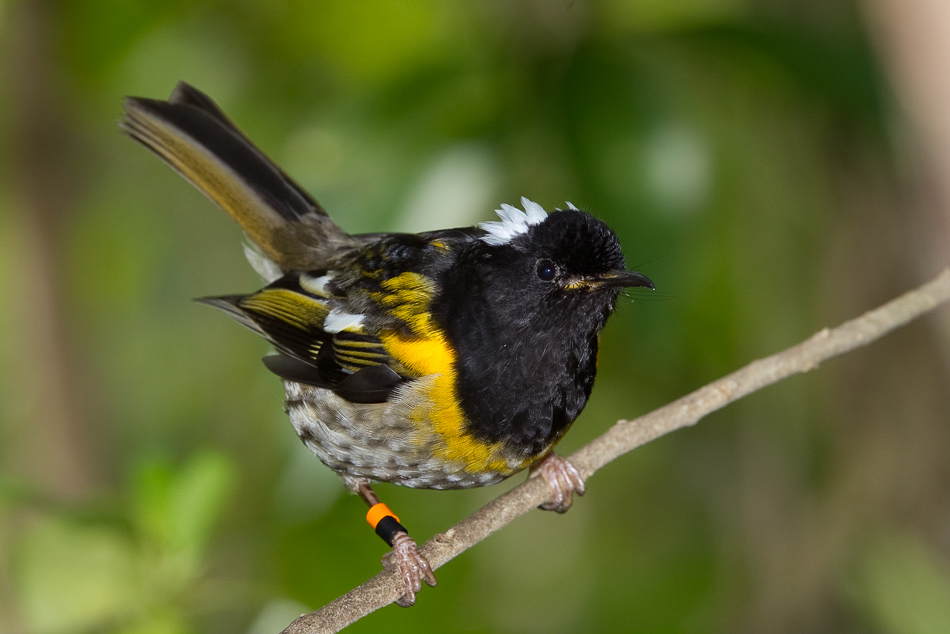
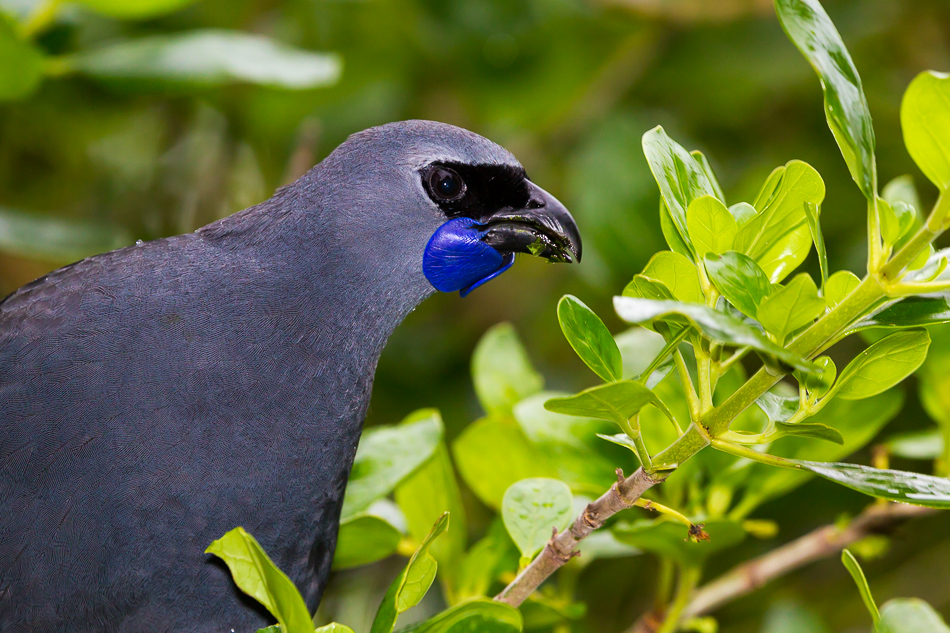
Another likely highlight will be a night on the magical island of Tiritiri Matangi where Little Spotted Kiwi can be found along with other endemic specialities such as Stitchbird and both North Island Saddleback and Kokako. Indeed, there will be chances to look for all five species of kiwis and whilst one of these, the Great Spotted, is very tough to see, you can hope to enjoy encounters with the other four species of this unique family.
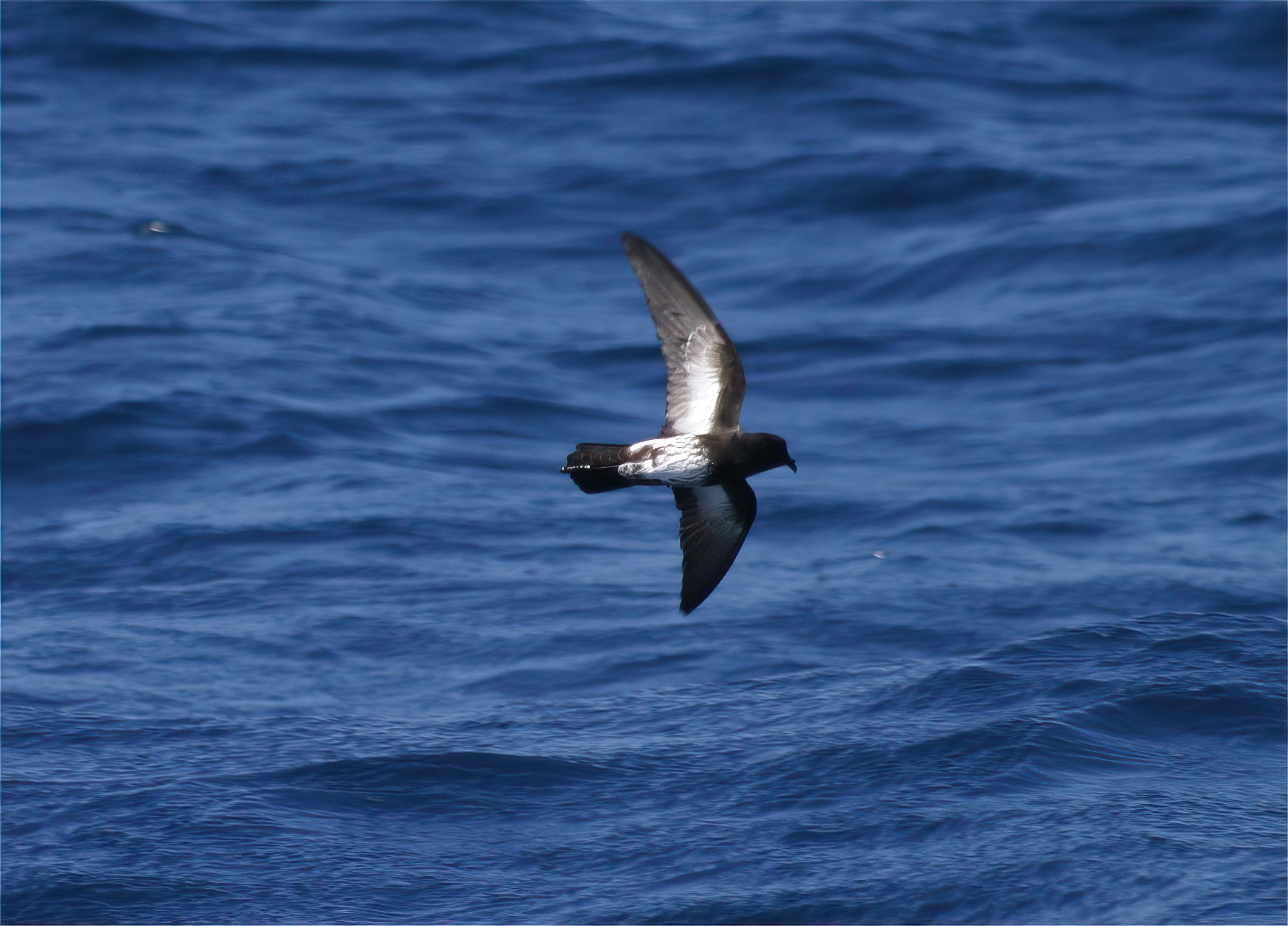
The tour also includes four pelagic seabird trips (with two off the east coast of North Island and one off both South Island and Stewart Island) which will provide the opportunity to look for a spectacular range of seabirds. The first pelagic provides a great chance of seeing New Zealand Storm Petrel which is critically endangered and was only rediscovered in 2003, whilst further north one of the targets is Pycroft’s Petrel which breeds on just a handful of islands off the coast of North Island.
The third pelagic will be at Kaikoura which is widely regarded as the best place in the world to look for seabirds and possibilities include both Hutton’s Shearwater and Westland Petrel, both of which are endemic breeders, as well as the mighty Snowy Wandering Albatross with its 12+ foot wingspan.
The final pelagic will be off Stewart Island which is on the edge of the Southern Ocean with excellent chances to see a range of albatrosses including Campbell, White-capped and Salvin’s.
With good roads, comfortable accommodation, great food and one of New Zealand’s premier bird guides, this holiday is sure to be a fantastic experience with the backdrop of some truly amazing scenery.
DAY 1
ARRIVE NEW ZEALAND
You will need to make your own way to our conveniently located hotel in Auckland. The price of the room is included in the tour price, however, dinner is not included this evening. Night Auckland
DAY 2
AUCKLAND TO WARKWORTH
Meet up with expert New Zealand bird guide Sav Saville after breakfast for the drive north to the small town of Warkworth.
There will be multiple options for stops along the way and one possibility is a forested area near central Auckland which provides an introduction to some of New Zealand’s forest species including New Zealand Pigeon, New Zealand Fantail and Grey Gerygone.
Another possibility is to head to the rugged west coast and visit one of New Zealand’s three mainland Australasian Gannet colonies. You can expect to enjoy superb views (with great photographic opportunities) and will also look for other common coastal species such as Australian Pied Cormorant, Silver (Red-billed) Gull and the endemic White-fronted Tern.
Heading back across to the east coast, there are a number of wetland areas where species including New Zealand Scaup, New Zealand Grebe, Grey Teal, Australasian Shoveler, Pacific Black Duck, Paradise Shelduck can be found as well as Buff-banded Rail.
Continuing northwards, you will reach Warkworth and rest up for the first pelagic the following morning. Night Warkworth
DAY 3
HAURAKI GULF PELAGIC
The plan is to spend the day out on the waters of the beautiful Hauraki Gulf. Leaving from the small community of Sandspit, you will head out towards Little Barrier Island and chum at several locations nearby.
The main focus of the day will be to locate the seabirds which are most easily seen in the northern part of New Zealand, such as New Zealand Storm Petrel which was only rediscovered in 2003.
Other possibilities include Black and Cook’s Petrels, Buller’s, Flesh-footed, Fluttering and perhaps Little Shearwater and White-faced Storm Petrel.
The Hauraki Gulf is also good for cetaceans with both Common and Bottlenose Dolphins, Bryde’s Whales and, occasionally, Orca (Killer Whale) being present in these waters.
As the Hauraki Gulf is relatively enclosed, even in poor weather, you should be able to get out and explore some pelagic waters. Second night Warkworth
DAY 4
WARKWORTH TO KERIKERI
Leaving Warkworth, you will head north and are likely to start the day by visiting an estuary to look for a number of new coastal species including New Zealand Plover. This large plover, which is often referred to as the New Zealand Dotterel, has declined markedly in recent years but this is the first of a couple of places where there are chances to find it.
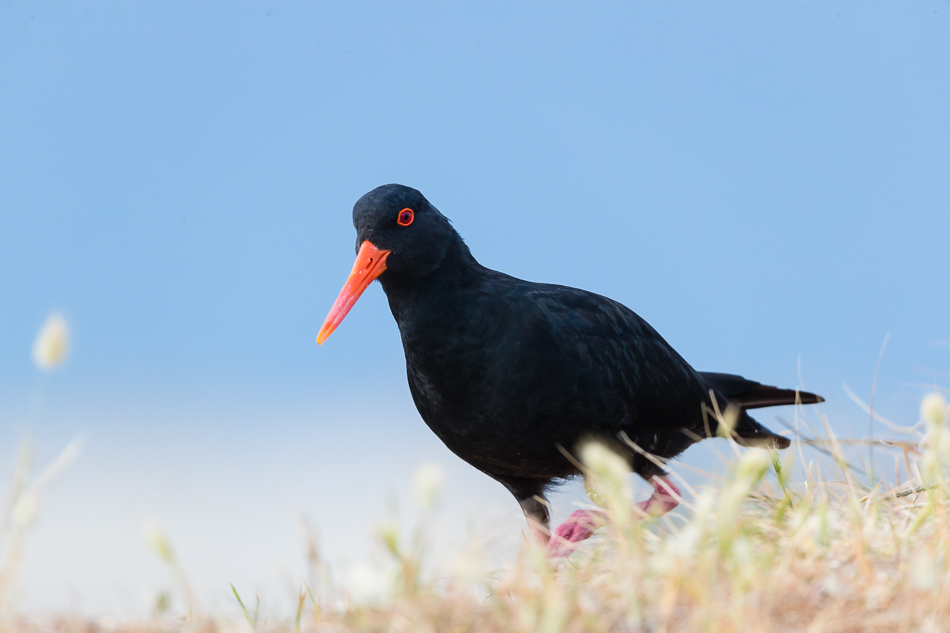
Other waders which could be found here include Variable Oystercatcher, Pied Stilt (now split from the birds in Europe) and Arctic migrants such as Bar-tailed Godwit and Red Knot.
Another species to look for is Fairy Tern which is extremely rare in New Zealand with a population believed to number only 30-40 individuals. These birds are an endemic subspecies and some experts have suggested they should be regarded as a full species, which would make it one of the rarest birds in the world.
After dinner, there will be the opportunity to head out to look for North Island Brown Kiwi. As well as having great chances of this special endemic, there is also the opportunity to hear, and hopefully see, the only species of extant endemic owl in New Zealand, the Morepork. Night Kerikeri
Day 5
KERIKERI TO WHANGAREI AND MARSDEN COVE PELAGIC
You will head south to a small harbour on the East Coast of North Island, called Marsden Cove where the aim is to begin our second pelagic at around 10:00am.
This trip is designed to look for Pycroft’s Petrel which is a very localised endemic breeder and is only known to breed on a handful of islands off the eastern side of North Island. This is also a second chance to look for some of the species which can be found in the Hauraki Gulf including New Zealand Storm Petrel. Other possibilities include Buller’s, Flesh-footed, Fluttering and Little Shearwaters, Cook’s Petrel, Black Petrel and White-faced Storm Petrel. Night Whangarei
DAY 6
WHANGAREI TO TIRITIRI MATANGI
It is a short boat ride to the island reserve of Tiritiri Matangi which is truly a gem in New Zealand’s conservation crown as many species which are nigh on impossible to see elsewhere can be found here.
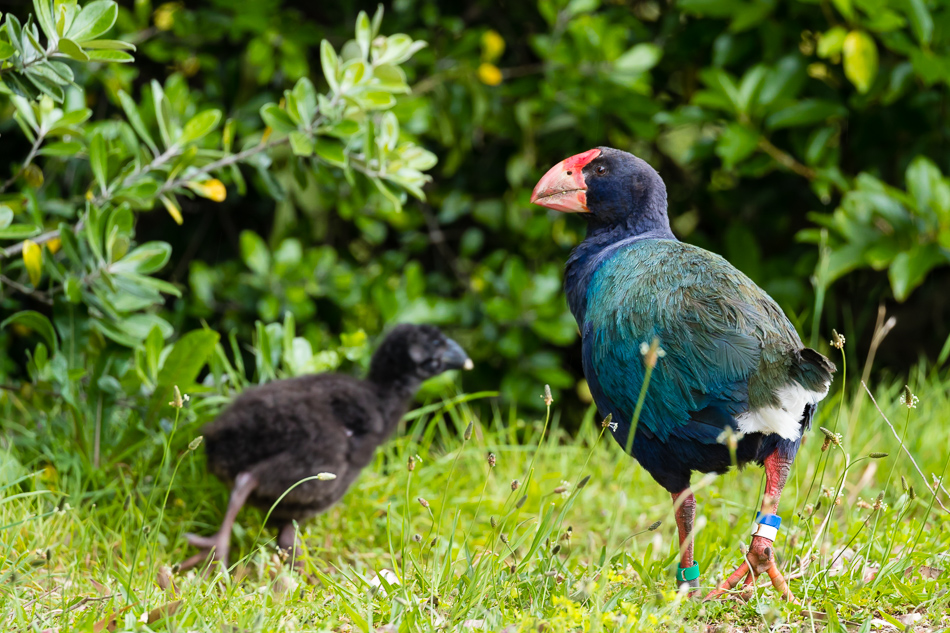
Previously run as a farm, the island is now a wildlife sanctuary that has been extensively replanted with native trees, with some areas of original forest remaining. The main objective will be to see some of the trickier endemics with the focus being on locating Takahe, Brown Teal, Red-crowned Parakeet, North Island Saddleback, Kokako and Stitchbird.
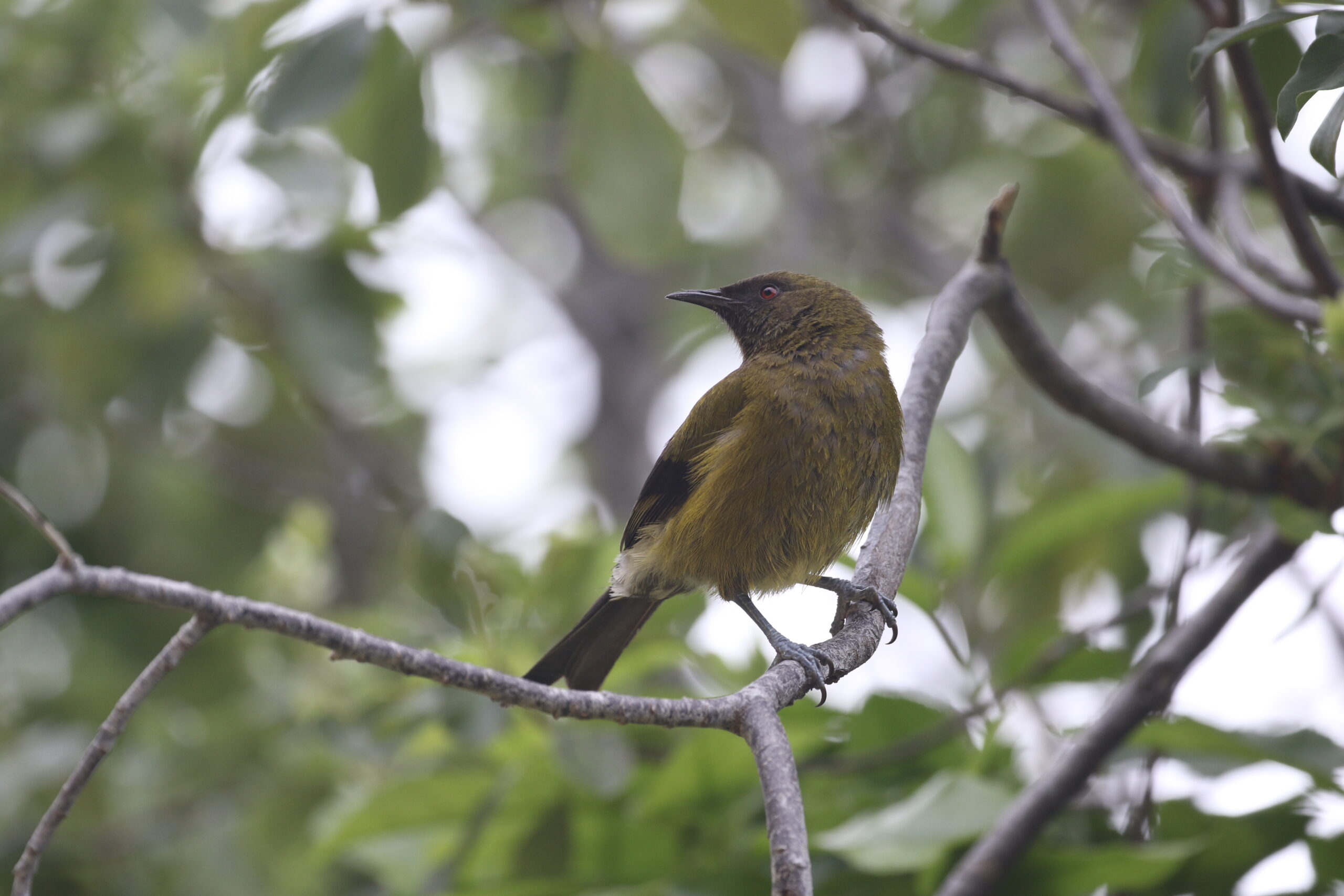
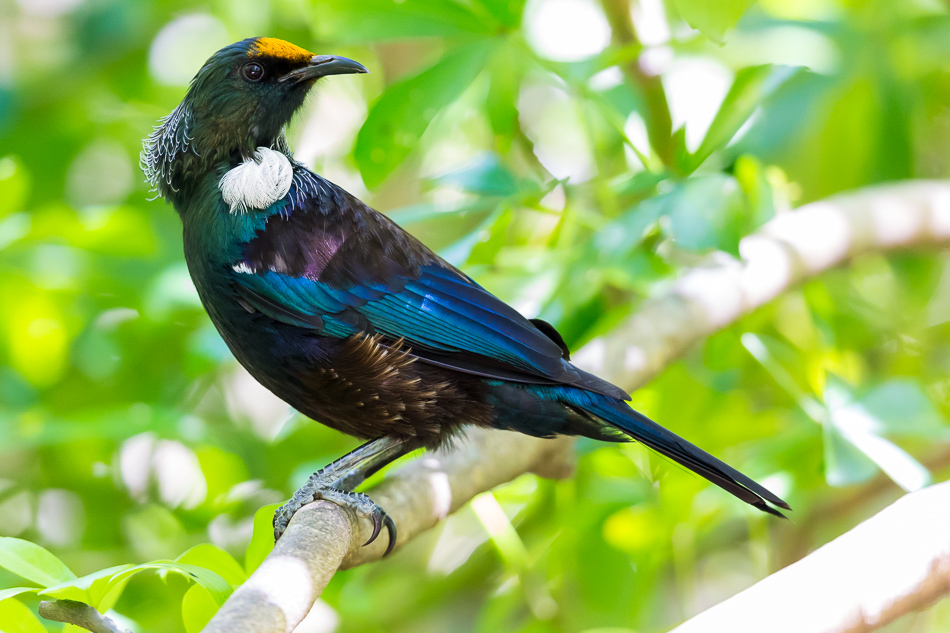
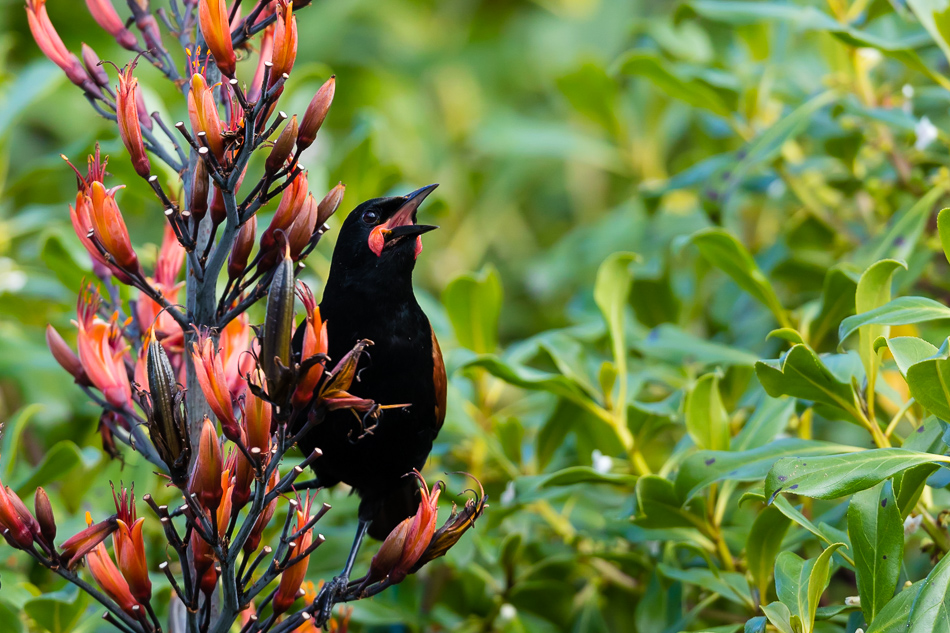
A number of more widespread but, nevertheless, endemic birds are also likely including Whitehead, Tui, New Zealand Bellbird, New Zealand Fantail, Grey Gerygone and North Island Robin.
After dinner, there will be the option to head out to look for Morepork and hopefully also see Little Spotted Kiwi. None of the species of kiwi are easy to find but there is a good population of ‘Little Spots’ on Tiritiri Matangi and if conditions are suitable, you stand a decent chance of seeing this special bird.
The night will be spent in the only accommodation on the island, which is a communal bunkhouse. Although rustic, the experience of spending a night on this unique island means this is an opportunity which should not be missed. Night Tiritiri Matangi
DAY 7
TIRITIRI MATANGI TO MIRANDA
For those who wish, there will be the opportunity to get up to enjoy the unique dawn chorus of this special place as there are few other locations in New Zealand where so many of the rarer native species can be found.
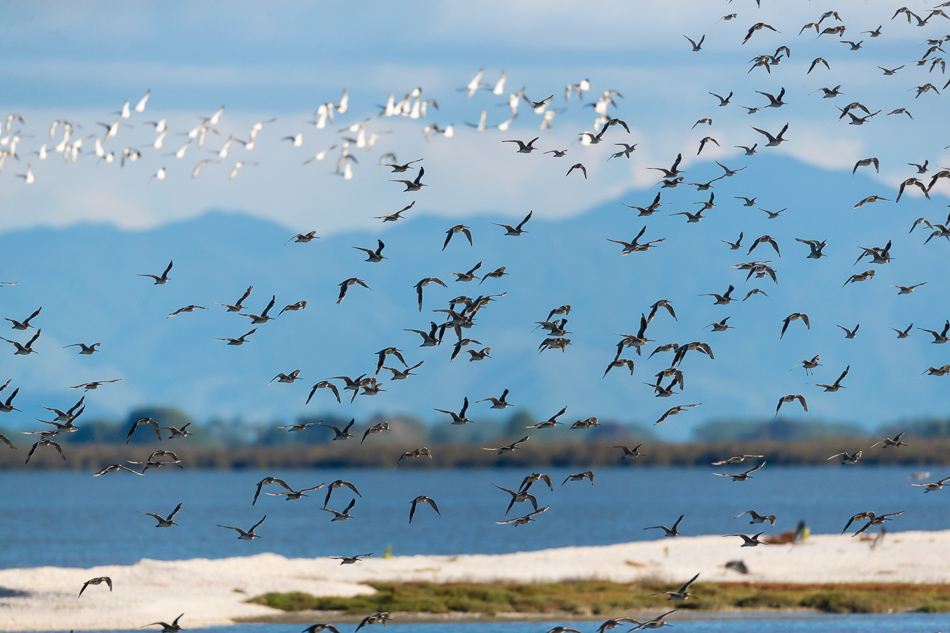
The plan is to leave Tiritiri Matangi by mid-morning, heading south for a couple of hours to one of New Zealand’s premier shorebird sites, Miranda, which is listed under the RAMSAR convention as an internationally significant wetland.
After checking in at your accommodation, the plan is to head to the nearby Miranda Shorebird Centre to get an update on the most recent sightings and then explore the area. There are extensive mudflats and at high tide, the birds are concentrated on a series of shell banks and pools which are overlooked by a number of hides.
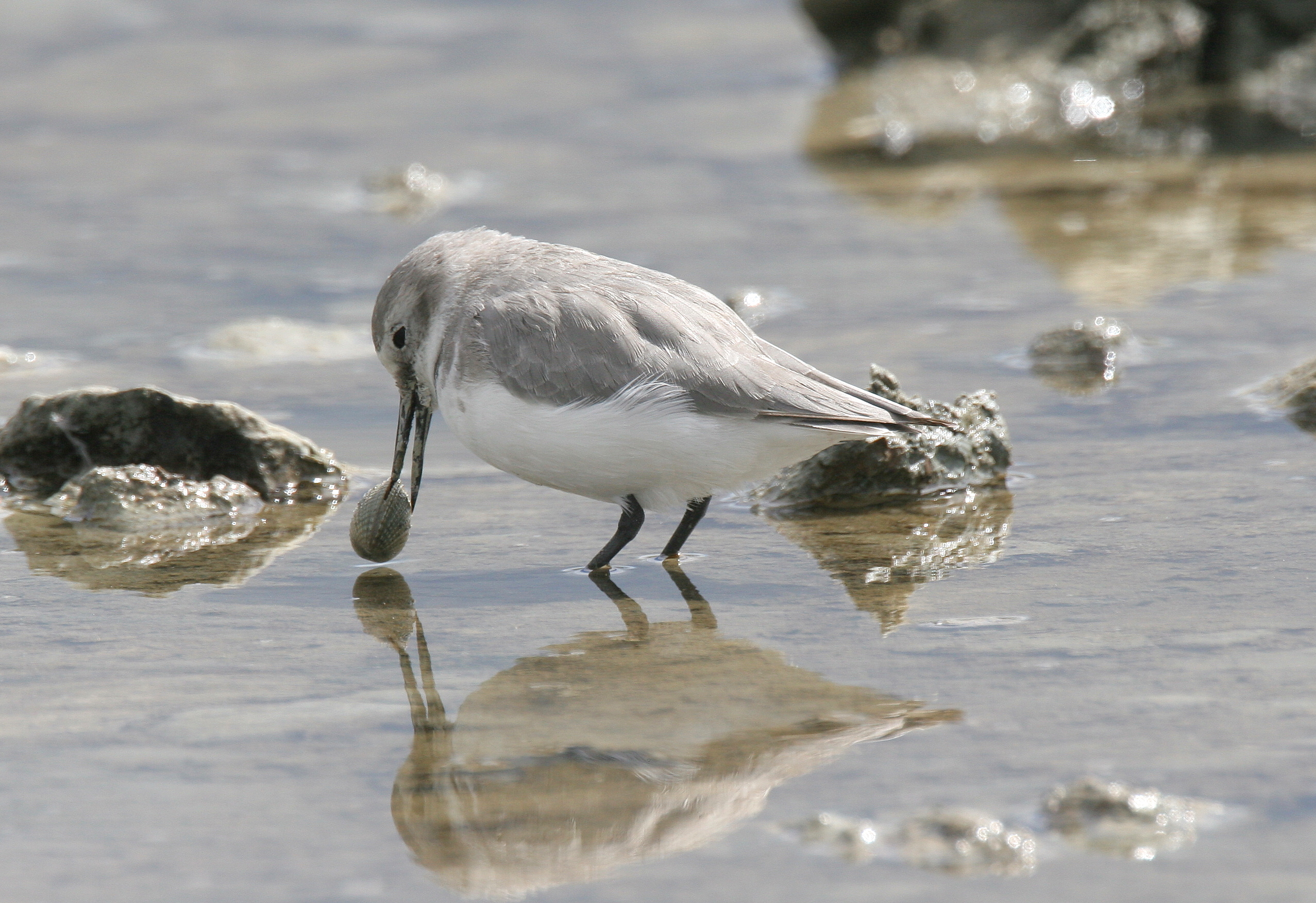
It is important to synchronise activities to make the best use of the tide but there will be plenty to look for with the possibilities including the extraordinary Wrybill, the endemic wader which has the unique feature of a bill which is twisted to the right.
Other species which can be found here include New Zealand Plover, Double-banded Plover, South Island Oystercatcher, Variable Oystercatcher, Pied Stilt and Red-necked Stint. Sharp-tailed, Pectoral, Marsh and Terek Sandpipers are also possible, although all of these only occur irregularly and in small numbers.
The Miranda Shorebird Centre is world famous for their scientific work on Bar-tailed Godwits and it is quite incredible to think that these birds are capable of flying 12,000 kms non-stop for at least eight days on their southbound migration from Alaska.
Other species you could see here include Silver and Black-billed Gulls, Caspian Tern, Royal Spoonbill and Buff-banded Rail. Night near Miranda
DAY 8
MIRANDA TO LAKE TAUPO AND TURANGI
There may be time for some final wader watching before beginning the journey south towards the Pureora Forest Park to the west of Lake Taupo. There are various options for birding stops along the way (as the journey is likely to take about four hours) with one of these being a swamp where there is a chance of finding Australasian Bittern.
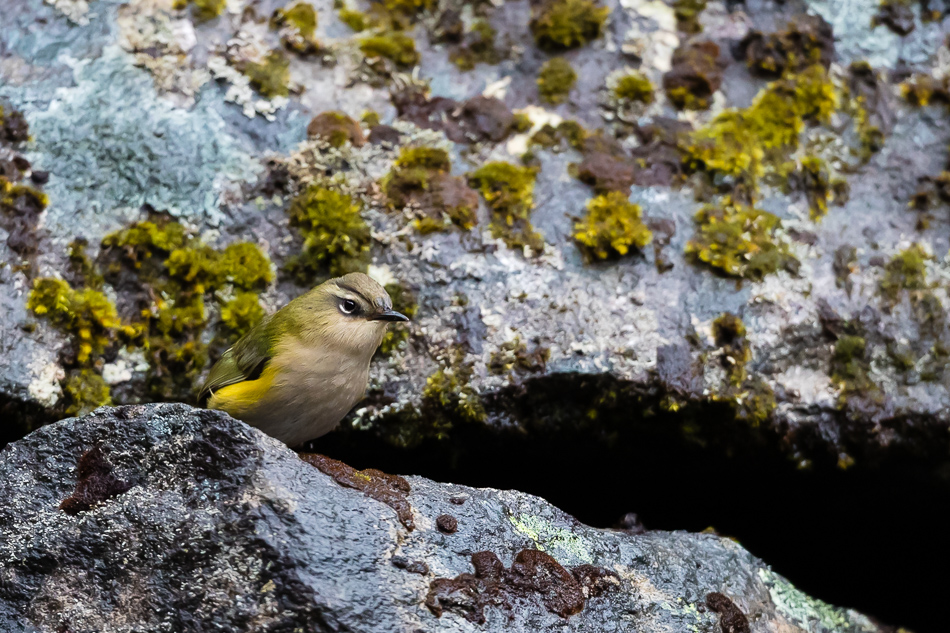
The extensive woodlands at Pureora are one of the best places on the North Island to see New Zealand Kaka, Yellow-crowned Parakeet, Long-tailed Koel, Shining Bronze-Cuckoo and the diminutive Rifleman.
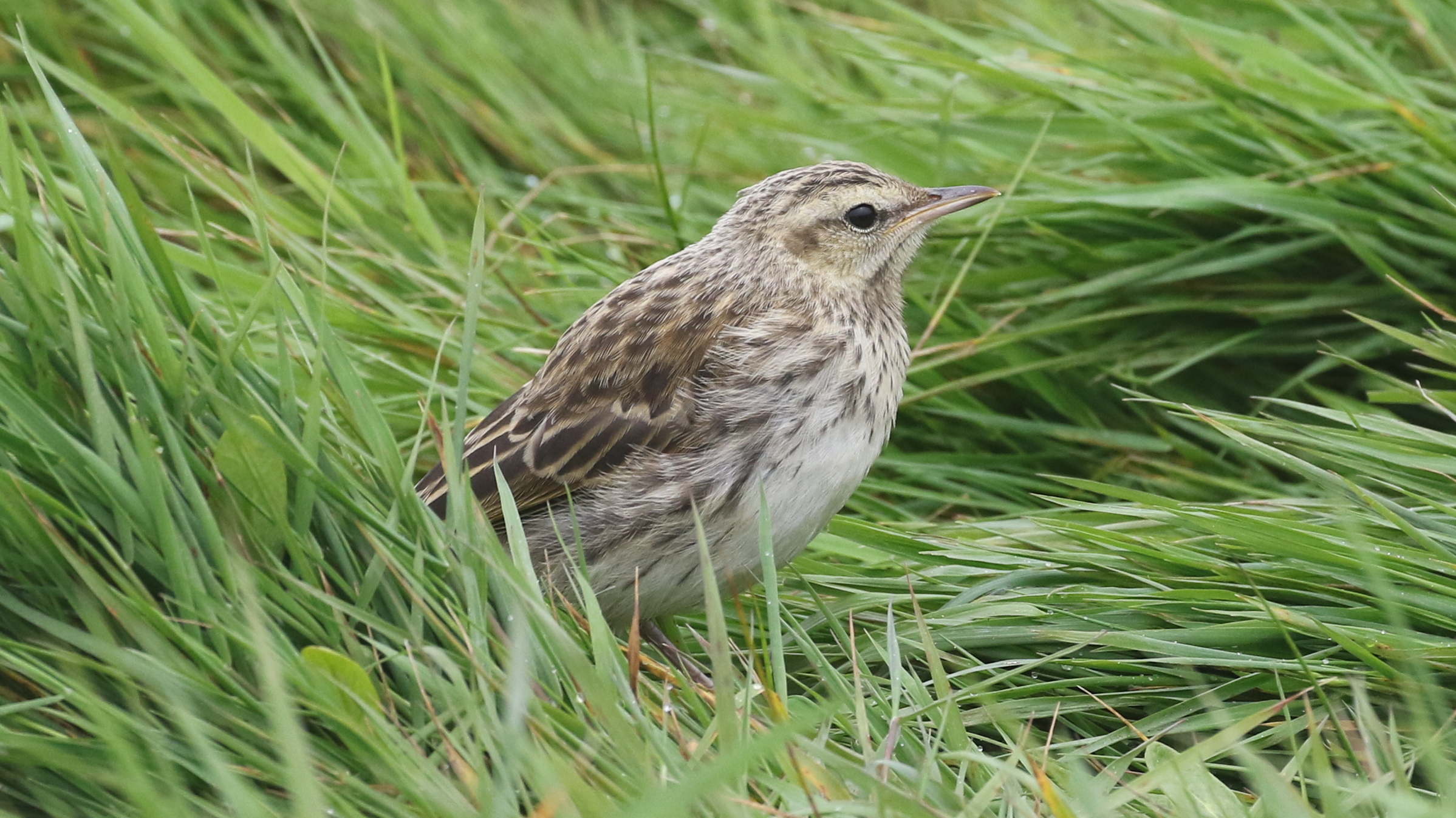
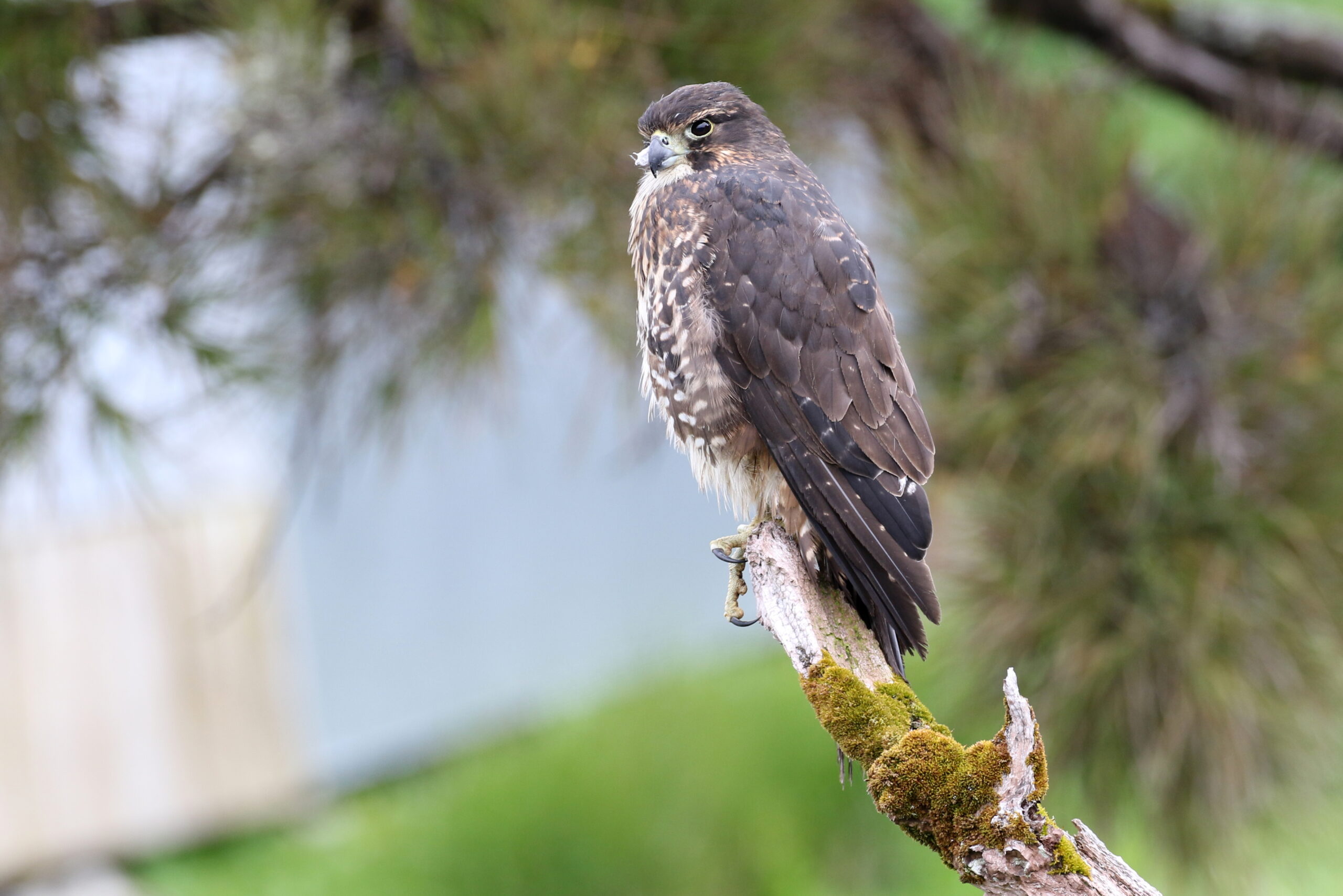
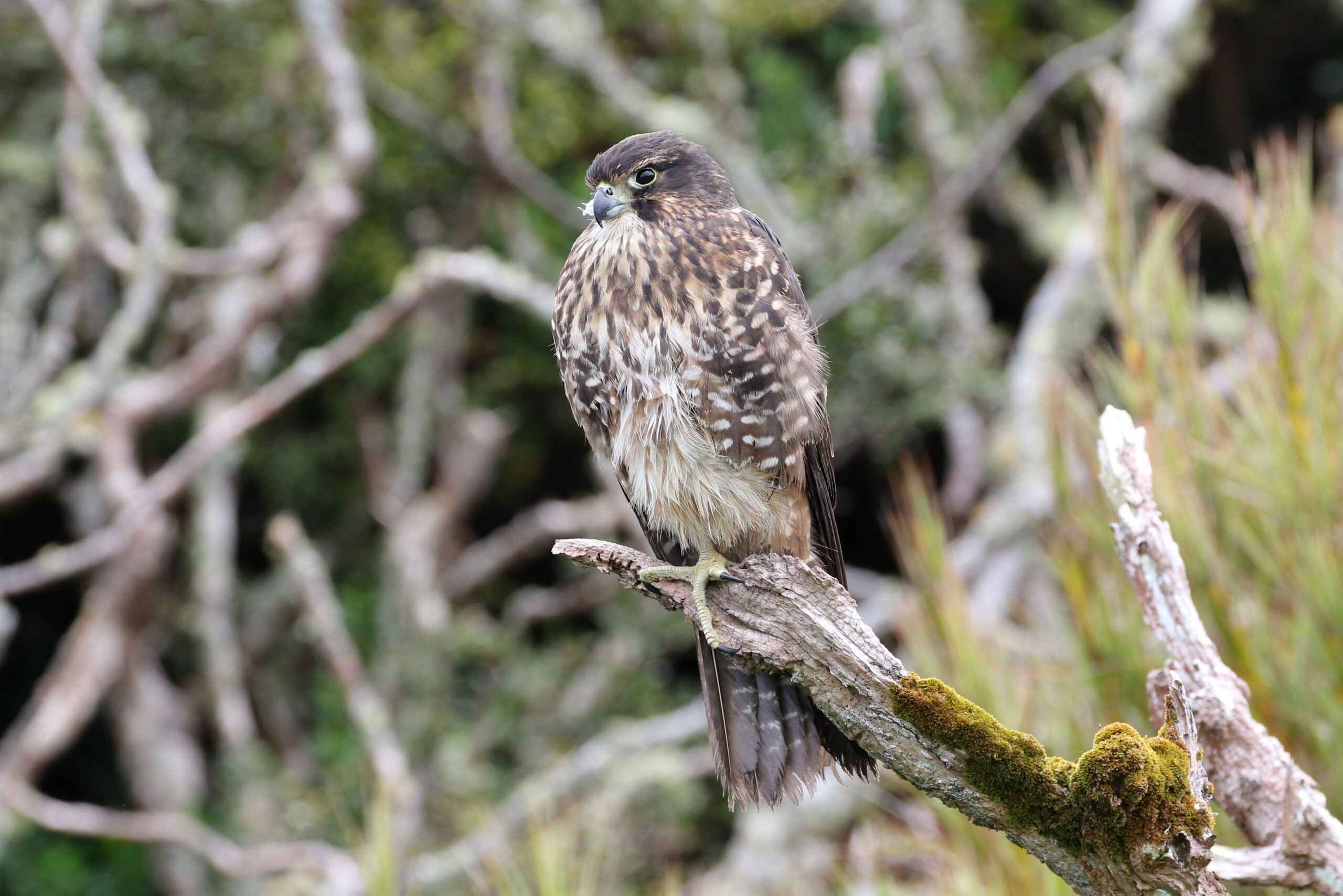
There is also a population of the somewhat localised New Zealand Falcon in the area along with one of its favourite prey items, the New Zealand Pipit. Night Turangi
DAY 9
TURANGI TO NAPIER
The plan is to spend the morning looking for another special endemic, the extraordinary Blue Duck which inhabits swift-flowing mountain streams. Sadly, this species has declined markedly in recent years, even at sites where it was reliable only a few years ago; indeed, there are now only a handful of locations where it can be found without a major hike.
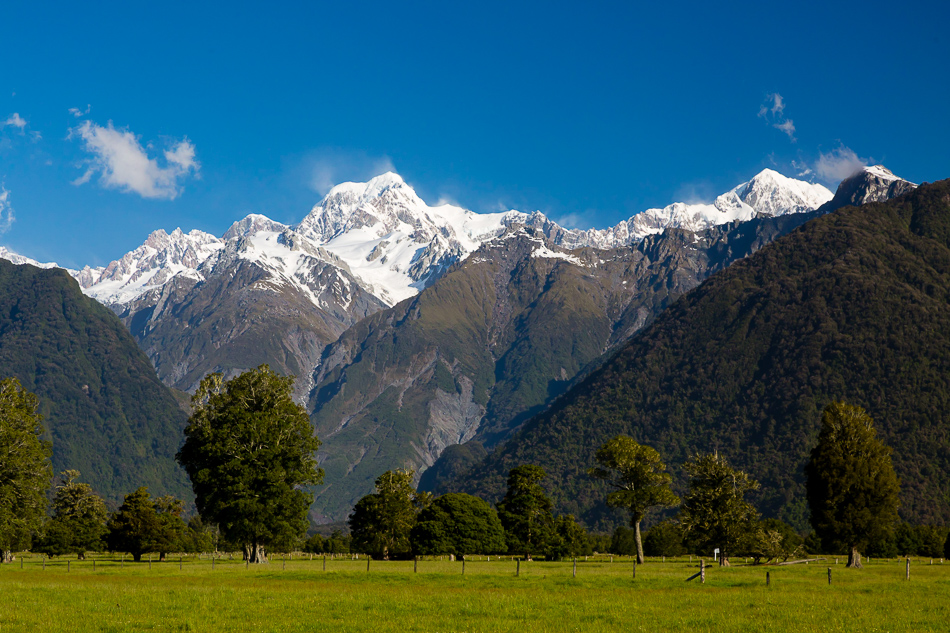
There are likely to be stops at a number of good spots for this odd-looking duck which is now classified as endangered and if the weather is kind, the three central North Island volcanoes, Ruapehu, Ngaruhoe and Tongariro, should provide an impressive backdrop.
The next location is likely to be a forest between Taupo and Napier. This reserve is intensively managed (to minimise the number of possums and other introduced mammals) and, as a result, the native fauna and flora has been able to flourish, and you are likely to see more forest birds here than at any other mainland location on the North Island. North Island Robin, Kokako and North Island Kaka have been reintroduced and New Zealand Pigeon, Long-tailed Koel, Shining Bronze-Cuckoo, Whitehead, Tomtit, Tui, New Zealand Bellbird and Rifleman are also present. New Zealand Falcon and New Zealand Fernbird can be found in the area and the plan is to also spend some time trying to locate both of these species.
You will then head down to Haverlock North where, if time allows, there will either be a visit an estuary for shorebirds or a wetland area for waterfowl and other species. Night Haverlock North
DAY 10
HAVERLOCK NORTH TO FOXTON
The focus for the morning will depend a little on what has or hasn’t been seen to date and there are locations for shorebirds, waterfowl and Australasian Bittern. There may also be a second visit to the forest visited the day before if you failed to find any of the specialities which occur there.
You will then continue onwards to Foxton, which is very close to the Manawatu Estuary and another fantastic place for waders. Shorebirds at this location are often extremely confiding and this will provide another opportunity to see species such as Wrybill, Variable Oystercatcher, Red Knot and Bar-tailed Godwit. Other possibilities include Pacific Golden Plover, Sharp-tailed and Curlew Sandpipers, Ruddy Turnstone and Red-necked Stint. Night Foxton
Day 11
FOXTON TO PICTON VIA THE INTER-ISLAND FERRY
Depending on the state of the tide, there may be a second visit to the Manawatu Estuary before heading south along the scenic Kapiti Coast towards Wellington, with planned stops on the way to look for birds such as Black-fronted Dotterel and any waterfowl we may have missed.
The inter-island ferry makes a perfect platform for looking for seabirds and this leaves from Wellington for South Island crossing what is known as the ‘Cook Strait’. Approximately half of the three-hour trip is spent in open water and the possibilities include Snowy Wandering, White-capped, and Salvin’s Albatrosses, Northern Giant Petrel, Fairy Prion, Fluttering Shearwater and White-fronted Tern. Another speciality is the Westland Petrel which only breeds in the mountains of a small part of South Island.
The ferry will then enter the protected waters of the Marlborough Sounds where new species could include Common Diving Petrel and Little Penguin.
Having docked at Picton, it is then only a 5-minute drive to the accommodation. Night Picton
DAY 12
PICTON TO KAIKOURA
The day will start with a boat trip out into the Marlborough Sounds where the main target is the New Zealand King Shag, an extremely rare and localised endemic, which has a population of only about 500-600 birds.
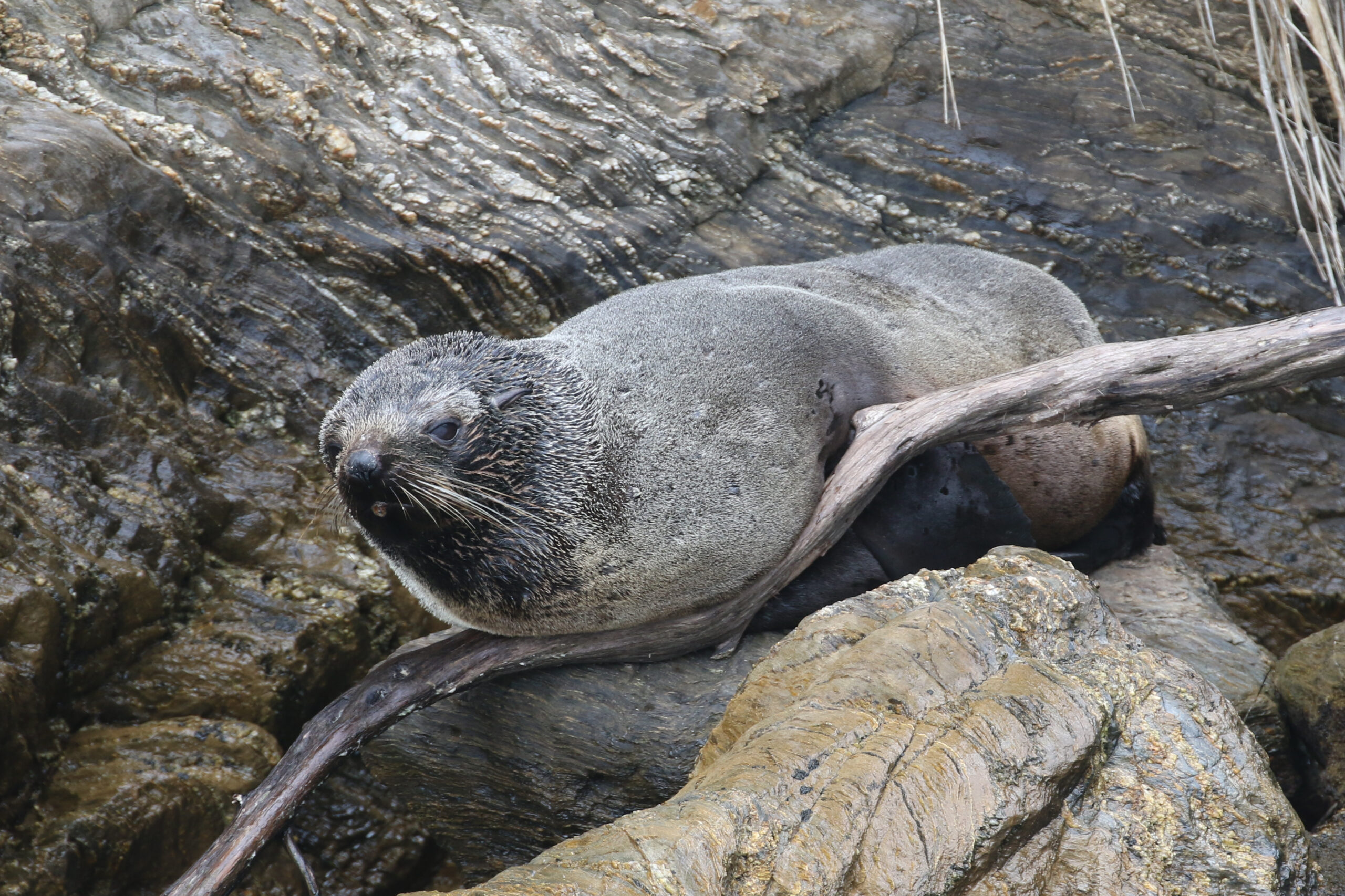
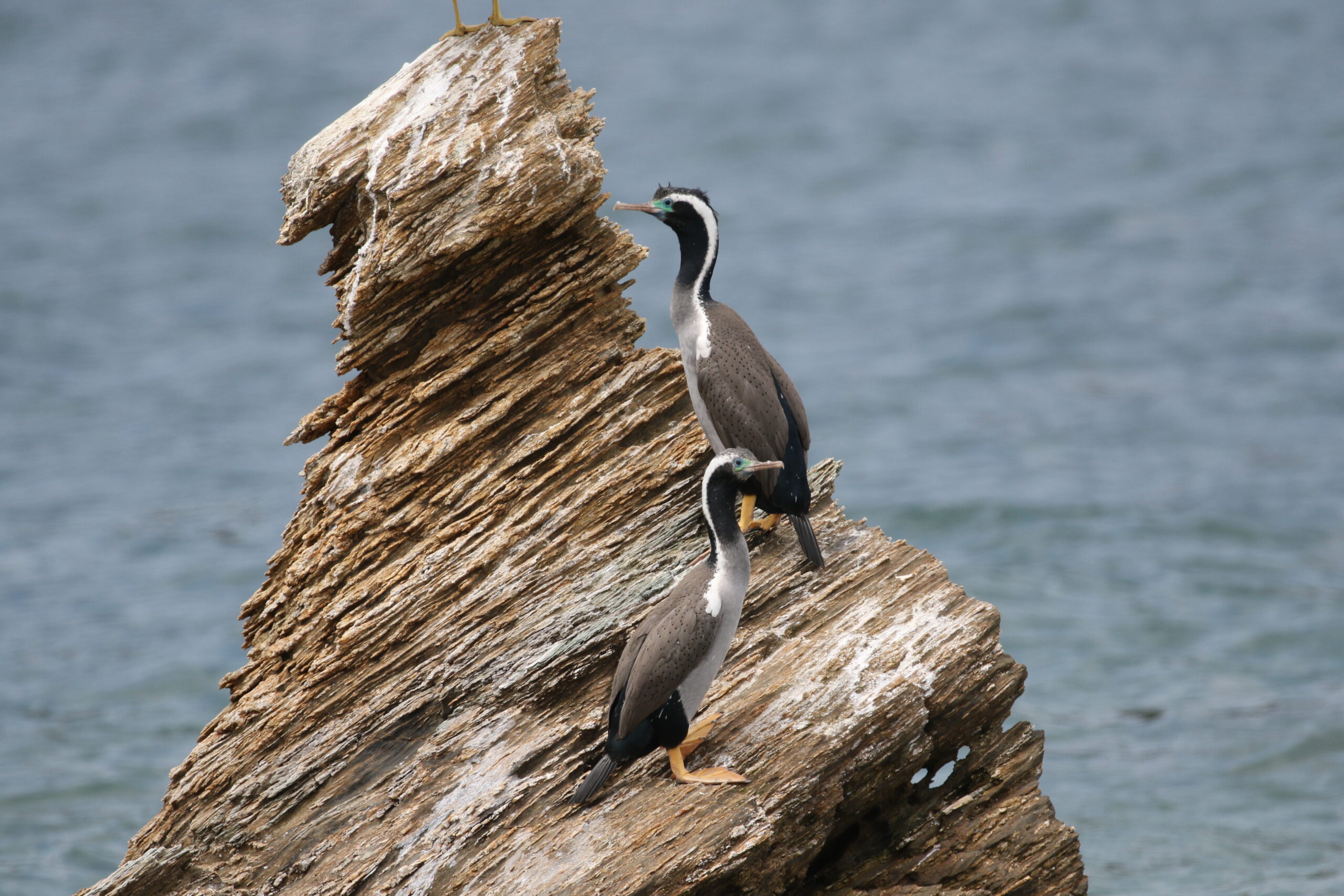
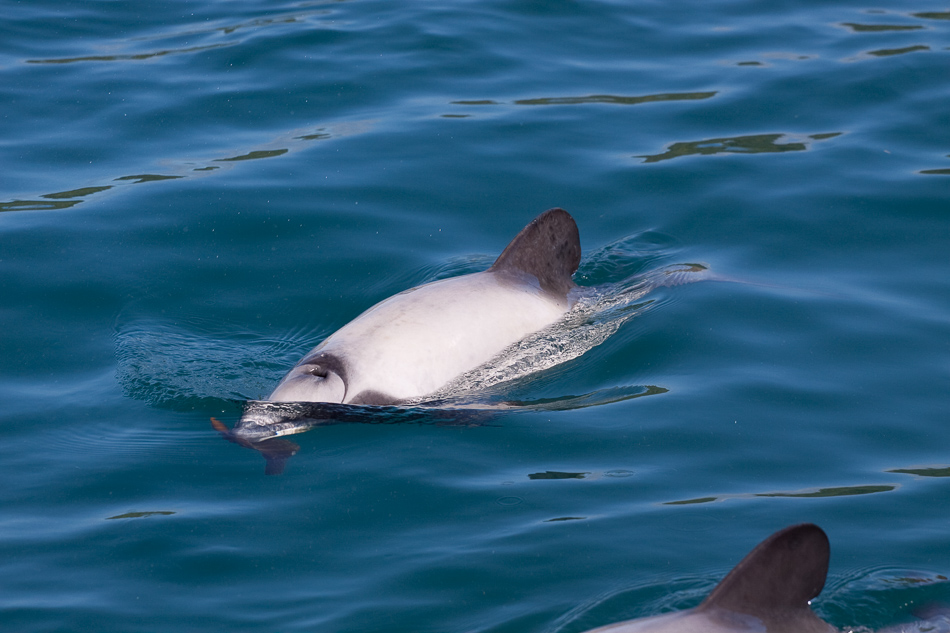
There are also opportunities to find two species of dolphins, the endangered and endemic Hector’s Dolphin and the more widespread Dusky Dolphin, as well as Little Penguin, Fluttering Shearwater, Spotted Shag and Australasian Gannet. New Zealand Fur Seals are also likely to be present.
The plan is to then make a stop at a small island sanctuary to look for the critically endangered Malherbe’s (Orange-crowned) Parakeet, as well as South Island Saddleback, South Island Robin and commoner forest species such as New Zealand Pigeon and New Zealand Bellbird.
You will then head south towards Kaikoura, a drive which should take a couple of hours. A brief stop on the scenic coast just before the town should allow for some excellent views of New Zealand Fur Seals and Spotted Shags and enable you to ‘forecast’ sea conditions for the following days’ pelagic trip. Two nights Kaikoura
DAY 13
KAIKOURA
Kaikoura is world famous for the Sperm Whales which are resident off the coast and the reason this deep-water specialist can be found so close to shore is due to the Kaikoura Trench which drops to 4,000 metres a matter of miles offshore.
This geological feature means that many pelagic (ie deep water) seabirds can be found relatively close to land and in the morning you will head out on the third pelagic trip of the holiday.
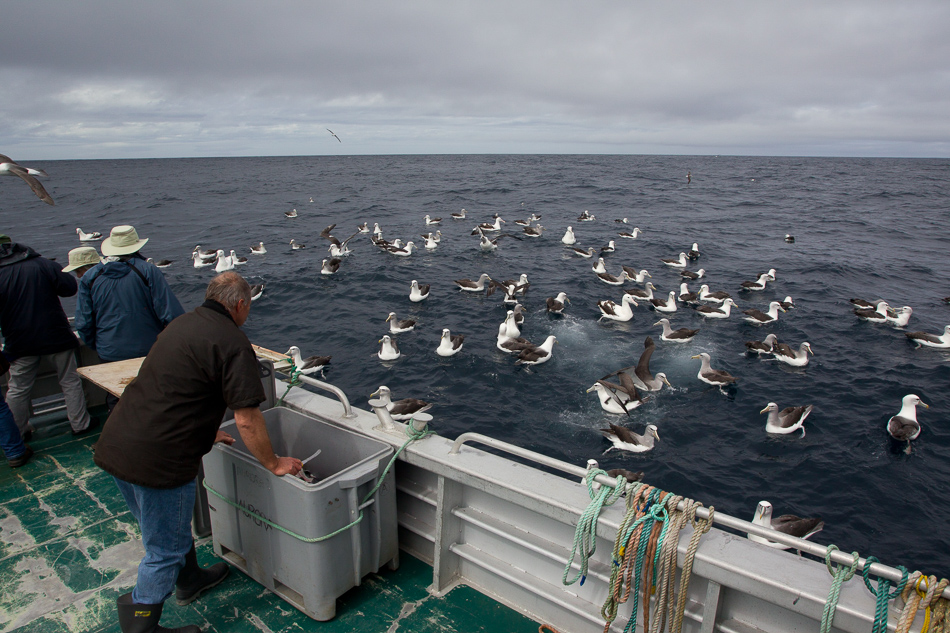
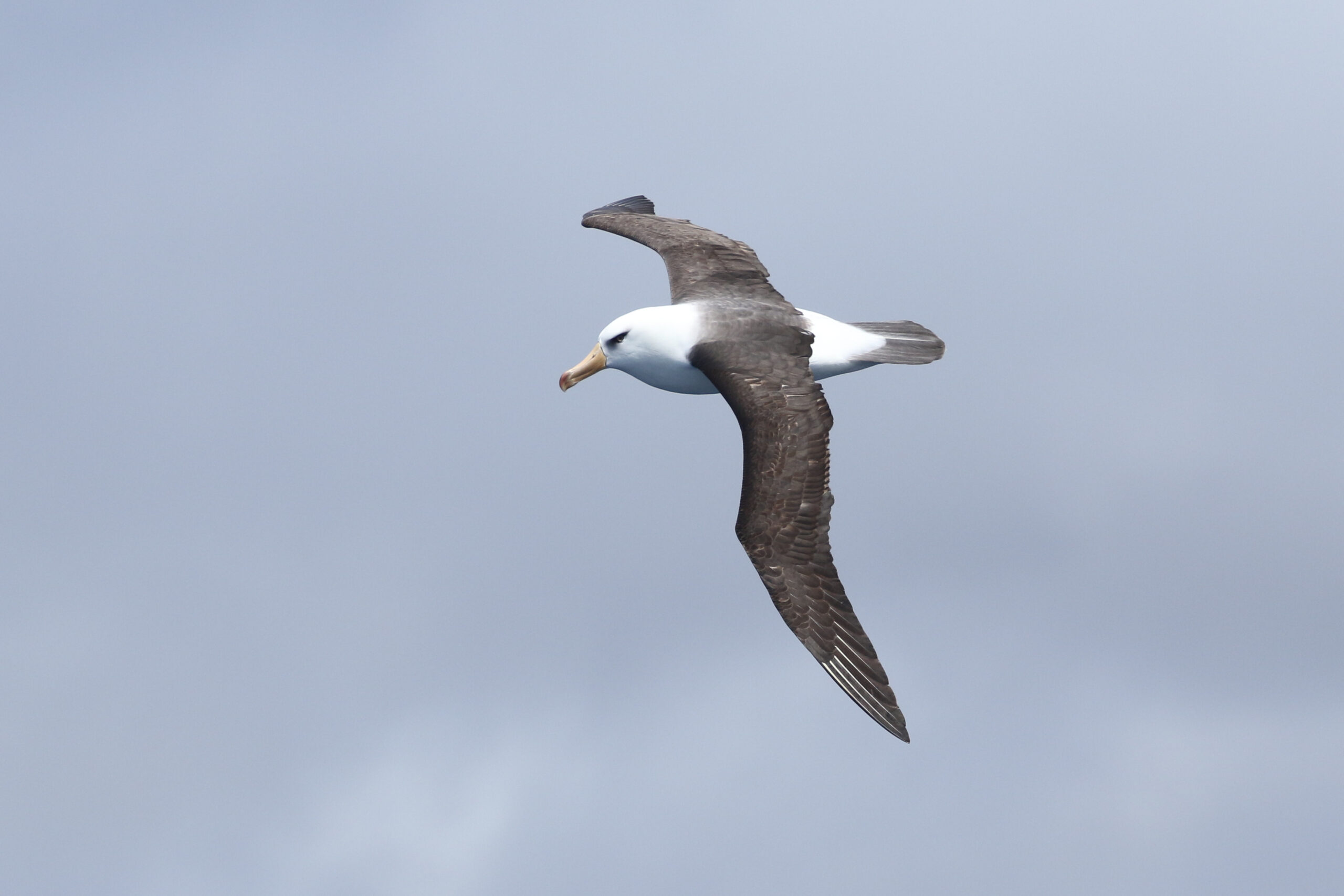
This trip can be really special with several species of albatross sometimes coming within a few feet of the boat and both Northern and Southern Royal Albatrosses are possible, as well as Snowy (Wandering), Black-browed, Campbell, White-capped and Salvin’s.
Cape Petrel is highly likely and other possibilities include Westland and White-chinned Petrels, Northern Giant Petrel and the endemic Hutton’s Shearwater, which breeds in the spectacular mountains just behind Kaikoura.
It is likely to be an extremely memorable morning and it will be with genuine reluctance that you will head back to Kaikoura.
After almost two weeks ‘on the road’, the afternoon is deliberately at leisure and whilst you have the opportunity to relax and enjoy the scenery, there are a wide range of wildlife options available (at your own expense) such as joining another pelagic, whale watching (as the Sperm Whales are present year-round) or a trip to swim with the dolphins. A second night at the same accommodation in Kaikoura
DAY 14
KAIKOURA TO ARTHUR’S PASS
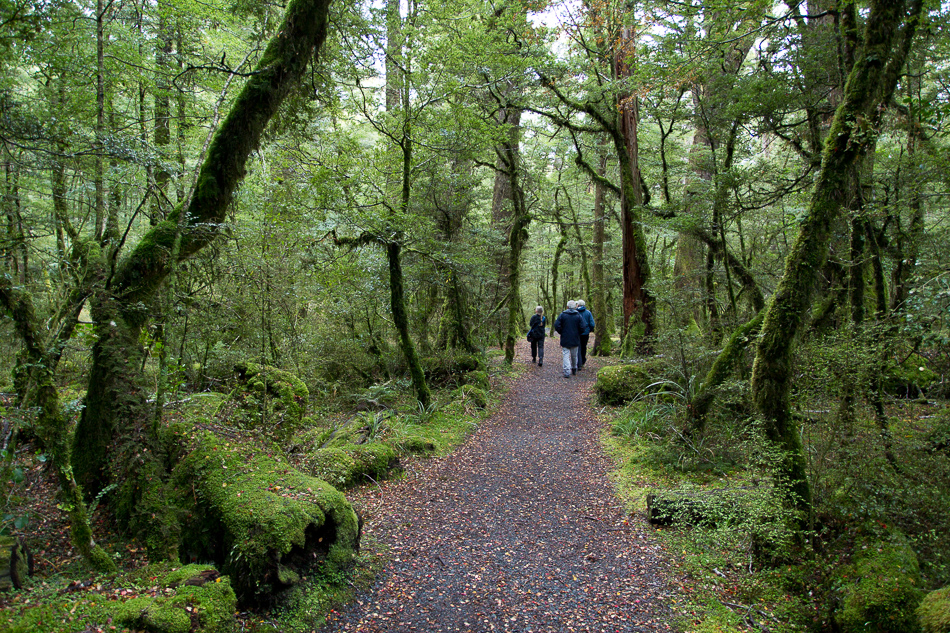
You will leave Kaikoura in the morning, heading south and inland deep into the Southern Alps. The intended destination is Arthur’s Pass, however, there will be several stops along the way, not only to look for birds but also to enjoy the exceptionally scenic alpine vistas.
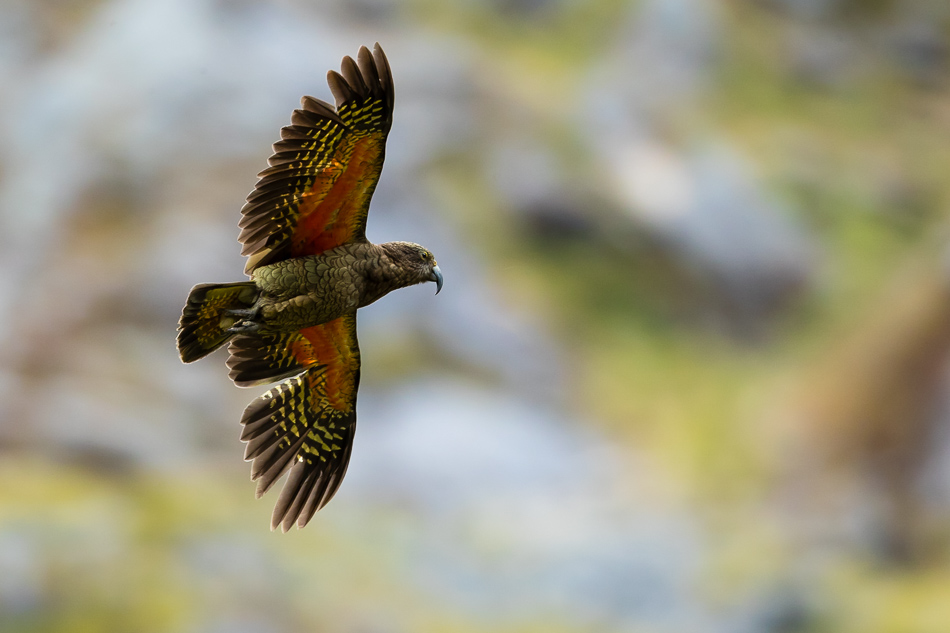
One of the species to look for along the way is the endemic Black-fronted Tern, however, the main target bird for the day is the Kea, a somewhat notorious endemic Alpine parrot which has the habitat of stealing possessions from inattentive visitors and damaging vehicles by ripping the rubber off from around the windows.
There should also be an opportunity to look for some of the South Island’s forest birds, such as the Pipipi (also known as the New Zealand Brown Creeper), Yellow-fronted Parakeet and South Island Robin.
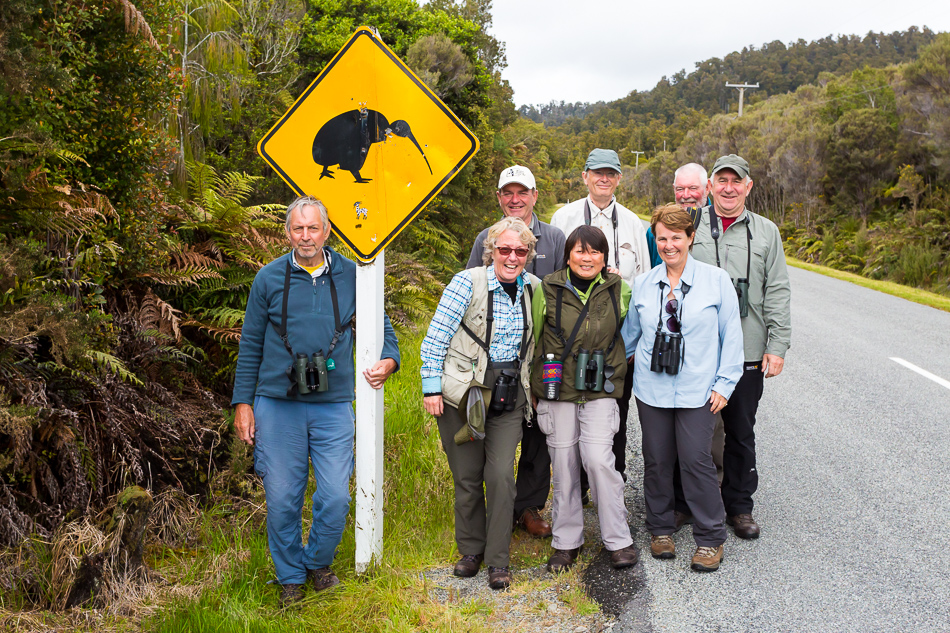
After dinner, there will be the option to venture out to listen for Great Spotted Kiwi. Whilst this species is occasionally heard, it is notoriously difficult to actually see but if a close bird is encountered, there will certainly be an attempt to locate it. Night Arthur’s Pass
DAY 15
ARTHUR’S PASS TO FRANZ JOSEF
After breakfast, you will leave Arthur’s Pass heading westward for the stunning West coast of the South Island. The birding activities will be largely dictated by what has been seen so far but stops are likely to include looking for Pipipi, New Zealand Fernbird, further opportunities to see Kea, plus the flightless endemic rail, the Weka.
Nearing the town of Franz Josef, one option is to head into the glacial valley to admire the Franz Josef glacier or possibly head to the coast to look for Great Egret and Royal Spoonbill in coastal lagoons.
The accommodation is on the outskirts of the Franz Josef township and after dinner, there will be the chance to head out to look for Okarito Brown Kiwi, which is the rarest and most localised of the three brown kiwi species with an estimated population of just 400-600 birds. Despite its rarity, there are decent chances of finding this relatively recently described species. Night Franz Josef
DAY 16
FRANZ JOSEF TO WANAKA
Depending on how late the kiwi excursion ended the previous evening, the day may start somewhat later than normal. You will then head south towards the township of Haast, stopping occasionally.
One of the possibilities is Fiordland Penguin as this localised species breeds at various sites along this coast, although there are other chances of seeing this near threatened bird further south.
From Haast, you will head inland through some spectacular mountain scenery, with the focus being a visit to Haast Pass. The forests here are home to a number of species and this used to be a reliable site for the endangered Yellowhead, however, it has declined markedly in this area, and there is now a much better chance of finding it on Stewart Island.
Despite this, Haast remains excellent for a number of other birds with New Zealand Kaka (the South Island subspecies), Yellow-crowned Parakeet, Rifleman, South Island Tomtit, Pipipi and Long-tailed Koel amongst the possibilities in this amazing forest.
You will then continue through to the beautiful lakeside town of Wanaka, just over an hour away. Night Wanaka
DAY 17
WANAKA TO TE ANAU
Today will involve quite a bit of driving, but you will be travelling through some of New Zealand’s most spectacular scenery and will make regular stops to enjoy this and look for birds.
You will pass through areas where Kea, Yellow-crowned Parakeet, Rifleman, New Zealand Robin, Tomtit and Long-tailed Koel can be found, however, the main objective is the tricky Rock Wren. This is considered to be one of the world’s most primitive passerines and locating this localised species in the high alpine habitats will be the priority, although access to the best site has recently changed and is only possible if several streams can be safely crossed.
The day’s stops will largely be dictated by the weather and the success with Rock Wren, which is not really possible anywhere else along the route. If time allows, there may be the possibility to head to Milford Sound to view this impressive fjord. Night Te Anau
DAY 18
TE ANAU TO STEWART ISLAND
Today, you head for the third main island of New Zealand, Stewart Island. There are various options for stopping along the way, but it is likely you will head straight to Bluff for the ferry.
The van will stay in a secure carpark in Bluff, and you will board the ferry as a foot passenger, with luggage for two nights on Stewart Island. Everything you take will need to be either wheeled or carried the c.300 metres along the pavement to the accommodation.
Depending on the sea and weather conditions, the one-hour crossing can be excellent for seabirds, with various albatrosses (eg Southern Royal, White-capped and Salvin’s), Northern and Southern Giant Petrels, Mottled Petrel, Cape Petrel, Common Diving Petrel, Fairy Prion, Sooty Shearwater and Brown Skua all possible.
You can also expect to find Stewart Island Shag. These birds here were until very recently regarded as a full and very localised species, the ‘Foveaux Shag’, however, they have now been re-lumped with the ‘Otago Shag’ as Stewart Island Shag.
After checking into the accommodation, there is likely to be a chance to look for New Zealand Kaka (South Island subspecies), New Zealand Pigeon and Tui around the township of Oban before taking a water taxi to nearby Ulva Island.
This is another predator free sanctuary and home to some of the South Island specialities which may not have been seen so far including Yellowhead and South Island Saddleback, as well as some of the more widespread forest species such as Pipipi, Red-crowned and Yellow-crowned Parakeets, Kaka and Rifleman.
After dinner, there will be the opportunity to head out in search of Southern Brown Kiwi. This is an unforgettable experience with a great chance of seeing these unique birds. Night Oban
DAY 19
STEWART ISLAND
The plan for the day is to go out on the final pelagic, although the distance and direction of travel will be entirely dependent on the weather but if the conditions are kind, the results can be stunning as this area is on the edge of the Southern Ocean.
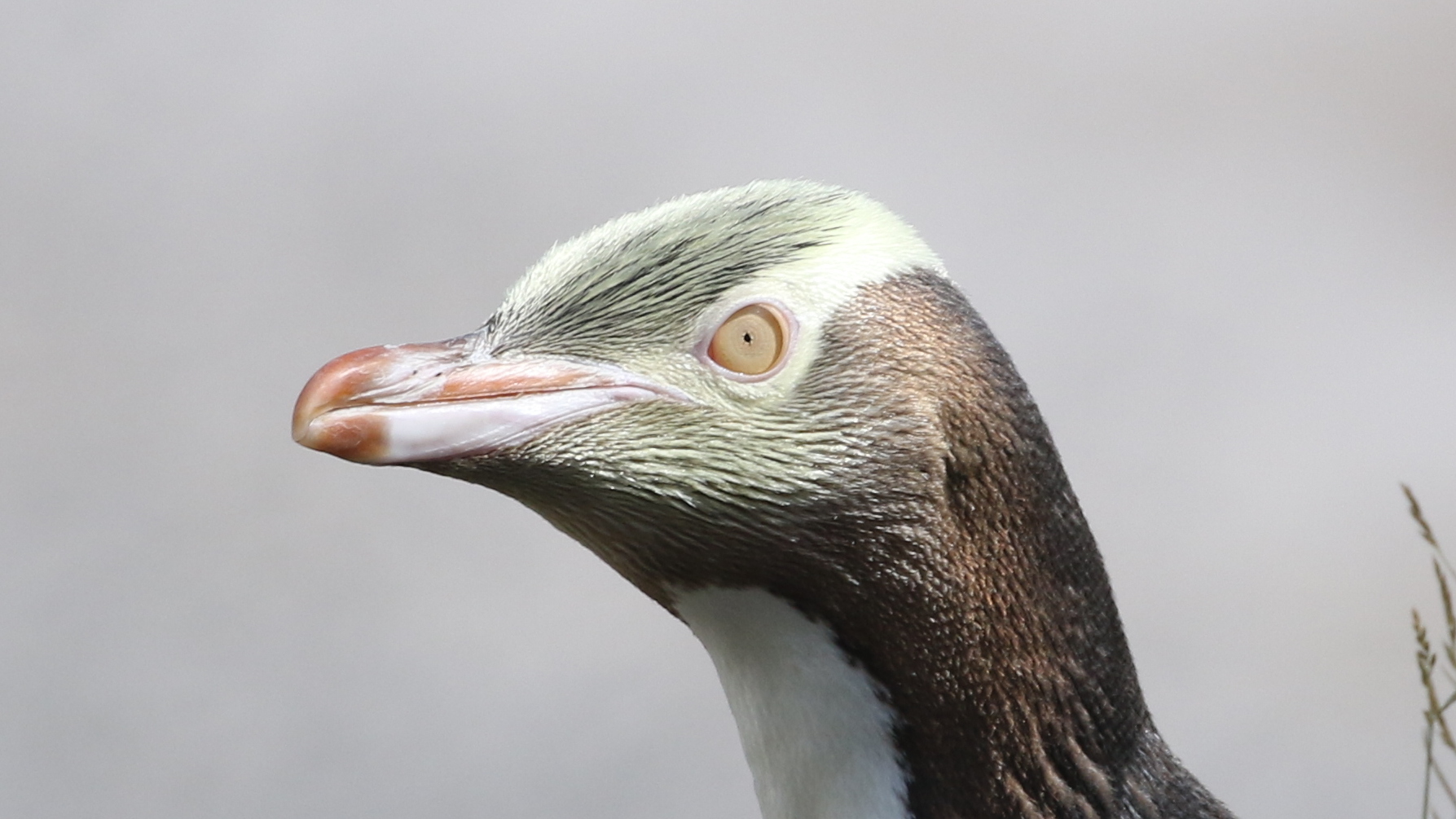
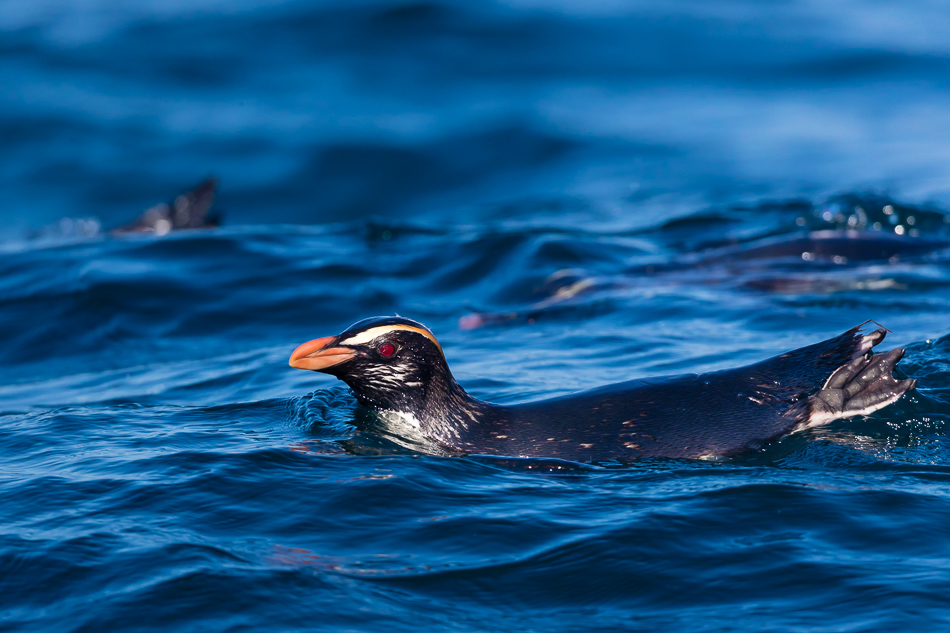
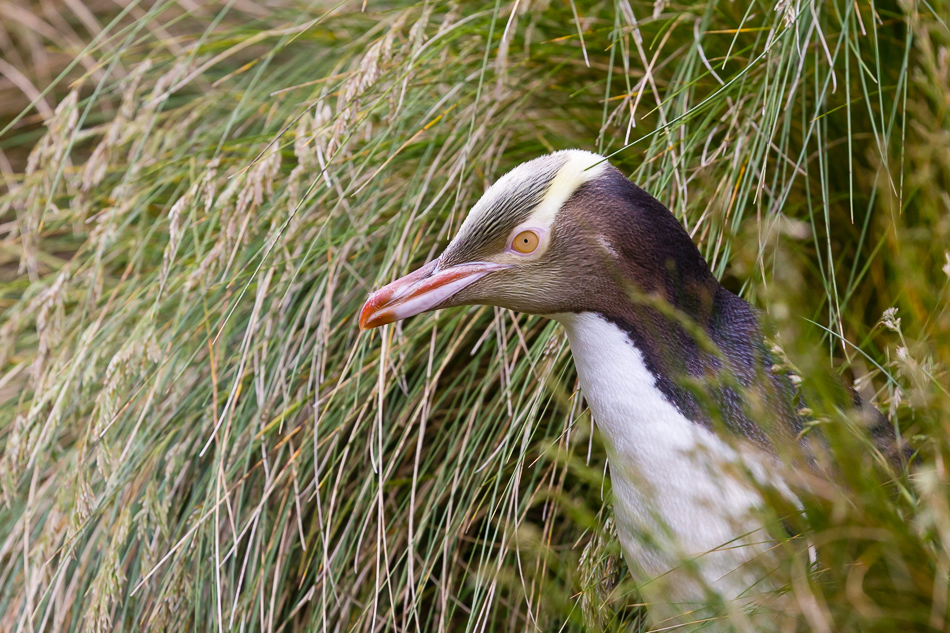
With large seabird colonies on many of the surrounding islands, an excellent array of species is possible with two target birds being endemic penguins, namely Fiordland and Yellow-eyed. There should also be plenty of other seabirds to enjoy such as Southern Royal, White-capped, Buller’s and Salvin’s Albatrosses, both Northern and Southern Giant Petrels, Mottled and Cook’s Petrels, Broad-billed and Fairy Prions and Common Diving Petrel.
Other species which will almost certainly be seen include Cape Petrel, Sooty Shearwater, Spotted and Stewart Island Shags, Brown Skua, White-fronted Tern and Silver Gull.
Depending on the success with Southern Brown Kiwi the previous night (and the possibility of cancellation due to the weather), there may be another opportunity to head out again after dark if this species was not seen the previous evening. Second night in Oban
DAY 20
STEWART ISLAND TO OAMARU
It is likely to be with genuine reluctance that you leave Stewart Island on the morning ferry, although there should be the opportunity to look for more seabirds on the crossing back to Bluff. You will then head northwards towards Oamaru along a coast which is renowned for its scenic views and rough weather-beaten coastline.
On one of the beaches you may pass, there are chances for Hooker’s Sea Lions (a New Zealand endemic) and there are likely to be stops at several other places to admire the scenery and look for forest birds.
The plan is to also visit a beach where Yellow-eyed Penguins come ashore and depending on the weather and prevailing winds, seabirds may be passing along the coast. Night Oamaru
DAY 21
OAMARU TO TWIZEL
Leaving Oamaru after breakfast, you will travel inland heading into one of the driest parts of the South Island, the arid Mackenzie Basin. With stunning glacial lakes and mountains, the scenery and birds are amazing, however, the focus for the day is the world’s rarest shorebird, the endemic Black Stilt. Huge efforts have been made by conservationists to save this species from extinction and there is now a population of around 100 wild birds.
Along the way, another possibility is New Zealand Falcon, which is regularly found in this area, as well as the endemic Black-fronted Tern and various species of waterfowl. With good fortune, Baillon’s Crake is also possible and if the weather is clear, you should have views of New Zealand’s highest mountain, Mount Cook. Night Twizel
DAY 22
TWIZEL TO CHRISTCHURCH
You will reluctantly depart from Twizel heading northwards towards Christchurch, the largest city on the South Island which has a population of less than 400,000 people. Passing through a lot of agricultural country before reaching the coast, you will then cross a number of braided rivers that flow from the majestic Southern Alps down to the sea.
This will be a last chance to see some of the more widespread species before reaching the International Airport in Christchurch at around 13:00 to begin your journey back to the UK.
WHAT TO EXPECT
A comprehensive 22-day birding tour to New Zealand visiting the three main islands, namely North Island, South Island and Stewart Island. (Please note that these are NZ-NZ dates).
The holiday is organised by our New Zealand birding ground agent (who also organised our highly successful tour in 2023) and it is important to appreciate that the clients will be a mix of those who have booked through Limosa and other operators.
Many first-time visitors to New Zealand do not always appreciate how large the country is and you are likely to cover more than 2,000 miles during the holiday, however, the aim is to break up the longer drives with stops to enjoy the birds and stunning scenery.
Whilst New Zealand does not have a particularly long bird list (with about 150 species likely to be seen on the tour), one of the goals is to find members of the six endemic families, namely kiwi, New Zealand parrots, New Zealand wrens, New Zealand wattlebirds, New Zealand creepers and the Stitchbird. With the group being led by an extremely experienced local guide, this will help considerably with finding some of the trickier species.
On several evenings, there will be opportunities to go out after dark to look for kiwis which may mean a late (or even very late) return to our accommodation. These nocturnal excursions are entirely optional but are the only realistic way to see these amazing birds.
As well as looking for most of New Zealand’s speciality landbirds, there will be four pelagic trips to look for seabirds. This should ensure a great range of seabirds are seen including the endemic breeders such as New Zealand Storm Petrel, Pycroft’s and Black Petrels and Hutton’s Shearwater. You can also expect to see many other more widespread but, nevertheless, special seabirds including the mighty Snowy (Wandering) Albatross.
The weather will vary during the trip from mid-teens 14C to high teens 19C (low 50F- mid 60F) in the northern part of our trip, to being somewhat chillier in the Southern Alps where there is a higher chance of rain and a temperature which could drop to around 12-15C (mid 50F-low 60s).
Good to excellent photographic opportunities in more open habitats, including wetlands. Photographing birds in the forest, however, can be more challenging as light levels are often lower.
BIRDS
145-155 species.
Expect to see around 65 endemic breeding species and 25-30 species of seabirds.
ACCOMMODATION
You will generally stay in good quality and comfortable motel style accommodation throughout the holiday.
The main exception is the night on Tiritiri Matangi where the only option is to stay in the communal bunkhouse run by the Department of Conservation. Although this is rustic, the experience of spending a night on this unique island means this is an opportunity which should not be missed.
The single supplement does not include a single room on Tiritiri Matangi.
Due to the very limited amount of accommodation, it is also possible that the rooms on Stewart Island will have shared facilities.
MEALS
All meals are included from breakfast on day 2 until lunch on day 22.
Breakfasts will generally consist of a continental style breakfast with cereal, fruit and yoghurt and tea/coffee. Lunch will usually consist of a packed lunch style meal eaten in the field, with a sandwich/filled roll, fruit and a drink. Dinner will consist of several options for the main with the choice of either an appetiser or dessert.
PELAGICS
The itinerary includes four pelagic trips which for many people are likely to be one of the highlights of this fantastic holiday, however, it is important to appreciate that these are entirely weather dependent and may be cancelled if conditions are not suitable. If this happens, you will look for birds ashore and whilst there may be an opportunity to reschedule the pelagic, as you are moving on regularly, this may prove impossible.
For anyone who is susceptible to being seasick, we recommend bringing some suitable medication with you.
WALKING
Our trip requires a low to moderate (or better) level of fitness which our New Zealand friends have defined as ‘able to walk for at least 45 minutes or more on undulating terrain without significant help’.
As on most bird tours, walking will generally be at a comparatively slow pace with regular stops for birding. There may be a handful of steeper uphill stretches in the mountains, but these are optional and never rushed.
Sturdy waterproof walking shoes or lightweight boots with good grip are recommended.
TRAVEL TO NEW ZEALAND
We strongly recommend that you arrive in New Zealand at least the day before the tour starts in Auckland, both to start getting over the jetlag but also to allow for flight or luggage delays.
The tour price includes a conveniently located hotel the evening before the tour officially starts (without dinner) and if participants would like to spend additional nights in the same hotel then this can be arranged.
Tour Gallery
View a gallery of images for this tour below, click on an image to view as full size with caption
Ask About This Tour
If you have any questions about this tour, please enter your details here and we will get back to you as soon as possible.
Alternatively, contact us by email or phone. We look forward to hearing from you!
- 01692 580623
- tours@limosaholidays.co.uk
Or complete the contact form and we will endeavour to get back to you as soon as possible.
* = required field

