Hungary in Spring
Birding the steppe and forested hills of Hungary
An 10-day, small group birdwatching tour to Hungary
Limosa’s 10-day tour to Hungary is a small group natural history holiday which explores some of the best wildlife sites in Eastern Europe looking for a long list of special birds.
Our tour starts with a six-night stay at the Kondor Eco-Lodge in scenic Kiskunság National Park. Although less well known than the similar Hortobágy, Kiskunság teems with wildlife and preserves parts of the once continuous Eurasian steppe or ‘puszta’.
Great Bustard and Saker Falcon are amongst the many star birds of the region but the park’s forests, fishponds, oxbows and alkaline lakes are home to a long list of special birds including everything from Pygmy Cormorants, Collared Pratincoles and Red-footed Falcons to Rollers, Moustached Warblers and Lesser Grey Shrikes.
After a relaxed exploration of this unique area, we will head across the Great Hungarian Plain looking for birds such as Eastern Imperial Eagle and Saker Falcon on our way to the Bukk Hills. Here, a very different suite of birds await us including multiple species of woodpecker which cannot be found in the UK, such as Middle Spotted, Syrian, Grey-headed, Black and White-backed. Plenty of other special birds are also possible and those we hope to see include Lesser Spotted Eagle, Ural Owl, Barred Warbler and Collared Flycatcher.
On this easy-paced, two-centre holiday, you have an opportunity to step back in time and enjoy the birds of some of Eastern Europe’s most important wild areas.
Tour Dates & Prices
Mon 18th May 2026
Wed 27th May 2026
- Available
Mon 17th May 2027
Wed 26th May 2027
- Available
Tour Cost: 10 Days from £3695 including return flight from London or £3195 land only
What's Included?
- Limosa’s English-speaking Hungarian guide
- 9 nights accommodation in Hungary
- All main meals and drinking water provided
- Minibus transport and all excursions, local guides, entry fees, permits
- All tour-based tips (drivers, staff) and taxes
- Limosa checklist of birds
Cost Excludes
Insurance, drinks, airport/in-flight meals and snacks & other items of a personal nature.
Additional Information
The land only cost is the price you will pay if you choose to arrange your own flights. If you select this option, please contact the Limosa office before making your travel arrangements.
Tour Cost: 10 Days from £3795 including return flight from London or £3295 land only
What's Included?
- Limosa’s English-speaking Hungarian guide
- 9 nights accommodation in Hungary
- All main meals and drinking water provided
- Minibus transport and all excursions, local guides, entry fees, permits
- All tour-based tips (drivers, staff) and taxes
- Limosa checklist of birds
Cost Excludes
Insurance, drinks, airport/in-flight meals and snacks & other items of a personal nature.
Additional Information
The land only cost is the price you will pay if you choose to arrange your own flights. If you select this option, please contact the Limosa office before making your travel arrangements.
Tour Highlights
- Relaxed-pace two-centre holiday visiting unspoilt, varied and wildlife rich landscapes typical of eastern Europe
- A six-night stay at an ecolodge in the Kiskunság National Park exploring the European steppe
- Specialities including Great Bustard, Pygmy Cormorant, Saker Falcon and Syrian Woodpecker
- Visit a colony of Red-footed Falcons and explore lakes and ponds for Ferruginous Duck, Penduline Tit and Moustached Warbler
- Impressive numbers of Rollers, Bee-eaters and Lesser Grey Shrikes close to the lodge
- Transfer across the Great Hungarian Plain for a three-night stay on the southern slopes of the forested Bukk Hills
- Look for an impressive range of woodpeckers in the surrounding forests including Black, Grey-headed, White-backed and Middle Spotted
- Chances for raptors such as Lesser Spotted and Eastern Imperial Eagles, as well Collared Flycatcher, Barred Warbler and Ural Owl
- Expertly led by Limosa's English-speaking Hungarian wildlife guide Gábor Orbán.
Outline Itinerary
-
Fly to Budapest. Transfer south to Kiskunság National Park. Night Kondor Eco-lodge
-
Five full days spent enjoying the birds and other wildlife of the area. Habitats include the steppe grassland (puszta), wetlands and forests of Kiskunság National Park. Five further nights Kondor Eco-lodge
-
Transfer across the Great Hungarian Plain to the southern slopes of Bukk Hills. Three nights Bukk Hills
-
Two full days exploring the beech woods, meadows and valleys of the Bukk Hills
-
Some final exploring before returning to Budapest for the flight back to the UK
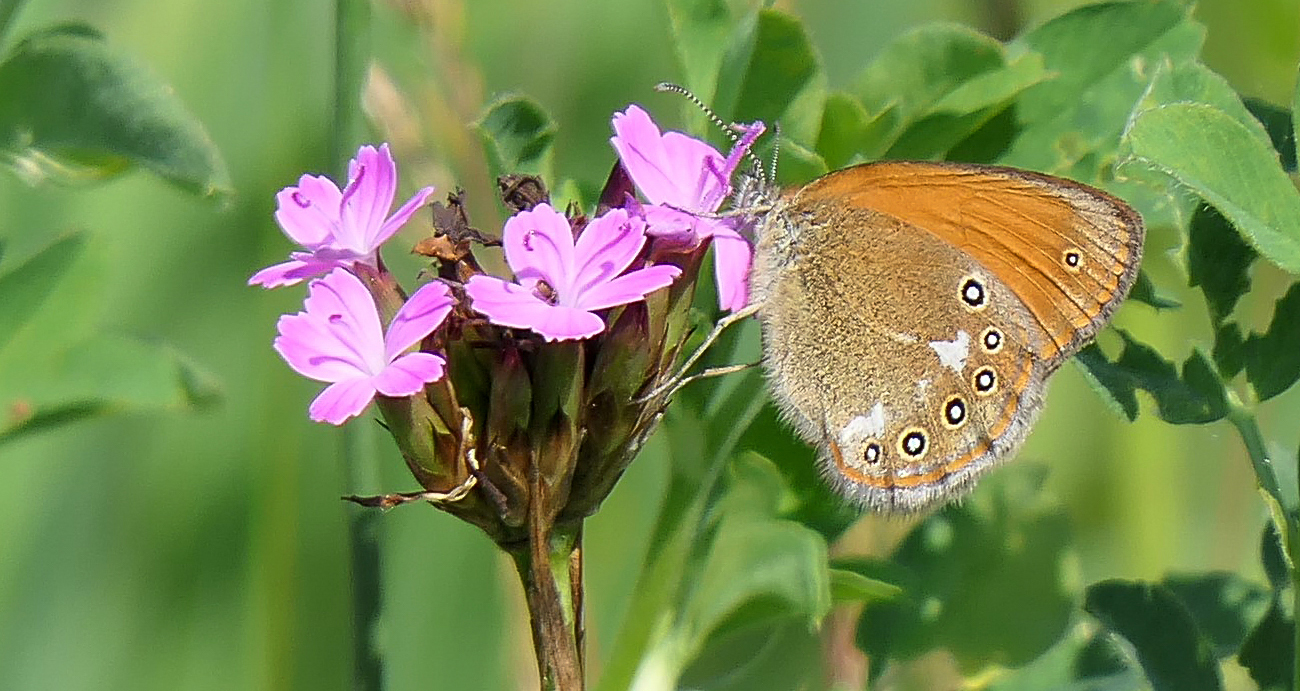
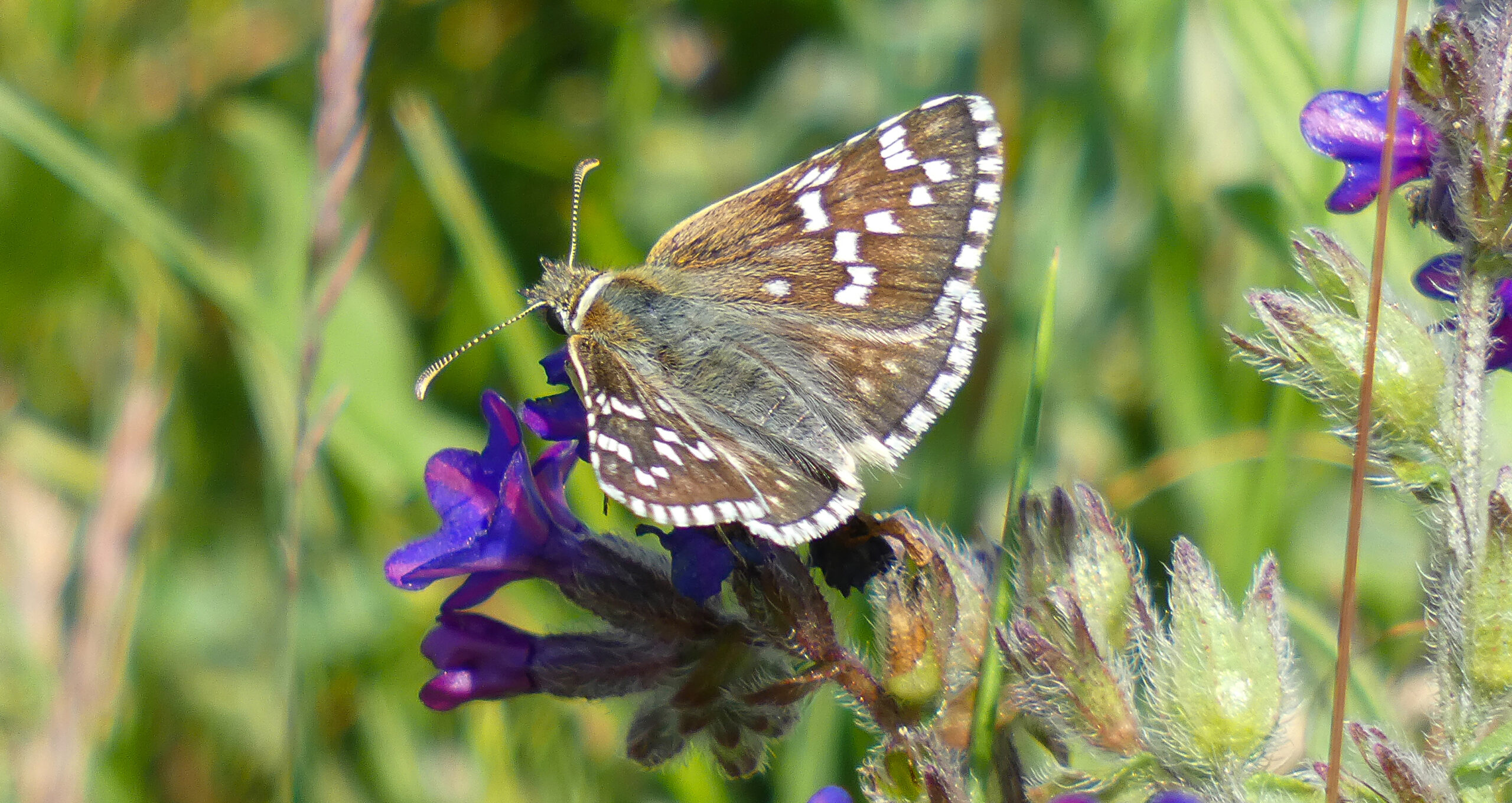
The unspoiled countryside of central and eastern Hungary has a ‘by-gone’ feel to it and offers a superb diversity of natural habitats, rich in wildlife of all kinds. Our two-centre tour provides the opportunity to look for the special birds of the region including Black Stork, Great Bustard, Eastern Imperial and Lesser Spotted Eagles, Ural Owl, Saker and Red-footed Falcons, Black, White-backed and Middle Spotted Woodpeckers, Lesser Grey Shrike and Penduline Tit. The area is also great for other wildlife and we hope to find the European Sousliks, the ground squirrel of the region, as well as a great variety of dragonflies and butterflies.
In the safe hands of Limosa’s local wildlife expert Gábor Orbán, this holiday starts with a six-night stay at Kondor Eco-Lodge, right in the heart of the lovely Kiskunság National Park but just a 90-minute drive from Budapest Airport. This is the home of Gábor and his wife Andrea and we can expect to be treated like family members at the lodge, where the delicious Hungarian cuisine will doubtless become a feature of this part of the tour.
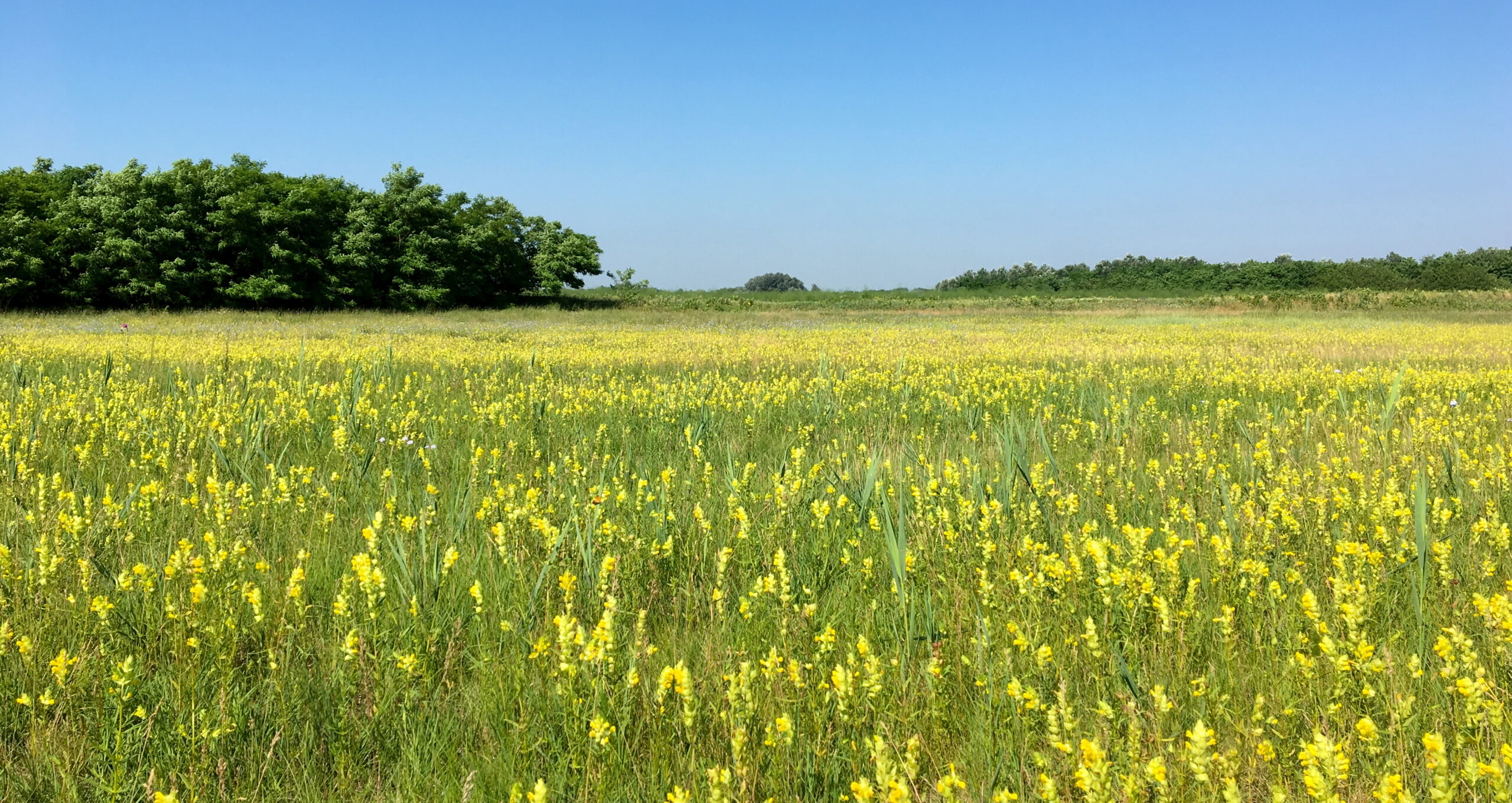
The birdlife of Kiskunság has much in common with that of Hungary’s more famous Hortobágy National Park but those in the know would say that the Kiskunság has a more varied and prettier landscape that makes it perfect for a wildlife holiday.
During our stay, we plan to explore a wide variety of birding sites, many of which are no more than an hour’s leisurely drive from our lodge including grasslands, water channels, lakes and forests.
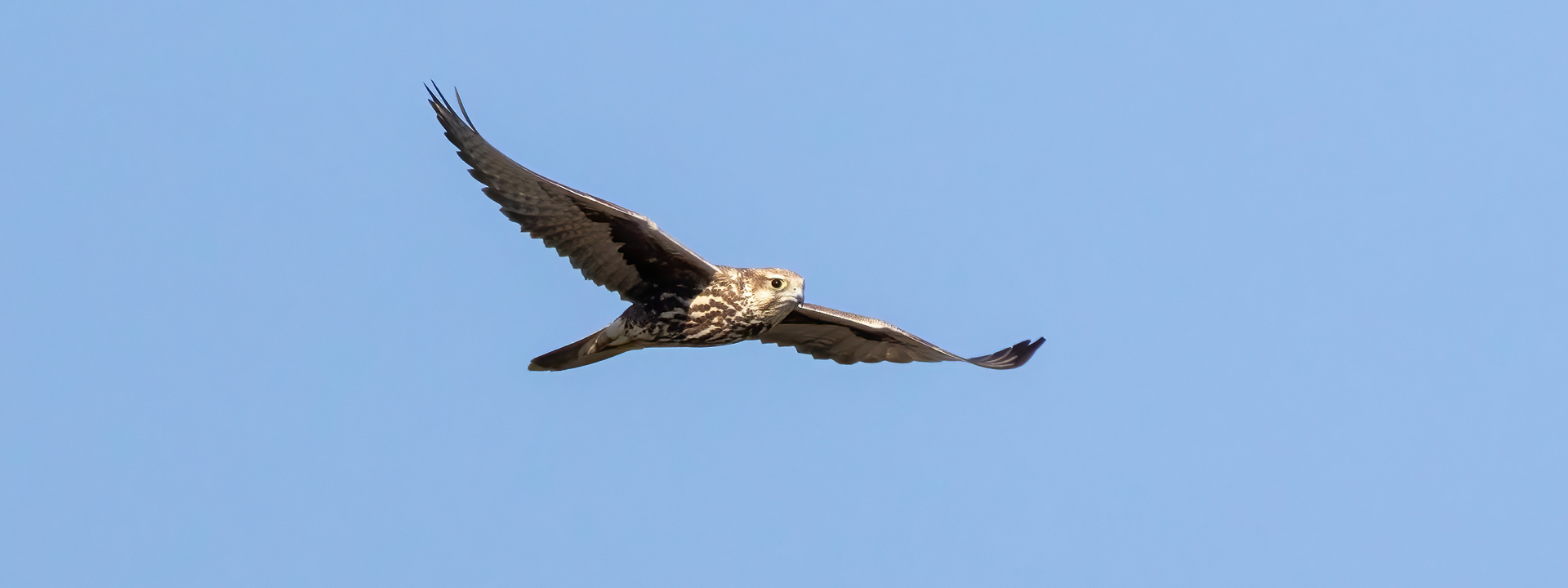
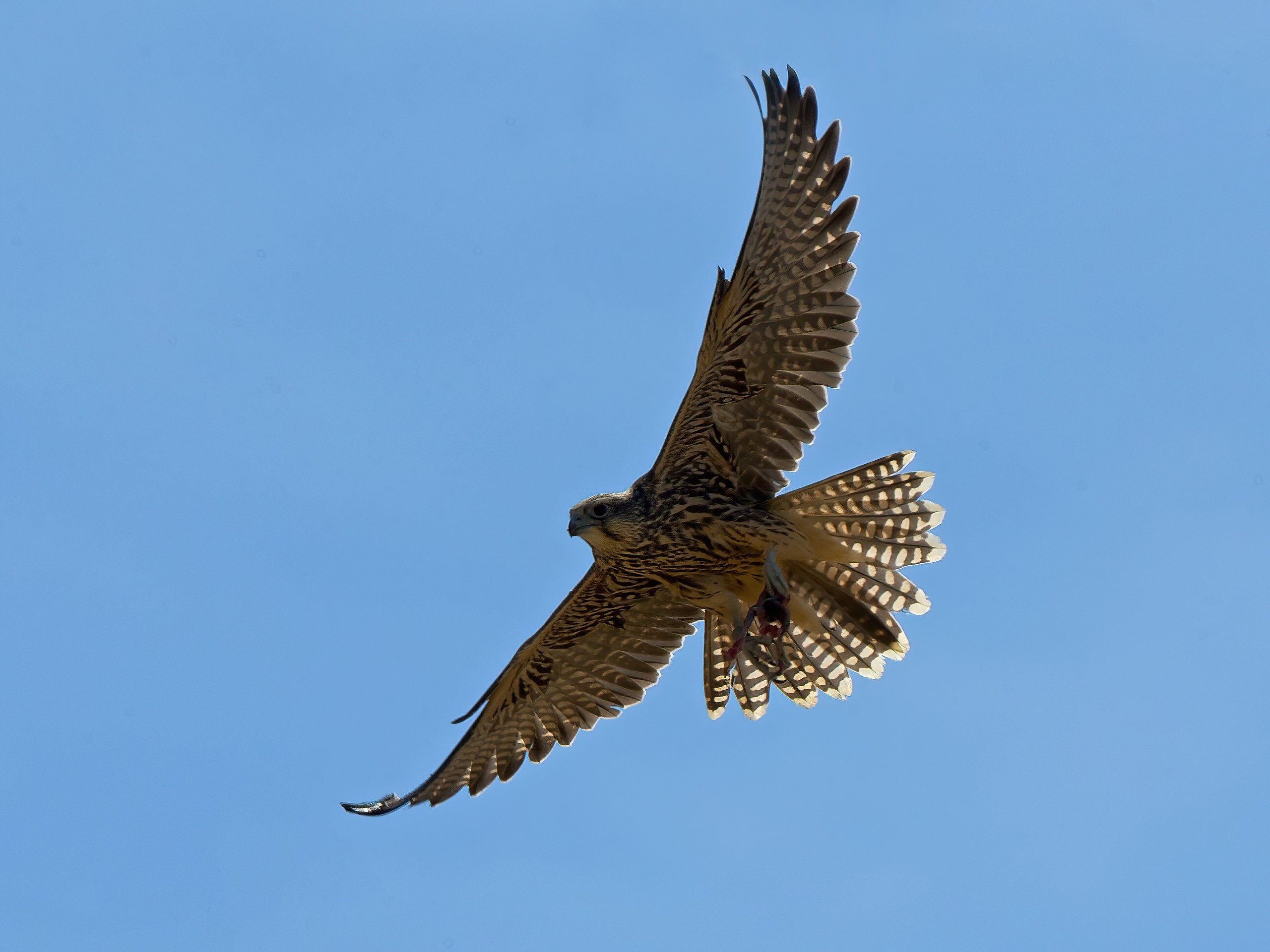
The Kiskunság preserves parts of the once continuous Eurasian steppe or puszta and hosts one of the largest populations of Great Bustards on the continent and we will make a special effort to locate this majestic bird. As we search for them, we may encounter Eastern Imperial Eagle soaring above the grasslands. The rare Saker Falcon, which has taken to breeding in nest boxes provided for them on pylons, is also possible.
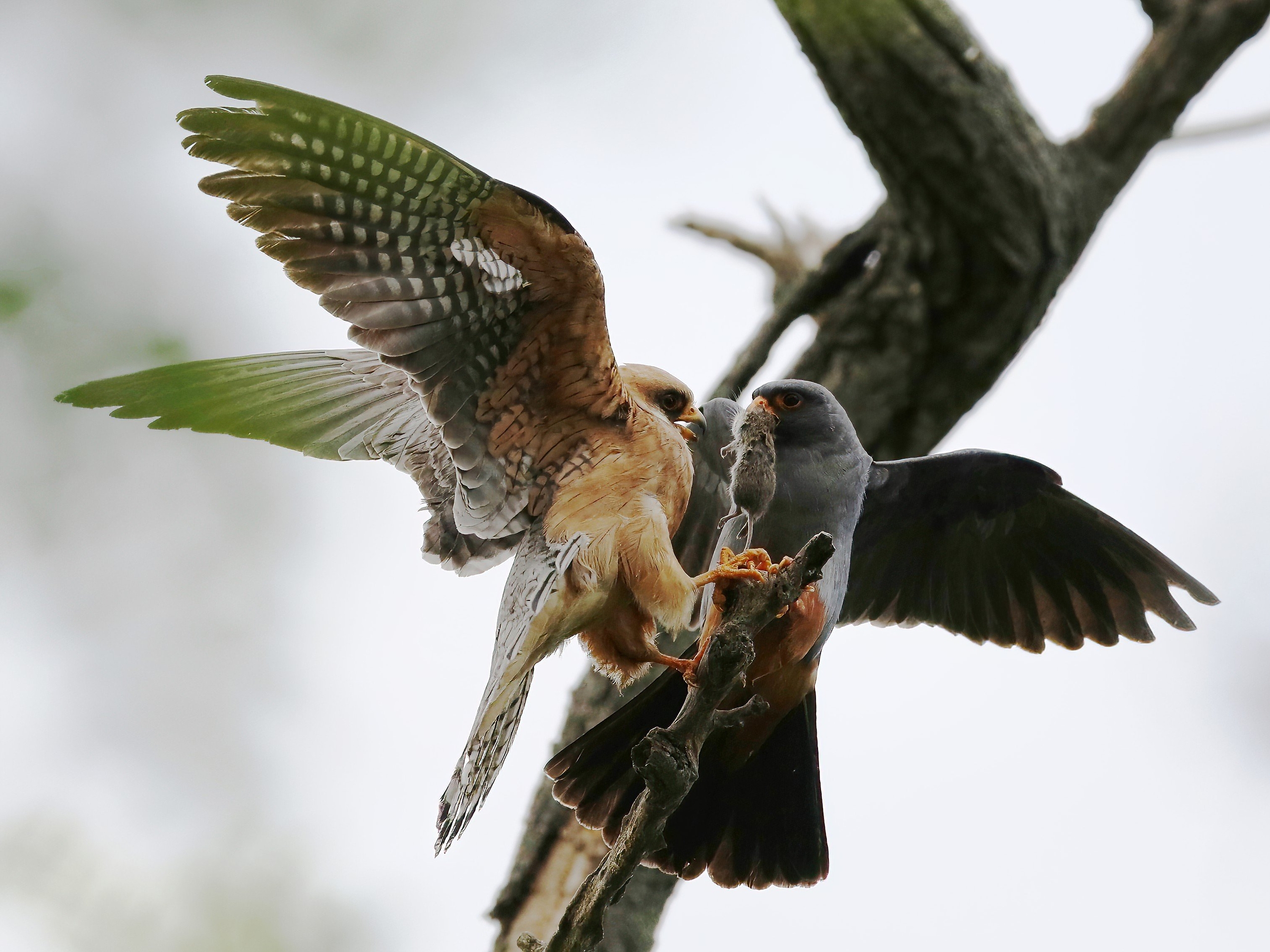
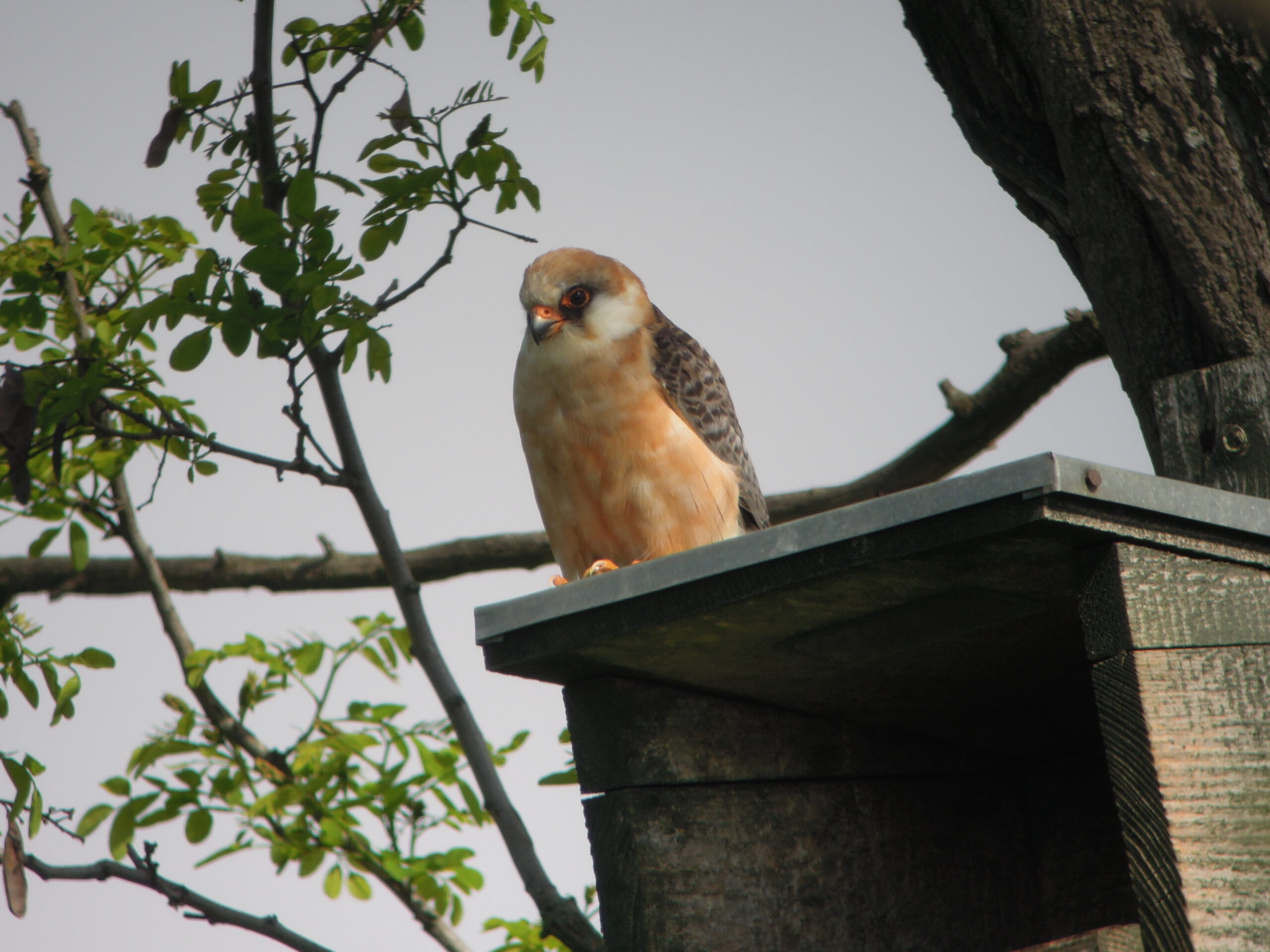
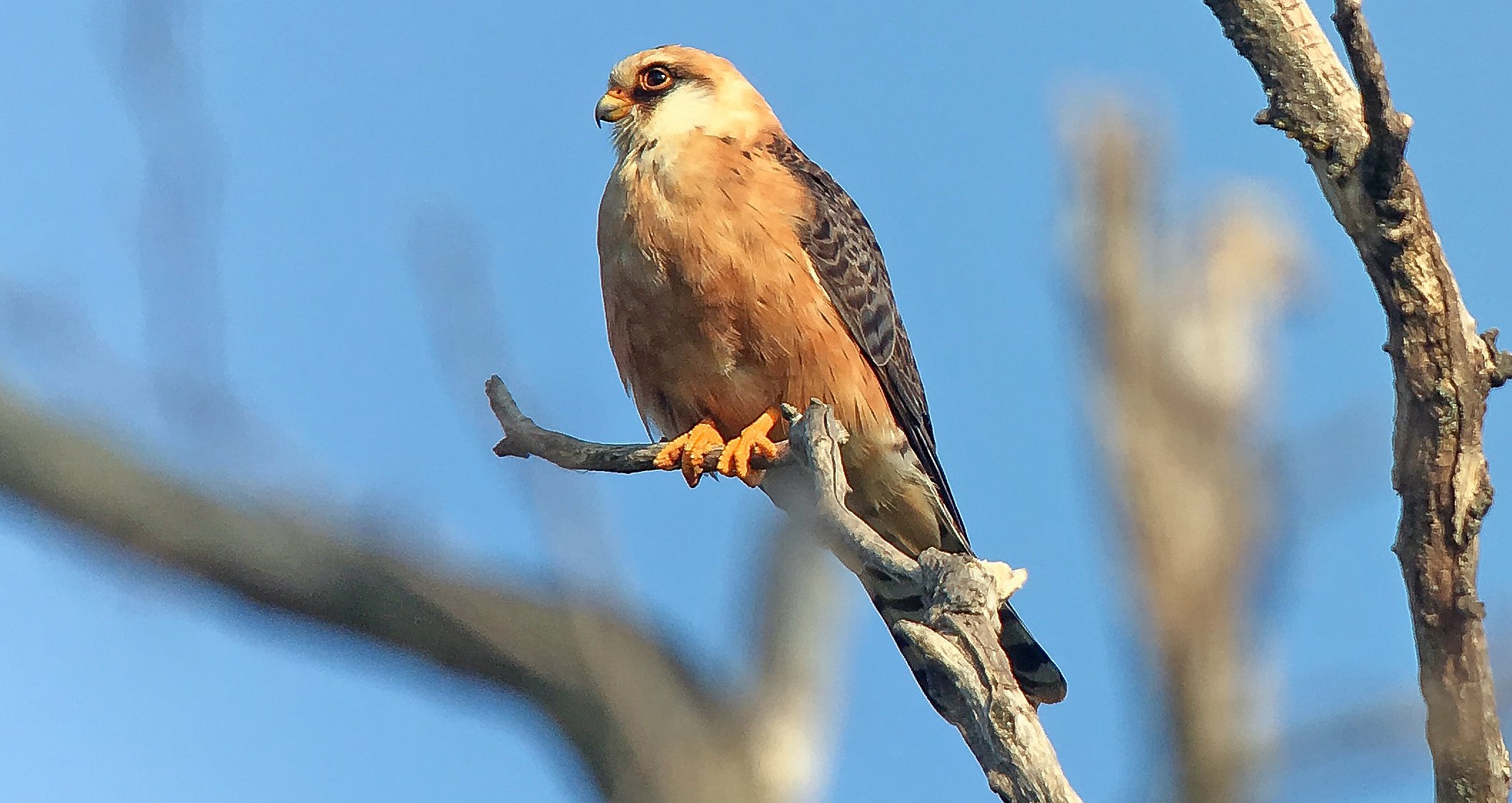
Close encounters with the beautiful Red-footed Falcon is another potential highlight and we should have the privilege of seeing this delightful little raptor at a breeding colony.
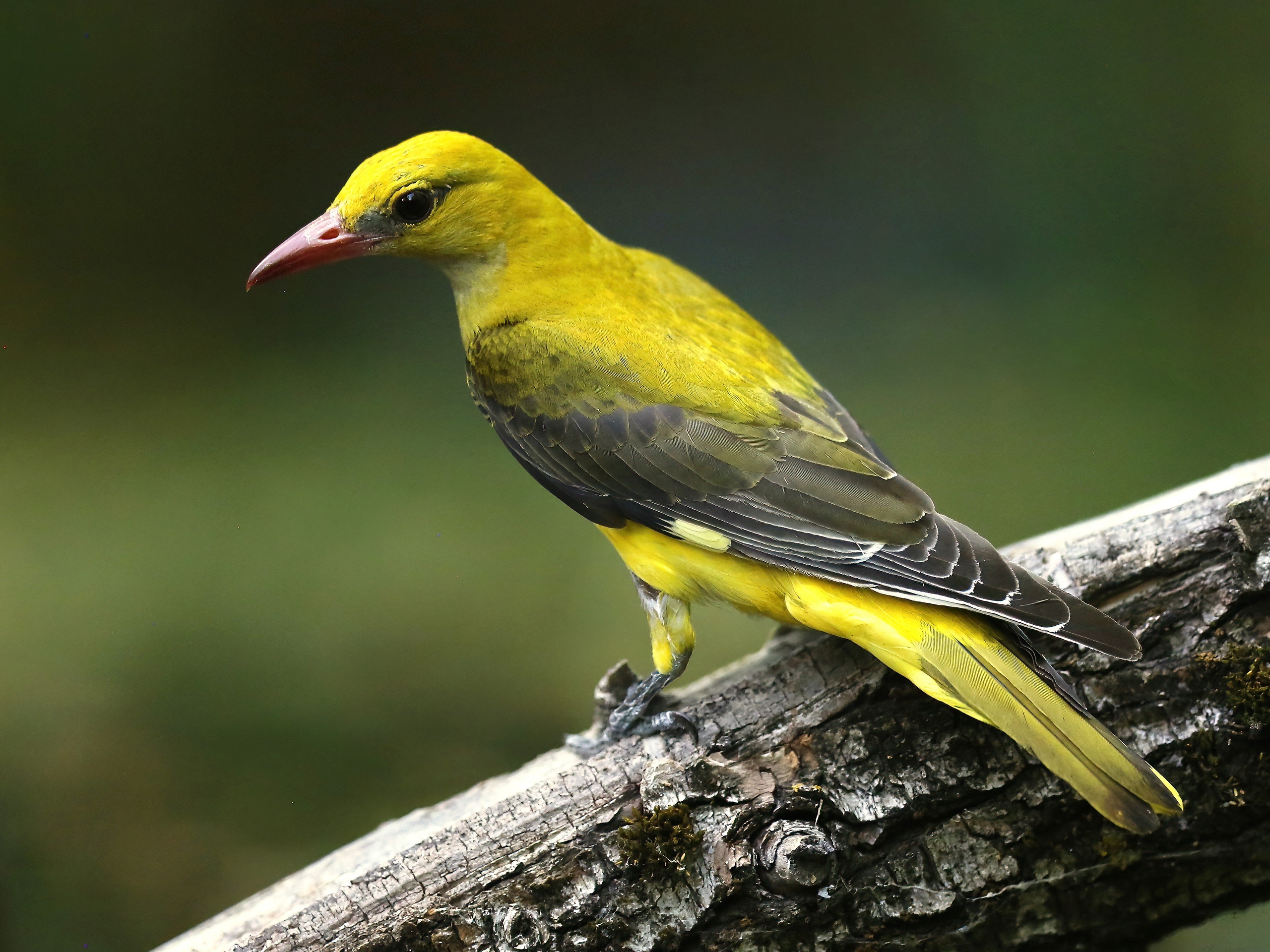
Our rural lodge is thatched and has a lovely garden, so there will be lots to keep us occupied during our stay. The fluting of Golden Orioles and the purring of Turtle Doves is often audible from our rooms and for keen photographers, there will be the opportunity to use a selection of carefully located hides within the lodge’s grounds to photograph a variety of species.
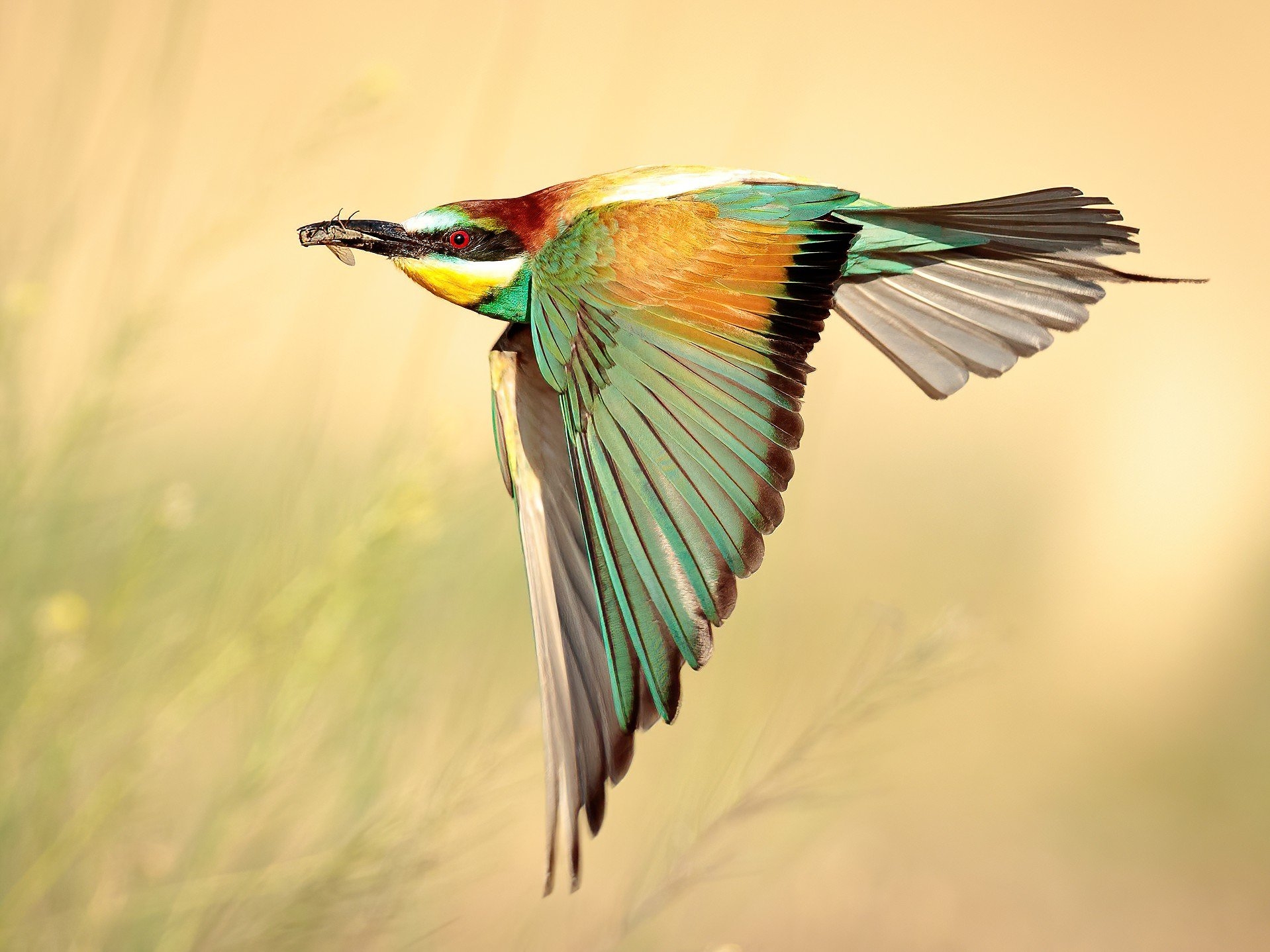
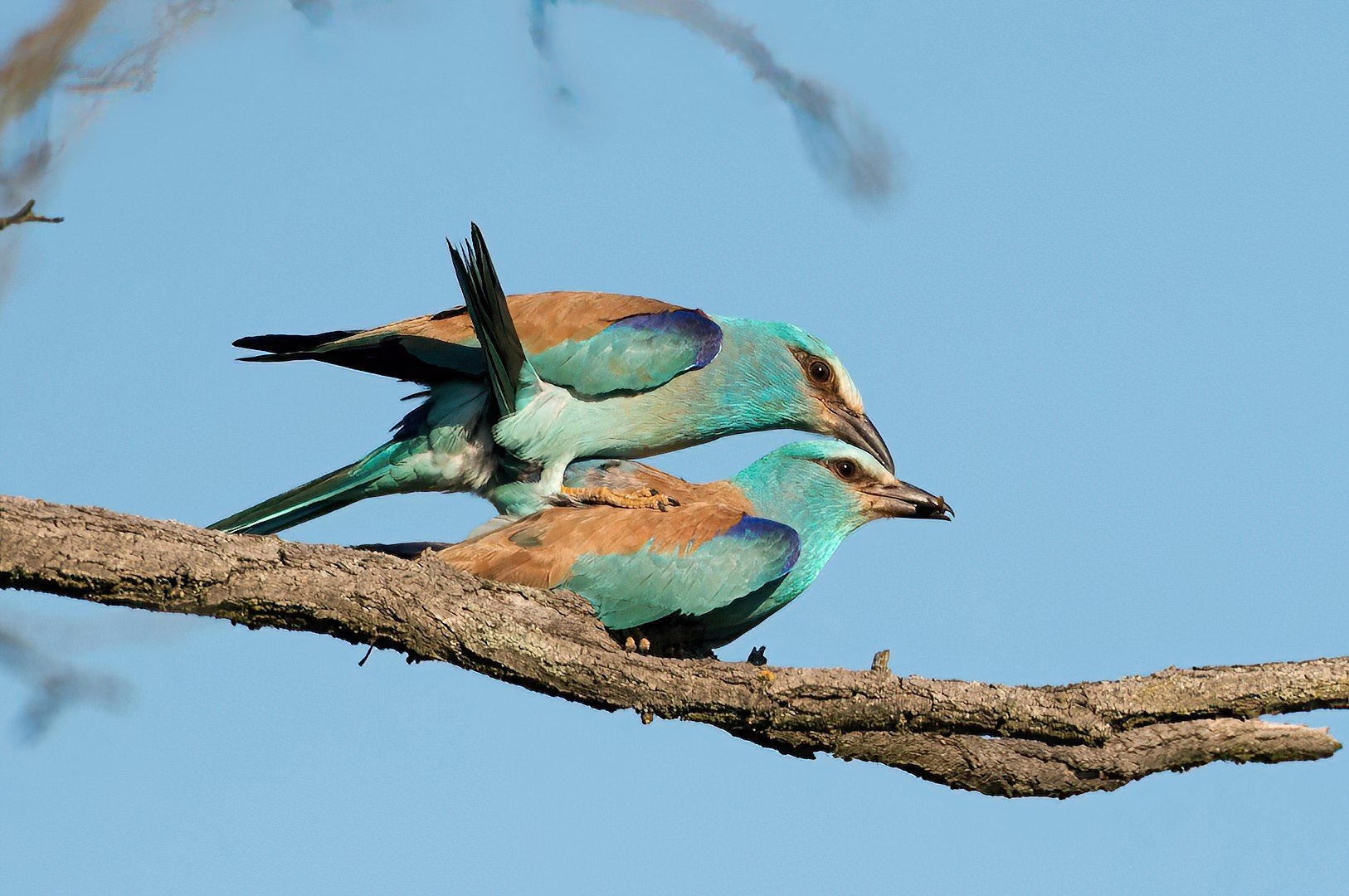
Exploring the grasslands close to the lodge, we expect to find colourful Rollers and both Lesser Grey and Red-backed Shrikes, whilst Bee-eaters will be calling overhead. We should have the opportunity to visit a couple of nesting colonies to watch the comings and goings as the adults bring food to their burrows.
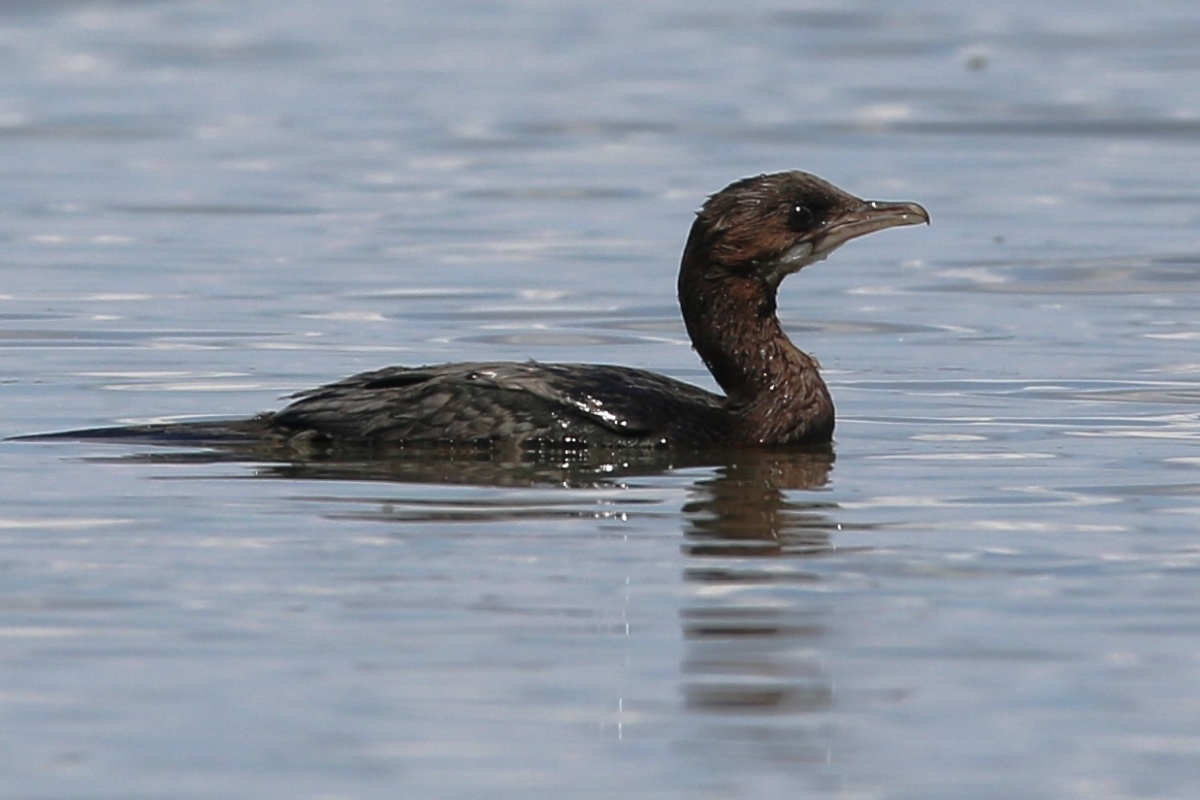
The park’s fishponds, oxbows and alkaline lakes are alive with birds with breeding colonies of egrets, herons, Pygmy Cormorants, Spoonbills and Whiskered Terns, while Little Bitterns, Great Reed, Moustached and Savi’s Warblers, Penduline Tits and Bearded Reedlings inhabit the reedbeds.
Areas of forest are home to Honey Buzzard and Black Stork, as well as Black, Lesser Spotted and Middle Spotted Woodpeckers.
After five days exploring these rich and varied habitats, we will head across the Great Hungarian Plain towards the southern slopes of the Bukk Hills. We are likely to make several stops along the way including a roadside site which can be good for raptors with both Eastern Imperial Eagle and Saker Falcon amongst the possibilities.
Arriving at our family-run small hotel, we have two full days to explore the slopes, valleys, beech woods and meadows of the Bukk Hills. There is a very different suite of birds to look for here and the old beech forests are an excellent place to find an impressive range of woodpeckers. Grey-headed, Black and White-backed are all possible, and we will also hope to see Middle Spotted and Syrian, as well as the very different looking Wryneck.
Another destination we plan to visit is some wet mountain meadows where Corncrake and River Warbler breed, whilst nearby drier scrub is inhabited by Barred Warbler, Wood Warbler, Collared Flycatcher and if we are fortunate, summer plumaged Red-breasted Flycatcher.
The southern slopes are also home to an impressive number of birds of prey and we will have more chances for Eastern Imperial Eagle and Saker Falcon but could also find Goshawk and Lesser Spotted Eagle. These forests are also the home of Ural Owl and we will most definitely hope to also find this impressive species.
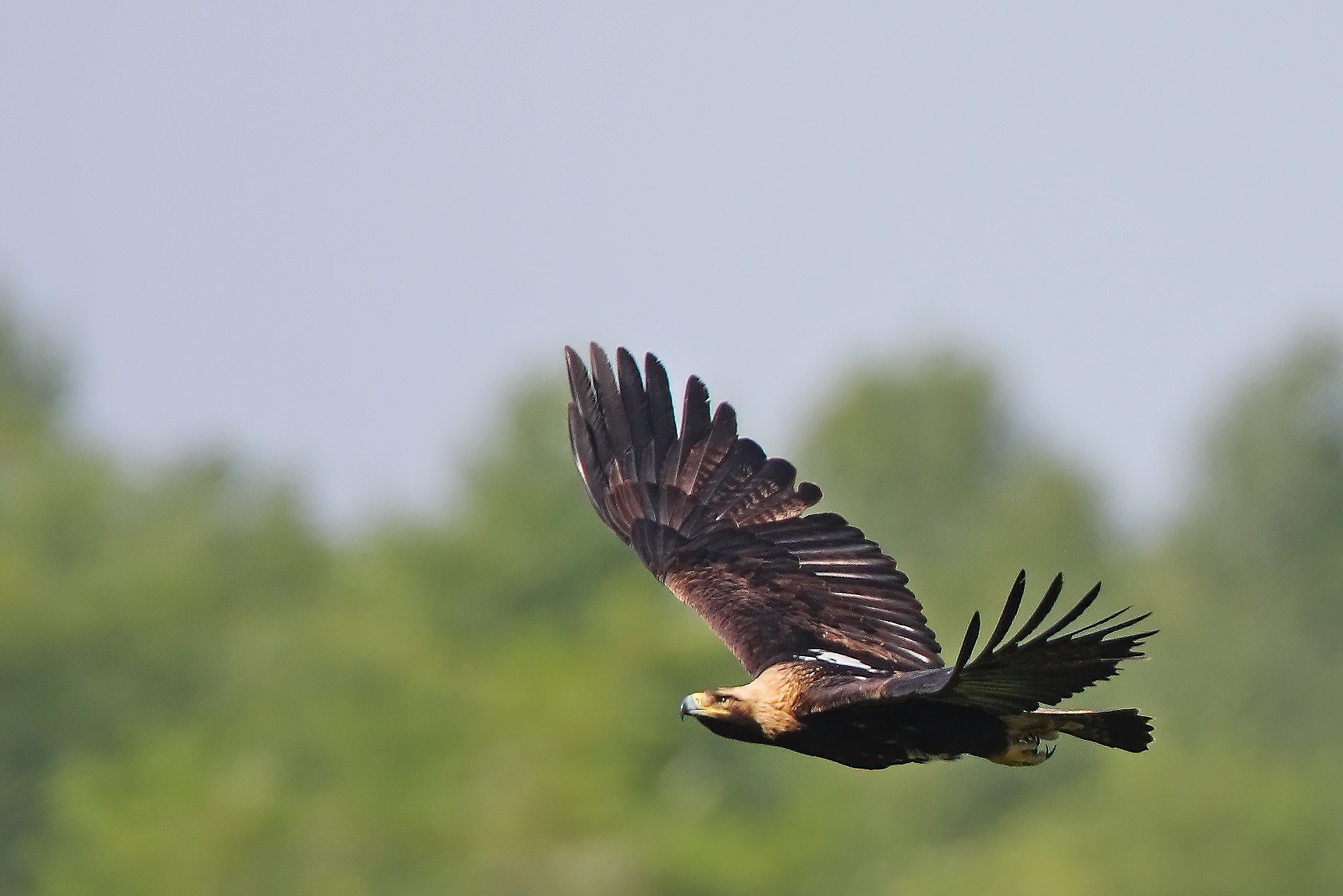
The plans for our final full day will largely be determined by what we have (or haven’t seen) but we are likely to head into the central part of the Bukk Hills where there are a combination of gorges, beech forests and meadows. Raptors in this area could include both European Honey Buzzard, Golden Eagle and Short-toed Snake Eagle, whilst the woods will provide more chances to look for woodpeckers as well as other species such as Hawfinch, Collared Flycatcher and Marsh Tit.
Depending on flight times, there may be time for some final early morning birding before we head back west to Budapest for our flights back to the UK.
Day 1
FLY TO BUDAPEST, TRANSFER TO KISKUNSAG NATIONAL PARK
Our spring birdwatching and wildlife tour to Hungary begins with a flight to Budapest, the Hungarian capital. We will be met on arrival by Gábor and his wife Andrea and head south for around 90 minutes to reach their home, the Kondor Eco-Lodge, with the busy airport motorway soon giving way to deserted country lanes!
We expect to arrive at the lodge in the early evening and having checked in to our rooms, we can relax over the first of what should be many delicious Hungarian dinners, perhaps washed down with draught lager or a glass or two of the famous red wine Egri Bikavér, the Bull’s Blood of Eger. Set in the heart of Kiskunság National Park, this tranquil lodge will be our base for the first section of the holiday. Night at Kondor Eco-lodge, Kiskunság National Park
Day 2
KISKUNSÁG NATIONAL PARK
Kondor Eco-lodge is situated in a small area of woodland and the grounds are cool, shady and a haven for wildlife. From our rooms, we may hear the fluting song of the Golden Oriole, the purring of Turtle Doves or the staccato call of Lesser Spotted Woodpecker, whilst Black Redstarts often breed in the lodge buildings and Short-toed Treecreeper, Spotted Flycatcher and Hawfinch are all regular visitors.
There will be an opportunity each day to wander in the tranquil gardens before breakfast. The dining room table will be laid out with a range of cereals, yoghurts, salads, cold meats and cheeses, home-made jams and fruit. From this sumptuous fare, we make up our own picnic lunches as part of our daily routine.
A short stroll along a nearby track takes us deeper into the forest, which is home to European Honey Buzzard, Goshawk and Black Woodpecker, then on to a clearing where it is sometimes possible to see Red-backed Shrike, Woodlark, Wryneck and Barred Warbler.
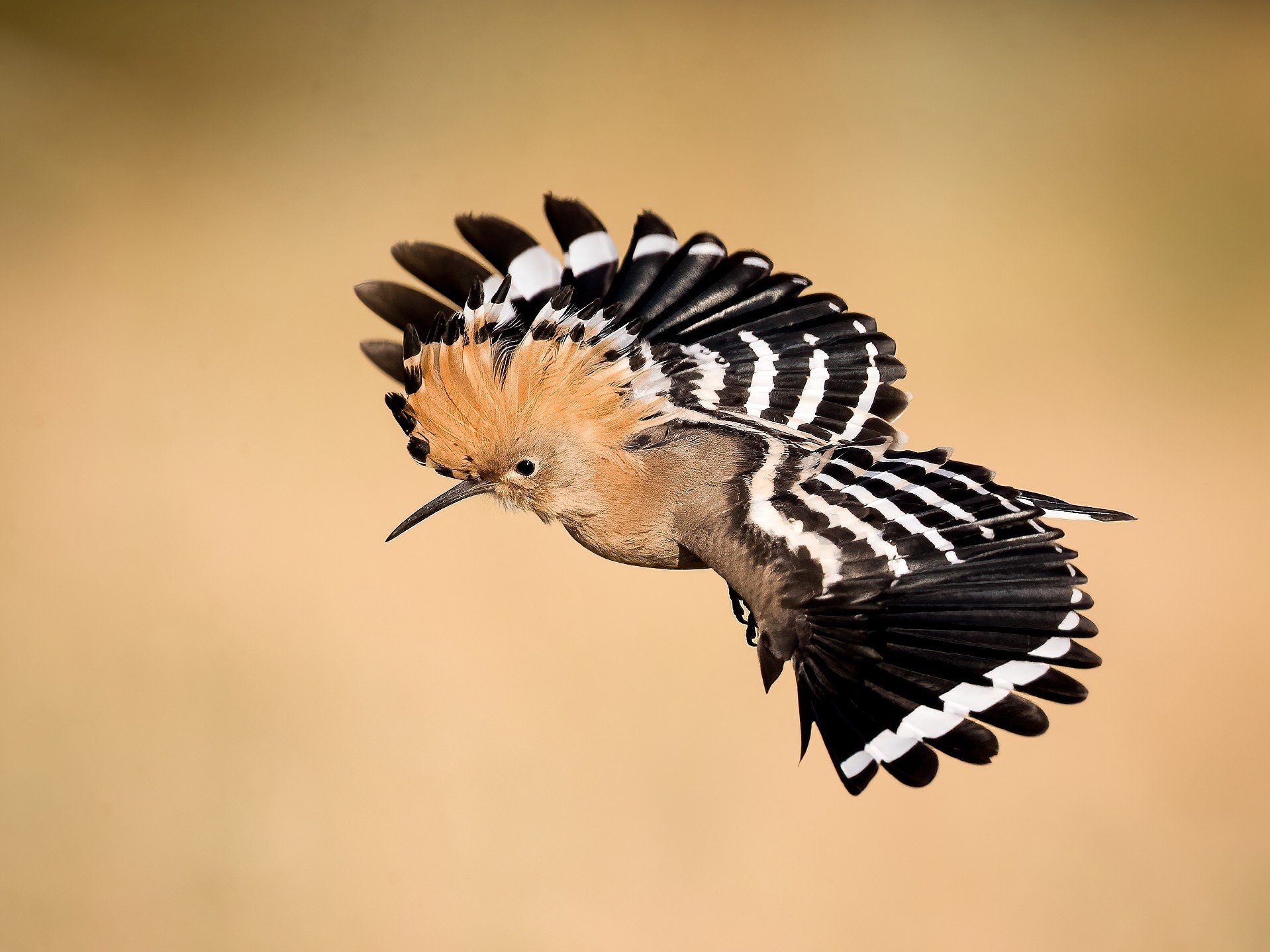
Walking in the opposite direction a path alongside a large hay meadow provides opportunities to look for Rollers, Bee-eaters, Hoopoes and Lesser Grey Shrikes, and marvel at the variety and number of birds in the area.
During the afternoon, we may visit an area where Bee-eaters nest in holes in the ground right next to the track and these gorgeous birds allow close approach without being disturbed.
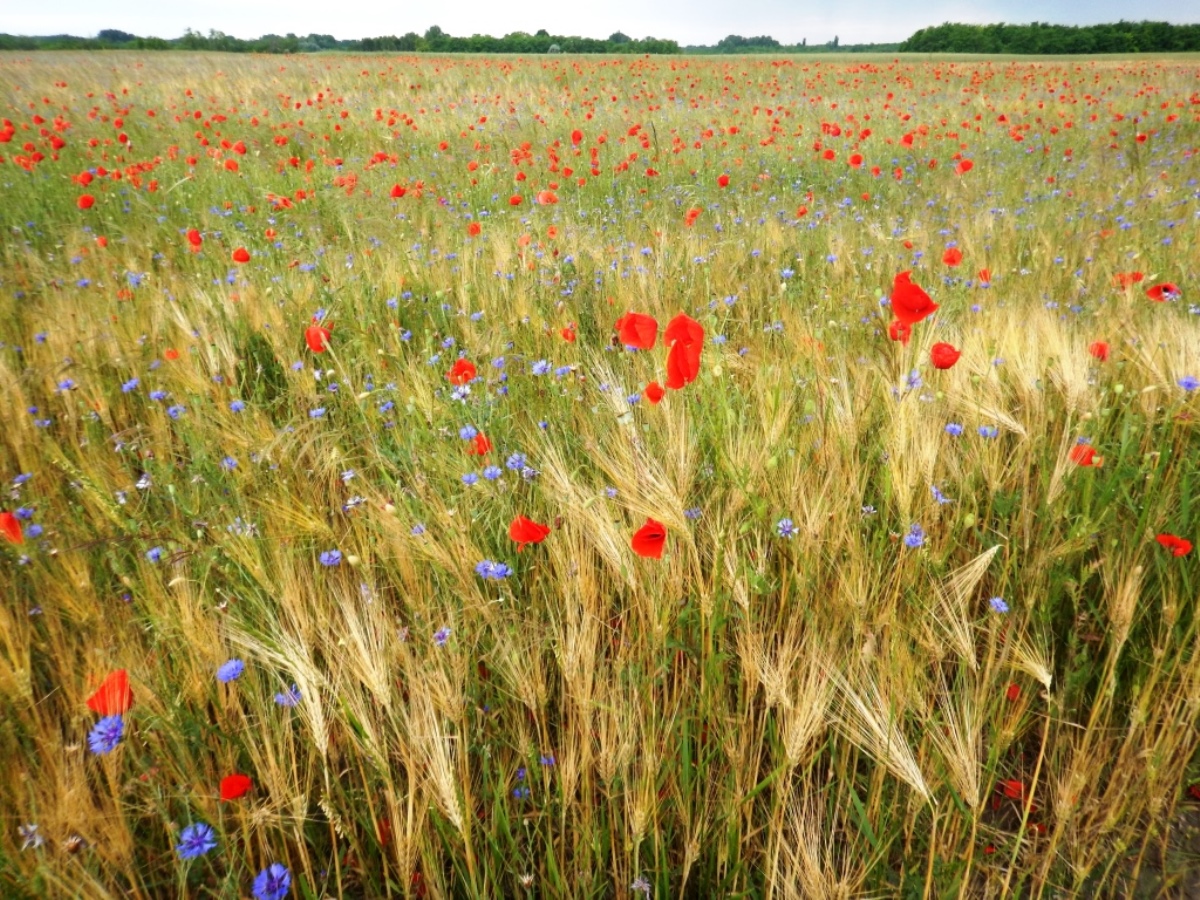
The flat grassy plains of the Hungarian puszta have several different habitat types ranging from dry grassland to marshy meadow and other birds we might see in this area include Little Owl, Corn Bunting, Crested Lark and Tawny Pipit. Quails call from time to time and the concentration of Rollers in Kiskunság undoubtedly makes it one of the best places in Europe to observe this colourful species. Indeed, the population here is bucking the general trend and is believed to have the highest density in Central Europe due to the tireless efforts of the local conservationists in putting up nest boxes.
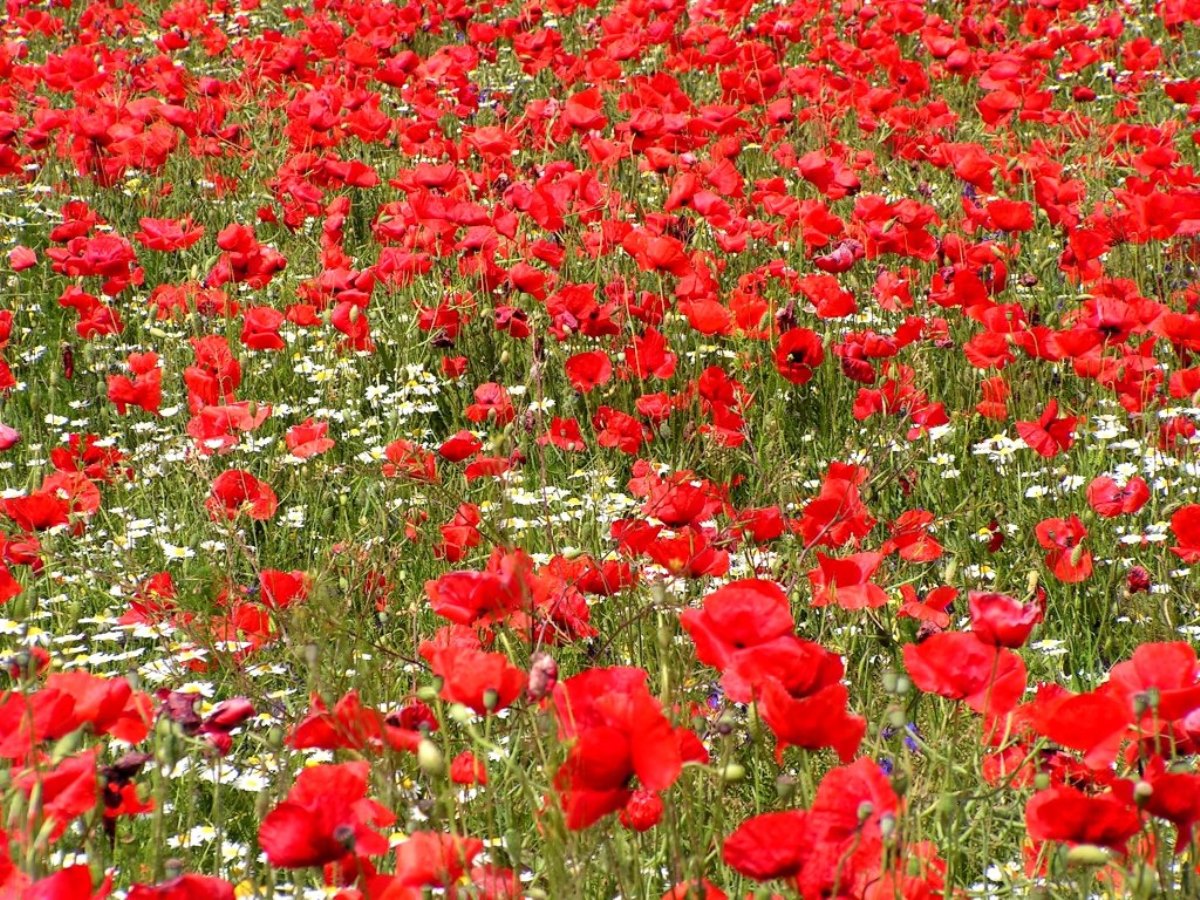
During the summer months, Kiskunság’s roadside verges and flower-rich meadows are filled with butterflies and whilst our tour is a little early for the maximum variety, we still hope to see a good range of species. Five further nights at Kondor Eco-lodge
Day 3
UPPER KISKUNSÁG NATIONAL PARK
After a day enjoying the wildlife near the lodge, we will head a little further afield, although none of the drives from Kondor are especially long, with nowhere more than an hour or so from our accommodation.
The north Kiskunság is perhaps the best place to search for Great Bustards in some of the more remote puszta. The Park hosts one of the largest populations in Europe of this declining species but perseverance and patience may still be required to find them.
Although the Kiskunság is largely flat, a small hill increases our chances of spotting a bustard and is also a good place to scan for raptors. We will hope to see the rare Eastern Imperial Eagle, as well as Montagu’s Harrier and Saker Falcon.
A colony of Bee-eaters in a nearby small quarry should allow yet more photographic opportunities and there are also chances for Collared Pratincole, before we make for a vast area of fishponds.
From a centrally placed tower hide overlooking the water, we will look for Pygmy Cormorant, Black-winged Stilt and Squacco Heron, as well as ducks such as Garganey, Ferruginous Duck and Red-crested Pochard. Great Egret, Purple Heron and Marsh Harrier are all possible with both Savi’s and Great Reed Warblers plus Bearded Reedlings sometimes right below us.
Continuing onwards, our final stop will be a Red-footed Falcon colony. These beautiful birds breed in Rooks’ nests and, because our chosen spot is used by general tourists, the birds have been habituated to people and allow us to observe them from remarkably close range. White Storks often nest here too and should provide a fitting end to a varied and bird-filled day.
Day 4
CENTRAL KISKUNSÁG NATIONAL PARK
Prior to breakfast, we plan to visit a meadow bordered by poplars which is a favoured place for Golden Orioles and we may well find more Rollers here too.
After eating, we will then head west to area of fishponds and gallery forest hopefully finding a perched Little Owl along the way. Reaching our first destination of the day, we will explore the waters edge and willow trees in the hope of finding Penduline Tit attending their wonderfully ornate nest.
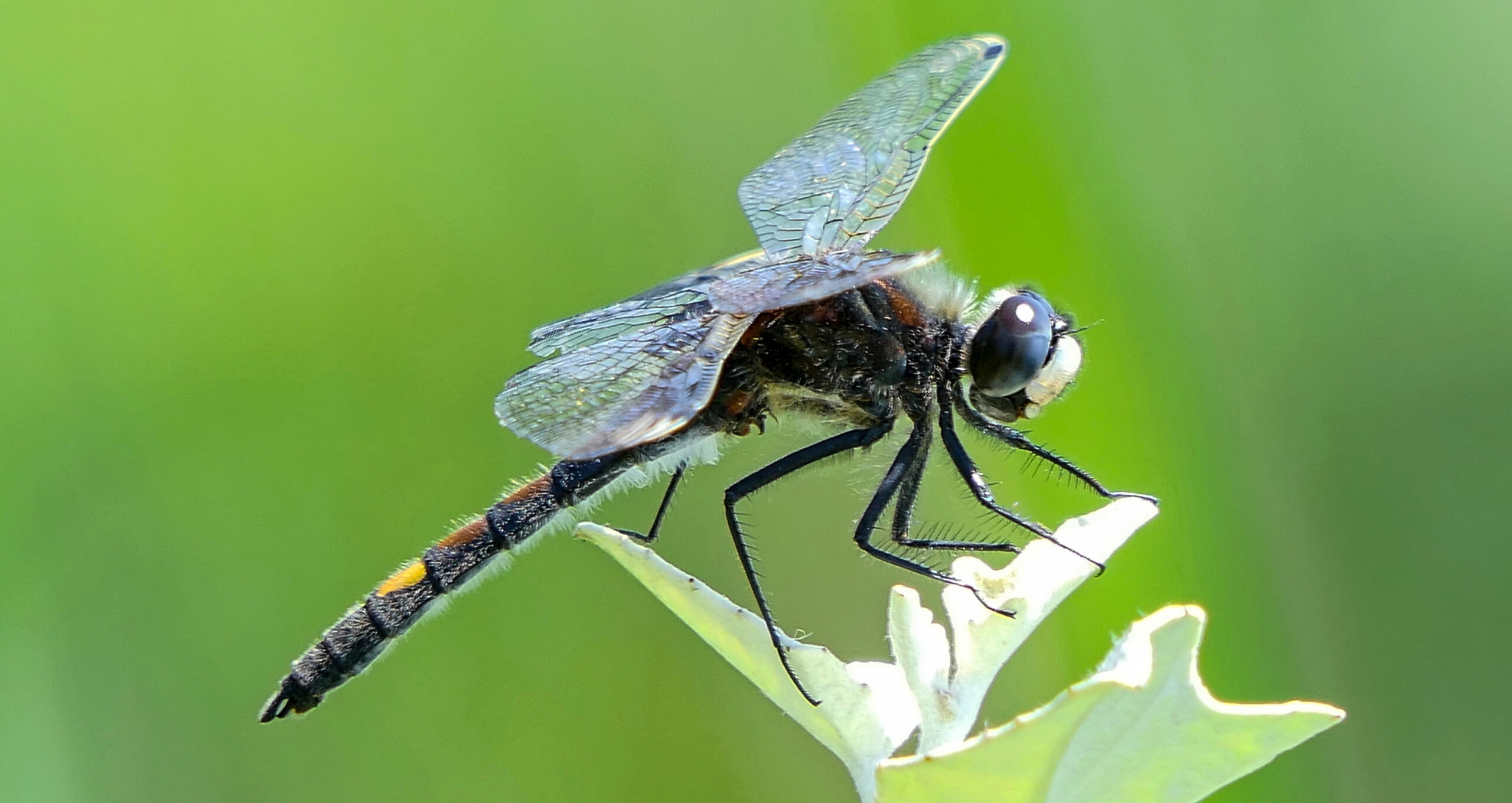
Both Icterine Warbler and Nightingale also occur here, along with an number of dragonflies and butterflies. These could include Black-tailed and White-tailed Skimmers, Norfolk Hawker and White-legged Damselfly, however, the area is also rich in butterflies with Clouded Yellow, Short-tailed Blue and Lesser Purple Emperor all possible.
The nearby woods provide nesting sites for Black Woodpecker and this will be hard to miss if it is around.
We will then continue onward to an area of alkaline lakes and grasslands where we can expect to find more Red-footed Falcons and there could also be nesting Long-eared and Little Owls.
If the road and weather conditions are suitable, we can drive to a lookout platform where Avocet, Spoonbill and a variety of ducks and shorebirds can be seen. Whilst most species of wader will be on their nesting grounds further north, it is possible we might see Ruff, Black-winged Stilt, Green Sandpiper and possibly even Kentish Plover, whilst a visit to the surrounding reedbeds could add Great Reed, Reed and Sedge Warblers, along with the chance of Bluethroat.
During the heat of the day, we may well head to a coffee shop or restaurant for a cold drink or ice cream before continuing to a site to look for Black Stork.
We are likely conclude the excursion with a stop at an agricultural area where a pair of Saker Falcons can often be found hunting.
Returning to the lodge for a slightly earlier dinner, the day will conclude with an optional short stroll to a large clearing where at around 20:30 or so we hope to hear the first Nightjars churring. The males are often very active and if we are fortunate and find one perched in the open, we will aim to put a telescope on it.
Day 5
EASTERN KISKUNSÁG NATIONAL PARK
After breakfast, we will drive for around an hour to the floodplain of the River Tisza on the eastern side of Kiskunság National Park. This area is pitted with oxbow lakes which hold high concentrations of waterbirds. As we stroll slowly through an area of forest on our way to one of the lakes, we will be on the lookout for Middle Spotted, Grey-headed and Black Woodpeckers, as well as commoner woodland species.
Black Storks nest in the area and we will also want to look at any treecreepers we find as it is possible to find both Common Treecreeper and Short-toed Treecreeper here, with this being one of relatively few places where both occur together. Common Glider and Map Butterfly, along with Winter and Willow Emerald Damselflies are all possible in the rides and clearings.
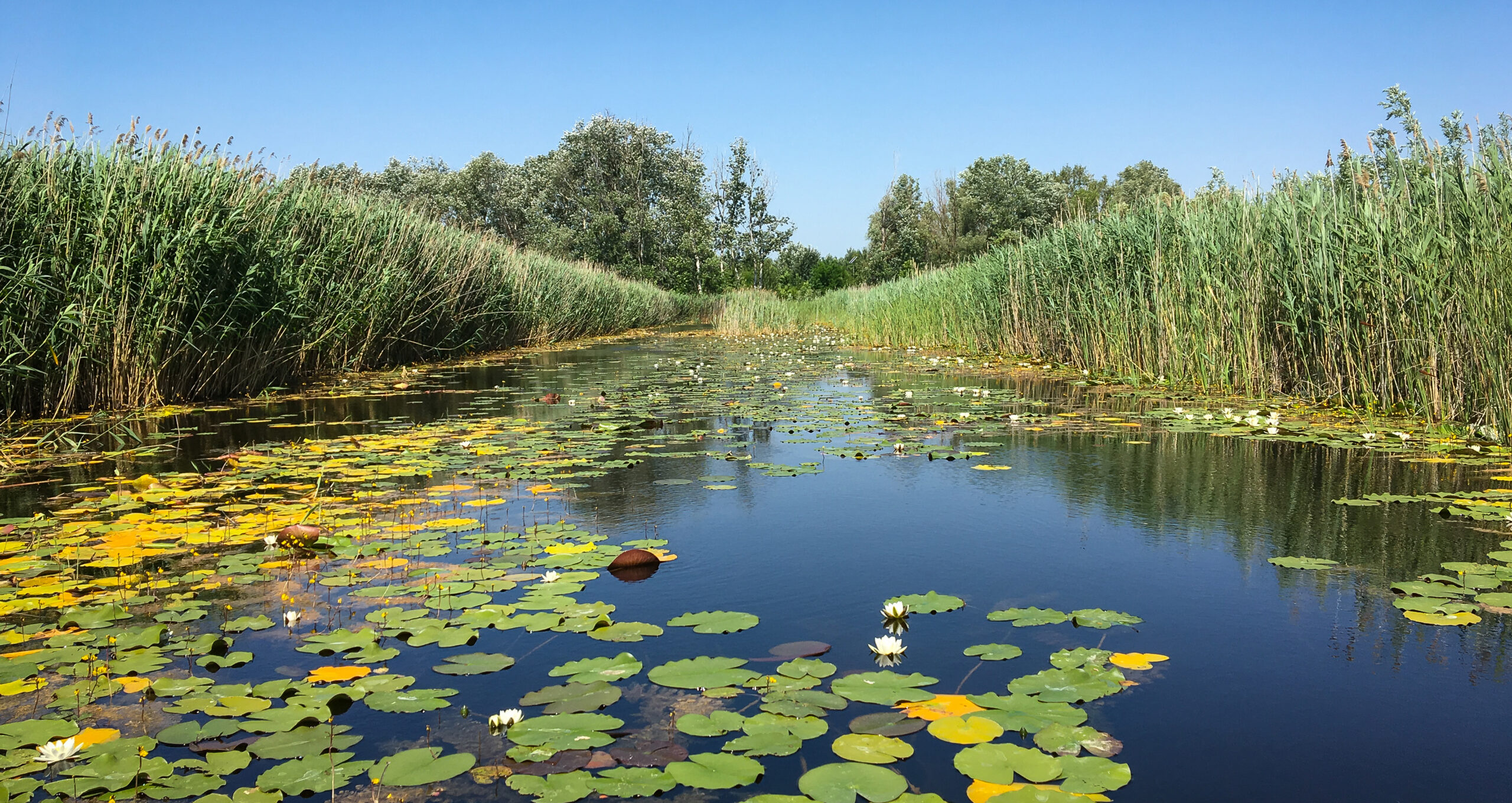
We will enjoy our picnic in a tranquil park where there could be species such as Golden Oriole, Syrian Woodpecker, Wryneck and European Bee-eater before continuing on to another lake which is often covered in water lilies and provides ideal habitat for Whiskered Terns and Squacco Herons. There are often impressive numbers of birds here and amongst the species we could see are Great and Pygmy Cormorants, Great and Little Egrets, Purple and Black-crowned Night Herons and Black-necked Grebe, as well as Ferruginous Duck and Garganey.
Day 6
SOUTHERN KISKUNSÁG NATIONAL PARK
Today, our goal is to find one of Hungary’s localised specialities, Moustached Warbler, and we plan to visit a vast reed bed which is home to one of the largest populations of this special breeding species. The birds typically arrive back very early from their wintering grounds and and start breeding almost immediately so are likely to already have young by the time of our visit. Nevertheless, there is a decent chance we will still be able to hear some males singing as they typically start doing this again after the first clutch has fledged.
Pygmy Cormorant, Bearded Reedling and Purple Heron are all also likely at this location and we can expect to see Hobbies decimating the abundant dragonfly population which occurs in the area.
We will then explore a channel where Little Bittern, Little Owl, Roller and Bee-eater can be found before reaching a vast grassland which provides a second chance to see Great Bustard. This area is also good for hunting raptors and Eastern Imperial Eagle, Saker Falcon and Red-footed Falcon are all possible.
Depending on timings, on our way back to our accommodation, we may make a final stop to explore a site where Woodlark, Golden Oriole and Black Woodpecker can be seen.
Day 7
TRAVEL FROM KISKUNSÁG NATIONAL PARK TO BUKK HILLS
After several days exploring the varied habitats of Kiskunság National Park, we will have a last few hours around Kondor Eco-lodge hoping to see species such as Goshawk, Lesser Spotted Woodpecker, Hawfinch, Short-toed Treecreeper and Turtle Dove.
Following lunch, we will then head off across the Great Hungarian Plain for the southern slopes of the Bukk Hills. We plan to break the journey with several stops, primarily concentrating on looking for anything we may not have seen so far.
One of these is likely to be at Lake Tisza which is within the Hortobagy National Park as this can be a good place to catch up with any lakeside and waterbirds we may have missed. Another location provides a good opportunity to look for raptors soaring on the afternoon thermals with both Eastern Imperial Eagle and Saker Falcon both possible.
We plan to arrive at our family-owned small hotel in the late afternoon/early evening which is located between a local lake and forest. Three nights in Bukk Hills
Day 8
SOUTHERN SLOPES AND VALLEYS OF BUKK HILLS
We are likely to start the day with a pre-breakfast walk through the orchards near our hotel where birds such as Syrian and Middle Spotted Woodpeckers, Wryneck, Hawfinch and Golden Oriole can all be found.
After we have eaten, we will head off in our minibus to a valley where we hope to find Rock Bunting, although on the way we plan to stop at a spot where we will scan for Lesser Spotted Eagle. There is an abandoned quarry in the valley and sometimes Eagle Owls nest here, so if they are present, we will certainly look for this impressive species.
Later, we will visit old beech forests where Grey-headed, Black and the elusive White-backed Woodpecker all occur and we may then head to some wet mountain meadows to look for Corncrake and River Warbler. The nearby scrub is inhabited by Barred Warbler, Wood Warbler and Collared Flycatcher and we will also hope to find Red-breasted Flycatcher, as a few pairs breed in the area.
Another species we will look for is Ural Owl as the woods in this region are home to this impressive species.
After what will hopefully have been another spectacular day, we will return to our hotel for dinner.
Day 9
CENTRAL SLOPES, WOODS, VALLEYS AND MEADOWS OF BUKK HILLS
Following breakfast, we will drive towards the historical town of Eger which is the centre of the wine producing region in Hungary and famous for the Bull’s Blood vintage. A stop before the town will provide an opportunity to look for Honey Buzzard and Short-toed Snake Eagle before we reach the western edge of the Bukk Hills. From here, we plan to take a scenic road which will take us deeper into the central part of the region crossing gorges, huge mountain meadows and dense forests.
We will make a series of short walks targeting any species we may be missing but can expect to see a selection of woodpeckers, as well as Collared Flycatcher, Hawfinch and Marsh Tit. We will also keep our eyes skywards as a good range of raptors are possible with Goshawk and Golden Eagle amongst the species we hope to find.
In the late afternoon, we will return to our hotel for a farewell dinner before our final night in Hungary.
Day 10
BUKK HILLS TO BUDAPEST. FLY TO UK
Depending on flight times, there should be time for some final local birding before we set off for Budapest airport and our flight back to the UK where our tour concludes.
WHAT TO EXPECT
A 10-day natural history tour to Hungary focusing on the birds and other wildlife of this special part of Europe. Our tour is deliberately scheduled at a great time of year to see an array of eastern European species.
You are likely to be impressed not only by the variety of birds but by their abundance and this is especially true in the area close to our accommodation.
Spring temperatures in this part of eastern Europe typically oscillate around 25-30C (77-86F) but exceptionally can reach highs of 35C (95F). Short periods of rain (sometimes heavy) are not unusual. It is rarely windy and the weather forecast is generally reasonably reliable, helping in organising our daily plans.
Good photographic opportunities covering a broad range of wildlife.
BIRDS
130-160 species
Some interesting mammals, amphibians, reptiles, dragonflies and butterflies. We hope to run a moth trap on one evening if the weather is suitable.
ACCOMMODATION
Six nights in simple but comfortable and characterful accommodation, as befits a rural eco-lodge. All rooms are en suite.
Kondor Eco-Lodge is perfectly situated within the Kiskunság National Park of central Hungary and we can expect a warm welcome and delicious, home-cooked Hungarian cuisine often using locally sourced produce.
Our hotel in the Bukk Hills (three nights) is of a similar standard to Kondor Eco-lodge with fantastic birding in the gardens and nearby areas.
MEALS
All main meals are included in the tour price, commencing with dinner following our arrival on Day 1 and concluding with either breakfast or a picnic lunch on Day 10 depending on flight times.
Breakfast and dinner will be taken at our accommodation, whilst our picnic lunches will be enjoyed in the field.
WALKING
Easy. Most walks are short, over good tracks and trails and all are on the flat except one very short hike up a man-made hill. We may enjoy one or two slightly longer walks during the week, although always at a gentle pace.
Sturdy waterproof walking shoes with good corrugated soles for comfort and grip are advised but often something more casual will suffice.
GROUND TRANSPORT
By minibus driven by Gábor or a local driver depending on final group size.
Tour Gallery
View a gallery of images for this tour below, click on an image to view as full size with caption
Ask About This Tour
If you have any questions about this tour, please enter your details here and we will get back to you as soon as possible.
Alternatively, contact us by email or phone. We look forward to hearing from you!
- 01692 580623
- tours@limosaholidays.co.uk
Or complete the contact form and we will endeavour to get back to you as soon as possible.
* = required field

