Cuba
Endemic birds on an island from another age.....
A 13-day small-group birding holiday to the Caribbean island of Cuba focusing on the endemic birds of this unique island
Limosa’s 13-day holiday to Cuba provides the opportunity to see an impressive range of endemics and regional specialities on a Caribbean island which truly remains in another age.
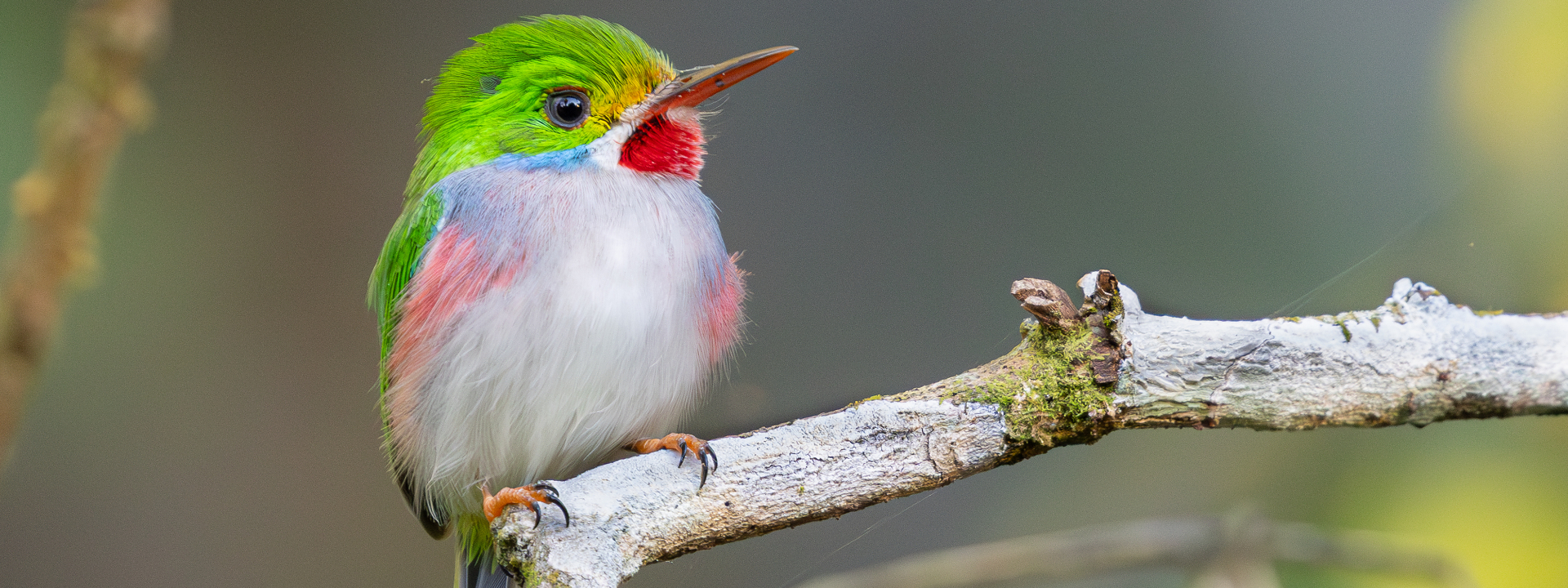
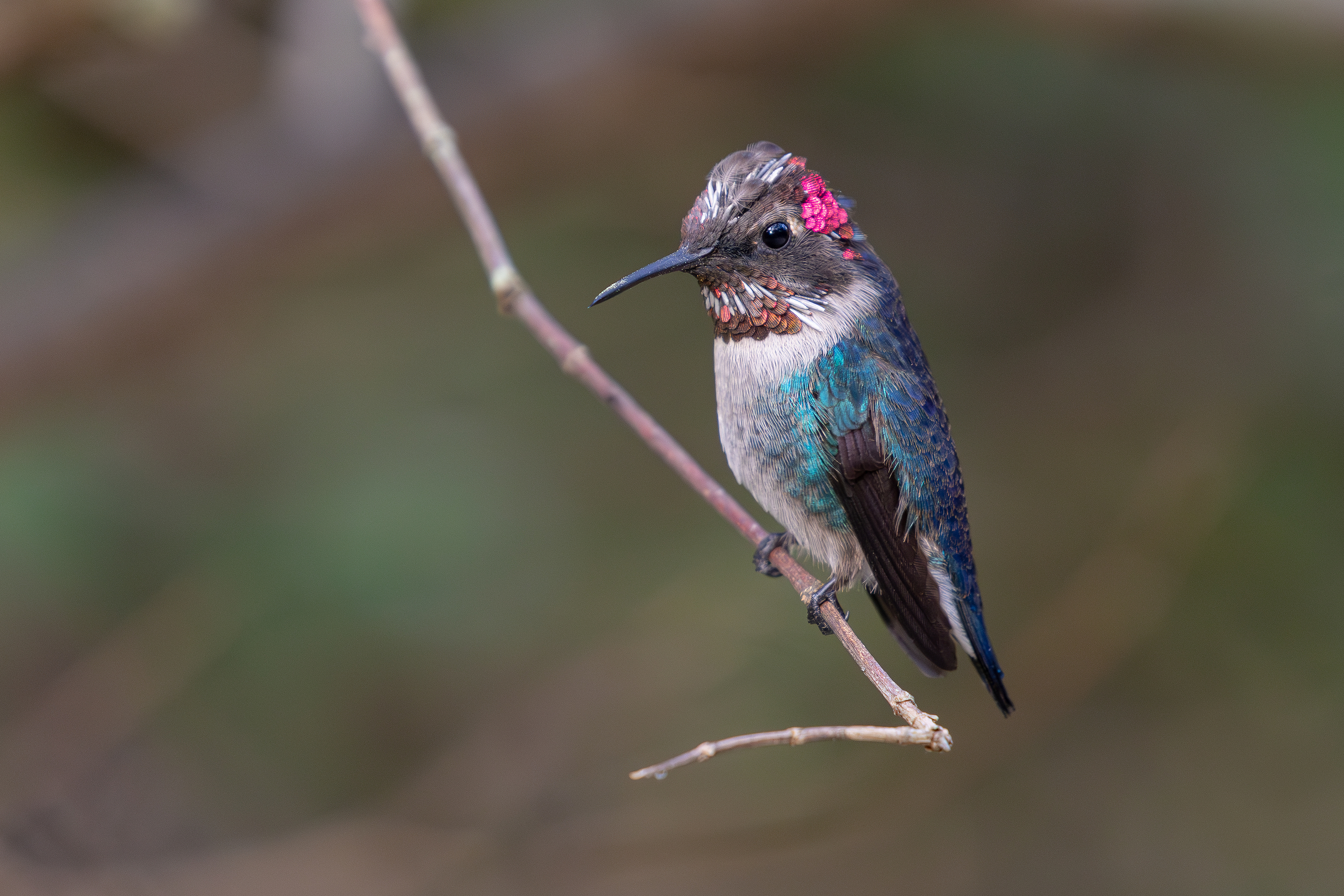
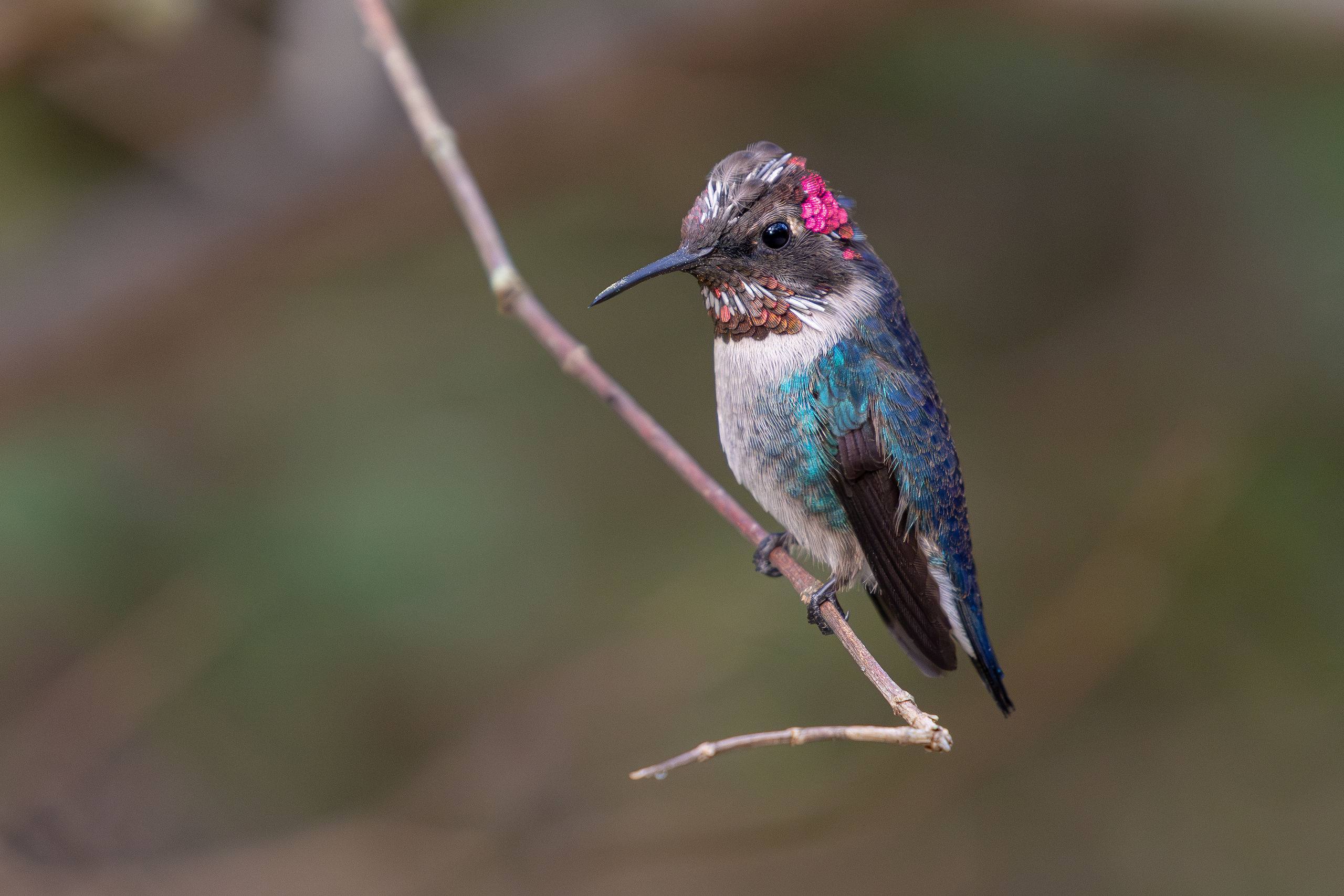
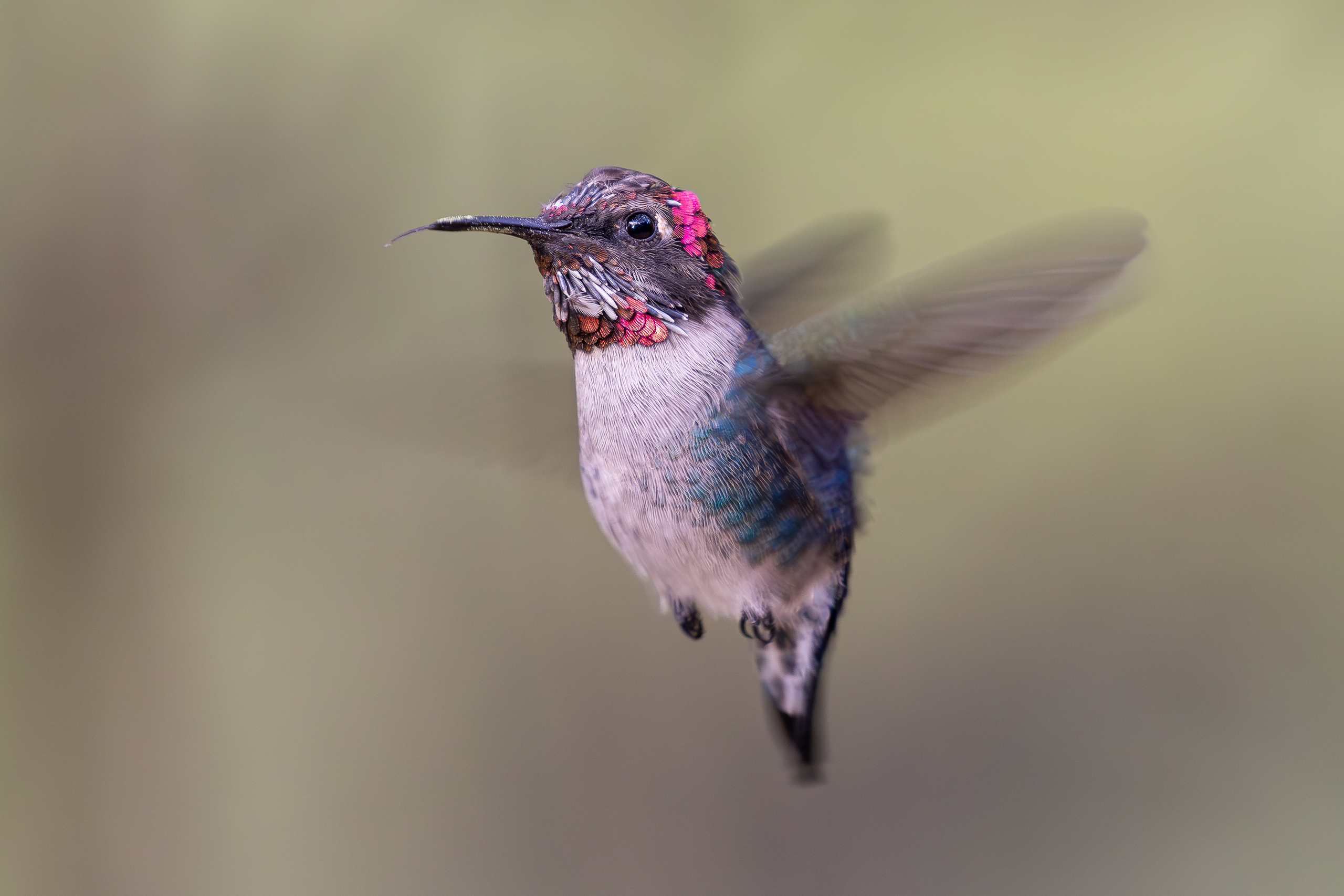
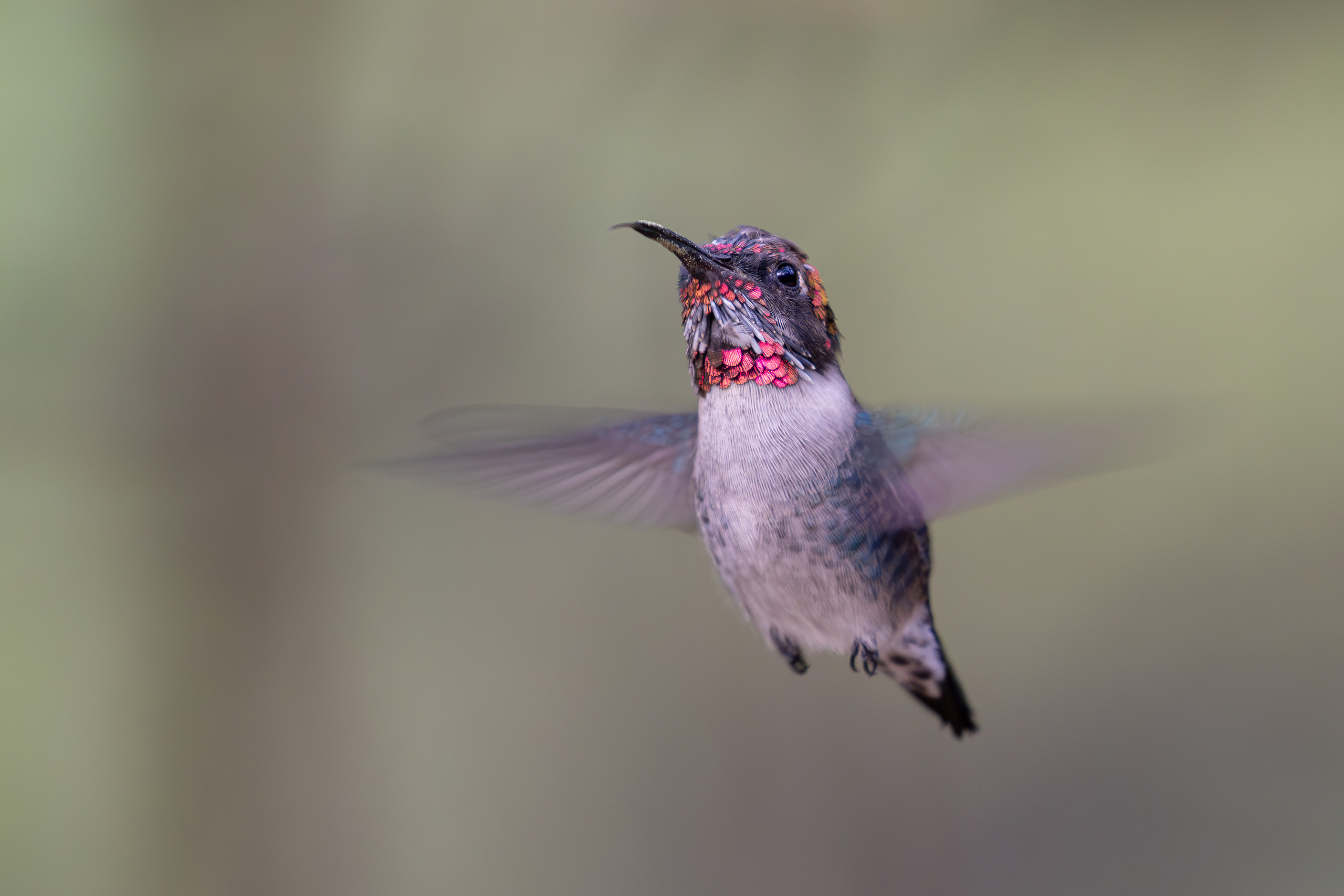
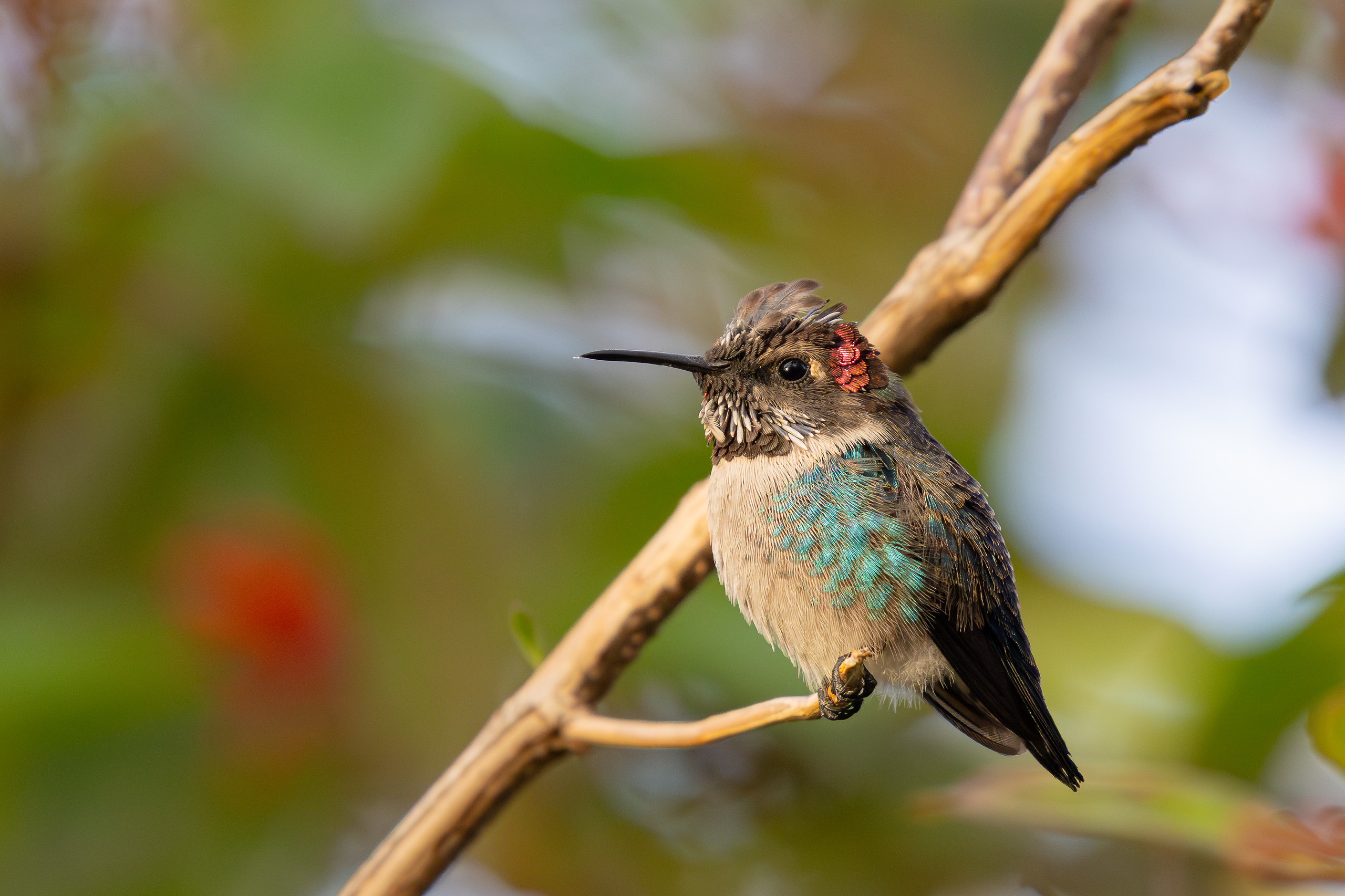
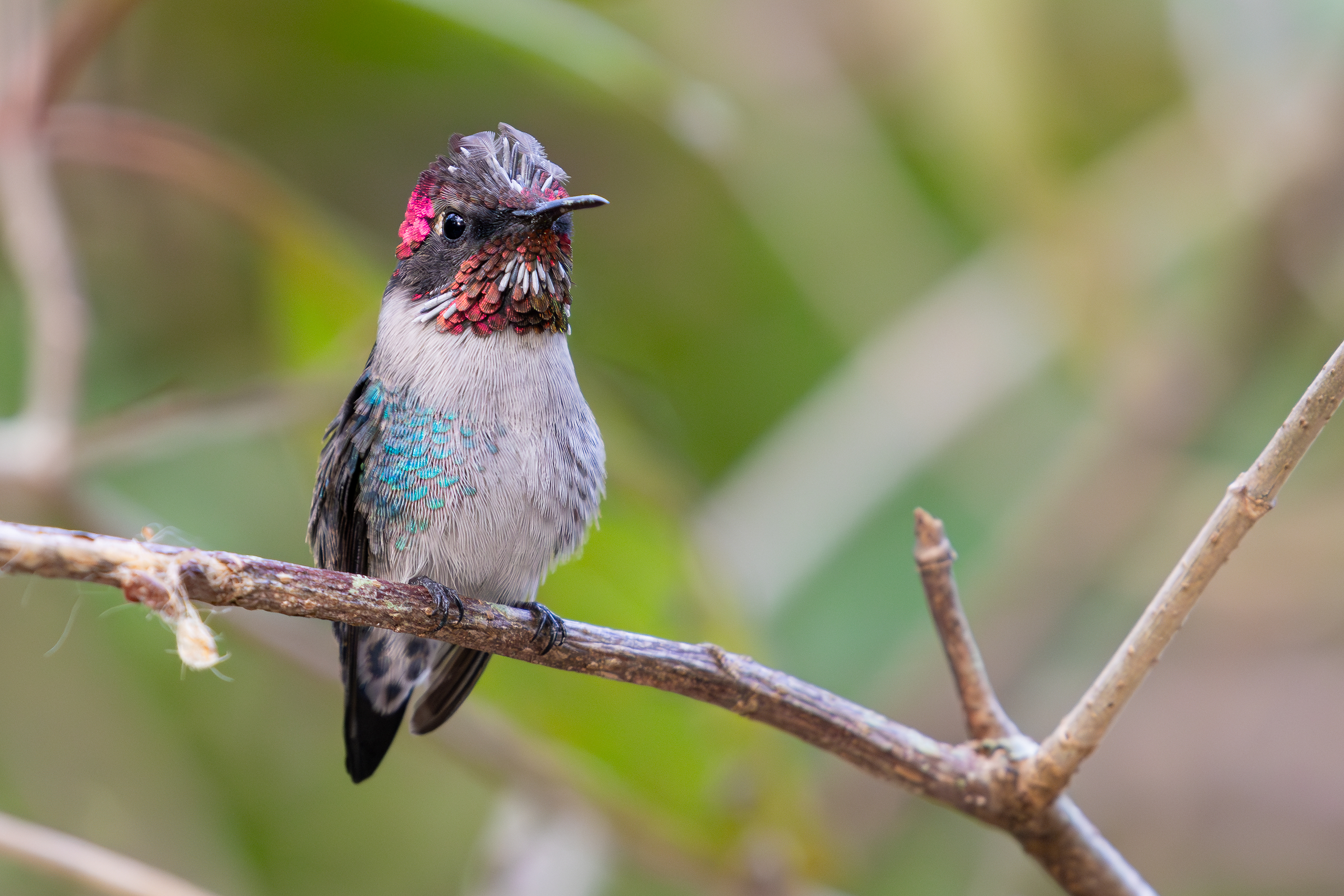
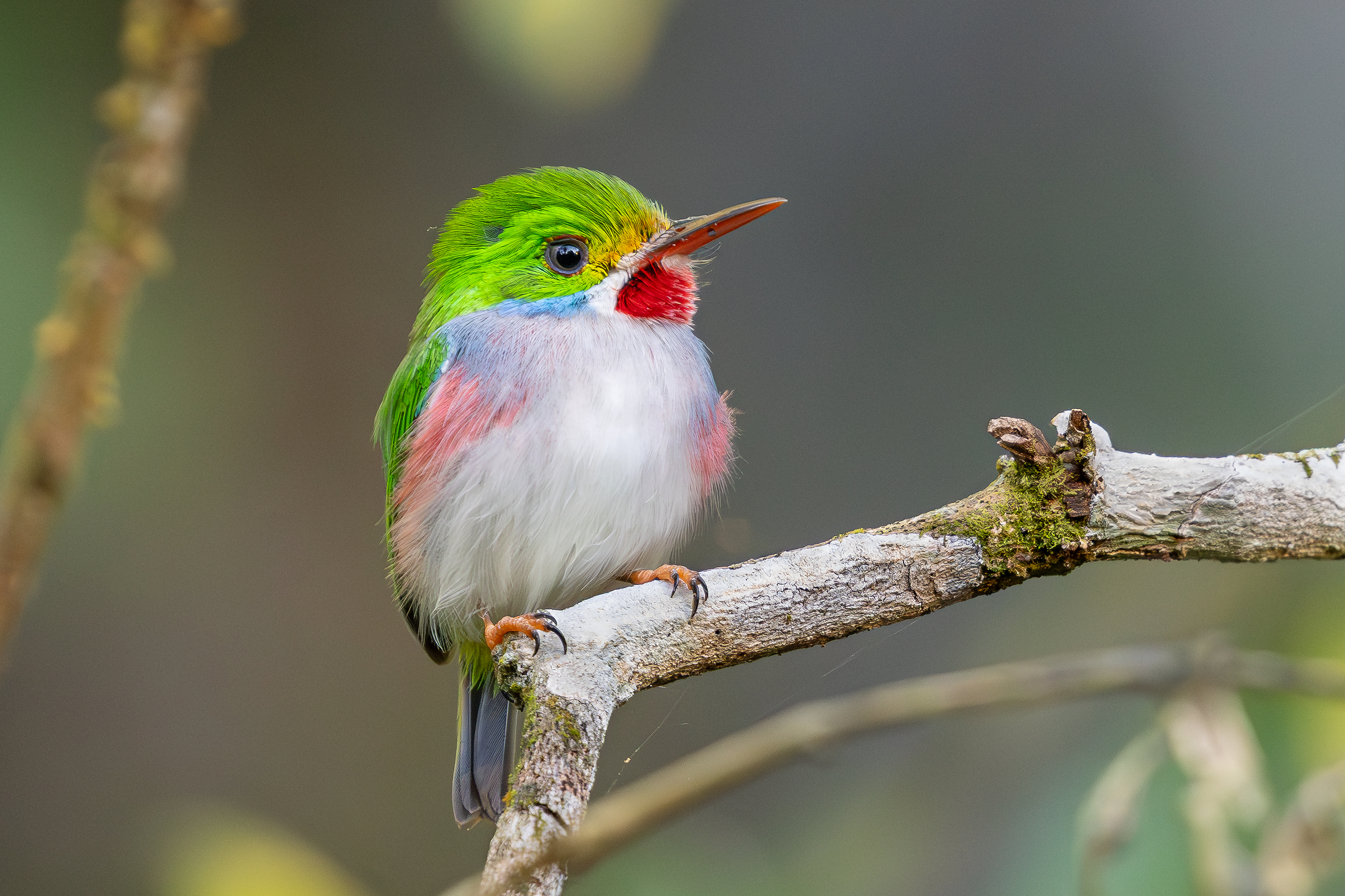
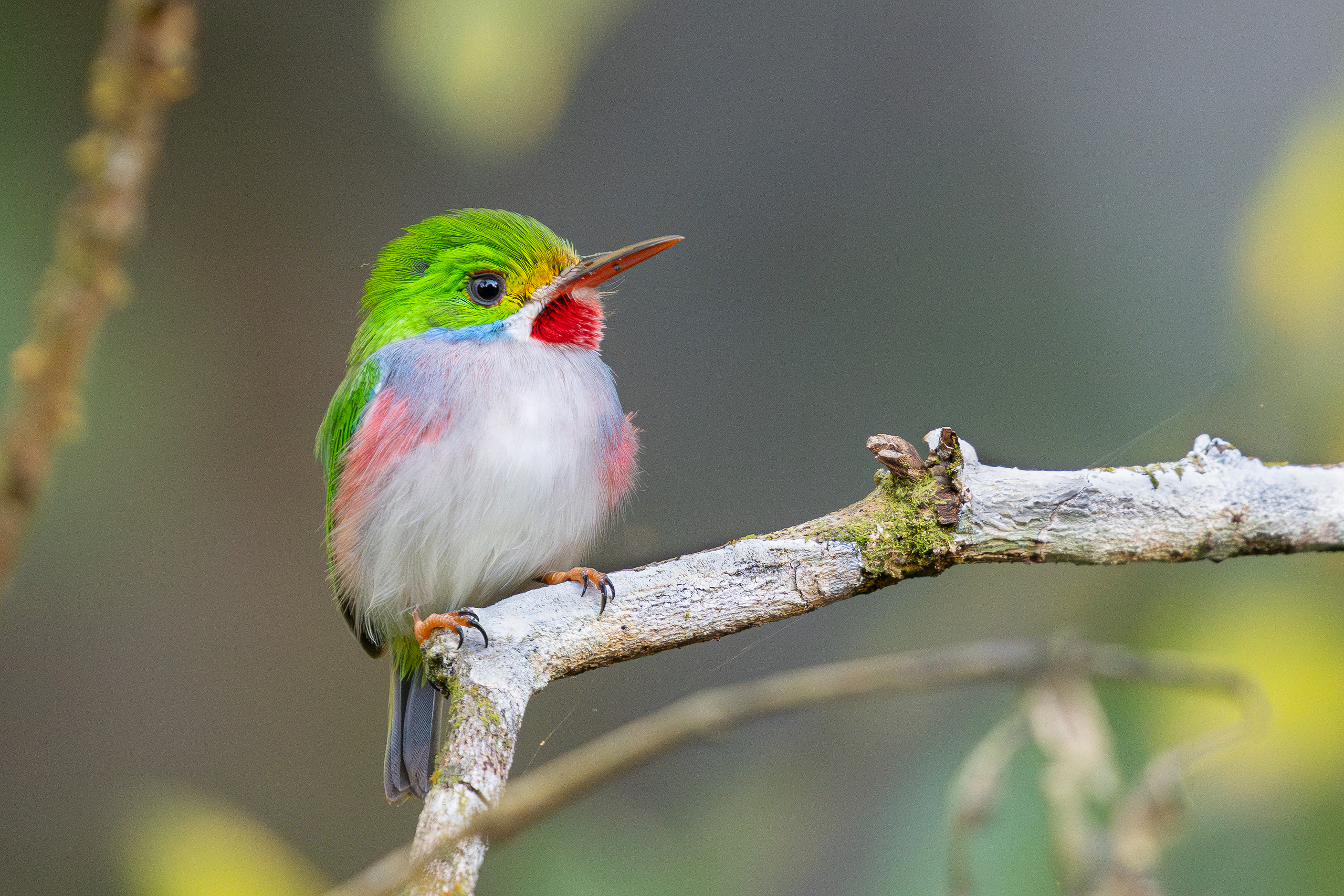
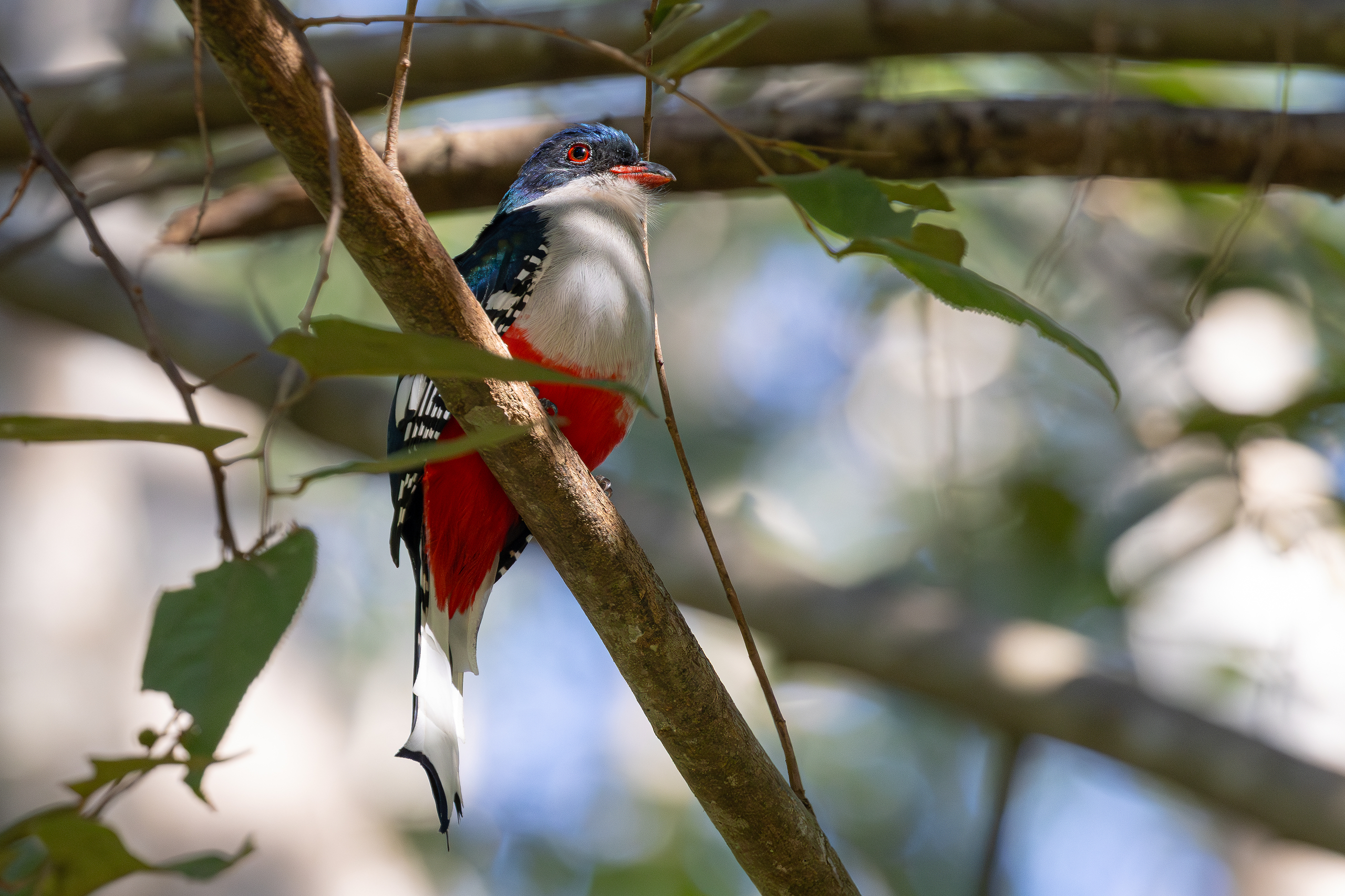
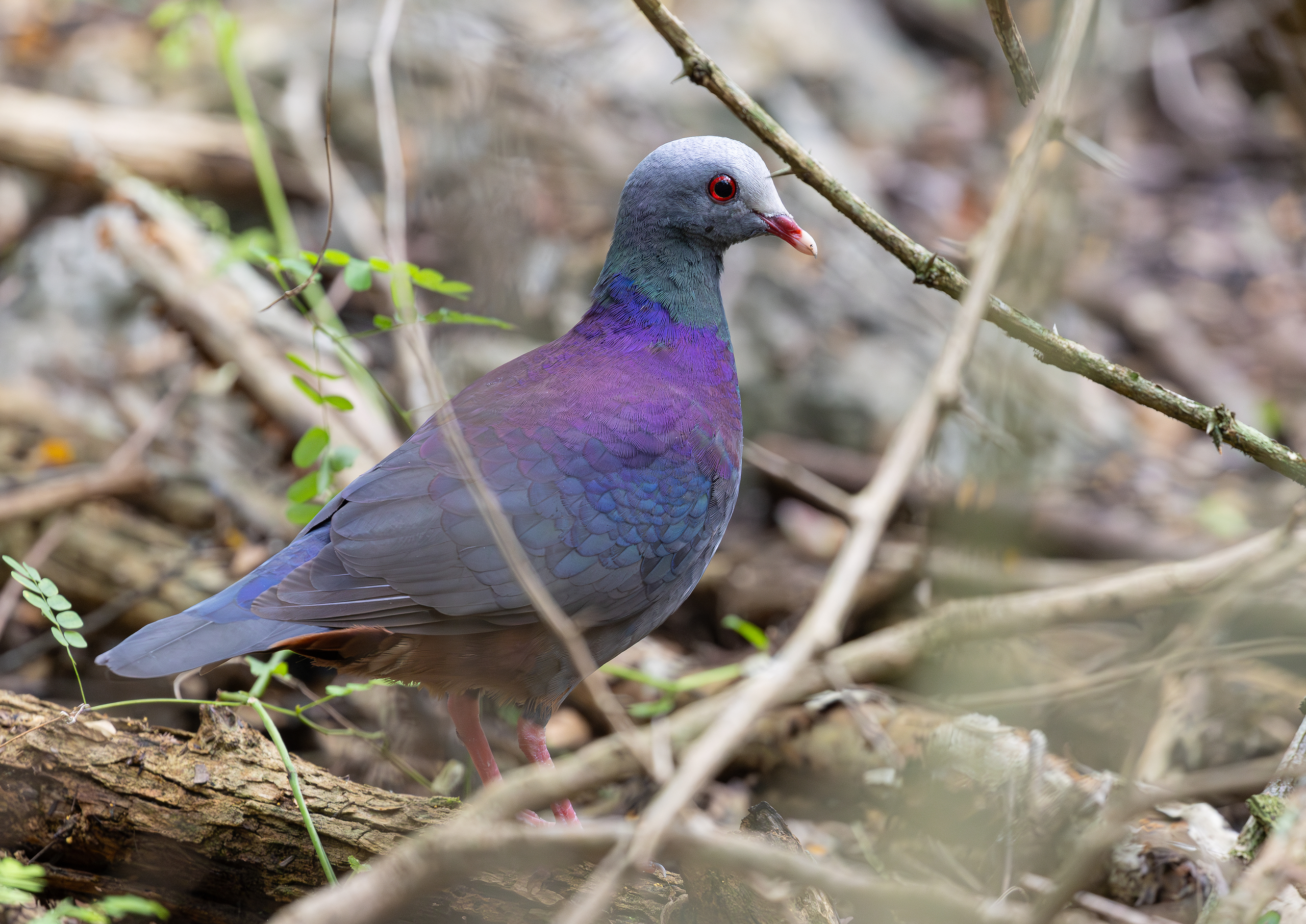
During our comprehensive tour, we expect to see the vast majority of the island’s endemic birds including spectacular species such as Blue-headed Quail-Dove, Cuban Trogon, Cuban Tody and the world’s smallest bird, the extraordinary Bee Hummingbird.
Although Cuba is one of the few remaining communist regimes left in the world, it is a very friendly island to explore and we will also have the opportunity to enjoy the unique culture of this special place during our holiday.
Our trip explores all the key habitats on the island beginning in the lush valleys of Soroa, before exploring Las Terrazas, a UNESCO Biosphere Reserve, and the breathtaking Viñales Valley, famed for its tobacco farms but also an excellent place to look for endemic birds.
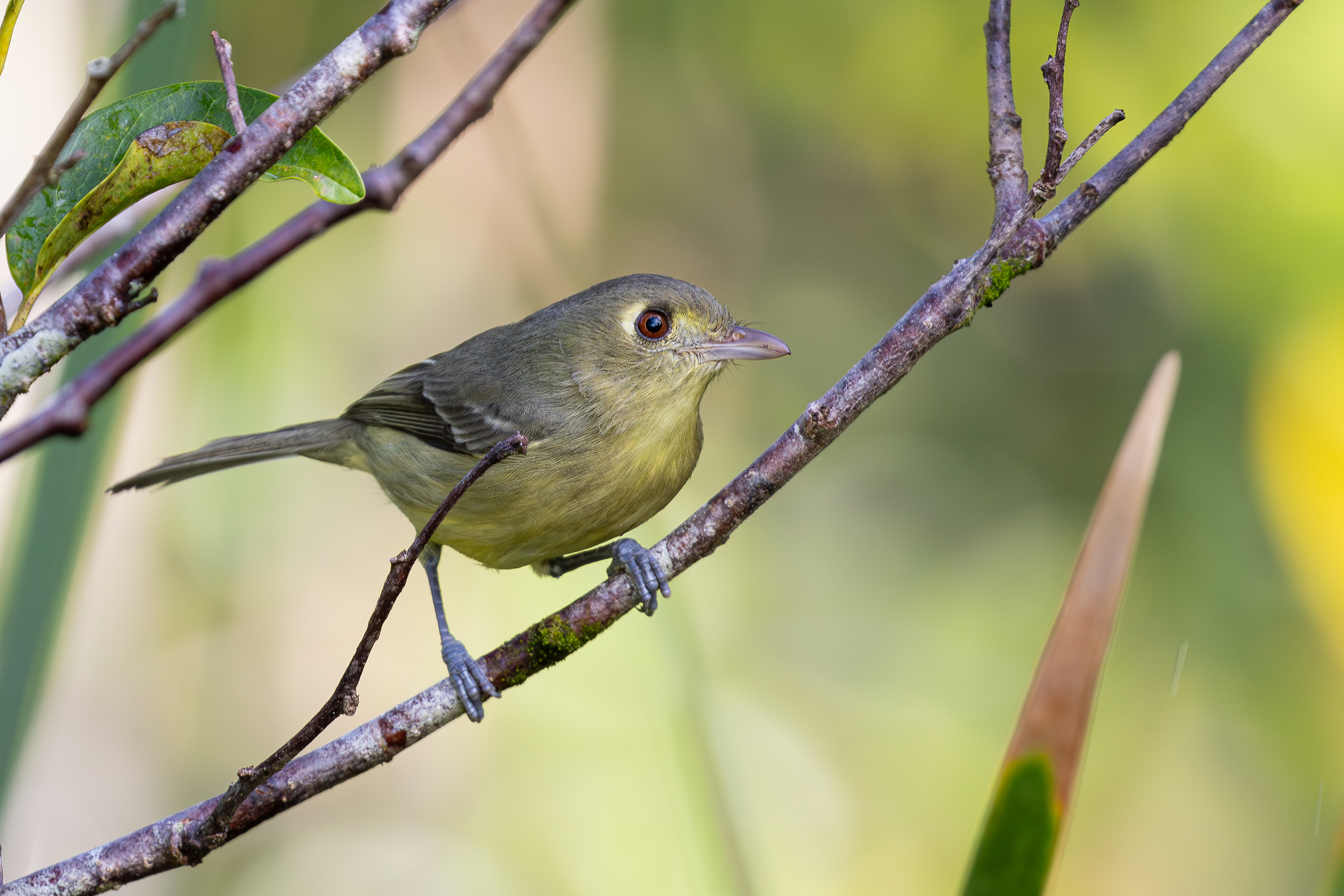
Continue on to the Zapata Peninsula, we will visit the Caribbean’s largest wetland where 20 Cuban endemics including Bee Hummingbird and Zapata Wren can be found, before time on the northern coast where Cuban Gnatcatcher, Oriente Warbler (one of two species in an endemic Cuban bird family) and Cuban Vireo are amongst a host of other species we will look for.
Offering a combination of relaxed birding and exposure to the unique culture and history of this special island, this holiday will provide a truly unforgettable experience.
Tour Dates & Prices
Sun 31st January 2027
Fri 12th February 2027
- Available
Tour Cost: 13 Days from £5695 including return flights from London or £4495 land only
What's Included?
- Led by Limosa’s expert English-speaking bird guide, Fernando Enrique Navarrete
- 11 nights accommodation in Cuba staying at comfortable hotels, B&Bs and lodges
- All main meals and drinking water provided
- All excursions, local guides, permits, entry fees
- All tour-based tips (lodges, drivers and local guides) and taxes
- Limosa checklist of birds
Cost Excludes
Insurance, visa fees, drinks, airport snacks/meals and other items of a personal nature
Additional Information
The land only cost is the price you will pay if you choose to arrange your own flights. If you select this option, please contact the Limosa office before making your travel arrangements.
Tour Highlights
- Opportunity to look for the vast majority of Cuba's endemic birds including Cuban Trogon, Cuban Tody and the world's smallest bird, Bee Hummingbird
- Explore UNESCO-recognised birding sites such as Las Terrazas and Viñales Valley
- Visit Zapata Swamp, a Ramsar Site and birding paradise where we will look for the highly localised Zapata Wren
- Enjoy the culture of Cienfuegos, Trinidad and Old Havana
- Explore the mangroves of Cayo Coco and Cayo Guillermo for more Cuban endemics and Caribbean specialities
- Enjoy authentic Cuban hospitality and local cuisine
Outline Itinerary
-
Fly to Cuba and on arrival in Havana, transfer to Soroa. Night Soroa
-
Begin our quest for Cuba's endemics and regional specialities by exploring Las Terrazas UNESCO Biosphere Reserve. Two night Viñales
-
Visit to the Valle de Viñales, a World Heritage Site, and Mural de la Prehistoria
-
Transfer to Zapata Peninsula, one of the best birding sites on Cuba. Three nights Playa Larga
-
Explore Zapata visiting Salinas Refuge and Casa Ana Birding Gardens looking for the world's smallest bird, Bee Hummingbird
-
Visit to Turba Soplillar within the world famous Zapata Swamp where endemics include the highly localised Zapata Wren
-
Depart Playa Larga for Guajimico visit Bermejas Wildlife Refuge and Cienfuegos Botanical Gardens. Night Guajimico
-
Trinidad and then across to the north shore and on to Cayo Coco via 27km causeway. Two night Cayo Coco
-
Explore Cayo Coco for more Cuban endemics and a selection of localised Caribbean specialities
-
Visit to Remedios enroute to Havana
-
Explore Havana's Botanical Gardens and Playa del Chivo
-
Cultural tour of old Havana. Afternoon transfer to airport for flights back to UK
-
Arrive UK
Although less than one hundred miles south of the southern tip of Florida, Cuba has a very different avifauna from its larger northern neighbour including 28 species which are endemic to the island plus a host of regional endemics.
Amongst these are the world’s smallest bird, the Bee Hummingbird, Cuba’s national bird, the dazzling Cuban Trogon, and other specialities such as Blue-headed Quail-Dove, Zapata Wren, Cuban Vireo and the delightful Cuban Tody.
After arriving in Havana, we will head westwards to Soroa, a serene valley with tropical forests where we will begin our quest for Cuba’s special birds. Our first full day will focus on a visit to the UNESCO Biosphere Reserve of Las Terrazas where we can expect to find our first endemics with targets such as Cuban Green Woodpecker, Cuban Trogon, Cuban Tody and the attractive Cuban Grassquit.
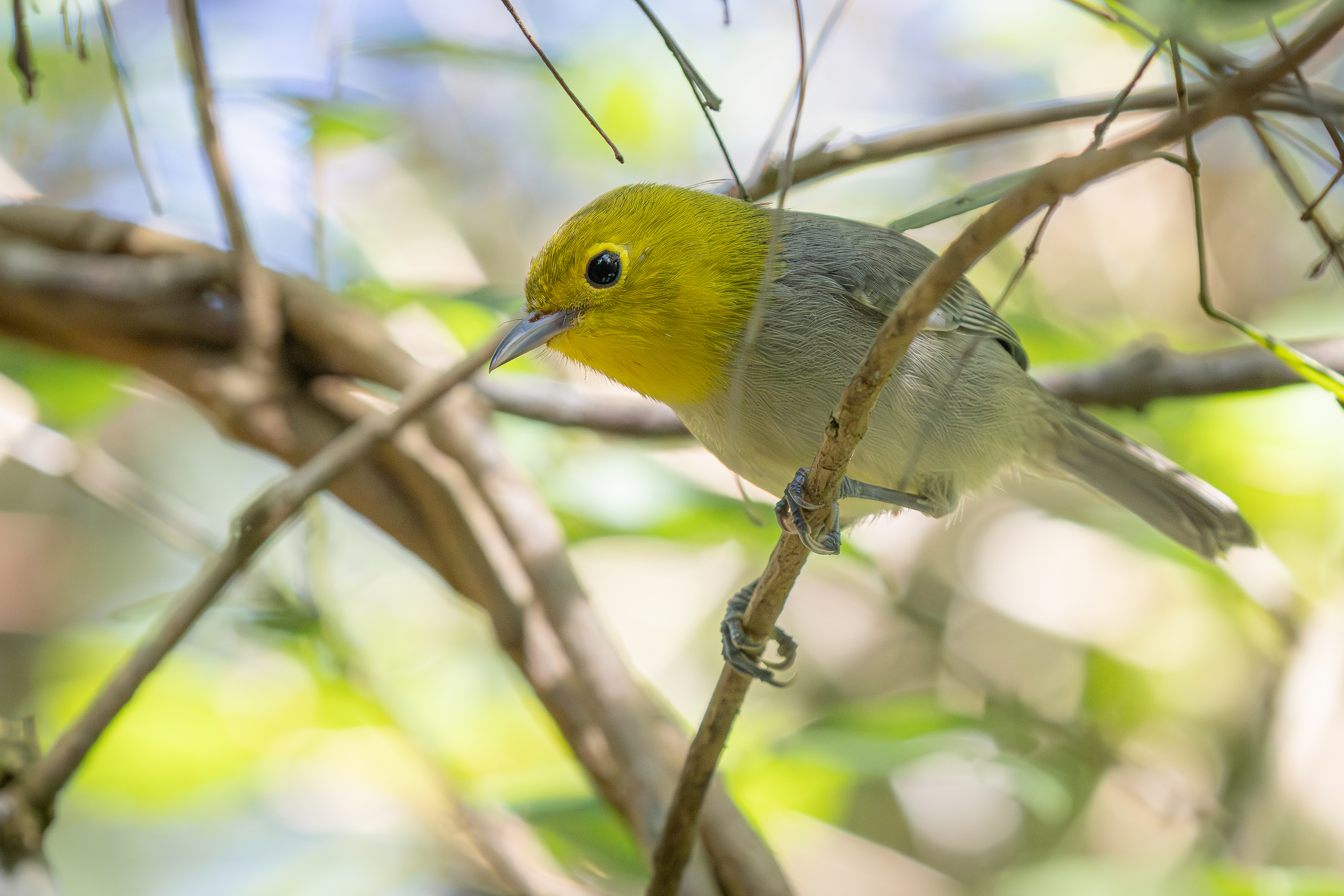
The following day sees us exploring the World Heritage Site of Valle de Viñales. Whilst this area produces the largest amount of tobacco in all of Cuba, it is also home to more special birds with Cuban Solitaire, Cuban Vireo and Yellow-headed Warbler amongst those we hope to see.
Continuing onwards, our next destination is the Zapata Swamp which is the third largest wetland in the Americas and an area with some of the best birding in all of Cuba. The area is both a Biosphere Reserve and Ramsar site and more than twenty Cuban endemics can be found with Zapata Wren, Zapata Sparrow, Cuban Vireo and the tiny Bee Hummingbird amongst a long list of specialities to look for.
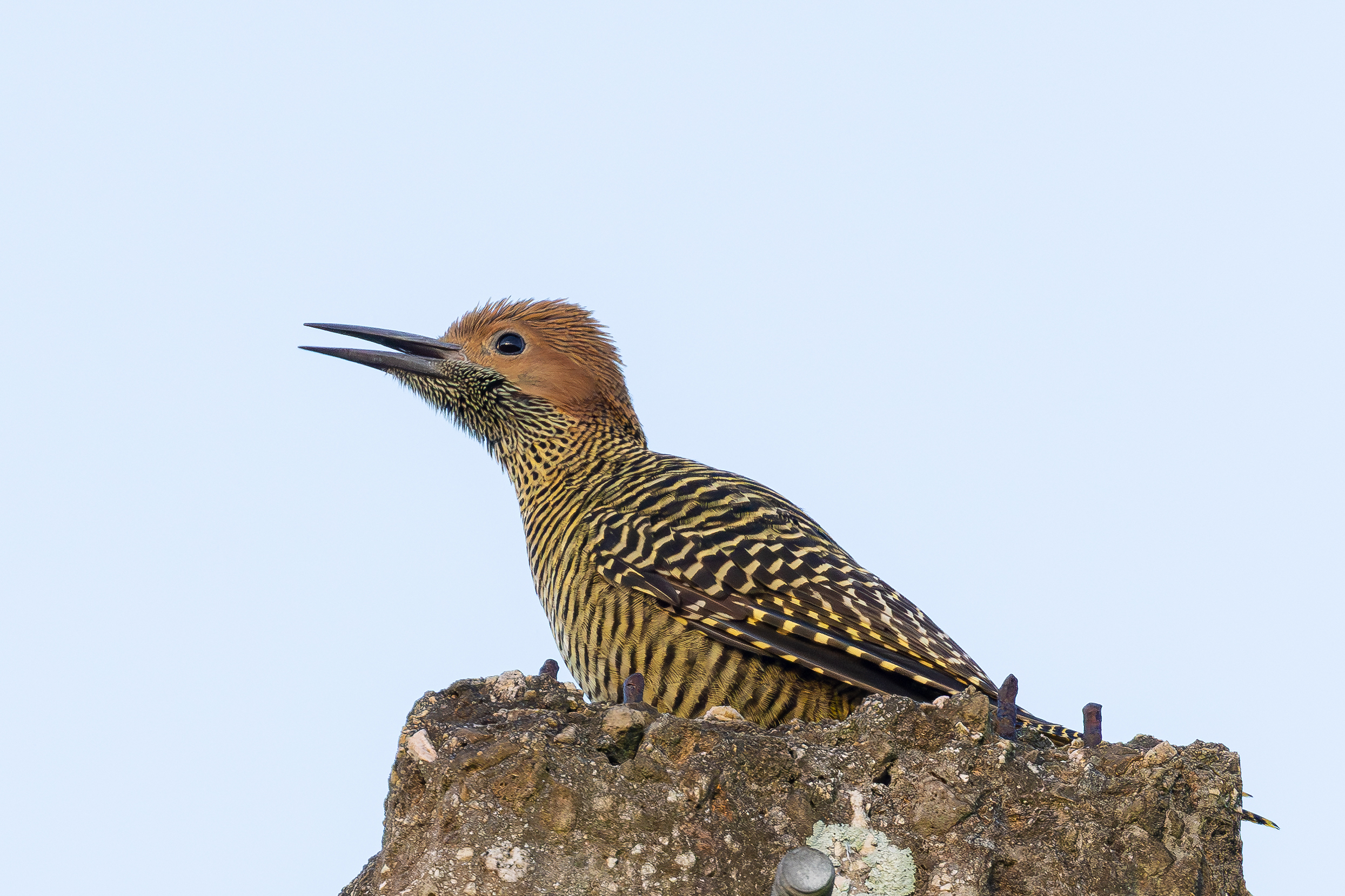
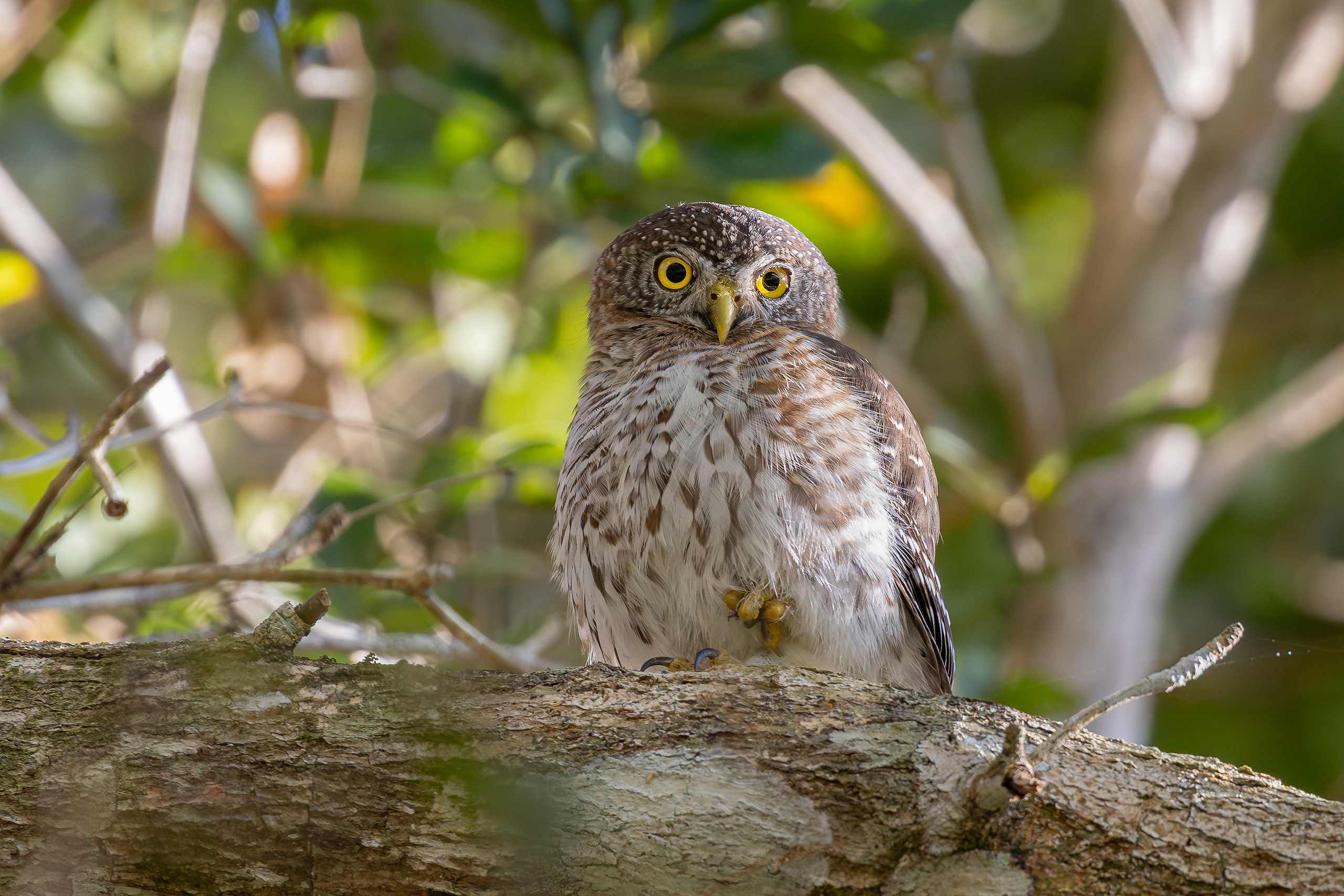
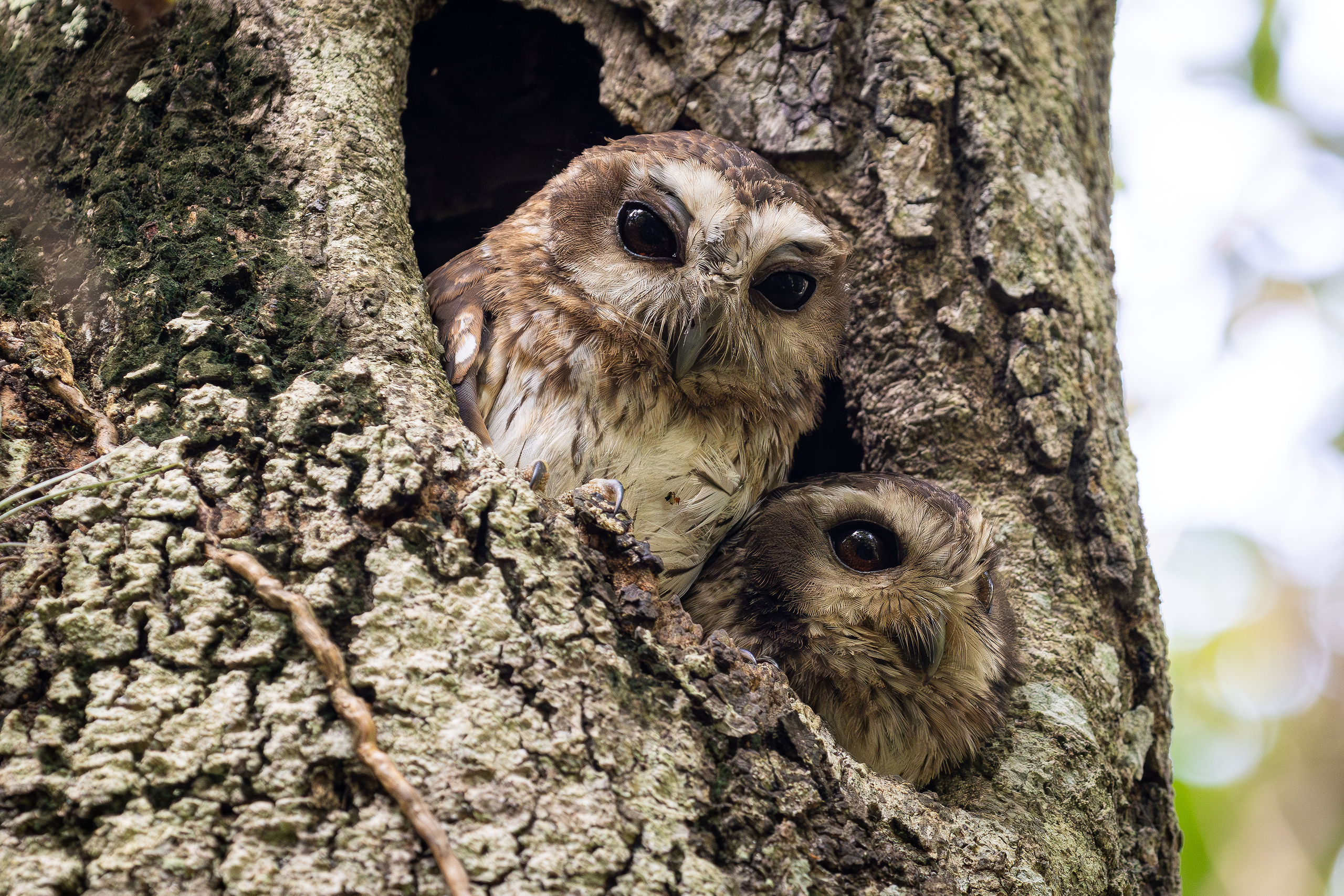
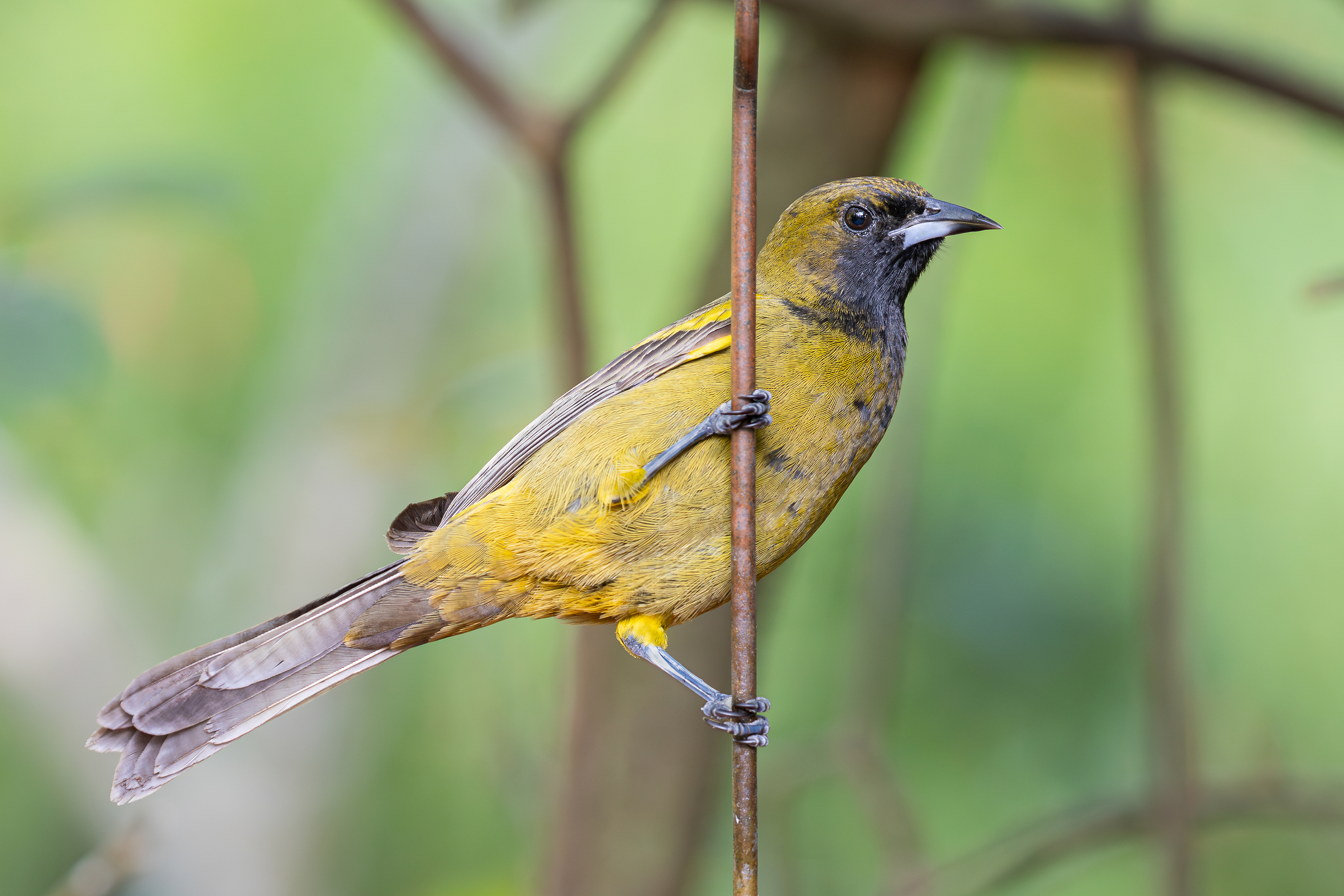
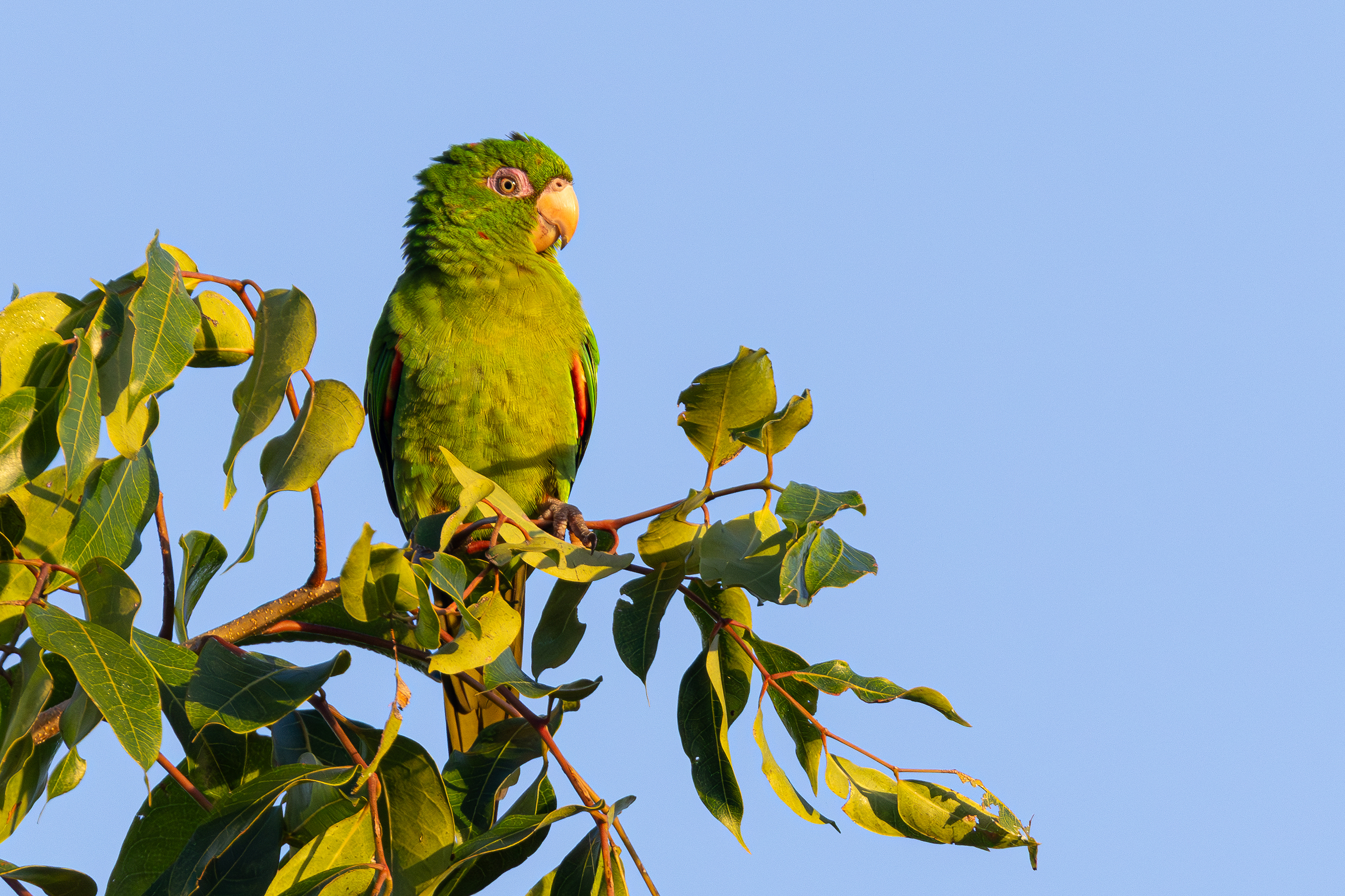
A morning at the Bermejas Wildlife Refuge will hopefully allow us the opportunity to see at least a further six endemics with Blue-headed and Grey-fronted Quail-Doves, Cuban Parakeet, Fernandina’s Flicker, Bare-legged Owl and Red-shouldered Blackbird all possible.
As we cross to the northern coast of Cuba, we hope to find both Cuban Palm Crow and Cuban Crow, although somewhat confusingly the latter species is not a true endemic as it is also found on a few islands in the Bahamas.
Two nights on the island of Cayo Coco will then provide opportunities to look for Cuban Black Hawk, Bahama Mockingbird, Cuban Gnatcatcher, Oriente Warbler (one of two members of an endemic Cuban bird family) and Bahama Swallow before our tour concludes in Havana.
Here, we will mix some final birding, looking for species such as Gundlach’s Hawk and West Indian Woodpecker, with an opportunity to enjoy the unique culture of Old Havana before our flight back to the UK.
Day 1
DEPART UK FOR HAVANA. TRANSFER TO SOROA
We will depart London Heathrow in the early morning on a flight to Madrid and then onwards to Havana where we expect to arrive in the late afternoon.
We will then drive approximately 70 kilometres to the west to Soroa. Night Soroa
Day 2
LAS TERRAZAS UNESCO BIOSPHERE RESERVE AND ON TO VINALES
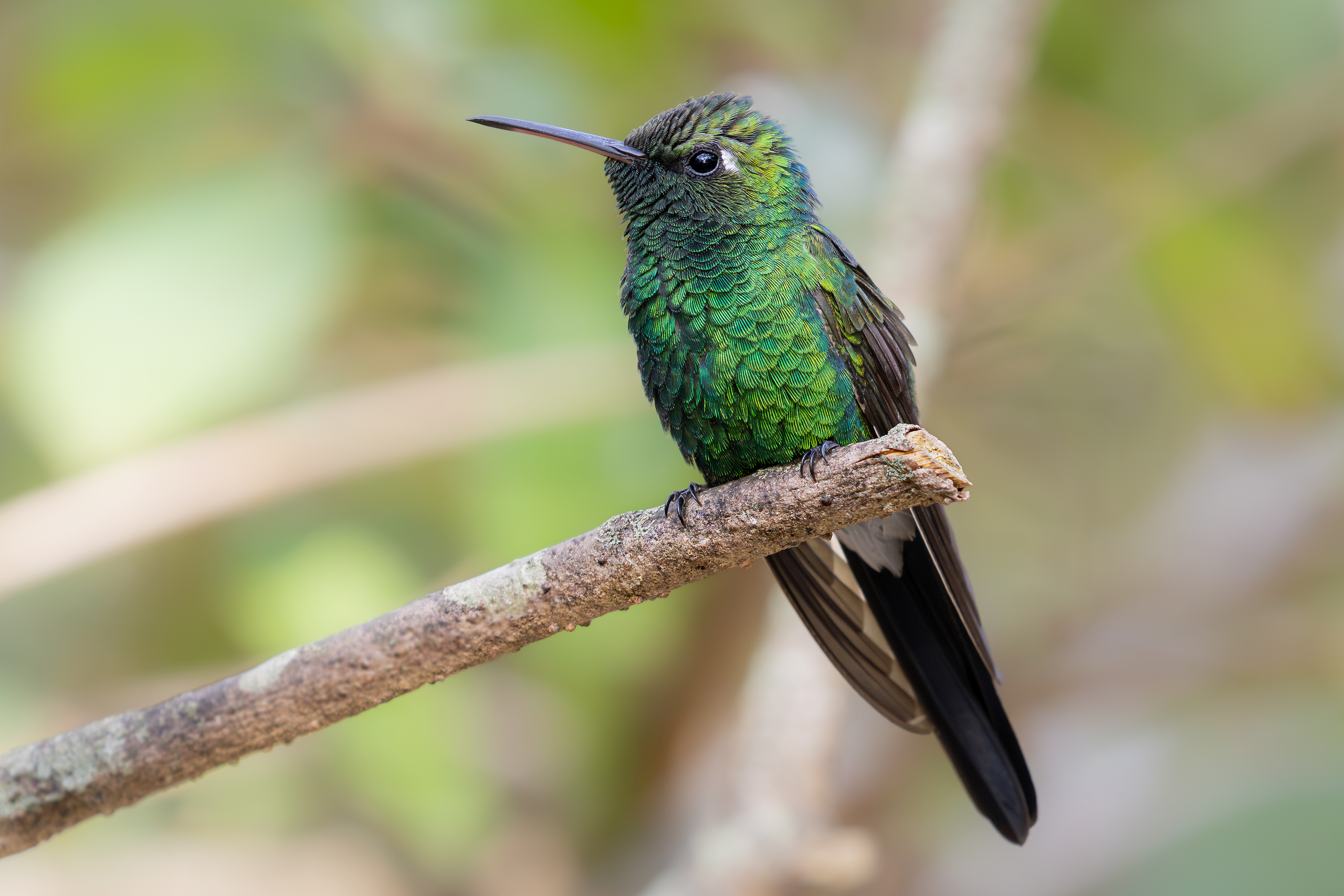
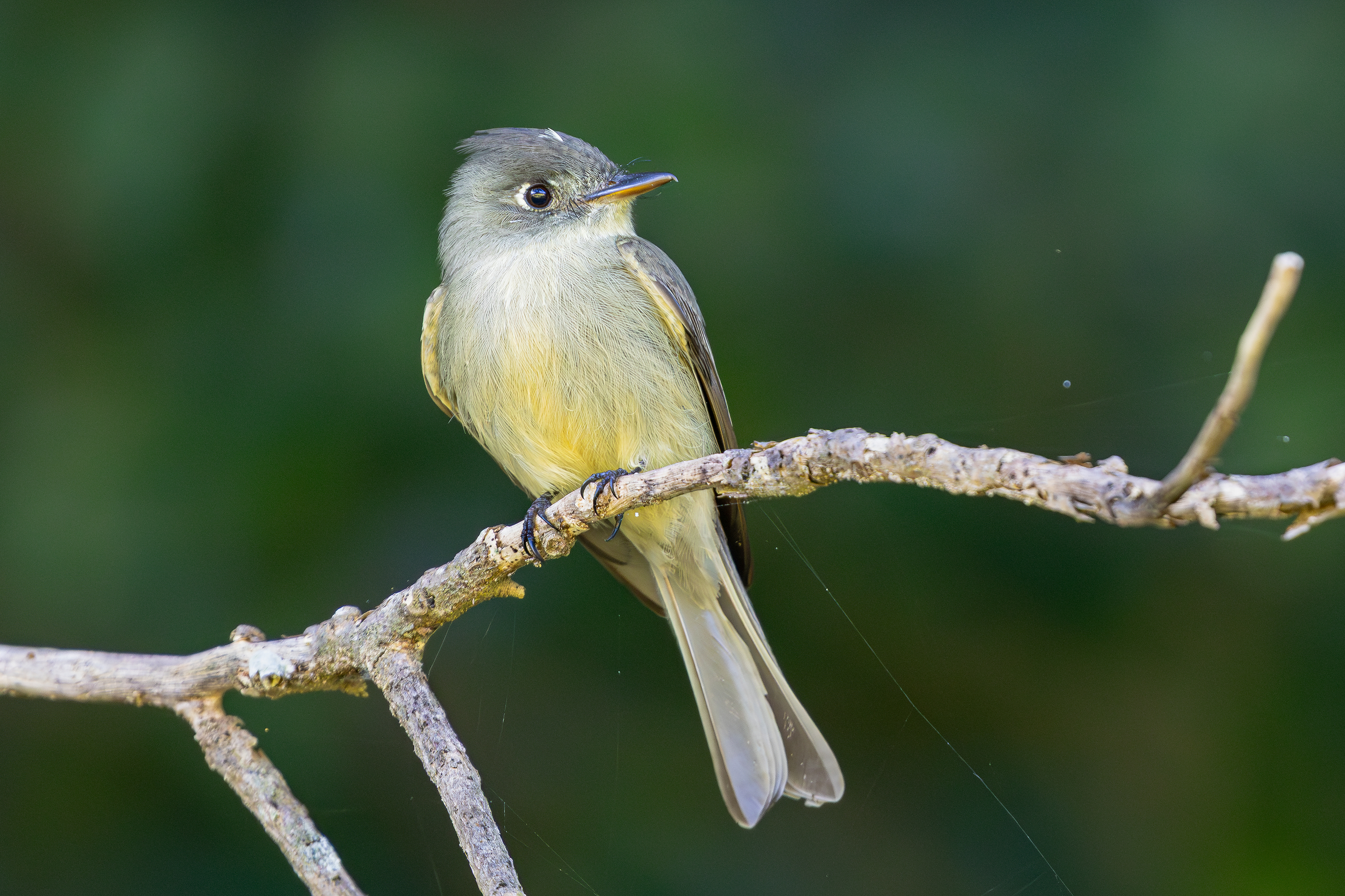
After breakfast, we will spent the morning at the Las Terrazas UNESCO Biosphere Reserve which will provide our first opportunity to look for an impressive range of Cuban and regional endemics. Those we hope to see include Cuban Trogon, Cuban Tody, Cuban Grassquit, Cuban Green Woodpecker, Cuban Emerald, La Sagra’s Flycatcher and Loggerhead Kingbird.
After a tasty lunch at a nearby eco-farm, we will drive to Viñales. We plan to make a series of stops along the way, with the possibilities including various waterbirds, Snail Kite and possibly even Stygian Owl.
After dropping our bags at our hotel in Viñales, we will have dinner at the home of Nils Navarro, renowned Cuban wildlife artist, naturalist and author. Night Viñales
Day 3
VINALES AND MURAL DE LA PREHISTORIA
The Valle de Viñales (“Viñales Valley”) is undoubtedly one of the most spectacular natural landscapes in all of Cuba and since 1999 has been designated a World Heritage Site by UNESCO.
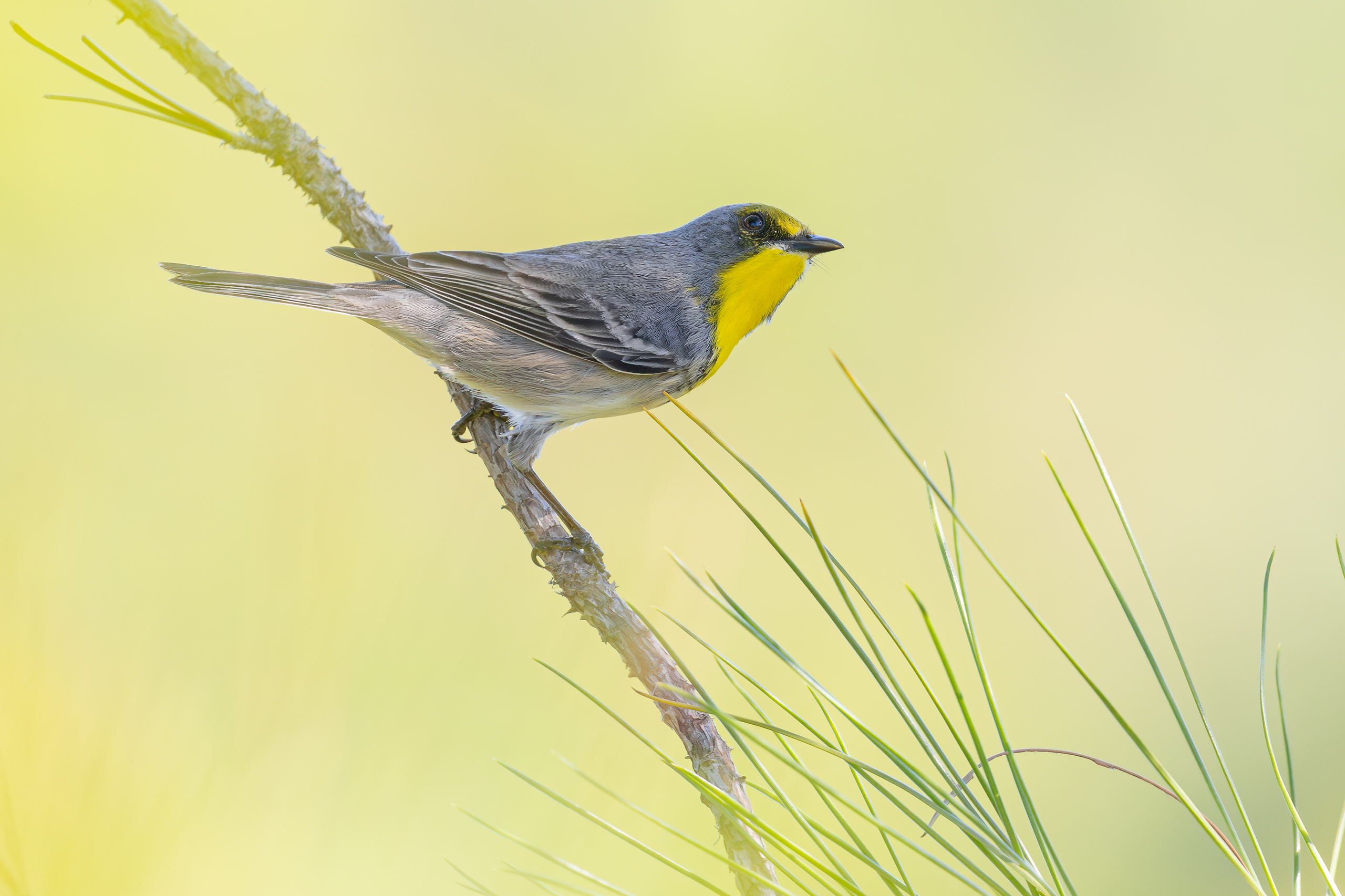
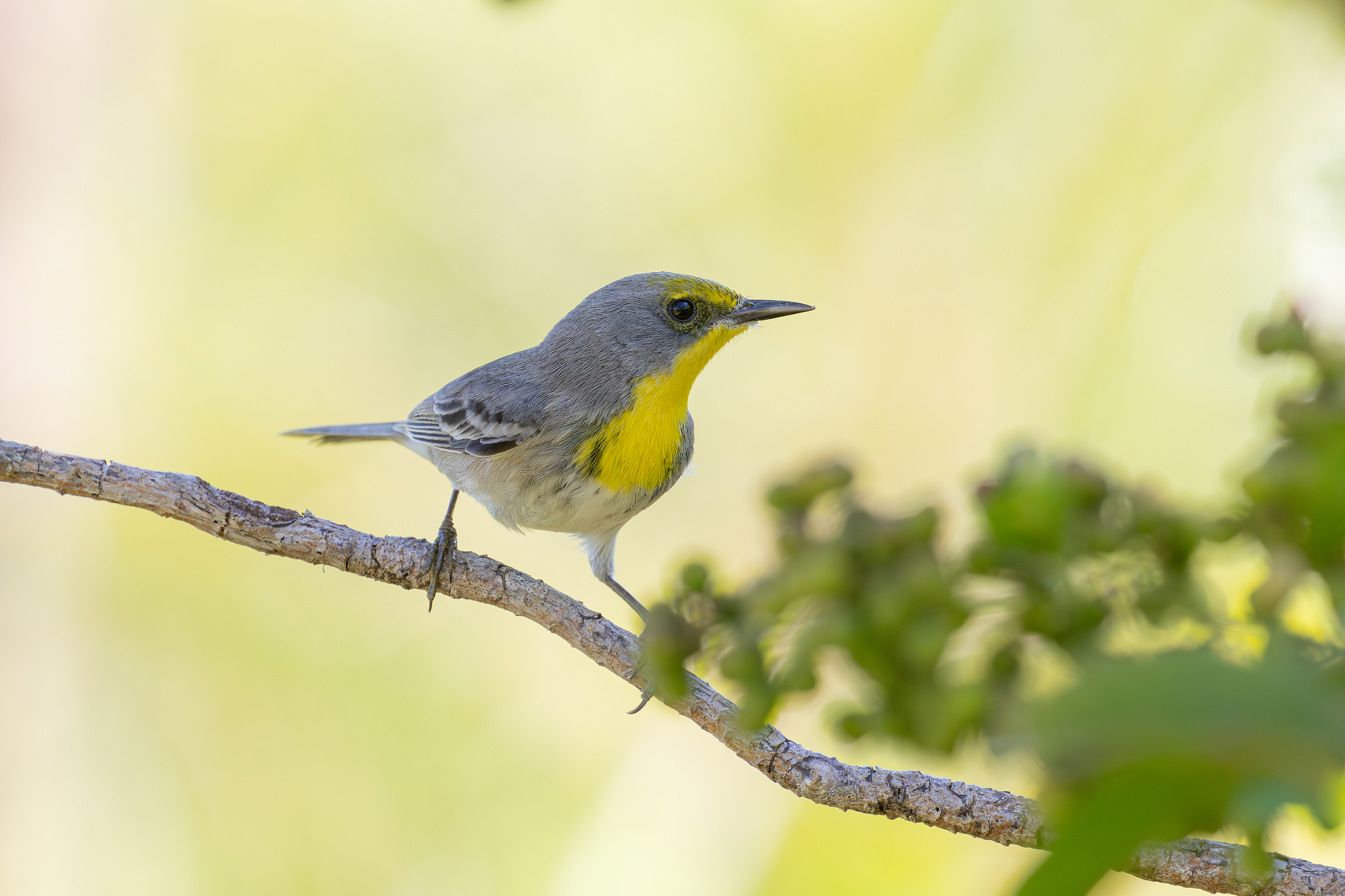
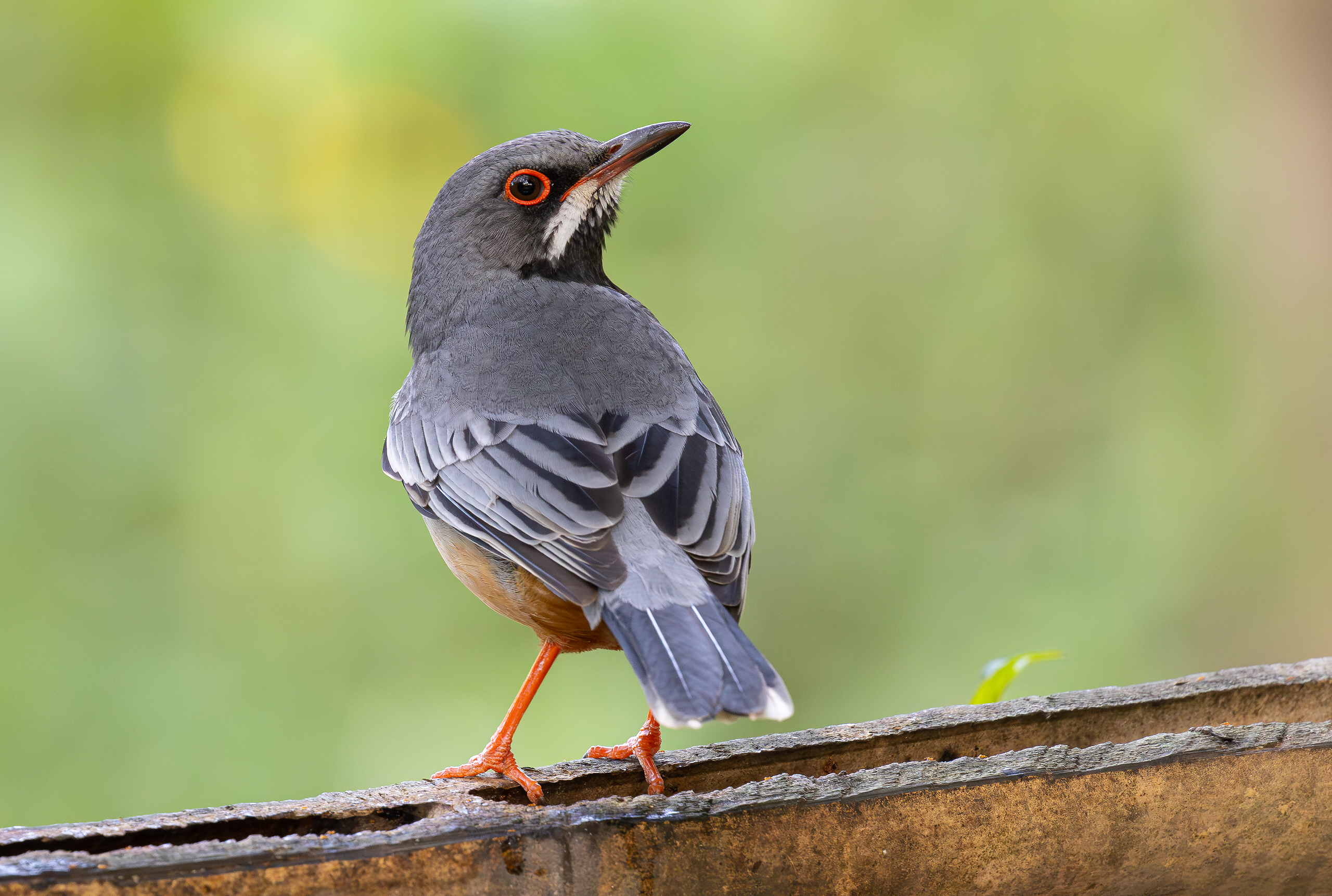
Surrounded by mountains, the area is the largest producer of tobacco in Cuba, however, there are also plenty of important birds to find and during the morning we plan to explore the trail network at Viñales National Park where the possibilities include Olive-capped Warbler, Cuban Bullfinch, Cuban Blackbird, Cuban Solitaire and Red-legged Thrush.
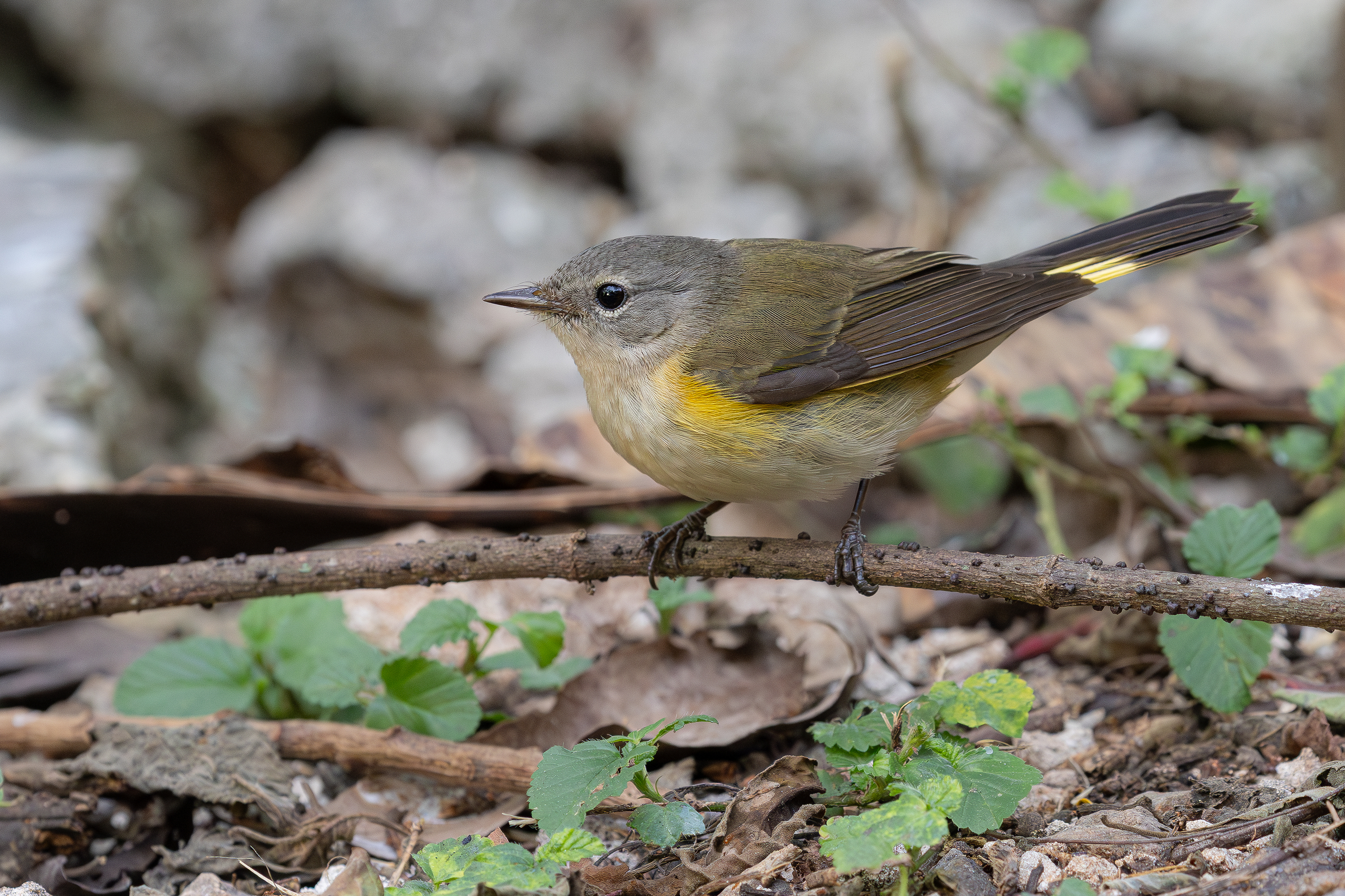
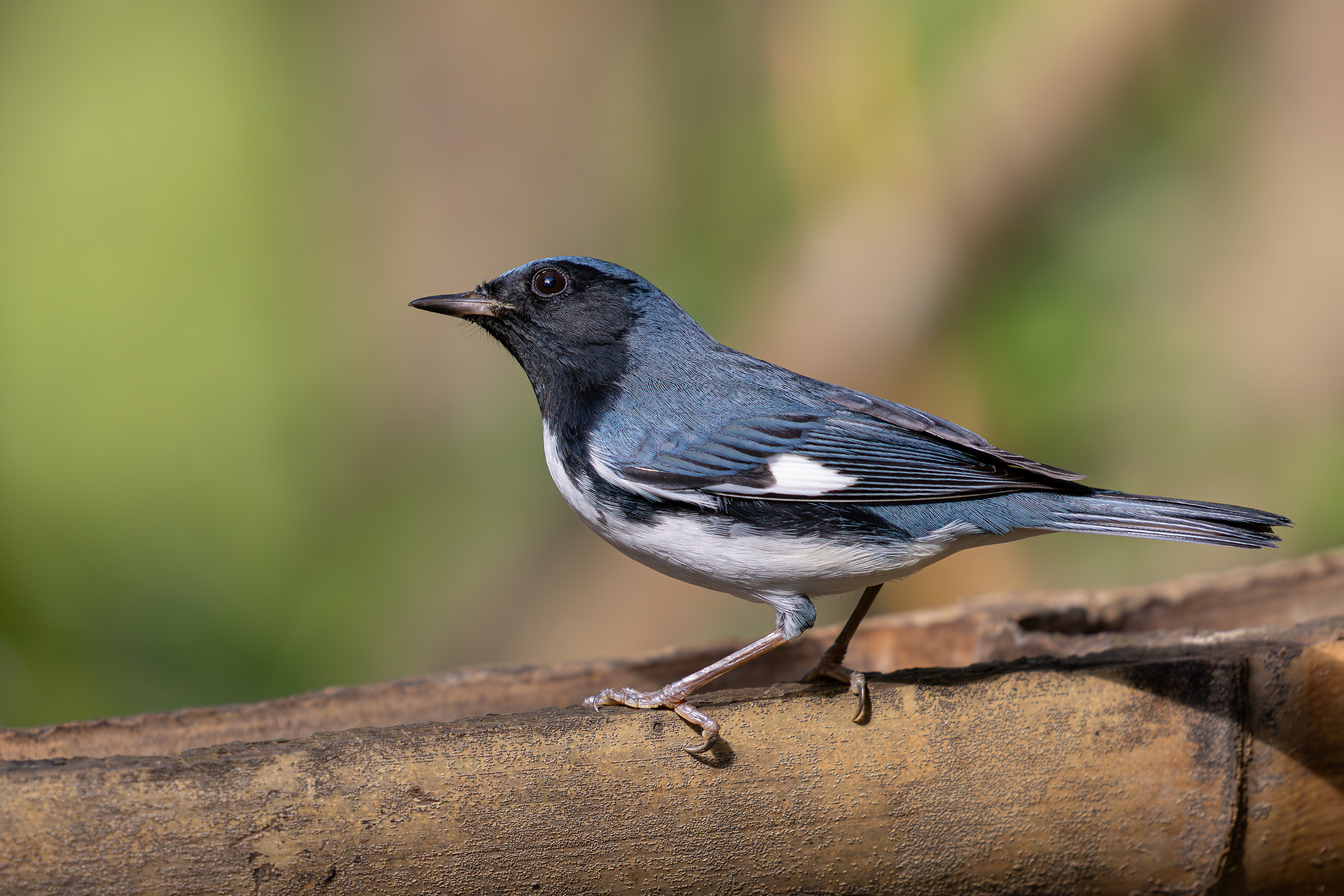
Our tour is also timed to run during the period when migrant species from further north will be wintering in Cuba and we can expect to see a good selection of North American warblers, tanagers and buntings during the morning and we will also be on the look out for Scaly-naped Pigeon and Western Spindalis.
During the afternoon, we intend to visit Mural de la Prehistoria where new species could include Great Lizard-Cuckoo, Great Antillean Grackle, Cuban Emerald, Cuban Pewee and Cuban Pygmy-Owl. Second night Viñales
Day 4
ZAPATA
We plan to spend the morning birding at Las Salinas Refuge which has a range of habitats including salt marsh, forest, mangroves and open wetland.
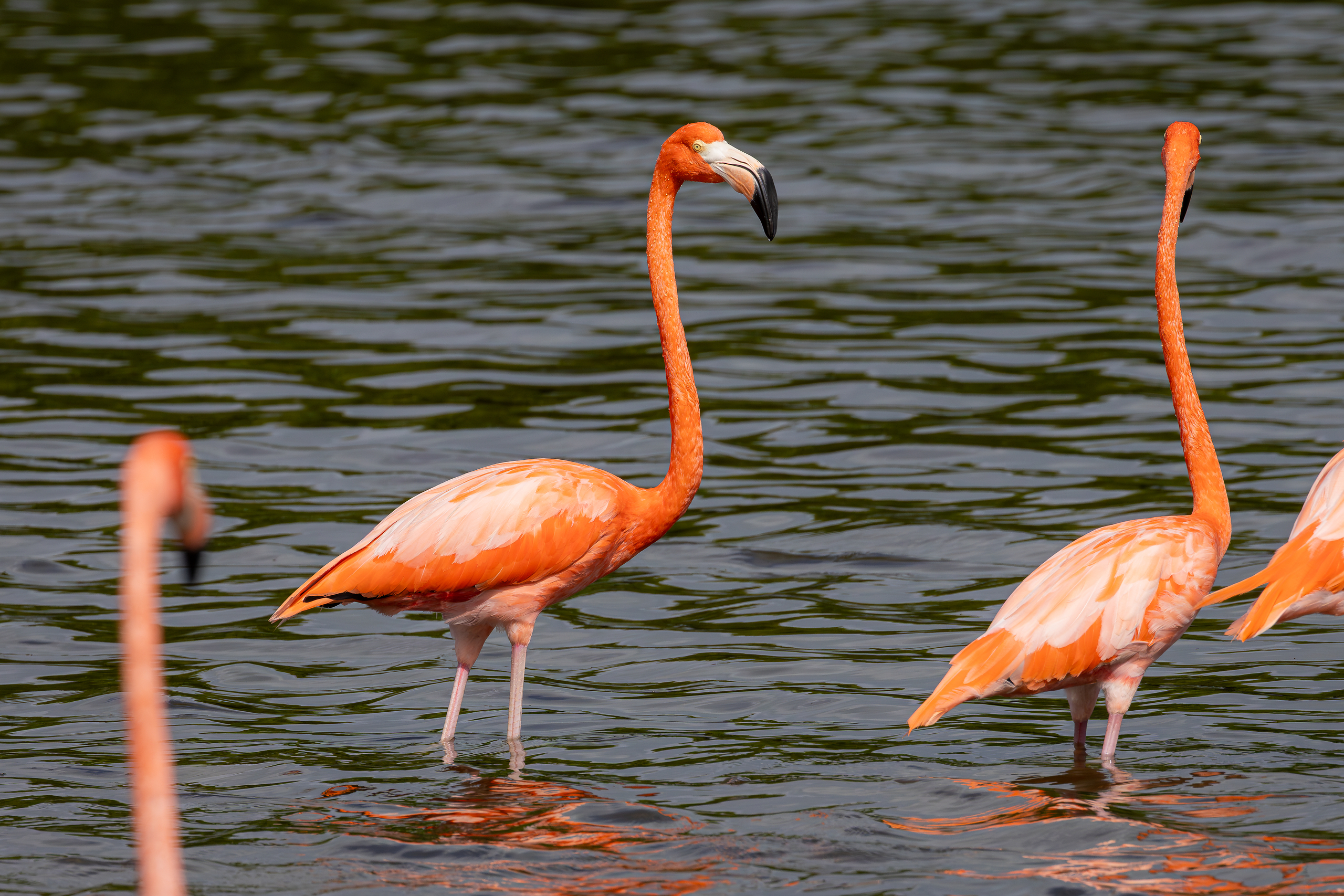
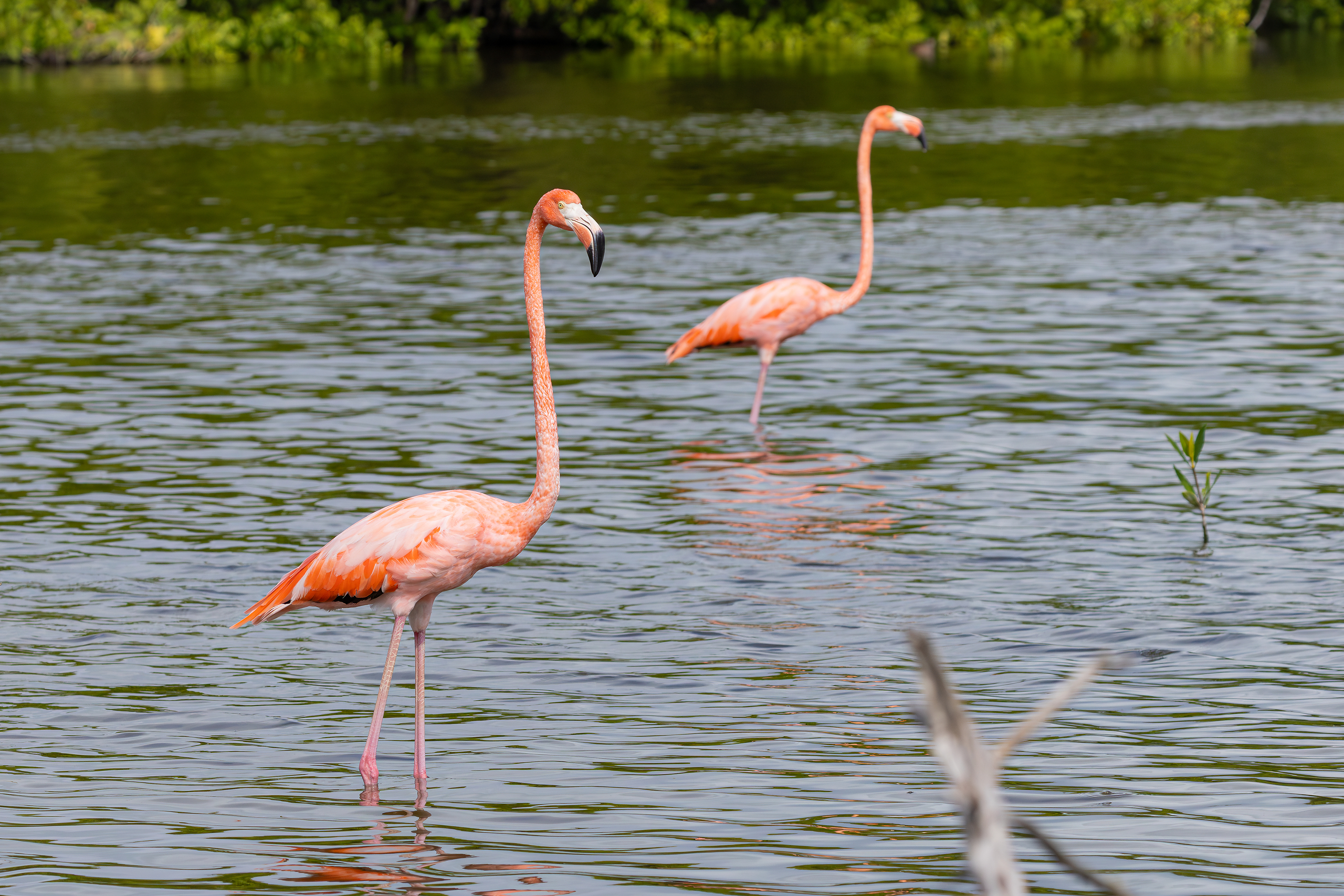
One of our main targets here is the endemic Cuban Black Hawk but there are also numerous shorebirds, seabirds and waterbirds including American Flamingo, Roseate Spoonbill, White Ibis, Reddish Egret, Wood Stork, Osprey and Clapper Rail.
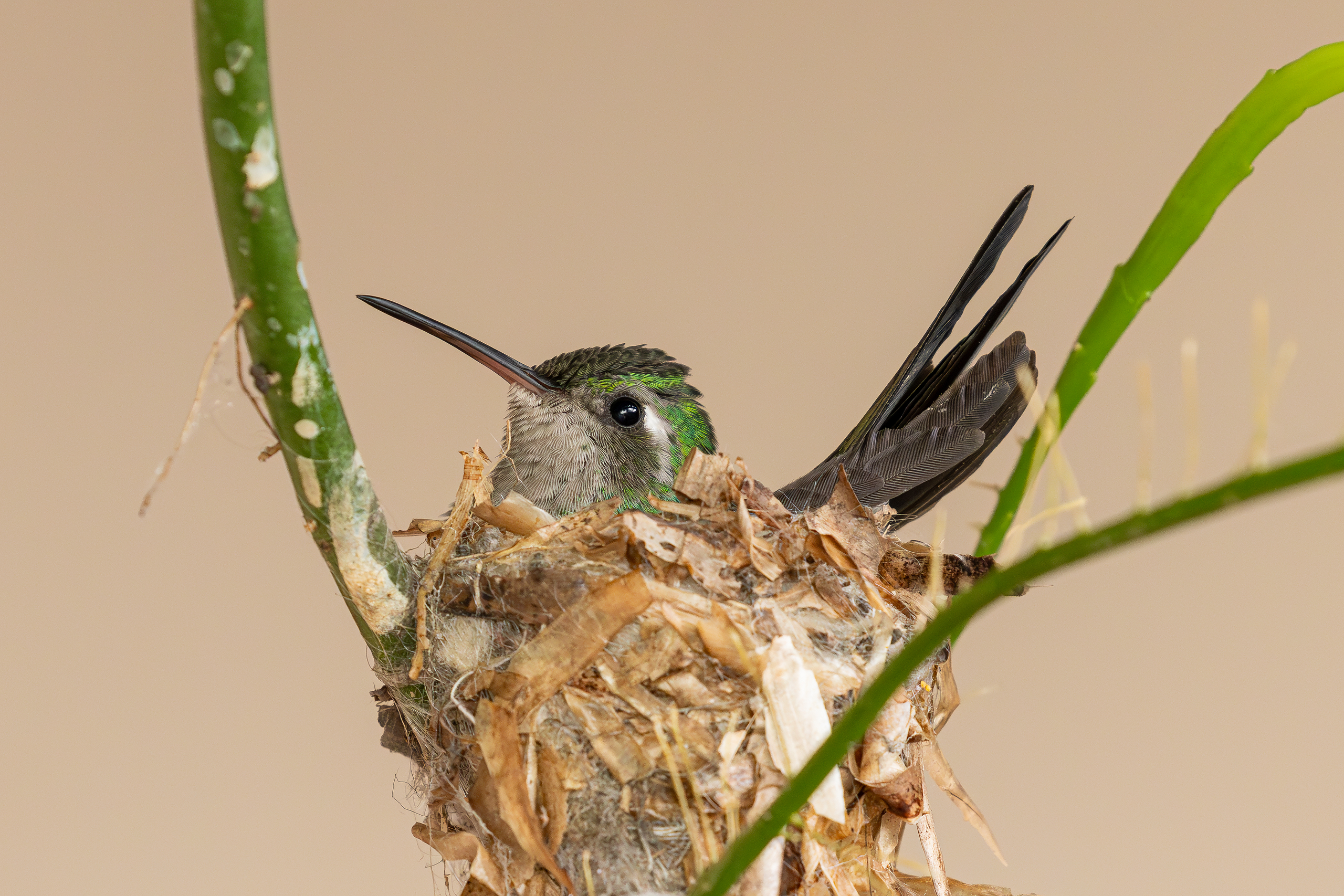
After lunch at a restaurant overlooking the bay in Playa Larga, we will have time for a siesta before an afternoon visit to the Casa Ana Birding Gardens where our primary objective is to get some close-up views of the world’s smallest bird, the appropriately named Bee Hummingbird.
As well as having a great chance of finding this unique species, there should also be a range of other birds including Tawny-shouldered Blackbird (which is endemic to Cuba and Hispaniola), Cuban Emerald (which despite the name also occurs in the Bahamas) and a good selection of migratory warblers. Night Playa Larga
Day 5
SALINAS REFUGE AND CASA ANA BIRDING GARDENS, ZAPATA
After an early breakfast, we will set off for the Zapata Peninsula and one of the most famous birding sites in Cuba, if not the whole Caribbean, the Zapata Swamp.
The drive will take about five hours but we plan to break this up with a number of stops to look for more endemics and migrants and enjoy the magnificent scenery.
One stop is likely to be at a wetland where new species could include King Rail, Northern Jacana and Lesser Scaup, whilst a visit to the spectacular Orquideario (Orchid Gardens) de Soroa could add Cuban Oriole, Giant Kingbird, White crowned Pigeon and Smooth-billed Ani.
We plan to reach Playa Larga, a lovely little beach town in the infamous Bay of Pigs, by late afternoon and there should be time to begin our exploration of an area that offers some of the best birding in Cuba.
The nearby Zapata Swamp is the third largest wetland in the Americas and is both a Biosphere Reserve and Ramsar Site and has a bird list of over 250 species including more than twenty Cuban endemics. Two further nights Playa Larga
Day 6
TURBA SOPLILLAR, ZAPATA
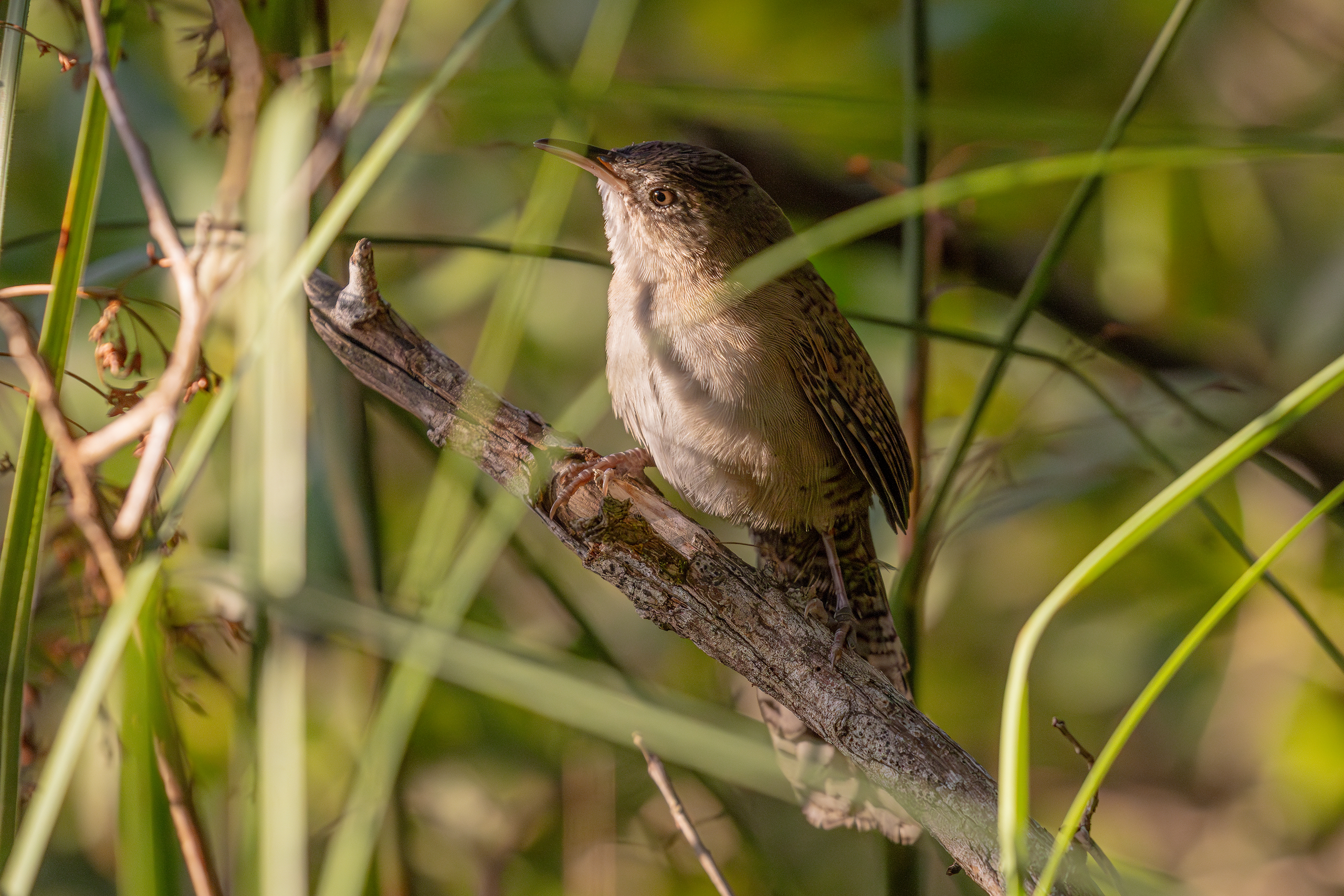
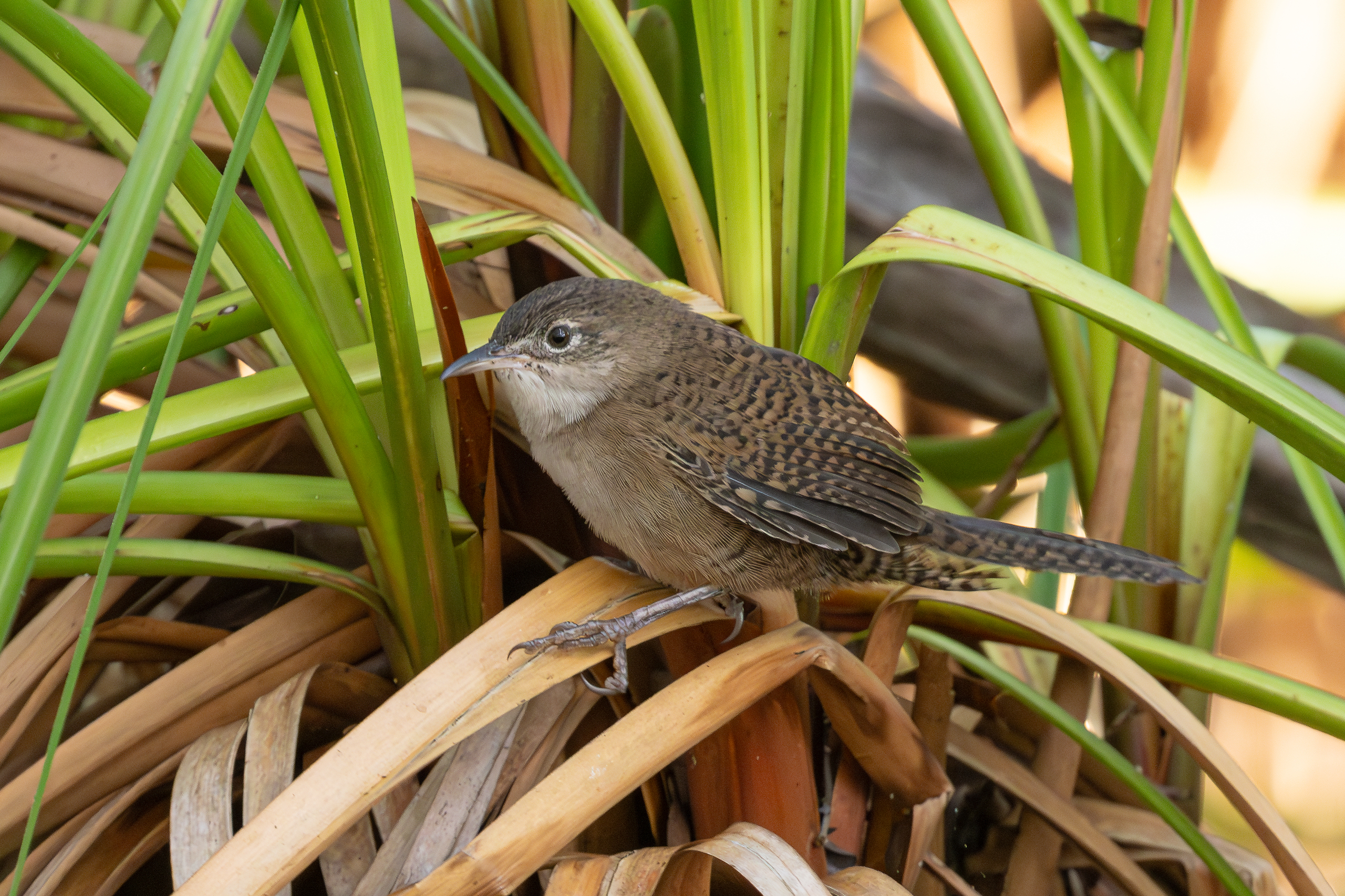
Our main focus today is one of Cuba’s most range-restricted endemics, Zapata Wren, which takes its name from the large swamp which is the only place in the world where it is found. Like many smaller wrens, Zapata Wren is a relatively weak flyer and spends much of its time low in the sawgrass which characterises this area.
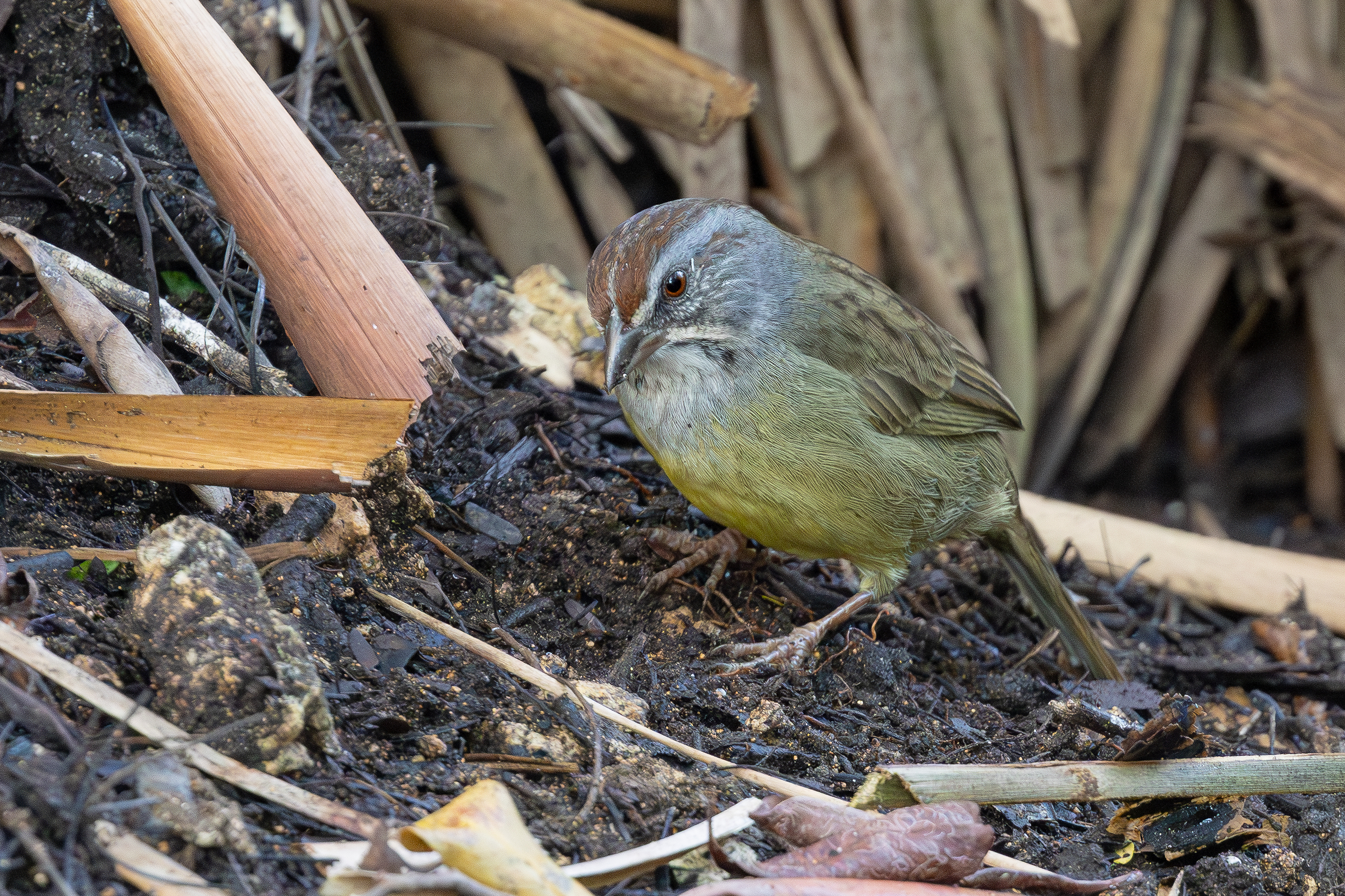
Another localised species we will hope to find is Zapata Sparrow which despite its name, has three disjunct populations across Cuba, all of which are different subspecies.
With Cuban Vireo, Red-shouldered Blackbird and Cuban Bullfinch amongst the other possibilities, it should be a highly productive morning before we return to Playa Larga for lunch and an opportunity to relax during the hottest part of the day.
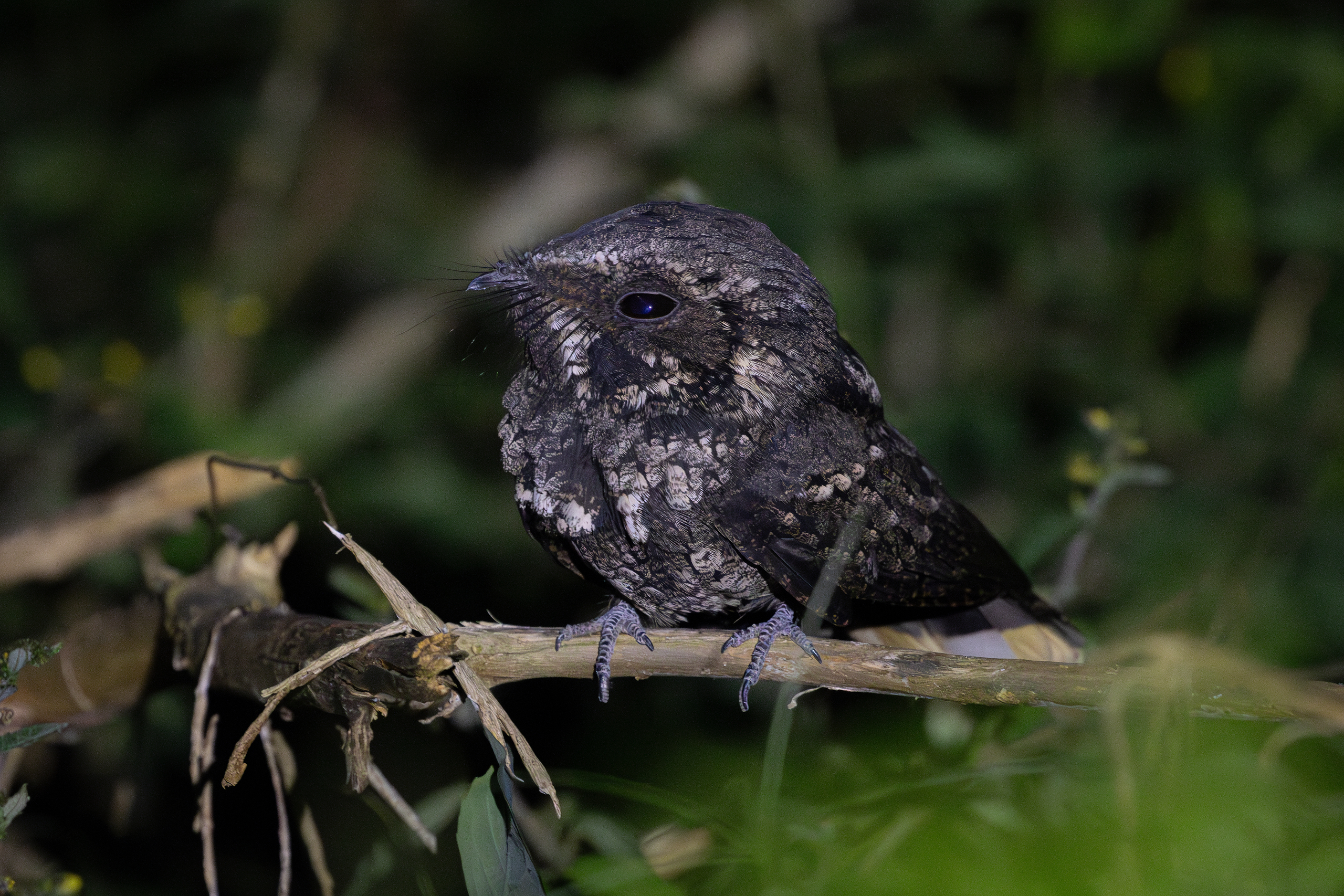
In the late afternoon, we plan to visit the Soplillar Savannahs where one of our targets is Cuban Parrot. After dinner, there will then be an optional evening excursion to look for Cuban Nightjar, Antillean Nighthawk and various owls including Cuban Pygmy, Bare-legged and Sygian.
Day 7
BERMEJAS WILDLIFE REFUGE, CIENFUEGOS BOTANICAL GARDENS AND ON TO GUAJIMICO
After checking out of our accommodation, we will drive to the Bermejas Wildlife Refuge. This forested reserve is home to another suite of endemics and two we will be particularly keen to find are the Blue-headed and Grey-fronted Quail-Doves. These two terrestrial pigeons are endemic and as a result of the forest clearance that has occurred over the centuries, both have comparatively restricted ranges.
Another localised and endangered endemic is Fernandina’s Flicker, which like the Green Woodpecker from home spends much of its time feeding on the ground.
Hopefully our local guides will know the current roost site of another endemic, the Bare-legged Owl, an intriguing small owl which was previous treated as a member of the Old World Megascops genus but is now considered to belong to its own monotypic genus.
After lunch in the seaside town of Cienfuegos (yet another UNESCO World Heritage Site), we will explore the town’s Botanical Gardens which is likely to be our first opportunity to see another endangered endemic, Gundlach’s Hawk.
Before we leave Cienfuegos, we may take the opportunity to spend a short while exploring this delightful town which has a Parisian feel with parks, tree-lined boulevards and colonnades.
Following the coastal road towards Guajimico, we plan to stop to look for Cuban Gnatcatcher and are also likely to find both White-collared and Black Swifts before arriving at our overnight accommodation which is located adjacent to the Caribbean with reefs offshore and a backdrop of hills. Night Guajimico
Day 8
TRINIDAD AND ON TO CAYO COCO
We plan to leave after an early breakfast and will follow the coast road eastwards to the town of Trinidad looking for Cuban Palm Crow, Cuban Crow and Giant Kingbird as we travel.
We will then follow the road across the island to the northern shore of Cuba before taking the 27km causeway to Cayo Coco, a large island off the Atlantic coastline.
Cayo Coco has pristine white-sand beaches, mangrove flats, low coastal scrub and crystal-clear waters and whilst the area is being developed for “sun and sand” tourism, it still provides the opportunity to look for some important species, a number of which are becoming increasingly threatened due to the development both here and elsewhere within Cuba. Night Cayo Coco
Day 9
CAYO COCO
We intend to start the day with an early morning excursion to Cueva del Jabali (Wild Boar’s Cave) which is a good place to look for Key West Quail-Dove, Zenaida Dove, Cuban Tody, Cuban Pewee, Red-legged Honeycreeper, Cuban Vireo and an excellent selection of wintering migrants.
Other sites we may visit include Cayo Guillermo and Cayo Paredon where the possibilities include Cuban Black Hawk, Bahama Mockingbird (which has a very restricted distribution in Cuba), Bahama Swallow (another bird which can only be found in a few places in Cuba), Cuban Gnatcatcher, Oriente Warbler, Mangrove Cuckoo, Thick-billed Vireo and Zapata Sparrow.
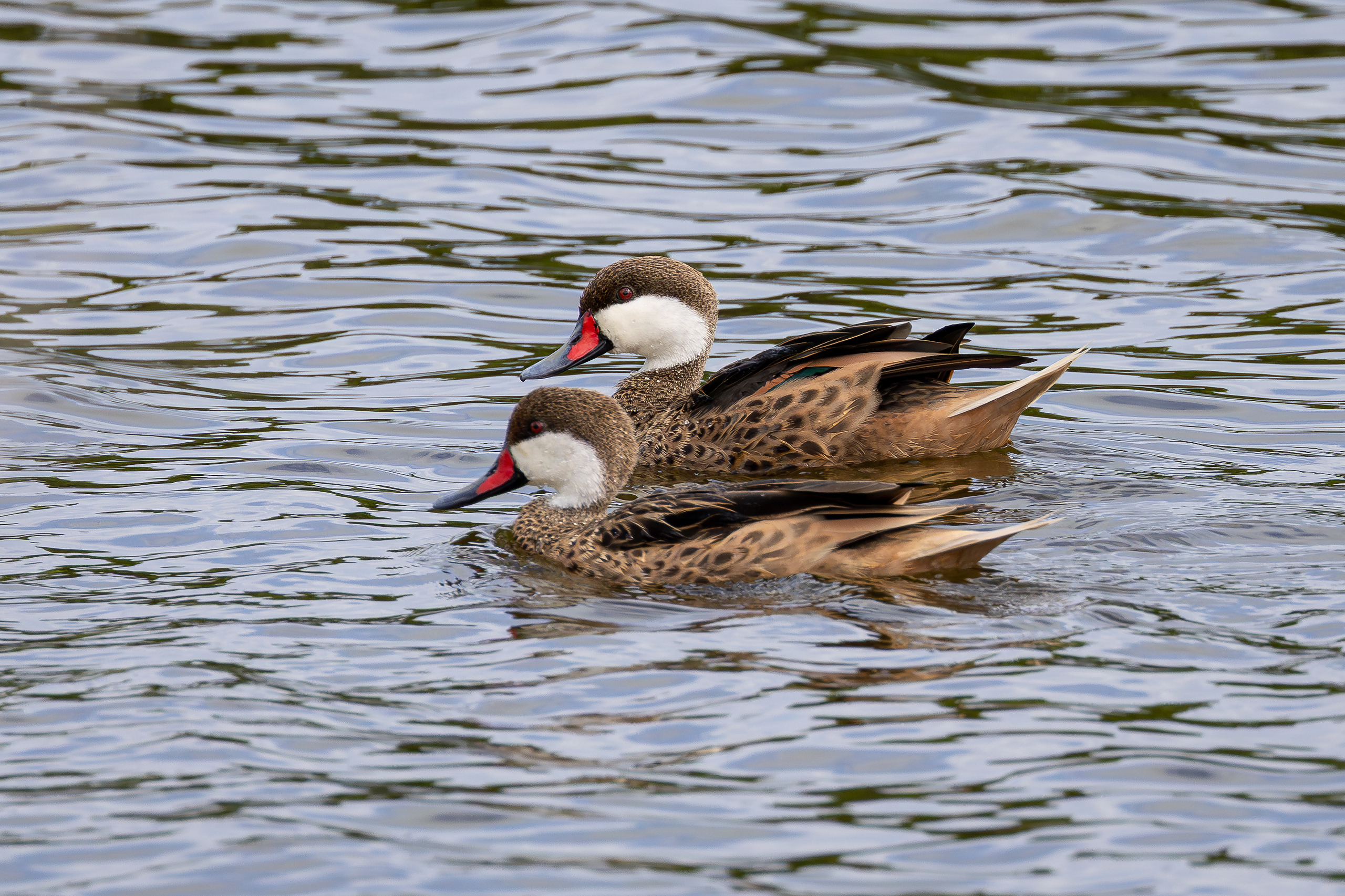
After lunch back at our hotel, we plan to spend the afternoon exploring mangrove wetlands and coastal habitats on Cayo Guillermo and Cayo Coco looking for a range of species we may not have seen so far with West Indian Whistling-Duck, White-cheeked Pintail, Little Blue Heron, Great Blue Heron, Sora, Great Egret, Semipalmated and Piping Plovers amongst the possibilities. Second night Cayo Coco
Day 10
REMEDIOS AND ONWARDS TO HAVANA
We will depart Cayo Coco after breakfast taking the causeway back to the mainland and then begin our journey westwards to Havana.
Although this will be the longest drive of the trip, we plan to break it with various stops with one of these likely to be some rice fields where there should be a mixture of waders with Black-necked Stilt, Short and Long-billed Dowitchers, Wilson’s Snipe and Spotted Sandpiper being just some of the species we might encounter.
There should also be a selection of other birds which are associated with damper habitats with King Rail, Fulvous Whistling-Duck and Northern Jacana amongst the possibilities.
We intend to arrive in Havana by late afternoon for our final couple of nights in Cuba. Night Havana
Day 11
BOTANICAL GARDENS AND PLAYA DEL CHIVO, HAVANA
Following breakfast, we will head to the National Botanical Gardens in Havana which as well as having an impressive array of plants (over 3,000 species) is also a good place to look for birds. If we failed to see Gundlach’s Hawk earlier in our holiday, the botanical gardens are another place where we may be able to find this species which is now thought to number between only 150-200 pairs.
Other possibilities here include Cuban Green and West Indian Woodpeckers, Cuban Pewee, Red-legged Thrush, Western Spindalis, Tawny-shouldered Blackbird, Cuban Blackbird and Greater Antillean Grackle.
After lunch, we will cross Havana Bay through a submarine tunnel to visit Playa del Chivo, a small beach where a selection of shorebirds occur with Killdeer, Semipalmated Plover, Willet, Short-billed Dowitcher and Least, Western and Semipalmated Sandpipers amongst the possibilities.
Laughing Gull, Black Skimmer and Royal Tern are also possible, and we might well find our last regional specialities with Cuban Martin, Greater Antillean Grackle, Cuban Tody, Cuban Emerald, Antillean Palm Swift amongst the birds we will look for. Second night in Havana
Day 12
TOUR OF HAVANA. DEPART CUBA
Having hopefully now seen the vast majority of Cuba’s endemics and regional specialities, we will take the opportunity on our final morning in Cuba to explore old Havana. This will start with being picked up from our hotel by classic American cars which will take us to the main landmarks of this iconic city.
From there, we will start our walking tour of the centre of the city visiting the five main colonial plazas around which the city was founded and built 500 years ago.
Wandering with our guide through Old Havana’s narrow streets, we can soak up the colonial atmosphere visiting several grand buildings such as the Catedral de San Cristóbal, La Cabaña Fort and Castillo del Morro.
We will then return to our hotel for lunch and the opportunity to change before heading for Havana airport and our flights home.
Day 13
We expect to arrive back in the UK in the early afternoon where our holiday to Cuba concludes.
ARRIVE UK
WHAT TO EXPECT
Our tour to Cuba will introduce you to this fantastic island, with the emphasis on finding the endemic birds, regional specialities but also taking in the unique culture.
Cuba is home to 28 species which are found nowhere else and as well as these endemics, there are a host of Caribbean specialities and over the course of the holiday we hope to see the vast majority of these species including special birds such as Cuban Tody, Cuban Trogon, Zapata Wren and the world’s smallest bird, the Bee Hummingbird.
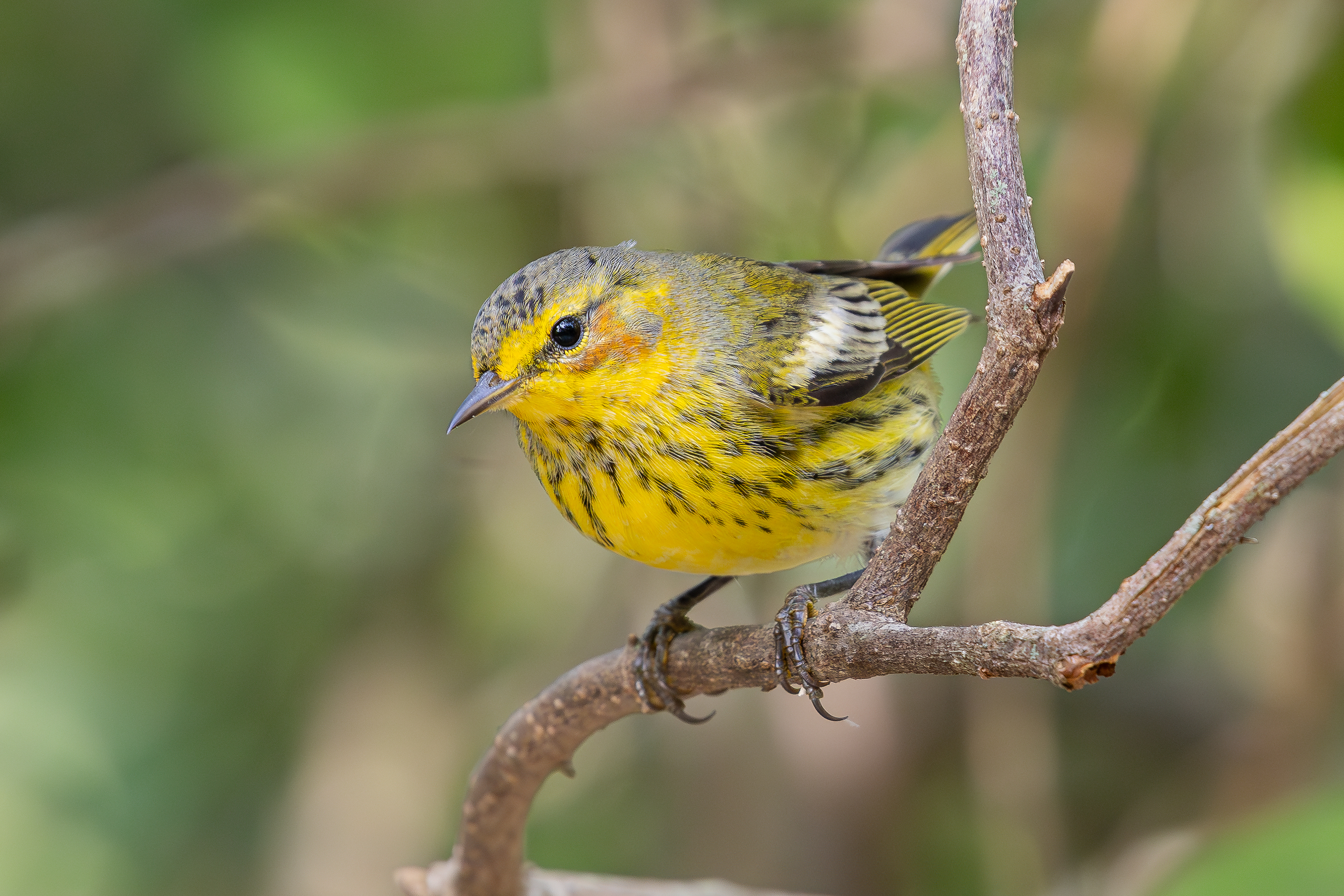
By visiting in the late winter, we will also have the opportunity to look for migrants from North America and can expect to find a good selection of North American warblers.
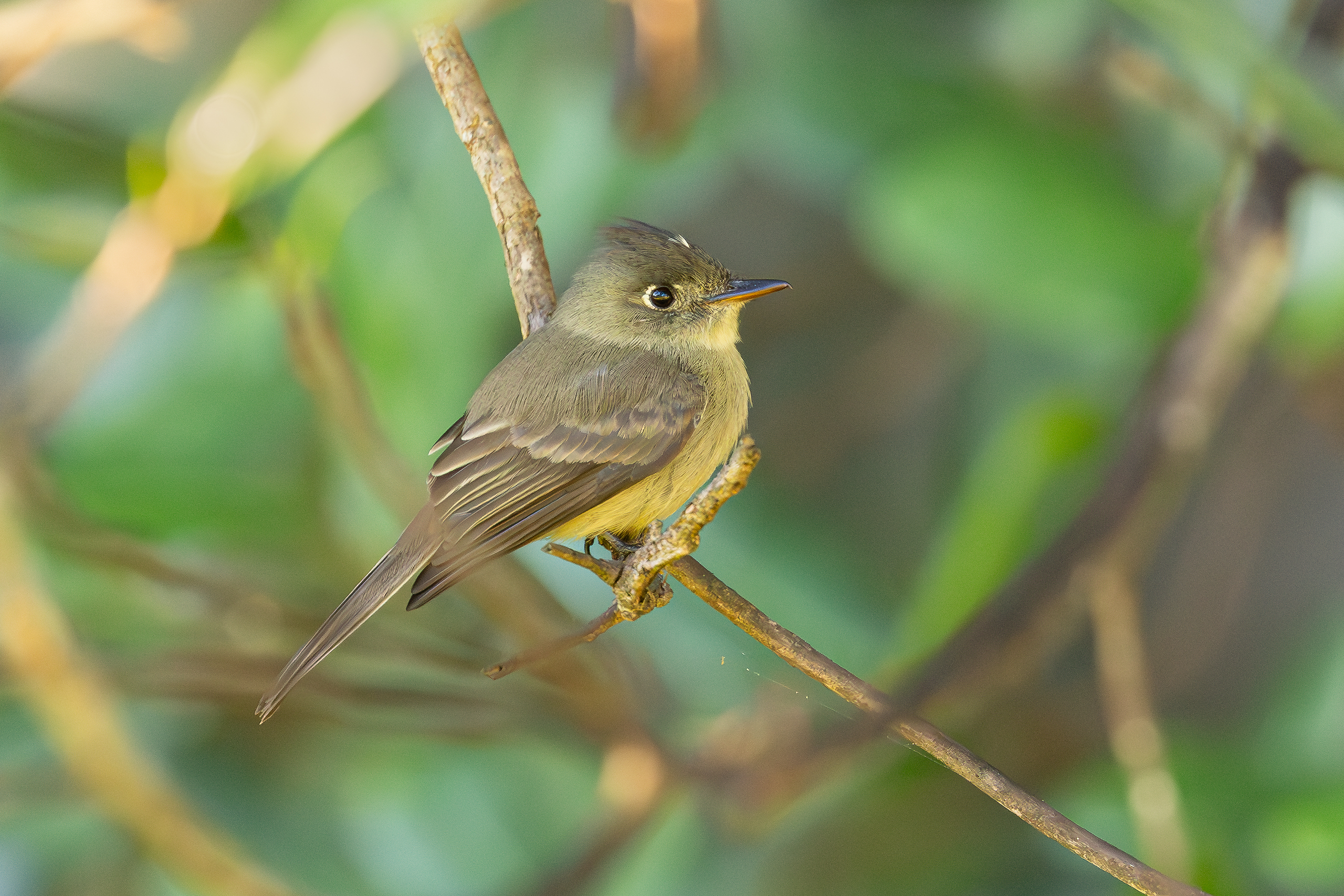
The photographic opportunities on this tour are generally excellent and at Cienaga de Zapata, for example, there are several feeding stations which allows for close views of some species.
Overall this is not a strenuous tour with several occasions when we spend two or more nights in the same accommodation.
You should be prepared for moderately early starts as the daylight hours are relatively short and bird activity is generally at its peak early and late but often dies away during the middle of the day. In late January, sunrise in Havana is around 07:10am and sunset at 6:15pm.
We will spend most of the time walking on level ground, birding from paved or unpaved roads or tracks, and on some forest trails with occasional steep sections, but these are quite short.
Daytime temperatures in Havana are likely to be ranging between 18-27C in late January. Conditions are likely to generally be sunny and pleasant with this period being the ‘dry season’ in Cuba although rain remains possible.
BIRDS
130-150 species with an excellent chance of seeing the vast majority of Cuba’s endemic birds.
ACCOMMODATION
11 nights’ accommodation in Cuba staying at range of good quality hotels, private B&Bs and lodges. All rooms have private facilities.
MEALS
All main meals are included in the tour price (and with drinking water provided during the day), commencing with dinner in Soroa on Day 1 and concluding with lunch in Havana on Day 12.
Lunches will either be picnics or taken at a convenient restaurant along the way, according to local availability and whichever arrangement best suits our daily plan.
WALKING
We will generally be birding along paved or unpaved roads or tracks, the majority of which are flat.
GROUND TRANSPORT
By minibus or other suitable vehicle depending on the group size.
CUBA AND THE USA
It is important to be aware that the US authorities do not allow those who have been to Cuba to apply for an ESTA and a US visa is required, even if only transiting through the US. Please, therefore, consider this when booking this holiday.
Tour Gallery
View a gallery of images for this tour below, click on an image to view as full size with caption
Ask About This Tour
If you have any questions about this tour, please enter your details here and we will get back to you as soon as possible.
Alternatively, contact us by email or phone. We look forward to hearing from you!
- 01692 580623
- tours@limosaholidays.co.uk
Or complete the contact form and we will endeavour to get back to you as soon as possible.
* = required field

