Costa Rica
The cloud forests, volcanoes and wetlands of Northern Costa Rica
A 13-day, small group birdwatching tour to Costa Rica
Limosa’s birding tour to northern Costa Rica will take you to the spectacular cloud forests of Monteverde, the Arenal and Poas volcanoes, and the wonderful wetlands of Caño Negro.
April is an excellent time to visit this compact, bird-filled central American country and this super trip with its 13-day itinerary offers a wealth of species that will be new even to those who have birded there before.
Tour Dates & Prices
Tue 7th April 2026
Sun 19th April 2026
- Fully Booked
Tour Cost: 13 Days from £6195 including return flight from London or £4595 land only
What's Included?
- Led by Limosa’s expert English-speaking Costa Rican guide, Herman Venegas
- Colin Bushell (Limosa) will co-lead the holiday if the group is eight clients or more
- 12 nights’ accommodation in Costa Rica
- All main meals and drinking water provided
- All local travel by Coaster bus with local driver or other suitable vehicle depending on group size
- Boat trip on the Rio Tarcoles
- All excursions, entry fees to parks, tour-based tips (including lodges, driver, local guides) and taxes
- Limosa checklist of birds
Cost Excludes
Insurance, airport snacks/meals, drinks and other items of a personal nature.
Additional Information
The land only cost is the price you will pay if you choose to arrange your own flights. If you select this option, please contact the Limosa office before making your travel arrangements.
Tour Highlights
- Compact Central American country that is positively brimming with brilliant birding
- 13-day itinerary to carefully selected prime birding sites in northern Costa Rica
- Around 350 species are possible on a journey which includes the Pacific coast, forested volcanoes and the world famous Monteverde cloudforests
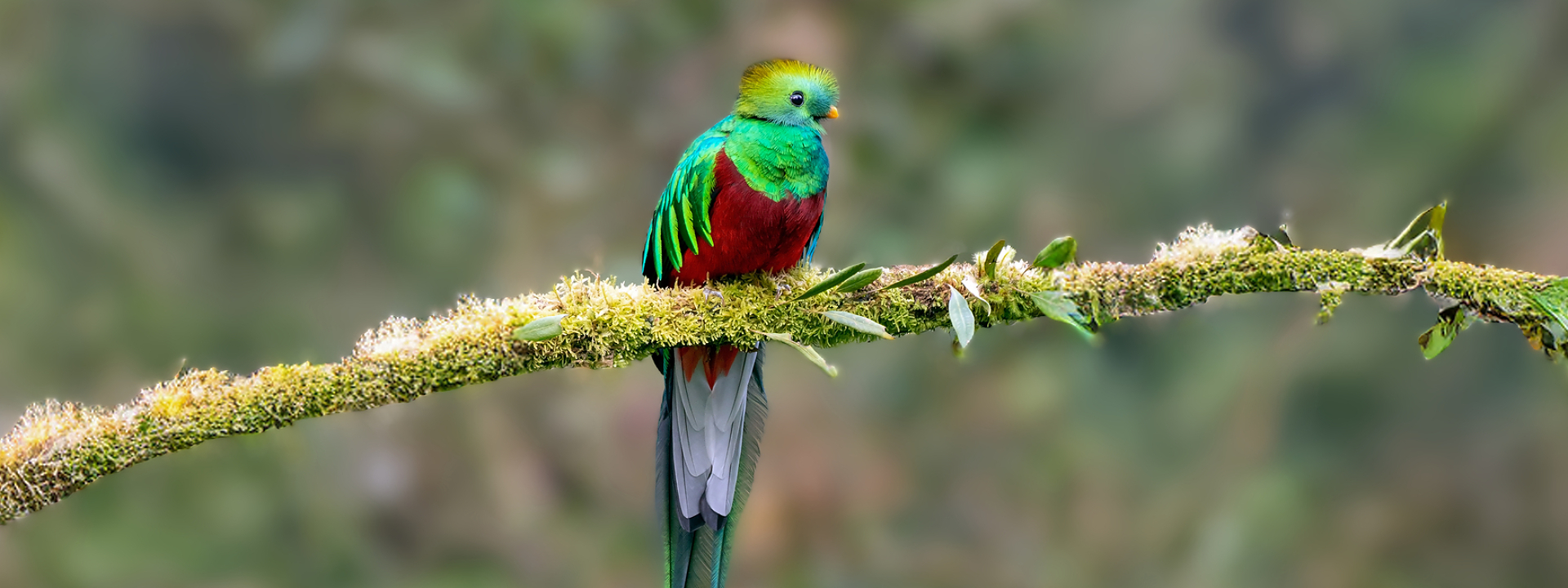
- Look for specialities such as Resplendent Quetzal, Three-wattled Bellbird and Long-tailed Manakin
- Enjoy incredible hummingbird feeders at Monteverde and La Paz Waterfall Garden
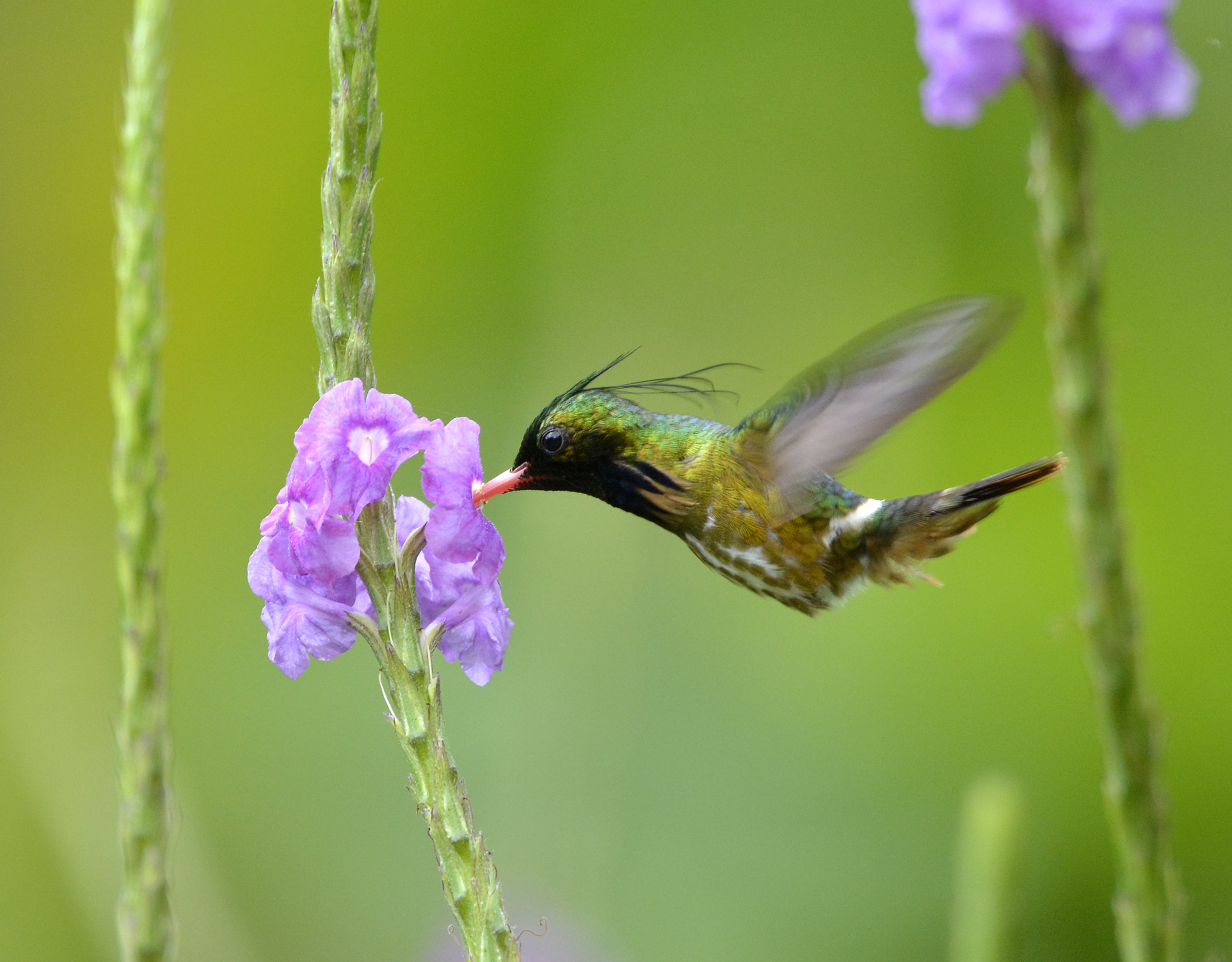
- Explore Arenal Volcano for Great Curassow, Crested Guan and Black-crested Coquette
- Eye-level encounters with treetop specialists at the unique Arenal Sky Walk
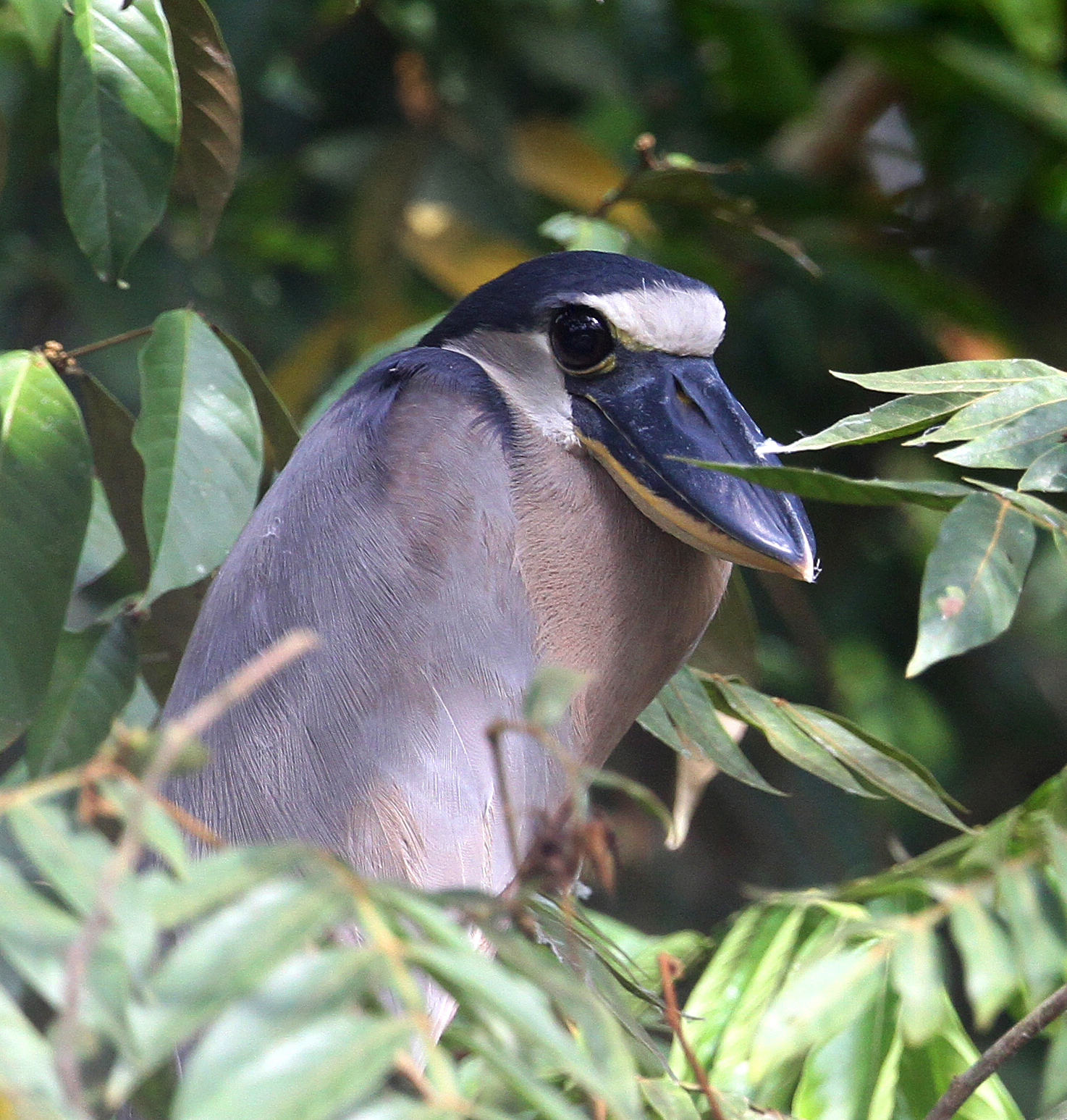
- Boat trips in the Caño Negro area looking for Sungrebe, Boat-billed Heron and the localised Nicaraguan Grackle
- Visit Poas Volcano National Park with its highland specialities and spectacular crater lake
- Small group size - maximum of 10 participants
- Led by Limosa's expert Costa Rican guide Herman Venegas and co-led by Colin Bushell subject to minimum numbers
Outline Itinerary
-
Fly London to San José. Night Villas San Ignacio Hotel, San José
-
Transfer to Monteverde via Caldera Bay, Punta Morales and the Salinas. Three nights at Montaña Monteverde Hotel
-
Curi Cancha Reserve and surrounding areas, Monteverde
-
“Bosque Eterno De Los Niños” Reserve, Monteverde
-
Early morning at Monteverde and then transfer to the Arenal Volcano area. Three nights at Arenal Lodge
-
Arenal Lodge, Arenal Lake, Arenal Sky Walk and other nearby sites
-
Transfer to Caño Wetlands via Bogarin Reserve and Medio Queso boat ride. Two nights at Natural Lodge Caño Negro
-
Caño Wetlands.
-
Early morning birding at Caño. Transfer to Pedacito de Cielo Lodge (one night)
-
Morning at King Vulture hide. Transfer to Póas Volcano Lodge (one night)
-
Morning at La Paz Waterfall Gardens. Transfer to San Jose airport for flight back to UK
-
Arrive UK
Straddling the narrow neck of land that links the continents of North and South America, the tiny Republic of Costa Rica is blessed with coastlines on both the Pacific and Caribbean shore, while the volcanic mountains between reach so high they touch the clouds. This remarkable chance of geography has given rise to an outstandingly varied flora and fauna, allowing us to sample the enormous wealth of tropical American birds without the need to travel great distances.
Our superb April tour is designed not only for birders coming to Costa Rica for the first time, but also for those who may have already been before and are keen to discover new and exciting areas this wonderful country has to offer. With a fresh look for 2026, this holiday focuses on the northern part of Costa Rica, taking in an incredible variety of habitats thereby ensuring an amazing variety of birds are possible including plenty that will be new to those who may already have been on Limosa’s ‘Classic Costa Rica’ tour.
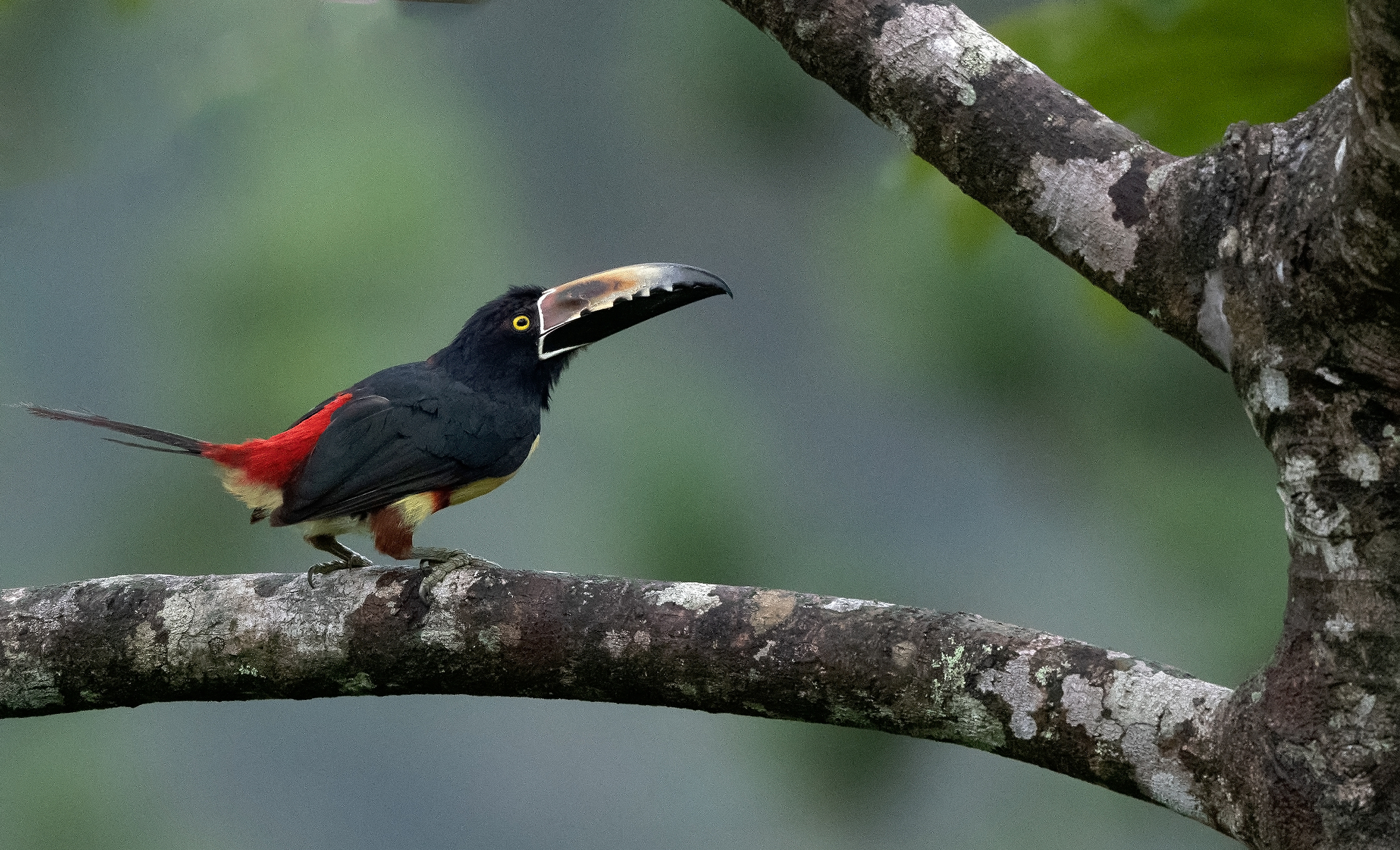
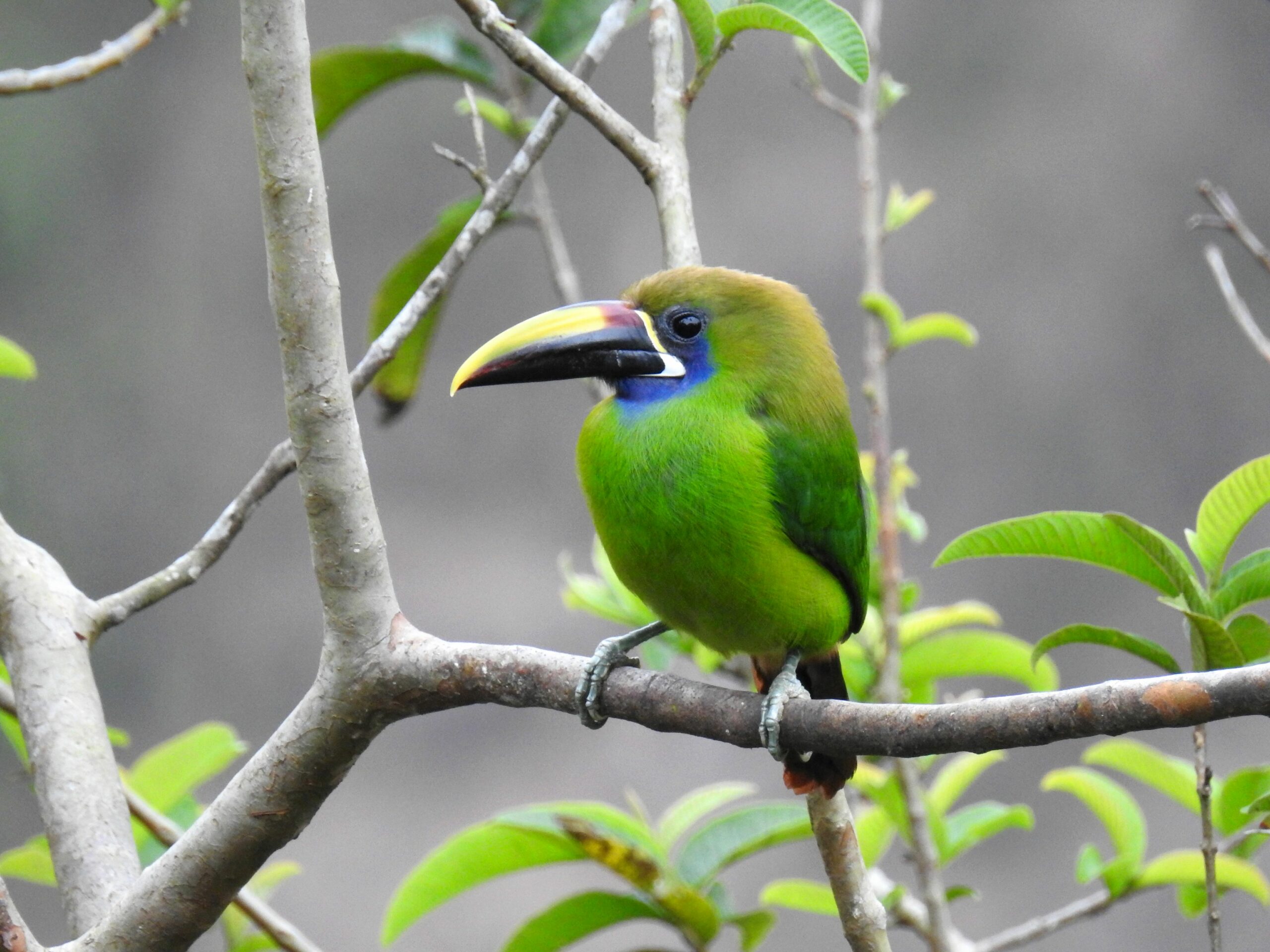
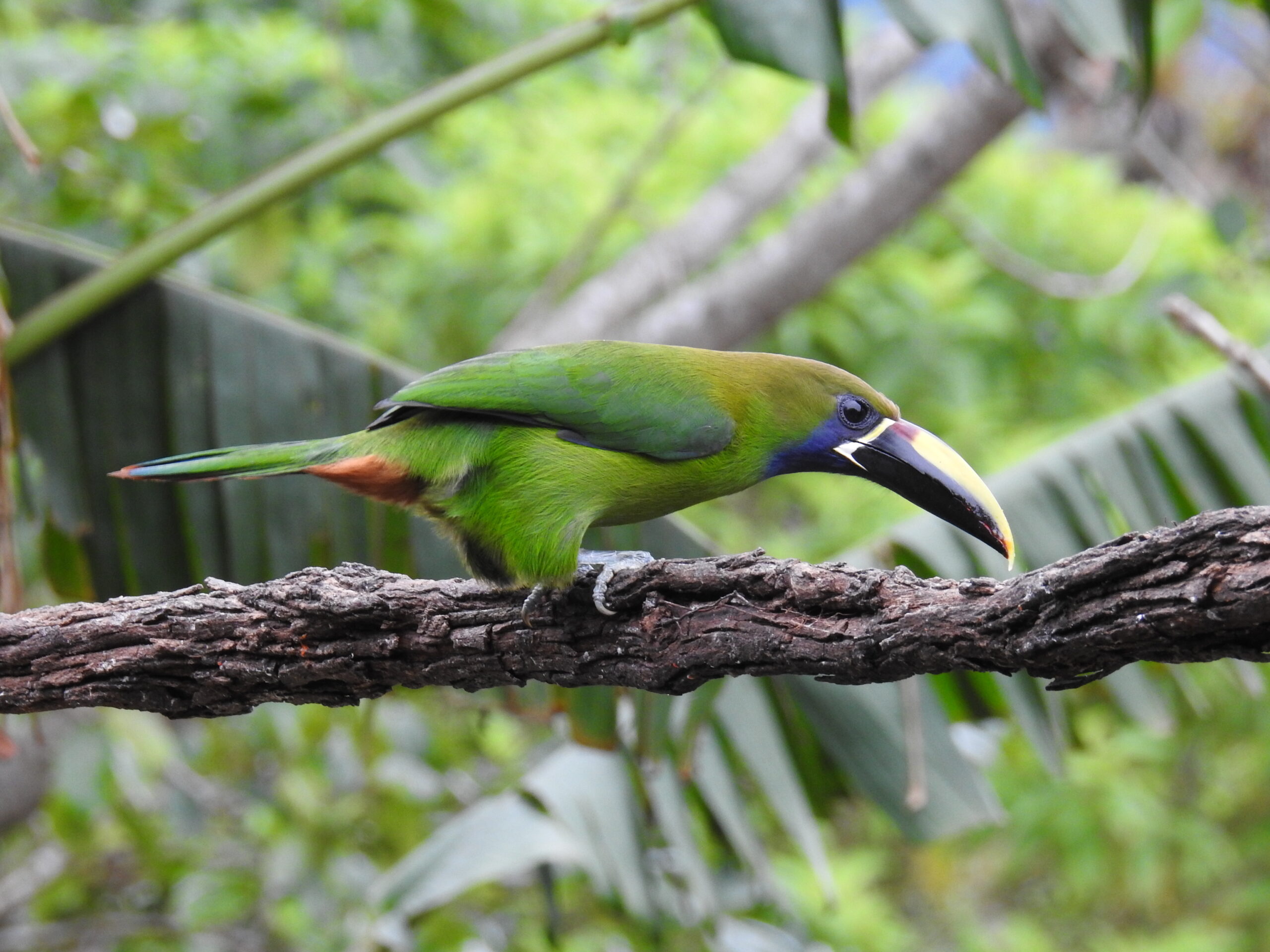
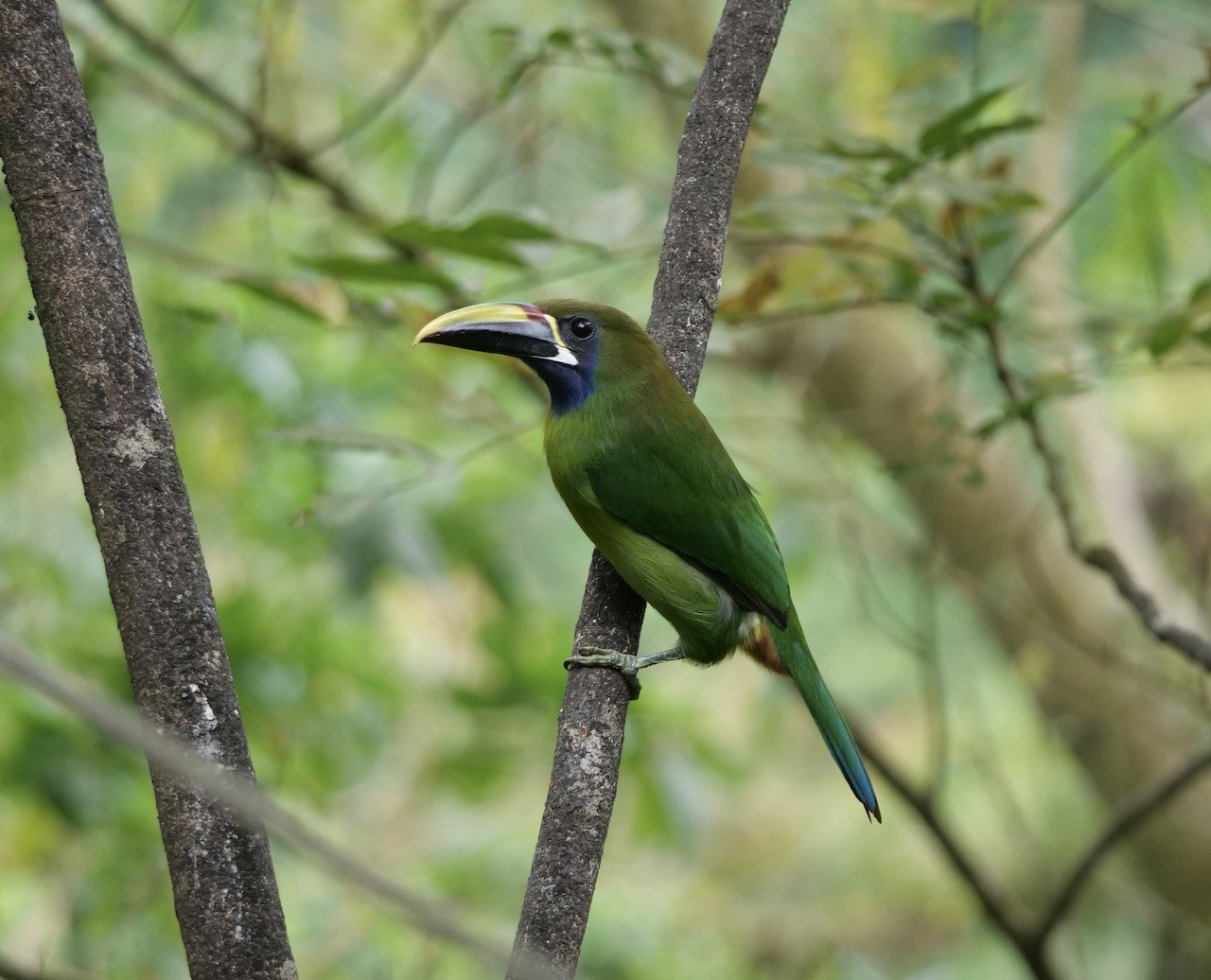
After a night in San Jose, our tour begins in the lush cloud forests of world famous Monteverde where we will look for two of Central America’s most iconic species, Resplendent Quetzal and Three-wattled Bellbird, however, there is a lot more to seek out in this amazingly bird-rich area. Other rainforest species we will hope to find include Blue-throated Toucanet, Black-bellied and Fiery-throated Hummingbirds, Black-billed Nightingale-Thrush, Long-tailed Manakin and Spangle-cheeked Tanager, before our journey takes us onwards for a three-night stay in the shadow of the Arenal Volcano. There are a host of new birds to look for here including everything from ‘skulkers’ such as Thicket Antpitta to Crested Guan, Grey-headed Chachalaca and toucans including Keel-billed and Yellow-throated and Collared Aracari.
Next up are the Caribbean lowland wetlands of Caño Negro where both the scenery and birds are very different, thereby providing opportunities to see a host of further specialities that could include Sungrebe, Boat-billed Heron, Pinnated Bittern, Black-and-white Owl, Nicaraguan Seed-Finch and the localised Nicaraguan Grackle.
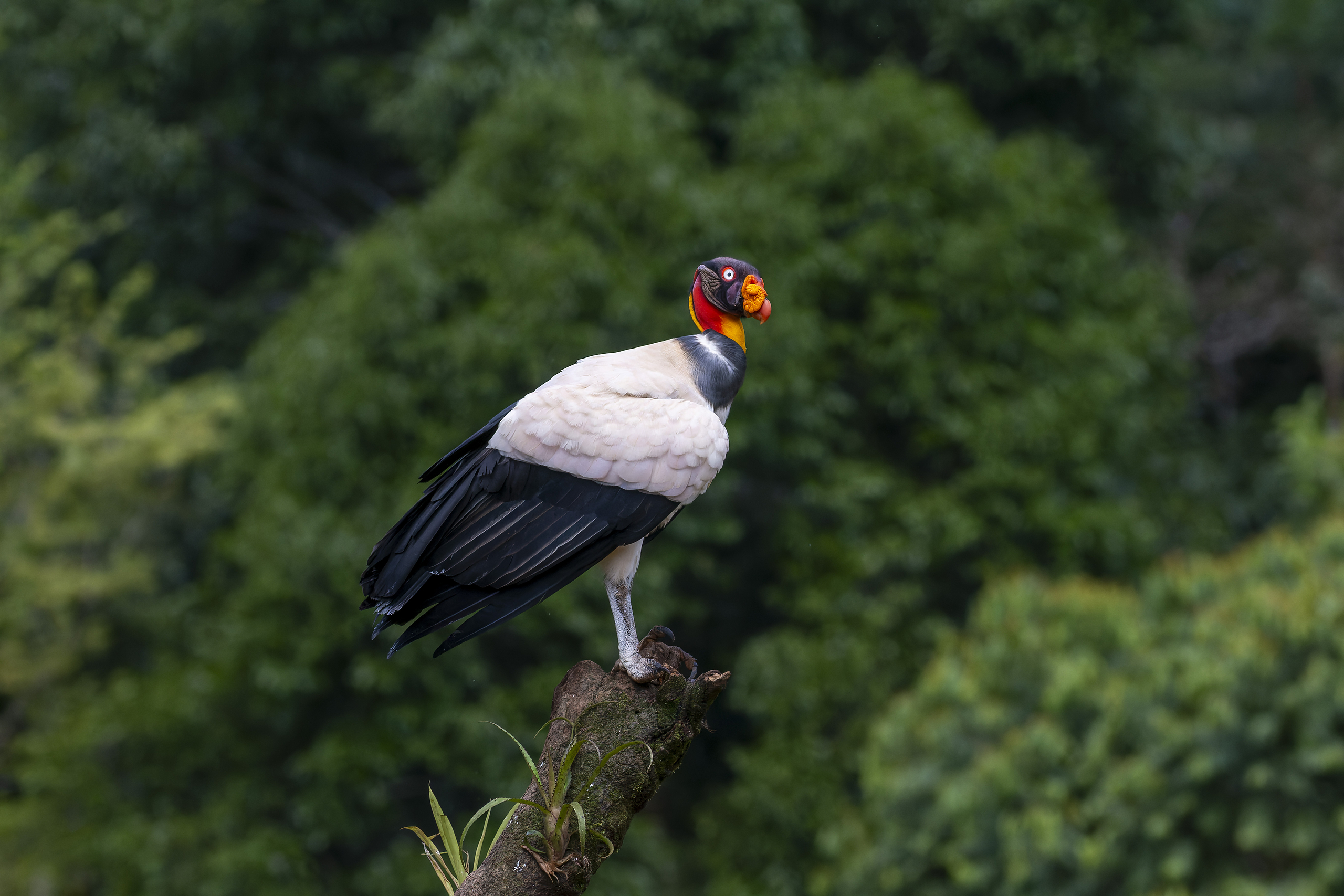
We then visit Pedacito de Cielo and its King Vulture hide where we hope to get some great views of this spectacular bird before concluding with a visit to the Póas Volcano National Park. Here, the highland forests allow us to look for Fiery-throated Hummingbird, Long-tailed and Black-and-yellow Silky-flycatchers, Black-capped Flycatcher, Sooty Thrush, Yellow-winged Vireo, Flame-throated and Black-cheeked Warblers, Large-footed Finch, Black-thighed Grosbeak and perhaps even a rarity such as the monotypic Wrenthrush which is neither a wren nor a thrush!
With visits to two remarkable hummingbird galleries at Monteverde and La Paz Waterfall Garden, fantastic boat rides in the Caño Negro area, plus time to explore the world famous cloud forest of Monteverde, this is a superb opportunity to enjoy the varied habitats of this special destination.
Our 2026 trip will be guided by our expert Costa Rican guide Herman Venegas. Colin Bushell will co-lead the tour with Herman if the group is eight or more clients.
Day 1
FLY LONDON TO SAN JOSÉ
Our April birdwatching tour to Costa Rica begins with a morning departure from London for San Jose. After clearing Immigration and collecting our bags, we will meet up with Limosa Guide Herman Venegas for the short drive to our comfortable hotel. Night at Villas San Ignacio Hotel
Day 2
TRANSFER TO MONTEVERDE VIA CALDERA BAY, PUNTA MORALES AND THE SALINAS
We will leave our conveniently located hotel after breakfast and our route initially takes us down to Costa Rica’s Central Pacific coast where stops at Caldera Bay, Punta Morales and Salinas should produce a good selection of coastal species including Magnificent Frigatebirds, Brown Pelican plus various terns and gulls such as Royal Tern and Laughing Gull, along with the extraordinary Black Skimmer.
There should also be a good variety of waders present with the possibilities including Wilson’s Plover, Willet, Western Sandpiper and Greater Yellowlegs.
The adjacent mangrove-lined inlets are home to specialities such as the endemic Mangrove Hummingbird and ‘Mangrove’ Yellow Warbler and other species we could see include Cinnamon Hummingbird, Canivet’s Emerald, Black-headed Trogon, Spot-breasted and Streak-backed Orioles, White-lored Gnatcatcher, White-throated Magpie-Jay, Turquoise-browed Motmot and maybe a day roost of Pacific Screech Owl.
Leaving the lowlands, we will then begin to climb back into the mountains and should arrive at Monteverde in the latter stages of the afternoon where we will check in to our hotel for a three night stay. Three nights at Montaña Monteverde Hotel
Day 3
CURI CANCHA RESERVE AND SURROUNDING AREAS
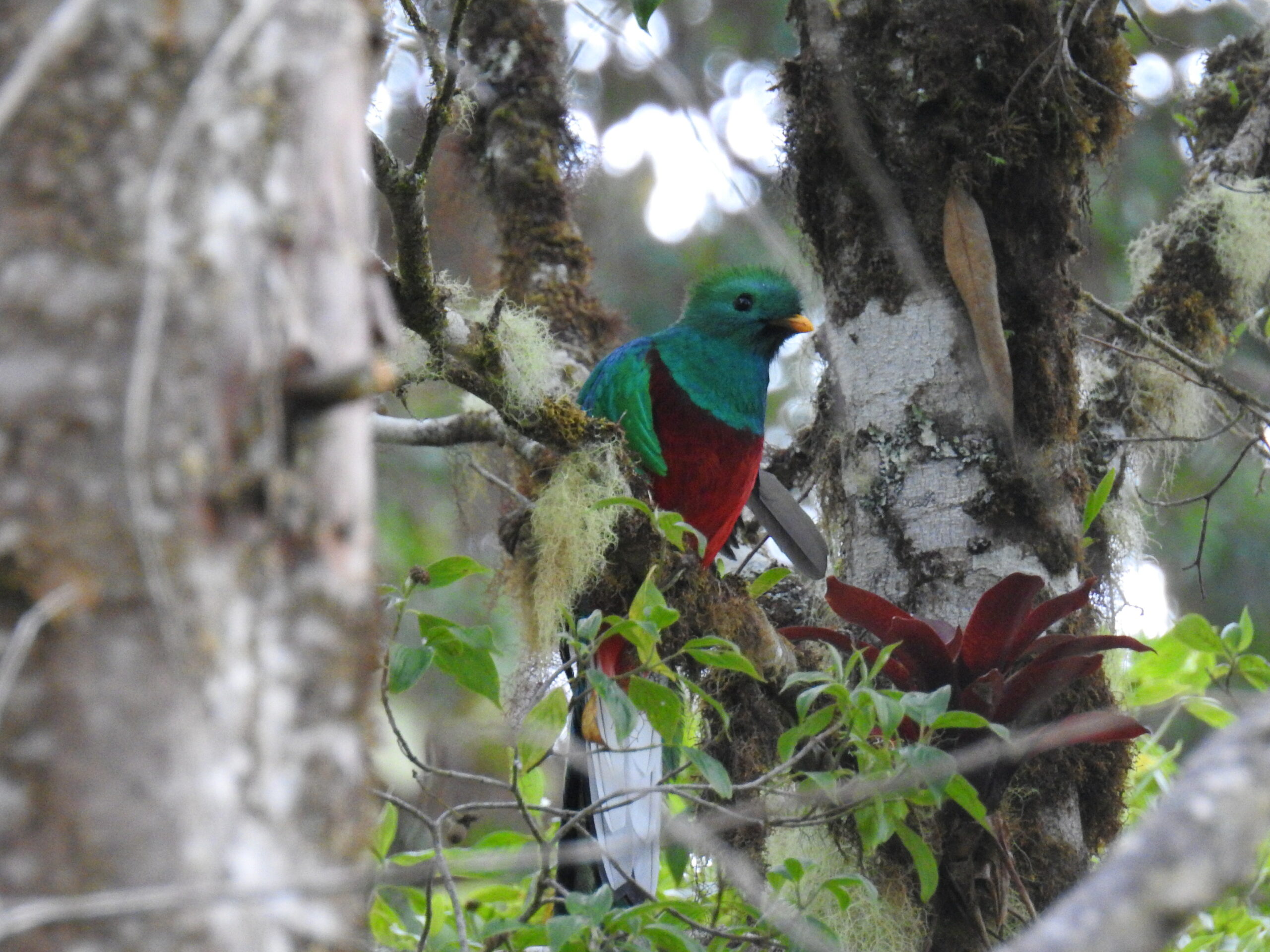
We plan to spend the day exploring the Curi Cancha Reserve which is only a matter of minutes from our hotel. Over 400 species have been recorded in the forests of this preserve and whilst we can only expect to see a modest proportion of this impressive total, this will be our first opportunity to look for some of Costa Rica’s most iconic species including the stunning Resplendent Quetzal which is widely considered to be one of the most beautiful birds in the world. Our tour has been deliberately timed to coincide with the breeding season of these gorgeous birds and, if we are fortunate, we may be able to watch a male with his incredible tail streamers flying to a nesting hole.
Another possibility is the Three-wattled Bellbird and seeing a male with his gleaming white head and breast, rufous body and bizarre wattles would certainly be another major highlight.
There is sometimes an active colony of Chestnut-headed Oropendolas here and we plan to visit this if the birds are present.
The reserve is also excellent for furnariids (or ovenbirds) and the possibilities include Red-faced Spinetail, Spotted Barbtail, Lineated Foliage-gleaner, Streak-breasted Treehunter and the elusive Grey-throated Leaftosser.
As we explore the trail network, we may come across some mixed species flocks moving through the forest which could contain the likes of Spotted and Olivaceous Woodcreepers, Yellowish Flycatcher, Ochraceous Wren, Grey-breasted Wood-Wren and Black-eared Warbler which is also sometimes known as the Costa Rican Warbler.
There are also chances for a selection of Neotropical forest mammals including White-throated Capuchin, Central American Agouti and Hoffman’s (Three-toed) and Brown-throated Sloths and Northern Olingo which is closely related to raccoons and coatis.
Day 4
“BOSQUE ETERNO DE LOS NIÑOS” RESERVE
Our main focus today will be the “Bosque Eterno De Los Niños” (Children’s Eternal Rainforest) which is the largest private biological reserve in Central America and in total protects over 18,000 hectares.
As at Curi Cancha Reserve, we are likely to spend much of our time exploring the trail network looking for species such as Great Tinamou, Tawny-throated Leaftosser, Long-billed Gnatwren, Northern Bentbill, Black-headed Nightingale-Thrush, Lesson’s Motmot, Montezuma Oropendola, Crimson-collared Tanager and Carmiol’s Tanager, however, we will also hope to find the bizarre Bare-necked Umbrellabird, a highly threatened bird of the forests of Costa Rica and western Panama.
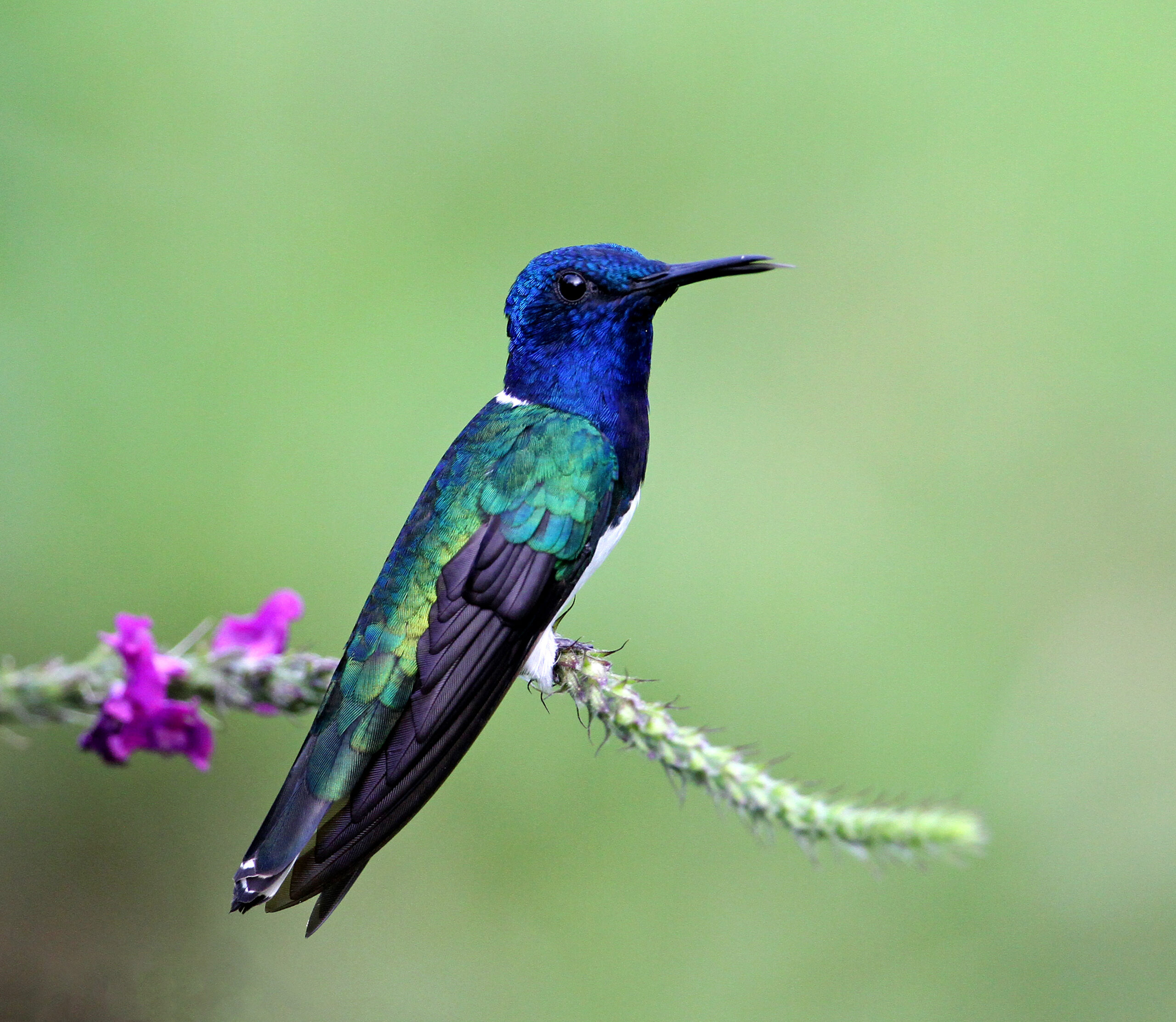
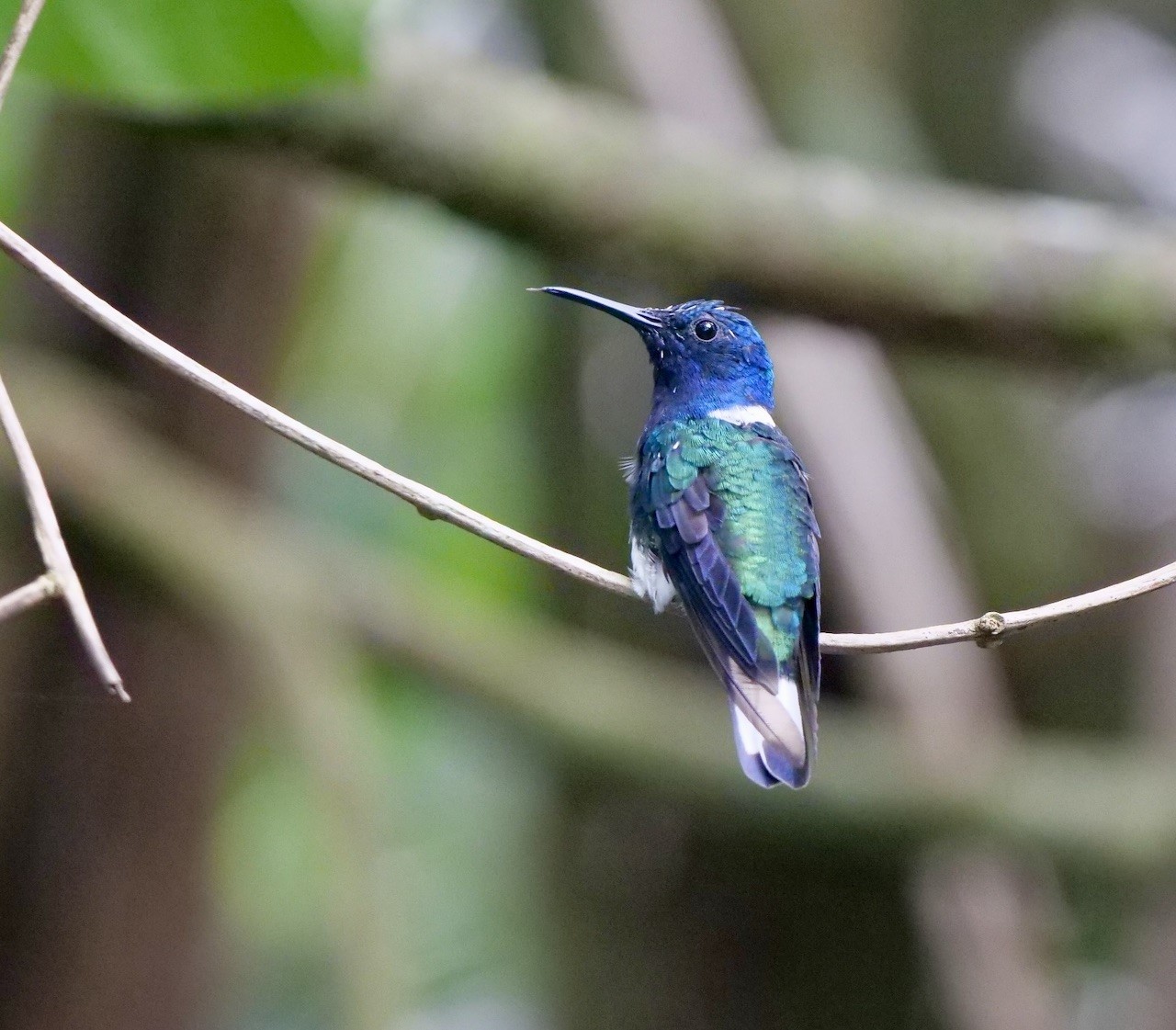
An impressive variety of hummingbirds can also be found in the reserve with the possibilities including Rufous-tailed Hummingbird, White-necked Jacobin, Brown Violetear, Green Hermit, Stripe-throated Hermit, Crowned Woodnymph, Bronze-tailed Plumeleteer, Violet-headed Hummingbird, Blue-vented Hummingbird, Purple-crowned Fairy.
This vast rainforest reserve can trace its origins trace back to the 1980s when Swedish schoolchildren inspired by biologist Sharon Kinsman, raised the funds to protect the disappearing rainforests of Costa Rica. Their efforts led to the creation of this ecological treasure, which is now managed by the Monteverde Conservation League.
This is truly a birdwatcher’s paradise and other impressive species we could see include Long-tailed Manakin, which is known for its dazzling courtship displays, Chiriqui Quail-Dove, a secretive beauty of the forest floor, and the appropriately named Elegant Euphonia.
Day 5
EARLY MORNING AT MONTEVERDE and then transfer to the Arenal Volcano area
There should be time for some more early morning birding in the forests around Monteverde before we set off for the scenic drive to the lush foothill Caribbean rainforests of the Arenal Volcano. The journey should take about three hours and we will break the journey for lunch along with birding stops for any interesting species we see.
Our destination is the comfortable Arenal Lodge which sits on a 2,000 acre property with views across the forests to the Arenal Volcano and Arenal Lake.
The gardens, woodland edge and forest trails provide excellent birding opportunities and we should arrive in time to begin our exploration of the area. Amongst the birds we hope to find over the next few days are various ‘skulkers’ such as Thicket Antpitta, Spotted Antbird and no fewer than nine species of wren including Song, Bay, Black-throated and Stripe-breasted, as well as the attractive White-breasted Wood-Wren.
Hummingbirds are also abundant with the flowers in the gardens and nearby forests attracting species such as Stripe-throated Hermit, Crowned Woodnymph, Brown Violetear, Green Thorntail, Violet-headed Hummingbird and the enchanting Black-crested Coquette. Three nights at Arenal Lodge
Days 6-7
ARENAL LODGE, ARENAL LAKE, ARENAL SKY WALK AND OTHER NEARBY SITES
We have two days to continue our exploration of the birding habitats around Arenal and plan to visit a selection of sites to maximise on what we can see.
Birding beside picturesque Lake Arenal can be very rewarding. This is a superb area for Crested Guan and Grey-headed Chachalaca and toucans are also well represented with Keel-billed and Yellow-throated Toucans, Collared Aracari and, occasionally, even the rare Yellow-eared Toucanet. We will also watch for three species of motmot: Rufous, Broad-billed and very local Keel-billed Motmot.
Four species of antshrike occur in the area: Great, Russet, Fasciated and Barred, while two more ‘crowd pleasers’, Rufous-tailed Jacamar and Long-tailed Tyrant, can often be seen hunting for insects beside the road.
In the vine tangles, we will search for Long-billed Gnatwren and Yellow-billed Cacique, while more open areas hold Slaty Spinetail, both Olive-crowned and Grey-crowned Yellowthroats, and up to five species of seedeaters.
We will also want to keep an eye on the skies above as some interesting raptors could also be seen with possibilities including White Hawk, Ornate Hawk-eagle and the graceful Swallow-tailed Kite.
During our stay, we also plan to explore the trails near the Arenal Sky Walk, which pass through an area of steep ravines and primary rainforest and offer a great opportunity for viewing specialist forest species. White-ruffed Manakin, Tawny-capped Euphonia and Emerald Tanager are among those to check for, along with numerous flock species such as Smoky-brown Woodpecker, Spotted Woodcreeper and White-shouldered, Bay-headed and Speckled Tanagers.
Whilst walking Arenal’s trails, we will keep watch for undergrowth skulkers such as Dull-mantled Antbird and Black-headed Nightingale-Thrush and, if we are extremely fortunate, we might encounter an army ant swarm which will be our best chance for Spotted, Bicoloured and Ocellated Antbirds.
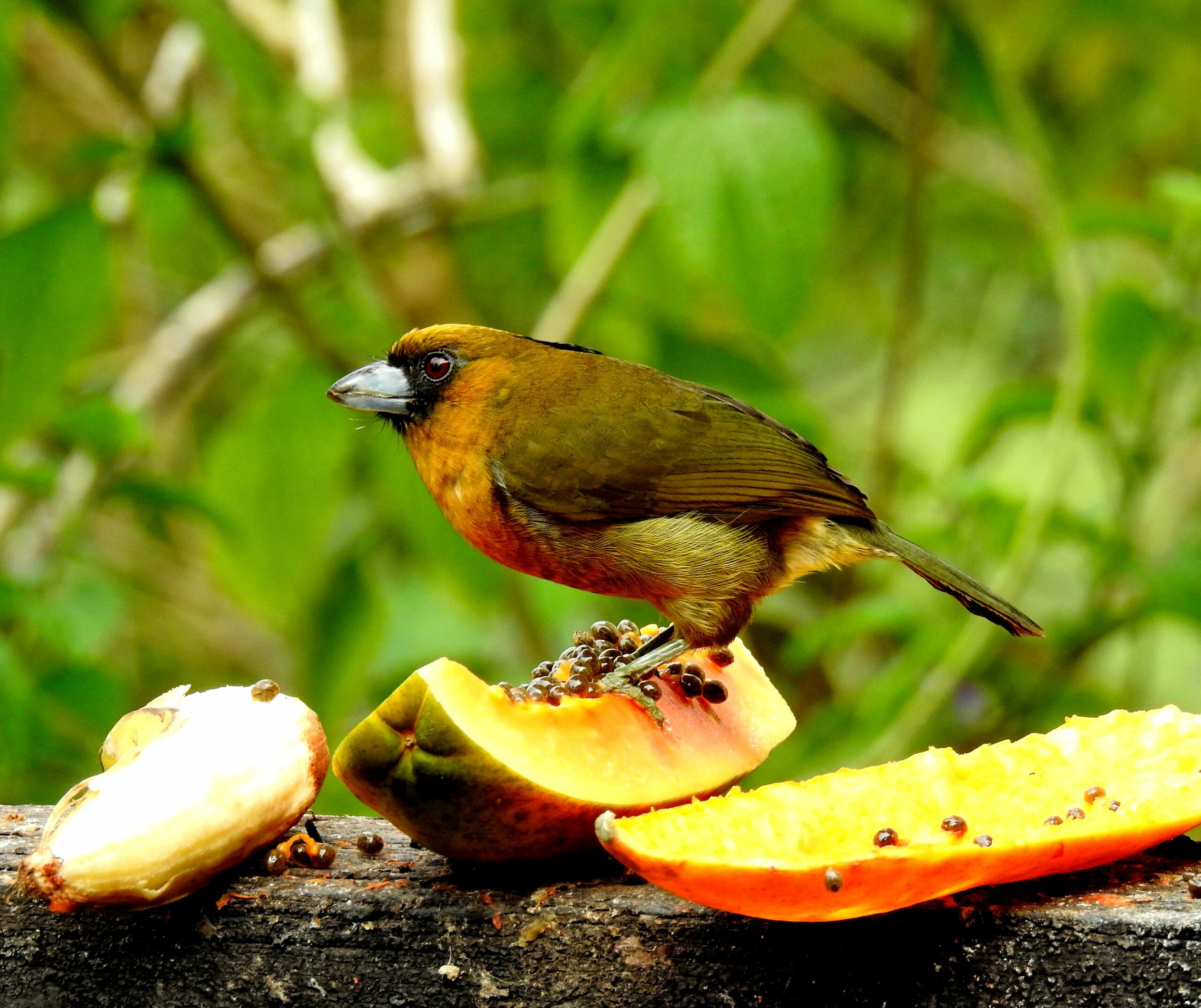
During our stay, we may also visit one or more fruit feeding stations, where a ‘fruit salad’ of watermelon, papaya and bananas attract a fabulous variety of colourful birds. Here, Red-legged Honeycreepers and Golden-hooded Tanagers mix with Green Honeycreepers, Yellow-throated Euphonias, Crimson-collared Tanagers, and rich chestnut Montezuma Oropendolas. Scraps that fall beneath the feeders sometimes attract White-nosed Coatis, along with foraging Black-striped Sparrows and even the occasional Great Curassow.
Costa Rica’s forest mammals can be tricky to find but we could see three species of monkey at Arenal: Mantled Howler, Central American Spider Monkey and White-throated Capuchin. Brown-throated Sloths are also present in the trees, alhough not always easy to spot as they are not so active as the primates !!
Day 8
TO CAÑO NEGRO VIA BOGARIN RESERVE AND MEDIO QUESO BOAT RIDE
After a final early morning looking for species which may have eluded us around Arenal Lodge, we drive to nearby La Fortuna to visit a reserve which is quite literally on the edge of town. Fruit feeders attract a multitude of colourful tropical species making it an excellent spot to photograph many of these at close range. Species that can be found within this small private reserve include the diminutive (for a woodpecker) Olivaceous Piculet, Slaty Spinetail and the localised Uniform Crake, along with the usually more confiding White-throated Crake and Rufous-naped Wood Rail.
Following lunch, we bid farewell to the Arenal area and travel to the far north-central sector of Costa Rica and the wetlands of Caño Negro, where in the late afternoon we will take an afternoon boat trip. There should be plenty of new species to find here such as Pinnated Bittern, Lesser Yellow-headed Vulture, Plain-breasted Ground Dove, Nicaraguan Seed Finch, Ruddy-breasted Seedeater and the seasonal and localised Nicaraguan Grackle to name but a few.
Our final destination is Caño Negro, where we stay for two nights in comfortable air-conditioned rooms just metres from the wetlands. Two nights at Natural Lodge Caño Negro
Day 9
CAÑO NEGRO WETLANDS
A major highlight of this area for visiting birders are the boat trips along the Caño Negro waterways as birds are plentiful and the Caño Negro National Wildlife Refuge is home to a fine array of specialities.
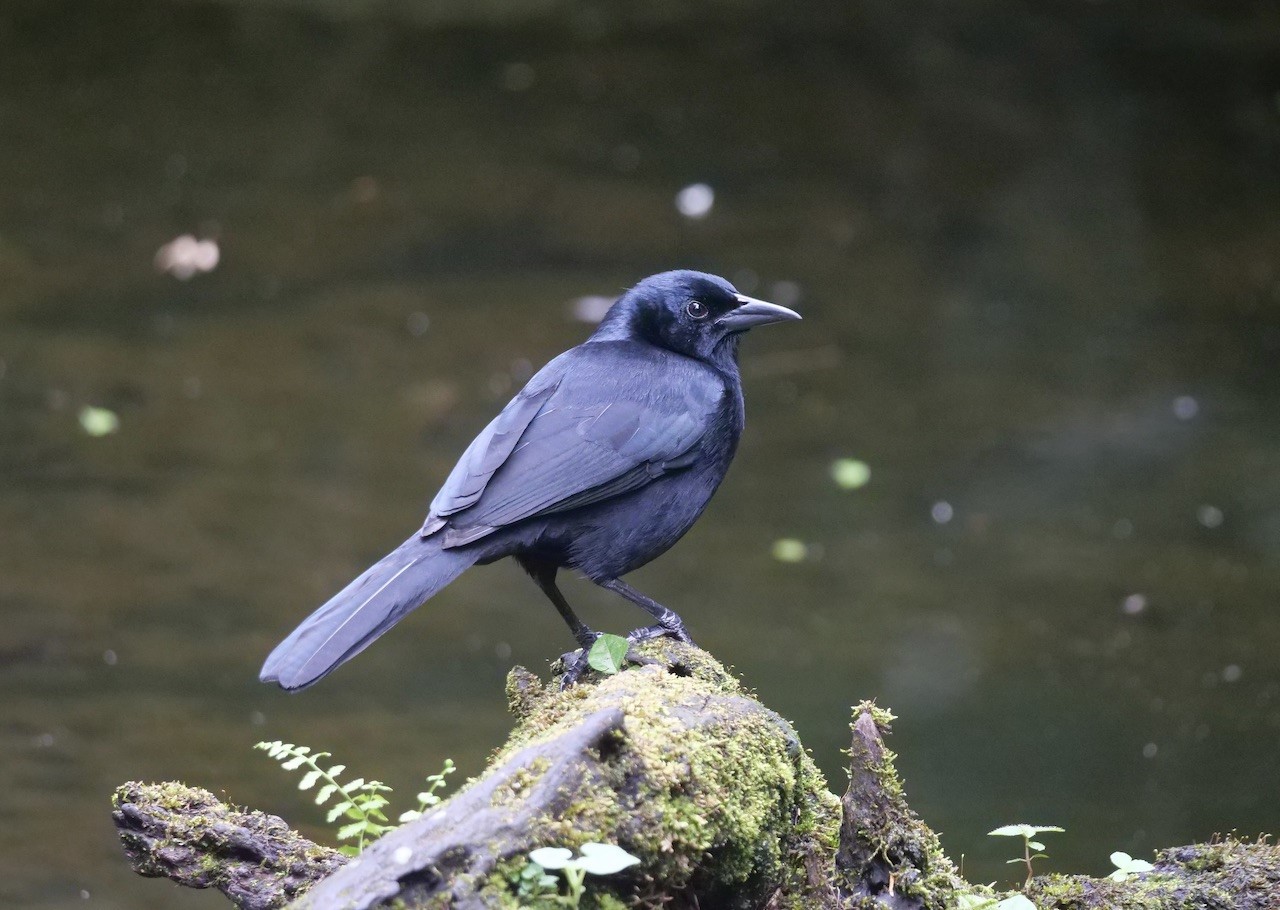
This area is the only regular site in Costa Rica for Black-collared Hawk, Grey-headed Dove and Spot-breasted Wren, however, perhaps the most notable species here is the Nicaraguan Grackle. This species is restricted to only a few lakes and surrounding wetlands and cattle pastures; indeed, this is one of the few highly range-restricted species which seems to have benefitted from the destruction of forest and conversion of this to grasslands for cattle……
During our boat trip, we will be on the lookout for the unique-looking Boat-billed Heron, which is nocturnal so during the day the birds will be hiding in the trees. Other possible highlights might include the unique Sungrebe, along with Russet-naped Wood Rail (which is often not uncommon here), the enormous Jabiru, Mangrove Cuckoo and up to five species of kingfishers.
After lunch and a welcome siesta (or maybe a dip in the pool), we will explore the boardwalks at the reserve, concentrating our efforts on looking for any species we have not already seen.
Caño Negro is also a superb spot for nocturnal species and we plan to go out after dark in the hopes of finding species such as Striped and Black-and-white Owls, Pacific Screech Owl and both Great and Common Potoos, along with the ubiquitous Common Pauraque.
Day 10
EARLY MORNING AT CAÑO, TRANSFER TO PEDACITO DE CIELO
We will enjoy some final birding around the Caño wetlands in the morning before setting off for the c.90 mile (145 kms) drive to Pedacito de Cielo Lodge which is only a few miles from Costa Rica’s international border with neighbouring Nicaragua. The journey should take less than three hours and we plan to stop for lunch along the way and to look at any birds we spot as we travel.
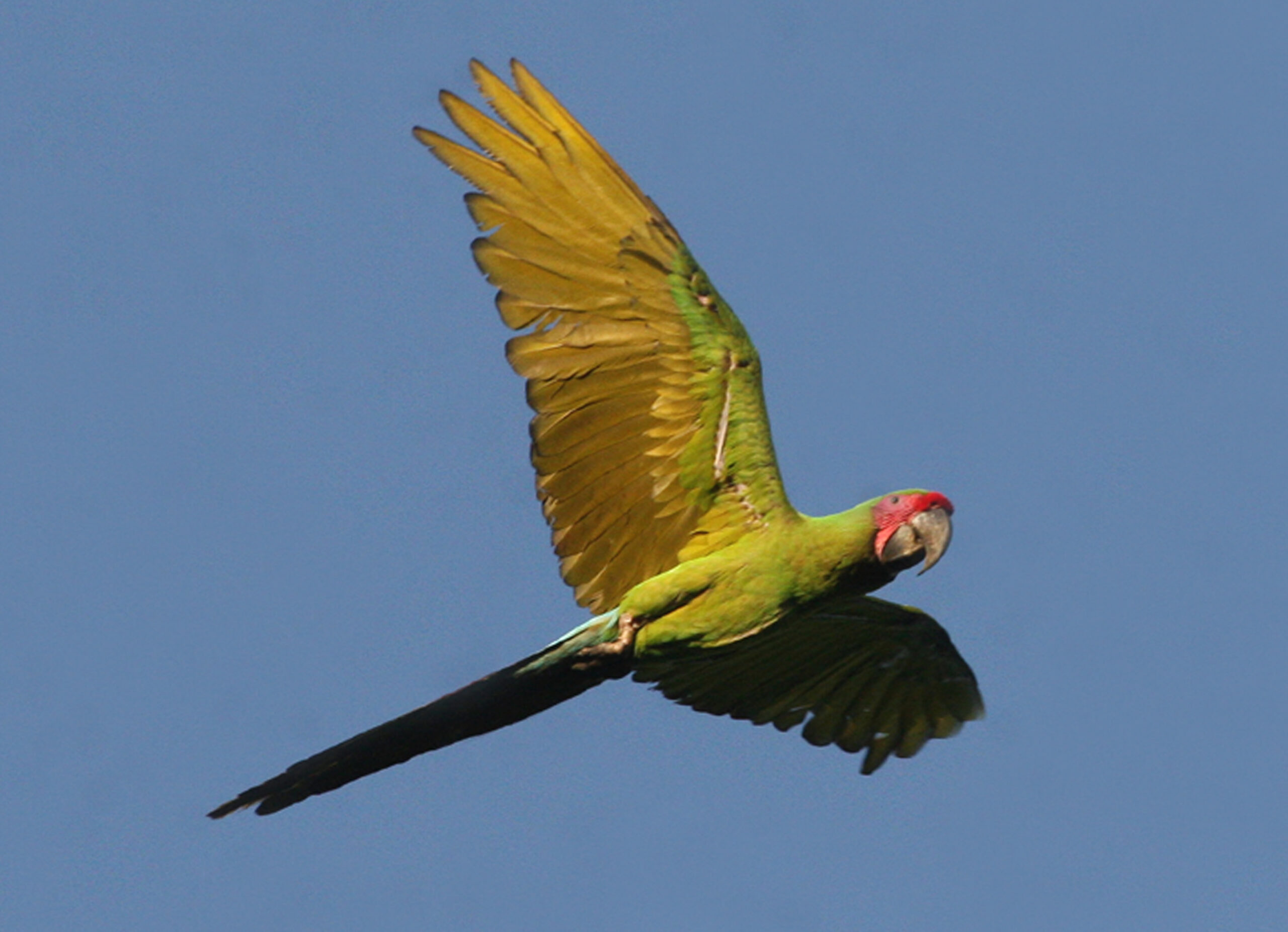
The lodge itself is located right above the San Carlos River and there are two decks which sit high above the river and in the evenings, these can be a good place to look for both the Scarlet and Great Green Macaws.
We plan to arrive in the afternoon and there should be time for some local exploring around the 300 hectares of this attractive property. There are gardens and fruit trees right outside of the individual cabins that attract bird species such as Slaty-tailed Trogon, Black-crowned Tityra and Keel-billed Toucan, and the almost mythical Agami Heron which can sometimes be found in the vicinity of the lodge. Night Pedacito de Cielo Lodge
Day 11
MORNING AT KING VULTURE HIDE, AFTER LUNCH TRANSFER TO PÓAS VOLCANO LODGE
We plan to explore the lodge’s ground before breakfast and will then visit a nearby hide where we hope to get some close views of King Vulture. This species is only found in Central and South America and throughout its range only occurs in relatively low densities. It is known for its multi-coloured head and striking plumage as, unlike all the other vulture species in the Americas, it has a white body with black wing tips, and a bald head which is adorned with hues of red, orange, and yellow.
For more than 15 years, there has been a supplementary feeding programme for the vultures and we hope to get some amazing views of this stunning bird before leaving for the final part of our tour, a visit to the Poas Volcano National Park.
Here, we will have a final opportunity to look for Resplendent Quetzal, however, there are plenty of other potential highlights in these oak-dominated highland forests, with the possibilities including Fiery-throated Hummingbird, Long-tailed and Black-and-yellow Silky-flycatchers, Black-capped Flycatcher, Black-billed Nightingale-Thrush, Sooty Thrush, Yellow-winged Vireo, Flame-throated and Black-cheeked Warblers, Sooty-capped Bush Tanager, Large-footed Finch, Black-thighed Grosbeak and perhaps even a rarity such as the monotypic Wrenthrush which is neither a wren nor a thrush!
If there has not been any recent volcanic activity, the summit road should be open allowing us to drive to an elevation of around 2,700m (8,900ft) where there is a 300-metre paved trail to the overlook where we can see Poas Volcano’s impressive crater lake, with its turquoise waters and sulphurous fumaroles.
It is then only a short drive to our destination, the lovely Poas Volcano Lodge, which is situated on the Continental Divide between volcanoes Poas and Barva. Night Poas Volcano Lodge
Day 12
LOCAL BIRDING BEFORE BREAKFAST, TRANSFER TO LA PAZ WATERFALL GARDENS. AFTERNOON TRANSFER TO SAN JOSE AIRPORT FOR FLIGHT BACK TO HOME
On our final morning in Costa Rica, we will begin the day by exploring the grounds of our delightful lodge before breakfast where possibilities include Slaty Flowerpiercer, Collared Redstart and one of the world’s smallest birds, the diminutive Volcano Hummingbird.
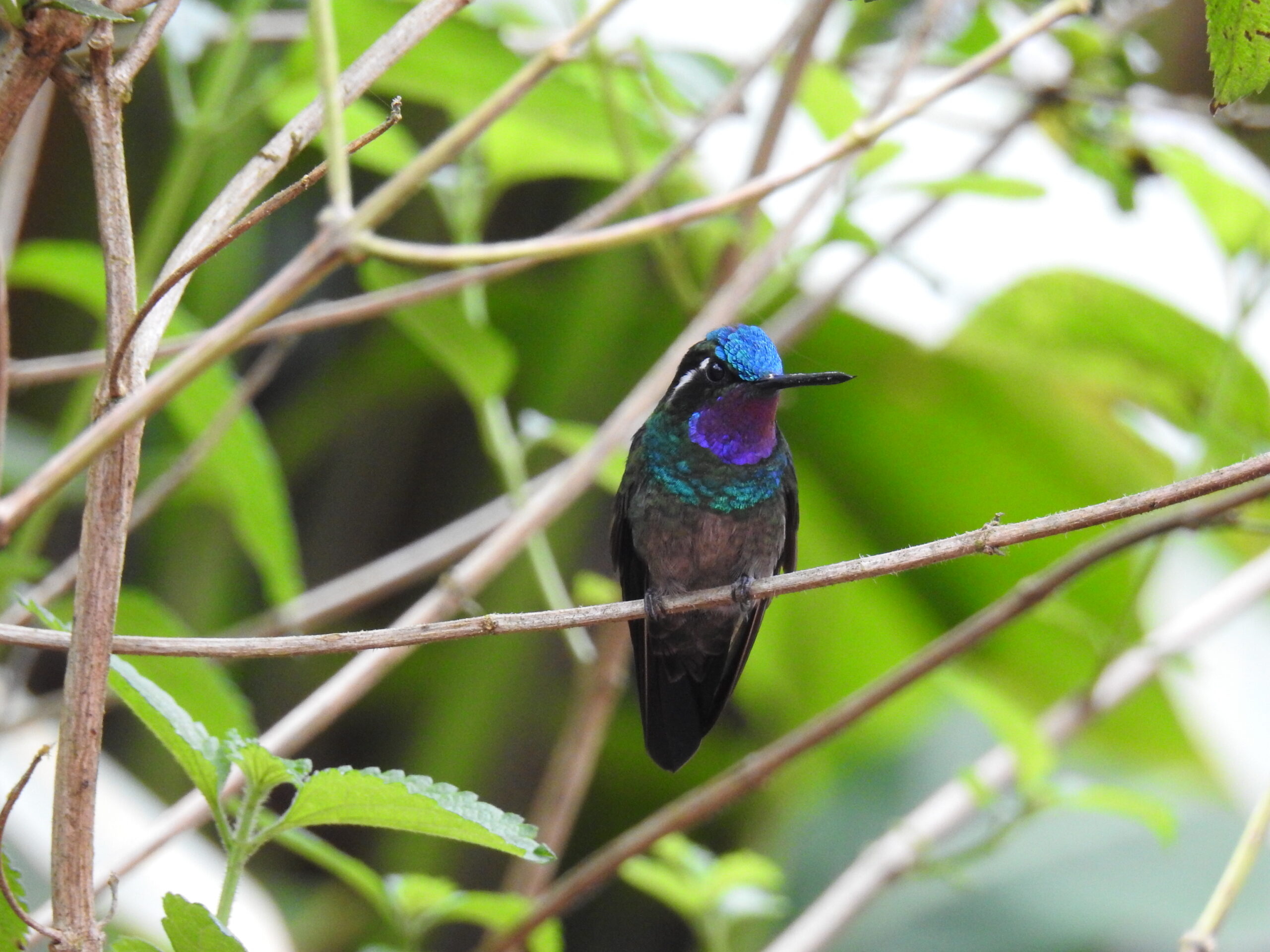
We will then drive the short distance down the Caribbean slope to La Paz Waterfall Garden where the garden’s feeders attract an incredible variety of hummingbirds. We will enjoy the ceaseless comings and goings of Green Hermit, the endemic Coppery-headed Emerald, Green Thorntail, Magenta-throated Woodstar, Violet Sabrewing, Purple-throated Mountain-gem and the very local Black-bellied Hummingbird.
There are plenty of other birds in the area, from Silver-throated and Crimson-collared Tanagers to Sooty-faced Finches and Black-cowled Orioles and along the forest trails we may run into roving feeding flocks that could hold Red-faced Spinetail, Spotted Barbtail, Spotted Woodcreeper, Slaty-backed Nightingale-Thrush and the gorgeous Bay-headed and Spangled-cheeked Tanagers among many others. There may also be time to take the scenic waterfall trail that leads along the river. The scenery alone is worth the walk but we will also watch for riverine specialities, which include Green-fronted Lancebill, Torrent Tyrannulet and American Dipper.
We will then bid a reluctant farewell to the majestic highlands and board our bus for the transfer back to San José airport and check-in for our flight back to the UK.
Day 13
ARRIVE UK
WHAT TO EXPECT
Our Northern Costa Rica birding tour visits a selection of the country’s finest wildlife sites including the world famous Monteverde Cloudforests. It is simply crammed with great birding. It is a trip that has got everything with potential highlights including Three-wattled Bellbird, Resplendent Quetzal and Agami Heron.
Costa Rica enjoys a tropical to temperate climate, according to altitude. Our April tour runs late into Costa Rica’s “major dry season” but rainfall can and does, of course, occur year-round in the country’s mountains and rainforests! It can be cool and misty at times, especially in the mountains and cloud forest and is generally hotter and sunnier on the coast (10-30C/50-86F).
Birding in Costa Rica is outstanding year round, but we are frequently asked about the ‘best time’ to visit the country, particularly by those anxious to avoid Central America’s ‘rainy season’. To help you decide, our local agents in San José have provided the following climatic summary:
“We have two dry seasons and two rainy seasons in Costa Rica. The two dry seasons can also be separated into two categories: ‘Major Dry Season’ (verano) – mid January through April; ‘Medium Dry Season’ (veranito or ‘little summer’) – mid July through Aug. The two rainy seasons can be separated into two categories: ‘Major Rainy Season’ – mid September-October (except in the far southeast); ‘Medium Rainy Season’ – mid May through mid July. As with weather patterns anywhere, these ‘seasons’ may vary slightly from year to year, but they basically hold true.”
There is currently no malaria risk in any of the areas visited on our tour but, as always, we recommend that our clients discuss all medical matters to do with their GP Practice.
Excellent photographic opportunities in more open habitats, especially at feeders around the lodges – birds, other wildlife and scenic shots. Generally tricky in the forest due to low light levels.
BIRDS
325-375 species
MAMMALS
10-20 species. We usually encounter a good variety of forest mammals. Possibilities include up to three species of Neotropical monkey, two species of sloth, Neotropical River Otter, White-nosed Coati, Central American Agouti and Long-nosed Bats. On one of our tours, participants were fortunate to watch a Margay for 15 minutes !!
ACCOMMODATION
11 nights’ accommodation in Costa Rica, staying at good hotels and lodges. All rooms have private facilities.
MEALS
All main meals are included in the tour price (and with drinking water provided during the day), commencing with dinner in San José on Day 1 and concluding with lunch at our hotel on Day 12. Food is good to excellent, with much that is locally grown including the coffee.
WALKING
Costa Rica is a mountainous country so all visitors should expect some trails to be steeper in parts but these are always taken slowly, with frequent stops to bird. As one would expect, rainforest trails can sometimes be muddy and slippery underfoot, so sturdy waterproof walking shoes or boots with good grip essential.
The walking effort is mostly easy but can be moderate at times due to the terrain and/or altitude at a few spots. During our visit to the Poas Volcano, we shall mostly be birding at elevations around 2,400m (8,000ft), plus about an hour or so spent at the crater lake at 2,700m (9,000ft) whereas there will be other locations where our birding will be close to sea level.
Maximum elevation this tour: 2,700m (9,000ft)
GROUND TRANSPORT
By comfortable air-conditioned Toyota Coaster (minicoach). A minibus or other suitable vehicle may be used in the event of a small group.
BOAT TRIP
Our tour price includes the cost of the boat trips at Caño Negro and Medio Queso, in boats that is large enough to accommodate our whole group. The boat trips usually last a couple of hours.
Tour Gallery
View a gallery of images for this tour below, click on an image to view as full size with caption
Ask About This Tour
If you have any questions about this tour, please enter your details here and we will get back to you as soon as possible.
Alternatively, contact us by email or phone. We look forward to hearing from you!
- 01692 580623
- tours@limosaholidays.co.uk
Or complete the contact form and we will endeavour to get back to you as soon as possible.
* = required field

