Brazil and Argentina
Iguazu Falls and the Atlantic Rainforests
A 13-day tour to the endemic-rich Atlantic Rainforests of Brazil and the spectacular Iguazu Falls in Argentina
Limosa’s new 13-day birding holiday combines the incredible Iguazu National Park of Argentina and Atlantic Rainforests of southeastern Brazil to provide the opportunity to see over 300 species including around one hundred Atlantic forest endemics.
After a scenic transfer from Rio de Janeiro to Itororo Lodge, we will begin our birding by exploring the forests which surround our comfortable lodge. Over 220 species have been recorded in the grounds and we will look for hummingbirds, toucanets, antbirds and tanagers, along with night excursions targeting owls and nightjars.
During our seven-night stay, there will be opportunities to explore a diverse range of habitats from the high-altitude forests where rare species like Grey-winged Cotinga can be found to open country where we will go in search of the endemic Three-toed Jacamar.
Trails at locations such as Cedae, Theodoro and Macae de Cima add lush forest birding with the possibility of Bare-throated Bellbird and literally dozens of localised endemics.
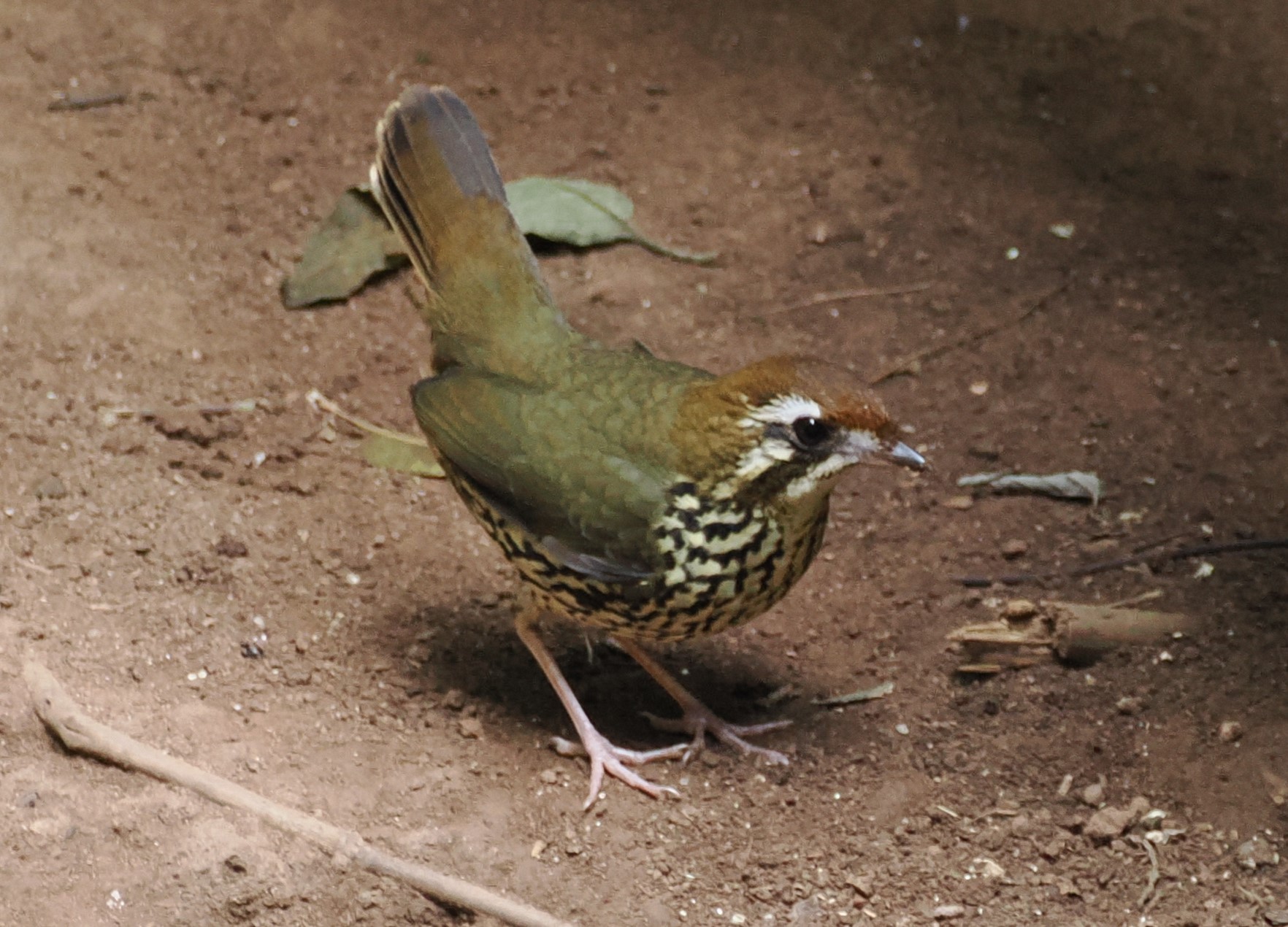
We will then return to Rio and fly to Foz de Iguaçu from where it is a short transfer across the border into Argentina where we will explore the rich forests of Iguazu National Park. These surround one of the world’s most spectacular and iconic waterfalls, Iguazu Falls, and this is where species such as Black-fronted Piping Guan, Great Dusky Swift and Toco Toucan are possible. We also plan to visit the very different habitats of nearby Uruguai State Park where Speckle-breasted Antpitta, Planalto Tapaculo and Sharp-tailed Streamcreeper are amongst the birds we hope to find.
This tour blends scenic landscapes, rich biodiversity, comfortable accommodation and the opportunity to see an exceptionally high number of endemics and is led by Limosa’s expert guide Andy Foster who has lived in SE Brazil for many years.
Tour Dates & Prices
Sun 7th November 2027
Fri 19th November 2027
- Available
Tour Cost: 13 Days from £6745 including return flights from London and flight to/from Iguazu or £4995 land only
What's Included?
- Led by Limosa’s bird tour guide, Andy Foster
- 11 nights accommodation in Brazil and Argentina
- All main meals (with drinking water provided)
- Minibus transport
- All excursions, entry fees, permits, tour based tips (including local drivers and guides) and taxes
- Limosa checklist of birds
Cost Excludes
Insurance, airport meals/snacks, drinks & items of a personal nature.
Additional Information
The land only cost is the price you will pay if you choose to arrange your own flights. If you select this option, please contact the Limosa office before making your travel arrangements.
Tour Highlights
- Seven-night stay at the comfortable Itororo Lodge which is surrounded by forest and where over 220 species have been recorded including many Atlantic Rainforest endemics
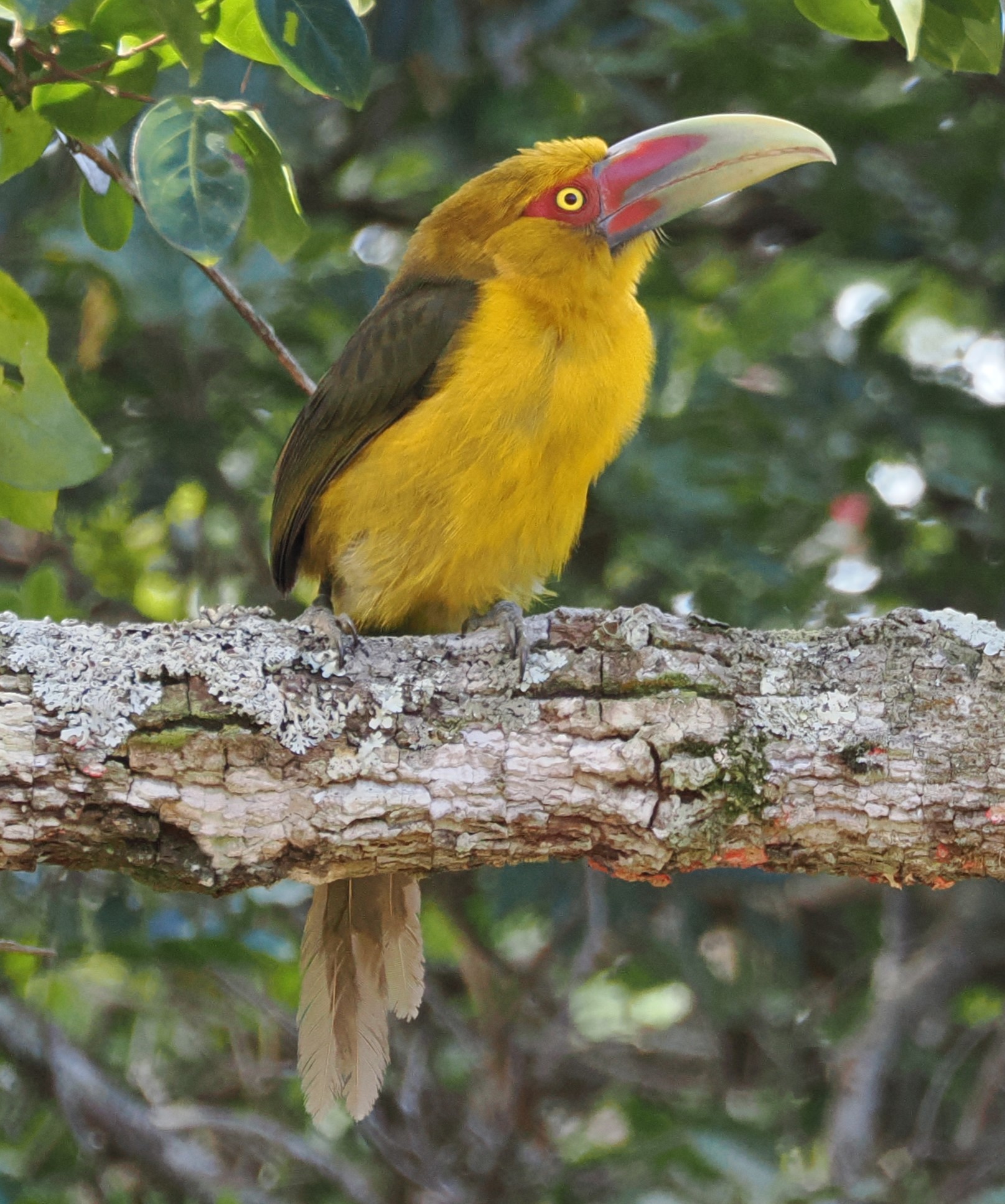
- Explore the lodge grounds for Dusky-legged Guan, Brazilian Ruby, Spot-billed Toucanet, Giant Antshrike and Bare-throated Bellbird
- Visit the high altitude forests of Pico de Caladonia looking for Grey-winged Cotinga, Black-and-Gold Cotinga, Serra do Mar Tyrannulet and Itatiaia Thistletail
- Explore lowland forests for Brazilian Tanager, Brazilian Laniisoma (Shrike-like Cotinga), Crescent-chested Puffbird and Unicoloured Antwren
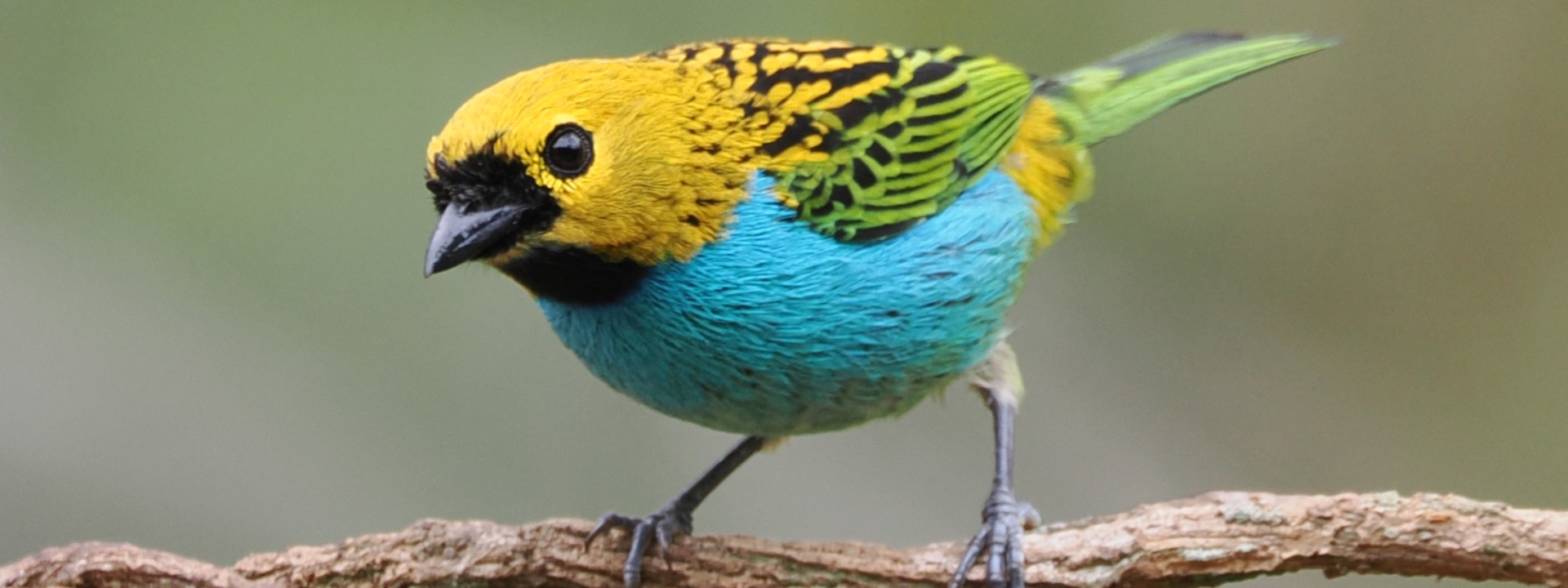
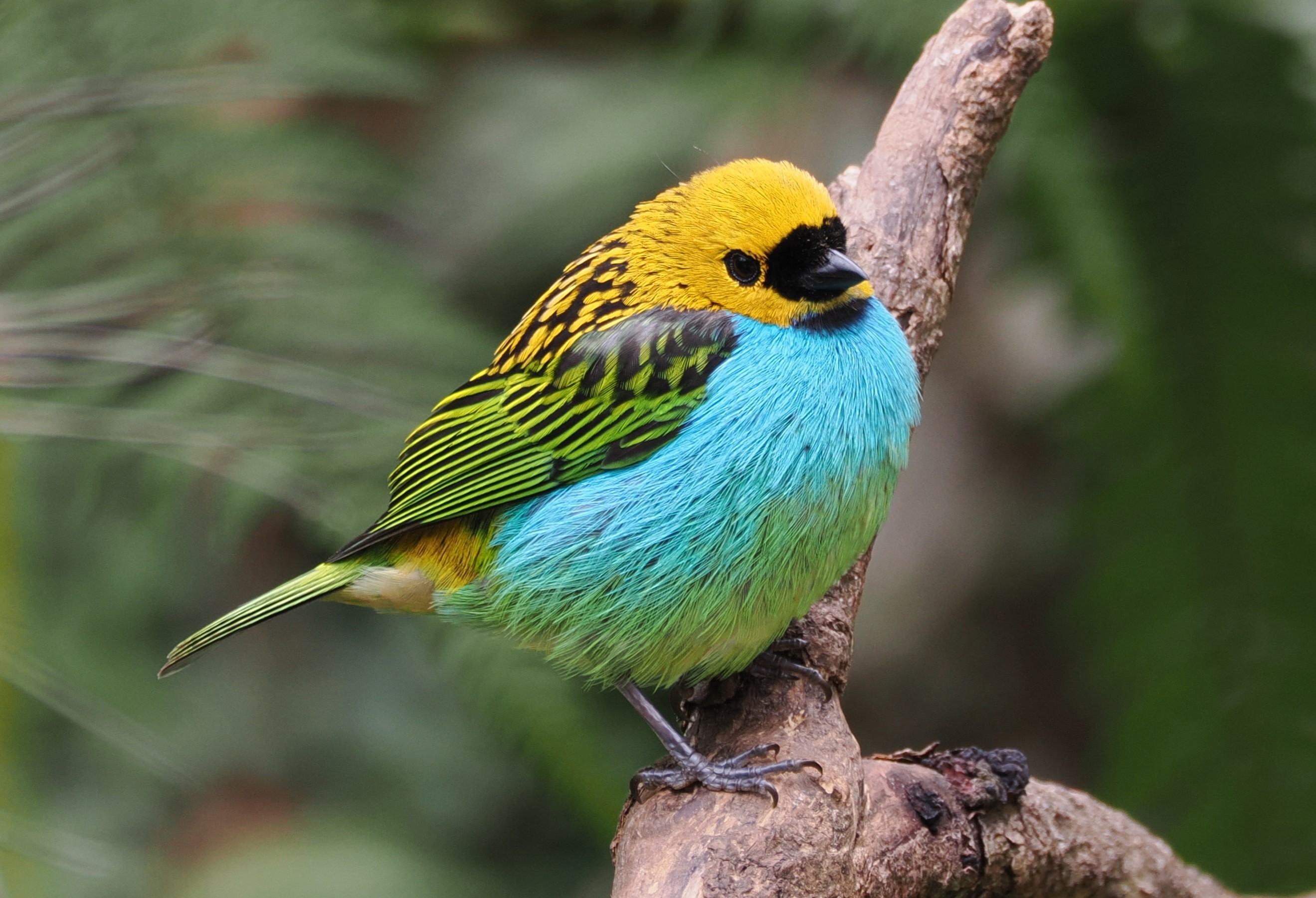
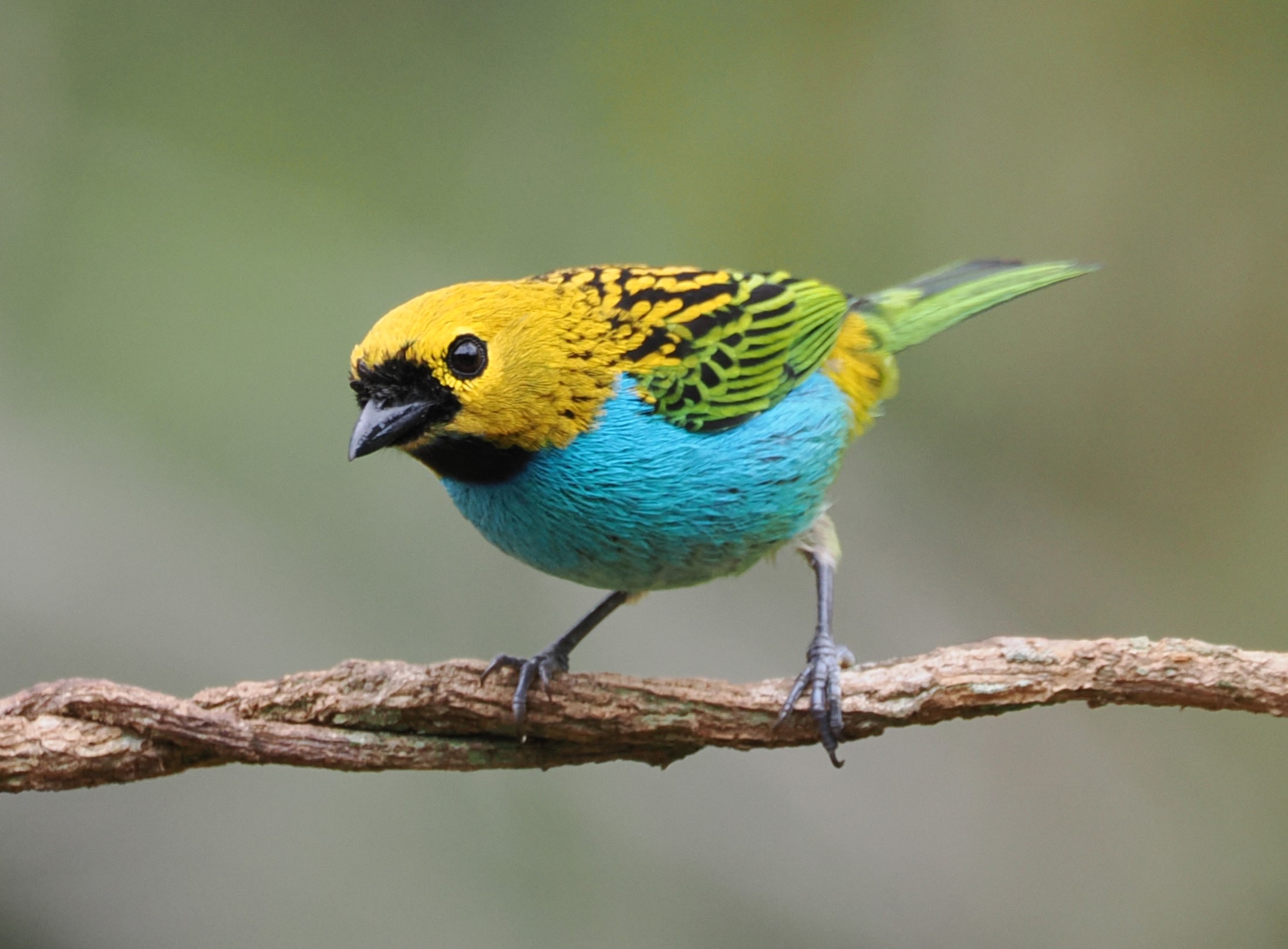
- Look for the endemic Three-toed Jacamar along with Red-legged Seriema and Gilt-edged Tanager in more open areas
- Three-night stay near the iconic Iguazu Falls which are unquestionably one of the most spectacular waterfalls in the world and surrounded by the bird-rich forests of the Iguazu National Park
- Possibilities here included Black-fronted Piping-Guan, Great Dusky Swift and Toco Toucan
- Excursion to Uruguai State Park for a very different selection of species with Planalto Tapaculo, Streamside Warbler, Specle-breasted Antpitta and Green-chinned Euphonia amongst the species to look for
Outline Itinerary
-
Depart UK for Rio de Janeiro
-
Arrival into Rio de Janeiro and transfer to Itororo Lodge for seven nights
-
Excursion to the high altitude forests of Pico de Caledonia
-
A full day to explore the trails of Itororo Lodge
-
Visit to the Reserva Ecologica de Guapi Acu for wetland and lowland forest species
-
Open country birding for Three-toed Jacamar, Red-legged Seriema and other birds
-
Two days to explore the forest trails at Cedae, Theodoro and Macae de Cima
-
Depart Itororo Lodge. Fly to Foz do Iguazu and transfer to hotel near Iguazu National Park in Argentina
-
Explore Iguazu National Park and Uruguai State Park
-
Early morning birding at Iguazu National Park (depending on flight times). Transfer to Foz do Iguazu airport for flight to Sao Paulo and onwards to UK
-
Arrive UK
This 13-day birding tour to the Atlantic Rainforests of southeastern Brazil and the Iguazu National Park in northeast Argentina offers an extraordinary opportunity to explore one of the world’s richest avian ecosystems. Following our arrival at Rio de Janeiro, there will be a scenic 2.5-hour transfer into the mountains and onwards to Itororo Lodge which nestles in the Atlantic forest near the town of Nova Friburgo.
Surrounded by lush forest at 1,100 metres elevation, the lodge’s grounds host over 220 bird species and the birding here is rich and rewarding, with hummingbird feeders and fruit stations attracting a dazzling array of tanagers, toucanets and woodcreepers.
During our 7-night stay, we will enjoy not only exploring the extensive network of trails near the lodge but will also make excursions to explore a range of other habitats. On one day, for example, we will head for the high-altitude forests which offer the opportunity to see rare and localised species such as Grey-winged Cotinga, Itatiaia Thistletail and Serra do Mar Tyrannulet. Parts of this area have stunted vegetation and bamboo thickets making them ideal for antbirds and tapaculos, whilst forest trails closer to the lodge provide excellent birding (with minimal travel) where species like Rufous Gnateater, Sharpbill, and Bare-throated Bellbird are all possible.
We also plan to visit wetlands where aquatic species such as Masked Duck, Brazilian Teal and Whistling Heron can be found, whilst nearby lowland forest reserves provide chances for yet more species. On another day, our focus will be open country species with the endemic Three-toed Jacamar being our main goal, along with Red-legged Seriema and various raptors and parrots.
During our stay at Itororo, we will spend several days exploring a variety of forest trails both in the grounds of the lodge and in nearby primary and secondary rainforest. Here, we can expect to find a rich variety of Atlantic forest endemics including antshrikes, foliage-gleaners, manakins, and cotingas, many of which are difficult to find elsewhere.
The final leg of the tour visits the iconic Iguazu Falls region which straddles the border between Brazil and Argentina. Here, the dramatic scenery of the waterfalls is matched by the birdlife. There are often thousands of Great Dusky Swifts soaring over the numerous cascades and the surrounding forest trails provide the opportunity to look for numerous forest species we are unlikely to have seen in the Atlantic rainforest. Birds we will hope to see include Black-fronted Piping-Guan, Surucua Trogon, Red-breasted Toucan, Toco Toucan, Blue Manakin and Green-headed Tanager, whilst at nearby Uruguai State Park, a different forest type offer the possibility for a different set of specialities including Araucaria Tit-Spinetail, Sharp-tailed Streamcreeper, Ochre-faced Tody-Tyrant and Ochre-collared Piculet.
Led by Limosa’s expert birding guide Andy Foster, this tour will enjoy comfortable accommodation and visit a wide range of habitats, thus offering not only a comprehensive introduction to the birds of the Atlantic rainforest but also the added bonus of time at Iguazu. Around 300 species can be expected included numerous endemics and localised specialities.
Day 1
ARRIVE RIO DE JANEIRO. TRANSFER TO ITORORO LODGE. BEGIN EXPLORING LOCAL AREA
After arriving at Rio de Janeiro airport, it takes approximately 2.5 hours to reach Itororo Lodge and as we leave the hustle and bustle of city behind and slowly make your way out of the suburbs, you will start to see some of the remnants of lowland Atlantic rainforest. About 1.5 hours into the journey, we will start to climb in altitude passing the Tres Picos State Park and for the next 30 minutes, our route goes through some spectacular Atlantic forest reaching an altitude of 1,100m before heading towards the town of Nova Friburgo from where it is another half an hour or so to Itororo Lodge.
Upon arrival at the lodge and an opportunity to freshen up and relax during the hottest part of the day (subject to flight times), we will spend the remainder of the day birding around the lodge grounds and trails. To date, some 220 species have been recorded within the lodge grounds and during the week ahead, we have a chance of seeing approximately 300 species, of which around 100 will be Atlantic forest endemics.
Birds are likely to come thick and fast and those we could see during the rest of the day include Black Hawk-Eagle, Black-and-white Hawk-Eagle, Maroon-bellied Parakeet, Plain Parakeet, Scale-throated Hermit, Violet-capped Woodnymph, White-throated Hummingbird, Brazilian Ruby, Black-throated Trogon, Spot-billed Toucanet, Yellow-browed Woodpecker, Pallid Spinetail, White-collared Foliage-gleaner, White-throated Woodcreeper, Planalto Woodcreeper, Scaled Woodcreeper, Black-billed Scythebill, Bertoni’s Antbird, Ochre-rumped Antbird, Brazilian Antthrush, Such’s Antthrush, Blue Manakin, Pin-tailed Manakin, White-rimmed Warbler, Fawn-breasted, Golden-chevroned, Azure-shouldered, Ruby-crowned, Gilt-edged and Brassy-breasted Tanagers, Uniform Finch and Green-winged Saltator.
We are likely to spend some of our time, both today and later in the trip, watching the lodge’s feeding stations, as a spectacular number of colourful species are attracted to these and together with the hummingbird feeders, these provide excellent photographic opportunities.
Once the sum has set, there may be an opportunity to go in search of some the nocturnal species which can be found within the grounds with Long-trained Nightjar, Pauraque, Short-tailed Nighthawk, Tropical Screech-Owl and Rusty-barred Owl amongst the possibilities. Night Itororo Lodge
Day 2
HIGH ALTITUDE EXCURSION TO PICO DE CALEDONIA
After an early breakfast, we plan to go on a full day excursion in search of some of the endemics that occur above 1,500 metres on the Pico de Caledônia. Our day is likely to begin with a drive of around an hour in 4×4 vehicles to around 2,000 metres on Pico de Caledônia. Here at the highest elevation and close to the summit, we hope to encounter the rare and endemic Itatiaia Thistletail together with Velvety-black Tyrant, Rufous-capped Antshrike and Large-tailed Antshrike.
We will then begin our slow walk downhill passing vegetation which is very different to that which occurs around our lodge, with small stunted trees surrounded by bamboo and other low vegetation. There are many more special birds to look for in these restricted habitats, with the rare and endemic Grey-winged Cotinga, Serra do Mar Tyrannulet, Swallow-tailed Cotinga and Black-and-gold Cotinga amongst the possibilities. We will also try for Brazilian Antthrush and Mouse-coloured Tapaculo which both occur in the area.
Continuing down along the track, other birds we hope to see include Bay-chested Warbling Finch, Diademed Tanager, Green-crowned Plovercrest, Thick-billed Saltator, Rufous-backed Antvireo, Blue-billed Black Tyrant and Rufous-tailed Antbird
We plan to return to Itororo Lodge in the late afternoon, where fresh tea, coffee and homemade cake will be available. Six further nights at Itororo Lodge
Day 3
EXPLORING LODGE TRAILS
We plan to spend the day exploring the trails in the Lodge’s extensive grounds and are likely to start at first light and then have a break for lunch and a siesta in the heat of the day before continuing again in the mid-afternoon.
The Blue Circular Trail and the Orchid Garden Trail offer fantastic birding opportunities as they go through native bamboo and both primary and secondary forest giving us the chance of seeking out an impressive range of Atlantic rainforest endemics.
There is an extensive list of possibilities which could include Brown Tinamou, Dusky-legged Guan, Spot-winged Wood-Quail, Black Hawk-Eagle, Black-and-white Hawk-Eagle, Barred Forest Falcon, Maroon-bellied Parakeet, Scaly-headed Parrot, Scale-throated Hermit, White-throated Hummingbird, Plovercrest, Brazilian Ruby, Surucua and Black-throated Trogons, Saffron and Spot-billed Toucanets, Yellow-eared and Yellow-browed Woodpeckers, Rufous-capped, Pallid, Grey-bellied Spinetails, White-browed, White-collared, Buff-browed and Buff-fronted Foliage-Gleaners, White-throated, Lesser, Scaled and Olivaceous Woodcreepers, Black-billed Scythebill, Giant and Variable Antshrikes, Star-throated Antwren, Bertoni’s, Ochre-rumped and Dusky-tailed Antbirds, Rufous-backed Antvireo, Rufous-tailed and Cryptic Antthrushes, Rufous Gnateater, Spotted Bamboowren, Mouse-coloured and White-breasted Tapaculos, Grey-capped Tyrannulet, Grey-hooded Flycatcher, Drab-breasted Bamboo-Tyrant, Grey-hooded Attila, Bare-throated Bellbird, Sharpbill, Greenish Schiffornis, Rufous-crowned Greenlet, Yellow-legged Thrush, White-rimmed Warbler, Half-collared Sparrow, Chestnut-headed, Black-goggled, Ruby-crowned, Azure-shouldered, Golden-chevroned, Fawn-breasted, Brassy-breasted and Burnished-buff Tanagers, Uniform Finch and Green-winged Saltator.
Day 4
WETLANDS AND LOWLAND FOREST
After breakfast, we will drive for just over an hour to the Reserva Ecologica de Guapi Acu where we will spend the day exploring the wetland areas together with the lowland forest.
Species that can be found here include Whistling and Capped Herons, Brazilian Teal, Masked Duck, Grey-headed Kite, Savanna Hawk, Limpkin, Brazilian Tanager, Yellow-chinned Spinetail, White-headed Marsh Tyrant and Chestnut-capped Blackbird.
Surrounding the wetland is lowland forest, a habitat which sadly has now largely been destroyed in this part of Brazil after centuries of forest clearance.
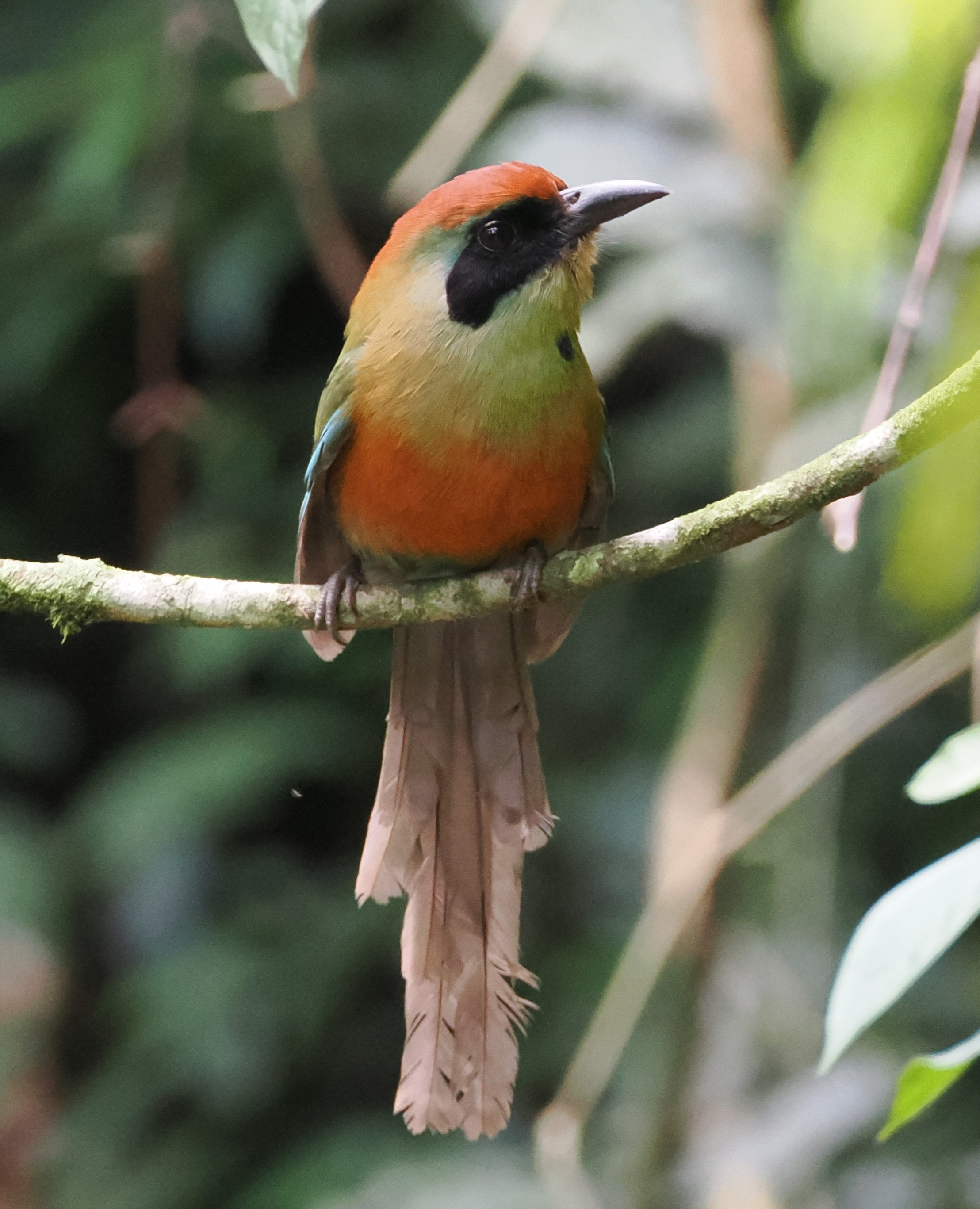
We plan to venture into this forest in the hope of finding species such as Reddish Hermit, Eye-ringed Tody Tyrant, White-chinned Sapphire, Rufous-capped Motmot, Rufous-tailed Jacamar, Crescent-chested Puffbird, Yellow-throated Woodpecker, Chestnut-backed Antshrike, White-flanked Antwren, Unicoloured Antwren, Brazilian Laniisoma (Shrike-like Cotinga), Plain-winged Woodcreeper, Lesser Woodcreeper, White-bellied Tanager, Yellow-backed Tanager, Flame-crested Tanager and Long-billed Wren.
Day 5
OPEN COUNTRY BIRDING INCLUDING THREE-TOED JACAMAR
For many birders who visit south-east Brazil one of their main targets is the endemic Three-toed Jacamar and on this full day excursion, we plan to visit several sites where this bird is regularly found.
Along the way, we pass through a variety of habitats and cover a fair distance (140 km) stopping regularly enroute to look for other species. Whist our main target is the jacamar, there are plenty of other birds to look for with the possibilities including Whistling and Capped Herons, Lesser Yellow-headed Vulture, Savanna and White-tailed Hawks, Laughing and Aplomado Falcons, Red-legged Seriema, Blue-winged Macaw, White-eyed Parakeet, Blue-winged Parrotlet, Striped Cuckoo, Planalto Hermit, Glittering-bellied and Sapphire-spangled Emeralds, Amethyst Woodstar, White-eared and Crescent-chested Puffbirds, Black-necked Aracari, White Woodpecker, Band-tailed Hornero, Orange-eyed Thornbird, Ochre-faced Tody-Flycatcher, Grey and White-rumped Monjitas, Streamer-tailed, Yellow-browed and Long-tailed Tyrants, White-rumped and Tawny-headed Swallows, Black-capped Donacobius, Curl-crested Jay and Magpie, Hooded, Hepatic, Brazilian and Gilt-edged Tanagers.
Day 6
CEDAE AND THEODORO TRAILS
After a 40 minute drive from the lodge, we arrive at the beginning of the Cedae Trail and will spend the morning birding this fantastic trail which starts at approximately 600m altitude.
Our targets for the morning include Plain Parakeet, Saw-billed Hermit, Black-throated Trogon, Rufous-capped Motmot, Buff-bellied Puffbird, Saffron and Spot-billed Toucanets, Channel-billed Toucan, White-barred Piculet, Yellow-eared Woodpecker, White-browed Foliage Gleaner, Pale-browed Treehunter, Black-capped and White-eyed Foliage Gleaners, Plain-winged and Lesser Woodcreepers, Spot- backed Antshrike, Rufous-capped Antthrush, Spot-breasted and Plain Antvireos, Star-throated and Streak-capped Antwrens, Ferruginous Antbird, White-shouldered Fire-Eye, Black-cheeked Gnateater, Blue and Pin-tailed Manakins, Grey-hooded Flycatcher, Oustalet’s Tyrannulet, Eared Pygmy-Tyrant, Black-tailed Tityra, Rufous-headed, Yellow-backed, Olive-green, Flame-crested, Green-headed and Red-necked Tanagers and Black-throated Grosbeak.
After birding, this trail we will then drive a short distance to the beginning of the Theodoro Trail where we are likely to have our packed lunch.
Starting at an altitude of approximately 1,100m, this path offers superb birding with chances for Mantled Hawk, Plain Parakeet, Scale-throated Hermit, White-throated Hummingbird, Surucua Trogon, Yellow-eared and Yellow- browed Woodpeckers, Streaked Xenops, White-browed and Buff-fronted Foliage Gleaners, Sharp-tailed Streamcreeper, White-throated Woodcreeper, Variable Antshrike, Star-throated Antwren, White-shouldered Fire-eye, Slaty Bristlefront, Brazilian Antthrush, Variegated Antpitta, Sharpbill, Grey-hooded Atilla and Brazilian Laniisoma.
Day 7
MACAE DE CIMA TRAIL
After an early breakfast, we will drive for approximately thirty minutes to the beginning of the track towards Macae de Cima and will spend the remainder of the day exploring this bird-rich area.
The track runs through some excellent primary and secondary rainforest and we will make regular stops throughout the day looking for species such as Plumbeous Pigeon, Scale-throated Hermit, Green-crowned Plovercrest, White-throated Hummingbird, Brazilian Ruby, Yellow-browed Woodpecker, Rufous-capped and Pallid Spinetails, Orange-eyed Thornbird, White-collared Foliage-Gleaner, Giant, Tufted and White-bearded Antshrikes, Bertoni’s Antbird, Ochre-rumped Antbird, Rufous Gnateater, Black and gold Cotinga, Bare-throated Bellbird, Pin-tailed Manakin, Serra do Mar Tyrant-Manakin, Drab-breasted Bamboo-Tyrant, White-rimmed Warbler, Chestnut-headed, Azure-shouldered and Brassy-breasted Tanagers and Green-winged Saltator.
We plan to take a packed lunch with us and continue birding until mid-afternoon when we start the drive back to the lodge.
Day 8
TRANSFER TO IGUAZU
If time allows, we will have some final birding in the lodge’s grounds in search of any species we may have missed before departing for Rio de Janeiro from where we fly to Foz do Iguazu airport.
It is then only a short distance to the border with Argentina and having completed immigration procedures, we will make our way to our hotel.
Depending on the arrival time, there may be the opportunity for some birding in the gardens of the hotel or around the falls area. Night near Iguazu
Days 9-10
IGUAZU NATIONAL PARK AND URUGUAI STATE PARK, ARGENTINA
We have two full days to explore the stunning Iguazu National Park plus parts of the nearby Uruguai State Park and both days are likely to start with early breakfasts, before we will leave the hotel to begin our exploration.
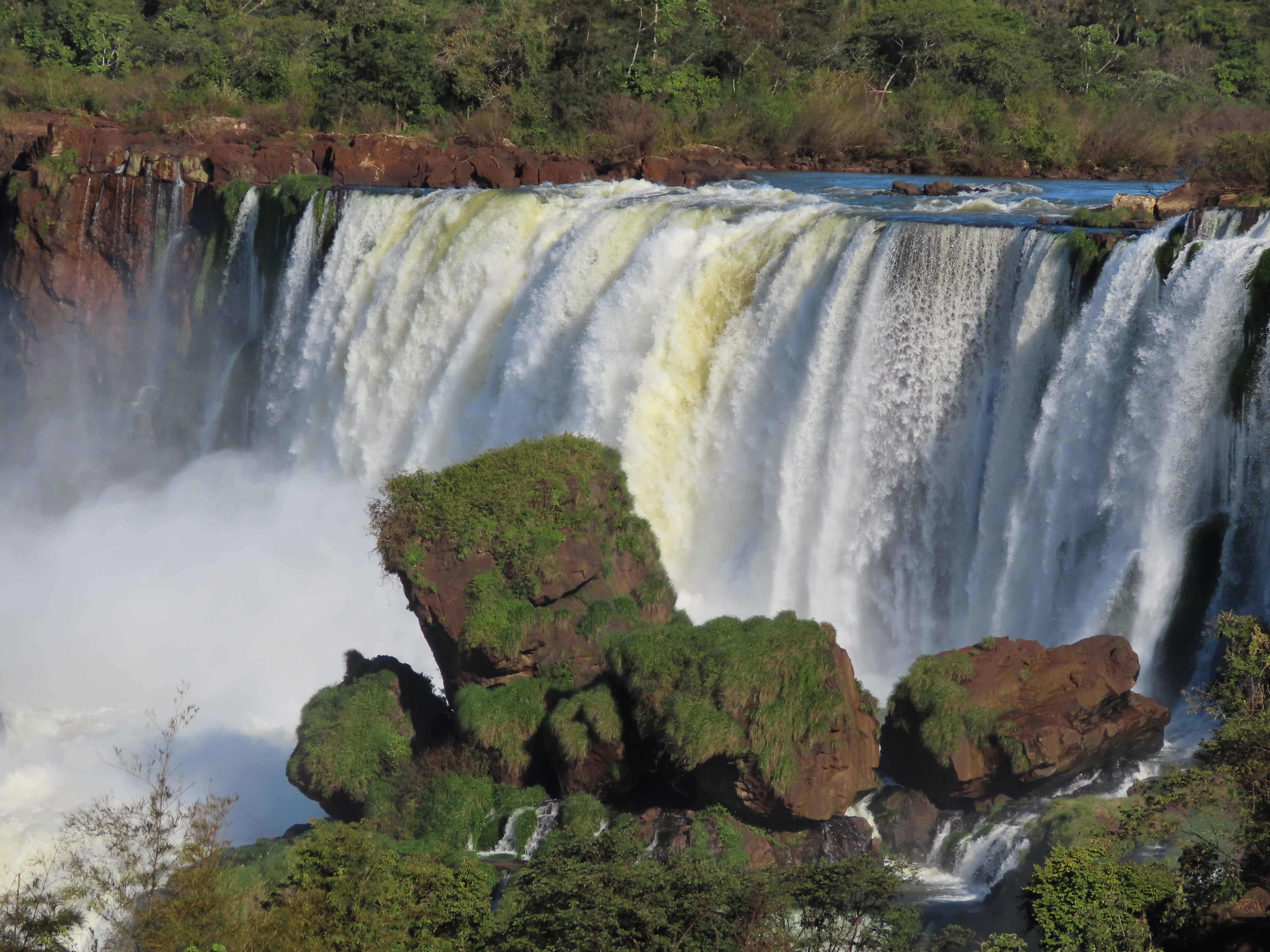
The falls themselves are truly spectacular and at the “Devil’s Throat” (one of the multitude of cascades), we should see Great Dusky Swifts which nest on the rocky cliffs behind the waterfall, a quite extraordinary evolutionary adaptation. There are sometimes thousands of birds flying overhead and we will also need to check for the scarce Black-collared Swallow.
Surrounding the falls are vast areas of untouched forest and there is an extensive trail network to explore.
The list for the area is an impressive 500 or so species and whilst we are only likely to see a modest percentage of this total during our two days, nevertheless, we can expect to add a good number of birds that either do not occur in the Atlantic Rainforests or are rarer there.
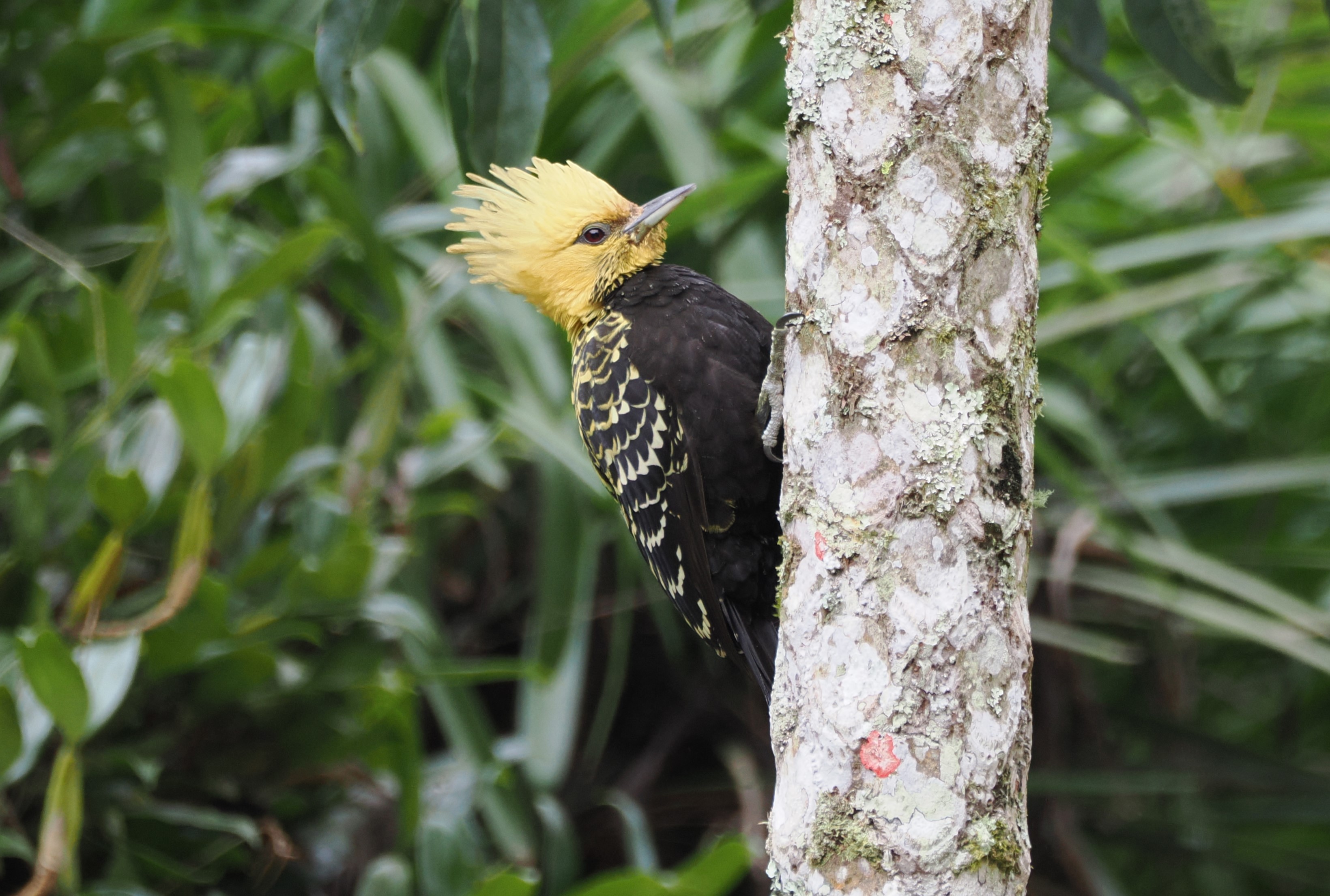
Birds we could encounter include Black-throated Piping Guan, Surucua Trogon, Toco and Red-breasted Toucans, Blond-crested and Yellow-fronted Woodpeckers, Maroon-bellied Parakeet, Southern Antpipit, Blue Manakin, Rufous-capped Motmot, Plush-crested Jay, Chestnut-bellied Euphonia and Red-rumped Cacaique.
At some point during our stay, we also plan to visit the Uruguai State Park which is just over an hour’s drive away from Iguazu National Park. This consists of a hilly area with 80,000 hectares of protected forest. The forests here are quite different to those of the National Park and there are good chances of seeing further different birds with the possibilities including Planalto Tapaculo, Olive Spinetail, Sharp-tailed Streamcreeper, Streamside Warbler, Speckle-breasted Antpitta, Greenish Tyrannulet and Green-chinned Euphonia amongst many others. Two further nights near Iguazu
Day 11
DEPART IGUAZU NATIONAL PARK. CROSS BACK TO BRAZIL. FLY TO UK
Depending on flight times, there should be the opportunity for some final local birding before crossing the border to the Brazilian side of the falls.
We will then fly from Foz do Iguazu back to the coast (Rio de Janeiro/Sao Paulo) from where we will take an overnight flight back to the UK.
Day 12
ARRIVE UK
We will arrive in the UK where our tour to the Atlantic Rainforest and Iguazu concludes.
What to Expect After more than 30 visits, we consider Brazil to be a delightful and rich birding destination and are confident you will agree! We will make early starts each day to make the most of the mornings when birds are generally at their most active.
Lunch may be taken back at our accommodation or as a picnic in the field, depending on our plans for that day.
We often take a short break after lunch, before going out again for the remainder of the afternoon.
Accommodation 7 nights’ accommodation at Itororo Lodge which offers comfortable guest rooms with private facilities and great birding right on site!
The lodge is equipped to a high standard with a spacious and comfortable lounge, a large dining area and wifi.
A laundry service is available for a small fee. Please note, however, that clothes are dried on a line so drying times are entirely weather dependent!
The lodge is small, with a relaxed and informal atmosphere, and is set against a fabulous backdrop of forested mountains. It has beautifully maintained gardens which provide superb birding and photographic opportunities.
Fruit feeders attract noisy groups of euphonias, chlorophonias and a whole range of ‘rainbow coloured’ tanagers including Hooded, Ruby-crowned, Brazilian, Sayaca, Palm, Yellow-backed, Green-headed and Burnished-buff.
On the hummingbird feeders, Swallow-tailed Hummingbirds fight off Rufous-breasted Hermits, Violet-capped Woodnymphs and Glittering-throated Emeralds.
Our accommodation at Iguazu is Selva de Laurel Lodge which is surrounded by forest and has rooms with private facilities plus an onsite restaurant and swimming pool. The food is equally good and as at Itororo, some lunches may be picnics.
Meals All main meals are included in the tour price commencing with lunch/dinner Day 2 (subject to flight times) and concluding with breakfast on Day 13.
Home-cooking, with local freshly prepared dishes by the lodge’s own cooks (vegetarian needs can also be catered for).
Breakfasts and dinners will be at the lodge, whilst some lunches will be picnics. Soft and alcoholic drinks are available for purchase at the lodge.
At Iguazu, all meals are included until breakfast on day 12.
Walking Easy to moderate, chiefly along forest trails. There are some steeper, uphill stretches in the mountains but these are always taken at a gentle pace with regular stops for birds. Where appropriate, we will drive to the top and walk down. Sturdy waterproof walking shoes or lightweight boots with good grip are recommended.
Maximum elevation on this tour: 2,200m/7,200ft (for a couple of hours only).
Weather Tropical climate, mainly warm and sunny with rainfall always possible. We can anticipate temperatures ranging from 14-27C (57-81F) in the lowlands and cooler conditions in the mountains.
Ground Transport By minibus on the longer excursions and a 4WD vehicle when occasion demands.
Photos Good to excellent photographic opportunities in more open habitats, including wetlands, at bird feeders and around the lodge.
Photographing birds in the forest, however, can be more challenging as light levels are often lower.
Tour Gallery
View a gallery of images for this tour below, click on an image to view as full size with caption
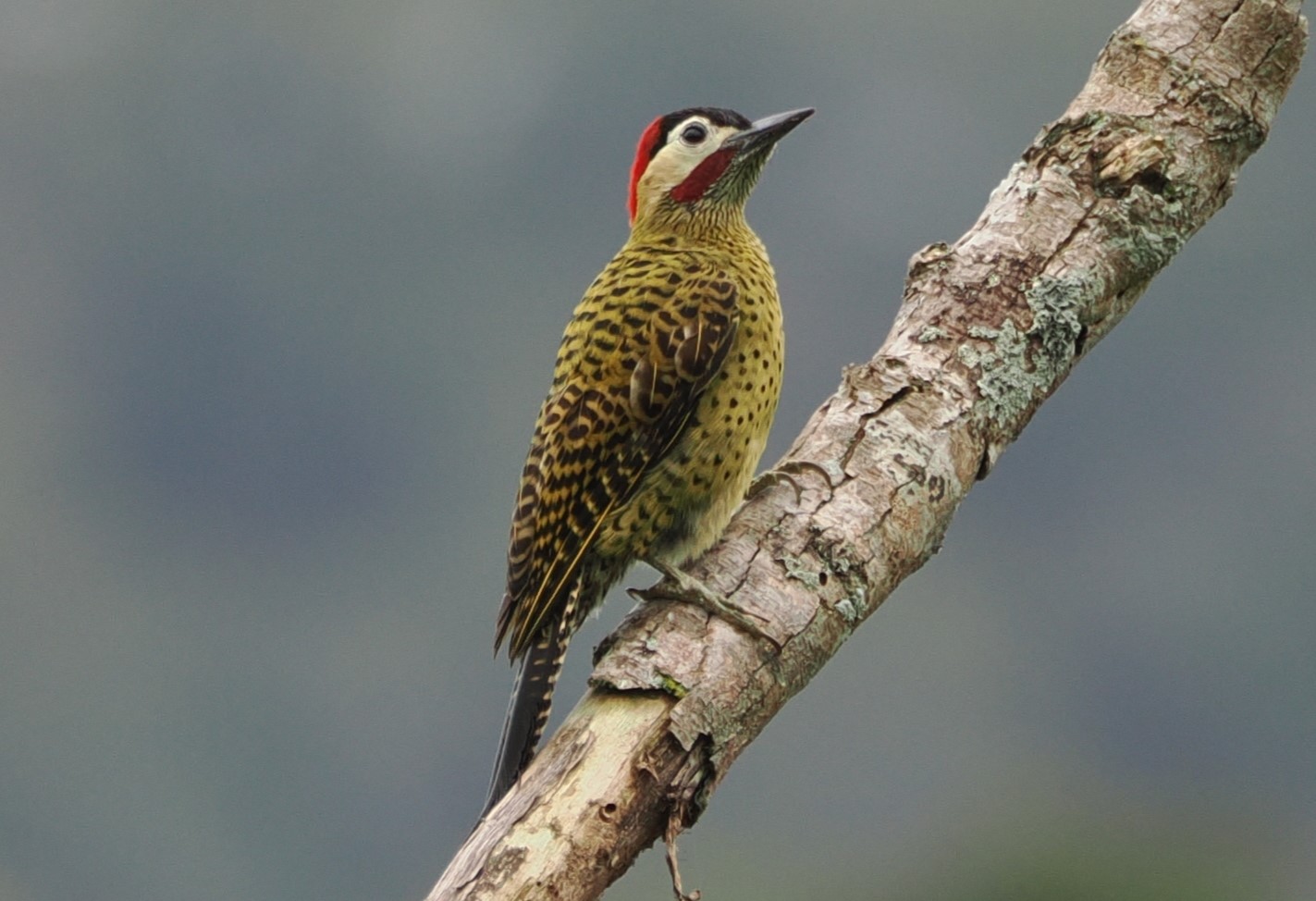
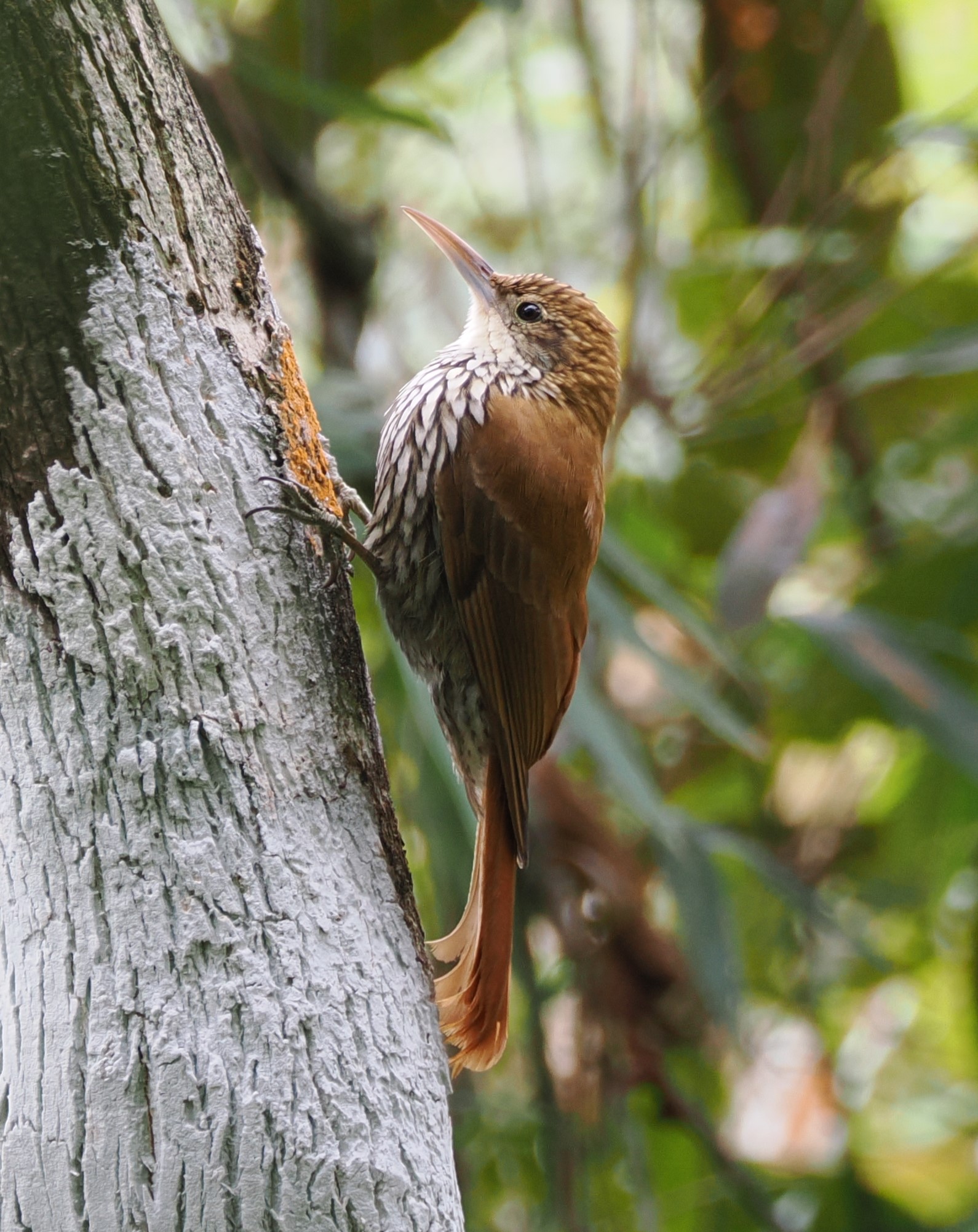
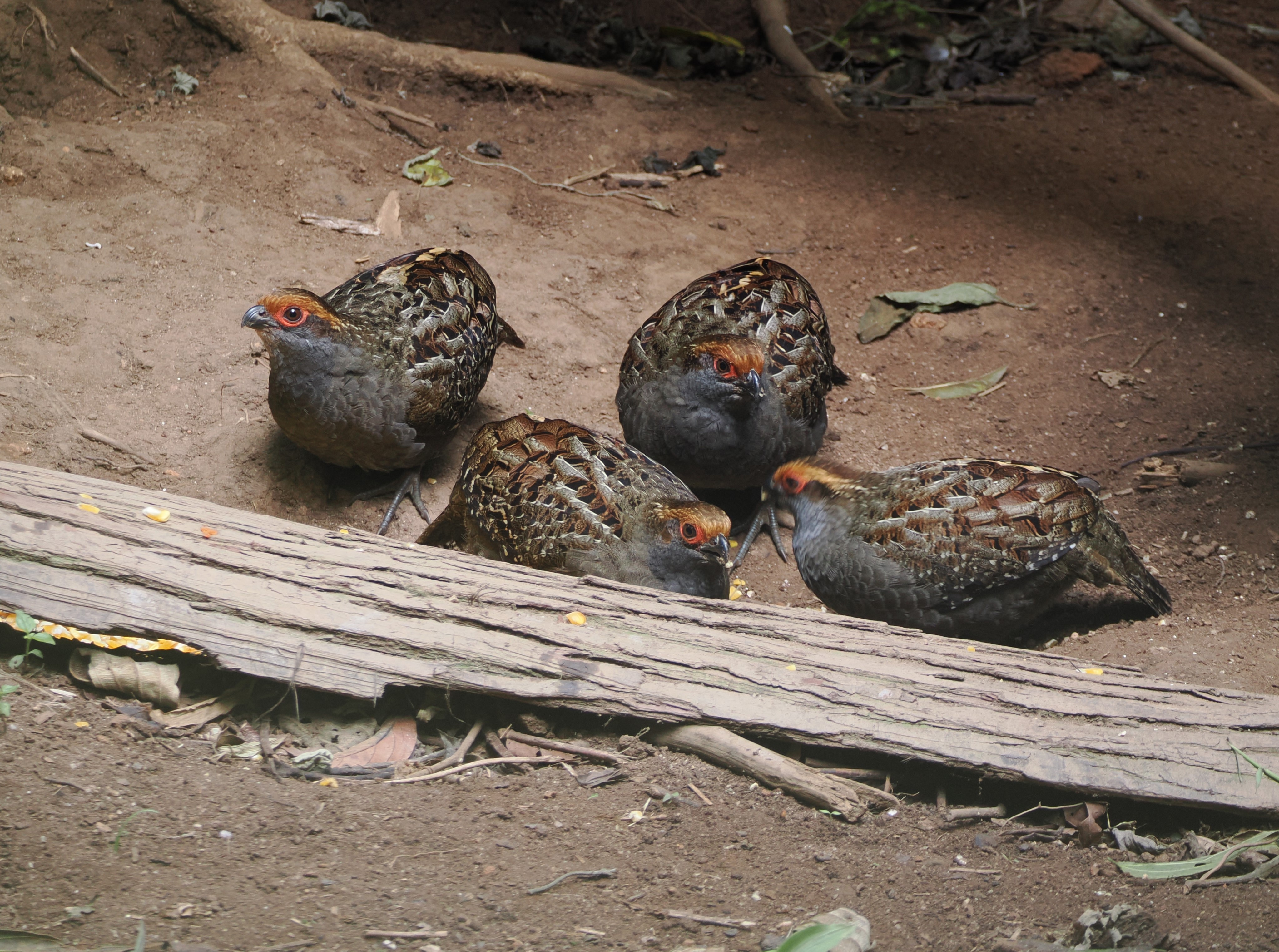
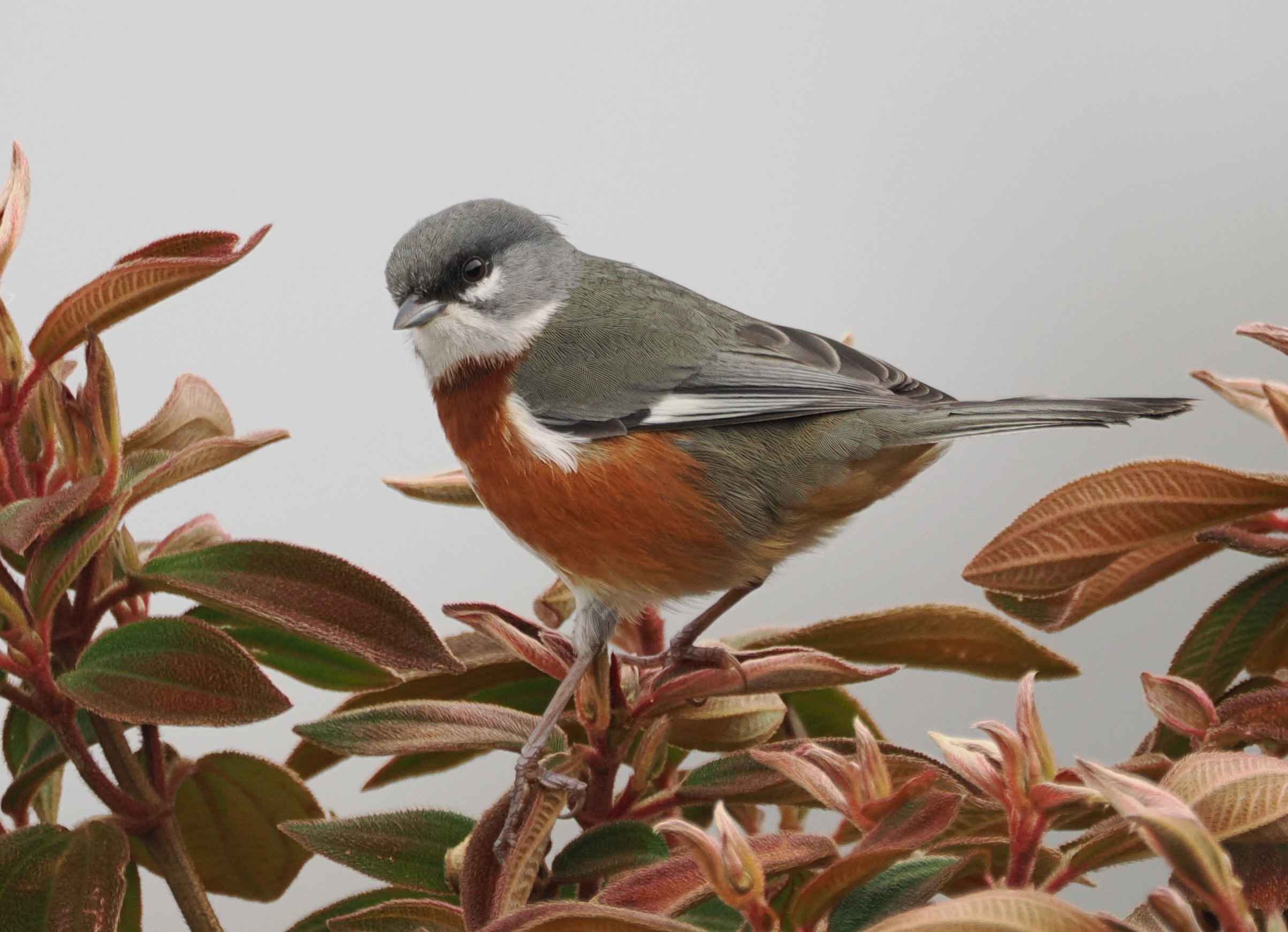
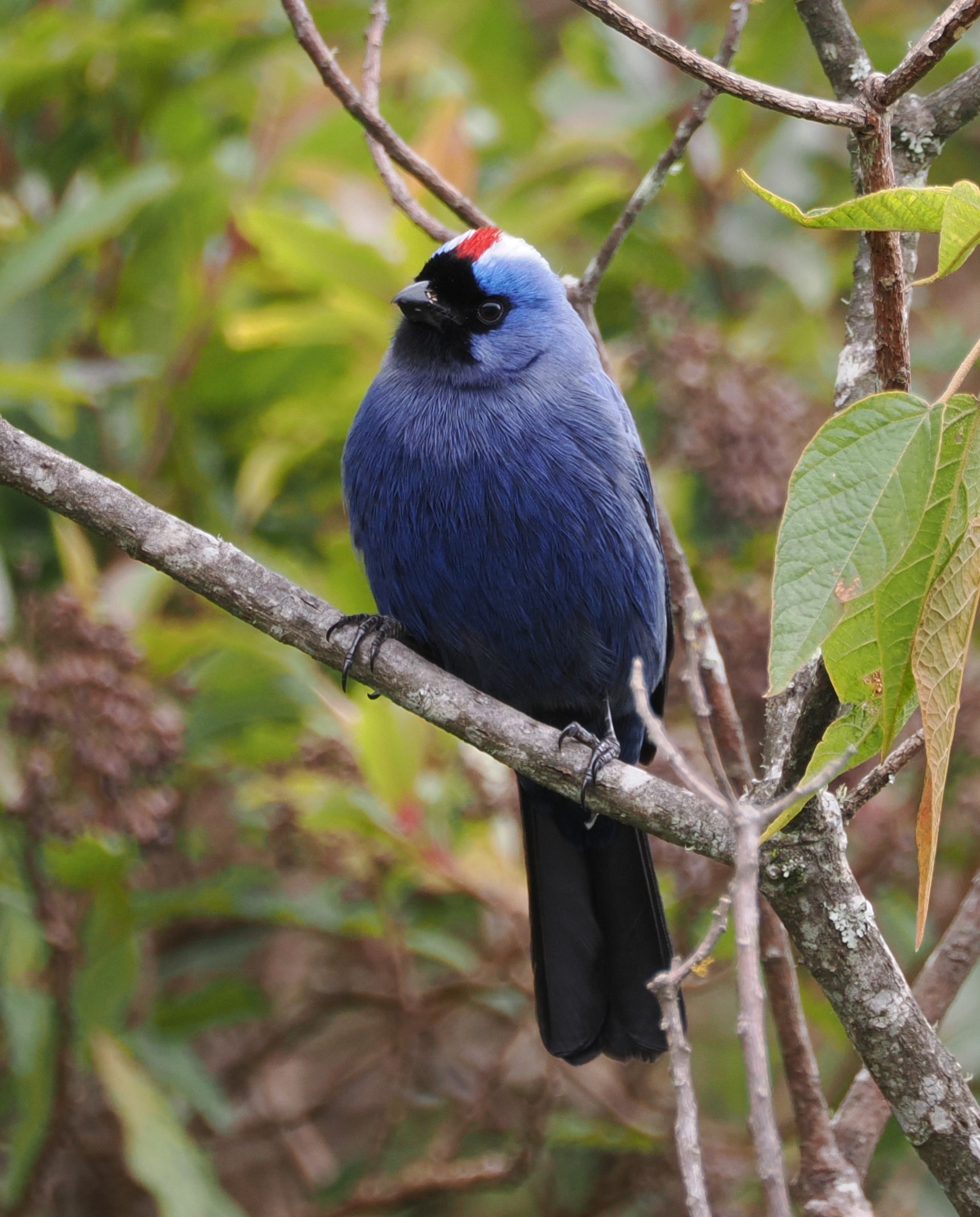
Ask About This Tour
If you have any questions about this tour, please enter your details here and we will get back to you as soon as possible.
Alternatively, contact us by email or phone. We look forward to hearing from you!
- 01692 580623
- tours@limosaholidays.co.uk
Or complete the contact form and we will endeavour to get back to you as soon as possible.
* = required field

