23rd Nov 2026
Tanzania: “The greatest wildlife spectacle on Earth” interim report
Our new tour to Tanzania concluded a few days ago and Limosa/WildWings tour guide, Peter Roberts reports as follows:
We have just returned from a wonderful tour of Northern Tanzania. The country is so rich in birdlife and the game animals of the Serengeti and other national parks so sensational and special that the subtitle to the tour – “The greatest wildlife spectacle on Earth” always seems justified and never fails to live up to expectations. It is truly a world class wildlife experience.
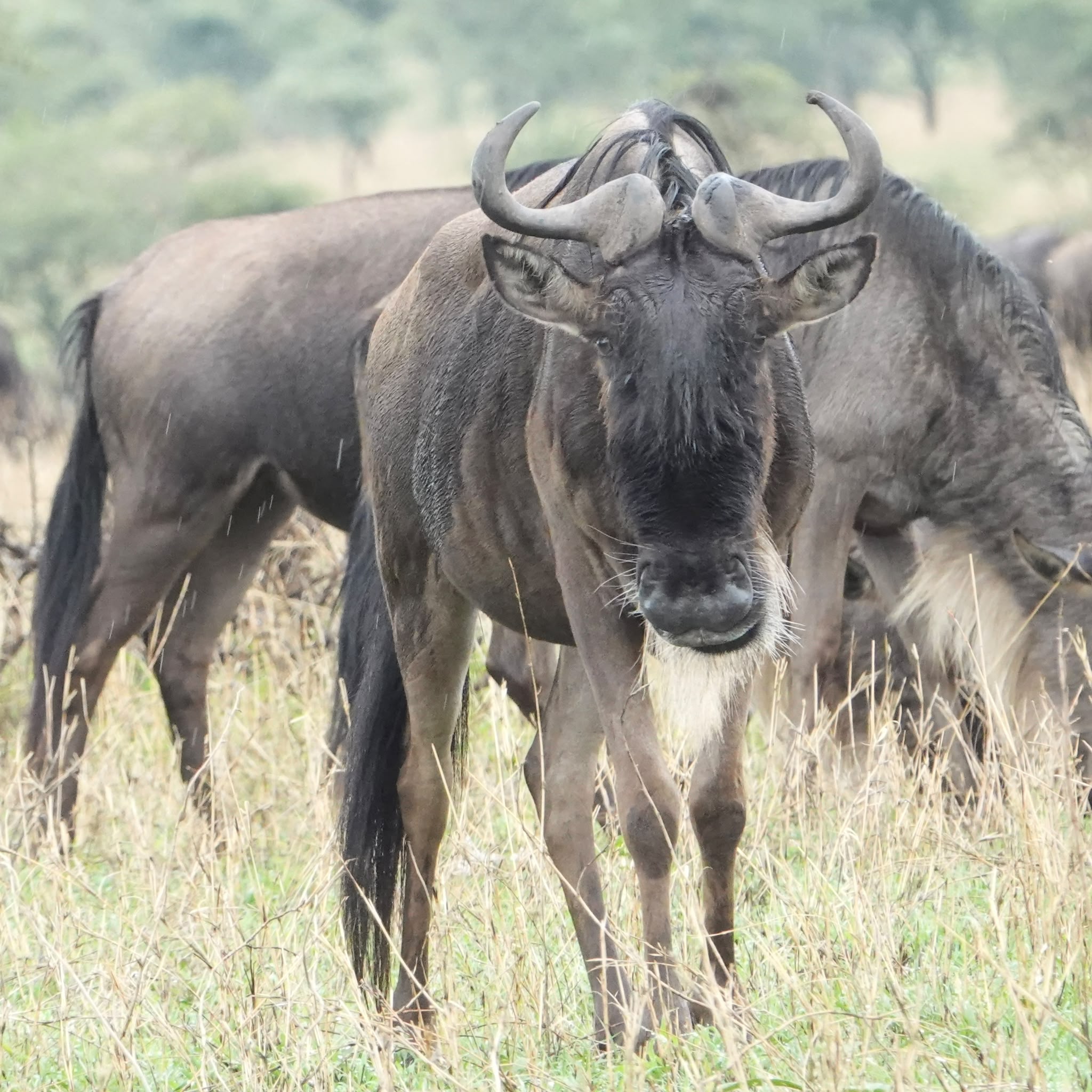
We covered a range of the classic National Parks and habitats that provide a staggering range of birds and mammals in a short space of time. The Serengeti ecosystem of savanna grasslands and acacia bush is vast – the 5,700 square miles of the National Park, plus equally huge areas of game reserves, the Ngorongoro Conservation Area and the magnificent Ngorongoro Crater itself produce an intact and largely unspoilt wilderness big enough to still support a million Wildebeest on a 500 mile circular annual migration. Our tour sampled much of this along with the equally splendid Tarangire and Arusha National Parks offering everything from close encounters with herds of Elephants to special higher altitude forest birds and mammals.
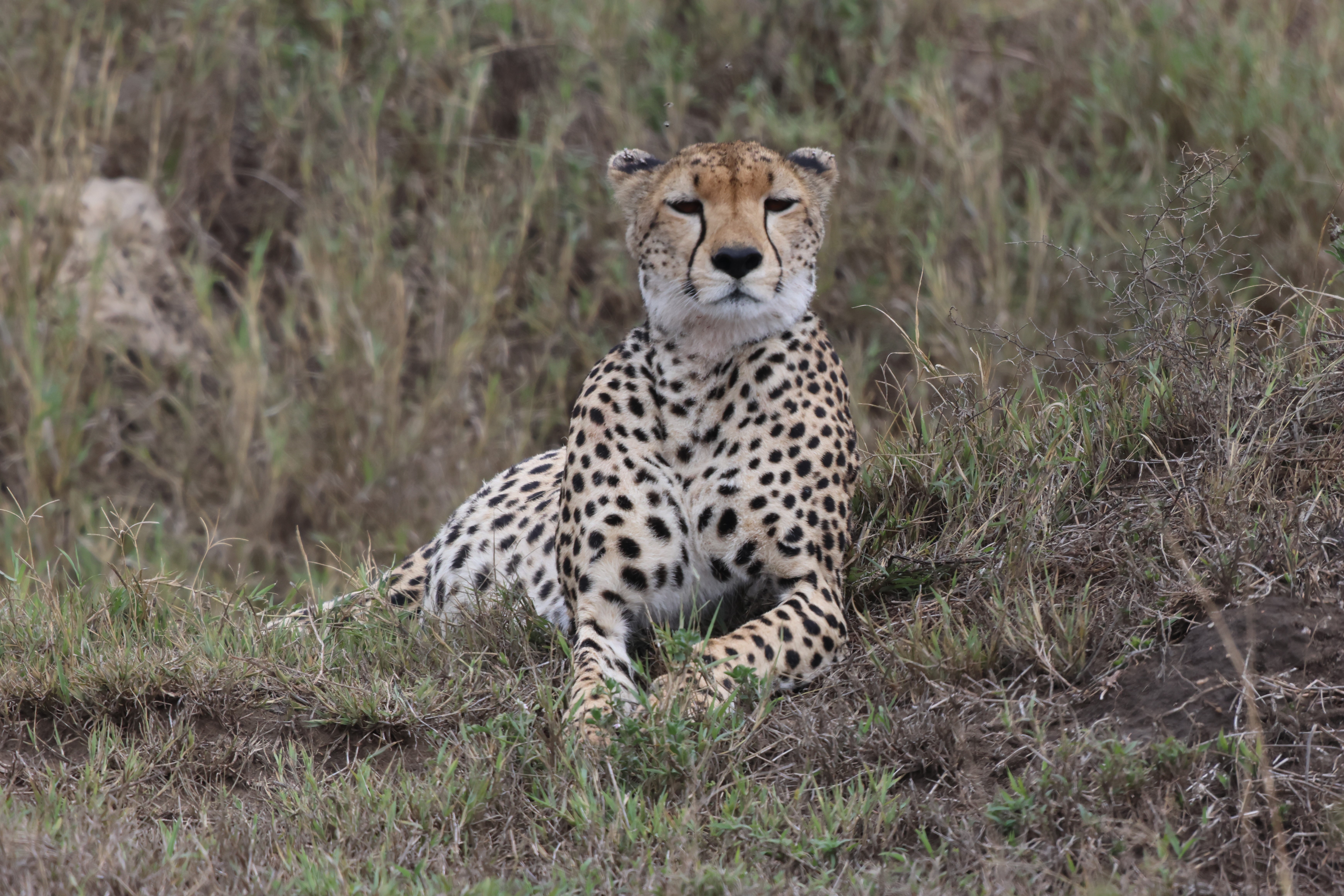
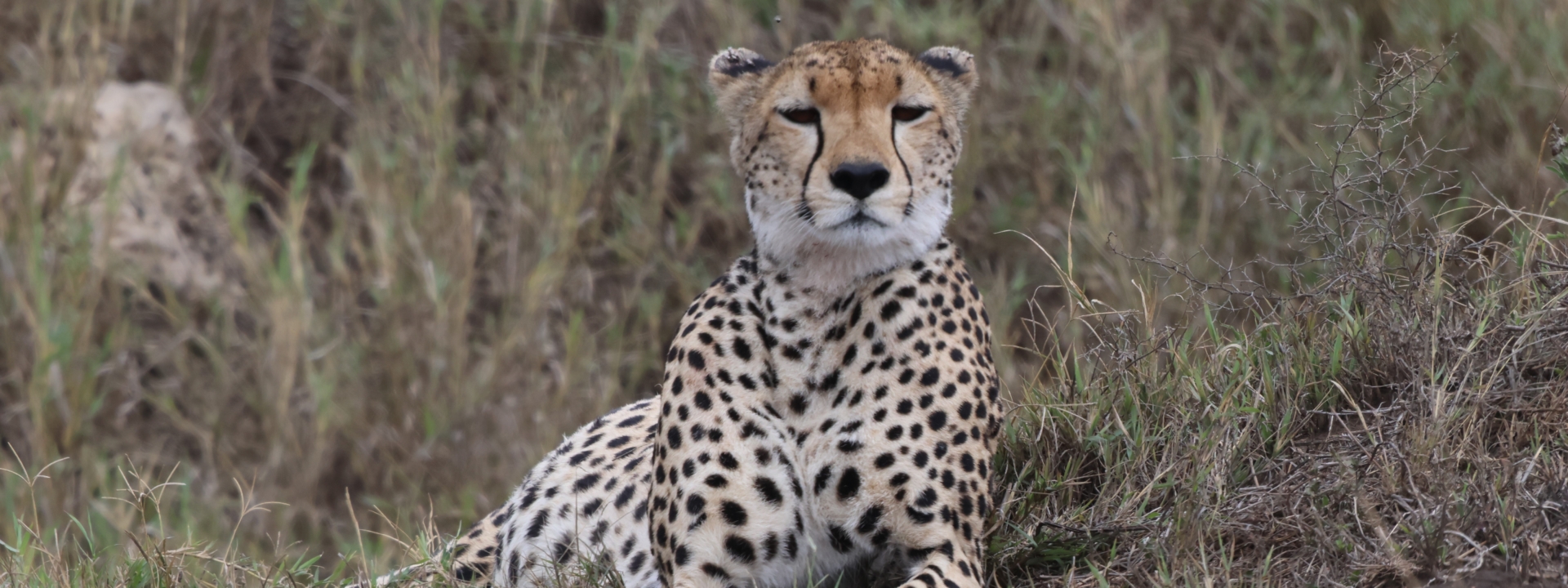
How to pick highlights from some a rich experience? Certainly, the excellent viewing and numbers of the big cats seen – Lions, Leopards and Cheetahs – was very special. Close encounters on many days with good numbers of Elephants, Giraffes, Hippos and Zebras was even more so as we had some sightings almost all to ourselves with time to watch and soak it all up whether it be mud-wallowing elephants, mating Lions or Cheetah families relaxing after a good meal!
The thousands of Wildebeest on their seemingly never-ending wanderings in the greener savannas of the Serengeti is always an extraordinary and almost life-affirming experience.
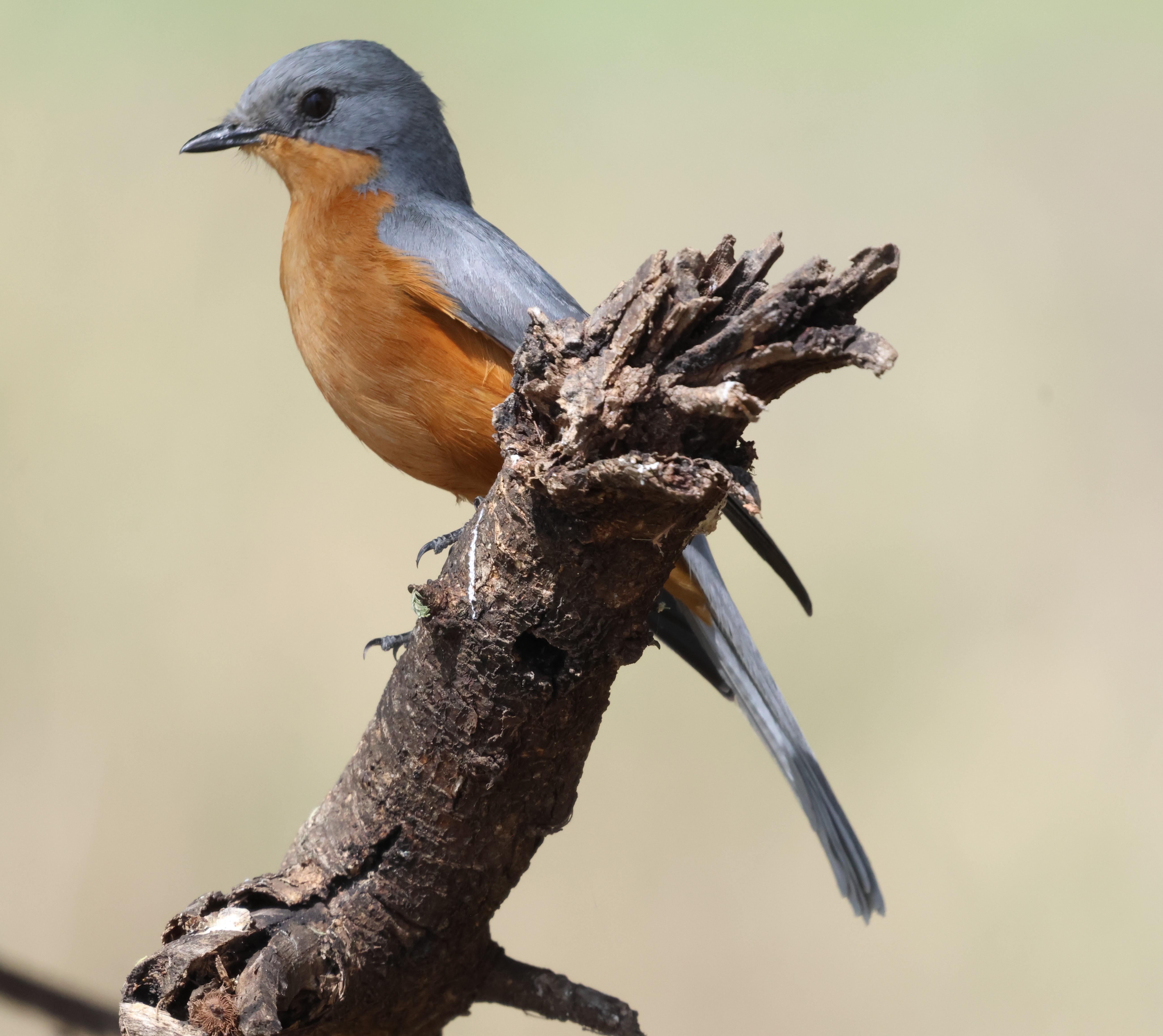
The birdlife is so prolific and abundant, and we saw well over 300 species by the end of the holiday.
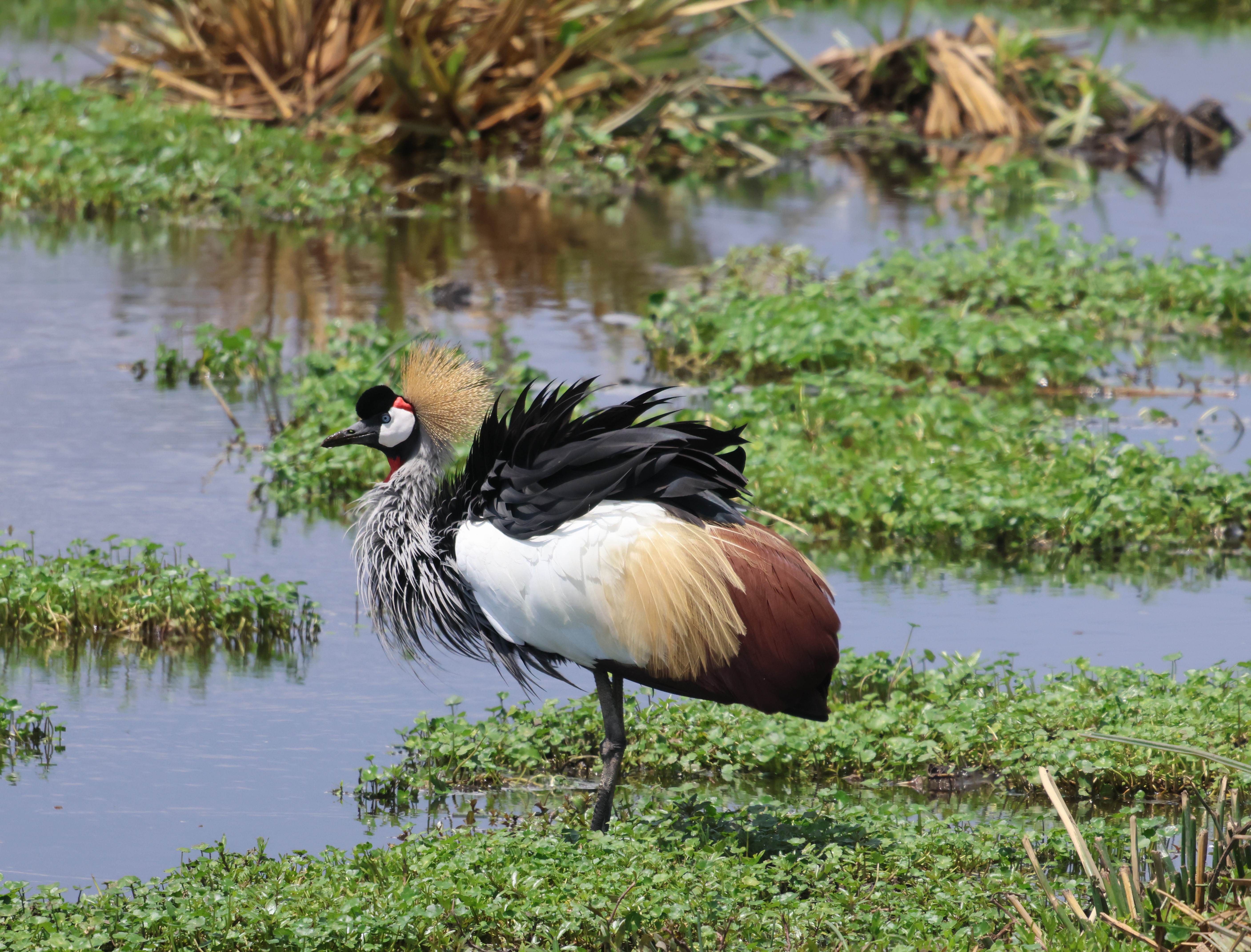
I am sure everyone had their particular favourites. For some in the group who hadn’t visited Africa before, it was perhaps the sheer number of easily seen brightly coloured species that impressed –Grey Crowned Cranes, Superb Starlings, Lilac-breasted Rollers, many species of bee-eaters, hornbills, barbets, bustards, waxbills and weavers. The raptors – eagles, vultures, harriers, hawks and Secretarybird – are always exciting and in the forests the thrill of successfully tracking down those gaudy turacos and Bar-tailed Trogon was special.
For me as tour leader who has visited Tanzania over 40 times, there is the satisfaction of finding and showing the group what I know to be more special, range and habitat-restricted species and endemics such as the Taveta Weavers, Giant Kingfisher, Ashy Starlings, Grey-breasted Spurfowl, Fischer’s Lovebirds and Rufous-tailed Weavers.
There are always surprises in what shows up and this tour was no exception. Scarcer, less often encountered birds included Madagascar Squacco Heron, Rufous-bellied Heron and Crested Guineafowl. On this trip I was amazed and delighted, as were the group, to find African Finfoot – a species new to me for Tanzania.
Accommodation was very comfortable and our incredibly sharp-eyed and knowledgeable driver/guide was a huge asset and great company, giving us additional insights into local culture.
After a journey westwards through the north of the country everyone went home with wonderful memories and fantastic photos and, of course, were pleased to have the luxury of a short flight back to our starting point, rather than the 200 mile return road trip that so many tours have to endure.
Peter Roberts
November 2026
We will be running this tour again in 2027 – please click here for further information.